Category: En

  • Six Simple Steps to Beat Your Tech Addiction

    Six Simple Steps to Beat Your Tech Addiction

    Tech addiction is defined as an impulse control disorder that involves the obsessive use of mobile phones, the internet or video games. Put in a simpler way, it combines excessive use of tech with negative repercussions {such as social isolation} and withdrawal symptoms {such as moodiness, depression or irritability}. Tech addiction can seem like an impossible hurdle to jump, but with the right advice, beating it could be less daunting than it feels. Here are seven simple ways to beat your tech addiction.

    1. Admit The Problem

    It’s a common cliché that the first stage in fixing a problem is admitting that the problem exists. If you don’t admit you have a problem your desire to change will be lukewarm at best. Be honest and evaluate if tech impairs your ability to function on a day to day basis. If your mood is dependent on “the little demon in your pocket”, then your relationship with tech has become at the very least unhealthy.

    Six Simple Steps to Beat Your Tech Addiction
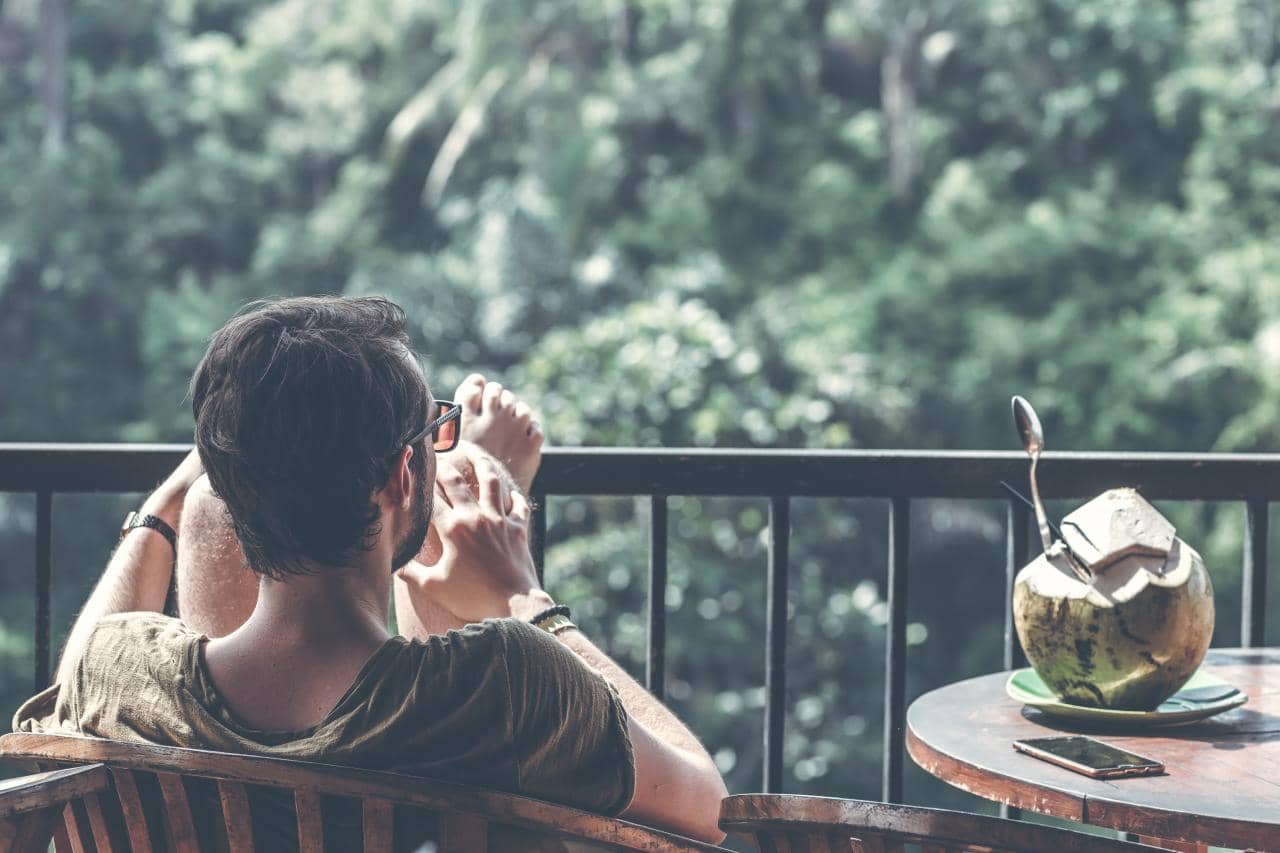
    Acknowledging you might have tech addiction is the first step.

    2. Carve Out Screen Free Time

    It goes without saying that dedicating time as screen-free is an ideal way to ween yourself off tech. Go for a walk, a bike ride or a run. Read a book or chat with a family member or friend. Or do absolutely nothing and re-calibrate during the day. If you are able to do a task or activity that does not involve a screen throughout the day then you are one step closer to breaking your tech addiction.

    3. Switch Off from Work

    Six Simple Steps to Beat Your Tech Addiction

    A lot of tech addicts can trace their problems to one place: work. The prevalence of tech in the 21st-century workplace means that it can be very hard to switch off even when your working hours are over. Baby steps are important as you are unlikely to be able to switch off from work-related tech for large periods at a time, at least in the beginning. Try turning off notifications for apps that are non-essential outside work (like Slack, for example). Or set up email labels that filter out emails so that you can reply to them at a later date. These should help alleviate some of the stresses of any potential tech addiction and help you to beat it.

    4. Use Tech That Helps You Stay Away from Tech

    As the founder of the Digital Citizenship Summit David Polgar puts it “If we were left alone with our devices, we would use them all day”. But technology can be used as a tool against tech addiction by using specialised apps and functionality. For example, the app Space, designed to help you think about how you are using your phone, can send you notifications to log off that get progressively more insistent as they are ignored. And Apple’s Focus Mode allows you to set limits around the functionality on your phone depending on the type of break you want from it. Using tech as an aider rather than an enabler, your relationship with tech could start to become healthier.

    5. Design Your Tech Free Zones

    By having tech around you every second of the day, the likelihood of a relapse or the temptation to use tech more than you should will always be present. The answer: tech-free zones. Zones at work or in the house where tech is not present. By removing tech from certain physical spaces, you will ensure that those places are where you can truly relax and remove the temptation of overindulging with tech.

    6. Favour Face Time

    Technology has undoubtedly changed the way we communicate. However, communication online is never truly the same as that in person. By placing the emphasis on meeting others face to face, social interaction not only happens more organically but also removes obvious dependence on tech. Just make sure your phone is away when you are with anyone else!

    Six Simple Steps to Beat Your Tech Addiction

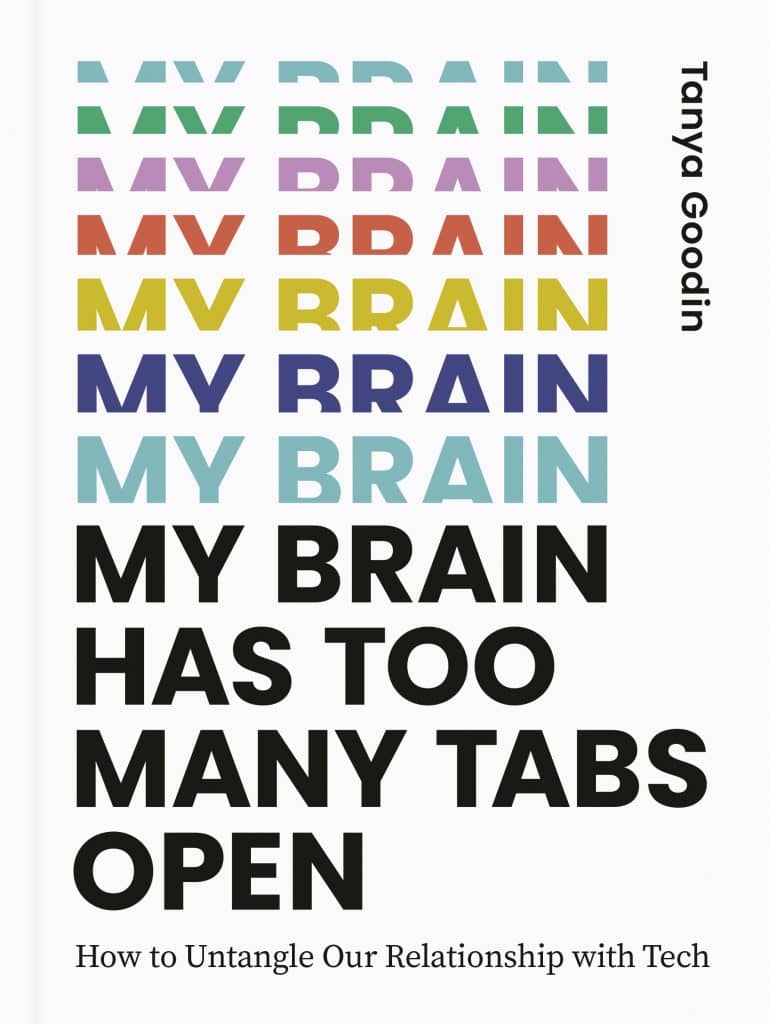
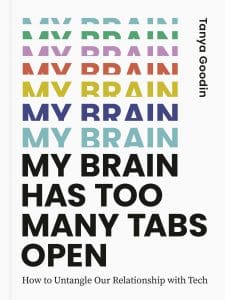
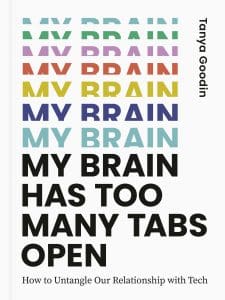
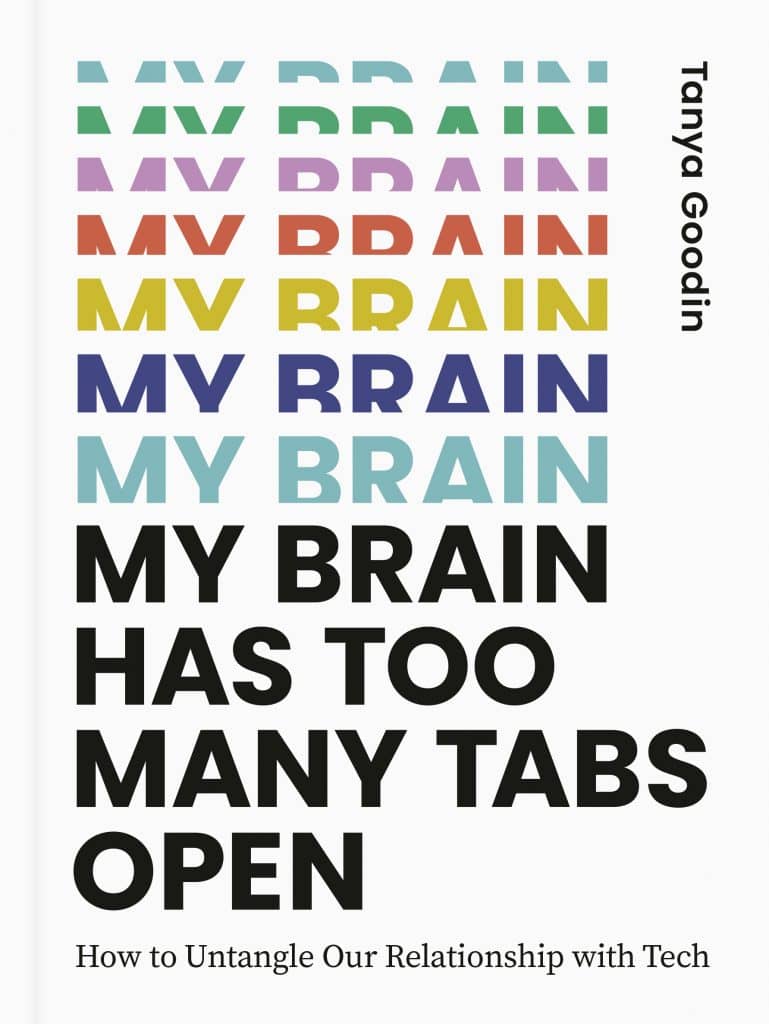
    For more about how you can manage tech addiction and on other bad digital habits that are changing lives – pick up a copy of our new book: My Brain Has Too Many Tabs Open. Available to order here.

    View the original article at itstimetologoff.com

  • Time to rethink working from home in 2022?

    Time to rethink working from home in 2022?

    Thanks to the pandemic, the last two years have seen an explosion in the number of people working from home right across the globe. But as new research and studies begin to emerge on the impact of #wfh, is it time for us to re-think our home-work habits as we go into 2022?

    Some of the studies have told us things we probably could have worked out for ourselves – it’s not been great for women. Some may come as a surprise – we’ve been a lot less productive than we may initially have thought.

    Women have been disadvantaged working from home

    Time to rethink working from home in 2022?
    Women have been juggling work and childcare, much more than men, during the pandemic.

    Anecdotal evidence seemed to suggest that women all over the globe felt the burden of lockdowns – with the expectation of combining home working with home schooling – was falling mainly on them.

    And indeed, research by scientists at the universities of Oxford, Cambridge and Zurich showed that working women in the US, UK and Germany did more childcare and home-schooling across all wage brackets in the early months of the pandemic, compared to men with similar earnings. The difference was even greater in couples where the man had worked outside the household during the pandemic.

    Similarly, a study from the University of Chicago found that the productivity of those working from home fell by up to a fifth, especially among women (who it is assumed took the brunt of household and childcare tasks).

    Working hours have increased, productivity hasn’t

    Time to rethink working from home in 2022?
    Late night working has become the norm

    Of course, though women may have suffered disproportionately, changes in working habits affected everyone working from home. One study found the average length of time an employee working from home in the UK, Austria, Canada and the US was logged on at their computer increased by more than two hours a day in the pandemic. In fact, UK workers were found to have increased their working week by almost 25% and, along with employees in the Netherlands, were logging off at 8pm,

    Surprisingly, those extra hours didn’t result in a corresponding increase in productivity. Japan’s Research Institute of Economy, Trade and Industry (RIETI) says that the productivity of employees when working from home during the Covid-19 pandemic was, on average, 30–40% lower than that in the office. A similar study from the US, using data from a survey of small and medium-sized firms, reported a decrease in productivity of about 20% on average.

    We may make more mistakes working from home

    Time to rethink working from home in 2022?

    Some people working at home felt they could concentrate better than when they were working in the office (apart from those struggling parents), but one study found that home working may actually lead to more mistakes. Researchers at the Rotterdam School of Management in Netherlands found that world-class chess players made worse moves when playing from home online than when facing their opponents over the board. They hypothesised that work tasks often require the same sort of skills as chess moves, such as analysis, strategy, and decision-making under pressure, and that it may be a sign that remote working may impact quality of work in the same way.

    Of course, the decision to carry on working from home may not just be based on working hours and productivity. Quality of family life and the lack of a commute might also be big attractions. But all these studies do suggest that, as in so many areas, just because the technology exists to enable us to work from home, there may be complex and subtle human reasons that may mean it might not always be the best choice. Food for thought, as we go into 2022.

    Time to rethink working from home in 2022?
    My Brain Has Too Many Tabs Open

    If you need more practical help and inspiration, not just on working from home but also on tech-life balance, our new book will help you this year. Pick up a copy here.

    View the original article at itstimetologoff.com

  • Can Exercise Help Your Recovery?

    Substance addiction takes its toll on every part of a person: physical, mental, emotional, and even spiritual. The impact of addiction on the human body is extensive and devastating in many ways: sleeplessness and insomnia, loss of appetite and in coordination, and ultimately, a physical dependency that presents itself through cravings, flu-like symptoms, and changes in appearance that include weight loss and digestive issues. Repairing the physical damage that addiction delivers takes time, just as overcoming its mental and emotional toll does.

    Studies have shown the regular aerobic exercise – physical activity that increases heart rate and the flow of oxygen through the bloodstream – can help individuals to recover from substance abuse when combined with a comprehensive program that includes therapy, improved diet, and social interaction. Research has indicated that exercise can provide relief and/or assistance with many of the aspects of addiction, from regular and escalating use to binging and relapse. Its impact on the emotional outlook of addicts has also been studied, and studies have shown that it can decrease the depression and anxiety that can often lead to increased use or relapse, and prompt positive feelings – self-esteem, self-confidence – that prompt continued abstinence.

    Rehabilitation facilities like California’s Tarzana Recovery Center offer aerobic exercise as part of their treatment and recovery programs, including gym access, yoga, and numerous sober activities that involve elements of exercise. Individuals in recovery can also pursue exercise options as part of their post-treatment lives, and as part of the daily maintenance of sobriety and abstinence.

    What’s So Good About Exercise in Recovery?

    Here are just a few of the health benefits provided by exercise during recovery:

    Stress Reduction. Stress can be a major hurdle during all stages of recovery. Like addiction itself, it produces both physical and mental responses in the body: a person under stress may experience an accelerated heart rate and blood pressure levels, increased body temperature, shallow or rapid breathing. Physical activity, and especially aerobic exercise of any kind, boosts circulation and sends endorphins – neurotransmitters which increase feelings of pleasure and well-being – to the brain, lowering blood pressure, improving mood, and reducing feelings of stress.

    Mood, Sleep, and Cravings. By reducing stress, exercise can also ease the cravings for substances that come with spikes in anxiety and stress. Positive connections to physical activity and the sense of personal achievement that come with a good workout also boosts the senses of self-esteem and self-control that are sorely damaged by addiction. In some cases, just 30 minutes of exercise a day can have a positive impact on mood. Additionally, many individuals in recovering may find that their sleep schedules, which were severely hindered by substance use, return to a normal and regular pattern with increased exercise.

    Overall Health. Addiction takes its toll on the body’s immune system and makes it more vulnerable to health concerns, including serious conditions like cancer, heart disease, diabetes, and osteoporosis. Exercise improves the circulation of white blood cells, which fight illnesses and diseases, throughout the body; studies also suggest that exercise may even increase the number of white blood cells and specifically T-cells, which protect you from infection and certain diseases. Regular exercise also reduces inflammation in the body, which boosts your immune response to illness.

    Which Exercises Are Best During Recovery?

    While studies haven’t conclusively determined which exercises are the best to pursue during recovery, the two modalities that delivery the most benefits for physical, mental, and emotional well-being are cardio-related exercises and resistance training. Cardio exercises are any activities that elevate heart rate and the flow of oxygen in circulation their benefits include decreased blood pressure and blood sugar levels, increased HDL cholesterol (the “good” kind), and improve lung capacity and function.

    They can range in intensity from boxing and aerobics to swimming and even dancing. Hiking has the added benefit of taking you outdoors and providing you with Vitamin D from sunshine, as will relatively low-impact pursuits like gardening or walking. All of these exercises can be modified according to an individual’s level of experience, endurance, and ability.

    Resistance training builds muscle strength and endurance through exercises using weights that are pulled or lifted. Weight training using bodyweights or weight machines, like the kind seen at a gym, is the most common form of resistance training, but can also involve water bottles or any other object with enough weight to create muscle contraction through resistance.

    The benefits of resistance training are numerous: it lowers the chance of heart disease, blood pressure, and body fat, boosts good cholesterol levels, and reduces the changes of age-related issues such as muscle deterioration and osteoporosis.

    Things to Note

    The American Heart Association recommends that cardio exercise should be done for at least 30 minutes five to seven days a week. The American College of Sports Medicine suggests that resistance training should be performed for a minimum of two days (non-consecutive) per week, and should consist of eight to 10 different exercises that engage various muscle groups.

    However, it’s important to get guidance before starting any exercise program. Ask your doctor about which exercises might be right for you in your particular demographic (age, weight, exercise and health history). They can determine if a particular course of exercise is right for you.

    Tarzana Recovery Center is a luxury residential addiction treatment center in Tarzana, California. For more information, call 866-514-1748 or visit their website.

  • 10 Digital Detox Resolutions for 2022

    10 Digital Detox Resolutions for 2022

    10 Digital Detox Resolutions for 2022

    This is post 4 of 4 in the series “Resolutions”

    1. 5 Achievable Digital Detox Resolutions for 2018
    2. 7 Realistic Digital Detox Resolutions for 2020
    3. 10 Digital Detox Resolutions for 2021, after a Year on Screens
    4. 10 Digital Detox Resolutions for 2022

    It’s the end of the year. It’s time to focus on new habits that might just make the new year healthier and happier than the one behind us. Some people don’t like the idea of making resolutions just because it’s a new year, but we’re big fans. So, we’re sharing the ten digital detox resolutions that we think will make an appreciable difference to our health, our productivity and our relationships, as we leap hopefully into this new year. 

    We’ve had a whole heap of new research, and insights from within Big Tech, coming out this last year so we’re going into 2022 feeling more informed and empowered than ever about our relationship with tech.

    10 Digital Detox Resolutions for a Healthier, Happier New Year

    #1 Define your ‘why’

    10 Digital Detox Resolutions for 2022
    Why do you want to cut back on screen time? What’s your motivation?

    Changing habits is hard. Any resolution you make is only going to be effective if you’re really motivated. So, start with why. Are you cutting down on time on screens for your mental health`? For your work and productivity? To improve your relationships? Work out what ‘success’ looks like to you in tech:life balance terms. Hitting your goals will be that little bit easier.

    #2 Stop the blur between home and work

    10 Digital Detox Resolutions for 2022
    What are your ‘do not cross’ lines for work and home balance?

    Perhaps the biggest problem of the last few years, is how screens have taken up residence in every corner of our homes. Thanks to us all working from home, work-life balance is harder than ever before. Setting clear boundaries between work and home was a struggle before the pandemic, with work emails pinging us day and night, it now feels impossible. Set your rules for 2022 on where your office ends and your home begins, for a calmer, less stressful, you.

    #3 Connect with nature (for a 28% reduction in loneliness)

    10 Digital Detox Resolutions for 2022
    Get outside and connect with nature

    The power of nature to soothe and restore us has never been more evident, or needed, than in the last year. A new study has found that getting outside and enjoying nature can reduce feelings of loneliness by up to 28 per cent in city dwellers. If you need one more reason to get outside in 2022, we think that’s a pretty good one.

    #4 Have more ‘face time’

    10 Digital Detox Resolutions for 2022
    Invest in real-life face time

    Last year we were very restricted in who we could meet up with face-to-face. This year, things have been much better. But many of us still pick up and check our phones when we’re with our nearest and dearest. Invest more in real-life face time in 2022. Put down your phone and properly connect with the people you’re with.

    #5 Cut mindless screen scrolling

    10 Digital Detox Resolutions for 2022
    Be more mindful about your screen habits in 2022

    Using screens and the digital world to connect, to work, to inspire, isn’t the problem. It’s the mindless two hours spent on TikTok when we only meant to jump on for a few minutes. Getting dragged back into ‘work’ mode when we went to read one email. And hours spent doom scrolling when we only intended to check the headlines. Making a resolution to use screens mindfully and with intention in 2022 should be one of your goals.

    #6 Say ‘no’ to notifications

    10 Digital Detox Resolutions for 2022
    Stop your phone from shouting at you in 2022

    If you’ve still got notifications enabled on your phone, honestly, we don’t know how you’re managing. With an average of 40 apps on our smartphones buzzing, popping up and shouting at us for attention, that’s a lot of interruptions. In 2022, be ruthless about the notifications you get from your smartphone. Decide which are essential and which you can ditch with 2021. Frankly, the fewer notifications you get, the better.

    #7 Take time out

    10 Digital Detox Resolutions for 2022
    Pause more, without your phone, in 2022

    Schedule time out from screens as regular dates with yourself in your 2022 diary. Ten to fifteen minutes, just you and a book, or a cup of coffee, staring out the window, with no smartphone in your hand is a good place to start.

    #8 Put audio over video

    10 Digital Detox Resolutions for 2022
    Not every call has to be a video call

    Stanford University found that Zoom fatigue was a real phenomenon this year. The strain of staring at others on a screen for too long leaves us feeling burnt out. Listening to someone’s voice on the other hand has been proven to deepen empathy and understanding. Make a goal to switch to audio when you can in 2022.

    #9 Keep scrolling thumbs busy

    10 Digital Detox Resolutions for 2022
    Keep hands busy and you won’t miss your phone

    Find something you can do off screens which completely absorbs you. It should enable you to completely switch off from everything else going on around you. When we are in this mindful state called ‘flow’, it gives our brains time to rest. It leaves us feeling rested and rejuvenated. The bonus is we are so absorbed we don’t miss the feeling of mindless scrolling on our phones. Find your flow in 2022.

    #10 Un-friend social media

    10 Digital Detox Resolutions for 2022
    Is it time to say ‘no’ to social media?

    Many people have been talking, and writing, this year about giving up social media for good. With more bad news about the impact on mental health we feel like the balance is swinging against it every year. But many of us need it for our work, and enjoy using it. We don’t have all the answers but in 2022 one of our goals should be asking ourselves seriously if the good still outweighs the bad. Let us know how you get on!

    10 Digital Detox Resolutions for 2022
    My Brain Has Too Many Tabs Open

    If you need more practical help and inspiration, our new book will help you with has all your digital detox and digital wellbeing resolutions this year. Pick up a copy here.

    View the original article at itstimetologoff.com

  • Our Top 10 digital detox articles of 2021

    Our Top 10 digital detox articles of 2021

    This is post 6 of 6 in the series “Top Ten”

    1. Our Top 10 digital detox posts of 2015
    2. Our Top 10 digital detox posts of 2017
    3. Our Top 10 digital detox posts of 2018
    4. Our Top 10 digital detox blogs of 2019
    5. Our Top 10 digital detox blogs of 2020
    6. Our Top 10 digital detox articles of 2021

    Another year, another twelve months spent more on screens than we’d care to admit. We had another record year of visits to our blog to make the most of our advice, help, ideas and round-ups of the latest facts, research and statistics on living healthily with tech. Here, at the end of this second year of the pandemic, were our top digital detox articles in 2021:

    10. The Latest in Digital Detox Research

    Our Top 10 digital detox articles of 2021

    As we emerged from the last full lockdown in the UK in July this year, we wanted to review how our tech habits had changed in the pandemic, and what impacts these changes have had on our overall wellbeing. This article reviewed some of the newest research.

    9. 10 Questions that Will Help You In Your Digital Detox

    We know how difficult digital detoxes can be, with many struggling to make it through the first few hours, let alone the days and months which might allow healthier habits to form. We put together some questions to help you digital detox effectively and maintain your habits long term, beyond 2021.

    8. Phone Addiction: Spotting the Symptoms and Taking the Next Steps

    “Is it addiction, or am I just a bit overly-connected to my phone?” is one of the questions we get asked the most. So we did a deep-dive into what really constitutes ‘addiction’. We looked at how you could spot the symptoms in yourself and others and how to take the next steps in dealing with it.

    7. 8 Ways to Put Your Phone Down More in 2021

    Our Top 10 digital detox articles of 2021

    As we emerged into 2021 the question on everyone’s lips was how to avoid being glued to our phones and screens as much as we were throughout 2021. Ofcom found that during the first UK Covid lockdown, Brits spent 40% of their time watching TV and online video, and that’s before they were working online, or browsing social media. Our first post of 2021 was full of tips to help you revamp your screen use and get the most out of the new year.

    6. 5 Things to do Instead of Scrolling on Your Phone

    Our Top 10 digital detox articles of 2021

    One of the biggest challenges we face when we start a digital detox, or make the resolution to log off, is what to do instead. We know from our years of experience that when our hands are busy it makes it just that little bit harder to pick up our phones. This article suggested five things you can do to help you stay offline.

    5. Our 2021 Digital Detox Resolutions

    Always one of our most popular digital detox articles of the year (look out for the 2022 one in January 2022), this one is where we set down our resolutions for the year. We always hope it helps you to set your own challenges too.

    4. How to Deal with Digital Burnout

    Unsurprisingly, after the last couple of years digital burnout was a hot topic this year. It was one of the most requested subjects for our corporate and school talks in 2021 and frequently requested as a topic for our digital detox articles too. This article focused on how to deal with burnout from screens, phones and video calls if you felt you might be suffering.

    Also ranked very highly was…

    3. The Growing Problem with Digital Burnout

    We looked further at the new research on how being glued to screens for the past few years was impacting us all. The fact that two digital detox articles in our top five in 2021 were on the subject of digital burnout told us all we needed to know about how you were all feeling…

    Our Top 10 digital detox articles of 2021

    2. Why You Should be Active, Not Passive, on Social Media

    Very few of you want to give up social media completely, but you do want to know what ‘healthy’ use looks like. In our second most popular article in 2021, we shared the latest research on how an active use is better for us than passive scrolling.

    Which brought us to…

    1. 4 Ways to Stop Social Media Ruining Your Relationship

    Our No.1 post this year was focused on your worries on how social media might be impacting your most important relationships. The fact that it was the most popular post told us just how worried you all are about it. With practical and realistic suggestions, we really hope this one helped.

    2021 felt a tiny bit like Groundhog Day at Time To Log Off Towers. At the end of 2020 we hoped that we’d be off screens and back off out into the real world. It hasn’t happened in quite the way we all thought (yet). But, the silver lining for us was that you kept coming back to our site and reading our digital detox articles in another record-breaking year. We hope they all helped in some way. Do let us know!

    Our Top 10 digital detox articles of 2021

    For more ideas, suggestions and help on living healthily with the digital world, pick up a copy of our new book which also came out in 2021.

    View the original article at itstimetologoff.com

  • Experience, Strength and Hope Awards Honor Leigh Steinberg and Courtney Friel

    In a single ceremony, the ESH Awards honored two prime examples of celebrities who wrote memoirs that capture their fraught journeys into recovery and long-term sobriety.

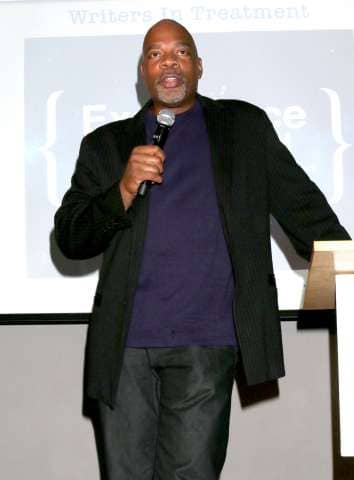
    After a year trapped like the rest of us in the worried doldrums of quarantines and isolation, the Experience, Strength and Hope (ESH) Awards returned with a double slam dunk on December 15, 2021. Held at the Skirball Cultural Center in Los Angeles, the recovery community’s number one annual rewards gathering and celebration played catch-up. In a single ceremony, Leonard Buschel and Ahbra Kaye honored two prime examples of celebrities who wrote memoirs that capture their fraught journeys into recovery and long-term sobriety.

    The Gratitude Dinner paid tribute to two brave and inspirational sober human beings. First, legendary sports agent Leigh Steinberg was celebrated as the 2020 Honoree for his revealing memoir, The Agent: My 40-Year Career Making Deals and Changing the Game. A powerful tale of tremendous success followed by a precipitous downfall, Steinberg’s redemption through the lens of sobriety happens within and without.

    Second, effervescent KTLA news anchor Courtney Friel was celebrated as the 2021 Honoree for her unflinching memoir, Tonight at 10: Kicking Booze and Breaking News. Friel’s story is told with humor and love that overcomes the downward spiral of desperation and fear. Together, both ESH Honorees are prime examples of surviving an addictive downfall and thriving well beyond. Wanting to use the darkest of their experiences to help others recover, they both walk a path of courage in telling their harrowing stories without blinking in the spirit of self-esteem.

    Experience, Strength and Hope Awards Honor Leigh Steinberg and Courtney Friel

    Once again, Leonard Buschel and Ahbra Kaye of Writers in Treatment came together to create an entertaining Gratitude Dinner of laughter and love. As the founder of the Reel Recovery Film Festival and Chasing the News, Leonard Buschel made a smart choice when he appointed Ahbra Kaye as Director of Operations and Outreach for the ESH Awards. Even amid fears of the Omicron variant and the rise of public gatherings, the entire evening went swimmingly well. Overall, both the Networking Reception and the Gratitude Dinner flowed with a positive attitude as attendees from the recovery community came together to celebrate these two luminaries.

    While speaking with Leigh Steinberg before the meeting, I was struck by his dedication to the path of recovery. When asked what the reward meant to him, Steinberg said, “For anyone out there still struggling with addiction, I hope that reading my book shows them that help is available. It is possible in one’s darkest hours to be resilient. We all truly have a chance to live a happier life.”

    Reflecting on his life, Steinberg explained the similarities between excellence in sports and goodness in life: “The key to sports and life is performance in adversity and our response to adversity. Adversity is a part of being alive. Indeed, life will knock us back at times. Life will have reverses. I have learned that having optimism and having faith in the light at the end of a dark tunnel is essential. I had an epiphany about how lucky I was in life…Thus, I had to come through and realize the best in recovery. I had to live up to my core values of loving my family and friends while doing my best to help others in need.”

    The 2021 Honoree was just as inspired. As she explained from the podium, “For fifteen years of my life, all I cared about was partying, drinking, cocaine, and pills. It’s a very boring life to keep doing that over and over again. The essence of recovery is a shift into the experience of freedom from that cycle.”

    Experience, Strength and Hope Awards Honor Leigh Steinberg and Courtney FrielCommenting on why she wrote the book, Friel smiled and said, “I wasn’t writing the book to be famous, make money, or be a bestseller. I wrote it to help people. The reward is when I get people who unexpectedly get in touch with me. More people than I ever imagined have told me how my message was instrumental in saving their lives. Not that I saved their lives, but they told me I helped open their eyes to the choice of being sober. Such a loving response is a gift that goes well beyond what I ever expected. It is what giving back is all about.”

    The ESH Awards also showcased a diverse and talented roster of performers, starting with singer and spoken word performer Blu Nyle, who performed two poems at the podium that reflected the creative legacy of her ancestors. After Leigh and Friel received their awards, eight-time Grammy Award winner Philip Lawrence sang a fun tribute song that paid amusing homage to the two honorees. Written just for this occasion, it showed how inspiration and recovery, music and sobriety mix so well.

    Finally, the night came to a resounding end with an inspired comedy set by Alonzo Bodden. Taking down everyone from anti-vaxxers to political extremists, Bodden set fire to the stage with his combustible words. In truth, I have not heard a room laughing so hard and having so much fun together for a very long time. It was a perfect way to end a wonderful night.

    Photographs by Kathy Hutchins

    View the original article at thefix.com

  • Technoference: What it is and How to Stop Doing it.

    Technoference: What it is and How to Stop Doing it.

    This is post 3 of 3 in the series “My Brain Has Too Many Tabs Open”

    1. Are You Guilty of Sharenting? How to Stop
    2. Have you been ‘phubbing’ your loved ones? We can help.
    3. Technoference: What it is and How to Stop Doing it.

    It’s a tale as old as time: a family is gathered in a kitchen, the living room or in the car. This is a time for chatter, a time for the conversation to flow and for bonds to be strengthened. However, there is no chat. Only pairs of glazed eyes focused on screens all around. This habit has a name: technoference. It’s something we have all done or had done to us. Studies suggest that not only are parents are using technoference in order to disengage with children, they also find it more difficult to engage with a child when they put their screen down.

    Technoference: What it is and How to Stop Doing it.

    What is Technoference?

    Technoference is a portmanteau of the words “technology” and “interference”. Technoference has many recognisable forms. It could be a meal with family, where the conversation is interrupted every minute by the need to keep up with the football score. Or, maybe someone asks you a question and you fail to answer because you are engrossed in your device. If you are not present in the conversation because of preoccupation with tech, or dropped out of a conversation midway because of something tech-related, you are guilty of technoference.

    Technoference: What it is and How to Stop Doing it.

    Why is Technoference a Problem?

    Most of us know the feeling of having a conversation halted because someone needs to check their phone. You can lose the thread of what you were saying, or think that the conversation was not important to the person in the first place. All this makes us slip further within ourselves, furthering the loss of interaction that the pandemic has left us with. We should make an effort to be more social than ever before if we are to ameliorate the effects of technoference. These effects, according to research, include lower relationship and life satisfaction than those who use devices less. The bottom line is clear: technoference leads to real world difficulties.

    How to Stop

    Beyond simply putting your phone down more often, there are plenty of ways you can reduce technoference. Turning off notifications on your device would be good start, as would keeping your phone in your pocket and out of sight. You are less likely to be interrupted by a ringing phone or be tempted to check it if it’s not in your sightline. If there are times when you simply cannot avoid looking at your phone, try and excuse yourself from the conversation first to go to a place where you can take a call ,or check an email. If you engage in technoference, it’s more likely that those around you will too. By making these first steps, you’ll be pleasantly surprised with the difference it inspires it not just you, but also the people around you. Give it a go and see what a big difference a small change can make.

    Technoference: What it is and How to Stop Doing it.

    For more about how digital habits such as technoference are changing our lives – and how to fix it – pick up a copy of our new book: My Brain Has Too Many Tabs Open. Available to order here.

    View the original article at itstimetologoff.com

  • Gloria Harrison: True Recovery Is the Healing of the Human Spirit

    Although Gloria experienced trauma, violence, and institutionalized oppression, she never gave up hope. Now, in recovery, she is a counselor and staunch recovery advocate. 

    True recovery is the healing of the human spirit.
    It is a profound recognition that we not only have the right to live
    but the right to be happy, to experience the joy of life.
    Recovery is possible if only you believe in your own self-worth.

    -Gloria Harrison

    Although the dream of achieving recovery from substance use disorders is difficult today for people outside of the Caucasian, straight, male normative bubble, there is no question that progress has been made. If you want to know how difficult it was to get help and compassionate support in the past, you just have to ask Gloria Harrison. Her story is a stark reminder of how far we have come and how far we still must go.

    As a young gay African American girl growing up in a Queens household overrun with drug abuse and childhood trauma, it is not surprising that she ended up becoming an addict who spent years homeless on the streets of New York. However, when you hear Gloria’s story, what is shocking is the brutality of the reactions she received when she reached out for help. At every turn, as a girl and a young woman, she was knocked down, put behind bars in prisons, and sent to terribly oppressive institutions.

    Gloria’s story is heartbreaking while also being an inspiration. Although she spent so much time downtrodden and beaten, she never gave up hope; her dream of recovery allowed her to transcend the bars of historical oppression.

    Today, as an active member of Voices of Community Activists & Leaders (VOCAL-NY), she fights to help people who experience what she suffered in the past. She is also a Certified Recovery Specialist in New York, and despite four of her twenty clients dying from drug overdoses during the COVID-19 pandemic, she continues to show up and give back, working with the Harlem United Harm Reduction Coalition and, as a Hepatitis C survivor, with Frosted (the Foundation for Research on Sexually Transmitted Diseases).

    Before delving into Gloria’s powerful and heartbreaking story, I must admit that it was not easy for me to decide to write this article. As a white Jewish male in long-term recovery, I was not sure that I was the proper person to recount her story for The Fix. Gloria’s passion and driving desire to have her story told, however, shifted my perspective.

    From my years in recovery, where I have worked a spiritual program, I know that sometimes when doors open for you, it is your role to walk through them with courage and faith.

    A Cold Childhood of Rejection and Confusion

    Like any child, Gloria dreamed of being born into the loving arms of a healthy family. However, in the 1950s in Queens, when you were born into a broken family where heavy responsibilities and constant loss embittered her mother, the arms were more than a little overwhelmed. The landscape of Gloria’s birth was cold and bleak.

    She does not believe that her family was self-destructive by nature. As she tells me, “We didn’t come into this world with intentions of trying to kill ourselves.” However, addiction and alcoholism plagued so many people living in the projects. It was the dark secret of their lives that was kept hidden and never discussed. Over many decades, more family members succumbed to the disease than survived. Although some managed to struggle onward, addiction became the tenor of the shadows that were their lives.

    Gloria’s mother had a temper and a judgmental streak. However, she was not an alcoholic or an addict. Gloria does remember the stories her mother told her of a difficult childhood. Here was a woman who overcame a terrifying case of polio as a teenager to become a singer. Despite these victories, her life became shrouded in the darkness of disappointment and despair.

    Gloria Harrison: True Recovery Is the Healing of the Human Spirit

    In 1963, as a pre-teen, Gloria dreamed of going to the March on Washington with Martin Luther King, Jr., and the leaders of the Civil Rights Movement. Her mother even bought her a red beanie like the militant tam worn by the Black Panthers. Proudly wearing this sign of her awakening, Gloria went from house to house in Astoria, Queens, asking for donations to help her get to Washington, D.C. for the march. She raised $25 in change and proudly brought it home to show her mother.

    Excited, she did not realize it was the beginning of a long line of slaps in the face. Her mother refused to let her little girl go on her own to such an event. She was protective of her child. However, Gloria’s mom promised to open a bank account for her and deposit the money. Gloria could use it when she got older for the next march or a future demonstration. Gloria never got to turn this dream into a reality because her life quickly went from bad to worse.

    At thirteen, Gloria found herself in a mish-mash of confusing feelings and responsibilities. She knew she liked girls more than boys from a very early age, not just as friends. Awakening to her true self, Gloria felt worried and overwhelmed. If she was gay, how would anyone in her life ever love her or accept her?

    The pressure of this realization demanded an escape, mainly after her mother started to suspect that something was off with her daughter. At one point, she accused her daughter of being a “dirty lesbo” and threw a kitchen knife at her. Gloria didn’t know what to do. She tried to run away but realized she had nowhere to go. The only easy escape she could find was the common escape in her family: Drugs seemed the only option left on the table.

    The High Price of Addiction = The Shattering of Family Life

    In the mid-sixties, Gloria had nowhere to turn as a young gay African American teen. There were no counselors in her rundown public high school, and the usual suspects overwhelmed the teachers. Although the hippies were fighting the war in Vietnam on television, they did not reach out to troubled kids in the projects. Heck, most of them never left Manhattan, except for a day at the Brooklyn Zoo or Prospect Park. The Stonewall Riots of 1969 were far away, and Gay Rights was not part of almost anyone’s lexicon. Gloria had no options.

    What she did have was an aunt that shot heroin in her house with her drug-dealing boyfriend. She remembers when she first saw a bag of heroin, and she believed her cousin who told her the white powder was sugar. Sugar was expensive, and her mom seldom gave it to her brothers and sisters. Why was it in the living room in a little baggie?

    Later, she saw the white powder surrounded by used needles and cotton balls, and bloody rags. She quickly learned the truth, and she loved what the drug did to her aunt and the others. It was like it took all their cares away and made them super happy. Given such a recognition, Gloria’s initial interest sunk into a deeper fascination.

    At 14, she started shooting heroin with her aunt, and that first hit was like utter magic. It enveloped her in a warm bubble where nothing mattered, and everything was fine. Within weeks, Gloria was hanging out in shooting galleries with a devil may care attitude. As she told me, “I have always been a loner even when I was using drugs, and I always walked alone. I never associated with people who used drugs, except to get more for myself.”

    Consequences of the Escape = Institutions, Jails, and Homelessness

    Realizing that her daughter was doing drugs, Gloria’s mother decided to send her away. Gloria believes the drugs were a secondary cause. At her core, her mother could not understand Gloria’s sexuality. She hoped to find a program that would get her clean and turn her straight.

    It is essential to understand that nobody else in Gloria’s family was sent away to an institution for doing drugs. Nobody else’s addiction became a reason for institutionalization. Still, Gloria knows her mother loved her. After all, she has become her mother’s number one contact with life outside of her nursing home today.

    Also, Gloria sometimes wonders if the choice to send her away saved her life. Later, she still spent years homeless on the streets of Queens, Manhattan, the Bronx, and Brooklyn. Of the five boroughs of New York City, only Staten Island was spared her presence in the later depths of her addiction. However, being an addict as a teenager, the dangers are even more deadly.

    When her mother sent her away at fourteen, Gloria ended up in a string of the most hardcore institutions in the state of New York. She spent the first two years in the draconian cells of the Rockefeller Program. Referred to in a study in The Journal of Social History as “The Attila The Hun Law,” these ultra-punitive measures took freedom away from and punished even the youngest offenders. Gloria barely remembers the details of what happened.

    After two years in the Rockefeller Program, she was released and immediately relapsed. Quickly arrested, she was sent to Rikers Island long before her eighteenth birthday and put on Methadone. Although the year and a half at Rikers Island was bad, it was nothing compared to Albany, where they placed her in isolation for two months. The only time she saw another human face was when she was given her Methadone in the morning. During mealtimes, she was fed through a slot in her cell.

    Gloria says she went close to going insane. She cannot recall all the details of what happened next, but she does know that she spent an additional two in Raybrook. A state hospital built to house tuberculosis patients; it closed its doors in the early 1960s. In 1971, the state opened this dank facility as a “drug addiction treatment facility” for female inmates. Gloria does remember getting lots of Methadone, but she does not recall even a day of treatment.

    Losing Hope and Sinking into Homeless Drug Addiction in the Big Apple

    After Raybrook, she ended up in the Bedford Hills prison for a couple of years. By now, she was in her twenties, and her addiction kept her separate from her family. Gloria had lost hope of a reconciliation that would only came many years later.

    When she was released from Bedford Hills in 1982, nobody paid attention to her anymore. She became one more invisible homeless drug addict on the streets of the Big Apple. Being gay did not matter; being black did not matter, even being a woman did not matter; what mattered was that she was strung out with no money and no help and nothing to spare.

    Although she found a woman to love, and they protected each other when not scrambling to get high, she felt she had nothing. She bounced around from park bench to homeless shelter to street corners for ten years. There was trauma and violence, and extreme abuse. Although Gloria acknowledges that it happened, she will not talk about it.

    Later, after they found the path of recovery, her partner relapsed after being together for fifteen years. She went back to using, and Gloria stayed sober. It happens all the time. The question is, how did Gloria get sober in the first place?

    Embracing Education Led to Freedom from Addiction and Homelessness

    In the early 1990s, after a decade addicted on the streets, Gloria had had enough. Through the NEW (Non-traditional Employment for Women) Program in NYC, she discovered a way out. For the first time, it felt like people believed in her. Supported by the program, she took on a joint apprenticeship at the New York District College for Carpenters. Ever since she was a child, Gloria had been good with her hands.

    In the program, Gloria thrived, learning welding, sheet rocking, floor tiling, carpentry, and window installation. Later, she is proud to say that she helped repair some historical churches in Manhattan while also being part of a crew that built a skyscraper on Roosevelt Island and revamped La Guardia Airport. For a long time, work was the heart of this woman’s salvation.

    With a smile, Gloria says, “I loved that work. Those days were very exciting, and I realized that I could succeed in life at a higher level despite having a drug problem and once being a drug addict. Oh, how I wish I was out there now, working hard. There’s nothing better than tearing down old buildings and putting up something new.”

    Beyond dedicating herself to work, Gloria also focused on her recovery. She also managed to reconnect with her mother. Addiction was still commonplace in the projects, and too many family members had succumbed to the disease. She could not return to that world. Instead, Gloria chose to focus on her recovery, finding meaning in 12-Step meetings and a new family.

    Talking about her recovery without violating the traditions of the program, Gloria explains, “I didn’t want to take any chances, so I made sure I had two sponsors. Before making a choice, I studied each one. I saw how they carried themselves in the meetings and the people they chose to spend time with. I made sure they were walking the walk so that I could learn from them. Since I was very particular, I didn’t take chances. I knew the stakes were high. Thus, I often stayed to myself, keeping the focus on my recovery.”

    From Forging a Life to Embracing a Path of Recovery 24/7

    As she got older and the decades passed, Gloria embraced a 24/7 path of recovery. No longer able to do hard physical labor, she became a drug counselor. In that role, she advocates for harm reduction, needle exchange, prison reform, and decriminalization. Given her experience, she knew people would listen to her voice. Gloria did more than just get treatment after learning that she had caught Hepatitis C in the 1980s when she was sharing needles. She got certified in HCV and HIV counseling, helping others to learn how to help themselves.

    Today, Gloria Harrison is very active with VOCAL-NY. As highlighted on the organization’s website, “Since 1999, VOCAL-NY has been building power to end AIDS, the drug war, mass incarceration & homelessness.” Working hard for causes she believes in, Gloria constantly sends out petitions and pamphlets, educating people about how to vote against the stigma against addicts, injustices in the homeless population, and the horror of mass incarceration. One day at a time, she hopes to help change the country for the better.

    However, Gloria also knows that the path to recovery is easier today for facing all the “absurd barriers” that she faced as a young girl. Back in the day, being a woman and being gay, and being black were all barriers to recovery. Today, the tenor of the recovery industry has changed as the tenor of the country slowly changes as well. Every night, Gloria Harrison pictures young girls in trouble today like herself way back when. She prays for these troubled souls, hoping their path to recovery and healing will be easier than she experienced.

    A Final Word from Gloria

    (When Gloria communicates via text, she wants to make sure she is heard.)

    GOOD MORNING, FRIEND. I HOPE YOU ARE WELL-RESTED. I AM GRATEFUL. I LOVE THE STORY.

    I NEED TO MAKE SOMETHING CLEAR. MY MOTHER HAD A MENTAL AND PHYSICAL ILLNESS. SHE HAD POLIO AT THE AGE OF FOURTEEN BUT THAT DIDN’T STOP HER. SHE WENT THROUGH SO MUCH, AND I LOVE THE GROUND SHE WALKS ON. I BELIEVE THAT SHE WAS ASHAMED OF MY LIFESTYLE, BUT, AT THE SAME TIME, SHE LOVED ME. SHE GAVE ME HER STRENGTH & DETERMINATION. SHE GAVE ME HER NAME. SHE RAISED HER LIFE UP OVER HER DISABILITIES. SHE BECAME A STAR IN THE SKY FOR ALL AROUND HER.

    BEING THAT MY MOTHER WASN’T EDUCATED OR FINISHED SCHOOL, SHE DIDN’T KNOW ABOUT THE ROCKEFELLER PROGRAM. SHE ONLY WANTED TO SAVE HER TRUSTED SERVANT AND RESCUE HER BELOVED CHILD. SHE NEEDS ME NOW AND I AM ABLE TO HELP BECAUSE I WAS ABLE TO TURN MY LIFE AROUND COMPLETELY. SHE TRUSTS ME TODAY TO WATCH OVER HER WELLBEING, AND I FEEL BLESSED TO BE HER BELOVED CHILD AND TRUSTED SERVANT AGAIN. AS YOU HAVE MENTIONED TO ME, THE PATH OF RECOVERY IS THE PATH OF REDEMPTION.

    Postscript: A big thank from both Gloria and John to Ahbra Schiff for making this happen.

    View the original article at thefix.com
  • The Time To Log Off Digital Wellbeing Gift Guide 2021

    The Time To Log Off Digital Wellbeing Gift Guide 2021

    Our 2021 Gift Guide is here! With gifts for all budgets, from £2.81 up to £1,500, we think there’s something in here for everyone. We hope you enjoy the suggestions from everyone at Time To Log Off Towers for gifts that will help your recipients (or even yourself) log off and connect with the real world this holiday season.

    For Keeping Twitchy Hands Busy

    When you put your phone away, you’re going to want to keep your hands busy and get into the flow of doing something that’s really absorbing. Here are some ides.

    The Time To Log Off Digital Wellbeing Gift Guide 2021

    This gorgeous puzzle from our puzzling faves, Wentworth Puzzles, will keep someone busy all through the festive period and beyond. Beautifully hand made, carved from wood with unique shaped ‘whimsy’ pieces, these are collectors items and will be treasured for years. From £29.95.

    The Time To Log Off Digital Wellbeing Gift Guide 2021

    We’re huge fans of the craftivism of Badass Cross Stitch who organises online tutorials and workshops, as well as selling unique patterns for you to have a go at yourself. We loved ‘Pooping Deer’ for the holiday season, but there are lots more to choose from so you could gift a set to the lucky recipient. £2.81

    The Time To Log Off Digital Wellbeing Gift Guide 2021

    This Rainbow Admire Vest knitting kit from Olympian Tom Daley’s new knitting website Made With Love by Tom Daley is rated as ‘Easy’ and would make a great present to encourage someone to try a new hobby. You can choose the base colour to coordinate with the stripes and all the wool, pattern and needles are included. £90 for the kit

    The Time To Log Off Digital Wellbeing Gift Guide 2021

    What can be more absorbing, or keep your hands engaged more, than turning the pages of a real-life physical book? Our new book ‘My Brain Has Too many Tabs Open’ by founder Tanya Goodin, will inspire the reader with real-life stories of people struggling with tech and how they ultimately fixed their lives. £14.99

    For Connecting With Nature

    Putting down your screens and getting outside is a big part of our mission, here are a selection of gifts that will encourage the recipient to get out a little bit more and switch off.

    The Time To Log Off Digital Wellbeing Gift Guide 2021

    The Fogo Island Inn sits on an island, off an island, at one of the four corners of the Earth in Newfoundland, Canada. Each room has a floor to ceiling window to allow you to connect with your landscape whilst the Inn is built on concepts of sustainability and is a community asset, supporting the local community. Stays from £1500

    The Time To Log Off Digital Wellbeing Gift Guide 2021

    The Falcon Hotel at Castle Ashby is a beautifully restored former coaching inn built in 1594 on the Marquess of Northampton’s Castle Ashby estate designed as a retreat for those in need of rest and renewal. The hotel is also home to a wellbeing and nature programme as well as being situated amongst the gorgeous British countryside with curated gardens and walks galore. Stays from £190

    The Time To Log Off Digital Wellbeing Gift Guide 2021

    This traditional insulated puffer jacket is a perfect addition to the wardrobe for someone who wants to be getting out and about more in the post-Christmas winter spell. It is made of recycled fabrics, both wind and water resistant and is designed to last a lifetime. Its makers, Finisterre, are a UK, Devon-based brand putting the environment at the centre of their work. £195

    For Being More Analogue

    It’s easy to think that all the best entertainment is on a screen in 2021, but here are some suggestions on how to reap the benefits of being a bit more analogue.

    The Time To Log Off Digital Wellbeing Gift Guide 2021

    Why not bring back some of the boardgames nostalgia of childhood Christmases with this gift for the whole family?Catan has for many been a gateway game to the world of boardgames so you could be setting everyone off on an analogue hobby for the year! £29

    The Time To Log Off Digital Wellbeing Gift Guide 2021

    Similarly, Uno is one for the whole family with easy-to-follow rules suitable for all ages. It’s a shorter commitment than a boardgame too so might be a good choice whilst waiting for dinner or entertaining children before bed. £5

    The Time To Log Off Digital Wellbeing Gift Guide 2021

    Another option for family-bonding could be starting a garden or vegetable patch to feed and entertain everyone. If that sounds like a good idea to you, then how about buying the National Trust School of Gardening 2021 guide, aimed at enthusiastic amateurs to get you started and keep you inspired. £20

    For Saving the Planet

    Don’t be gloomy about the state of the world, there are plenty of organisations doing their bit to make it better. These gifts will help the recipient support what they’re doing.

    The Time To Log Off Digital Wellbeing Gift Guide 2021

    Give the gift of having a positive impact on the climate with a subscription to Ecologi, for less than less than the cost of a cup of coffee per week. The cheapest ‘Helper’ subscription plan plants 12 trees a month and reduces one carbon footprint (10.6 tonnes of CO2) a year on behalf of the recipient. £4.70 a month.

    The Time To Log Off Digital Wellbeing Gift Guide 2021

    Give the ocean-lover in your life a gift from the Oceana store, the largest international advocacy organisation dedicated solely to ocean conservation. A symbolic adoption of a penguin (you can also choose a puffin, polar bear or turtle amongst others), will give back to help protect the world’s oceans. From £26.

    For Tech that Keeps you Off Tech

    There is some tech that can actually help you spend a little less time scrolling. Here are some of our top picks this year.

    The Time To Log Off Digital Wellbeing Gift Guide 2021

    From the dawn of Time To Log Off we have been recommending alarm clocks to help you keep your phone out of your bedroom and increase your quality of sleep. With a choice of melodies, variable volume and most importantly a lack of internet connection, this alarm from Mudita can do all your phone does, and better. £42 to pre-order

    The Time To Log Off Digital Wellbeing Gift Guide 2021

    One of the biggest fears about digital detoxes is the worry that we will be uncontactable in an emergency. The Punkt MP02 New Generation 4G phone eliminates this entirely by allowing you to use your smartphone’s SIM in this ‘dumb phone’, so you’re still contactable by text and voice, but take a break from scrolling. £279

    The Time To Log Off Digital Wellbeing Gift Guide 2021

    Our last gift suggestion for 2021 is this Faraday cage from Stolph. An electromagnetic layer ensures that once phones are placed inside, no signal can enter. Ideal for sociable areas like the kitchen or dining table. Using the box you can put all devices away at the start of a meal, or scheduled time and set a timer to take the pressure off your self-control! £37

    Whoever you’re buying for, make this Christmas more meaningful with these digital detox gift guide ideas. From the environmentally minded to children to those who need to switch off, we hope there’s something in here for everyone!

    View the original article at itstimetologoff.com

  • Should We Have A Right to Disconnect from Work?

    Should We Have A Right to Disconnect from Work?

    For many people, especially in the world of finance and consultancy, there is no such thing as a nine to five. However, with the advent of worldwide lockdowns, employees have begun to challenge the old status quo. They ask a simple question: should we have a right to disconnect from work?.

    Should We Have A Right to Disconnect from Work?

    ‘Disconnecting’ right now

    A common refrain around digital detox is that the twenty-four working day makes it impossible. Especially in the financial services industry, if someone else is awake or a market is opening, the argument is that employees should be too. We’ve written about the problems with tech-work-life balance before, but for many years a legal “Right to Disconnect” has been a pipe dream. But the movement has spread. An EU resolution for disconnection after work hours has passed and there are murmurs that the UK should follow its lead. The French have led in this. In 2017, the French government passed a law requiring a company of more than fifty employees to draw up a charter that must clearly set out how employers could communicate with staff after designated working hours. Ireland has also recently implemented a series of codes and best practices for employers on the subject to “navigate an increasingly digital landscape”.

    What are the barriers to disconnection?

    Aside from legislation, the biggest barrier to disconnection from work is that companies are more dependent on tech than ever before. Taking email as just one example, the average office worker receives one hundred and twenty-one emails in a day. That’s an average of five every hour of the day and night. Most workers in Britain haven’t worked a traditional ‘9-5’ since well before Covid, making it difficult to formulate any set regular hours into law. That is all before the most obvious question of all: will restricting out-of-hours communication make companies more productive.

    Is disconnection productive?

    Should We Have A Right to Disconnect from Work?

    The short answer is yes. Whilst we can’t truly know the implementation effects until laws have been passed, early results are encouraging. In a study done into the effects of disconnection on home and office workers, 80% of Swedish employers reported higher rates of productivity amongst workers, with similar results in France and Brazil. It also found that even amongst neutral organisations, rather than ones who openly support changes, the results were similar. Longer hours, it seems does not equal greater productivity.

    The Future of Disconnection

    Whilst several countries have passed measures to help employees disconnect, it will surprise few to know that it is far from becoming a reality across the board. The best you can do at the moment is to tailor disconnection to your own individual hours. If you are unsure as to where to start with disconnecting from work, or you want to explore digital detox further, here are some more articles from us on the subject”

    1. Three Overlooked Ways to Achieve Flow and Reach Peak Productivity in the Office
    2. How to Switch Off After Work
    3. Your Work Life Balance Needs Digital Detox
    Should We Have A Right to Disconnect from Work?

    For further inspiration on work-life balance our latest book, ‘My Brain Has Too Many Tabs Open’ is available on Amazon now.

    View the original article at itstimetologoff.com