Category: Addiction News

  • Is Vaping Pot More Powerful Than Smoking It?

    Is Vaping Pot More Powerful Than Smoking It?

    Researchers explored whether vaping marijuana produced a stronger high than smoking it in a recent study.

    Researchers have published a new study that suggests inhaling vaporized marijuana will result in a stronger high than smoking it. Their conclusion was drawn from six, eight-and-a-half-hour double-blind sessions in which participants consumed marijuana, via smoking or vaping, in one of three possible dosages – between 0 and 25 mg of THC, the psychoactive ingredient in cannabis – and then reported their reactions while scientists conducted physical and cognitive tests.

    The results suggested that vaping produced more significant physical and mental effects, as well as higher blood concentrations of THC, than the same doses ingested via smoking.

    The study, conducted by scientists at the Johns Hopkins Pharmacology Research Unit in Baltimore, Maryland, utilized 17 healthy adult participants – eight women and nine men – all of whom had smoked marijuana at least once in the previous year but not in the 30 days before the first day of the study.

    Over the course of the six outpatient sessions, each lasting 8.5 hours and conducted between June 2016 and January 2017, patients smoked or vaped a dose of marijuana containing either 0, 10 or 25 milligrams of THC.

    Dosage order was randomized within each session, and while each participant smoked or vaped all three possible dosages over the course of the six sessions, they were unaware of how much THC they were consuming during each test.

    After ingesting a dose, participants then filled out a drug-impairment questionnaire and underwent physical and cognitive tests, including heart rate and blood pressure; they were also asked to complete tasks on a computer, such as simple addition and replicating shapes on a screen. 

    What the researchers found was that vaping marijuana resulted in more significant impairment than marijuana ingested via smoking. Both the high and low doses produced greater concentrations of THC in the test subjects’ blood and at least twice as many errors on the cognitive tests. 

    Vaping and smoking did produce similar results in regard to the highest dosage – two participants reportedly vomited after ingesting the 25mg dosage, and one experienced hallucinations – and both methods produced side effects commonly associated with cannabis use, including dry mouth, increased hunger and feelings of paranoia, though participants who vaped reported greater levels of these effects than those who smoked.

    Most significantly, the researchers also noted that the dosage with the highest level of THC – 25mg of THC, or 13.4%  — was “substantially smaller and has a lower THC concentration that what is typically contained in pre-rolled cannabis cigarettes available for purchase in cannabis dispensaries.” According to the study, these typically contain THC concentrations that exceed 18%.

    View the original article at thefix.com

  • Rodrigo Duterte "Jokes" About Using Marijuana To Stay Awake

    Rodrigo Duterte "Jokes" About Using Marijuana To Stay Awake

    Duterte’s off-color remarks about marijuana use fell flat against the backdrop of a bloody crackdown on drugs in the Philippines.

    Philippines President Rodrigo Duterte, who has led a violent anti-drug campaign that killed thousands of people, said he uses marijuana, but almost immediately reversed his statement, saying that he was joking. 

    Duterte was talking about his hectic schedule, particularly the meetings during the Association of Southeast Asian Nations summit held in Singapore last month, according to Al Jazeera

    “Don’t say I told you but [Brunei Sultan Hassanal] Bolkiah always falls asleep, but he has a talent … and you don’t notice,” Duterte said during a speech. “Me, [I don’t fall asleep] as much because I was taking marijuana to stay awake. For others, it’s not possible.”

    After the speech, Duterte told reporters that he was just joking and that he doesn’t use pot. However, regardless of whether Duterte was telling the truth or making an off-color joke, the remarks fell flat against the backdrop of a bloody crackdown on drugs in the Philippines.

    “This will definitely anger the families [of victims of the violence] even more,” Carlos Conde, a Philippines researcher with the New York-based Human Rights Watch, told Reuters. “There is a disconnect between what the president admitted to do and what the president said he will do to those who use drugs. Now, if the president admitted probably in jest … then that demolishes the credibility of this whole thing.”

    Duterte kicked off his violent campaign in 2016, vowing to clear the Philippines of drug trafficking and drug abuse. Some agencies estimate that as many as 5,000 people were killed as a result.

    “Please feel free to call us, the police, or do it yourself if you have the gun — you have my support. Shoot [them] and I’ll give you a medal,” he said. 

    Duterte went so far as to say that he would hypothetically order the execution of his son Paolo, who allegedly took bribes to allow the import of crystal meth, if the man was found guilty. 

    “I said before my order was: ‘If I have children who are into drugs, kill them so people will not have anything to say,’” Duterte said in Sept. 2017. “So I told [Paolo]: ‘My order is to kill you if you are caught. And I will protect the police who kill you, if it is true.’”

    On a day when federal police killed 32 people reportedly associated with drug abuse, Duterte praised the actions.

    “Let’s kill another 32 every day. Maybe we can reduce what ails this country,” he said. 

    However, in Oct. 2017 Duterte called off the war on drugs after public outcry about the murder of three teenagers. 

    “This is better for the bleeding hearts and the media,” Duterte said at the time. “I hope I will satisfy you.”

    View the original article at thefix.com

  • Why Get Sober? Top 10 Benefits of Being Drug and Alcohol-Free

    Why Get Sober? Top 10 Benefits of Being Drug and Alcohol-Free

    ARTICLE OVERVIEW: This article reviews common consequences of addiction. Then, we take a look at some motivating reasons to quit drinking or using. Need inspiration? Dive in!

    ESTIMATED READING TIME: 7 minutes.

    TABLE OF CONTENTS

    Consequences: Addiction Takes a Toll

    People who drink or use pay heavily. Those of us who suffer from substance use disorders often have one or more accompanying medical issues. For me, alcohol and marijuana ate away at my immune system. And I was starting to have trouble sleeping.

    You see, these issues can be psychological as well as physical. So not only do we inflict harm to our bodies….but addiction messes up our minds, too.

    Addiction takes its toll on many aspect of your life. So, what are the possible risks and damages of prolonged alcohol and drug consumption? And, more importantly, what will you gain when you become substance free?

    We take a look here. Then, we invite you to review your current priorities as you read. Give us a call if you want to make a change now. Hotline staff are waiting to talk with you confidentially. Finally, we invite your questions in the designated section at the end of the page. Please leave us a question in the comments section. I’ll try to get back with you personally and promptly!

    Physical Consequences of Addiction

    Usually, the first physical health issues caused by chronic alcohol or drug abuse include stress on the cardiovascular and respiratory system. However, substance abuse can lead to even more adverse physical effects, such as:
    • Cancer
    • Cardiovascular Disease
    • Hepatitis B And C
    • HIV and AIDS
    • Lung Disease
    • Stroke

    Psychological Consequences of Addiction

    Drug or alcohol abuse and mental illness often co-exist. In some cases, mental disorders such as anxiety, depression, or schizophrenia may precede addiction; in other cases, drug abuse may trigger or exacerbate those mental disorders, particularly in people with specific vulnerabilities. Psychological side effects of addiction include:
    • Anxiety
    • Compulsion Issues
    • Confusion
    • Decreased pleasure in everyday life
    • Depression
    • Engagement in risky behaviors
    • Mood swings
    • Psychological turmoil

    Financial Consequences of Addiction

    Addiction drains your finances. The cost of obtaining substances can be in the range of thousands per week. In terms of lost wages, job opportunities, health costs, and relationship…the costs are even higher. On a broader level, society is also negatively affected by addiction, including the costs for:
    • Drug-related law enforcement efforts
    • Health care expenses
    • Lost productivity
    • Housing drug offenders in jails and prisons

    Emotional Consequences of Addiction

    As time passes, we begin to spend more time thinking, planning, obtaining, and using our drug-of-choice than anything else. Soon, anxiety may become a serious problem. Depression is another effect and can occur as a result of chemical depletion in the brain. Depression is usually made worse during the “crash” that follows a “high”.

    Addiction often leaves people feeling:

    • Dissapointed in themselves
    • Easily irritable
    • Helpless
    • Low self-worth and self-esteem
    • Pessimistic
    • Stressed
    • Unloved and unloving

    Relationship Consequences of Addiction

    Our drinking and drug use has a clear effect on our relationships with family members, friends, and loved ones. When substance abuse reaches more critical and damaging stages, it can create emotional distance between you and your partner or family. If fights become violent, you should seriously consider asking for help.

    When the substance use eventually becomes one of the main reasons for fighting or arguing, a vicious cycle begins in which substance use causes conflict, and the conflict leads to more substance use as a way of reducing tension. So, as conflicts about the substance use escalate – more drinking or drug use occurs, and so on.

    Legal Consequences of Addiction

    • Arrest and probation records (make it difficult to find a job)
    • Being sentenced to jail
    • Community service requirements
    • Driver’s license suspension
    • Large fines you have to pay

    10 Reasons to Be Sober! Drug and Alcohol FREE

    #1: You’ll Avoid Arrest and Imprisonment.

    Every time you buy or use drugs, you put yourself in danger. Possessing or distributing illegal drugs is a crime in all states of the U.S. Many government sources report that drug abuse violations have the highest number of arrests. But it’s not just illicit or Rx drugs.

    Driving under the influence (DUI) should also raise your eyebrows. If you are driving drunk or high, a state attorney general will go after you. In these cases, it is not only about your life, but the lives of many others around you. Some of us need tangible motivation. In this case, the first reason to quit using is to avoid punishment.

    #2: You Can Be Useful to Society.

    It is really important to understand that YOUR well-being is one of the most significant acts for improving the world. When you get into treatment, you are not only helping yourself; you are also helping your spouse, children, friends, family, colleagues, and other people in your life. We are all connected. So, if you’re sick…others feel it.

    Once you are substance free, you can contribute to other people’s well-being. You might consider helping a community center or volunteering as a motivational speaker in group sessions. So, the second reason to get sober is that you’ll become socially responsible. You’ll stop being a burden to society, and start contributing to it. Seek help and find a way to get sober today.

    #3: You’ll Become Emotionally Independent.

    There is no better way to feel satisfaction and happiness in life than through meeting responsibility head on. Finding pleasure in taking drugs, alcohol, overeating, or having too much sex…well, it’s for the emotionally stunted. Instead, emotional balance is built on the foundations of healthy patterns.

    In the long run, drug-enhanced release of dopamine in the brain will have a negative effect on your life. Just ask anyone in recovery. Your brain will increase its tolerance for your drug, and you’ll need more to get high. Plus, you cannot rely on getting high in order to feel happy for long. Eventually, there’s a crash.

    In recovery, you will need to learn how to face situations in life that bring you stress, anxiety, and depression. Ignoring these issues will not help you overcome or accept them. Instead, support groups and treatment providers will help you establish new healthy habits in your life and feel good without abusing drugs.

    #4: You Can Realize Big Dreams.

    Everyone wants to achieve something in life. We all have dreams that are based in an inner desire. Realizing those dreams is on the path of development. To illustrate, there is one golden rule that says: “Where your focus goes – energy flows”. Why continue to focus on your problems when you can start to manifest success?

    We can invest time and money in our personal growth or we can waste them in taking drugs or drinking alcohol. Once we overcome our addiction we can focus on the things we want to achieve. Then, we can fulfill our desires step by step. I’m not joking here. This year, I realized a lifelong dream of writing a book. It was published by an academic publishing house! Check it out here: The Definitive Guide to Addiction Interventions.

    Substance abuse can kill our dreams. But recovery can bring us back to life.

    #5: You’ll Save Money By Eliminating Unnecessary Costs.

    The use of drugs or alcohol is not only a tax on your health, but it is also a fine to your piggy bank. Think about the large portion of your monthly income that you spend on substances, and what else you’d rather do with that money in the long run.

    For me, I just kept increasing my credit card debt. Once I cut out the spending, I was able to consolidate and budget. Gaining financial freedom from these unhealthy habits is one of the important benefits of being drug and/or alcohol free. Increasing your wealth will allow you to accomplish your goals even faster.

    #6: You’ll Find True Friends.

    Very often, we attract people that share the same interests as us. In moments when we use drugs or alcohol, we tend to attract losers. Or people who take pity on us.

    By being sober, you can learn that responsibility and reliability are the foundations for real friendships. You can also meet new friends while in addiction recovery and they can have a real understanding of what you’re going through (which may only bring you closer). Not only that, but the ability to discriminate comes back; you’ll be better able to decide what “healthy” and “unhealthy” look like…and avoid painful relationships when you see them coming.

    #7: You’ll Can Enjoy Career Growth.

    Finding a better job or keeping up with tasks in your current work place is another advantage of being drug and alcohol free. When you’re under the influence, it can be more difficult for you to keep consistent and focused on what you do. For me, I would repeat tasks, or get lost in the middle of one. Especially when I came to work high.

    Keeping yourself away from psychoactive drugs, on the other hand, can help you become a better employee. The characteristics you present to others will lead you to improve your career path in many ways. Maybe you’ll be offered a better salary or a new position. Or perhaps the value you hold in the company will increase. Whatever the effect, it will be positive. And you can grow!

    #8: You’ll Be a Better Parent.

    We just started writing a series on child welfare. So, I’m absolutely certain that quitting drinking makes you a better parent. Drugs increase aggressivity and decrease inhibition. Now, add a child.

    Using around your kids is child abuse.

    For parents, the most important benefit of being drug and alcohol free is becoming a better parent. Addiction can seriously affect families, and all relations in the family may be exposed to danger. You may neglect your responsibilities as a parent because getting high became more important.

    In cases of legal battles over a childrens’ custody, people who use substances are prohibited to interact with their children until they become clean and sober. Once you’ve made a clean break, begin to talk with your children about how they feel, how your behavior influenced them, and affected their lives. Honest conversations can help you rebuild the relationship that has been broken. It will take time, but the only way forward is … forward.

    #9: You’ll Overcome Physical Dependence.

    None of us like to be a slave to anything in this world. But drug or alcohol dependence is a physiological state of adaptation to a substance that makes your drug-of-choice the master. When dependence is formed, the neurotransmitters in the brain which regulate our mood and behavior tweak out. So do the parts of our brains that supervise learning, memory, and cognition. But this can be reversed.

    When your body becomes dependent on a substance, you will experience symptoms of withdrawal when regular use is lowered or discontinued. Detox is only temporary. And let’s face it. If you were man/woman enough to get high…you should be man/woman enough to go through withdrawal. Chins up!

    Your physical health can be greatly improved when you get clean and get your brain function in balance again. As a result, you are free! You are no longer dependent – in any way – on something outside of your own creation. Sometimes, this is the one thought that can prevent a relapse!

    #10: You’ll Get Perspective on Your Real Struggles

    If you are reading this article, you may just be beginning to think about recovery. Know this: when you get clean and sober, you get insight. You realize that you’re the originator of your problems. When you own the maladaptive pattern as your own, it because MUCH, MUCH easier to change it.

    Got a Question?

    By cleaning your conscience, you can repair yourself. The past is nothing to regret. But the future is in your hands! If you want to change your mind and find motivation to get off drugs….give us a call. We’ll talk you through your treatment options and discuss what rehab requires.

    Or, leave us a question!

    Please share your opinions and questions regarding the benefits and the effects of being drug and alcohol free. We will try to respond personally and promptly to all legitimate inquiries.

    Reference Sources: NIH: Drugs, Brains, and Behavior: The Science of Addiction
    AAMFT: Substance Abuse and Intimate Relationships

    View the original article at addictionblog.org

  • Melania Trump Discusses Opioid Epidemic

    Melania Trump Discusses Opioid Epidemic

    During her speech, Trump detailed startling statistics about the opioid epidemic but urged students to look beyond those numbers. 

    First Lady Melania Trump spoke with college students about the opioid epidemic last week, calling the current situation the “worst drug crisis in American history.”

    Trump appeared at a town hall meeting at Liberty University, a Christian university in Lynchburg, Virginia. She appeared on a panel hosted by former Fox News personality Eric Bolling, whose son died of an accidental drug overdose last year. 

    During the panel, Trump said she has seen how deeply the country has been affected by opioid abuse as she explores the issue as part of her “Be Best” campaign to emphasize emotional wellbeing. 

    “When I took on opioid abuse as one of the pillars of my initiative ‘Be Best,’ I did it with the goal of helping children of all ages. I have visited several hospitals and facilities that are dedicated to helping all who have been affected by this disease — including people who are addicted, babies born addicted and families coping with addiction of a loved one,” she said to the students at Liberty University, according to CNN. “What has struck me with each visit is how this epidemic has touched so many people — whether it is because of personal use, or that of family members, friends, coworkers or neighbors — opioid addiction is an illness that has truly taken hold of our country.” 

    During her speech, Trump detailed the statistics about the opioid epidemic but urged students to look beyond those numbers. 

    “I also believe you have the capacity to not think of this in terms of statistics, but to think of this as a human story and an opportunity to save lives,” she said.

    She added that everyone needs to be aware of the danger of opioids and of how to support someone who is struggling with substance use disorder. 

    “While you may never personally become addicted, the chances of you knowing someone who struggles with it are very high,” she said. “And if you, or someone you know needs help, you need to be brave enough to ask, or strong enough to stand with them as they fight through the disease.”

    Trump also told students that through her “Be Best” campaign she hopes to help kids realize that the actions they take now can affect them for years to come.

    “I saw it as an opportunity to speak with all of you as you enter a critical stage of your lives,” she told students, according to the Richmond Times-Dispatch. “The independence that comes with being a young adult is exciting but overwhelming… I know college is a time of independence. I am here to remind you some of those decisions, though they may seem minor at the time, could negatively impact you for the rest of your lives.”

    View the original article at thefix.com

  • 8 Essential Books on Addiction and Recovery

    8 Essential Books on Addiction and Recovery

    Addiction recovery books have been fundamental to my recovery from substance use disorder, codependency, mental illness, and complex PTSD.

    “Not every story has a happy ending … but the discoveries of science, the teachings of the heart, and the revelations of the soul all assure us that no human being is ever beyond redemption. The possibility of renewal exists so long as life exists. How to support that possibility in others and in ourselves is the ultimate question.” -Gabor Maté, In the Realm of Hungry Ghosts: Close Encounters with Addiction

    Books have been fundamental to my recovery from substance use disorder, codependency, mental illness, and complex PTSD. They’re more than just books: they contain the powerful stories of others who have walked my path, and they have given me a sense of hope that there is a fulfilling life beyond this condition. I love reading the words of expertise from physicians and clinicians who help us better understand the science of addiction. Perhaps most, though, I devour the work of journalists who have beautifully woven the words of science and experience to help us understand the relationship between trauma and addiction and how that impacts us physiologically and psychologically.

    These recovery-related books have given me the depth of insight into my illnesses that I would never have grasped in the rooms or the Big Book of Alcoholics Anonymous, or just with my physician’s intervention. It is with the knowledge I’ve gained from these books that I’ve empowered myself to self-direct a recovery and attain a life that I once felt was impossible.

    This is by no means an exhaustive resource. It’s a curated list of the most powerful books that have impacted my recovery and the recovery processes of fellow writers, activists, and others in long-term recovery. While some of these books may not be specific to addiction, they contain potent insights into related conditions and circumstances.

    1. Childhood Disrupted: How Your Biography Becomes Your Biology and How you Can Heal by Donna Jackson Nakazawa.

    This book has been the most insightful book that I’ve read throughout my nearly seven years in recovery. Nakazawa explains the groundbreaking Adverse Childhood Experiences Study, and the link between ACEs and chronic illness in later life, in a way that is powerful and easy to digest. Through storytelling, she shares the experiences of those who have overcome their adverse experiences and inspires the reader to reset their biology and heal.

    1. Nothing Good Can Come from This by Kristi Coulter.

    I loved this book. Kristi Coulter is witty and smart, and relates to the topic of addiction in a masterful collection of dry, heartbreaking, and hilariously human collection of essays. I’m not alone in my admiration of her work — NGCCFT has been wildly successful. Fellow writer and editor Irina Gonzalez agrees:

    “I’ve been waiting for Kristi’s book ever since I first read her essay ‘Enjoli’ early in my recovery and relating to it so much.” Gonzalez explains the appeal of Coulter’s narrative: “I loved her story because it’s very relatable — from her not having a huge ‘rock bottom’ to her writing about what happens after quitting drinking, two topics I don’t think are often talked about in other recovery/alcoholism memoirs. I actually loved the book SO much that I read it in two days! I found it very inspirational and very encouraging.”

    1. Unbroken Brain: A Revolutionary New Way of Understanding Addiction by Maia Szalavitz.

    Maia Szalavitz is one of the world’s leading neuroscience and addiction journalists. In this book, she challenges the concept of a “broken brain” and an “addictive personality,” offering a radical and groundbreaking new perspective. In her book, she argues that addictions are learning disorders; by considering them in the context of this new paradigm, we can untangle our conflicting ideas around addiction treatment, prevention, and policy.

    What I particularly like is her alternative perspective. I favor any outlook that stops us from believing that we are broken and instead focuses on an individualized approach and brings about healing.

    1. In the Realm of Hungry Ghosts: Close Encounters with Addiction by Gabor Maté, MD.

    What I love about Gabor Maté is his approach to those who suffer with substance use disorders — it is one of empathy and understanding of the trauma that we have suffered. He brings together the science of addiction and his decades of experience as a doctor specializing in this condition. He adds another realm to what has always been considered to be a spiritual condition: evidence of trauma and stress.

    “Not all addictions are rooted in abuse or trauma, but I do believe they can all be traced to painful experience. A hurt is at the centre of all addictive behaviors. It is present in the gambler, the Internet addict, the compulsive shopper and the workaholic. The wound may not be as deep and the ache not as excruciating, and it may even be entirely hidden — but it’s there. As we’ll see, the effects of early stress or adverse experiences directly shape both the psychology and the neurobiology of addiction in the brain.” – Gabor Maté

    1. The Body Keeps Score: Brain, Mind, and Body, In the Healing of Trauma by Bessel Van Der Kolk, MD.

    Until the past few years, most addiction treatment focused on either retraining the mind or finding a spiritual solution. Few considered the physical element of recovery. In this fascinating book, Van Der Kolk explores the relationship between traumatic stress and its impact on the body, reshaping our body and brain and compromising our capacity for pleasure, engagement, self-control, and trust. This book is a must-read for those who want to heal their relationship with their body and the trauma stored within it.

    1. Recovery Rising: A Retrospective of Addiction Treatment and Recovery Advocacy by Bill White.

    Renowned recovery advocate, visionary, and prolific author Bill White writes a professional memoir of the stories, reflection, and lessons learned throughout his journey. Many of those who work within the addiction treatment field have been reading the insightful words of White for the last five decades. His book has been touted as perceptive, revealing, and inspiring.

    1. The Recovering: Intoxication and Its Aftermath by Leslie Jamison.

    Praised by most book fiends in recovery, The Recovering is a must read. In this memoir, Leslie Jamison navigates her personal story and interweaves the fascinating stories we tell about addiction together with the history of the recovery movement and its relationship with race and class. Her book has been described as “a transformative work showing that sometimes the recovery is more gripping than the addiction.”

    1. I’m Just Happy to Be Here: A Memoir of Renegade Mothering by Janelle Hanchett.

    In 2011, Hanchett set up the website Renegade Mothering to find out if the rest of the mothering world is as crazy as she was. Having reached an audience of hundreds of thousands, she wrote about her experiences of seeking relief from motherhood in too much wine. Favored by many writers in recovery, her book has been described as wickedly funny and empowering, chronicling her journey through addiction into a recovery she didn’t know was possible.

    What books helped you in early recovery? Add your favorite titles in the comments and we’ll check them out for our next list.

    View the original article at thefix.com

  • The Challenges Of Dating With Depression

    The Challenges Of Dating With Depression

    Experts explain the challenges people with depression face in the dating world.

    Depression can often be a full-time fight, and it can make practically every aspect of life difficult, including dating. While dating is still possible when battling depression, it can often require extra effort and care.

    In a new look at depression and dating, Ask Men spoke to several experts about the specific difficulties and challenges people who are struggling with depression can face when they’re looking for the right soul mate.

    As Lindsey Pratt, a relationship therapist, explains, “Depression may impact your relationship as it reduces general feelings of wellbeing, as well as overall energy. If you struggle with depression, you may notice that it prevents you from feeling excitement over special moments with your partner, that you have trouble finding energy to spend time with that person, or that your ability to imagine a happy future with your partner feels limited.”

    If you suffer from depression and want to try online dating, Pratt recommends that you “practice patience and compassion with yourself that your speed in replying or interacting with potential dates may be limited. Battling depression can be physically and emotionally taxing, so make sure you’re going at your own pace and being kind with yourself in the process.”

    Yet Dr. Paulette Sherman, a psychologist who has written several books on dating, also recommends pushing yourself a bit to get out there, even if you feel down in the dumps. “It is healthy to take action to forge new connections, to have fun and to remain hopeful that something good could come from your efforts,” she explains.

    Pratt also recommends being aware of what triggers your depression and to work around those triggers when dating, like scheduling a date around the hours of the day you feel best. Once the date is happening, it’s important to be in the moment and to not bring your depressive thoughts and feelings with you. “Try to focus on what there is to enjoy and what you appreciate about your experience,” Sherman says.

    Another difficult aspect of dating when you’re depressed is when to disclose to someone that you suffer from depression. “You’ll need to determine the best time to discuss your depression with a date,” Sherman explains. “Often this conversation happens a month or two into dating.”

    Psychology professor Amanda Rose recommended to US News that when it’s time to disclose that you’re dealing with depression, “Be brief and to the point. I don’t know if it’s always relevant to go into too many details.”

    As Dr. Gary Brown, a marriage and family therapist, also explained to Elite Daily, “I really like to encourage people to say, ‘You know what? I suffer from a condition that’s pretty common in the population. I have this sadness sometimes about me.’ You don’t even have to use the word depression.”

    View the original article at thefix.com

  • Does Climate Affect Alcohol Intake?

    Does Climate Affect Alcohol Intake?

    Researchers investigated whether there was a connection between alcohol intake and climate for a new study.

    Could the climate where you live be leading you to drink more?

    Recent research says yes. 

    According to The Independent, a new study determined that across the country and the world, alcohol intake and related diseases increased as temperatures and hours of sunlight decreased. The study, conducted by researchers at the University of Pittsburgh and published in the journal Hepatology, looked at data from 193 countries. 

    Ramon Bataller, the senior author and chief of hepatology at the University of Pittsburgh Medical Center, says the study is the first to make the connection between climate and alcohol intake and disease. 

    “It’s something that everyone has assumed for decades,” Bataller told The Independent. “Why do people in Russia drink so much? Why in Wisconsin? Everybody assumes that’s because it’s cold. But we could not find a single paper linking climate to alcoholic intake or alcoholic cirrhosis. This is the first study that systematically demonstrates that worldwide and in America, in colder areas and areas with less sun, you have more drinking and more alcoholic cirrhosis.”

    More specifically, the study found that as the hours of sunlight and the average temperature fell, the intake of alcohol per individual, the percentage of the population drinking alcohol, and binge-drinking levels each increased. 

    According to study author Meritxell Ventura-Cots, people living in Ukraine consumed 13.9 liters of alcohol per capita each year in comparison to 6.7 liters in Italy, which has a warmer climate. The same was true in the US, where in Montana the average was 11.7 liters, compared to 7.8 liters in North Carolina.

    Bataller said the results of the study could help officials focus on colder climates and add resources there accordingly. He also, according to the Philadelphia Inquirer, said the results could help an individual with a history of family alcohol use disorder to keep the climate in mind when thinking about moving.

    There are a variety of possible explanations for the link, Bataller stated. One is that people who live in colder areas may drink more because it could lead to feeling warmer. In contrast, those who live in warm areas may be more likely to feel light-headed or unwell if they drink.

    Additionally, Bataller said, cold and dark climates can make depression worse for some people, which may lead to alcohol use. 

    Peter McCann, a medical adviser to Castle Craig Hospital in Scotland, told The Independent that these findings mean stricter laws on winter alcohol prices and advertising are justified. 

    “This weather-related alcohol consumption is directly linked to our chances of developing the most dangerous form of liver disease – cirrhosis – which can ultimately end in liver failure and death,” he said. “Stricter laws on alcohol pricing are surely justified when we consider the devastating combined effect of low sunlight and cheaper alcohol on consumption.”

    View the original article at thefix.com

  • New Initiative Helps Make Workplaces Recovery Friendly

    New Initiative Helps Make Workplaces Recovery Friendly

    More than 70 businesses are participating in the Recovery Friendly Workplace initiative. 

    Many people who struggle with substance use disorder find that while getting sober is one challenge, reintegrating into society and finding a job can be another huge barrier to long-term recovery. In New Hampshire, a statewide initiative is aiming to make holding down a job a little easier for people in recovery. 

    The Recovery Friendly Workplace initiative, which has more than 70 participating businesses, provides employers with resources and support to help employees in recovery succeed. Hypertherm, a tool manufacturer based in Lebanon, New Hampshire, is one of the most enthusiastic adopters of the program. 

    “We’re here. We understand,” Jenny Levy, Hypertherm’s vice president of people, community and environment, told The Washington Post. “If you’re seeking recovery, we’re here for you.”

    Employers in the initiative are more open to employees with criminal records or gaps in employment. They also may provide services like training in how to use naloxone. Overall, having an open commitment to supporting employees in recovery can help cut down on stigma. In turn, employment can help build the self-worth of people in early recovery. 

    “There’s not a whole lot of pride that goes into being a user,” said Kenny Sawyer, who has worked at Hypertherm for eight years, following years of drug abuse and homelessness. 

    David Mara, New Hampshire’s drug czar, said that holding down a job is an important accomplishment for people in recovery, not just because it is sometimes part of probation conditions. 

    “One of the most important things that people in recovery talk about is how it feels, with their self-worth and identity, getting employed again,” Mara said. 

    Of course, the program also has benefits for the companies that participate. New Hampshire has the third-highest overdose rate in the nation but also one of the lowest unemployment rates, at just 2.7%. 

    “Basically, everyone in New Hampshire is employed,” Mara said. 

    In that environment, opening employment opportunities to people who may otherwise be seen as less desirable candidates can help companies get ahead, and helping employees stay sober — and employed — keeps the businesses rolling. 

    Kevin Flynn, director of communications and public policy for New Hampshire’s Business and Industry Association, said that in a state where addiction is prevalent, employers have had to deal with the toll addiction takes on their employees. 

    “Most thoughtful business leaders want to do the right thing by their employees when it comes to addiction, and to [addiction in] their families,” he said.

    Levy, of Hypertherm, said that that commitment is returned. Employees “who are supported through their recovery are incredibly loyal,” he said. “They make great workers.”

    View the original article at thefix.com

  • Long-Lost '90s Drug Drama "Crackdown" Makes Blu-Ray Debut

    Long-Lost '90s Drug Drama "Crackdown" Makes Blu-Ray Debut

    Crackdown: Big City Blues follows community activists as they battle drug dealers for the soul of their neighborhood.

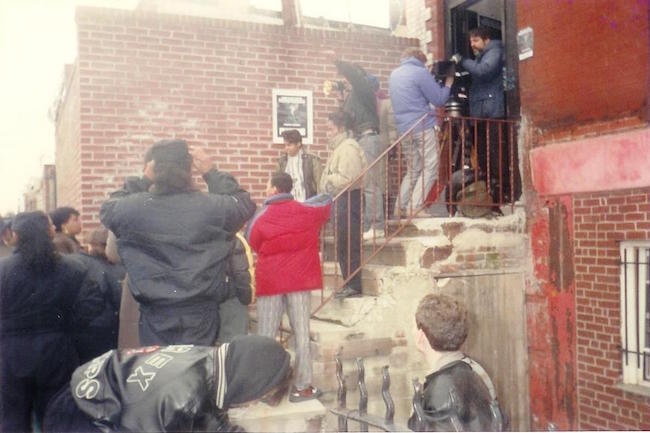
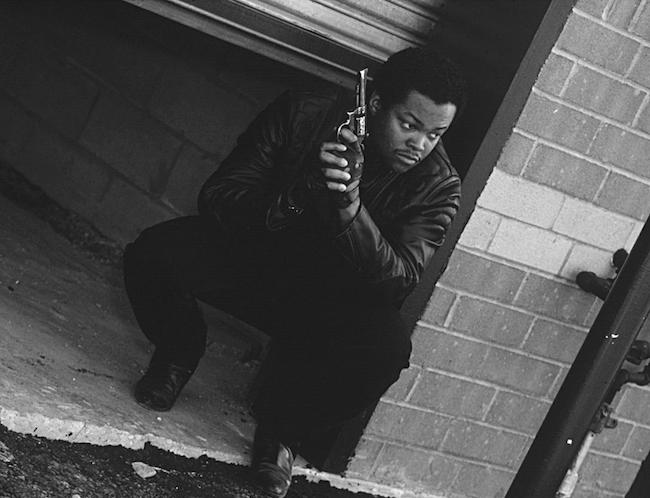
    Unseen for more than three decades, the New York-lensed independent crime drama Crackdown: Big City Blues has made its debut on Blu-ray from The Film Detective.

    The film, about community activists battling drug dealers for the soul of their neighborhood, was produced during the height of the crack epidemic in the early 1990s, which provided a documentary-style atmosphere of authenticity.

    Distribution problems prevented Crackdown from being seen by audiences in the United States, but the discovery of a rare 35mm print by producer Frazier Prince led to its restoration and home video release by The Film Detective. For Prince, the revival of Crackdown also provides him with a new opportunity to “get the message out and talk to people” about the perils of the drug trade.

    photo courtesy of Prince Henry Entertainment Group

    In a conversation with The Fix, Prince – a former actor and New York Police Department veteran who also served as a technical advisor for America’s Most Wanted – recalls that Crackdown began as a series of conversations with his former partner, writer/producer/director Paul DeSilva, while driving across the Brooklyn Bridge.

    “We would go back to his house, and we would sketch out ideas, and I would provide technical advice,” says Prince, who also served as the film’s producer.

    photo courtesy of Prince Henry Entertainment Group

    After crafting a script and raising a “shoestring” budget of approximately $200,000 from local investors, DeSilva and Prince cast the film with a mix of name and local talent, including Rhonda Ross Kendrick – daughter of Diana Ross and Motown founder Berry Gordy – and character actors Stu “Large” Riley (Gotham) and Apache Ramos (The Warriors) and “called in a lot of favors,” according to Prince, to complete the film.

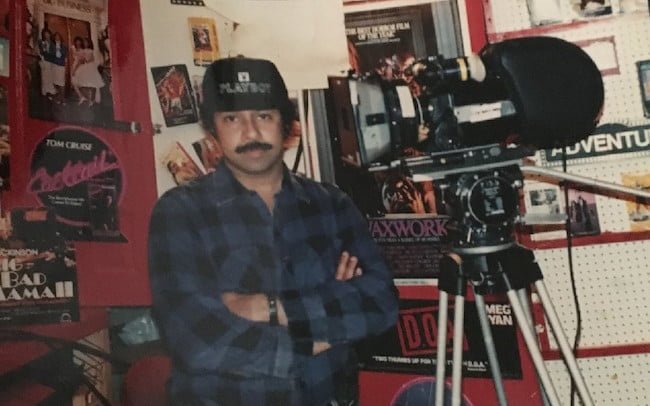
    Crackdown writer/producer/director Paul DeSilva photo courtesy of Prince Henry Entertainment Group

    Their hope for the finished product was a film that showed “how people were dealing with the drug issue in their neighborhood. [DeSilva] wanted to show what couldn’t work, like vigilantism, and what could work, which was community activism to drive the dealers out. And [in the film], the activists won.”

    DeSilva and Prince found a distributor to handle the film’s release but discovered that the company “worked in mainly foreign markets” and sold the picture to a few territories before essentially shelving it. DeSilva attempted to regain the rights to the film, but he died before the six-year lease had run out.

    Crackdown would enter a state of limbo for decades until DeSilva’s brother contacted Prince after discovering a 35mm print of Crackdown – one of only two in existence – in a closet. Film Detective founder Philip Hopkins expressed an interest in spearheading a restoration, which resulted in the new Blu-ray as well as several screenings across the country.

    A portion of ticket and home video sales benefit two non-profits – the Bronx chapter of the civil rights organization National Action Network and the drug and alcohol recovery network Phoenix House.

    For Prince, the renewed attention for Crackdown is a chance to give something back to the community, which, he says, “is what Paul would have liked.” He adds that the time is right for the film to reach a new audience, having been launched during a drug epidemic that parallels the current opioid crisis. “Each period has its own problems to deal with,” he notes. As for a solution, “education and public awareness – to let people know about the ill effects of drugs – that will make a big difference.”

    View the original article at thefix.com

  • Ben Foster’s “Leave No Trace” Tackles PTSD, Mental Health

    Ben Foster’s “Leave No Trace” Tackles PTSD, Mental Health

    In the critically-acclaimed movie, Foster plays a veteran coping with post-traumatic stress disorder.

    Ben Foster, star of X-Men: The Last Stand and 3:10 to Yuma, has received rave reviews and early Oscar buzz this year for his role Leave No Trace where he plays a veteran dealing with PTSD.

    Foster hopes the film will help reduce the public stigma around mental health, and as the actor told People, “Some wounds and illnesses are invisible to the naked eye. By sharing stories about our own unique experiences, we can allow a safe identification and hopefully a conversation. Any time we look past a bias or perceived stigma, for ourselves or others, we strengthen our own humanity. Practicing empathy is the first mighty step towards healing.”

    When Leave No Trace was coming together, Foster told Indie Wire that “the unseen scars of war” and how veterans cope with them “are things that have touched my life by having friends in the military, and I felt like I could ask these questions in an emotional way that I haven’t before, so that was exciting … Further than that, trauma is trauma, and war doesn’t get to own PTSD. Understanding that if you live long enough on this planet and you make it to a certain age we’re gonna experience things that go unresolved, leave a mark. We need to find ways to cope.”

    To prepare for the role, Foster consulted with Dr. Barbara Van Dahlen, a renowned psychologist who helps veterans. (In 2012, Van Dahlen made Time’s Most Influential People List.) Foster previously worked with Dr. Van Dahlen when he starred in the Chris Stapleton video for “Fire Away,” which also raised awareness for mental health awareness.

    Foster called Van Dahlen “one of [the] most beautiful compassionate humans I’ve had the good fortune of meeting. She helped guide us towards a more authentic expression of how depression manifests itself and affects loved ones, while at the same time suggesting hope and ways to connect.”

    Van Dahlen created a foundation for vets called Give an Hour, where therapists donate an hour of their time for free to help veterans cope after serving. (Since forming in 2005, the organization, through the work of 7,000 therapists, has reportedly given 250,000 hours of free help to vets.)

    With Leave No Trace, Van Dahlen feels it’s important “to tell authentic, accurate stories. We’ve had way too many in our history of sensationalized stories so, sadly, people think all veterans are broken, they all have post-traumatic stress. And that’s not true. ‘Leave No Trace’ is such a beautiful and compelling film … Ben really is such a student and was meticulous about getting it right and being authentic.”

    View the original article at thefix.com