Category: Addiction News

  • A Lesson from Sobriety: You Are Allowed to Feel Hopeful

    Having hope during a terrible situation isn’t the same as false hope. Hope is a fundamental ingredient of human resilience, a mechanism that sets our brains apart from other species.

    Imagine waking up one day and everything has changed. Overnight you’ve lost the ability to go to work. All the places you eat, drink, and socialize are closed. You walk down the street and people cross over to avoid your path. You are living the definition of empty. Void. Vast nothingness. You have no idea what tomorrow will bring, but if it’s more of the same, you might not want to have another tomorrow.

    Welcome to the reality of COVID-19. Many of us are currently living under stay at home orders where the situation feels similar to what I’ve described. Overnight, jobs lost or sent to work from home, daycares and schools closed, the few restaurants remaining open offer take out only, and, for some reason, toilet paper has become the national currency. I’ve noticed life during a pandemic has some clear parallels to life when contemplating going from substance abuser to sober.

    Fortunately, most of us can survive this pandemic if we practice some safety guidelines and weather a storm that has an uncertain end date. Again, the same can be said for sobriety. When I first contemplated sobriety, the uncertainty of what the future would look like kept me from moving forward. Eventually, I had to embrace this. I looked at what my life had become versus what I wanted it to be and I knew even uncertainty was better than the present.

    I made the decision to become sober six years ago. For me, sobriety meant losing a routine I’d become comfortably habituated to. A destructive routine that involved daily consumption of alcohol, often until I couldn’t drink any more on any given night. Right now, we are being told our normal routine could lead to a worsening of the pandemic, the potential to spread the disease and expose those most vulnerable to its fatal effects. We’ve been asked to willingly adjust our routines with the absence of an end date.

    In sobriety, I had to define a new normal. This happened both purposely and organically. Part of what I did was attend counseling and AA sessions. That was on purpose. I also started writing more and performing better at work. That was more organic. I didn’t order alcoholic beverages while out with clients and colleagues. That was on purpose. I fell in love with ice cold seltzer water. That was organic.

    We don’t know what our new normal will look like after this first round of COVID-19. There are some behaviors many of us have adopted that will probably persist: wearing masks, avoiding handshakes, increased hand washing. We will adopt other behaviors or adapt in ways we can’t foresee in the coming months. Many of these will bring us joy, or at least decrease potential future situations like our present condition.

    The Present and the Presence of Hope

    Everyone–sober, drunk, or indifferent–is facing some unexpected hardships right now. We’ve been told by experts we are experiencing loss and should feel permission to grieve. This is true. But we have permission to feel hopeful as well. Hope is what led me to embrace and eventually thrive in sobriety. Hope will get us through this pandemic.

    I could have never imagined the wonderful things waiting for me on the other side of sobriety. A marriage (later a divorce, but hey), a child, Saturday mornings, physical health, mental clarity, reduced anxiety, and vomit-free carpets are only some of the things I wouldn’t have accomplished if I were still drinking.

    Having hope during a terrible situation isn’t the same as false hope. Hope is a fundamental ingredient of human resilience, a mechanism that sets our brains apart from other species. Hope has kept individuals and societies moving forward to better ourselves since the time our external gills disappeared, and our tails fell off. Or we were fashioned from dust. Whatever you choose.

    Hope is what countered the fear and uncertainty I felt initially entering sobriety. Excitement for a future without the shackles of alcohol. We are in the same situation now; there’s no other motivation to go through this if we have no hope the future will bring something better than the present.

    We have some time before this will pass. Spend some of it dwelling on hope. Make a list of things that might be better post-pandemic. Plan your dream vacation (we will travel again). Do something you’ve always wanted to do for yourself. Along with anxiety, fear, or grief, you are allowed to feel hope and excitement in our current situation. Something different is waiting for you. Potentially something better than you can imagine.

    View the original article at thefix.com

  • Social distancing = podcast listening, It’s Complicated with Badass Cross Stitch

    Social distancing = podcast listening, It’s Complicated with Badass Cross Stitch

    Since we all began to self isolate, we’ve seen more and more ways of using social media for good – from online cooking lessons to using social media to promote fundraising challenges. But ‘craftivist’ Shannon Downey’s inventive and intuitive movement pre-dates the pandemic.

    In It’s Complicated, Shannon discusses her hands-on projects uniting crafting communities through the global reach of social media. Most notably. Rita’s Quilt, which was brought to global fame last year.

    Shannon Downey has an unusual hobby. US based, the crafter likes to hunt through estate sales for antique textiles. If she comes across an unfinished sewing project, a crafter’s instinct takes over which means she has to buy and finish it herself. Such a compulsion may seem quirky, but when considered as a part of the tradition and value in crafting that no piece is left unfinished, is a testament to the strength of the close-knit crafting community.

    In one such hunt, she came across a huge quilting project with all the initial work done but in a very early stage of completion. Shannon knew she had to complete it for its recently departed owner, Rita, who she had actually never met and purchased the plastic bucket containing the patterns and materials. But she knew that the sheer scale of this project made it an impossible task for her alone.

    She appealed for help on Instagram and within 24 hours had received over 1,000 offers of help from across the world. Facebook and Instagram groups were set up for admin purposes, and parcels containing the necessary patterns and equipment dispatched.

    At the time of recording the episode, Shannon was just beginning to receive completed and returned sections. Now debuted on public display at The National Quilt Museum in Kentucky, and with plans to tour it so that all who worked on it may see it in person, Rita’s Quilt is a huge success. However, it has done more than fulfil Rita’s vision. The project has outgrown the vicinity of online groups, and across this community of contributors friendships have formed, some crafters even managing to meet and stitch together!

    The completed Rita’s Quilt

    Although the global interest in the story was a novelty to Shannon, this was not her first endeavour to combine her craft with social media. As someone who has always stressed the importance of finding a good work-life balance, Shannon has found that over the last 10 years this has become synonymous to finding a good digital-analogue balance.

    Hence she urges users to remember to put down their devices and do something else. Whether exploring nature, meditating, or crafting, there is great value in creating and exploring with your hands and person instead of through your device.

    Before she embarked upon Rita’s Quilt, Shannon was the founder of Badass Cross Stitch, in her own words ‘a community that regularly puts down their devices and feeds their souls with creativity, craft, art, invention, and making’. She believes that social media is a powerful tool for bringing people together and building real life relationships, exactly as shown through the Rita’s Quilt project.

    Ultimately, social media was designed for bringing people together and enable collaborative projects – even the web was initially conceptualised and built as a tool to enable long-distance collaboration between scientists. It’s Shannon’s hope that online communities like hers may help us use the internet for the way in which it was originally intended, to help us collaborate.  In a world which sometimes seems to have forgotten how digital media can be used for good, Shannon is leading by example.  

    View the original article at itstimetologoff.com

  • Creative Quarantining: #3 Sewing

    Creative Quarantining: #3 Sewing

    Creative Quarantining: #3 Sewing

    We’re here for you during the pandemic and putting together resources on activities you can do during quarantine that involve more than just staring at a screen (because there’s a lot of that right now). We’re making an effort to find groups that might be connecting online, but are then using that connection to engage in a real-world activity – together. The first two the series were about making music and cooking, and this week here’s some suggestions on how you can sew along with others;

    Badass Crossstitch, a community organiser and brilliant sewer who has been on our podcast, is running loads of virtual ‘stitch ups’ and classes to connect sewers during quarantine, from beginners who need help to the more advanced who can provide it. She also provides patterns for making masks and many more things that we need during the pandemic so we can sew together to help each other. The Royal School of Needlework is also running a more structured online introduction to embroidery amongst other courses. This class runs online and over the course of a day (May 14th) and on it you will learn how to sew a rainbow in support of the NHS. They even send the supplies to you, so get sewing!

    If you’re working in a job that still requires regular hours you may struggle to join one of the online classes, but do not fear there are loads of other ways you can get sewing! Wool and the Gang is a company which sends kits to you so you can make your own clothes, from blankets to jumpers and cardigans. Once you’ve ordered the materials you can start sewing at any time and maybe come out of the quarantine with a new outfit or gift for someone you haven’t been able to see.

    If making something from scratch seems a bit too much like hard work then consider mending the clothes you already have. Best Dressed is a YouTube channel we have featured before who often does videos on how to mend or reimagine the clothes we already have. You can come out of quarantine fashion forward without even having to leave your house or buy any new clothes!

    Keep checking back as we’ll update this post with new ways to create and innovate in quarantine sewing as we find them!

    We hope you and your loved ones stay safe, and remember to keep using your screen time wisely!

    View the original article at itstimetologoff.com

  • Kreativ Quarantining: #3 Sömnad

    Kreativ Quarantining: #3 Sömnad

    Vi finns här för dig under pandemin och sätter ihop resurser på aktiviteter du kan göra under karantän som innebär mer än att bara stirra på en skärm (eftersom det finns mycket av det just nu). Vi anstränger oss för att hitta grupper som kanske ansluter online, men som sedan använder den anslutningen för att delta i en verklig aktivitet – tillsammans. De två första serien handlade om att göra musik och laga mat, och den här veckan här är några förslag på hur du kan sy tillsammans med andra;

    Badass Crossstitch, en samhällsarrangör och lysande kloak som har varit på vår podcast, kör massor av virtuella "stitch ups" och klasser för att ansluta kloaker under karantän, från nybörjare som behöver hjälp till de mer avancerade som kan tillhandahålla det. Hon ger också mönster för att göra masker och många fler saker som vi behöver under pandemin så att vi kan sy ihop för att hjälpa varandra. Royal School of Needlework driver också en mer strukturerad online-introduktion till broderi bland andra kurser. Denna klass körs online och under en dag (14 maj) och på den kommer du att lära dig att sy en regnbåge till stöd för NHS. De skickar till och med förnödenheterna till dig, så sy!

    Om du arbetar i ett jobb som fortfarande kräver regelbundna timmar kan du kämpa för att gå med i en av online-klasserna, men var inte rädd att det finns massor av andra sätt du kan få sömnad! Wool and the Gang är ett företag som skickar kit till dig så att du kan göra dina egna kläder, från filtar till hoppare och koftor. När du har beställt materialet kan du börja sy när som helst och kanske komma ut ur karantänen med en ny outfit eller present till någon du inte har kunnat se.

    Om att göra något från början verkar lite för mycket som hårt arbete, överväg att laga de kläder du redan har. Bäst klädd är en YouTube-kanal som vi har presenterat tidigare som ofta gör videor om hur man reparerar eller omskapar de kläder vi redan har. Du kan komma ut ur karantän mode framåt utan att ens behöva lämna ditt hus eller köpa några nya kläder!

    Fortsätt att kolla tillbaka eftersom vi uppdaterar det här inlägget med nya sätt att skapa och förnya i karantänsysning när vi hittar dem!

    Vi hoppas att du och dina nära och kära håller dig säkra och kommer ihåg att fortsätta använda din skärmtid klokt!

    Visa den ursprungliga artikeln på itstimetologoff.com

  • Social distancing = podcast listening, It’s Complicated with Jamie Laing

    Social distancing = podcast listening, It’s Complicated with Jamie Laing

    Social distancing = podcast listening, It’s Complicated with Jamie Laing

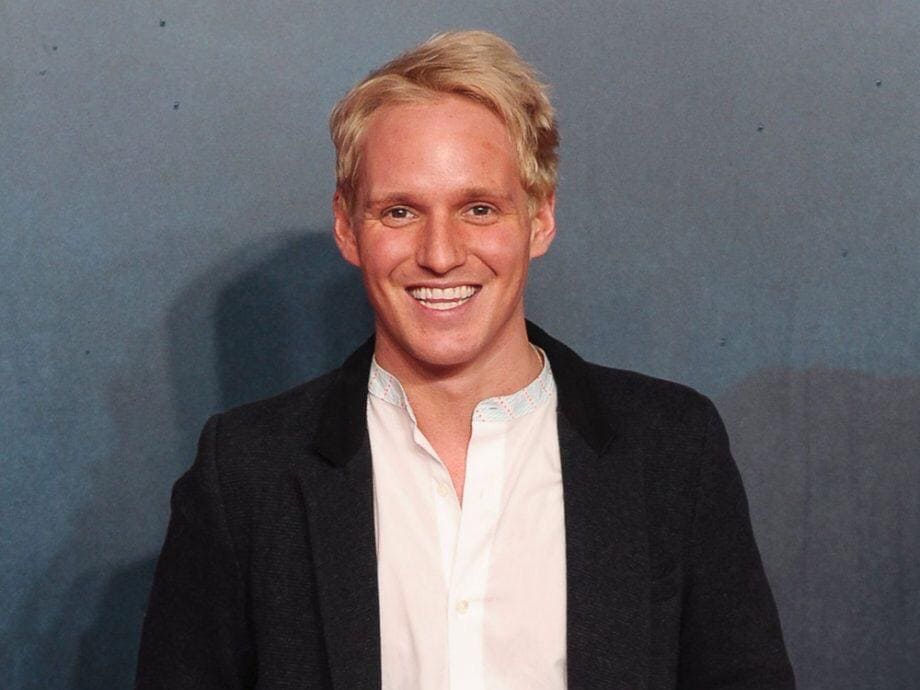
    Prior to these times of social distancing, Tanya sat down with Made in Chelsea’s Jamie Laing to discuss his relationship with tech. Having been on the reality TV show since 2011, plus having had various other roles in both reality television and acting along the way and now owning a confectionary line, it would seem that social media is an essential asset to Jamie’s line of work. However, as he tells Tanya, this does not have to be the case.

    Over the 10 years Jamie has been on television, our relationship with social media has evolved hugely. At the beginning of his career reality tv stars needed only to worry about their appearance on one type of screen; now they have to navigate both the world of television and the worlds of social media. Initially he enjoyed sharing and posting carelessly to his friends he admits, but now that fame and success seem to demand a presence on multiple social media platforms, it no longer seems to be as fun.

    So at what point did social media become a job?

    Jamie professes that he personally doesn’t see social media as a job. And yet it does hang over him, he concedes. Having made mistakes in the past and been criticised over not particularly well-thought-out posts, he confirms to Tanya that he is not completely open on these platforms. For example, he doesn’t discuss his experience with anxiety (which he chats about in this episode) nor does he post political views, on the premise that he merely doesn’t think what he has to say is important enough. Whether we view the latter as an admirable restraint to oversharing, or as a discouraging sign of celebrity indifference and distance to the world of politics, his sentiment behind this is so simple it is difficult to dispute: “if I’m going to voice something, it has to be completely important to me, and it has to make a difference.”

    On the other hand, one thing he is still more than open with to his followers is his relationships. His Instagram is full of images of him and his girlfriend. But having grown up on a reality tv show, this is completely normal to him. What he still struggles with, however, is being in the public eye when going through a difficult time. As listening to the podcast will reinforce, Jamie Laing has a positive and vibrant persona – which means that when something’s wrong, it’s instantly noticeable.

    Growing up with social media

    However, Jamie demonstrates in this podcast that his ultimate concern is for the wellbeing of children and adolescents growing up with social media. He believes that for non-celebrities, social media is even scarier. The emphasis a non-public profile inevitably places on your online interactions with your friends is anxiety inducing.

    Jamie’s solution? To ban phones at schools. With Tanya’s experience of speaking in schools and her consequent insight into the shockingly high quantities of time children spend on their phones, both agree that something must be done to curb this strange new addiction. But there is no easy solution. Even enlisting parental guidance is not as straightforward as it seems; many worry in limiting screen time they are ostracising their kids. Thus the ultimate solution lies in attaching less importance to our online lives.

    “It’s hard”

    At Time To Log Off, we know that, and for Jamie Laing it’s an ongoing struggle. Last Christmas he participated in a digital detox, intrigued by how it would affect his mind. He discovered that, actually, he didn’t really care about not having access to his phone. It’s a bold claim to make, as his phone sits on the table mere inches from his hand, but in telling Tanya that he (rather impressively) doesn’t check social media beyond 6/7pm, he illustrates that he has managed to emotionally distance himself from the online world.

    It is Jamie’s overriding belief that ‘you can live without a phone’. But, in times where online contact is so important, we understand this is a statement that perhaps is best considered in the aftermath. Instead, we invite you to heed Jamie’s insights by reconsidering your relationship with tech so that you can get the best out of it. The seemingly endless scrolling through social media, and the consequent endless turning over of what you have seen in your mind, are not that. In times where it’s so tempting to use tech to passively entertain ourselves by scrolling through social media, rather than reaching out to nurture our individual relationships, Jamie’s final conclusion resonates even stronger. “Spend more time speaking with your friends”.

    View the original article at itstimetologoff.com

  • Dip into our Digital Detox Podcast Library

    Dip into our Digital Detox Podcast Library

    Dip into our Digital Detox Podcast Library

    Entertainment during the pandemic doesn’t have to mean staring at a screen. Dip into our back catalogue of chats from our digital detox podcast to find out how people from all walks of life get a good screen:life balance;

    Professor and author Cal Newport talks about his philosophy of ‘digital minimalism’ and why he has never had a social media account.

    Listen here.

    Founder of international lifestyle business kikki.k, Kristina Karlsson talks on the digital detox podcast about how to juggle life as an entrepreneur whilst still getting a good work:life and tech:life balance. 

    Listen here.

    New York Times best-selling author and TED speaker Johann Hari talks about addiction, depression, anxiety and community and how we’re all looking for connection in the wrong places.

    Listen here.

    Award-winning explorer and UN Patron of the Wilderness Ben Fogle and his wife Marina talk about the challenges of parenting, and being a mindful partner, in the age of smartphones.

    Listen here.

    Journalist and TV presenter Tim Lovejoy chats about phone addiction and having a thin skin in a world of 24:7 celebrity culture, including what he said to Will.i.am when he started browsing his phone live on air. 

    Listen here.

    Kelsea Weber from global repair community iFixit, talks about the environmental impact of our smartphone habits and what we can all do to counter the growing mountain of eWaste.

    Listen here.

    Celebrity photographer Dan Kennedy discusses maintaining focus in a permanently distracted world and how he has designed his working life to minimise distraction and maximise productivity.

    Listen here.

    Behavioural Change Specialist Shahroo Izardi talks on our digital detox podcast about the secret behind developing, and sustaining, healthy habits and how to apply that to our phone habits.

    Listen here.

    Professor Vybarr Cregan-Reid talks about what our smartphone and tech habits are doing to our bodies, from text neck to eyesight and sleep issues.

    Listen here.

    Social sex entrepreneur Cindy Gallop talks about why she believes online porn has become sex eduction by default, and why she’s pro-sex, pro-porn, pro-knowing the difference.

    Listen here.

    The former Deputy Leader of the UK Labour Party, Tom Watson, chats in a special lockdown episode about what this unprecedented period of intimate isolation may mean for our relationship with tech, and about the levels of abuse politicians routinely have to put up with online.

    Listen here.

    ‘Craftivist’ and Founder of Badass CrossStitch Shannon Downey talks about using social media for good to connect communities across a physical divide and how keeping our hands busy stops them grabbing for our phones!

    Listen here.

    Activist and campaigner Seyi Akiwowo talks about what we can all do to stem the uncontrollable tide of online abuse and learn to be better digital citizens along the way.

    Listen here.

    Influencer power couple Vex King and Kaushal Beauty talk about they get screen:life balance with their huge online followings of over 3 million between them, and how they’re using their platforms to give back.

    Listen here.

    We’d love to get feedback from you on what sort of guests and topics you’d like to see on Season Four of the podcast. Drop us a line with any thoughts, or any feedback on the first three seasons. Let us know who was your favourite episode so far, and why! Stay safe everyone and keep using your screen time wisely.

    View the original article at itstimetologoff.com

  • 6 Ways to Stop a Zoom Bomb

    6 Ways to Stop a Zoom Bomb

    6 Ways to Stop a Zoom Bomb

    Zoom seems to have taken over our lives. We’re all flocking to the video conferencing platform to keep in touch, both for work and play. But the huge increase of users has highlighted worrying safety issues on a platform that’s struggling to cope. These are particularly concerning for young users using the platform for distance learning. In a worrying trend, hackers are breaking in to join Zoom meetings uninvited and then broadcasting inappropriate content – dropping a so-called ‘Zoom Bomb’. Only last week in the UK, hackers broke into a Zoom virtual classroom in Scotland and broadcast child abuse to 200 children and parents during an online swimming ‘training session’. Here are six steps you can take to stop the same thing happening to you:

    #1 Enable a Waiting Room

    When you’re hosting a Zoom call ensure ‘enable waiting room’ is selected. This means that you will be able to check that everyone who joins the call is someone you know and not an unwelcome guest.

    #2 Manage Participants

    Once the meeting has started you can hit ‘manage participants’ to move people from the ‘waiting room’ into the call. You can also mute or remove participants at any time.

    #3 Play Chime for Enter/Exit

    Another way to manage this is to toggle on ‘play chime for enter/exit’. This might be an easier system if you are in the middle of the meeting already and do not want to be disturbed mid-flow as it will allow you to hear that people are joining without having to admit them yourself via the waiting room system.

    #4 Default Screen Share

    One of the most dangerous aspects of Zoom meetings is that people who join can share explicit imagery with all the attendees, so ensure that you have ‘default screen share’ assigned to you, as the meeting host, so that those who join will not be able to post publicly.

    #5 Lock the Meeting

    Once everyone has joined the meeting you can ‘lock’ it, meaning that anyone who may have found access to the URL or passcode after the meeting has started will now not be able to join. If you know exactly who should be in the meeting, and you can see they’re all there, this is a perfect way to block hackers.

    #6 Never post the passcode or URL online

    Many different meetings are being hosted on Zoom; public yoga classes, family group chats, business meetings, or online lessons and all of those will have different levels of security. We strongly advise you not to post the details of the meeting link on social media or on a website, but only to distribute it in private and direct messages. Obviously that’s easy if you know the people coming and can contact them directly, but even if you’re offering a public service online you can still ask that people contact you as the meeting/event host via a direct message to get the meeting link, and control the access to prevent it being hacked.

    Follow these steps to stay free of the threat of Zoom Bombs in your future meetings. And stay alert, as all these services become more commonly used during the pandemic, there will inevitably be more security issues, and more counter-measures introduced – make sure you’re up to date.

    View the original article at itstimetologoff.com

  • 6 Tips for Distance Learning during Lockdown

    6 Tips for Distance Learning during Lockdown

    6 Tips for Distance Learning during Lockdown

    One of the new challenges presented by lockdown measures is that of distance learning. With schools and universities generally closed, students are having to resort to attending class, watching lectures and turning in assignments all online.

    Loss of routine, unfitting environments and just all-out strangeness of the present situation can make concentrating on education right now very difficult. However, with it uncertain how long the lockdown will continue for, we all need to be able to adapt and adjust so we can find how to stay engaged, keen and productive in these overwhelming times. Here are 6 tips to make distance learning just that little bit easier:

    #1 Structure it

    With nowhere we have to be, our days can have very little structure. This can result in long, drawn out and distraction-heavy study sessions. To keep your sessions brief but productive, create some sort of schedule. This can be a fully planned out timetable or even just a checklist. Note that this structure should include having a fixed bed time. Stop working a minimum of few hours before this to allow your brain to wind down; otherwise, you will be too alert to sleep. Sleep shouldn’t suffer just because we have nowhere to be early the next morning!

    I personally prefer making a checklist at the beginning of the day of tasks that need to get done. Right now, a lot of us will be finding that our productivity can be hindered by outside events, and we may not be able to concentrate for as long as we timetabled. By focussing on tasks instead of time, we will be less harsh on ourselves if we do slip from schedule, rewarding and feeling good about ourselves when we can physically tick off things we’ve accomplished at the end of the day.

    #2 Schedule breaks

    Be kind to yourself. Trying to work for too long will just result in concentration lapses and therefore a decline in productivity. Limit the length of your study session so that you are never working for long enough that you get fed up. This will allow you to keep a healthier, happier attitude towards your work.

    In addition to this, most of us will find that our distance learning is predominantly computer based. Looking at a computer for too long can cause headaches, eye strain and dry eyes. It is therefore incredibly important that we give ourselves time away from our screens.

    On this note, maybe using tech to relax during your breaks isn’t the best idea. Take a look at our analogue activities suggestions for non-screen fun activities to take our minds off work!  

    I find that mealtimes are a great opportunity to take a longer break of an hour or so. Make the most of being in by taking the opportunity to prepare yourself something tasty and nutritious for lunch and dinner. It will be a welcome change from your usual packed lunch on the go!

    This approach should extend to how you view your week. You’re working hard, even at home, and so you still deserve time off. Honour weekends; use them as a chance to relax. Whether this is by spending time together with family (only those you live with!), working on a hobby of yours, or even just using the time to read or watch TV, it’ll be a welcome and well-earned longer break.

    #3 Eliminate tech distractions

    First and foremost: put your phone away! Believe me, I know the temptation of the phone on the desk. It doesn’t even have to buzz. I find that the simple presence of the phone is a distraction itself, and, similarly, research shows that a phone’s presence alone is enough to impair learning. Therefore, I never even have my phone resting on my desk whilst I work. I put it out of sight, out of mind and waiting there for me after my work session.

    Additionally, close any non-work related tabs and programs running on your computer. Having them in the background is another huge distraction, and can cause the mind to wander. Don’t even open up a tab to check the news midway through. With all that’s going on, scanning new pandemic stats and advice whilst trying to work is just going to cause unnecessary stress and loss of focus as you will struggle to go back to concentrating on your work. Get your task done, and then check the news when you are finished.

    #4 Move around

    Another great way to break up your study sessions, if you have the luxury, is to vary your study space. Attend a class from your bedroom; do your homework in the kitchen. You may then feel a bit less lethargic and cooped up than if you had been working from one space all day. However, as tempting as it may be, never work from bed. It’s not good for sleep or productivity.

    #5 Exercise

    If able to, do some exercise! Whatever the intensity, moving about and doing something completely different from your work will keep your brain fresh and help you focus better when you return to your work. This could even be a quick 10 minute yoga workout in your room. Studies show that exercise enhances learning and memory, and it will also add variety to your day.   

    #6 Ask for help

    It’s so important for a multitude of reasons that we stay connected. Check in on your friends. How are they doing? How are they finding the lessons? Crucially, if you are struggling, don’t be afraid to tell someone this!

    If the struggle is academic, there will always be a friend or a teacher willing to help. If you need extra help, don’t be afraid to contact them, just as you would in your normal learning environment. A video call study session with a friend could be fun!

    There is no shame in finding the whole current situation and your new learning environment overwhelming and difficult to adjust to. Talk to friends, family, teachers – people will be there to listen. It’s only natural to feel a certain level of anxiety at present, but whether academically or mentally, it is important that you communicate any concerns to someone.

    We’re providing updated resources specifically during the pandemic period so check back regularly for other ideas on how to use screens healthily at this tricky time.

    View the original article at itstimetologoff.com

  • Physicians Fear For Their Families As They Battle Coronavirus With Too Little Armor

    “With emergency rooms and hospitals running at and even over capacity, and as the crisis expands, so does the risk to our healthcare workers. And with a shortage of PPE, that risk is even greater.”

    Originally published 3/29/2020

    Dr. Jessica Kiss’ twin girls cry most mornings when she goes to work. They’re 9, old enough to know she could catch the coronavirus from her patients and get so sick she could die.

    Kiss shares that fear, and worries at least as much about bringing the virus home to her family — especially since she depends on a mask more than a week old to protect her.

    “I have four small children. I’m always thinking of them,” said the 37-year-old California family physician, who has one daughter with asthma. “But there really is no choice. I took an oath as a doctor to do the right thing.”

    Kiss’ concerns are mirrored by dozens of physician parents from around the nation in an impassioned letter to Congress begging that the remainder of the relevant personal protective equipment be released from the Strategic National Stockpile, a federal cache of medical supplies, for those on the front lines. They join a growing chorus of American health care workers who say they’re battling the virus with far too little armor as shortages force them to reuse personal protective equipment, known as PPE, or rely on homemade substitutes. Sometimes they must even go without protection altogether.

    “We are physically bringing home bacteria and viruses,” said Dr. Hala Sabry, an emergency medicine physician outside Los Angeles who founded the Physician Moms Group on Facebook, which has more than 70,000 members. “We need PPE, and we need it now. We actually needed it yesterday.”

    The danger is clear. A March 21 editorial in The Lancet said 3,300 health care workers were infected with the COVID-19 virus in China as of early March. At least 22 died by the end of February.

    The virus has also stricken health care workers in the United States. On March 14, the American College of Emergency Physicians announced that two members — one in Washington state and another in New Jersey — were in critical condition with COVID-19.

    At the private practice outside Los Angeles where Kiss works, three patients have had confirmed cases of COVID-19 since the pandemic began. Tests are pending on 10 others, she said, and they suspect at least 50 more potential cases based on symptoms.

    Ideally, Kiss said, she’d use a fresh, tight-fitting N95 respirator mask each time she examined a patient. But she has had just one mask since March 16, when she got a box of five for her practice from a physician friend. Someone left a box of them on the friend’s porch, she said.

    When she encounters a patient with symptoms resembling COVID-19, Kiss said, she wears a face shield over her mask, wiping it down with medical-grade wipes between treating patients.

    As soon as she gets home from work, she said, she jumps straight into the shower and then launders her scrubs. She knows it could be devastating if she infects her family, even though children generally experience milder symptoms than adults. According to the Centers for Disease Control and Prevention, her daughter’s asthma may put the girl at greater risk of a severe form of the disease.

    Dr. Niran Al-Agba of Bremerton, Washington, said she worries “every single day” about bringing the COVID-19 virus home to her family.

    “I’ve been hugging them a lot,” the 45-year-old pediatrician said in a phone interview, as she cuddled one of her four children on her lap. “It’s the hardest part of what we’re doing. I could lose my husband. I could lose myself. I could lose my children.”

    Al-Agba said she first realized she’d need N95 masks and gowns after hearing about a COVID-19 death about 30 miles away in Kirkland last month. She asked her distributor to order them, but they were sold out. In early March, she found one N95 mask among painting gear in a storage facility. She figured she could reuse the mask if she sprayed it down with a little isopropyl alcohol and also protected herself with gloves, goggles and a jacket instead of a gown. So that’s what she did, visiting symptomatic patients in their cars to reduce the risk of spreading the virus in her office and the need for more protective equipment for other staffers.

    Recently, she began getting donations of such equipment. Someone left two boxes of N95s on her doorstep. Three retired dentists dropped off supplies. Patients brought her dozens of homemade masks. Al-Agba plans to make these supplies last, so she’s continuing to examine patients in cars.

    In the March 19 letter to Congress, about 50 other physicians described similar experiences and fears for their families, with their names excluded to protect them from possible retaliation from employers. Several described having few or no masks or gowns. Two said their health centers stopped testing for COVID-19 because there is not enough protective gear to keep workers safe. One described buying N95 masks from the Home Depot to distribute to colleagues; another spoke of buying safety glasses from a local construction site.

    “Healthcare workers around the country continue to risk exposure — some requiring quarantine and others falling ill,” said the letter. “With emergency rooms and hospitals running at and even over capacity, and as the crisis expands, so does the risk to our healthcare workers. And with a shortage of PPE, that risk is even greater.”

    Besides asking the government to release the entire stockpile of masks and other protective equipment — some of which has already been sent to states — the doctors requested it be replenished with newly manufactured equipment that is steered to health care workers before retail stores.

    They called on the U.S. Government Accountability Office to investigate the distribution of stockpile supplies and recommended ways to ensure they are distributed as efficiently as possible. They said the current system, which requires requests from local, state and territorial authorities, “may create delays that could cause significant harm to the health and welfare of the general public.”

    At this point, Sabry said, the federal government should not be keeping any part of the stockpile for a rainy day.

    “It’s pouring in the United States right now,” she said. “What are they waiting for? How bad does it have to get?”

    Kaiser Health News (KHN) is a national health policy news service. It is an editorially independent program of the Henry J. Kaiser Family Foundation which is not affiliated with Kaiser Permanente.

    View the original article at thefix.com

  • Creative Quarantining: #2 Cooking

    Creative Quarantining: #2 Cooking

    Creative Quarantining: #2 Cooking

    We’re here for you during the pandemic and putting together resources on activities you can do that involve more than just staring at a screen (because there’s a lot of that right now). We’re making an effort to find groups that might be connecting online, but are then using that connection to engage in a real-world activity – together. The first round-up in the series was about making music, here’s some suggestions on how you can cook along with others;

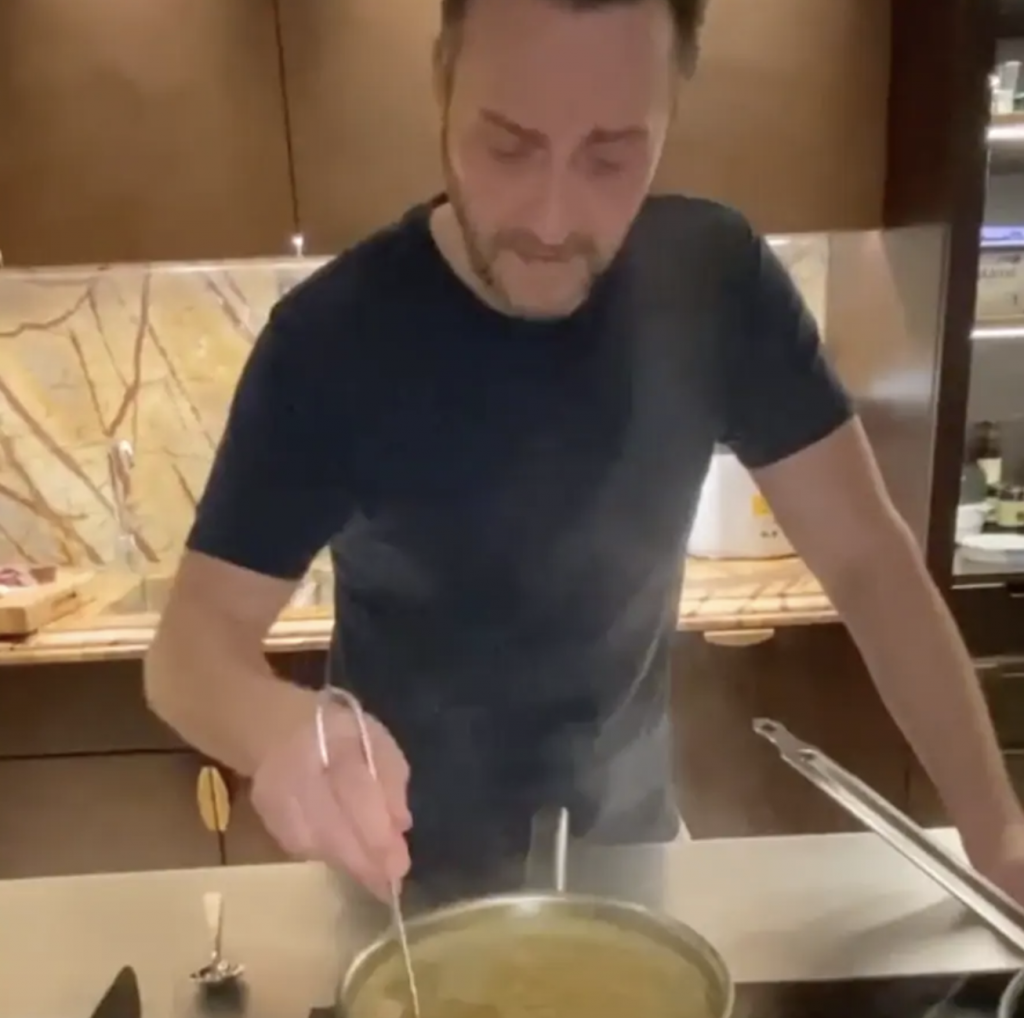
    Jason Atherton: Cooking in QuarantineJason Atherton the ‘Chef’s Chef of the Year’ has been posting his cooking from his kitchen on his Instagram Live feed so you can watch the pro at work, while attempting to follow along too.

    View this post on Instagram

    LIVE COOK-A-LONG at 7pm GMT tonight on Instagram & Facebook live. This week’s cook-a-long is for teenagers and adults alike. Its perfect for those that have no chopping skills and those who want to ease their children into cooking. We will be cooking what I call a “No Chop Pot”. Find the ingredients below that you will need, & do feel free to make modifications if needed. If you do take part please do share your photos or tag me using #TDKCookalong 1 can White beans (any tinned or cooked beans will do, can also use lentils) 1 can Chopped Tomatoes 100g Baby tomatoes 2 tbsp tomato paste 50g Black Olives 25g Capers 2 cloves garlic, grated 1 stick or 1 tsp Cinnamon 20g of a green herb – Basil, parsley, Rosemary will do (even dried will work) 100g Any Wholegrain Pasta 1 large casserole dish and 1 pot to boil the pasta Method Heat your oven at 210C 1️⃣Add all the ingredients (apart from the pasta) to a casserole dish 2️⃣Put the casserole dish into your pre-heated oven for 30 minutes 3️⃣Then remove from the oven and let it stand 4️⃣10minutes before the end of cooking, cook the pasta in boiling water and when al dente (cooked but firm  to the  bite) add to the casserole dish out of the oven 5️⃣Top the dish with some torn herbs and olive oil Will you be joining me? . . . . . . #WhatTheDoctorOrdered #TheDoctorsKitchen #FeedFeed #FeedFeedVegan #DoctorsKitchen #DinnerRecipe #Dinner #Vegetarian #plantbased  #DoctorsKitchen #EatToBeatIllness #LifestyleMedicine #Nutrition  #HealthyRecipes #Nutritional #PlantPowered #Bowls #MealPlanner #onepanmeal #TDKCookalong #Cookalong

    A post shared by The Doctor’s Kitchen (@doctors_kitchen) on Apr 1, 2020 at 4:01am PDT

    Doctor’s Kitchen does live cook-a-longs most nights on Instagram and varies the recipes and skill level so you can all have a go. Get children and teenagers in your house cooking too!

    Jack Monroe: Quarantine CookingJack Monroe, aka the Bootstrap Cook famous for store-cupboard and budget recipes, has been answering vital cooking cooking questions on Twitter about how we all cope with reduced ingredients on offer in the shops, using the hashtag #JackMonroesLockdownLarder.

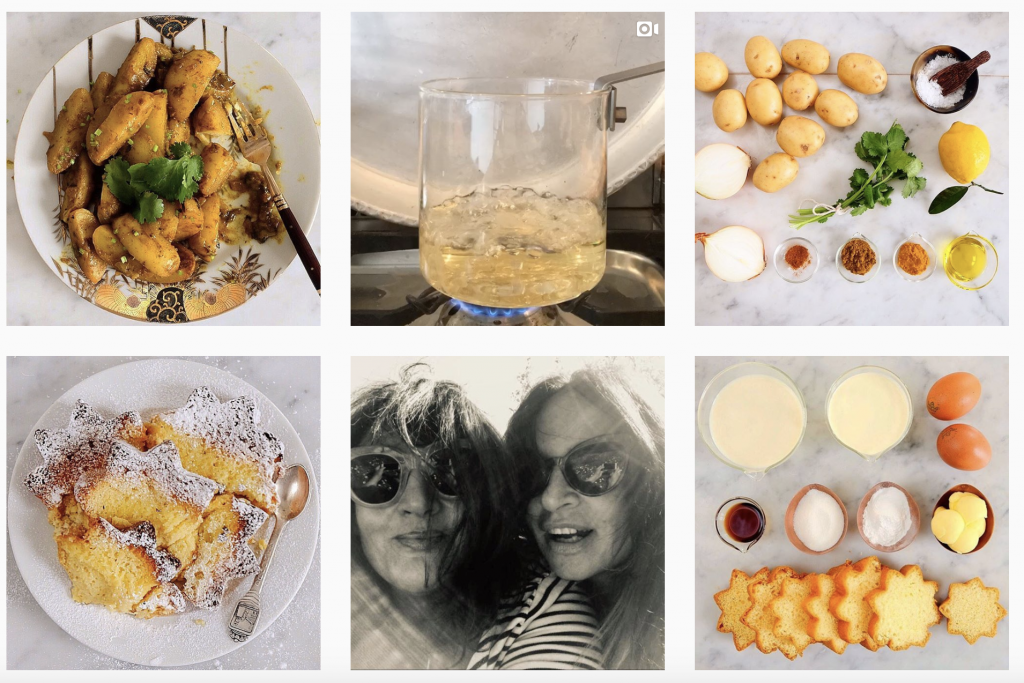
    creative quarantine activities: cookingMy Primrose Hill Kitchen beautifully displays ingredients and finished recipes side by side in the feed so you’re completely clear what you need and how the finished dish will look. Nearly all the recipes use basic store-cupboard ingredients, and offer suggestions for substitutions if you can’t get hold of exactly the right stuff.

    If you’re a fan of Queer Eye you’ll love Quar Eye: Cooking Lessons in Quarantine from Antoni Porowski who delivers daily cooking lessons with his usual pearls of wisdom “Chicken Soup For The Soul(cially distanced)” anyone? 

    Keep checking back as we’ll update this post with new cooking and food activities as we find them!

    Stay safe everyone and keep using your screen time wisely.

    View the original article at itstimetologoff.com