Tag: addiction therapy

  • Treatment Options for Youth Diagnosed with Substance Addictions

    Treatment Options for Youth Diagnosed with Substance Addictions

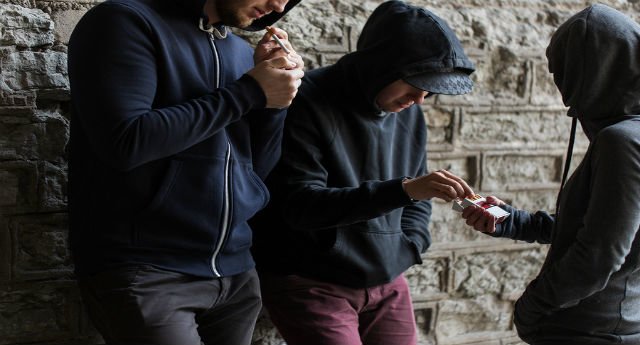
    ARTICLE OVERVIEW: Adolescence is a time of self-discovery and experimentation and unfortunately for most teens, this means experimenting with alcohol and drugs. While some teens don’t end up addicted after their first few encounters, plenty of others do… leading to a lifelong struggle.
    Here, we’ll explore just what substances teens use. Then, we look at the direct interventions that can save your teen’s life. Finally, we invite your questions at the end.

    TABLE OF CONTENTS:

    Common Substance Addictions Teens Face

    1. Marijuana. Marijuana or weed remains hugely popular among teens with 45% of 12th graders reporting having used it at some point in their lives. [1] Most teens don’t consider marijuana addictive or harmful, explaining its popularity. [2]

    2. Alcohol. Alcohol is perhaps the most readily available and widely consumed substance among US teens. According to the 2017 Monitor The Future survey, up to 61.5% of 12th graders and 42.2% of 10th graders have taken alcohol at least once. [3]

    [banner variant=”article-1″]

    3. Opioids. Prescription drugs are alarmingly easily available to teens with most obtaining them right in their home’s medicine cabinets. Common opioids abused by teens include codeine, Vicodin and OxyContin.

    4. Study aid drugs. Study drugs such as Ritalin, Adderall and Concerta are regularly misused by students in a bid to boost their grades. [4] These drugs sharpen focus and heighten attention spans, making it possible for teens to concentrate for longer periods. Unfortunately, they’re also highly addictive.

    5. Hallucinogens. Teens usually experiment with hallucinogens for fun and to “expand the mind” but before long, they’re hooked. Hallucinogens such as LSD, Salvia and magic mushrooms like psilocybin have seen a resurgence in teen use in recent years.

    Rehabs Offer the Best Treatment

    The signs of drug use and addiction vary with individuals and the substances used. It’s therefore recommended that parents know what signs to watch out for in their teens since early detection of illicit drug use might improve treatment outcomes. [5]

    [banner variant=”article-2″]

    When it comes to treatment options, teen drug rehabilitation programs offer the best chance for teens to beat their addictions. As of 2015, there were more than 14,500 substance abuse treatment centers across the U.S. but only less than 10% of addicted teens are enrolled in these centers. This means that most of those who desperately need help aren’t receiving it.

    Even among those who access rehabs, full recovery from addiction isn’t completely guaranteed and about 40-60% of addicts eventually relapse. To parents, this might seem like failure and a futile endeavor. Why take my teen to rehab if they might start using again?

    [banner variant=”sidebar-1″]

    However, it’s important for parents to remember that addiction causes extensive damage mentally, physically and psychologically and is a tough habit to beat, especially for teens who are still growing.

    If your teen relapses that doesn’t mean that the rehab process failed. It simply means that treatment has to be reinstated with a few tweaks and adjustments. Most of all, parents should remember that taking their teens to rehab gives them a shot at regaining their lives.

    [banner variant=”sidebar-3″]

    Available Treatment Options

    There are two main types of rehabs:

    1. Outpatient rehab. This gives teens daily, part-time support so they don’t have to commit to residency. They arrive at the rehab center for appointments, therapy sessions then they’re free to return home. Outpatient rehabs are ideal for teens who don’t require constant supervision and those who don’t mind daily commutes.

    2. Inpatient rehab. These rehabs have proven hugely successful in helping teens fight addiction, especially when it’s become a deeply entrenched habit that significantly affects a teen’s life. The most common types of inpatient rehabs are residential treatment centers for teens where they enroll for a period of time, receiving full support to help overcome their addiction. One of the reasons inpatient rehabs are so effective is because teens are removed from the influence of the environment that led to their addiction.

    The Rehab Treatment Process

    Once your teen is admitted to rehab, they undergo a complete diagnosis then receive a custom treatment plan according to their addiction. The treatment program will likely include a variation of these addiction treatment modalities:

    1. Detox

    Detoxification is the body’s way of flushing out drugs or alcohol so that your teen can start healing. [6]  This is a natural process that takes anywhere between a few days and weeks depending on your teen’s individual situation.
    Since they’re in rehab, they’ll receive full professional care and assistance to make the detox and withdrawal process as comfortable as possible.

    [banner variant=”article-5″]

    2. Therapy

    Teens in rehab take part in different therapies depending on their addiction and situation. Common ones include:

    Cognitive behavioral therapy. Usually done in individual sessions, this type of therapy seeks to uncover the thought patterns that drive a teen’s addiction and seek to reshape them. Teens learn how to develop strategies to help avoid high-risk situations as well as communication, problem-solving, coping and self-regulation skills.

    Family Therapy. Families influence most of a teen’s behaviors and beliefs and play a huge role both in developing and overcoming addiction. Family therapy, therefore, brings together those who are closest to the addicted teen in a bid to help them address underlying issues that caused the addiction in the first place. Families learn constructive ways of communicating, solving problems and bonding.

    Group Therapy. Participating in group therapy allows teens to share and draw strength from others who are going through similar issues. They learn more about themselves and the group can act as a support system and sounding board.

    Recreational Therapy. Most teens with a substance addiction end up so focused on feeding their addictions that they miss out on a huge part of their lives. Recreational therapy helps teens engage in leisure activities including sports, games, arts and crafts, helping them rediscover an enjoyable part of their life. Additionally, they get to improve their social skills by interacting with other teens in a healthy way while building positive personal traits.

    3. Medication

    Getting over an addiction sometimes requires the use of medication to restore normal health, reduce cravings or treat any underlying psychiatric disorders. Given the strong nature of some of these medicines, they should only be taken under strict medical supervision to avoid creating a new addiction.

    Helping Your Teen to Stay Clean

    It’s normal for parents to worry about helping their teens stay clean once they come home from rehab. One of the key components of successful rehabilitation is having an aftercare plan to prevent relapse. [7] A 12-step program like the Alcoholics Anonymous (AA) or Narcotics Anonymous (NA) can be invaluable in providing your teen with the guidance and support they need to stay clean. Scheduling one-on-one counseling for your teen can also help them stay on course with their recovery.

    It can be daunting to discover that your teen has a substance addiction but getting them the right treatment goes a long way towards helping them not only beat the addiction but also get their lives back on track.

    Reference Sources: [1] Addiction Blog: Trends in Popular Drugs Among Teens
    [2] NIDA: Monitoring the Future Survey: High School and Youth Trends
    [3] NIDA: Monitoring the Future Study: Trends in Prevalence of Various Drugs
    [4] Drug Abuse: History and Statistics of “Study Drugs”
    [5] Innovations in Clinical Neuroscience: Early Detection of Illicit Drug Use in Teenager
    [6] Addiction Blog: What is drug detox and how does it work?
    [7] Addiction Blog: The 3 Secrets of Successful Addiction Rehabilitation
    [banner variant=”article-6″]

    View the original article at addictionblog.org

  • Aftercare Programs

    Aftercare Programs

    ARTICLE OVERVIEW: Aftercare programs are an essential part of every good rehab program. They will help you maintain sobriety and prevent relapse. This article offers details on aftercare programs for a drinking problem and their importance.


    TABLE OF CONTENTS:

    Why Aftercare is Important after Alcohol Rehab

    You have successfully finished alcohol rehab! Congratulations. Now you have been discharged in the world. But, are you really cured and ready to face the everyday challenges? Can you do it without ongoing support?

    [banner variant=”article-1″]

    Life after rehab can be difficult.

    According to the National Institute on Drug Abuse (NIDA) relapse rates for individuals who are in active treatment programs is actually relatively high, 40-60 % in most cases. [1] This is because addiction is a complex disease. Recovery doesn’t begin and end with rehab,but is a lifelong and continuous process.

    So,the longer you stay sober after completing a rehab program, the lower your chances of relapse are.

    How can aftercare help? Aftercare is the stage following intensiveand it is an integral part of every good alcohol treatment program.The primary goal of every aftercare program is maintaining abstinence and preventing relapse. In fact, aftercare programs are shown to considerably improve the long-term recovery and lead to higher rates of abstinence. [2]

    [banner variant=”article-2″]

    Staying sober can be challenging, and that is whyyou need careful planning. Aftercare is the time when you implement the lessons and strategies you have learned in rehab in the real world.

    So, what are the benefits of an aftercare program?

    [banner variant=”sidebar-1″]
    • Building positive social relationships
    • Keeping your motivation high
    • Maintain sobriety
    • Preventing relapse

    Without individualized and carefully planned long term community based services that support sobriety, the relapse rates will be much higher, especially for socially vulnerable individuals.

    An Alcohol Aftercare Plan

    A reputable rehab center should be able to draft an aftercare plan tailored to your needs. The quality of your aftercare plan is closely connected with your overall success. In fact, its purpose is to connect you and your family to community support to help keep you sober and minimize the risk of relapse.

    [banner variant=”sidebar-3″]

    Your aftercare plan should include a collection of the following:

    • Education
    • Family therapies
    • Group therapy
    • Help with employment
    • Housing
    • Monitoring, done in eitherscheduled appointments, phone or email.
    • Outpatient appointments with a clinician / counselor
    • Participation in addiction support groups
    • Psychotherapy
    • Recommended or required alcohol testing
    • Relapse prevention strategy
    • Social services
    • A stay in a sober living home

    There are many different kinds of aftercare treatment options which can help you prevent relapse and live a sober life. However, knowing what works for you will help you achieve your goals. This is why aftercare needs to be 100% custom to your needs.

    Treatment Center Programs

    Aftercare is usually coordinated by your original treatment center. It is important that the treatment center you choose provides a continuum of care. Addiction affects many aspects of life: medical, mental, social, occupational, family, legal, and a treatment center should address the same aspect in order to be successful. [3]

    This why finding a treatment center that offersquality programs and services matched to your needs is a key step on your journey to recovery.

    Before choosing a treatment center program, do your research. Take into consideration the following factors:

    1. Can you get a private room?
    2. Does it offer medically assisted detox?
    3. Does it offer specialized programs for different groups (age or gender based, LGBT)
    4. Does the program address dual diagnosis issues?
    5. How close is the facility to your home, and will you need transportation?
    6. How qualified is the staff?
    7. Is the treatment center licensed?
    8. Is their approach evidence-based?
    9. Staff-patient ratio. The more staff per patient, the better the care.
    10. The length of the treatment programs.
    11. The quality of aftercare services.
    12. Inpatient vs. outpatient setting for treatment.
    13. Will you have access to email, phone or computers?
    14. Will your insurance cover payment and will it be enough?

    Many treatment center programs operate their own aftercare programs, and the services can vary greatly. Always check what does an aftercare program includes, and if it will fit your needs, or not.

    [banner variant=”article-5″]

    Sober Living Homes

    These are typically apartments or houses that help people safely transition into the “real world”. A good sober home is a drug-free environment for people that dedicated themselves to a sober life.Although they don’t offer actual treatment and are not as strictly structured as inpatient rehab, they offer a lot more than a living environment. Many halfway or ¾ way houses provide recovery methods and 12-step programs. Every sober living home has its own house rules that need to be respected.

    If you want to live in a sober house, you are expected to be self- sufficient and pay rent. You can also work or search for employment during your stay. In general, it is a cheaper alternative to a residential treatment center where you can invest in your own recovery.There are no limits on the length of stay, although many people stay for at least 90 days.

    So, what are the benefits of living in a sober home?

    • Maintaining sobriety
    • Lower risk of relapse
    • Finding and keeping a job after recovery
    • Staying out of legal trouble
    • Safe environment free from triggers
    • Reconnecting with your friends and family

    Not everyone needs to stay in a sober living home. But for many people, staying in a halfway house can decrease the chances of relapse.A sense of comradery and sober living can start here…and last for a lifetime.

    Therapy and Counseling

    The purpose of aftercare counseling is to create a supportive and comfortable environment where you can speak freely and openly about your feelings, struggles, and strengths during the recovery process. It is particularly beneficial for people diagnosed with dual diagnosis who are also suffering from some mental issue.

    There are two types of talk therapy offered in alcohol aftercare programs:

    1. Group counseling.

    In a group therapy setting, you will share and listen to others’ experiences in a group of people recovering from alcohol addiction. This option is often less expensive, as you share the cost of therapy with those who attend.

    2. Individual counseling.

    In an individual therapy setting, you will meet one-on-one with a therapist to talk about yourself and your progress. Often, you set very personal goals during your sessions. Some people explore and resolve past trauma with a specialist.

    Counselling sessions are initially held weekly in most cases, and as you progress, you will gradually reduce your attendance to one session in two weeks or one in a month.

    Alternative Therapy

    There are many types of alternative therapies available in long-term treatment of alcohol problems. Know that scientific evidence is still being collected for some of these modalities. However, some people swear by these treatments and speak anecdotally of their effectiveness. [4] Some of the forms of alternative therapy in alcohol aftercare include:

    • Acupuncture
    • Art therapy
    • Biofeedback therapy
    • Chiropractic care
    • Cognitive behavioral therapy
    • Contingency Management
    • Dialectical behavior therapy
    • Equine therapy
    • Exercise programs
    • Experiential Therapy
    • Holistic Therapy
    • Massage therapy
    • Mindfulness meditation
    • Motivational Interviewing
    • Neurofeedback
    • Nutrition therapy
    • Animal therapy

    NOTE HERE: These therapies should only be part of a complete alcohol rehab treatment plan, and are used with the aim of maintain sobriety and improving overall well-being to the recovering person.

    Support Groups

    Most people are strongly encouraged to attend support group meetings.Support groups help you rebuild self-esteem and improve self-perception.These groups offer structured program of recovery and help you stay focused and motivated.

    There is no admission process or specified length of participation.In general, meetings are hosted weekly, although you can decide to attend more than one group or meeting each week.

    In a support group, members share experiences or concerns related with their addiction and recovery, provide each other with encouragement, comfort, and advice. All members have one aim: staying sober.

    Most support groups are based on the 12-step program, which is spiritual in nature and created by the founders of AA, butthere are many alternatives for those who prefer a more secular foundation for treatment.Some of the most popular support groups include:

    • Alcoholics Anonymous, AA
    • Narcotics Anonymous, NA
    • Life Ring
    • SMART Recovery

    Aftercare for Alcohol Abuse

    For people in recovery, sobriety is a learned behavior. Abstinenceis maintained bymaking the rightdecisions and choices on daily basis. It is hard at the beginning, but as times passes and you learn new skills and strategies to cope with triggers it gets easier and new habits and routines are formed.

    In addition to the therapies offered in your overall treatment plan, you can develop your own aftercare strategy.

    So, what can you do, and when?

    1-30 Days After Rehab

    • Be aware of the negative impulses and learn how to cope with them.
    • Create a daily routine.
    • Create a support network you can turn to when tempted.
    • Make a recovery plan with goals you want to achieve.
    • Search for a psychotherapist and begin to attend sessions.
    • Search a support group and attend at least 2 meetings a week.
    • Start exercising.

    30 – 90 Days after Rehab

    • Create a recovery journal and record triggers and how you’ve handled them.
    • Go to career counseling.
    • Go to weekly therapy or counselling sessions.
    • Have weekly routines.
    • Keep on going to support meetings, minimum one weekly.

    90 – 180 Days after Rehab

    • Find new hobbies.
    • Set up long-term financial goals.
    • Set up short-term and long-term goals.
    • Work on fixing your broken relationships.

    180 – 365 Days after Rehab

    • Mark and celebrate 6 months and 1 year of sobriety.
    • Create personal, professional, and financialfive and ten-year plans.
    • Find motivational methods for success.
    • Help others in recovery.

    What Happens if I Relapse During Aftercare?

    Relapse: it can happen to anyone.

    Unfortunately, relapse is very common among recovering alcoholics. Addiction is a lifelong battle in a world full of triggers and stresses.

    So, what happens if you relapse? What can you do?

    First, get right back into an active routine that’s focused on recovery. It’s important that you don’t give up. Instead, continue on the path of recovery. Persistence is the key. Even if you started drinking again, that doesn’t mean you can’t get back on the right track.

    Then, know the difference between a slip and a relapse. A slip is an unplanned one-time event, while a relapse is a complete abandonment of the aftercare and recovery plan. If a slip turns into a relapse than you should immediately contact someone so they can help you get back to rehab.

    Don’t hesitate to call us if you have relapsed. Our treatment advisors are available 24 hours a day, seven days a week to give you information about the next steps you can take.

    Reference Sources:[1] National Institute on drug abuse: Drugs, Brains, and Behavior: The Science of Addiction
    [2] NCBI:Outcome of Alcohol Dependence: The Role of Continued Care
    [3] National Institute on drug abuse: Drugs, Brains, and Behavior: The Science of Addiction
    [4] American Addiction Centers: Addiction Therapies for Treating Alcoholism

    [banner variant=”article-6″]

    View the original article at addictionblog.org

  • A New Addiction Intervention Book: INTERVIEW with Dr. Louise Stanger

    A New Addiction Intervention Book: INTERVIEW with Dr. Louise Stanger

    Addiction and Families

    Addiction affects an estimated one in three American families. So, how do these families get help? Some struggle along on their own. Other families seek help directly treatment providers: detox clinics, psychotherapists, addiction treatment centers, or addiction counselors. Still other families are just lost.

    Still, there is one group of professionals that bridge the gap between families and treatment…

    Interventionists.

    In the next decades, behavioral healthcare professionals will need to increasingly both identify and refer families coping with substance use disorders to treatment. And interventionists practicing solid principles taken from social work and family systems theory may hold the key to our collective progress.

    A Book That Can Help

    A new book called, “The Definitive Guide to Addiction Intervention: A Collective Strategy” introduces clinicians to best practices in addiction interventions. It literally bridges the gap between the theory and practice of successful intervention. Today, we speak with the originator of this strategy, Dr. Louise Stanger.

    Dr. Stanger has developed and refined her invitational method of interventions over decades of working with families. She has performed thousands of family interventions throughout the United States and abroad. And we’re pleased to have her here for a digital interview!

    ADDICTION BLOG: What was your inspiration for writing this book?

    DR. LOUISE STANGER: After growing up in a family with substance abuse and writing about many of these stories in my memoir and in the public sphere, I started to think about what message I’d like to leave for future generations of social workers in this space.

    I maintain that it is very important for the future generations of social workers, psychologists, marriage and family counselors, alcohol and other the drug counselors, doctors, nurses, etc. to not just read one book about one person’s methodology, but to be able to learn a variety of different strategies. Questions like where strategies come from, what is the evidence behind intervention strategies, how have these strategies developed and changed, etc. to inform the reader and open their eyes to the broader scope of intervention and its modalities. As such, I like to think of these strategies as “invitations to change.” The idea is to provide a textbook at your disposal to learn and teach from.

    The truth is that 155 people die from opioids every day – it’s a global crisis, and we need new ways to train professionals across many levels in schools and in practice to help people and their families.

    ADDICTION BLOG: What do you think is the most important message that clinicians can “take home” after a reading?

    DR. LOUISE STANGER: The most important message is that change is possible.

    The key to this, which is talked about in the book, is CIS or Collective Intervention Strategies. This means that in order for an intervention to be successful, a collective team of family members, friends, colleagues, associates, business partners, managers and co-workers must be assembled to bring change in a person’s life, which is the intervention part of it. And finally, strategies, in that nothing is set in stone, we adapt to the unique needs of each individual.

    As a whole, Collective Intervention Strategies is a powerful model for inviting change that readers can take home.

    ADDICTION BLOG: How do most people or families get help for addiction?

    DR. LOUISE STANGER: How do they get help? That’s a great question.

    Talking with and connecting with professionals that are trained in process addictions, substance abuse, chronic pain, etc. You can also get help. Addiction is always bigger than the families, so it’s always best to seek out professional help from a mental health clinic, substance abuse clinic, or clinicians. Help is available. Families don’t have to do it alone. Not alone. For example, they can do 12-step. But when their hearts are breaking, they call.

    ADDICTION BLOG: Do you find that people misunderstand the field of mental health treatment and/or the work that you do? Do you find professionals even have a bit of trouble when it comes to certain areas of your work?

    DR. LOUISE STANGER: I think people by far don’t understand how substance abuse and mental health interface and work hand in hand. They don’t understand the duality or triality of what happens. The two are not mutually exclusive, and as such, must both be assessed (along with any other influencers) to get the best possible picture of the person and begin to build a comprehensive treatment plan.

    For instance, I appreciate the ASAM definition of addiction – it’s a disease of the brain and causes changes in brain chemistry. As such, people are afraid to address the complexity of humans and all the aspects. Therefore, when helping a family or a loved one, it’s very important to understand and learn about that particular individual, you must do a retrospective – bio, psycho, and social – to understand how to help and what kinds of treatment will fit their life.

    As for the professional sphere, there are many people who claim they are pros but have not been properly trained. I don’t think a 5 day training makes one an interventionist. Sometimes it feels like the Wild, Wild West out there. I think there needs to be more education and schooling, professional classes and programs that illustrate intervention as a real treatment option. We need it in our undergraduate, graduate and doctoral programs, across fields of work including counseling, nursing, pre-med, etc. to build it out as a field of study.

    ADDICTION BLOG: How do you hope this book will impact the field of substance use disorder treatment? Where do you hope to see treatment advance within the coming years?

    DR. LOUISE STANGER: My hope is that this book is adopted by both training centers, colleges and universities and hospitals, behavioral health care treatment centers, the legal system centers, senior living centers, doctors, Nurses, Funeral Directors, etc.

    This book takes a deep dive and discusses clinical and reverse interventions, which can be performed in a variety of milieus, shedding light on aspects of intervention that aren’t always talked about in trainings and certification programs. I hope professionals will hire and cultivate staff trained in the strategies talked about in the book, so that knowledge, standards and practices are a part of their tool box.

    In coming years, we are going to see more telephone and internet-based treatment options, the use of AI and other technological advances. Though nothing will replace relationships, we will have higher standards based on improved educational qualifications and higher standards of accreditation for treatment centers – all good things for behavioral health care. The ongoing opioid epidemic will spur change by demanding robust and low cost treatment options to address this issue.

    We will also address ethical issues. For example, the hiring of professionals for treatment centers will need to address marijuana legalization. Questions will arise: do treatment centers have progressive abstinence? Or a firm baseline? Can hired professionals use one substance over another? The ethics of these questions will come to fruition as the issues play out over the next couple of years.

    ADDICTION BLOG: Would you offer a bit of insight for our readers as to how they can best handle trauma and addiction in their family? What are some of the best steps they can take themselves if facing a drug or alcohol problem within the home?

    DR. LOUISE STANGER: The first step is to define trauma as an overwhelming experience that cannot be integrated and one that elicits multiple defenses and dysregulates the person. Or, it can be described as a stress that causes physical or emotional harm that you cannot remove yourself from.

    Then, we may unpack the etiology of the trauma, which may be objective or subjective. Objective trauma is what took place i.e. I fell off a ladder, I was told I was no good, I would never amount to anything, my father was emotionally abusive, I was in a car accident, etc. Subjective trauma is how the person perceives what took place and the emotional aftershocks. This can come from adverse childhood experiences, and the effects of trauma is cumulative over time.

    Once this is understood, seeking out and talking with trained professionals who can put you on the path to recovery is integral to the process.

    Professionals must ask: how can we help clients who experience trauma and then substance abuse/addiction rise to their best possible selves? Also, it is important to give treatment recommendations to other family members so they too can be the best they are. This is a holistic approach to treating a wounded person, and it always comes back around to CIS or Collective Intervention Strategies as the best approach.

    Folks may also consider visiting a 12-Step group such as Alcoholics Anonymous, Al-anon, Narcotics anonymous, etc. And of course there is me in my own independent practice. I always tell my clients that help is just a phone call away.

    ADDICTION BLOG: Through the process of writing, did you learn any important lessons or come across information that you weren’t expecting?

    DR. LOUISE STANGER: I didn’t have any big surprises. I found it humbling that with all the research and time working on this book, I circled back to the one truth that has been consistent in my work – it is imperative to meet the client where they are at. It’s about understanding who they are, where they come from, their family dynamics, traumas, and their place in the world.

    The best theory in the world won’t take into account this human element. With unique people, a multitude of cultures, gender expressions and the changes in our genetic diversity, we must embrace difference as a teacher. That way, you can help plan a strategy that meets their unique needs.

    ADDICTION BLOG: Are there any future projects you’re currently working on and/or have in mind? What kind of impact are you hoping to leave on the mental health world with the addition of this book?

    DR. LOUISE STANGER: I continue to write public blogs – openly discussing the major topics in the behavioral health field. One thing I will wrestle with through public discourse, presentations, trainings and daily practice is ethics in the digital age. Specifically with marijuana legalization, how will this affect the workforce? There will be a multitude of implications and I’m excited to dive in and explore with my practice, clients and continued commitment to service of the behavioral health industry.

    Finally, my hope is that this book is adopted my many universities and schools across the globe. I’m excited about the e-platform, which will make it a living source of knowledge for professionals to keep up to date and relevant for future generations. Also, I hope that whatever my next writing venture is – whether it’s a book, a collection of blogs, or more thought pieces – that it will seep into the mainstream and become a larger public discourse than we’ve seen related to these topics. A wider audience would help ease the stigma of substance abuse and mental health in the public sphere.

    ADDICTION BLOG: Do you have some inspiration you can leave for our readers who are currently handling addiction for themselves or a loved one?

    DR. LOUISE STANGER: Keep doing what you’re doing. As I put in my memoir, keep falling up, which means that stumbles, detours and falls are part of the human experience, so long as you’re out there living and moving forward.

    I strive to look for strengths and goodness in people so everyone may rise to their best possible selves. I hope that readers and those out there struggling with these kinds of issues will do the same. Help is just a phone call away and hope is possible. Dig deeper, think harder, look further, rise stronger.

    ADDICTION BLOG: Do you have anything else you’d like to add?

    DR. LOUISE STANGER: Thank you for the opportunity to be a part of your blog. I appreciated working with you as an editor. Your contributions are immeasurable.

    In closing, I want people to know every day they are inviting people to change, help is available, solutions are possible.

    View the original article at

  • Horse Riding as Therapy in Addiction Treatment

    Horse Riding as Therapy in Addiction Treatment

    Equine Therapy: Does It Help Address Addiction?

    Yes, equine therapy be used to help address issues related to addiction. It helps us shift emotional and mental patterns, and discover new ways of being. While relatively new, this type of therapy has been shown to have many widespread benefits for both mental and emotional health.

    How?

    Well, to begin, addiction is a complicated disease. It affects the mind, body, and soul…so overcoming cravings and patterns to use drug or alcohol can be constant struggle, one that requires effort. This why we have to be active in our sobriety, not passive, even when we rack up some time in recovery.

    Getting there initially can be the hardest part of the journey. The pull towards drugs or alcohol can be powerful, and it isn’t uncommon that people face many false starts on the road to recovery. Relapses are almost expected, as drug or alcohol use has an allure when we first quit. What that means may be poorly understood by those around the sufferer.

    Even those in the scientific community are learning more about the recovery process every day.

    When a relapse occurs, or when we’re first trying to get sober, we may feel helpless and hopeless. The guilt, both of the addiction itself and the things we have done while in the throes of it, can make the urge to self-medicate all the more tempting.

    Sometimes, talk therapy can feel theoretical. Equine therapy forces you to step into the moment. You change your focus from yourself to another living creature.

    That is why utilizing multiple therapeutic approaches to addiction recovery are so effective. While going to voluntary, “peer-supported” meetings are an awesome way to hold yourself accountable and find acceptance among others who know your struggles, sometimes a 12-step approach isn’t quite enough.

    Dealing with the intense emotional core of addiction takes a professional, and you have many options to choose from. Therapy, counselor-led support groups, psychologist/psychiatrist combos, inpatient treatments, outpatient treatments—they are all proven to be excellent choices. A more experimental—but still highly praised—option to consider is equine therapy.

    What Is Equine Therapy?

    Equine therapy is riding and caring for horses in a therapeutic setting as part of a larger mental health program. During your time in equine therapy, you will bond with a horse, help care for their needs, feed them, brush them, saddle them, clean their stall, ride them and otherwise become connected to the animal on a deeper level.

    How does this help you recover from an addiction? It all starts with an external focus.

    Addiction is a selfish disease. It eats away at you from the inside, making you self-obsessed. So much of your life becomes about the addiction itself, whether it is when you can get your next fix, or how you will hide behavior from those around you.

    When you are coming off of drugs or alcohol, you have that same internal obsession. You are trying not to think about using. You are trying to put forward a certain attitude and appearance. You are stuck in your own head as you battle with the demons that kept you using for so long.

    Equine therapy forces you to move your focus to another living creature. Other animal forms of therapy that exist for addicts are the use of companion animals/support animals, such as cats and dogs. In addition to being larger than us, horses are highly feeling, intelligent animals. Their riders can become very attached to them and able to connect on many levels. Trust is built during both riding and caring for a horse, on both sides.

    Equine Therapy For Other Disorders

    Horse therapy has been used for other disorders as well, including in the treatment of mental health issues in children and teens. Autism Spectrum Disorder (ASD), ADD/ADHD, Obsessive Compulsive Disorder, depression, anxiety, personality disorders and more can all benefit from time spent in equine therapy.

    As addiction can often overlap with the above other conditions, making this an effective form of therapeutic intervention that can be added to additional treatments being received by the sufferer.

    What You Will Get From Equine Therapy

    Equine therapy provides its own set of benefits. It is fun and enjoyable. It can be highly relaxing. It gives the mind something to focus on. It heals the body and helps build strength. It offers immediate emotional feedback from the horse, a highly empathetic creature.

    The rider will also learn things about themselves they never knew. They will find discipline and consistency in their activities. They will have time to sort out their own thoughts and emotions in a safe space, on their own time. They will even be able to learn to create and maintain healthy, trusting relationships in an environment meant to help them grow emotionally.

    How To Find Equine Therapy In My Area

    Many stables offer the ability to ride horses that they keep. However, those are not the programs that are catered directly to those needing assistance with addiction or mental health issues and should be a secondary source of interaction with horses.

    PATH International is a great, official source for information and finding an equine therapy program in your area. They are a network of licensed and trained mental health providers who use equine therapy as part of their overall treatment recommendations.

    Once you have found a provider that works for you, it is wise to speak to them about how their program works. Some will offer a staff of therapists in different specialties that work with you alongside the equine therapy.

    Others will have you continue treatment for your addiction and mental health with your own therapist or doctor, in addition to your equine therapy. This combination is a great option for those who have already established a relationship with a provider and want to continue working with them while adding equine therapy to their treatment plan.

    Equine therapy is an amazing, if somewhat experimental, method of treating addiction. It has been shown to have many widespread benefits for mental and emotional health. If you have been struggling with your path to sobriety, maybe equine therapy is the missing puzzle piece.

    View the original article at

  • Innovative Discharge Planning for Addiction Treatment Aftercare

    Innovative Discharge Planning for Addiction Treatment Aftercare

    Harold C. Urschell III, MD, MMA – Chief Medical Strategist at Enterhealth

    Successful Solutions to Long-Term Recovery

    Treatment for drug or alcohol addiction isn’t finished when a patient leaves a residential or outpatient treatment program. In reality, life after treatment is when a person’s recovery genuinely begins. After all, this is when the skills learned in recovery are really put to the test.

    At Enterhealth, our individualized programs are designed to teach our patients the skills necessary to stay cognizant of their own behaviors (the good and the bad), better recognize and regulate their emotions and, ultimately, prevent relapses before they occur so that the person can live a healthy, fulfilling and independent life in recovery.
    So, what should an innovative addiction treatment discharge plan include? Ideas here. Then, we invite your feedback or comments at the end.

    When does discharge planning start?

    Discharge planning begins early in the beginning of treatment and is a critical component of a patient’s personalized treatment plan. It’s basically a roadmap for how they are going to live life after inpatient or outpatient treatment, and it includes things such as:

    • Additional or ongoing therapies
    • Ongoing medication management
    • Drug testing
    • Support groups

    …and more. Due to the fact that each patient will have their own individualized treatment plan, Enterhealth’s discharge plans are also unique to each patient.

    But even more, treatment needs to account for a person’s need for physical, emotional, and social support. In this light, some of the more successful lifecare (our version of aftercare) treatment components include:

    Transitional Living or Sober Living

    Transitional housing – also commonly referred to as “step-down housing” or “sober living” – is a type of living arrangement which helps patients (typically those who go through inpatient treatment) slowly ease back into life at home, school and/or work. With staff onsite 24 hours a day, patients are carefully monitored and must adhere to curfews and random drug testing. Transitional living homes also typically provide things such as emotional support, life coaching and other supportive elements and programs. patients are also required to re-engage with society again, whether through employment, volunteer work or education.

    Medication Management

    Many of those in recovery require maintenance doses of anti-addiction medications to help curb and control cravings both during and after treatment. These medications – when taken properly – are safe and effective. We have to remember that addiction is a lifelong disease of the brain, and many people will require medication to keep this disease under control. Others will have the ability to taper off their medication as their brain begins to heal over the course of many months/years.

    Other patients take medications for psychological/behavioral issues such as anxiety, ADHD, insomnia or depression. It is critical that patients are taught the risks and benefits associated with any prescription medication, as well as ways to prevent misuse and abuse.

    12-Step and Support Groups

    In order to develop a robust support system and learn practices to improve and maintain their recovery, 12-step meeting and support groups are extremely helpful. Groups such as these provide a new sober group of peers, encouragement, and help individuals find the motivation to stay in recovery for the long term.

    Some of the more popular 12-step meeting and support groups include Alcoholics Anonymous, Narcotics Anonymous, Celebrate Recovery and SMART Recovery.

    Whenever possible, family involvement should be a major component of a patient’s circle of support. Whether they are involved in family counseling through Enterhealth or another psychiatric treatment provider, or even with groups such as Al-Anon/Alateen and other Al-Anon Family Groups, family support can be a major component to a successful recovery.

    Recovery Coaching and Sponsorship

    Sponsors and recovery coaches are usually individuals who are in recovery themselves. Their primary function is to help people new to recovery transition to life after treatment. Not only are they a friend to lean on in recovery, but they’re also someone to hold the individual accountable and help them make wise choices, attend their outpatient treatment appointments and stay on their recovery plan. It is also common for recovery coaches or sponsors to attend various support meetings with the person they are mentoring in recovery.

    How to Best Approach Discharge Planning

    Enterhealth believes that an evidence-based holistic approach to drug and alcohol addiction treatment is the best way to ensure that patients receive the best care and get the best outcomes for recovery, and this approach extends to our discharge planning as well.

    A successful recovery is most often the result of multiple components working together to treat not just the addiction, but also the underlying psychological issues, physical ailments and real-life stressors which may have shaped the addiction in the first place.

    For this reason, board-certified psychiatrists and therapists should combine their expertise to create treatment and discharge plans that address each patient’s needs from start to finish. They should also try work closely with the family (when possible) to get them involved in the discharge process as soon as possible, as they can be instrumental in keeping a patient on the right track for recovery.

    Your Questions

    We hope to have provoked some thought about critical components of aftercare for addiction treatment. But you may still have questions. Please leave any questions or comments in the section below. We love to hear from our readers! And we’ll try to respond to you personally and promptly.

    To learn more about drug and alcohol addiction treatment or to inquire about using Enterhealth’s services for you or a loved one, please be in touch. We’d love to hear from you.

    View the original article at addictionblog.org