Tag: aggressive marketing

  • Connecticut Judge Dismisses Opioid Lawsuits Against Purdue Pharma, Others

    Connecticut Judge Dismisses Opioid Lawsuits Against Purdue Pharma, Others

    The Connecticut lawsuits are part of a nationwide effort to make pharmaceutical companies pay for a portion of the damage caused by this crisis.

    Judge Thomas Moukawsher in Connecticut ruled against 37 cities and towns within the state that brought lawsuits against pharmaceutical companies accused of fueling the opioid crisis in the U.S.

    According to the Associated Press, the judge ruled that the lawsuits were “not allowed because they were not filed as government enforcement actions authorized by state public interest laws.”

    “Their lawsuits can’t survive without proof that the people they are suing directly caused them the financial losses they seek to recoup,” Moukawsher wrote. “This puts the cities in the same position in claiming money as the brothers, sisters, friends, neighbors, and co-workers of addicts who say they have also indirectly suffered losses by the opioid crisis. That is to say—under long-established law—they have no claims at all.”

    Though this is a setback in the efforts of the plaintiffs to recoup the many billions of dollars spent to mitigate and combat the opioid crisis, appeals are already being considered.
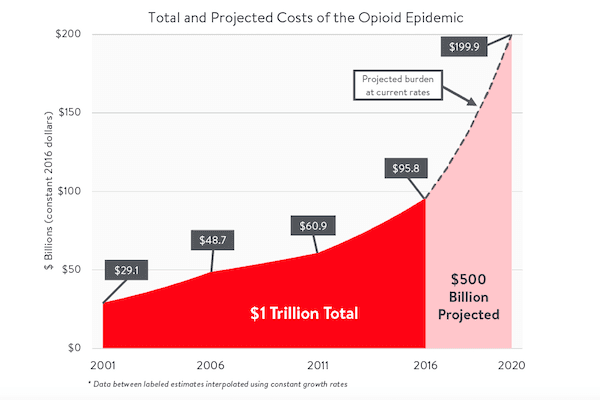
     

    Source: ALTARUM

    The lawsuits in Connecticut are only a part of a nationwide effort to make pharmaceutical companies pay for a portion of the damage caused by this crisis. States, cities, counties and Native American tribal councils across the country are filing civil suits against some of the biggest drug manufacturers, claiming that misleading advertising and the alleged encouragement of physicians to over-prescribe opioids have fueled the epidemic of addiction and overdoses.

    According to Forbes, the collective action could become “the largest civil litigation settlement agreement in U.S. history.”

    The record is currently held by the settlement between 46 states and the tobacco industry—a case that some are pointing to as a precedent for the present-day opioid lawsuits. However, experts have pointed out that there are marked differences between these two cases.

    Addiction to prescription opioids is often caused by misuse, whereas there is a clear link between using tobacco products as directed and illness. This makes it easier to blame addiction, overdose and other health concerns on the opioid users themselves.

    “Individual plaintiffs who have sued pharmaceutical companies over how opioids have been marketed have rarely been successful, according to Richard Ausness, a professor at the University of Kentucky College of Law,” wrote Alana Semuels for The Atlantic in 2017. “Courts have made clear that they believe that individual victims are largely responsible for their addiction.”

    However, drug makers have been successfully sued in the past, though many of the lawsuits were settled out of court for a small portion of company profits. Purdue and others have continued to deny any allegations of deceptive marketing or other roles in the opioid crisis.

    Purdue Pharma released a statement about Judge Moukawsher’s ruling, praising him for “applying the law” and vowing to “help address this public health challenge.”

    View the original article at thefix.com

  • What Does 2019 Hold For Opioid Lawsuits?

    What Does 2019 Hold For Opioid Lawsuits?

    Many are looking at the settlements with Big Tobacco to see how the opioid settlements—if there are any—might take shape.

    During 2018, as opioid overdose rates continued to soar, municipalities from around the country vowed to hold drug manufacturers and distributors accountable. This year, 2019, will show how many of the lawsuits around the opioid epidemic will pan out. 

    The plaintiffs — mostly local and county governments from around the country — hope that settlements from the lawsuits will help them recoup some of the costs of treating people addicted to opioids and maybe even help finance better treatment options going forward.

    “We are still in the throes of a public health crisis in Summit County,” Greta Johnson, a county official in Akron, Ohio, told NPR. In order to respond to that crisis, she said, the county needs funds from the major companies that caused or contributed to the epidemic. “We’re confident the court will see it that way as well.”

    Johnson’s argument, echoed in dozens of lawsuits, may sit well with Federal Judge Dan Polster, who is presiding over the largest group of lawsuits out of his Cleveland courtroom. Polster has called the opioid epidemic a “man-made plague,” and called for comprehensive solutions to the issues of addiction and recovery

    While defendants will likely try to have certain allegations dismissed on legal technicalities — like the statutes of limitations being up — Richard Ausness, a law professor at the University of Kentucky, told NPR that effort is unlikely to succeed entirely.

    “The judge has made it clear that he wants a settlement ultimately from this, along the lines of the tobacco settlement,” Ausness said. “If that is indeed the way that he feels, he is probably not going to let the defendants off the hook.”

    As the court cases proceed, the public could learn even more about practices that led to millions of Americans becoming hooked on opioids. Attorney Joe Rice, who represents some governments suing Big Pharma, said that he would like to see the information about misleading advertising and other unscrupulous practices become common knowledge. 

    “Our next battle is to get the documents that are being produced made available to the public instead of everything being filed under confidentiality agreements so we can get the facts out,” he said. 

    Many people are looking at the settlements with big tobacco to see how the opioid settlements — if there are any — might take shape. Tobacco companies have paid more than $100 billion in damages to Americans, some of which have been used to fund anti-smoking public health campaigns. A similar settlement with manufacturers and distributors could impact how future generations are educated about drug use.  

    View the original article at thefix.com