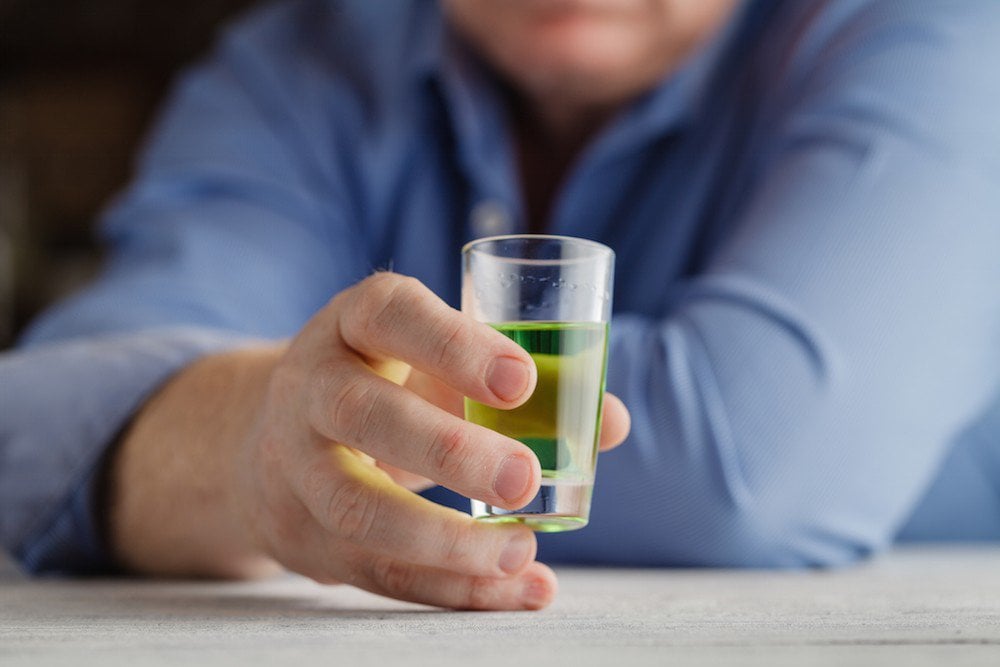
Tag: alcohol intake

  • Your Body Processes Alcohol Differently As You Age

    Your Body Processes Alcohol Differently As You Age

    Experts detail the way our bodies process alcohol as we age.

    Hard partying might seem like a young person’s game, but experts warn that people need to be conscious of their alcohol intake as they get older, because aging changes how the body processes alcohol and the reasons why people drink. 

    “You may not realize it, but as we age, we become more vulnerable to developing an alcohol use disorder, more commonly known as alcoholism,” Brad Lander wrote in a blog post for The Ohio State University Wexner Medical Center and Ohio State’s College of Medicine, where he is a psychologist and addiction medicine specialist.

    Biology is partially to blame, Lander said. As people get older, the body breaks down alcohol more slowly, so alcohol stays in the body for longer. At the same time, tolerance for alcohol decreases. 

    “Even if you don’t develop an alcohol use disorder, it’s important to know that your body processes alcohol less efficiently the older you get,” he wrote. 

    Another risk for older adults who drink is that alcohol will interact with medications they are on, causing unintended side affects. 

    “[Alcohol] also can decrease the effectiveness of some medications and highly accelerate others, including over-the-counter medications such as aspirin, acetaminophen, sleeping pills and others,” Lander wrote. 

    In addition, many older adults might drink alone as a way to deal with isolation or depression, he noted. 

    “The reasons why people are drinking may change as they grow older,” he said. “Chances are, younger and middle-aged people are more likely to drink in social gatherings or celebrating with family and friends, while seniors may drink more to seek relief from the boredom, loneliness and grief that are common with aging.”

    Although the amount people can drink will vary, Lander said that on average a senior shouldn’t have more than seven drinks in a week or three drinks in a sitting. Drinking more than that can lead to health complications including increased risk of falls, worsening of chronic health conditions like diabetes or heart disease and increased risk of dementia. 

    Lander pointed out that even among people who follow these guidelines, about 2% will develop an alcohol use disorder. 

    Lander suggested that older adults start by being more mindful of when and why they are drinking. They should also eat food when they drink in order to slow alcohol absorption. 

    “A lot of drinking is ‘thoughtless,’ so simply ask yourself, ‘Do I really want a (or another) drink?’” Lander wrote. “Stand up to peer pressure to drink. Remember, you don’t have to drink.” 

    View the original article at thefix.com

  • Does Climate Affect Alcohol Intake?

    Does Climate Affect Alcohol Intake?

    Researchers investigated whether there was a connection between alcohol intake and climate for a new study.

    Could the climate where you live be leading you to drink more?

    Recent research says yes. 

    According to The Independent, a new study determined that across the country and the world, alcohol intake and related diseases increased as temperatures and hours of sunlight decreased. The study, conducted by researchers at the University of Pittsburgh and published in the journal Hepatology, looked at data from 193 countries. 

    Ramon Bataller, the senior author and chief of hepatology at the University of Pittsburgh Medical Center, says the study is the first to make the connection between climate and alcohol intake and disease. 

    “It’s something that everyone has assumed for decades,” Bataller told The Independent. “Why do people in Russia drink so much? Why in Wisconsin? Everybody assumes that’s because it’s cold. But we could not find a single paper linking climate to alcoholic intake or alcoholic cirrhosis. This is the first study that systematically demonstrates that worldwide and in America, in colder areas and areas with less sun, you have more drinking and more alcoholic cirrhosis.”

    More specifically, the study found that as the hours of sunlight and the average temperature fell, the intake of alcohol per individual, the percentage of the population drinking alcohol, and binge-drinking levels each increased. 

    According to study author Meritxell Ventura-Cots, people living in Ukraine consumed 13.9 liters of alcohol per capita each year in comparison to 6.7 liters in Italy, which has a warmer climate. The same was true in the US, where in Montana the average was 11.7 liters, compared to 7.8 liters in North Carolina.

    Bataller said the results of the study could help officials focus on colder climates and add resources there accordingly. He also, according to the Philadelphia Inquirer, said the results could help an individual with a history of family alcohol use disorder to keep the climate in mind when thinking about moving.

    There are a variety of possible explanations for the link, Bataller stated. One is that people who live in colder areas may drink more because it could lead to feeling warmer. In contrast, those who live in warm areas may be more likely to feel light-headed or unwell if they drink.

    Additionally, Bataller said, cold and dark climates can make depression worse for some people, which may lead to alcohol use. 

    Peter McCann, a medical adviser to Castle Craig Hospital in Scotland, told The Independent that these findings mean stricter laws on winter alcohol prices and advertising are justified. 

    “This weather-related alcohol consumption is directly linked to our chances of developing the most dangerous form of liver disease – cirrhosis – which can ultimately end in liver failure and death,” he said. “Stricter laws on alcohol pricing are surely justified when we consider the devastating combined effect of low sunlight and cheaper alcohol on consumption.”

    View the original article at thefix.com