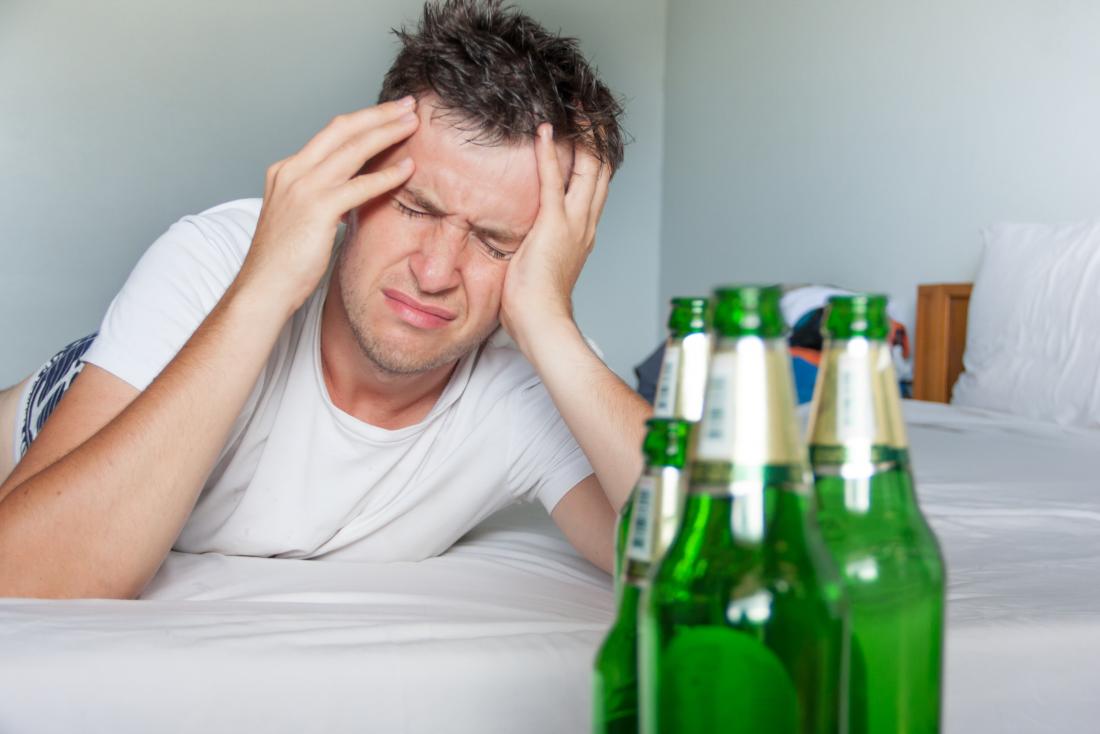
It’s the morning after. You feel horrible. When will your hangover end?
Hangover causes
Hangovers are simply caused by drinking too much alcohol. It might make you feel better to know that some people report hangovers after drinking one to three drinks. But on the other hand, there are heavy drinkers out there that don’t get hung over at all. Although experts still don’t know officially what causes alcohol hangovers exactly, ten possible explanations for why you feel the hair of the dog include:
acetaldehyde
alcohol withdrawal
dehydration and imbalance of electrolytes
drug use
gastrointestinal problems
genetics
low blood sugar
methanol
psychological traits
sleep disturbance
When will this hangover end?
OK. Now a little wake up call. Hangovers exist for a reason: the hangover experience may deter us from future episodes of heavy drinking or intoxication. They are our body’s way of asking that we avoid binge drinking and a call for homeostasis, or balance. But when will they end?
Typically, a hangover will end within 24 hours. Hangovers begin within several hours after you stop drinking, when blood alcohol concentration (BAC) falls. Symptoms of a hangover usually peak about the time BAC is zero and may continue for up to 24 hours thereafter. Most cases of hangover end several hours after 0 level BAC, though. This is for somewhat “normal” cases of over drinking, and a typical average. But hangovers can continue for a couple of days in more severe cases or in times when alcohol withdrawal occurs.
More severe cases of hangovers
Generally, the greater the quantity and length of time drinking, the more prevalent is the hangover. Some hangovers go on and on and can last for 72 hours, especially if you are mixing drinks, drinking low quality and less refined alcohol or drinking certain types of alcohol (brandy, red wine or whiskey all contain methanol).
How bad is your hangover?
Hangovers suck. But time will ease the symptoms of illness and discomfort. There are also a few hangover remedies that you might want to try to help reduce the severity of symptoms or shorten its duration. But keep in mind that most folk remedies for hangovers have not undergone clinical tests, and experts believe that conservative management of symptoms combined with time are your best bet for feeling better.
Hangover questions
Please leave your hangover story below, or questions about hangovers. We are happy to answer and respond to all of your comments personally.
Reference source: Mechanisms and Mediators of Alcohol Hangover
ARTICLE OVERVIEW:Alcohol withdrawal can be severe and very uncomfortable. Some symptoms, such as delirium tremens, can be dangerous or fatal. How do medical professionals treat withdrawal? We review here.
Always seek medical help when you are alcohol dependent and want to quit drinking.
Medical Detox, or Not?
To begin, you may be wondering, “Do I need a detox clinic, or can I handle withdrawal on my own?”
If you have become physically dependent on alcohol, you should always seek medical help when you’re ready to stop drinking.
When it comes to treating alcohol dependence, you must be monitored 24-7. This is because severe symptoms can be triggered unpredictably, usually even a few days after your last drink. For example, seizures occur in about 25% of all withdrawal cases. If symptoms are left untreated, you risk serious health complications or even death.
Keep reading to learn more about common medical protocols during detox. Then, we invite your questions at the end. If you have any questions feel free to post them in the comment section below the text.
Detox Protocols
Detox protocols for alcohol withdrawal are often administered in inpatient rehab settings to patients under 24/7 medical supervision. Each stage builds upon the previous one. Main stages of detox and protocols include:
1. Alcohol dependence assessment.
Before you start detox, you will need to fill-out paper work to include insurance or payment information, personal and family history, and your complete medical history. You’ll also go through a full assessment, often an interview, or two. You can plan on blood and urine testing as wll. Moreover, the medical staff will complete physical and psychological evaluations. This stage is helpful to clinicians to plan the course of treatment and to have a baseline of data in the case that treatment requires adjustment.
2. Supportive care.
Clincial guides to alcohol withdrawal state that non-pharmacologic interventions are the first-line approach and, sometimes, the only approach required. A quiet room without dark shadows, bright lights, noises, and other excessive stimuli is recommended. Main supportive care for this time usually includes:
Frequent reassurance
Nursing care
Orientation to reality
Also, detox clinics should provide routine examination of alcohol concentration in your system, complete blood count, renal function tests, electrolytes, glucose, liver enzymes, urinalysis and urine toxicology screening. General supportive care in a detox setting should aim to address fluid depletion, hypoglycemia and electrolytes disturbances. In these cases, treatments include hydration and vitamin supplementation. In particular, thiamine supplementation and B-complex vitamins (including folates) are essential for the prevention of Wernicke’s encephalopathy.
3. Medications.
Alcohol withdrawal can be hard to handle. During this stage, you will be under medical care. The acute detox period can last up to a week or longer.
Alcohol dependence is usually treated with help of medications. The most commonly used are benzodiazepines. In fact, benzos represent the gold standard treatment for detox for their high rate of efficacy and proven ability to prevent the complicated forms of seizures or delerium tremens. Other medications used in the treatment of alcohol withdrawal include:
Acamprosate
Alpha2-agonists, beta-blockers and neuroleptics
Baclofen
Barbiturates and propofol
Carbamazepine
Gabapentin
Naltrexone
Sodium oxybate
Topirimate
Valproate
Alcohol Withdrawal Symptoms
Alcohol withdrawal is a set of symptoms that occur when an individual who is alcohol dependent cuts down own their drinking or stops drinking for good. It occurs because your brain and body have adopted to the presence of alcohol as normal. So, when you cut down or stop drinking, your body requires time to readjust. It takes time for the brain’s chemistry to even out again.
But, keep in time that withdrawal may be dangerous. The best and safest way to treat it is via constant medical care.
Some of the most common symptoms of alcohol withdrawal include:
Agitation.
Anxiety.
Depression.
Difficulty concentrating.
Disorientation.
Fatigue.
Headache.
Heightened.
Irritability.
Jumpiness or shakiness.
Mood swings.
Nausea.
Nightmares.
Sweating.
Tremors.
Vomiting.
Delirium Tremens
Delirium tremens (DT) is a severe form of alcohol withdrawal. According to this synopsis on delirium trements only a few, 3% to 5%, experience this form of withdrawal. Symptoms of DT usually happen as early as 48 to 96 hours after the last drink, and can last up to 5 days.
Delirium tremens could be fatal, so it is important to treat alcohol withdrawal under medical supervision.
Protracted Withdrawal Symptoms
Generally speaking, symptoms of alcohol withdrawal resolve within 5-14 days, but some of the symptoms may persist for weeks and months after the last use. This condition is know as post-acute or protracted withdrawal syndrome (PAWS). According to this SAMHSA’s advisory pamphlet protracted withdrawal is the presence of withdrawal symptoms beyond the general time period.
Some protracted symptoms of alcohol withdrawal include:
Anxiety.
Depression.
Increased blood pressure and pulse.
Increased body temperature.
Increased breathing rate.
Reduced sexual interest
Sleep disruption.
Tremors.
Duration of Withdrawal
Usually, it takes about 5 to 14 days for symptoms of alcohol dependence to resolve. Still, the length of alcohol withdrawal is different for each individua. Final duration of time you’ll spend in detox depends upon several personal factors such as your:
Age.
Gender.
General health.
Level of dependence.
Amount of alcohol you were drinking.
Period of time you were drinking.
Alcohol withdrawal is the worst in the first days after the last drink.
The first symptoms of withdrawal usually start 6-14 hours after the last drink. In fact, the onset of detox appears once a person’s blood alcohol concentration (BAC) level starts to decrease. Tremors or muscle shaking are known to be the first signs of withdrawal. Physical symptoms tend to subside sooner than psychological symptoms. These symptoms – often related to mood, sleep, or craving – may last for months or years after the last drink.
However, withdrawal can be hard, severe, and in extreme cases fatal. So, don’t risk your life.
Always seek medical help.
Alcohol Withdrawal Timeline
Symptoms of alcohol withdrawal can be divided into three stages based on the severity of symptoms and time of their appearance. Below is a list of the most common symptoms with a timetable of their occurrence.
Stage 1 (6 to 72 hours after the last drink)
This is the period when the alcohol leaves the system. These initial withdrawal symptoms tend to be mild, and can last a few days or longer. The symptoms include:
Abdominal pain
Anxiety
Insomnia
Fever
Nausea
Restlessness
Tremors
Stage 2 (2-5 days after the last drink)
In this stage, you can expect more severe symptoms to appear such as:
Agitation
Autonomic instability
Confusion
Disorientation
Delirium tremens
Gross tremor
Hallucinations
Paranoia
Stage 3 (5 to 14 days after the last drink)
During this stage, the physical symptoms should resolve while the psychological may remain for longer period if not treated. Expect some of these symptoms to appear:
Brain fog
Depression
Mood swings
Nightmares
Nervousness
Shakiness
Individuals who drink excessively for longer periods of time usually experience more intense symptoms than those who are only recently alcohol-dependent. You can find a detailed alcohol withdrawal timeline in our infographic here. This graph depicts the course of time during which alcohol withdrawal symptoms manifest, peak, and fade:
Medications Used in Detox
Alcohol withdrawal can be hard to deal with it. So, pharmacotherapy is often required. The most common medications used in alcohol detoxification process include:
Acamprosate. This medicine addresses protracted withdrawal symptoms such as anxiety, dysphoria, insomnia, and restlessness.
Barbiturates: These medications were widely used to manage alcohol withdrawal symptoms, but today, the therapy with barbiturates is replaced with benzodiazepines.
Benzodiazepines. Treating alcohol with benzodiazepines is one of the most common therapies for addressing withdrawal. It is th “gold standard”. In general, the treatment includes 3 days of long-acting benzodiazepine use on a fixed schedule. The most comonly used benzos include:
Naltrexone. This medication blocks the rewarding receptors in the brain by diminishing the pleasurable effects of alcohol.
Treatment for Alcohol Addiction
Drinking too much may cause serious problems to health, home, and social life. Admitting that you have a problem is the first step of your recovery. But, enrolling into rehab can help you restart your life. There are two main types of treatment programs for alcohol addiction: inpatient and outpatient.
1. Inpatient treatment.
This treatment requires living at a rehab facility for a certain period of time, and it is usually recommended for people who are diagnosed with moderate to severe levels of alcoholism. Inpatient treatment is also suitable for people who do not have a home support network. During treatment, you can expect 24/7 medical supervision, educational sessions, and talk therapy. Moreover, the daily regimen includes regular meal times, sleeping hours, and exercise. Finally, community support is fits in the whole process. Inpatient program can last 30, 60, or 90 days. In some cases, it can last up to a year or more.
2. Outpatient treatment.
This treatment offers the same services, except that patients don’t sleep at the facility. They come and go to the center for a few hours a day, several days weekly. During the time there, you will meet with an addiction counselor for individual therapy. Also, you will have group therapy and education sessions. This treatment is more flexible because you can stick with a normal routine. Outpatient programs can be adjusted in length and may be extended for a period of a few months or a year.
Is treatment for alcohol use disorder helpful?
The answer is yes, always yes!
According to the National Institute on Alcohol Abuse and Alcoholism most people with drinking problems can benefit from some form of treatment. About one-third of people who receive any treatment have no further symptoms one year later, while others substantially reduce their drinking.
Moreover, alcohol treatment programs that are structured on evidence-based approaches are effective.
So, don’t waste your time, admit that you have a drinking problem, and reach out for help! For more information, we recommend that you check out any of the following organizations: