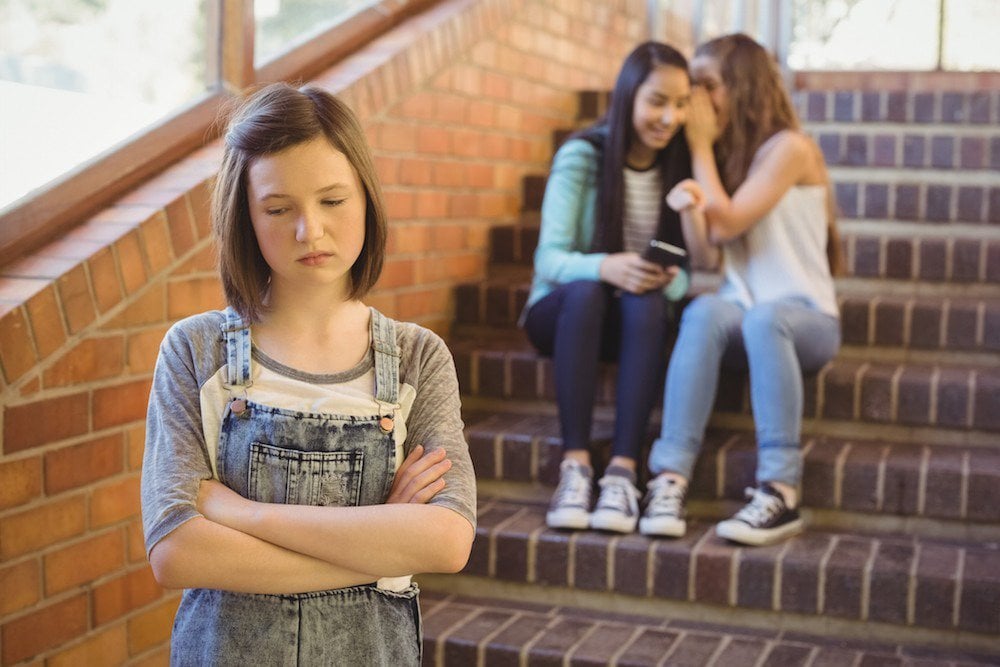
“You should just kill yourself.” I thought that if people thought the messages I was saying to myself were coming from other people, they would be more willing to help me out.
Trigger warning: The following story discusses self-harm.
What happens when social media becomes the weapon of choice for self-harm; when the cyberbully is also the victim?
Alicia Raimundo says she created ghost social media accounts to cyberbully herself as a teen in the hopes of validating her story. It was a coping skill, says the Toronto resident, now 28, and the only way she could think of to place her pain on full display in the hopes of friends and mental health experts coming to her aid. She didn’t know it then, but has learned since, that this form of anonymously posting critical, derogatory or otherwise hurtful comments about oneself is what mental health experts are now referring to as digital self-harm.
“I thought that if people thought the messages I was saying to myself were coming from other people, they would be more willing to help me out,” Raimundo says, adding that she often posted mean comments others had said to her in person but for which she had no documentation or evidence. “I would say things to myself like: ‘You should just kill yourself,’ ‘You are a fake,’ ‘you are not worthy of love or support.’”
Raimundo, who has worked in the mental health field for eight years, says she also sent herself messages that read ‘You are hideous,’ and ‘You are just pretending and everyone will find out soon enough.’ She would rationalize the negative and violent messages she would send to herself, she says, by telling herself that the negative somehow served as a balance for the good in her life.
Raimundo’s story, although new to those unfamiliar with digital self-harm, is not unique. A survey published in late 2016 in the Journal of Adolescent Health asked 5,593 middle and high school students from across the US to share their experiences with cyberbullying and digital self-harm. Of those surveyed, about six percent reported anonymously posting something mean about themselves online. Males were more likely to engage in digital self-harm at 7.1 percent reported, with female respondents reporting at 5.3 percent. According to the survey, risk factors for vulnerable teens include sexual orientation, experience with school bullying and cyberbullying, depressive symptoms, and drug use.
Teens who engage in physical self-harm also often struggle with depression, post-traumatic stress disorder, and/or difficulties with emotional regulation, says the American Psychological Association. It is important to note, however, that not all teens who cyberbully themselves have a mental illness.
“Teens typically are experiencing many intense feelings and events for the first time, and during an already intense period of self discovery and understanding,” says Texas-Based Licensed Marriage and Family Therapist Associate Stephanie Bloodworth. “There are different reasons they may engage in digital self-harm, but the underlying force so often seems to be that they are seeking some kind of solution to their feelings of self doubt or low self worth.”
These teens need help, says Bloodworth, but mental health caregivers and adult support figures should take care not to minimize the experience and mental pain of those they are trying to help.
“From a solutions focus, teens don’t need a different perspective, [such as saying] ‘This isn’t the end of the world, you know,’” Bloodworth says. “They need tools to help them handle what does feel like the end of the world they knew. They need tools and help to get the attention and support they need in healthy and appropriate ways.”
Raimundo, the mental health professional who used to cyberbully herself as a teen, agrees.
“I broke out of the cycle of digital self-harm by finally finding supports that listened to me and validated my story. People who I could speak openly and honestly to about engaging in digital self-harm, why I was doing it, and who would hold the space for me without judging me,” she says. “People saw me as someone trying to ask for help but not knowing all the right words to do so. They saw those messages as something that was actually happening in my head and addressed it as such.”
Raimundo now works as an online Peer Supporter for Stella’s Place.
“I really wanted to create safe spaces online for people to reach out for help, because I found getting help from people who understood the internet as a community was really hard,” she says. “I wanted to provide positive spaces and places for people to access behind their phones and break out of the negative cycles they find themselves in.”
Raimundo believes her experience with digital self-harm helps people open up if they are engaging in digital self-harm because it’s such a stigmatized form of self-harm that isn’t well understood.
“When they chat with me, it’s my hope that they are chatting with someone who gets it and can walk alongside them in their journey to recovery.”
Raimundo also offers this advice to those who may find themselves in a position to help teens digitally self-harming themselves. Approach the situation with empathy and a listener’s ear, she says.
“Don’t jump to the idea that we are doing it for the LOLs or because we are emotional vampires. Listen to why we are doing it, and try and connect us with the help with we need,” says Raimundo. “Yes, people engaging in these behaviors are crying for help, and we should give it to them.”
If you or someone you know may be at risk for suicide, immediately seek help. You are not alone. Options include:
View the original article at thefix.com