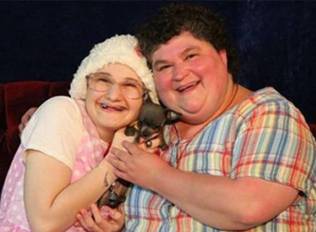
Tag: child abuse

  • Losing Nanny: The Collateral Damage of Addiction

    Losing Nanny: The Collateral Damage of Addiction

    I can’t help but wonder what could’ve been if my mom’s addiction didn’t suck up and spit out every relationship and person it touched. 

    The few pictures I have of my nanny are stowed away in a cardboard box buried in the back of my bedroom closet. And while I don’t want to throw them away, I feel no urge to dig them out and display them in a faux-wood frame from Target that has the word family written in cursive ribbons around the edges. Although my nanny wasn’t the alcoholic, at least in my life, my relationship with her was just as fraught as the one I had with my mom, the alcoholic. And sadly, it was because of my mom’s addiction that my relationship with my nanny became what it did, and ultimately what it didn’t. 

    Nanny was born Katherine, but the adults called her Kitty. She was thin and never without a cigarette in hand. Her hair was charcoal black and full of thick bulbous curls. She lived on Indian Queen Lane in East Falls, Philadelphia on the first floor of a house she rented and shared with my pop-pop. I don’t know if they were ever legally married, but they had five children: my uncles Tim, Mike, and Larry, and my mom. Dot, the oldest, had a different father, which may be why she never became a drug addict or alcoholic like the rest of them. 

    Nanny and Pop-pop Drank Heavily and Fought Frequently

    According to my mother, when Nanny and Pop-pop were young, they drank heavily and fought frequently, and their public displays of destruction eventually caught the attention of social services. In one fell swoop, my uncles, my mom, and aunt Dot became orphans and were parceled out to stable families. But Nanny fought and got her kids back, which I assume is when she put down the drink for good. Pop-pop, although he retired his fists, died an alcoholic, his tattooed body hijacked by cancer. 

    After my parents divorced when I was four, my mom and I moved back to East Falls. Initially, Mom planned to move in with Nanny until she could afford to rent an apartment for us, but my pop-pop objected because he didn’t want us, “those two bitches,” eating all of his food. Instead, we moved in with my uncle Mike, who lived in an apartment under the Roosevelt Expressway on Ridge Avenue, an eight-minute walk from Nanny’s. I recall my mom and I having to sleep on the floor because Uncle Mike didn’t have furniture. Instead, he had a refrigerator full of Budweiser.

    Eventually, my mom found work waiting tables and Nanny took care of me during the day, walking me to Mifflin Preschool in the morning and picking me up in the afternoon. For lunch, she made ham, orange cheese, and potato chip sandwiches on white bread with mustard. And dessert was a handful of Oreo cookies from the frog-shaped cookie jar she kept on the kitchen table along with a cold, tall glass of full-fat milk. Apparently, Pop-pop was okay with me eating processed cheese and ham; as long as I didn’t dare go near his fried steak and potatoes.

    By the time my mom pulled together the money to rent an apartment, my nanny had assumed the role of default caretaker. My mom’s schedule became an endless stream of barely making it to work during the day, getting plastered at the bar at night, and hanging out with my alcoholic soon-to-be stepfather. Instead of my mom picking me up after lunch, I stayed with Nanny and watched her favorite soap opera, General Hospital, while she sucked backed cigarettes and ironed Pop-pop’s work pants. I sat at the kitchen table at night while she prepared dinner and then examined her every move as she scrubbed and dried each pot and plate. After my bath, I’d sit with her on the edge of the bed and watch M*A*S*H, a show about an American medical unit during the Korean War. 

    Damn It, Why Do I Have to Take Care of You?

    One night she brought in a bowl of black licorice balls and insisted I try one. Never a kid to turn down candy, I popped a ball in my mouth and quickly discovered how much I hated the taste of black licorice. 

    “How’s it?” Nanny asked without taking her eyes off the T.V.

    As saliva filled my mouth, the taste of licorice coated my tongue and slipped between every tooth, reaching the flesh of my cheeks and the back of my lips. Afraid of what would happen if I opened my mouth, I nodded my head yes and walked down the hall to the bathroom. In there, I leaned over the trashcan next to the toilet and spat the ball out. In an attempt to hide what I’d done, I grabbed a wad of toilet paper from the roll and threw it in over the black goo in the can. I don’t know why I did it, but when I got back to Nanny’s room, I sat on her bed, reached into the bowl, and popped another licorice ball in my mouth. I waited a minute, went back to the bathroom, and spit the ball out, just as I did with the first, covering it with toilet paper. I did that at least twice more before Nanny noticed and screamed, “Are you spitting that licorice out?” Terrified, I nodded my head. 

    “Why you doing that?” She asked.

    Still terrified to speak, I answered with a timid shoulder shrug.

    “Damn it, Dawn!” She wailed. “If you don’t like the goddamn things then don’t eat them.”

    Oddly, this was the only kind of interaction I recall having with my nanny. I’d do something typical for a little kid such as trip on my shoelaces, cry when I had to get shots, or accidentally pee on the toilet seat, and she’d scream “Damn it, Dawn!” She’d always follow that up with something like “It doesn’t hurt,” or “Stop being so dramatic,” or “What’d you do now?” 

    I’ve always wondered if what she really wanted to say after “Damn it, Dawn!” was “Why do I have to take care of you?” Looking back, I can’t say I’d blame her if she did.

    Nanny didn’t balk when my mom and I moved in with my stepdad or when they eventually married, even though he was glaringly wrong for her. Under my stepdad’s roof, my mom didn’t have to work, which meant she should have had time to look after me. But her love for alcohol and my stepdad’s penchant for violence made that nearly impossible. 

    Chaos, Instability, and Abuse

    The three of us lived together for four long and terrifying years, marked by a level of chaos, instability, and abuse that I’m still working out in therapy. I can only imagine how much more screwed-up I’d be as an adult if I hadn’t distanced myself from my mom at a young age. And although estrangement has been good for my mental and emotional well-being, it didn’t come without a cost. Cutting off contact with my mom meant severing ties with aunts, uncles, and cousins on that side of my family, relatives whose faces and voices I wouldn’t recognize today. That collateral damage included my nanny. 

    I can’t help but wonder what could’ve been if my mom’s addiction didn’t suck up and spit out every relationship and person it touched. 

    Like Pop-pop, Nanny died of cancer a handful of years ago, but because I was estranged from my mom, I never learned what kind of cancer she had or how long she had it before she passed. I didn’t go to her funeral because I knew my mom would be there and likely not sober. Even as an adult, concern for my own safety was stronger than my desire to pay my respects. I don’t regret that decision. 

    Regrets and Puzzle Pieces

    But I do regret the things I’ll never know about my nanny. I regret not knowing her maiden name, or what county in Ireland her parents were from. I’ll never know if she finished high school, if she had any aspirations beyond motherhood or if she resented having to take care of me when my mom couldn’t. Maybe these questions sound trivial, but for someone whose family has been battered and divided by addiction, the answers become the missing pieces to a puzzle you want to finish but can’t. 

    I still have some pieces, though: memories of potato chip sandwiches on white bread, a fat ceramic frog full of Oreo cookies, and a cardboard box of faded pictures buried in the back of my closet that I can’t throw away. 

    View the original article at thefix.com

  • The Child Welfare System and Addiction in Nevada

    The Child Welfare System and Addiction in Nevada

    ARTICLE OVERVIEW: This article provides an overview of child welfare systems in Nevada. It explains what happens when abuse or neglect are reported in combination with substance use. Review how the process is directed by the NV State Child Welfare Agency. Plus, learn about state laws that protect children. More below.

    TABLE OF CONTENTS:

    Why Did They Take My Child?

    If you are using drugs or drinking while your kids are in your care, the State of Nevada can find you “unfit” to properly care for your child. Being under the influence of drugs or alcohol can mean that you cannot provide proper:

    • Care
    • Control
    • Supervision

    Further, parents who are high or drunk have problems providing adequate food, education, shelter, medical care, or other care a child needs for his/her well-being. This is considered child neglect.

    Child Protective Services, or CPS, is a state run agency set up through law. The Nevada Revised Statutes, Chapter 432B outlines CPS duties. Mainly, the Nevada State CPS is in charge of investigating reports of suspected child abuse and neglect.

    If it’s determined that you’ve been using drugs or drinking in the presence of your children, you could lose legal custody of your kids. They might be placed in foster care or even adopted by another family. [1]

    You need to know what to expect and what steps to take if you’re are involved in a child protective service case. Using drugs or drinking doesn’t mean you’re a bad person, it just means you need professional help. Reach out and let us help you. We can discus treatment options together.  Call us today and be connected with American Addiction Centers. Or, continue reading to learn more about the procedure of the Child Welfare system in Nevada.

    Who Has Reported Me?

    Anyone in the state of Nevada can report a parent to the local child welfare agency or to the police. If you suspect that a parent neglecting is drinking or using drugs, your call can help a child. The identity of the person making the report is kept confidential. NRS 432B.260 does not allow the child welfare agency to release the name of the person who reported the abuse and neglect concerns. [3]

    1. Nevada’s CPS hotlines:

    • Clark County: 1-702- 399-0081
    • Washoe County: 1-755-784-8600
    • All other counties: 1-800-992-5757

    2. Childhelp USA National Child Abuse Hotline: 1-800-422-4453

    3. Your local police department

    In the State of Nevada, there are professionals who are obligated by the State law NRS432B.220 to report their suspicions. [2] Mandated reporters are required to make a report immediately to a CPS or law enforcement agency. A report must be made within 24 hours after there is a reason to believe that a child has been abused or neglected. There are penalties for mandated reporters when a report is not received within the time limit NRS 432B.240. [4] Mandatory reporters include:

    • Athletic trainer
    • Attorneys, under certain circumstances
    • Christian Science practitioner
    • Counselors, therapists, and other mental health
    • Foster care and child care employees
    • Hospital administration and personnel
    • Law enforcement officers
    • Medical examiners or coroners
    • Members of the clergy ,religious healers
    • Optometrist
    • Persons who maintain youth shelters or foster homes
    • Physicians, nurses, and other health-care workers
    • Probation officers
    • Schools employees
    • Social workers
    • Volunteer referral abuse service

    What Happens When I’m Reported?

    STEP 1. Intake. Intake is the first stage of the child protective service process and is one of the most important decision-making points in the child protection system. It is the point at which reports of suspected child abuse and neglect are received. Information gathered by caseworkers is used to make decisions regarding safety, risk, and the type of CPS response required. Referrals in Nevada are accepted from all sources, and each report is treated as a potential case of child maltreatment.

    STEP 2. Investigation. Upon receiving a referral, the intake worker attempts to gather as much information as possible about each family member, the family as a whole, and the nature, extent and severity, of the alleged child maltreatment. Once the initial intake information is collected, the caseworker conducts a check of agency records and the Central Registry to determine any past reports or contact with the family. Then, the caseworkers must collect and analyze the information and determine if it meets the criteria outlined in Statute regarding the definition of child abuse and neglect and the requirements for response.

    STEP 3. Prioritization and Response. Nevada State CPS prioritizes the investigation response time based on a number of factors including the nature of the allegations and the age of the child. The response times are either immediate, within 24 hours, 48 hours, 72 hours, or 10 days. The average response time for CPS agencies in Nevada is at the 90th percentile level.

    STEP 4. Case Determination. Upon completion of the investigation of a report of abuse or neglect, a determination of the case findings are made based on whether there is reasonable cause to believe that a child is abused or neglected or threatened with abuse or neglect. The case manager will assess whether the child is safe or unsafe, and if the child or family is in need of services. S/he will review what changes need to happen for the child to be safe at home. If the case manager determines that abuse or neglect did not occur, the report is “unsubstantiated.” If the case manager determines that abuse or neglect has occurred, the report is “substantiated.” You have the right to appeal a substantiation. [5]

    What Happens Next?

    Within 45 days of beginning the assessment, the case manager must decide if abuse or neglect has occurred. If the case manager finds that your child is unsafe, the case manager will work with you to establish a safety plan and services will be provided to assist in reducing any safety threats that exist. If a safety plan cannot be made, the case manager will talk with your family to:

    • Find a temporary safe place for your child to stay with relatives.
    • Place your child in foster care.
    • Arrange for you to see your child.
    • Arrange services for your child and family.

    In certain situations, your child may be placed outside of your care without your permission. A protective custody court hearing must be held within 72 hours excluding weekends and holidays from the time the decision was made to remove your child. You will be notified of the date, time, and location of the hearing. You must attend the hearing. At the hearing, the court decides whether your child can safely be returned to your care until the next court hearing. You will be informed of your rights at this hearing. [6]

    Child Welfare Laws

    There are federal requirements for each state to have laws about reporting and investigating child abuse and neglect, as mandated by the Child Abuse Prevention and Treatment Act. The laws in Nevada that protect children and incorporate the federal mandates can be found under Nevada Revised Statutes, Chapter 432B. Here’s a basic review of main federal and state laws regarding child protection.

    1. Child Abuse Prevention and Treatment Act,CAPTA. This is the key federal legislation addressing child abuse and neglect. [7]

    2. Protection of Children From Abuse and Neglect – CHAPTER 432B. This Law defines child abuse and neglect for NV State. The law authorizes child protection and law enforcement agencies to investigate reports of alleged child abuse and neglect. Parental substance abuse is considered neglect. The statute also outlines who is obligated to report child abuse and neglect. [8]

    3. NRS 128.106 (d) Specific considerations in determining neglect by or unfitness of parent. This law states that in determining neglect by or unfitness of a parent, the court shall consider, without limitation, the following conditions which may diminish suitability as a parent: Excessive use of intoxicating liquors, controlled substances or dangerous drugs which renders the parent consistently unable to care for the child. [9]

    The Courts that are In Charge?

    Family matters in Nevada are resolved under the jurisdiction of the District Courts. Only Clark County has a specific Family Court Division. The Family Court helps people with divorce, annulment, child custody, visitation rights, child support, spousal support, community property division, name changes, adoption, and abuse and neglect. [10]

    The Supreme Court is the state’s highest court and its primary responsibility is to review and rule on appeals from District Court cases. The court does not conduct fact-finding trials, but it rather determines if legal or procedural errors were committed during the case. The Supreme Court assigns one-third of all submitted cases to the Nevada Court of Appeals. [11]

    What Happens to Parents?

    If CPS’s case worker decides that a child has been neglected because of parental substance abuse, s/he will work with the parent to establish a safety plan. Services like rehab and counseling will be probably provided in order to reduce the harm caused to the child. If the parent doesn’t want services, but the child is unsafe, the case worker may ask the court to order that the parent takes part in a treatment program. It is very important for the parent to be involved in the discussion with the case worker.

    What Happens to Children?

    Depending on the severity of the case, children may remain at home or be removed into foster care.

    In low-risk cases, children may remain in their own homes with their families. In these cases, families may receive in-home services and supports. This usually includes a combination of parent education, safety planning, counseling, and more. Families may also be connected with community services such as therapy, parent training, and support groups.

    Most children in foster care are placed with relatives or foster families, but some may be placed in a group or residential setting. While a child is in foster care, he or she attends school and should receive medical care and other services as needed. Visits between parents and their children and between siblings are encouraged and supported, following a set plan. [12]

    What Happens if I Drink or Use?

    The goal of the NV State Child Welfare System is to reunite child with parents. But if you drink or use drugs, you need to go through  rehabilitation to make it possible. You must follow the Nevada court’s orders. This means that you’ll need to actively participate in counseling. Plus, you’ll need to make other lifestyle changes so that your child can live with you safely.

    If the judge sees that you have continued to drink or use drugs and made no real effort toward reunification with your child and s/he might order that your parental rights be terminated. When this happens, the child is placed for adoption or with a legal guardian, possibly a family member.

    While foster care is defined as temporary placement of the children until you get better, the termination of parental rights in permanent.

    So why risk it?

    Your children need you. And you deserve a better life. You can live a life without drugs or alcohol. A good treatment program can change your life forever. Are you ready to do what’s best for your family? Call us to learn more about your rehab options in the Silver State. Our admissions navigators are available day and night to talk with you. We can walk you through the process of change. You can do it!

    Can I Get My Child Back?

    Yes. About 3 in 5 children in foster care return home to their parents or other family members. However, before your children come home, the Nevada child welfare agency and court must be certain that:

    • You can keep your children safe.
    • You can meet your children’s needs.
    • You are prepared to be a parent.

    Being involved with the child welfare system can give your family support and a chance to be stronger than before. By fully participating in your case plan and the services it includes, you can strengthen your skills to become the best parent that you can be for your children. [13]

    Your Questions

    Got any questions?

    If you still have question and concerns about the child welfare system in Nevada, please post your comments in the section below. You can also find more information about the child welfare system in Nevada here.

    Reference Source: [1] Nevada Revised Statutes: CHAPTER 432B- PROTECTION OF CHILDREN FROM ABUSE AND NEGLECT
    [2] Nevada Revised Statutes: CHAPTER 432B- PROTECTION OF CHILDREN FROM ABUSE AND NEGLECT
    [3] Nevada Revised Statutes: CHAPTER 432B- PROTECTION OF CHILDREN FROM ABUSE AND NEGLECT
    [4] Nevada Revised Statutes: CHAPTER 432B- PROTECTION OF CHILDREN FROM ABUSE AND NEGLECT
    [5] Nevada Department of Health & Human Services: Division of Child & Family Services
    [6] Nevada Department of Health & Human Services: DCFS: Parents Guide to CPS
    [7] Child Abuse Prevention and Treatment Act (CAPTA)
    [8] Nevada Revised Statutes: CHAPTER 432B- PROTECTION OF CHILDREN FROM ABUSE AND NEGLECT
    [9] Nevada Revised Statutes: CHAPTER 128 – TERMINATION OF PARENTAL RIGHTS: Specific considerations in determining neglect by or unfitness of parent.
    [10] Eight Judicial District Court, Clark County Nevada: Family Courts
    [11] Nevada Judiciary: About the Nevada Judiciary
    [12] Child Welfare Information Gateway: How the Child Welfare System Works
    [13] Child Welfare: Reunification
    Nevada Department of Health & Human Services: DCFS: Nevada Child Abuse and Neglect Allegation Definitions

    View the original article at addictionblog.org

  • Are the 12 Steps Safe for Trauma Survivors?

    Are the 12 Steps Safe for Trauma Survivors?

    When the 4th and 5th steps are done without support for the symptoms of PTSD, they have the potential to retraumatize.

    Trauma is a current buzzword in the mental health world, and for good reason. Untreated trauma has measurable lasting physiological and psychological effects, which makes it a public health emergency of pandemic proportions. Trauma is an event or continuous circumstance that subjectively threatens a person’s life, bodily integrity, or sanity, and overwhelms a person’s ability to cope.

    PTSD and Substance Use Disorder

    Post-traumatic stress disorder (PTSD) is a condition caused by experiencing or witnessing a traumatic event. Symptoms include nightmares, flashbacks, anxiety, intrusive thoughts about the trauma, hypervigilance, and avoidance of triggers which remind you of the event. Substance use disorders (SUD) are frequently co-morbid (co-occurring) with PTSD. Many people with PTSD self-medicate with mind-altering substances to alleviate symptoms but getting high or drunk only works for so long. Substance use disorders often evolve from using substances as a maladaptive coping tool.

    There are many physiological correlations between psychological trauma and SUD. For example, there are similarities in gray matter reduction for both the person with PTSD and the person with an alcohol use disorder. Although the neural mechanisms of addiction in PTSD patients are not fully understood, research has found that in the prefrontal cortex, dopamine receptors may be involved in both conditions. Memories related to fear and reward are both processed with the help of these specific receptors. It could be that the processing of traumatic memories affects the dopamine receptors, making them more sensitive to reward-triggering substances.

    Sometimes, people with a dual diagnosis of addiction and PTSD find their way to 12-step programs like Alcoholics Anonymous. These programs are widespread, free, and require no commitment, which makes them more accessible than other types of treatment. AA’s worldwide membership and lasting existence has caused the program to be of interest to researchers for decades. Previous research has found positive correlations between AA participation and abstinence. There is less research on how 12-step programs interact with trauma recovery.

    Studies on relapse factors have found that common predecessors to relapse in adults include anger, depression, and stress, among others. Recalling traumatic experiences, for someone with PTSD, can cause intense physiological and psychological reactions characterized by these same feelings: anxiety (stress), depression, anger, and frustration. It’s a combination that puts people with both trauma and addiction at a higher risk of relapsing.

    Guilt, Shame, and AA

    There are two sets of steps in 12-step programs that involve memory recall and direct involvement with others: Steps 4 and 5 and Steps 8 and 9.

    Step 4 says: “Made a searching and fearless moral inventory of ourselves.” That step is followed up by sharing that inventory in Step 5: “Admitted to God, to ourselves and to another human being the exact nature of our wrongs.”

    Later, Step 8 says: “Made a list of persons we had harmed, and became willing to make amends to them all.” To deal with that list, Step 9 directs people: “Made direct amends to such people wherever possible, except when to do so would injure them or others.”

    The gist with these steps is that they look at both the resentment/anger the person feels towards others (which always involves taking responsibility for part or all of the event that caused the resentment and anger), and also the “harms” the person caused others. But there is no direct guidance on how to ensure a realistic and safe assessment of past events is made. The AA book presents this step as if someone with a substance use disorder has the tendency to blame others. People with PTSD are wracked with self-blame, and it is self-blame and shame which fuels many people’s addictions, but shame is not explicitly addressed in the steps.

    Guilt is very commonly experienced by people with PTSD. Survivor guilt can be a bit of a misnomer; PTSD develops from situations that are subjectively experienced as traumatic, but these circumstances don’t have to involve death (although they certainly can and do for many people). Simply surviving can feel like something the person is not worthy of. They may feel guilt when they don’t stay in the pain and anxiety.

    Shame is also common in trauma survivors, especially in people who have been sexually assaulted. Trauma survivors must restore a positive sense of self to find healing. Judith Herman, the author of Trauma and Recovery: The Aftermath of Violence—from Domestic Abuse to Political Terror, explains that “the survivor needs the assistance of others in her struggle to overcome her shame and to arrive at a fair assessment of her conduct.” It becomes important, as the trauma reveals itself, to see it clearly for what it was so the person can integrate those experiences into their individual life stories.

    AA literature is very focused on decreasing ego and on disrupting the selfishness of the person with the addiction. This is not necessarily a helpful baseline for traumatized folks; it can be harshly critical. The feeling of being judged can deepen the rift between the survivor and others. Herman writes, “Realistic judgements diminish the feelings of humiliation and guilt. By contrast, either harsh criticism or ignorant, blind acceptance greatly compounds the survivor’s self-blame and isolation.”

    The primary text of Alcoholics Anonymous (the “Big Book”) suggests alcoholics review their past sexual life when creating a life inventory in Step 4. For the overall inventory, the book suggests that the reader completely disregard “the wrongs others had done” and to look only at “our own mistakes.” Even in situations where a person caused harm to the reader, the reader should “disregard the other person involved entirely” and find “where were we to blame?” These suggestions can be dangerous for survivors of intimate partner violence or child abuse who have been told that they were to blame for the abuse they suffered.

    The book further details what to ask yourself when making an inventory of your sexual conduct:

    “Where had we been selfish, dishonest, or inconsiderate? Whom had we hurt? Did we unjustifiably arouse jealousy, suspicion or bitterness? Where were we at fault, what should we have done instead?” It is worrisome that a sex inventory is taken to find out how “we acted selfishly” when one-third of women and one-sixth of men have been sexually assaulted or raped. An estimated half of women who experience a sexual assault will develop PTSD. One study found that 80 percent of women with SUD who seek inpatient treatment have been physically or sexually assaulted and nearly 70 percent of men have experienced either physical or sexual abuse.

    How the 12 Steps Can Harm People with PTSD

    Because remembering past traumas makes the brain’s reward center more receptive to the effects of drugs, Steps 4 and 5 need to approached with extreme caution for people who have experienced trauma. Ideally, these steps jumpstart healing; but when they are done without support for the symptoms of PTSD, they have the potential to retraumatize. As the person shares their trauma with someone else, hopefully the listener is compassionate and willing to point out where things were not the addict’s fault—at all. A child survivor of molestation had no agency in the assault, and it is unconscionable to tell that child, now grown, that they need to determine where they were at fault. It is not possible to “disregard the other person involved entirely” when an event only occurred because of the other person. Sometimes we need to recognize this fact and say to ourselves (or hear from someone else): “You had no part in this, you were a victim at that time.”

    In Steps 8 and 9 we are to list and resolve harms done to others. If step 4 and 5 didn’t properly address where our fault doesn’t lie, we may be inclined to list abuses and harm done to us as wrongs we did. It says not to make amends if it will cause harm to others, but we need an additional specification not to make amends if it will cause harm to ourselves. If you owe an abusive ex-partner money, are you supposed to pay them back if you’ve cut off all contact? These are issues that require careful consideration. Sharing both lists with a compassionate person has the potential to help survivors recover. Sharing both lists with someone who is too harsh in their suggestions and assessments has the potential to push those in recovery back into active addiction.

    The care of a loving, compassionate, and knowledgeable supporter, like a sponsor, can help sort out these dangerous triggers. Since such a large percentage of people in 12-step programs have experienced trauma, sponsors should be able to provide trauma-informed care; otherwise, going through the steps may end up retraumatizing their sponsees and leaving them vulnerable to relapse. Yet, there are no qualifications for sponsorship, and no way for someone new to the program to be aware of these potential pitfalls. There are so many variabilities to the 12 steps and how they are implemented. The way in which someone interprets the language of the steps can change how people understand themselves and their history. Trauma-focused recovery can be lost in the mix and deserves more explicit attention.

    View the original article at thefix.com

  • Dear Daddy, Why Didn't You Protect Me?

    Dear Daddy, Why Didn't You Protect Me?

    Instead of worrying about being attacked by some random person on the street, I lived with my attacker 365 days a year.

    My stepmom couldn’t remember if he whipped out a knife or a pipe of a similar size, but she recalled the moment the perp appeared over her left shoulder. She was leaning against my dad’s car, parked in front of the apartment building he owned on George Street in Norristown, Pennsylvania. They were there that night cleaning up after the first-floor tenant who’d recently moved out after dodging his rent for months. My dad was still inside when my stepmom stepped out for a cigarette. That’s when she says she was attacked. But just as the man who appeared over her left shoulder was winding up to bash or stab her, my dad popped out from the darkness and swatted him away. The details at that point get fuzzy because as my stepmom recalled, she was in shock, her body trembling as she collapsed into my dad’s chest like a wet noodle.

    “Your father saved me,” she’d lament whenever she told the story. “He’s such a good man…such a good man.”

    My dad began dating my stepmom before my parents divorced when I was four years old. As part of my parents’ agreement, my two older brothers, practically residents at the local juvenile hall, stayed with my dad while I moved with my mom to East Falls, Philadelphia. With the three of us kids figuratively gone, my dad was free to court my stepmom, and he did so with fervor. Newly divorced herself, and emotionally impaired by her allegedly abusive ex-husband, my stepmom basked in my dad’s undivided attention and unsolicited protection. It was through her stories about my dad’s acts of chivalry — rescuing her when her car broke down in a blinding blizzard or refusing to let her enter her apartment before he inspected every room and closet — that greatly influenced my perception of my dad. As a little girl, my father was more than a good man; he was my superhero. Until I realized he wasn’t.

    The disparity between my dad’s willingness to protect my stepmom and his inability to express even the slightest concern over my wellbeing became painfully clear while I was living with my mom and the man who eventually became my stepdad. They were both alcoholics with ravenous appetites for violence and our home was a war zone. Instead of worrying about being attacked by some random person on the street, I lived with my attacker 365 days a year. I spent many school nights and weekends watching my stepdad choke my mom on the living room floor. I scrubbed her blood off the sofa when my stepdad split my mom’s lips open, and when she turned her rage in my direction, I dodged the knives she thrust at my back and hid the patches of hair she ripped off my head.

    Literally and figuratively, I wore the scars of an abused kid. But unlike the thick coat of protection my dad offered my stepmom, he couldn’t be bothered to do anything about the hell I was experiencing. And it wasn’t because he didn’t know. My mom and stepdad didn’t keep their lifestyle a secret; on many occasions, amid a drunken fit, my mom called my dad.

    “I’m gonna kill your fuckin’ daughter,” she threatened. There would be a short pause while my dad responded.

    “Come and get your little bitch,” my mom screamed into the receiver while looking right at me.

    “You hear that?” she said. “Your dad’s not comin’, he doesn’t fuckin’ want you.”

    Despite the many things my mom got wrong when she was drunk, she wasn’t lying about my dad. He only lived a quick 30-minute drive away, but she was right. He wasn’t coming.

    When I was eight years old, my mom effectively kicked me out of her house. Oddly, it was the idea of me being homeless and not my mom’s drunken threats to kill me that motivated my dad to act. And although I was relieved to be moving away from the chaos, living with my dad and stepmom became a nightmare of a different kind.

    Slowly I realized it wasn’t only boogeymen lurking in the dark or tales of abusive ex-husbands that my dad protected my stepmom from. He was also willing to shield her from me if she felt she needed it, no questions asked. Once at a family gathering, my stepmom grew increasingly annoyed when I wouldn’t get off the couch and play with the other children. At ten years old, I was painfully shy and didn’t know how to approach a group of kids I’d never met before. When I wouldn’t budge, my stepmom stormed out of the house and my dad and I followed. On the front lawn, she turned to me and said, “Great, now everyone is going to think you’re retarded.” As I started to cry, my dad wrapped his arms around my stepmom and looked away.

    To this day, my dad has yet to acknowledge the life I lived with my mom and stepdad. He never asked me what it was like to watch my stepdad bash my mom’s face into a mirror or how sick it made me feel to have to tell my stepdad I loved him when there wasn’t a cell in my body that did. No, he never once inquired, but on several occasions he brought up my stepmom’s childhood. He shared how her father died when she was young and how her mother was never around. And while my stepmom’s upbringing may have been less than ideal and could have affected her behavior in certain ways, I’ve never understood how my dad could compare my experience to hers. I don’t know how he could look me in the eyes and say, “You know, your stepmom had it bad too.”

    A few months before my 18th birthday, my dad was hit by a car. One of his hips was nearly shattered, and after being released from the hospital, he spent weeks laid up in bed. One night we got in an argument over something trivial. As our exchange escalated, my stepmom burst into the room, grabbed me from behind and shoved me towards the bedroom door. Although she had occasionally spanked me for misbehaving when I was younger, this was the first time she put her hands on me as an adult. As I regained my balance, I turned towards my stepmom and paused. Although my body was still, in my mind I’d already lurched forward and pinned her against the wall.

    What happened next snapped me out of my fantasy. Off to my left, I watched my dad, who’d been bedridden for weeks, thrust himself out of bed. Although he barely had the strength or the balance to stand, I knew if I caused any harm my dad would call the police and I’d be the one leaving in handcuffs. Given my lack of options, I did the only thing I had the power to do. I walked away. I knew who my dad would choose to protect and defend.

    View the original article at thefix.com

  • Pregnant and Scared to Get Treatment: When Conception Meets Addiction

    Pregnant and Scared to Get Treatment: When Conception Meets Addiction

    If one needs proof that addiction is a disease and not a moral failing, look into the eyes of a woman who knows her behavior is harming her baby but still can’t stop.

    With one in three individuals with opioid use disorder passing through the criminal justice system annually, court dockets across the country are overflowing with cases of illegal behavior fueled by addiction. Though such cases wrangle with the complexities of punishing individuals afflicted with what is increasingly seen as a disease that erodes free will, they are the bread and butter of the legal system. However, the recent Pennsylvania Supreme Court case known as In the Interest of L.J.B. adds another level of intricacy to the court’s decision-making process. The question asked in the case—Does drug use during pregnancy constitute child abuse? —is unpleasant to contemplate, but it is one of absolute importance.

    The defendant in the case, a woman referred to as A.A.R., tested positive for illicit opioids, benzodiazepines, and marijuana when she gave birth to her infant, L.J.B., in January 2017. L.J.B. then required 19 days of inpatient treatment for drug withdrawal and was placed in the custody of Children and Youth Services, which alleged that her mother’s drug use during pregnancy was child abuse. On December 28, in a 5-2 decision, Pennsylvania’s Supreme Court ruled in favor of L.J.B.’s mother, stating that Pennsylvania’s child abuse law clearly excludes fetuses in its definition of a child. While the issue may be settled in Pennsylvania, there is little doubt that similar cases will be heard across the country amidst the opioid epidemic.

    Pregnant Women with Opioid Addiction — Overlooked and Undertreated

    The case of L.J.B. and her mother has drawn national attention to women who simultaneously carry a child and the burden of an addiction—a group that has often been overlooked or ignored in the national discussions about the opioid epidemic. Few individuals in our society bear such a stigma as these women. As an addiction psychiatrist, I’ve heard harsher judgment passed on these patients—even from fellow healthcare workers—than on any others. This stigma permeates our medical and legal systems, creating dire consequences not only for these women, but also for their unborn children.

    Pregnancy is unparalleled in its ability to motivate women towards healthier behavior, but approximately four percent of pregnant women still use addictive drugs. When I’m asked to evaluate a woman who is pregnant, I know her disease is severe before I’ve even laid eyes on her. If one needs proof that addiction is a disease and not a moral failing, look into the eyes of a woman who knows her behavior is harming her baby but still can’t stop. There is no better example of the ability of a chemical to overpower the deepest-rooted human instincts.

    A recent report released by the CDC revealed that opioid addiction among women in labor quadrupled from 1999 to 2014, signifying the need for immediate action. Opioid addiction during pregnancy can create many problems for mother and child, including preterm labor, neonatal abstinence syndrome, and even fetal death. Tragically, pregnant women with addictions are less likely to receive prenatal care. Aware of society’s disdain, many don’t want to be stigmatized at the doctor’s office. Some mothers-to-be can’t even find a physician willing to treat them, and others are afraid of being reported to authorities due to laws that have arisen out of prejudice and misinformation.

    Harsh Laws Harm Mother and Child

    Twenty-three states already consider drug use during pregnancy child abuse. In three states, it’s grounds for involuntary civil commitment. Though some people think such laws deter women from using drugs during pregnancy, they don’t. If a woman’s addiction is so severe that it is active during pregnancy, laws that threaten arrest or loss of custody will not bring about remission. They also rarely bring about legal punishment, since the charges are dismissed or the convictions are overturned 85 percent of the time.

    All that these laws do is cause pregnant women with addictions to avoid prenatal care visits or forego them all together. Tennessee discovered this the hard way, when it passed a law in 2014 making drug use during pregnancy punishable by up to a year in prison. The number of pregnant women seeking treatment for addictions fell drastically because they were too afraid of the legal ramifications. Thankfully, the law expired in 2016, but Tennessee’s legislature is now considering passage of a similar bill.

    How to Help Pregnant Women with Addictions and Their Children

    If our actual desire is to help pregnant women with addictions and their children, there are effective actions we can take. We can start with repealing counterproductive laws, and, as funding is being allocated to counter the opioid epidemic, we can earmark portions of it for these patients and create more treatment options for them. Only 19 states have programs specifically targeting the unique needs of pregnant women, and only 17 provide them with priority access to state-funded addiction treatment programs.

    Healthcare providers can help by addressing their own stigma and stepping up to provide treatment to this vulnerable group. These women already face significant barriers to care, so finding a willing and caring healthcare provider shouldn’t be another challenge to overcome. There are also ways to avoid tragic situations like this in the first place. Out of all pregnancies in women with opioid addictions, eighty-six percent are unintended, so ensuring access to affordable and effective family planning services is essential.

    For addicted women with unborn children, an invitation into care is far more effective than any legal threat we can muster. Let’s dispense with negative attitudes and legal barriers that keep these patients from seeking treatment. Ensuring that help is available when needed is the way forward, because the only way to aid an unborn child is to help its mother, regardless of how her actions might make us feel. 

    View the original article at thefix.com

  • Munchausen by Proxy: Mental Illness or Child Abuse?

    Munchausen by Proxy: Mental Illness or Child Abuse?

    Feldman has seen horrific cases of Munchausen by proxy, from mothers injecting their children with bacteria to cause infection to parents suffocating their infants. But most perpetrators are not motivated by a desire to see their child in pain.

    “That Bitch is dead!”

    The post would have been alarming on anyone’s Facebook page, but it was especially jarring when it appeared on the page of Dee Dee Blanchard, a single mom who was the full-time caregiver to Gypsy Rose, a teen with a host of medical issues ranging from muscular dystrophy to cancer.

    An even more alarming post — which talked about slashing Dee Dee’s throat and raping Gypsy — appeared soon after. Friends were horrified when they went to the Blanchard’s home and discovered that both women were missing, but all three of Gypsy’s wheelchairs, which she needed to get around, were still there. When police found Dee Dee’s body in her bedroom with multiple stab wounds, friends and neighbors became certain that Dee Dee and Gypsy had been targeted by a random and sadistic killer.

    The truth, it turned out, was much more complex. A few days after Dee Dee’s body was found, Gypsy Rose walked into a court — no wheelchair needed — to face charges that she planned her mother’s brutal murder. Encouraging her boyfriend to kill her mother was, she would later say, the only way that she could escape years of medical abuse.

    It soon became clear that Gypsy Rose was, for the most part, a perfectly healthy young woman (not a teen — her mom had changed her birth certificate and lied to Gypsy about her age). Dee Dee had fabricated much of Gypsy’s medical history, feigning her daughter’s illnesses in a pattern of behavior known as Munchausen syndrome by proxy. Dee Dee’s deceptions were so thorough that even Gypsy didn’t realize their extent. In fact, it wasn’t until her attorney told her that there was no medical record of her having cancer that she realized her mother had made that up too.

    “It shocked me,” Gypsy Rose said in a documentary that recently aired on Investigation Discovery. “I don’t have cancer? So what other illnesses don’t I have?”

    Since the well-publicized murder in 2015, the story of the Blanchards has captivated the attention of the media and the public. Although the case was extreme both in the extent of Dee Dee’s abuse and its ultimate violent ending, cases of Munchausen by proxy are not as rare as you might expect. Here’s the truth about this complex and disturbing phenomenon.

    What is Munchausen by proxy?

    Munchausen by proxy (MBP) occurs when a person in a position of control feigns, exaggerates or induces an illness in a child, vulnerable adult, or pet to gain emotional gratification or attention.

    “Munchausen syndrome by proxy is limited only by knowledge, creativity and motivation of the perpetrator,” said Dr. Marc D. Feldman, a clinical professor of Psychiatry and adjunct professor of Psychology at the University of Alabama and author of the book Dying to Be Ill: True Stories of Medical Deception.

    In 95 percent of cases the perpetrator is the child’s mother, and in the remaining cases the perpetrator is almost always a female relative or caregiver, Feldman said. Although the condition may seem far-fetched, it can occur in up to 1 percent of the population and is likely under-diagnosed.

    In the American Psychiatric Association’s Diagnostic and Statistical Manual of Mental Disorders (DSM-V), Munchausen syndrome by proxy is listed as a type of factitious disorder imposed on another (FDIA). FDIA is described as a psychiatric disorder in which individuals persistently falsify illness in another even when there is little or nothing tangible for them to gain from the behavior. But Feldman cautions against thinking of Munchausen by proxy as an illness.

    “People assume it’s a mental illness, but I tend not to view it as that, but as a form of abuse,” Feldman said. “The moment you consider it a mental illness, the perpetrator can argue that they’re the victim of a mental disorder and ask for a much lighter sentence or no sentence at all. This is a form of abuse like any other.”

    What causes a mother to hurt her child?

    In the nearly 30 years he’s worked with individuals affected by MBP, Feldman has seen horrific cases, from mothers injecting their children with bacteria to cause infection to parents suffocating their infants. But most perpetrators are not motivated by a desire to see their child in pain.

    “There are some perpetrators who are sadistic and enjoy the act of harming their children,” Feldman said. “[But] for most they are after the reaction: the sympathy, care and concern… all the emotions received as the result of having a terribly ill child.”

    Perpetrators like Dee Dee Blanchard, who may be fairly ordinary in their normal life, get emotional gratification by being painted as a loving and selfless caregiver. In Blanchard’s case, she also received financial benefits tied to Gypsy’s perceived illnesses including free trips, additional child support and even a home from Habitat for Humanity. Perpetrators don’t usually kill their victims, since they prefer the ongoing attention from their communities.

    Why don’t doctors intervene?

    One of the most mind-boggling aspects of the Gypsy Rose case is that Gypsy received actual medical treatment — including surgery — for conditions that Dee Dee had fabricated. Munchausen by proxy can be hard to spot, and Feldman said that doctors are cautious about questioning a parent whose child appears to be in medical distress. In addition, many perpetrators have some medical training, so they know how to make their case look compelling.

    These delays can lead to continued abuse: in most cases, there is a year and a half between when doctors first suspect MBP and when it is actually diagnosed.

    “That’s a hefty period of time, and speaks to the reticence of doctors to make the diagnosis,” he said.

    Feldman said that doctors tend to think they need a smoking gun before alerting police or social services to their suspicions. But in most states doctors are mandated reporters of child abuse, and just having a hunch should be enough to compel them to act.

    “The doctor doesn’t have to be a detective, they just have to have a suspicion.”

    Can Munchausen by proxy be treated?

    It is extremely rare for a perpetrator of MBP to be rehabilitated because there is usually deep denial about the behavior, Feldman said. In one case he worked on a mother was confronted with a video showing her suffocating her infant by putting her hands over the baby’s mouth and nose.

    “She said ‘I’m just tickling his mouth,’” Feldman recalled. “Perpetrators come up with bizarre explanations to explain away their actions.”

    In the face of such strong denial, it’s nearly impossible to establish a therapeutic rapport with the perpetrator in order to make progress in treating the condition, Feldman said. These issues are compounded when the perpetrator is jailed and has limited access to mental health care.

    Feldman has seen one case in which the mother was rehabilitated. That woman claimed that her child had seizure disorders and that her other children had died in infancy from the condition. When Munchausen by proxy was discovered, the child was removed from the mom’s custody. Ten years later the woman had another baby. In the interim she had undergone psychotherapy and Feldman was able to recommend that the whole family be reunited.

    “They’re doing beautifully together,” he said.

    What’s it like to be a victim of Munchausen by proxy?

    Most victims of MBP are young children or infants. Although the behavior and abuse usually occur in early childhood, there are lifelong effects, Feldman said. Many victims develop PTSD and can have trouble distinguishing reality. In some cases, victims develop Munchausen syndrome, which manifests in them making themselves sick.

    “They’re trying to master the trauma by doing it to themselves,” Feldman said.

    Gypsy Rose said that realizing her mother had made up all of her medical conditions was disorienting.

    “I was happy to know I was perfectly healthy, but at the same time it hurt because it’s like my whole world had been tossed up,” she told Investigation Discovery. “I realized that my mother wasn’t who I thought she was. I have a lot of complicated emotions for my mother.”

    After the murder, as the truth about the extent of Dee Dee’s abuse came out, many people were sympathetic toward Gypsy. In 2016, she pled guilty to second-degree murder and received a ten-year prison sentence for planning her mother’s killing.

    Gypsy’s ex-boyfriend, Nicholas Godejohn, was found guilty of first-degree murder last week. Godejohn was the one who actually killed Dee Dee, stabbing her multiple times. However, his attorney argued that he was manipulated by Gypsy and couldn’t fully understand the consequences of his actions because of his autism and intellectual delay. At Godejohn’s trial, the defense called Gypsy as a witness. When Gypsy was asked who spearheaded the murder plans, she answered: “I did, I talked him into it.”

    Despite this, Godejohn now faces a mandatory sentence of life in prison without the possibility of parole. Gypsy, on the other hand, will be eligible for parole in 2024 when she is 32. In the meantime, she is reportedly “thriving” in prison, according to her stepmom, Kristy Blanchard.

    “Despite everything, she still tells me that she’s happier now than with her mom,” Blanchard said. “And that if she had a choice to either be in jail, or back with her mom, she would rather be in jail.”

    “She feels freer in prison than she did in own home with her mother,” Feldman said. “That’s a really telling comment that speaks to the extent of the abuse.”


    Other notable cases of Munchausen by proxy:

    “Mommy Blogger” Lacey Spears

    Marybeth Tinning

    Blanca Montano

    Hope Ybarra

    View the original article at thefix.com

  • Pennsylvania Supreme Court To Decide If Prenatal Drug Use Is Child Abuse

    Pennsylvania Supreme Court To Decide If Prenatal Drug Use Is Child Abuse

    A lengthy legal battle has been waged by the state against a mother whose newborn was hospitalized for 19 days to treat drug withdrawal.

    The highest court in the Keystone State this week heard arguments on the divisive matter of whether prenatal drug use counts as child abuse. 

    Attorneys for child protective services framed it as a matter of “human rights,” while defense lawyers for an unnamed mother warned that criminalizing such behavior could be a “slippery slope,” according to the Philadelphia Inquirer

    The Pennsylvania Supreme Court case revolves around a woman who tested positive for a medley of drugs—including pot, opioids, and benzodiazepines—just after giving birth in a central Pennsylvania hospital. Afterward, her newborn was hospitalized for 19 days to treat drug withdrawal.

    Children and Youth Services took custody of the baby and accused the mother of abuse, setting off a lengthy legal battle still winding through state courts. 

    Early on, a Clinton County court decided that the mother’s drug use didn’t constitute child abuse as a fetus is not a child. But during the appeals process, a Superior Court bounced the case back to the lower court, though two judges raised concerns about the implications of labeling drug use during pregnancy as a form of abuse.

    “Should she travel to countries where the Zika virus is present? Should she obtain cancer treatment even though it could put her child at risk?” wrote Judge Eugene Strassburger, according to the Philadelphia newspaper. 

    Earlier this year, attorneys for the mother—who is identified in court filings only by her initials—asked the state’s high court to take up the case, and this week the justices heard oral arguments from both sides. 

    “Failing to heed a doctor’s advice to take folic acid, if the child is born with a neural tube defect, then the mother could be a child abuser under the county’s reading of the statute,” said attorney David Cohen, arguing that labeling prenatal drug use as child abuse could open the door to a variety of similar arguments against unhealthy behavior. 

    But Justice Christine Donohue called that “slippery slope” argument “too much,” and said she wasn’t sure that she’d “buy” it. Meanwhile, county CYS attorney Amanda Browning told the court that the case was about “human rights, equal protection and child welfare,” pointing to the painful withdrawal process after birth.

    It’s not clear when the high court will issue its decision.

    View the original article at thefix.com

  • "Motherhood & Meth" Doc Explores How The Drug Affects Families

    "Motherhood & Meth" Doc Explores How The Drug Affects Families

    The documentary spotlights Fresno, California, where the high incidence of child abuse is directly attributed to methamphetamine.

    With so much focus on the opioid crisis, many don’t realize that meth is reportedly making a big comeback, and now a new documentary, Motherhood & Meth, is taking a look at the devastating consequences of being a parent suffering from addiction.

    Motherhood & Meth is a short documentary directed by journalist Mary Newman, and it specifically focuses on the connection between meth addiction and child abuse.

    The documentary spotlights Fresno, California, where a large degree of child abuse is directly attributed to the drug.

    The Valley Children’s Hospital, which is in the Fresno area, sees about 1,000 cases of abuse every year, and the hospital’s medical director, Dr. Philip Hyden, believes meth is involved in 70% of them.  

    Child abuse and neglect cases in Fresno County have gone up 31% in the last 15 years, and often the abuse can start early, with a reported 19,000 pregnant women in America suffering from meth addiction. (In the Fresno area, meth is the number one drug abused by pregnant women when they check into rehab.)

    Newman told The Atlantic that when she talked to mothers with addiction for her documentary, “I would ask if meth ever caused them or someone in their life to become violent. Everyone responded with an emphatic ‘yes.’”

    And a number of the people Newman spoke to were repeating cycles of violence they suffered when they were young, often from parents that were also hooked on meth themselves.

    “The power methamphetamine has on a person’s life was the most surprising part of [reporting] this story,” Newman says. “I would speak with people struggling with addiction and they would have a certain self-awareness that their decisions were derailing their life, but they would also describe a feeling of complete helplessness.”

    This documentary reports that meth busts in California have increased over five times between 2000 and 2016, and a DEA official told the Atlantic that meth is cheaper than ever to buy, with the prices dropping from about $968 an ounce in 2013, to $250 in 2016.

    Leticia Bayton, a Fresno cop who was interviewed for the documentary, confessed that her sister, who is also a mother, succumbed to meth addiction.

    “It destroyed her,” she said. “It completely killed her from the inside out. She used to be an excellent mother, totally attentive, devoted to her child. Then once the meth came in, she stopped caring about herself and her children. Her sense of responsibility faded, and her entire life revolved around where she was going to get her next hit.”

    View the original article at thefix.com