Tag: FDA

  • FDA Keeps Brand-Name Drugs on a Fast Path to Market ― Despite Manufacturing Concerns

    Even some of the newest, most expensive brand-name medicines have been plagued by quality and safety concerns during production, a Kaiser Health News analysis shows.

    After unanimously voting to recommend a miraculous hepatitis C drug for approval in 2013, a panel of experts advising the Food and Drug Administration gushed about what they’d accomplished.

    “I voted ‘yes’ because, quite simply, this is a game changer,” National Institutes of Health hepatologist Dr. Marc Ghany said of Sovaldi, Gilead Science’s new pill designed to cure most cases of hepatitis C within 12 weeks.

    Dr. Lawrence Friedman, a professor at Harvard Medical School, called it his “favorite vote” as an FDA reviewer, according to the transcript.

    What the panelists didn’t know was that the FDA’s drug quality inspectors had recommended against approval.

    They issued a scathing 15-item disciplinary report after finding multiple violations at Gilead’s main U.S. drug testing laboratory, down the road from its headquarters in Foster City, Calif. Their findings criticized aspects of the quality control process from start to finish: Samples were improperly stored and catalogued; failures were not adequately reviewed; and results were vulnerable to tampering that could hide problems.

    Gilead Foster City doesn’t manufacture drugs. Its job is to test samples from drug batches to ensure the pills don’t crumble or contain mold, glass or bacteria, or have too little of an active antiviral ingredient.

    Recent news reports have focused public attention on poor quality control and contamination in the manufacturing of cheap generic drugs, particularly those made overseas. But even some of the newest, most expensive brand-name medicines have been plagued by quality and safety concerns during production, a Kaiser Health News analysis shows.

    More disturbing, even when FDA inspectors flagged the potential danger and raised red flags internally, those problems were resolved with the agency in secret ― without a follow-up inspection ― and the drugs were approved for sale.

    Erin Fox, who purchases medicines for University of Utah Health hospitals, said she was shocked to hear from KHN about manufacturing problems uncovered by authorities at the facilities that make brand-name products. “Either you’re following the rules or you’re not following the rules,” Fox said. “Maybe it’s just as bad for branded drugs.”

    The pressure to get innovative drugs like Sovaldi into use is considerable, both because they offer new treatments for desperate patients and because the medicines are highly profitable.

    Against that backdrop, the FDA has repeatedly found a way to approve brand-name drugs despite safety concerns at manufacturing facilities that had prompted inspectors to push to reject those drugs’ approval, an ongoing KHN investigation shows. This happened in 2018 with drugs for cancer, migraines, HIV and a rare disease, and 10 other times in recent years, federal records show. In such cases, how these issues were discussed, negotiated and ultimately resolved is not public record.

    For example, inspectors found that facilities making immunotherapies and migraine treatments didn’t follow up when drug products showed evidence of bacteria, glass or other contaminants. At a Chinese plant making the new HIV drug Trogarzo, employees dismissed “black residue” found to be “non-dissolvable metal oxides,” assuming it “did not pose a significant risk,” federal records show.

    Without a follow-up inspection to confirm drugmakers corrected the problems inspectors found, these medicines eventually were approved for sale, and at list prices as high as $189,000 a month for an average patient, according to health data firm Connecture. The cancer drug Lutathera was initially rejected over manufacturing problems at three plants but was approved a year later without a fresh inspection and was priced at $57,000 per vial.

    John Avellanet, a consultant on FDA compliance, said data integrity problems, like those at Gilead’s lab in Foster City, should have sparked further investigation, because they raise the possibility of “deeper issues.”

    Dr. Janet Woodcock, the director of the FDA’s Center for Drug Evaluation and Research, said an inspector’s recommendation to withhold approval can be “dealt with” without a follow-up. Woodcock said the agency can’t comment on specifics, and companies are reluctant to discuss them because the details of the resolution are protected as a corporate trade secret.

    “That doesn’t mean that there’s anything wrong with the drug,” Woodcock said.

    Dinesh Thakur, a former drug-quality employee turned whistleblower, called the secrecy a “red flag.” A follow-up inspection is critical, he said: “I’ve seen many times paper commitments are made but never followed through.”

    What worries Fox is that a faulty drug could get through and nobody would know.

    “In general, very few people suspect that their medicine is the problem or their medicine is not working,” Fox said. “Unless you see black shavings or something horrible in the product itself, the drug is almost the last thing that would be suspect.”

    The Market Beckons

    If the FDA finds problems at preapproval inspections for generics, the agency is likely to deny approval and delay the drug’s launch until the next year’s review cycle, according to industry and agency experts.

    In fact, just 12% of generics were approved the first time their sponsors submitted applications from 2015 through 2017.

    The calculus appears different for heralded new therapies like Sovaldi. In 2018, 95% of novel drugs ― the newest of the new ― were approved on the first try, the FDA said.

    Woodcock said the agency has “the same standards for all drugs,” but she emphasized that many of the manufacturing issues “are somewhat subjective.”

    For new brand-name drugs, she said, the FDA “will work very closely with the company to … bring the manufacturing up to snuff.”

    The manufacturer submits written responses and commits to resolve quality concerns, but the details are kept confidential.

    An estimated 2.4 million Americans have hepatitis C and, before Sovaldi, treatment came with miserable side effects and a strong chance it wouldn’t work. Sovaldi promised up to a 90% cure rate, though it came with an eye-popping $84,000 price tag for a 12-week course, putting it out of reach for most patients and health care systems.

    But corporate pressure to get such therapies into the marketplace is also considerable.

    Pharmaceutical firms pay hefty fees for FDA review and lobby the agency to speed products to market. For Gilead, time lost is money.

    “If approval of sofosbuvir were delayed, our anticipated revenues and our stock price would be adversely affected,” Gilead wrote in an SEC document filed Oct. 31, 2013, using the generic name for Sovaldi.

    Since its debut in 2013, Sovaldi has been widely criticized for its price but recognized as a medical breakthrough. Gilead has never recalled it.

    However, hundreds of patients who have taken the drug have voluntarily reported cancer or other complications to the FDA’s “adverse event” reporting database, including concerns that the treatment doesn’t always work. One in 5 Sovaldi patients and health care professionals who reported serious problems to federal regulators said the drug didn’t cure the patients’ hepatitis C.

    “The FDA approved these products after a rigorous inspection process, and we are confident in the quality/compliance of these products,” Gilead spokeswoman Sonia Choi said.

    Problems at Foster City

    Gilead’s Foster City facility has been cited for an array of problems over the years. In 2012, FDA inspectors said the facility had failed to properly review how the HIV drugs Truvada and Atripla became contaminated with “blue glass” particles; some of that tainted batch was distributed. The company “made no attempt to recover” the contaminated drugs, according to FDA inspection records.

    Gilead had just filed its application for Sovaldi’s approval when FDA inspectors arrived at Foster City for an unrelated inspection in April 2013. Inspectors slapped the facility with nine violations in what’s called a 483 document and said that the reliability of the site’s methods for testing things like purity were unproven and that its records were incomplete and disorganized, according to FDA inspection documents.

    As a result, the FDA initially rejected two HIV drugs, Vitekta and Tybost. Gilead had to resubmit those applications, and it would take 18 months before the FDA approved them in late 2014.

    On Sept. 19, 2013, FDA officials met to discuss Sovaldi with Woodcock, agency records show. Meeting minutes show inspectors recommended hitting Gilead Foster City with a formal warning letter based on the April inspection. (A warning letter is a disciplinary action from the FDA that typically includes a threat to withhold new approvals or place a foreign facility on import alert and refuse to accept its products for sale in the U.S.)

    At the same meeting, FDA inspectors said their recommendation to approve Sovaldi would be “based on” removing an unnamed drug ingredient manufacturer from the application and “a determination that Gilead Foster City has an acceptable cGMP [current good manufacturing practices] status.”

    Records show the FDA didn’t issue a warning letter or otherwise delay the approval process when Foster City failed its inspection.

    Instead, the Sovaldi preapproval inspection started four days later and lasted two weeks. At the end, inspectors issued Foster City another 483, this time with 15 violations, formally outlining problems and requiring a written plan to fix them. Inspectors said they couldn’t recommend Sovaldi’s approval.

    FDA officials gave Gilead two options during an Oct. 29 teleconference: Remove Foster City, a “major testing site” for Sovaldi, from the application, and use a third-party contractor instead; or use Foster City but hire another firm to monitor the site and sign off on its testing work.

    Gilead was optimistic. “Based on recent communications with the FDA, we do not expect these [inspection] observations to delay approval of sofosbuvir,” the company said in its Oct. 31 SEC filing.

    Gilead chose to replace the Foster City plant with a contract testing site, federal records show. By December, Sovaldi was approved for distribution, and the company soon announced its $1,000-per-pill price tag.

    Not Just Generics

    Recent media reports, and the ongoing recall of the widely used blood pressure medicine valsartan, have led consumers ― and members of Congress ― to question whether generics are manufactured safely. Valsartan pills made in China and India were found to contain cancer-causing impurities.

    Branded-drug quality, in large part, has been spared from congressional scrutiny. But many factories ― overseas and in the U.S. ― make branded and generic drugs.

    In January 2018, FDA inspectors hit a Korean manufacturing plant that makes Ajovy, a migraine drug, with a warning letter. With the problems still unresolved in April, an agency reviewer recommended withholding approval. When they returned in July, inspectors wanted to give the plant the worst possible classification: “Official Actions Indicated.” Among other problems, inspectors found that glass vials sometimes broke during the manufacturing process and that the facility lacked protocols to prevent the particles from getting into drug products. The FDA’s Office of Manufacturing Quality eventually downgraded the inspection to just “Voluntary Actions Indicated.”

    The drug was approved in September 2018 and priced at $690 a month. FDA records indicate no further disciplinary action was taken. Teva, the maker of Ajovy, did not respond to requests for comment.

    Similarly, when FDA inspectors visited a contract manufacturing facility in Indiana used to make Revcovi, which treats an autoimmune disease, they noted that a redacted drug lot had failed a sterility test because the vials tested positive for a bacterium called Delftia acidovorans, which can be detrimental even in people with healthy immune systems, studies show. But the drug-filling machine stayed in use after the contaminant was discovered, the FDA determined. Inspectors recommended withholding approval.

    The drug was approved in October 2018 even after another inspection turned up problems, with a list price of $95,000 to $189,000 per month for an average patient, according to health care data firm Connecture.

    Revcovi’s manufacturer, Leadiant Biosciences, said through an outside public relations firm that its contract manufacturer’s written responses to the FDA observations were considered “adequate” by two FDA offices, adding, “We do not have any more information to share with you at this time as pharmaceutical manufacturing processes are confidential.”

    Problems with drugs can take years to discover ― and then only after patients are injured. So, many health researchers say, more caution is warranted.

    “They’re doing so few of these [FDA] inspections pre-market,” said Diana Zuckerman, president of the nonprofit National Center for Health Research. “The least they can do is listen to the ones they’re doing.”

    November 5, 2019

    View the original article at thefix.com

  • Former FDA Chair "Skeptical" That Vaping Can Cause Cancer

    Former FDA Chair "Skeptical" That Vaping Can Cause Cancer

    However, he does believe that vaping is harmful overall.

    The former head of the Food and Drug Administration says that he is “skeptical” that vaping can cause lung cancer, despite a research paper released last week that indicated that vaping nicotine increases lung cancer risk.

    “It Might Be A Tumor Promoter”

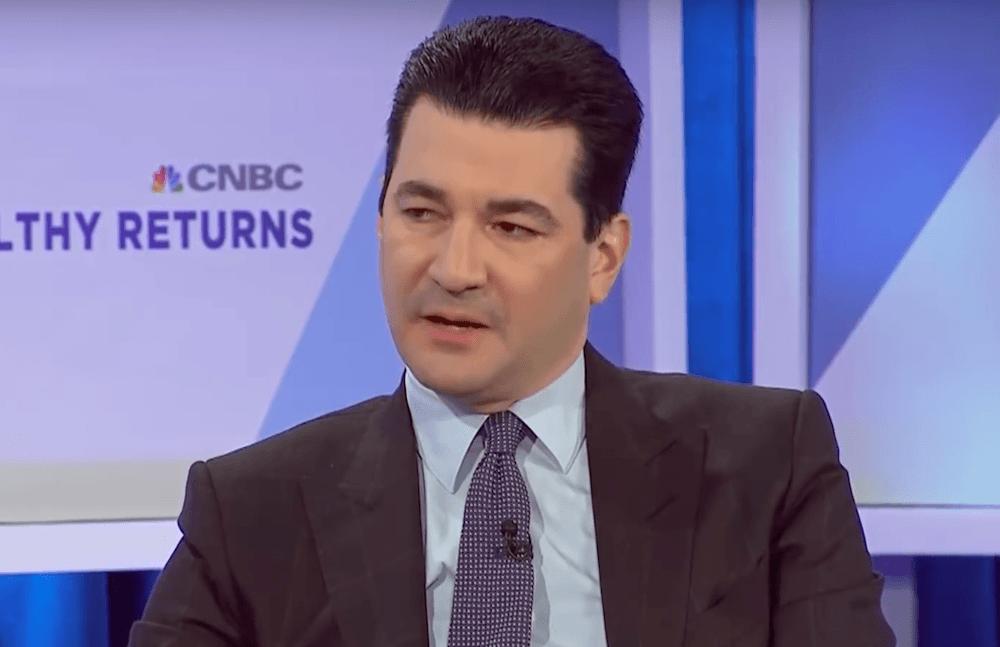
    Scott Gottlieb, a physician who led the FDA from 2017 until April of this year, made his comments during an appearance on Squawk Box last Monday (Oct. 14), CNBC reported

    “I’m skeptical that nicotine causes cancer,” he said. “It might be a tumor promoter, [researchers] have said that there’s a potential that nicotine is a tumor promoter, but it doesn’t cause cancer.”

    Tumor promotion is a process that stimulates the growth of existing tumors, but does not cause new tumors to form, according to the National Cancer Institute

    Gottlieb did not say why he believed that vaping nicotine could be a tumor promoter, but not cause cancer. However, he did emphasize that he believes vaping is harmful overall. 

    “That said, we had a signal when I was at the FDA of damage that vaping was causing to the lungs in an animal study,” he said. “You can’t inhale something into the lungs that way on a repeated basis and not cause some damage to the lung.”

    What About The Vaping Mice?

    Gottlieb was responding to a study published last week that found that vaping caused lung cancer in mice. The study found that 22.5% of mice that were exposed to e-cigarette vapor with nicotine for 54 weeks developed lung cancer. More than 57% of the mice developed pre-cancerous lesions on their bladder. 

    However, there was a small silver lining: mice that were exposed to e-cigarette vapor that did not have any nicotine did not develop cancer, even when they were followed for four years. 

    More Studies Needed

    Lead study author Moon-Shong Tang said the study showed that vapes were potentially dangerous and needed to be studied more carefully for their cancer risk in humans. 

    “Tobacco smoke is among the most dangerous environmental agents to which humans are routinely exposed, but the potential of E-cig smoke as a threat to human health is not yet fully understood,” he said in a news release. “Our study results in mice were not meant to be compared to human disease, but instead argue that E-cig smoke must be more thoroughly studied before it is deemed safe or marketed that way.”

    In an interview with CNBC, Tang said, “It’s foreseeable that if you smoke e-cigarettes, all kinds of disease comes out [over time]. Long term, some cancer will come out, probably. E-cigarettes are bad news.”

    View the original article at thefix.com

  • FDA, DEA Partner For Probe Into Vaping Illnesses

    FDA, DEA Partner For Probe Into Vaping Illnesses

    The agencies are focusing on vaping manufacturers in order to “[follow] the supply chain to its source.”

    The Drug Enforcement Administration (DEA) will assist the Food and Drug Administration (FDA) in its investigation into the spate of vaping-related illnesses that have sickened more than 1,000 and claimed at least 18 lives.

    In testimony before a House Energy and Commerce subcommittee on September 25, acting FDA Commissioner Dr. Ned Sharpless said that the agencies will collaborate to determine “if someone is manufacturing or distributing illicit, adulterated products that caused illness or death for personal profit,” which would be considered a criminal act.

    FDA Waited Too Long To Review Vaping Products

    Sharpless acknowledged that the FDA should not have waited to review e-cigarette products, a decision which some lawmakers have said was a contributing factor in the rise of teen e-cigarette use.

    Sharpless’s testimony came on the heels of the FDA’s announcement of a criminal problem into the rash of vaping illnesses, which they announced on September 19. He mentioned that the decision to bring the DEA into the probe is due to the number of illnesses and deaths related to the use of vaping cartridges containing THC.

    As for the focus of the probe, Sharpless said that the agencies are focusing on vaping manufacturers in order to “[follow] the supply chain to its source.”

    Additionally, Sharpless said that the FDA plans to finalize a draft of new guidance for flavored vaping products. Warning letters will be sent to manufacturers that do not remove those products—save for those that are flavored like tobacco—from the market. Those that do not comply may be subjected to additional warning letters, as well as possible fines and injunctions.

    Why Did The FDA Take So Long to Act?

    But lawmakers on the subcommittee also wanted to know why the agency appeared to wait nearly three years in order to take action in regard to e-cigarettes.

    The FDA asked companies in 2016 to file applications to market products by August of 2018, but as STAT News noted, former FDA Commissioner Scott Gottlieb shifted the agency’s focus to curbing nicotine levels in traditional cigarettes, while also delaying the marketing applications to 2022 (the deadline has since been moved to May 2020).

    In response to the subcommittee’s inquiries, Sharpless said that the “FDA should’ve acted sooner,” but added that the probe, and the addition of the DEA to its efforts, should help them “catch up.”

    “We will not rest until we have answers to the questions in the investigation, and until we have dramatically reduced the access and appeal of e-cigarettes to kids,” he said.

    View the original article at thefix.com

  • Loopholes May Lead FDA to Block New Buprenorphine Alternatives

    Loopholes May Lead FDA to Block New Buprenorphine Alternatives

    Despite an ongoing epidemic, alternatives to Sublocade are not allowed to enter the market.

    Thanks to so-called “orphan drug” legal loopholes, Sublocade might be the only buprenorphine product on the market until 2024.

    For any medical issue, patients have to try different avenues of treatment to find the most effective one. This need for alternatives is especially important for finding treatments for opioid addiction considering the crisis is taking around 130 lives in the U.S. each day.

    “It’s important to have multiple different treatment options for different patients, different circumstances,” says Carolyn Bogdon, a South Carolina-based family nurse practitioner.

    Several methods for opioid addiction treatment exist. For example, there is the daily dosing of methadone or the once-monthly Vivitrol injection. Another alternative is buprenorphine, an opiate that blocks the same receptors that opioid painkillers would without providing the high. It can be taken as a film or tablet once or twice a day.

    One buprenorphine product, called Sublocade, only needs to be taken once a month. Currently, there aren’t any comparable alternatives, but that’s not for lack of competition. A company called Braeburn has produced at least one long-lasting buprenorphine alternative, called Brixadi, but it just can’t be sold right now.

    “It’s ready for market now,” said Mike Derkacz, CEO of Braeburn. “We are deemed safe and effective by FDA, but we are unable to make the product available to patients during this crisis.”

    When Sublocade was released in 2017, it enjoyed three years of exclusivity as part of the standard allowance for any new drug. However, Sublocade seems to be in line to get seven years of exclusivity as the FDA may consider it an orphan drug.

    Typically, an orphan drug is defined by the FDA as a medication that treats ailments that affect less than 200,000 people a year. Technically speaking, the opioid crisis does not qualify, with 2.3 million people addicted and 47,000 who died in 2017 alone.

    The decision to consider Sublocade an orphan drug is made even more perplexing to Derkacz by the fact that the Trump administration declared the opioid crisis a national emergency.

    “There have been studies that show a reduction in mortality by 40% with buprenorphine,” claimed Derkacz. “That keeps people alive. That gives people a chance to get back to their lives and recover fully.”

    Drugs like Sublocade and Brixadi are especially useful for people who can’t or don’t want to take daily doses of methadone.

    “It provides a little bit more anonymity for patients that don’t want to disclose that they have an opiate use disorder,” said Michelle Lofwall, a Kentucky-based psychiatrist.

    “Some patients have felt stigmatized when going to the pharmacy, like they don’t feel like they’re necessarily treated all that well once they show their prescription.”

    View the original article at thefix.com

  • FDA Admits Past Mistakes In Handling Opioid Crisis

    FDA Admits Past Mistakes In Handling Opioid Crisis

    The Food and Drug Administration addressed its missteps in handling the crisis and outlined its future plans in a new statement.

    FDA Commissioner Scott Gottlieb issued a far-ranging statement about his agency’s most recent and upcoming actions, while also addressing past missteps, in regard to the national opioid epidemic.

    Noting that the FDA’s previous wait-and-see policy in regard to evidence and intervention left it “a step behind a crisis that was evolving quickly,” Gottlieb said in the statement that his agency will implement more effective measures to reduce exposure to opioids, including prescription and labeling changes, promotion of treatment therapies, and approval of non-dependency-forming pain treatment.

    Calling the opioid crisis “a top priority” of both Secretary of Health and Human Services Alex Azar and the Trump Administration as a whole, Gottlieb wrote that faster and more decisive action will define the FDA’s policy in 2019.

    The rise in synthetic opioids like fentanyl and the “continued prevalence” of opioid prescriptions with overly long durations has prompted the agency to “step up its intervention,” according to Gottlieb.

    The commissioner also noted that the FDA’s previous approach—”waiting for the accumulation of definitive evidence of harm” put them in a position of catching up to the crisis as it ravaged “vulnerable communities.”

    “We don’t want to look back five years from now, at an even bigger crisis, with regret that there were more aggressive steps that we could have taken sooner,” wrote Gottlieb. “All options are on the table.”

    As Gottlieb outlined in his statement, these options have included expanded information on drug labeling. Passage of the Substance Use-Disorder Prevention that Promotes Opioid Recovery and Treatment (SUPPORT) for Patients and Communities Act in October 2018 has also given the agency new authority to assess and reduce dependency and misuse of opioids, including requirements for packaging on opioids and other drugs that carry a high risk of abuse or overdose.

    According to the statement, FDA will issue a report on their recommendations for prescription guidelines at the end of 2019.

    The FDA is also considering an option to require certain immediate-release formulations of opioids be made available in blister packages containing one- and two-day dosages, which would “comport with evidence demonstrating that a day or two of medication is sufficient” and could “reduce the overall amount of dispensed drugs available for misuse, abuse and diversion.”

    Gottlieb also wrote that the agency will consider a formal evaluation of prospective opioid drugs to determine its application for specific patients, and whether or not the newer application is safer or more effective for treatment than existing, non-addictive medication. The Risk Evaluation and Mitigation Strategies (REMS) program, which measures the benefits of a particular drug over its potential risks, will also be subject to review to determine if it is properly addressing such concerns.

    The FDA will also prioritize the development of new and effective forms of medication-assisted treatment (MAT) to treat opioid dependency and non-addictive pain medication, and expand access to the overdose reversal drug naloxone.

    The agency will also continue to partner with U.S. Customs and Border Protection to reduce the marketing and distribution of illegal opioids through national borders and through international shipping.

    View the original article at thefix.com

  • Former Commissioner Blames FDA For Opioid Crisis: "No One Stopped It"

    Former Commissioner Blames FDA For Opioid Crisis: "No One Stopped It"

    “There are no studies on the safety or efficacy of opioids for long-term use,” said former FDA commissioner David Kessler in a recent “60 Minutes” interview.

    The former Food and Drug Administration commissioner expressed regret that the agency allowed drug companies to promote the idea that opioid painkillers were safe for long-term use in a recent 60 Minutes interview.

    Dr. David Kessler was FDA commissioner during the ’90s, when Purdue Pharma’s prescription opioid OxyContin was approved. Shortly after, Purdue began an aggressive marketing campaign to both prescribers and consumers, including chronic pain patients. 

    In 2001, the FDA changed the indication on the label for prescription opioids to say that it was safe for long-term use, allowing drug companies to market them as such. However, Dr. Kessler now says that there were no studies on the long-term effects of regular, ongoing opioid use at the time.

    “There are no studies on the safety or efficacy of opioids for long-term use,” said Kessler in the interview. “The rigorous kind of scientific research the agency should be relying on is not there.”

    The former commissioner also appears to regret allowing the methods of the OxyContin marketing campaign, which were unprecedented in the prescription drug market. Soon, companies like Purdue were convincing doctors to prescribe more pills at higher doses — something that experts believe fueled the current epidemic of opioid-related addiction and overdoses.

    Dr. Kessler is now on retainer by cities and counties that are suing Perdue Pharma and other drug companies for the damage caused by the opioid crisis. He officially left the FDA before the drugs were proclaimed safe for extended use, but laments that no one stopped it from happening.

    “You have a system of pharmaceutical promotion that changed the way medicine practiced and no one, all right, stopped it,” he said. He later blames this on understaffing in the FDA marketing department.

    Current FDA Commissioner Dr. Scott Gottlieb declined to be interviewed, instead providing a written statement.

    “Many mistakes were made along the way,” it reads. “While the agency followed the law in approving and regulating opioids, we at the FDA include ourselves among those that should have acted sooner.”

    On another 60 Minutes segment three days later, drug manufacturer Ed Thompson indicted “his own industry” and agreed with Dr. Kessler’s assessment that the label change was what sparked the opioid epidemic.

    “The root cause of this epidemic is the FDA’s illegal approval of opioids for the treatment of chronic pain,” Thompson said. “Without question, they start the fire.”

    Thompson himself is now suing the FDA in an attempt to force the administration to change the label on prescription opioids once again to say that it’s only safe for short-term use. As a maker of these drugs, he stands to lose billions if he’s successful. Thompson is going ahead with the suit, however, refusing to sell what he calls “snake oil” to consumers.

    “You’re using high-dose, long-duration opioids when they’ve never been designed to do that,” he explained to the 60 Minutes host. “There’s no evidence that they’re effective. There’s extreme evidence of harms and deaths when you use them.”

    View the original article at thefix.com

  • FDA Issues Warning To Drug Manufacturer Over Product Tampering

    FDA Issues Warning To Drug Manufacturer Over Product Tampering

    McKesson is the first drug manufacturer to get a warning letter from the FDA about properly securing and tracking drug shipments.

    In 2016, three Rite Aid pharmacies reportedly unloaded what were supposed to be bottles of opioid pills, only to discover that the pills had been replaced with other medications such as Aleve.

    Now, partly because of those incidents, the Food and Drug Administration has issued a formal warning to the drug manufacturer McKesson for shipping “illegitimate” opioids and not properly tracking drug shipments. 

    “This is simply unacceptable,” FDA Commissioner Scott Gottlieb said in a statement

    Gottlieb said that the FDA has taken measures to curb the flow of illegal drugs into the country. However, the administration also relies on the cooperation of drug manufacturers to ensure the safety of prescription drugs

    “Just as critical are the FDA’s efforts to protect patients from exposure to drugs that get into the legitimate U.S. supply chain that may be counterfeit, stolen, contaminated or otherwise harmful, as well as making sure these same drugs aren’t being diverted for illegal sale,” Gottlieb wrote. “Entities within the supply chain must also comply with the law and do their part to respond quickly and thoroughly when notified of potential counterfeit, stolen or diverted products entering the supply chain.”

    Gottlieb said that the warning letter to McKesson is the first issued under the Drug Supply Chain Security Act

    “The warning letter to McKesson outlines violations observed during inspections that took place this past summer, including failing to: sufficiently respond to notifications that there was illegitimate product in their supply chain; quarantine and investigate suspect products; and maintain records of investigations of suspect product and disposition of illegitimate product as the law requires,” he wrote. 

    When one pharmacy received medications that had been tampered with, it alerted McKesson to the issue. The distributor launched an investigation, but the FDA said it was not thorough enough. 

    “While McKesson’s internal investigation noted that it was likely the opioid medication was replaced while in their possession or control, McKesson did not sufficiently respond to the notification that they may have distributed illegitimate products,” Gottlieb said. 

    According to CNBC News, McKesson is taking the warning “very seriously.” 

    The company said in a statement, “We have been in communication with the FDA over the past several months to respond to their questions and we are in the process of providing additional procedural detail and documentation, including enhancements recently made in response to the FDA’s initial feedback. We are committed to the security of the supply chain and are taking steps to help ensure we comply fully with FDA’s track-and-trace laws for all pharmaceutical products.”

    View the original article at thefix.com

  • Club Drug Ketamine Nears FDA Approval for Depression Treatment

    Club Drug Ketamine Nears FDA Approval for Depression Treatment

    Ketamine can relieve the symptoms of depression, but it’s especially effective at reducing suicidal thoughts quickly, sometimes within 40 minutes.

    Within an hour of Matthew Ayo’s first ketamine infusion treatment, his mother looked at him and said “I have my son back.”

    Ayo, who is now 23, had been treated for depression, anxiety, and other mental disorders throughout his teens and early twenties. A little more than a year ago his psychiatrist recommended that he try ketamine infusion therapy. For Ayo, the results were immediate and life-changing. He shows off a graph charting his depressive symptoms: “That first sky-rocket up was my first infusion,” he said. “I went from severe depression to no depression symptoms.”

    A year later, Ayo has remained depression-free and has gone from needing 24 pills each day to just 6. He’s moved out of his family’s home, secured a job, and is social. Although he still gets panic attacks, he says he’s better able to handle them.

    “It helped with every aspect: anxiety, depression, psychosis,” Ayo said. “I know that’s not what it’s for, but in my case it changed everything.”

    Stories like Ayo’s are awe-inspiring. Anyone who has experienced depression or watched helplessly as a loved one tries medication after medication hoping to find relief knows that too often the current treatments for depression and other mental illnesses just don’t work. Against this backdrop, ketamine infusion therapy can seem like a miracle treatment. When it works, it works quickly and effectively, often causing a dramatic reduction in symptoms of depression. However, medical providers caution that while ketamine shows a lot of promise, there’s still a long way to go toward understanding how the drug should be used to treat mental health conditions.

    A Conceptual Leap

    Ketamine — also known as the club drug “Special K” or “K”— is a well-established anesthetic, used since the 1970s to sedate people for medical procedures. Because it is safe and effective, ketamine is used widely by the military. During the wars in Iraq and Afghanistan, doctors began noticing that soldiers who were given ketamine for anesthesia often had fewer symptoms of post-traumatic stress disorder (PTSD), according to Dr. Steven Mandel, president of The American Society of Ketamine Physicians.

    “It took a conceptual leap for people to really wrap their heads around that this anesthetic somehow was acting as a mood elevator,” Mandel said.

    Mandel has practiced as an anesthesiologist for decades, but also has a master’s degree in psychology. As he looked into the research on ketamine, he became convinced that it could benefit people with depression, anxiety, and trauma. In 2014, he opened the Ketamine Clinics of Los Angeles and began offering treatments directly to patients, including Ayo. Mandel says that in his patients, ketamine treatments relieve the symptoms of depression 83 percent of the time and stop suicidal ideation more than 90 percent of the time.

    “It almost sounds too good to be true,” he said.

    Like Mandel, the wider medical community has been impressed by ketamine’s potential for treating psychiatric disorders. Although the Food and Drug Administration had only approved ketamine for anesthesia, providers began to use it off-label in ketamine infusion therapy — an intravenous administration of the drug — to provide swift relief of depression symptoms. At the same time, pharmaceutical companies hurried to develop a ketamine formulation specifically for treating mental health conditions.

    The result is Esketamine, developed by Johnson & Johnson, a nasal spray based on ketamine that can be used to treat depression. On Tuesday, February 12th, an FDA expert panel recommended that Esketamine receive federal approval. If approved, the medication will be covered by many insurance plans. Currently, almost all patients must pay out-of-pocket for ketamine infusions, which cost thousands of dollars. Doctors are hopeful that this will change as insurance companies realize that even off-label ketamine treatments can reduce the medical costs for people with mental illness.

    Risk-Benefit Analysis

    Speaking to Mandel and his patients, it’s impossible not to feel excited about ketamine. However, other providers are more cautious in their optimism.

    “There are certain scenarios where ketamine makes a whole lot of sense, and there are certain scenarios where it’s very unclear what the role of ketamine should be,” said Dr. Nolan Williams, assistant professor of Psychiatry and Behavioral Sciences at the Stanford University Medical Center. “I think that the idea that ketamine is going to be a treatment for everyone chronically for their depression forever is not realistic.”

    Most providers still reserve ketamine treatments for people who have already tried more traditional treatments. While the side effects of older medications like SSRIs (such as Prozac and Zoloft) are well understood, there still isn’t a firm medical understanding of ketamine for psychiatric use, said Dr. Robert C. Meisner, the medical director of the Ketamine Service in the Psychiatric Neurotherapeutics Program at McLean Hospital, which is affiliated with Harvard Medical School.

    “One must balance clinical necessity with clinical uncertainty, as well as availability of other treatments,” he said. “We know more about [first-line treatments like SSRIs], so the risk-benefit is easier to access.”

    Meisner oversees ketamine treatments daily for his patients, but says he would like to see further research into the long-term effects of ketamine, what an optimal dose is, and what markers might indicate that a person will respond positively to ketamine.

    The early indications are reassuring, he said. Ketamine appears to be very safe and have a low risk for addiction or dependency. However, studies of recreational users have shown that people who use high levels of ketamine for long periods can have complications in the bladder, liver, biliary tract and suffer cognitive deficits. In order to be more comfortable with ketamine, scientists need to better understand at what point the drug goes from relatively harmless to potentially dangerous.

    “As the risks and benefits become better defined, especially over the long run, it is possible that there may come a point where ketamine isn’t a second- or third-line option, but is used earlier,” Meisner said. “As the research comes in, people will become more or less comfortable recommending ketamine sooner.”

    A Life-Saving Medication

    One area where people have been more apt to use ketamine is among patients who are highly suicidal. Ketamine is especially effective at reducing suicidal ideation, in as little as 40 minutes, making it a potentially powerful medication for people who are acutely suicidal in the emergency room.

    Even outside of emergency situations, ketamine can be lifesaving for people at risk for suicide. SSRIs and other antidepressant medications start working slowly, sometimes not reaching their peak effectiveness until six to eight weeks have passed. This period of time between starting the medication and the onset of full therapeutic effects is considered high-risk for suicide, because someone who is acutely depressed might still be suicidal, but now have enough energy to follow through on a plan that they previously couldn’t execute. Ketamine can be used as a bridging agent in these situations, giving quick, short-term relief of symptoms.

    “Relatively speaking, this is a fast way to rescue some percentage of people with depression from the horrific depths of it, and sustain them until the medication to which we’re bridging becomes therapeutic and can take over,” Meisner said.

    What the Future Holds

    Today, experts and the public hold diverging views about ketamine. Some, like Mandel and Ayo, see ketamine infusion therapy as a life-changing treatment. Much of the medical community, however, is waiting to see more research and to follow the results from these early uses of ketamine.

    “Some argue there is an ethical imperative to move quickly to ketamine,” Meisner said, but he also points out that it’s only been used to treat psychiatric illness in the last ten years, which is not long at all in terms of medicine.

    “Many doctors who work in neurotherapeutics see IV ketamine not as the end of the story, or the treatment that has at last arrived, but as a treatment modality that is evolving and will change as the mechanism is better understood and drugs that leverage that novel mechanism are developed,” he said. “I have high hopes for where the early work on ketamine leads us as we better understand its complex mechanisms.”

    View the original article at thefix.com

  • FDA Has "Cozy Relationship" With Pharmaceutical Companies, Says Adviser

    FDA Has "Cozy Relationship" With Pharmaceutical Companies, Says Adviser

    “The FDA has a lack of transparency. They use the advisory committees as cover,” said the head of the FDA’s opioid advisory council. 

    A Food and Drug Administration adviser says that the agency is putting the needs of pharmaceutical companies above the public by continuing to approve dangerous pain medications. 

    Speaking with The Guardian, Dr. Raeford Brown, head of the FDA’s opioid advisory council, said there are “cozy, cozy relationships between the pharmaceutical industry and various parts of the FDA.”

    Brown has been vocally opposed to the approval of the drug Dsuvia, an opioid more powerful than fentanyl that the FDA recently approved against the recommendation of the advisory committee. (The FDA is not bound by the recommendation of the committee.)

    Brown said that the committee voted to approve the drug while many committee members were away at a professional conference, which he believes was a willful manipulation of the system. 

    “There’s no question in my mind right that they did that on purpose. The FDA has a lack of transparency. They use the advisory committees as cover,” Brown said. 

    He pointed to Dsuvia’s approval as the latest sign that the FDA has allegiances to pharmaceutical companies. 

    He said, “I think that the FDA has learned nothing. The modus operandi of the agency is that they talk a good game and then nothing happens. Working directly with the agency for the last five years, as I sit and listen to them in meetings, all I can think about is the clock ticking and how many people are dying every moment that they’re not doing anything. The lack of insight that continues to be exhibited by the agency is in many ways a willful blindness that borders on the criminal.”

    This approach is fueling the rise in opioid-related deaths, he said. 

    “They should stop considering any new opioid evaluation. For every day and every week and every month that the FDA don’t do the right thing, people drop dead on the streets. What they do has a direct impact on the mortality rate from opioids in this country.”

    Brown pointed out that the FDA relies on pharmaceutical funding for 75% of the budget of the division that approves opioid medication. He explained that this allows pharmaceutical companies to unfairly influence the process, something that the FDA denies. Brown worries that despite the widespread deaths caused by the opioid epidemic and the resulting media coverage, little will change at the FDA.

    “Nothing is fundamentally being done to effect change in the regulation of opioids,” he said. “If the FDA continues to encourage the pharmaceutical industry to turn out opioid after opioid after opioid, and the regulation of those opioids is no better than it was in 1995, then we’ll be cleaning this up for a long time.”

    View the original article at thefix.com

  • FDA Discusses Using Drug Therapy To Help Teens Quit Vaping

    FDA Discusses Using Drug Therapy To Help Teens Quit Vaping

    The FDA recently held a public hearing to discuss the vaping epidemic among teens. 

    Many consider vaping to be a big problem, and many still don’t realize its potential harm. Now the FDA is so concerned about the popularity of vaping, they’re even considering drug therapy to help wean young people off vaping.

    Matthew L. Myers, who is the president of the Campaign for Tobacco-Free Kids, told CNN, “The FDA has concluded that the level of addiction it is seeing among youthful e-cigarette users is so disturbing and so unprecedented that it needs to at least ask whether we need a solution that goes beyond what we ever did with cigarettes.”

    Even with the partial government shutdown in effect, the FDA held a public hearing on Friday, January 18, to address the problem. One of the biggest problems with the vaping epidemic among young people is that more research needs to be done. There’s a different kind of chemistry that goes into vaping, and previous research on teens and cigarette addiction clearly doesn’t apply the same way.

    As Dr. Susanne Tanski, who is an associate professor of pediatrics at the Geisel School of Medicine, explained, “Clinicians urgently require new solutions to safely and effectively help stop [adolescents] using these and all tobacco products for good. There is unfortunately virtually no data on how to treat an adolescent with e-cigarette dependence.”

    But then the conversation switched to a different tactic, which is trying to keep young people from starting vaping at all. Tanski conceded that “preventing youth use in the first place should be FDA’s primary goal. We must all recognize that if an adolescent has developed a nicotine addiction as a result of vaping, we’ve already failed.”

    Several teens who got hooked on vaping also spoke at the public hearing. One teen first started Juuling in eighth grade, and he stated, “I see so many of my friends who had the same problem I did … and have no idea how to stop it.”

    One possible solution that was proposed at this meeting was having the FDA conduct a “pre-market review” of e-cigarettes, which would include a ban on flavors, one of the most appealing factors of e-cigarettes to young people.

    And while medication is being considered to help wean adolescents off vaping, non-drug therapy was strongly urged at this public hearing as well.

    Nonprofit tobacco control group Truth Initiative has a program that helps young people quit through text messaging. An executive for Truth Initiative said in a statement, “E-cigarette users don’t identify as smokers. They have different barriers to quitting, and, especially in the case of teens and young adults, many want an anonymous way to go about quitting without involving their parents or friends, which texting provides.”

    View the original article at thefix.com