Tag: Features

  • Transfixed: 5 Movies That Stared into the Darkness—and Light—of Obsession

    Transfixed: 5 Movies That Stared into the Darkness—and Light—of Obsession

    Any one of these Tribeca favorites will provide a solid cinematic escape, especially if you’re in the mood to dig a little deeper into the human psyche.

    Summer isn’t known as the best season for movies—but this year has some fine offerings. Perhaps film studios understand our chronic need to chill after each long day of WTF news. If you’re feeling stressed, you are not alone. Taking a movie break can provide liftoff—far away from the news into another place and time. These recent movies will take us time-traveling to focus on human frailties and quirks of the mind.

    Some pictures on this list are somber in parts. We see persistent inequalities and what seem like insurmountable obstacles. Yet, each film also shows how people rise above their circumstances, inspiring me to keep on keeping on. Despite nagging obsessions that may try to suck you into a leviathan hole, you can triumph and channel your compulsions into positives.

    Puppies remain the best antidepressants but movies are a close second. And air-conditioned theaters, ahhhh.

    1. Rocketman

    “You’ve gotta kill the person you were born to be to become the person you want to be.”

    It was a given I’d be dazzled by Rocketman because I’m an Elton John fan. But I had no idea how Oscar-worthy this flick is nor how deeply it would affect me. I mean, everyone knows the formula of a rockumentary: Our hero sets off on a dream then hits a soul-stomping struggle. Nail-biting, we witness their crushing despair (while feeling half-jealous of their unwavering determination). Ultimately, their refusal to quit becomes an unhealthy obsession. We’re worried. That is, until the adrenaline rush that comes with their meteoric success.

    Favorite offerings in music biopics (Bohemian Rhapsody, Amy, Ray) levitate us to fantastical heights. And even though we know what’s coming, our hearts inevitably crack open when the star’s fame bubble bursts. From gig to gig, loneliness ensues. Our beloved musician plunges into addiction. Some survive. Many don’t.

    John has been open about his war with chemicals, yet he’s still standing stronger than he ever did, lookin’ like a true survivor, feeling like a little kid. He’s been sober for nearly three decades—that’s why he lived to watch his odyssey on screen vs. the typical post-mortem tribute.

    Last year’s Bohemian Rhapsody earned four Oscars including Best Actor for Rami Malek who became Queen’s Freddie Mercury. This year’s rock feature is even better, perhaps because Dexter Fletcher directed Rocketman from start to finish instead of rescuing the Queen biopic after original director Bryan Singer was fired. Lee Hall (Billy Elliot) wrote Rocketman’s winning screenplay. Lead actor Taron Egerton, who sings throughout, morphed into John. Jamie Bell (Billy Elliot) is superb as John’s career-long lyrics writer and closest friend, Bernie Taupin.

    The high-budget cinematography by George Richmond is mesmerizing, as are the glorious replicas of John’s eye-popping costumes by Julian Day. The cast includes Bryce Dallas Howard as John’s jaded mother, Steven Mackintosh as his distant father, and Richard Madden as salacious and smarmy manager John Reid. Scene stealer Tate Donovan plays Doug Weston, owner of L.A.’s star-making nightclub the Troubadour. Despite some sad subject matter, you will be levitated. I’ll stop here. No spoiler for the best scene in this outstanding film.

    2. Burning Cane

    This powerful indie brings you into an African American, god-fearing community in rural Louisiana. Helen Wayne (Karen Kaia Livers) lumbers across a yard toward an aging dog, trying to treat the poor pooch who is riddled with mange. Her strained movements and brow full of sweat communicate a hard life under the scorching Southern heat. Years of disappointment have settled into her features.

    Wayne is determined to help the animal out of discomfort but despite her repeated efforts and pleas to god for help, nothing is working. With the poor dog’s rash worsening, she heads to church for strength. Her faith is strong but it can’t soothe her daily feelings of helplessness. The dog isn’t the only loved one she is pained over. She bears witness while two men descend into alcoholism.

    One is the Reverend Pastor Joseph Tillman (Wendell Pierce). The other is her only surviving child, Daniel (Dominque McClellan). Recently out of work, her son has become a reluctant stay-at-home parent to his young son, Jeremiah (Braelyn Kelly). The boy seems checked-out, so removed that he seems dissociated; half-alive. His mom works long hours and Jeremiah is left with his hard-drinking, self-pitying dad who throws him a half-hearted tidbit of childrearing now and then. Despite its tough topics, the film is deeply engaging with Livers as a heroic woman trying to keep everything from falling apart.

    Burning Cane took home three awards after premiering at this year’s Tribeca Film Festival (TFF). It’s mind-popping that Phillip Youmans, the youngest filmmaker accepted into the festival, won its top prize: Best Narrative Feature. Youmans seems an old soul. He wrote, directed, shot, and edited the feature film during his final years of high school and took home the award for Best Cinematography. And Wendell Pierce’s portrayal of the alcoholic preacher earned the Best Actor honor. Now, age 19, Youmans said, “The church is regarded as a beacon of hope and guidance, but it is also used by some to manipulate and control voices within the community. Making this film was therapeutic because it allowed me to work through my own personal conflicts.”

    In an interview with BlackFilm, Youmans said, “The biggest inspiration behind Burning Cane was my upbringing in the Baptist church. I had a lot of questions that I never really got any answers to in terms of my ideological differences with the church. That’s where the emotional root of it is, but in a more literal sense, the film is about me humanizing the sorts of people I grew up with [who] surrounded me in that southern black ethos.”

    Not only is he the youngest filmmaker ever to enter and to win at TFF, he is also the first African American to win their highest award.

    3. The Quiet One

    The Quiet One wowed audiences last month at TFF and was quickly scooped up for distribution. It hits theaters June 21. This is filmmaker Oliver Murray’s debut documentary.

    The doc begins with an intriguing visual perspective of its subject, Bill Wyman, a founding member of the Rolling Stones and their bass player for 30 years. The opening shot is as if you’re staring at the faraway end of a long road. Not only a clever metaphor, it’s the “A-frame” device used in alluring masterpieces of the Italian Renaissance. That artistic aid grabs and directs the viewer’s eye to the subject. On each side of the “A” we see what appear to be endless cabinets, shelves, VHS tapes, notebooks, film reels, books, mysterious shapes, and unknown objects.

    Murray takes us through Wyman’s museum-like collection of photos, videos, and memorabilia, with voiceovers predominantly by Wyman but with additional narration sprinkled throughout from Eric Clapton and Bob Geldoff. With the discipline required by a musician to master an instrument, Wyman also diligently kept a diary to record his 82 years on the planet.

    I’d assumed that all of the Stones indulged in the hard-partying lifestyle of Mick Jagger and Keith Richards due to their access to boatloads of money, the superpower of fame, a gazillion groupies, and cling-on fans who would’ve done anything just to be near them. But Wyman never fell into that typical rock ’n roll trap of addiction, though he did struggle with his own demons. We see indications of Wyman’s obsessive compulsive disorder (OCD) in his meticulously archived life.

    Oliver Murray, the doc’s writer and director, granted The Fix an exclusive interview, candidly revealing something about himself:

    “Coming from a music background myself, I’d seen friends go that way. It never happens overnight from what I’ve seen. It’s when you look back and see such brilliant potential went to waste. I think the sadness for Bill [Wyman] is especially around the early death of Brian Jones. It is still an open wound for him. He goes back into his archives every day. So he comes across figures like Brian.”

    Twenty years have gone by since Wyman left the band searching for a less fraught life. Meanwhile, the Stones are still going. Murray said that from Wyman’s viewpoint, “Brian should have had a long, healthy life. That’s the bit he has to live with but also keep his own life going forward. You can only analyze by going backward. I think Bill gets equal amounts of nourishment from the archive as he does sadness because with his compulsion to go back, to study his life, trying to understand it, he relives it.”

    Murray acknowledged Wyman’s severe OCD and described the bass player as a completionist.

    “The way Bill lived in the Stones was not suited to someone with OCD,” said Murray. “Like in the film, he said, ‘Fuck it, I’m going to do this.’ But it became a wild beast. Being in the Stones was like living in a goldfish bowl.”

    I found the doc fascinating. Murray reveals a complex man you probably know little about. Even a hard-core Stones fan or semi-informed loyalist to the band will find new information here. I expected to hear more about Wyman’s huge scandal 35 years ago regarding the vast age difference between the rocker and his second wife. It was a predictably short marriage. This documentary shows Wyman’s world as it is, without judgment.

    For me, the archive itself was the fascinating star.

    4. 17 Blocks


    Courtesy of Tribeca Film Festival

    Documentary 17 Blocks, which also premiered at TFF last month, introduced me to the treacherous D.C. neighborhood only 17 blocks from the U.S. Capital. Washington’s wealthy “suits” drive by on their way to six- and seven-figure jobs, earning tax breaks while the working class and poverty-stricken struggle to feed their children. The irony is sickening. A local shop prints the names of people who were killed by guns on T-shirts for grieving loved ones.

    In this high-crime area, nine-year-old Emmanuel Sanford-Durant began filming his family in 1999. His passion to record rubbed off on family members and for two decades, the Sanford family documented their daily lives which included poverty, racism, oppression, devastating violence, and drug addiction. The footage is raw and breathtaking, as is their resilience.

    Twenty years of intimate moments span four generations, beginning with Emmanuel, his older brother Smurf, sister Denice, and mother Cheryl. In between multiple hardships, we are treated to a family full of love, redemption, and hope.

    After the premier screening, Filmmaker Davy Rothbart and members of his Sanford “family” took the stage. The packed crowd welcomed them with a deafening standing ovation. 17 blocks won TFF’s award for Best Editing in a Documentary Feature.

    Rothbart described his strong connection with Cheryl to The Fix.

    “She always says she ‘adopted’ me. I knew Smurf because we played basketball. I showed Emmanuel my video camera and showed him how to use it. Ten years later, in 2009, I’d grown close to the family and it was a thrill to see Emmanuel graduate high school, get engaged. He was excited talking about becoming a firefighter.”

    A few months later, disaster struck. On New Year’s Eve, Smurf’s drug dealing led to an unthinkable tragedy. Rothbart rushed to be with the Sanfords as soon as he heard. Despite her anguished state, or perhaps because of it, Cheryl demanded Rothbart keep filming. Cheryl wanted him to show everything—the failures, struggles, and crime. During the editing process, she insisted Rothbart include Cheryl’s battles with addiction. Not for pity, but to show the underbelly—the institutional violence of high crime and poverty that creates trauma in entire communities.

    Too many are living in chronic poverty with limited options and turn to drugs. Cheryl also wants to show that even in the face of harsh living conditions, recovery is possible. Smurf survived his feelings of guilt and loss by turning his life around. It’s inspiring to hear Cheryl talk about therapy, family love, and facing her demons.

    5. Recorder: The Marion Stokes Project


    Courtesy of Tribeca Film Festival

    I’d never heard of Marion Stokes until I saw Matt Wolf’s documentary, Recorder: The Marion Stokes Project. In 1975, just as the 24/7 news cycle was taking hold, Stokes began recording television sporadically. Then in 1979 the Iranian Hostage Crisis triggered a sense of urgency. She set multiple VCRs to tape all day and night, every day. She kept that up for 33 years until her death in 2012. Stokes left behind an astounding 700,000 VHS tapes—all labeled. The doc explores her life before and after her obsession took over.

    The public didn’t know that television stations had been throwing away their archives for decades. What Stokes saved is now being digitized. Many of her recordings are the only video evidence of what was going on during the three decades she taped.

    Stokes owned multiple Apple Computers, approximately 50,000 books, and piles of furniture. While watching the movie at TFF, I wondered if she suffered from more than hoarding and OCD. Was she also prescient, predicting a future era of #FakeNews? Or maybe that’s just a titillating thought. She worked as a librarian and read constantly; she may have based her beliefs on the history of wealthy people manipulating information in order to oppress the less fortunate.

    Stokes obsessively recorded programs on multiple televisions set to different channels. Her determination to preserve history is surprising because it wasn’t generally known that broadcasters didn’t save what they produced. Stations could dispose of programs and deny they ever existed. She saw the potential danger of people promoting “alternative facts.”

    To some, she may have been labeled paranoid. We know better. Stokes knew that angles could shape information and influence audiences.

    Marion Stokes died on the day of the Sandy Hook Massacre. Her VCRs continued to record, capturing the unfolding tragedy. 


    Any movies you’d add to this list? Let us know in the comments!

    View the original article at thefix.com

  • Should TV Shows Work So Hard to Normalize Support Groups Like AA?

    Should TV Shows Work So Hard to Normalize Support Groups Like AA?

    People get their information from TV, so any misrepresentation can be dangerous.

    Whenever some character on your favorite television show or film has an addiction or experiences a major tragedy, they turn to a support group. Audiences recently saw Steve Rogers, the alternate identity of Captain America (played by Chris Evans) turn to a grief support group in Avengers: Endgame. The group was comprised of other superheroes, who are all grieving loved ones lost after Thanos killed half the world’s population.

    The practice of seeking help in support groups is more prevalent on TV: both Alcoholics Anonymous and group therapy are commonly shown as the healing modality of choice. In fact, “going to a meeting” is normalized, but is that accurate? We expect any storyline that has a character—major or otherwise—suffering with addiction or a major loss to include a few scenes of a bunch of folks in a dank hall drinking bad coffee and spilling their souls over the addiction or grief. The Hollywood styling of this form of recovery may be doing more harm than good.

    Support Groups Are All Over TV

    There is more than one way of depicting a support group on television. Fortunately, the variety of shows using the recovery group option do show some diversity. Support groups can occur in a clinical setup, like the one we see in New Amsterdam on NBC. Dr. Bloom (played by Jane Montgomery) is checked into a posh rehab for her Adderall addiction, and a support group is a part of her recovery.

    The alternative is a nonclinical setting — usually a church or school. The CBS sitcom Mom makes frequent use of this type of group. In fact, the group is central to the show’s storyline about the multigenerational damage caused by addiction. Characters Bonnie (Allison Janney) and Christy (Anna Faris) are the mother-daughter duo at the center of the story and each meeting. There’s also Kate Pearson (Chrissy Metz) and her food addiction support group on NBC’s This is Us and James Roday’s character Gary who leans on a breast cancer support group on ABC’s A Million Little Things.

    There are so many different depictions of these groups and new ones being introduced to new shows all the time. The Fox show Proven Innocent debuted this spring and introduced a support group for character Levi’s (Riley Smith) anger management. This support-group-as-solution message is hammered home by so many shows in a variety of genres, on a variety of networks, and covering several different topics. In this way, television is actually helping the normalization of support groups. If these portrayals motivate a viewer with a problem to join a group and get help, they’ve done some good. But by using them as the go-to solution, these shows do a disservice to people who need other kinds of treatment.

    Erasure and Magical Recovery

    Unfortunately, like any other television depiction, there are some liberties taken in fictionalizing the use of support groups for recovery. These liberties include the magical treatment of AA and the meetings. There’s also the erasure of licensed therapists and the mischaracterization of support groups in situations where there is a secondary issue fueling the addiction.

    On so many of the shows, with a few exceptions (such as New Amsterdam and Mom), there is no distinction between the therapist-led groups and the ones led by participants in the group. The lack of a licensed professional in these settings gives the idea that a traditional therapist, and even individual therapy, isn’t needed for recovery. This is a huge misconception. The Substance Abuse and Mental Health Services Administration’s (SAMHSA) Treatment Protocols Series 41 stresses that a licensed therapist, recovery specialist, or doctor is necessary for successful recovery when group members are facing more than just the issue that brought them to the group. People with multiple substance or behavioral addictions, or addiction accompanied by mental health conditions or trauma, for example, would be better helped by treatment that includes individual therapy or a therapist-led group.

    The “magic” of an AA meeting that permeates the shows is also damaging. AA is depicted as the magical cure for any afflictions experienced by the person with addiction; however, not everyone responds to the AA and 12-step recovery format. Those are not the only forms of recovery. AA meetings are also largely participant-led, which can be problematic in itself for some people.

    Examples of this problem are found in shows like Grey’s Anatomy. The show often blurs or erases the role of the therapist in messy support group situations. This season, for example, characters Amelia (Caterina Scorsone) and Dr. Webber (James Pickens Jr.) use their AA meetings as the cure-all for whatever ails them, including grief, anger issues, and PTSD. These conditions should be treated in individual therapy and/or therapist-led groups. The characters on Mom and Shameless also only turn to magical 12-step programs and AA. They fail to show other options for group support in fighting addiction.

    So Should TV Continue Normalizing Support Groups?

    Is all this normalizing of support groups actually good for people? According to SAMHSA’s Treatment Improvement Protocols, humans benefit immensely from support groups because we are social creatures. “The natural propensity of human beings to congregate makes group therapy a powerful therapeutic tool for treating substance abuse, one that is as helpful as individual therapy, and sometimes more successful.” So it’s natural to seek out others for recovery.

    The protocols go on to say that the groups work because we can see others as they progress through therapy and hit the same milestones that we hit. This is a form of witnessing as motivation. The groups also fight isolation and loneliness, which are relapse and mental health triggers. Another effect is the recovery culture, the opportunity to be surrounded by like-minded people. The atmosphere alone is so conducive to recovery and community, with the participants all sharing their journeys. The positivity alone is a benefit to anyone participating in support groups, no matter the reason for the support.

    So, Showtime’s Shameless may be accurate when Lip (played by Jeremy Allen White) finds his relapsed sponsor nearly naked and injured in a freezer and tells the man they need a meeting before they do anything else. Getting into a familiar environment which he associates with sobriety and wellness can help the man back on the road to recovery and will improve his immediate mental state, or so they hope. When the ladies on Mom go through any hardship at all, someone from the group suggests going to a meeting. In fact, on both shows, the friends that the characters met in the support groups also became friends in the real world. These friendships deepen with every milestone hit in recovery, even in relapse. In these ways, the shows are very accurate in the benefits of group support.

    So while they do sometimes provide accurate representations of the help found in groups, television shows also need to be more responsible about their portrayals of support groups as the only treatment for addiction and mental health conditions. People get their information from TV, so any misrepresentation can be dangerous. TV shows still have some work they must do and quickly, because many people already naturally assume that 12-step groups like AA are the only solution for people with addiction.

    View the original article at thefix.com

  • Letting Go of Control: How I Stopped Trying to Force Solutions

    Letting Go of Control: How I Stopped Trying to Force Solutions

    Recognizing that I am not responsible for and cannot fix other people’s feelings is powerful; it frees up so much space and time for me to do my own healing and growing.

    When I was a little girl, I remember becoming so overwhelmed with feelings that I would send myself to my room until I could cry through enough of them to clear my vision. If I got in a fight with someone, I would write an apology note and beg them to take it off my hands. I didn’t seek to understand who was at fault, I only wanted to ease the uncomfortable tension. I was sorry it happened and I wanted to undo it. I needed to erase it, but I could rarely get the resolution I was so desperate for. Adults told me: “Not everyone is ready to resolve a conflict as quickly as you.”

    No one told me: “It’s not your responsibility; you cannot fix it.”

    I respond too strongly to my perception of others’ reactions. I always wonder if I read physical and social cues too strongly. I consider the presence, the look, and the tone of voice more important than the content of what they’re saying. Maybe I’m right in my assumption, maybe I’m wrong, but if someone doesn’t want to tell me how they’re feeling, I can’t make them.

    I have lived the majority of my 32 years on earth in this way: A conflict arises and all I want is for the issue to go away and be resolved immediately. If it isn’t fixed, I feel my world is collapsing and I freak out. I cry and panic and become desperate for resolution. My mother recalls that I was predisposed to such behavior in my very early years. She told me that even as a toddler I had these panicky freak-outs.

    I hate the idea of causing hurt feelings, and particularly disappointed feelings, in others. But other people are often more well-adjusted and can handle the blows of disappointment as easily as a ship rises over a large swell. It’s not comfortable, but it’s a normal part of the ups and downs of life. Yet I’ve always handled it like my ship is about to wreck. I know I’ve had feelings of being over-sensitive and disappointed from a very young age. I didn’t want anyone to be mad at me, ever. It’s a part of how I’ve always understood or misunderstood the world.

    I never knew any other existence. I didn’t know that I didn’t have to force a solution. I didn’t know how to balance emotions—I didn’t see it as a possibility.

    My feelings run deep and the current is disproportionately strong. I am headstrong and emotionally reactive. I struggle with the tendency to overreact, but life is not as dramatic as I make it out to be. There are times when I need to be reminded of the true proportions of what is happening, so I can weigh them against my feelings and try to cut some of the excess heft. I’m not exaggerating my feelings; I feel so intensely and so deeply that learning to balance myself in a world that does not feel this way has been a lifelong challenge.

    Imagine a life full of dramatic conflicts, and you can never control the level of your emotions; they always overflow or break the dam. Joy is out of this world happiness and sorrow is the deepest despair. But the ups and downs are consistent and the rocking from one to the other is comforting because it’s familiar. Then, after decades of this you begin to feel different. It’s not overnight and it isn’t that the pendulum has stopped the perpetual swinging. But you feel different, as if now there’s more light than dark. You realize you can feel angry or anxious or sad without flooding or sinking.

    That’s me, right now. I feel generally content and I don’t know what to do with it. The mellow ups and downs of a content – even happy — life feel too safe. Part of me is waiting for the next massive swell. Of course, something will happen, that’s life, but this normalcy that feels so good can sometimes feel so strange. It’s like waking up in a new home and forgetting, for a moment, that you moved there.

    I still struggle with feeling responsible for everyone’s feelings. And the feelings I have are not just imaginary: I might sometimes actually be left out, or I might sense someone else’s sorrow. Someone might dislike me and I might realize it. When I sense tension, it might not be a delusion, but my awareness of it doesn’t mean I’m responsible for it (or for fixing it). Making someone like me isn’t my job. I am not here to be an emotional sounding board for everyone who is suffering.

    Recognizing that I am not responsible for and cannot fix other people’s feelings is powerful; it frees up so much space and time for me to do my own healing and growing.

    My life was so filled with panic and fear; that panic of needing to resolve the issue immediately. I felt that way in any interpersonal conflict, whether real or imagined. I had to force a solution. I felt as if my worth was intrinsically tied to the other person’s acceptance of me. This set the stage for an abusive relationship where the other person never validated me, which further reinforced my own negative self-image.

    I have been discovering my own sense of serenity over the last five years. I started going to therapy and then to a psychiatrist and then to a 12-step program followed by two other step groups. The combination of these different sources of support has changed my life. I don’t feel such intense panic over real or imagined conflict with others. I still feel anxious sometimes, but my response is much healthier. I am becoming more capable of controlling my behavior and my reactions, even when the feelings linger. I can usually put my well-being first and don’t follow through when I get the impulse to explain and rationalize my behavior to others.

    You can’t change other people; you can only do something about your own perspective. I always had the capacity to do that, I just hadn’t acquired the coping tools to handle my own feelings and respond to others.

    View the original article at thefix.com

  • AA Takes Center Stage in "Love in Recovery" from BBC Radio

    AA Takes Center Stage in "Love in Recovery" from BBC Radio

    No one is well-behaved here – they cross-talk, cheat, gossip, fight – but they love each other in the way only a group of alcoholics who have bared their souls to each other can.

    Love in Recovery, an award-nominated BBC radio comedy drama set in Alcoholics Anonymous, is now available in the U.S. via Audible

    The three-season (plus Christmas Special) series features actors John Hannah, Rebecca Front, Sue Johnston, Paul Kaye, Eddie Marsan, Julie Deakin, Johnny Vegas, and Samantha Bond. It was created and written by Pete Jackson, and is based on his life experiences, but, according to him, “in an abstract way.”

    “None of the specific stories are taken from my life or anyone else’s. I certainly wouldn’t betray anyone else in recovery’s trust by drawing on any of their experiences. But what I did was take all of the facets of my own recovery — the shame and regret and hope and disappointment and confusion and so on, and invent stories to convey those things.”

    His hope in writing the series was to “explore the complexities of alcoholism, and perhaps show those who don’t struggle with it that alcoholism is in no way as simple as they might expect. I’m ten years sober and I still can’t make total sense of why I so desperately sought out oblivion for so long.”

    The cast is small, which allows a lot of character development and interaction, and most of the story takes place in their weekly AA meeting, allowing years to pass in only three seasons. 

    Many archetypes are represented. There is Andy, the self-appointed group leader, who cares more than anyone else. In a hilarious recurring bit that runs for the first two seasons, Andy is always first to the meeting to set up the chairs; he is literally the only character that does any service, and each time, he runs into the same cleaning woman who has no idea who he is. Is he here to teach dance, ceramics, have a party? She never recognizes him, and it frustrates him every time. Andy thinks nobody appreciates him or the time he puts in to making the meeting happen, and so it’s incredibly moving when they surprise him with a cake on his birthday. (This ain’t no L.A. sobriety – I mean actual day of birth.) 

    Then there is Julie, the older housewife whose husband left her due to her drinking. She has been sober several years now, “except for a few slips.” Julie’s unlikely friendship with Danno, a young gay man with a chest tattoo he is so terrified of revealing to his new boyfriend that the rest of the group thinks he’s talking about AIDS when he alludes to it, demonstrates another kind of love in recovery. As it says in the book, “we are people who would not normally meet.” 

    In the first episode, Fiona walks into her first AA meeting ever, not sure she is an alcoholic but sure something needs to change. Fiona, a high-powered banker sick of embarrassing herself at business functions and waking up in strange places, becomes a stellar AA after a lot of initial resistance, humbling herself by working as a receptionist. Fiona doesn’t relapse on booze during the series, but does (spoiler alert) cheat on her fiancé, Simon, right before their wedding with a man who treats her like garbage, a classic alcoholic move we can all relate to – self-sabotaging when life is going well in order to have control of the inevitable rug coming out from under us. 

    Simon is not an alcoholic, just a normal guy who was ordered to go to meetings for six weeks for drunk driving (though Brits call it drink driving, which, I promise, will inadvertently crack you up every time, and, if you’re like me, you’ll repeat it out loud and giggle more) and stays for the camaraderie and love. Simon shows us the difficulty that normal people have in understanding us alcoholic/addicts, and also teaches Fiona unconditional love. He gets frustrated with her extreme self-centeredness, but he believes in their love so deeply that they persevere.

    Unlike people in the U.S., Brits are known for being quite reserved, something my ex-patriot friends living in London found hard to get used to. This reticence makes what happens in the rooms of AA even more of a departure from everyday life. As Jackson says, “I have been shocked, and thrilled, by how quick some Americans are to open up and get to the heart of things. That’s why AA is an extraordinary place (in the U.K.) sometimes. Once the doors are closed, people open up and talk about themselves and their experiences in a very un-English way. And perhaps because it’s been bottled up so long, it often comes flooding out in an extraordinary way.”

    No one is well-behaved here — they cross-talk, cheat, gossip, fight — but they love each other in the way only a group of alcoholics who have bared their souls and hopes to each other can. We learn about their children, their extended families, their generational trauma and alcoholic mothers, their codependencies, and of course, the war stories. It’s impossible to listen to this and not fall in love.

    While listening, I often wished it was a television show; I wanted so badly to see the characters’ faces and watch their interactions. Jackson chose radio because “The freedom you’re given on radio is extraordinary. The commissioners and execs don’t read scripts or give notes, so you can go away and do exactly what you want, which, for something as personal as this, was very important, I thought. Myself and producer Ben Worsfield (who’s a bit of a genius and without whom the show wouldn’t exist) would sit and talk about the things I wanted to explore, put together a bit of an outline and then I’d go away and write it. Then we’d get the cast together and record it. It was incredibly streamlined and free. Also, radio draws the listener in. It requires a little more concentration I think, so people are more involved, and feel almost part of the group.”

    He isn’t wrong. Having to imagine the visuals requires a bit more work, but it did draw me in and I felt close to the characters. Having the audio alone was somehow more intimate than watching video; there was no digital screen separating me from everyone. I don’t know what this series would have been like on TV, but it doesn’t matter. It’s perfect the way it is. I fell in love with these characters, and I know you will too.

    You can download Love In Recovery here.

    And follow Pete Jackson on Twitter, to see what he comes up with next: @PeteJackson79.

    View the original article at thefix.com

  • Life as a Transgender Addict

    Life as a Transgender Addict

    It’s easier to just sweep what’s uncomfortable under the rug. Better not seen, not heard, not felt. Total oblivion, that’s the name of the game.

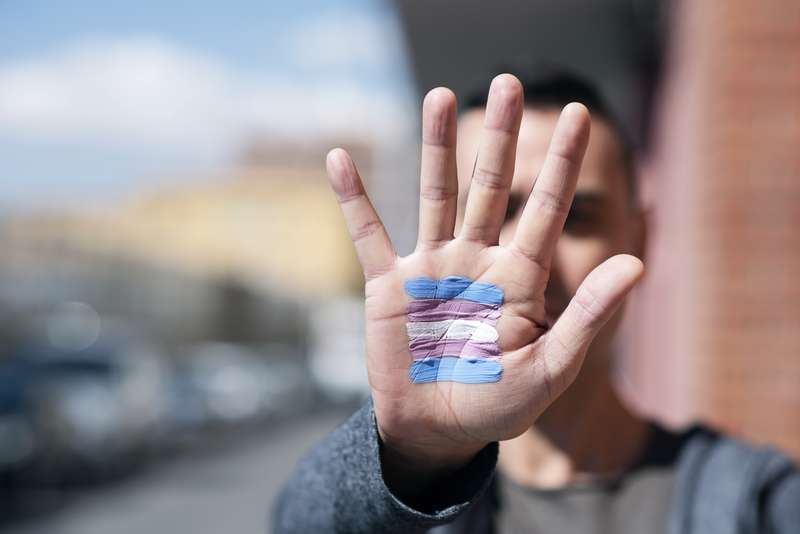
    I am a trans woman.

    You might be sitting here, reading this, and thinking to yourself: Okay. Congratulations! Good for you! I’m glad you had the courage to be yourself!

    If you’re like many people I’ve told, you’re probably thinking something along these lines. But you’re probably also thinking, what relevance does this have? Does this belong on a site revolving around drug and alcohol addiction, harm reduction, and other related issues?

    You’d be justified in asking these questions. The quick answer is yes.

    I, like many trans people, began using drugs and alcohol to cope with gender dysphoria. For those who don’t know, gender dysphoria is what occurs when your body and brain are misaligned; when internally you just know that what your parents, teachers, and other kids are telling you is wrong. You want to grow your hair long, play with dolls, and wear dresses, damn it!

    The rate of substance misuse in gay, lesbian, and bisexual people is twice that of heterosexual (straight) people. While reported rates of substance use disorder vary — the National Institute on Drug Abuse places the number for LGB substance abusers at 39.1 percent (versus 17.1 percent for the heterosexual population) — the disparity is higher when transgender folks are factored in, especially youth. The data is sparse, as transgender people are usually excluded from studies or grouped with other sexual minorities, but one study, for example, found that the “prevalence of substance use was 2.5-4 times higher for transgender youth compared with their nontransgender peers (depending on the substance).”

    Why this disparity?

    For one thing, even in folks like me (who report a higher overall satisfaction with life due to various sorts of privilege), there is still the issue of depression, body dysphoria, and societal pressure. All of these pressures combine together to form a boiling pot at times, for which the temporary relief of drugs and alcohol can seem like a godsend more than a vicious cycle from hell.

    You use, you feel better for a short time. Then you return to reality, and all your issues are still there. Only now they’re worse, because you haven’t slept — or if you did sleep, you slept like shit. I’m sure many of you can relate.

    My drug of choice was prescription pills, specifically uppers. But as with most pill fiends, it’s almost never limited to just one class of chemicals: I loved them all.

    I was one of those “up three or four days, sleep another” types. I would take heavy amounts of amphetamines for several days and then eat a heroic dose of whatever benzodiazepines I could find. Xanax was ol’ reliable, but — as all benzodiazepines are practically the same effect-wise — any would do in a pinch. I had a prescription for both Adderall and Xanax at one point in my career as an addict, and I still found myself buying other benzodiazepines and extra Adderall, as well as other prescription stimulants and opioids.

    Nothing was ever enough, and drugs were my security blanket. Speed gave me the confidence to go out in public — to not spend all my time isolated and fixating on the things I didn’t like about my body — and downers were perfect for numbing myself to anything the speed didn’t take care of.

    My experience of using drugs to cope is why I’m a strong believer in the need for tolerance, especially when it comes to trans kids. We have such a high rate of self-hatred, and I know personally that one guaranteed way many members of the LGBT community deal with this is by getting numb. It’s easier to just sweep what’s uncomfortable under the rug. Better not seen, not heard, not felt. Total oblivion, that’s the name of the game.

    Practicing tolerance means we accept people and let them do what needs to be done — and will eventually happen anyway, except for those in the community for whom it all gets to be unbearable: a study from the American Academy of Pediatrics found that more than half of transgender male teens and 29.9 percent of transgender female teens have attempted suicide.

    This simply does not need to happen. When trans children are accepted as their stated gender, the suicide rate decreases dramatically. If you could save someone’s life, wouldn’t you want to do whatever it takes to keep them from even considering ending it all? Suicide never has to be an option.

    Since 2017, I’ve had three friends die, two by suicide and one under circumstances I still haven’t cleared up. I don’t know that I want to have the mystery solved.

    She was a trans woman named Margot, and in the months leading up to her death, she had been in and out of hospitals, both for physical and mental issues. I can’t say, with any confidence, whether her heart exploded or if she took herself out to avoid the extreme mistreatment she received from her family. And, judging by the area we both lived in and how bad it really can be, I’m not convinced it wasn’t something more nefarious that resulted in her death.

    As for my other two friends (neither of whom made any reference or gave any hint that they may or may not be trans), I can’t tell you whether or not they were. Many of us are fantastic actors and so extraordinarily skilled at concealing such a crucial part of our identities, that even fellow trans people say, “I never would have guessed.” As far as I know, gender identity — that innate sense of who you are, which pervades every living being on this planet (whether or not you realize it) — may have been among the reasons they chose to take the quick exit out of here.

    And all three of my friends struggled, to varying degrees, with addiction. It’s no secret that substance use often worsens depression and other mental health conditions.

    By accepting trans people and working together to end bigotry, we will not only tackle an underreported cause of substance misuse and addiction, but also fight depression, trauma, and other underlying conditions associated with deciding to use drugs and alcohol in the first place.

    In many ways, when it comes to addiction, transitioning (the process of changing one’s gender presentation and/or sex characteristics to accord with one’s internal sense of gender identity) can almost be viewed as a form of harm reduction for people who need to go for it. I have many friends who, upon living as their true selves, realize even further that their substance abuse was closely tied to depression and self-hatred.

    No one’s path is ever going to be identical. I haven’t used any substances for over a month — the longest I’ve been clean in years, and I had to find my own way to do it. Transitioning isn’t a cure-all, but it can help. The best hope we have is working together to reduce the trauma experienced by transgender people in their daily lives, even (especially) as children. Until society figures out how to recognize and accept this community — my community — we won’t make a dent in the rates of addiction or suicide.

    Trust me on that.


    If you or someone you know needs help, call the National Suicide Prevention Lifeline at 1-800-273-TALK (8255) or Text HOME to 741741. For LGBTQ youth in crisis, call or visit The Trevor Project at 1-866-488-7386 or text START to 678678. If you think someone is in immediate danger, do not leave them alone, stay with them and call 911. Read about warning signs for suicide and more at mentalhealth.gov.

    View the original article at thefix.com

    Addendum

    The 2017 National Survey on Drug Use and Health reports that 18.7 million people age 18 or older had a substance use disorder in the United States. Furthermore, people who identify as gay or lesbian are more than twice as likely than those who identify as heterosexual to have a sever alcohol or tobacco use disorder (Healthline.com). These alarming numbers stress a need for more substance use resources readily available to the community. Drugrehab.com have an educational guide on this subject:

    www.ridgefieldrecovery.com/resources/lgbtq-addiction/
    https://www.drugrehab.com/guides/lgbtq/

  • The Evolution of Dopey: How a Podcast Is Showing Us How to Live and Laugh While Sober

    The Evolution of Dopey: How a Podcast Is Showing Us How to Live and Laugh While Sober

    We wanted to do something that gave addicts a feeling that they weren’t alone, that they were in the company of people who had been through what they had been through, and also have a few laughs.

    Dopey podcast has been around since early 2016, and it has a steadily growing audience of people from all across the spectrum of addiction. In addition to appealing to people in recovery, it draws in people who need help, and those who have family members suffering from addiction.

    As Dr. Drew told The Fix last year, “If you’re an addict and you listen to Dopey, you will find your people and your story here. Listen to it, and you’ll see what I mean.”

    Dopey attracts fascinating guests: recent episodes have featured Artie Lange, Dr. Drew, Marc Maron, Jamie Lee Curtis, gossip columnist AJ Benza, Justin Kreutzmann from the Grateful Dead, Amy Dresner, and others discussing a wide variety of topics such as Game of Thrones, seizures, booze, pills, cocaine, heroin, and more.

    These days, it seems that practically everybody has a podcast. But when Dave and Chris created Dopey, they didn’t have a master plan to be the dominant podcast on addiction and recovery. Initially they were big fans of the Howard Stern Show and wanted to create something similar, but with two people who had experienced addiction and recovery at the helm.

    Dave met Chris at Connecticut’s Mountainside Treatment Center in 2011. They kept in touch after getting out, eventually launching the podcast. At Dopey’s inception, Chris had a year and a half of sobriety under his belt, and Dave had three months.

    Dave and Chris didn’t know where Dopey belonged in the podcast landscape because as Dave explains, “I didn’t even know what a podcast was back then. A friend of mine told me I should do a podcast. I didn’t know anything about them, I just knew I liked radio, I loved the Howard Stern show, and I thought this was an opportunity to do a show like it. I still barely know anything about podcasts!”

    People who have struggled with addiction often have hilarious, insane, and unbelievable stories of the misadventures they get into when they’re high, and Dave and Chris wanted to share those stories on their podcast.

    “Originally the show wasn’t going to be about recovery at all,” Dave explains. “At first I thought it would be funny to do a podcast about the dumbest stuff that we had done in our addiction. That was the idea, and we stuck with that until we recorded an episode where we talked about some of the dumb things we had done, and I realized that we had to say we were in recovery, otherwise we’d be championing drug use. It was never supposed to be a recovery podcast; it became one and the recovery had to be part of the show to keep our conscience clear.”

    Dave adds that with the Dopey podcast, “We wanted to do something that gave addicts a feeling that they weren’t alone, that they were in the company of people who had been through what they had been through, and also have a few laughs. That was the idea…The show was mostly about the ridiculous stuff we had done, all the money it cost us, the life it cost us, and it was our pain and ridiculous decisions that were helping other people from making (the same) decisions.”

    It turns out that humor was a powerful draw, bringing listeners to the show. “Chris had a great phrase for that called the ‘rope-a-dope,’ where you’d rope-a-dope people into recovery through the debauchery. We wound up helping people as a byproduct of the show.”

    Dave is happy that Dopey is giving the world a realistic portrait of people suffering from addiction. “When you watch TV and see addiction commercials, it doesn’t really portray it in a real way. I’m very proud that Dopey did that. If you listen to the show, you hear about real people, and you really get to know what addicts are like. And when I say that, [I mean] they’re like everybody, they’re just unfortunately dependent on drugs and make terrible decisions. I do feel very, very good in playing a part in de-stigmatizing addiction and showing the world what addicts are really like.”

    You don’t usually hear about humor as a treatment for addiction, but Dave realized it was an important tool in his recovery arsenal.

    “For me, humor is just a tremendous part of my life, and I like to see the dark, funny side of things. I don’t think a sense of humor is required to get sober, but I think it’s an amazingly helpful tool if humor makes you feel good. There’s a lot of weirdos out there who don’t have a sense of humor. They can still get sober, but I think if you have a sense of humor, it’s a great tool in recovery. Chris and I discovered that to take away the stigma, there’s nothing better than to laugh at yourself. If you can laugh at yourself, chances are you can get better.”

    The Dopey audience grew larger in response to a recent episode of This American Life that featured the podcast in-depth. But as this new and larger group of listeners began to tune in, Dopey suffered a tremendous blow. Chris relapsed and died on July 24, 2018 at the age of 33. (Chris had nearly five years of sobriety and was working on becoming a clinical psychologist at the time of his death.) Then Dave took another hit when he lost Todd, a close friend.

    “I think the show really started to change when Todd died,” Dave says. “Todd was somebody I had known since I was 19, and I used more drugs with him than anyone else. He died six or seven weeks before Chris died, and it was in those six or seven weeks that I started to change the way I wanted the show to be. I just couldn’t laugh with a clear conscience in the same way because my friend had just died.”

    The show revolved around Chris’ death “for a good five or six weeks. It was a very sober, very sad, freaked-out time to try and get some sort of vibe back. In a way, it was like, the show must go on. We had an audience, and we had an audience of people who benefitted from the show. I did not want the show to fall apart because Chris had died.”

    Dave didn’t realize it at the time, but by pushing forward with the show after the deaths of Chris and Todd, he unintentionally showed his audience how to keep moving forward after a tragedy without using drugs or drinking.

    “When Chris died, I was torn apart. I’m still incredibly upset about it. [But] I think in the end, his death carried a message of recovery. It didn’t occur to me at the time, but I heard a lot of feedback over this, and continuing the show after Chris died made people understand that they can stay sober through adversity, heartache and loss.”

    When Chris was alive, he and Dave often talked about their ambitions for the show, and Dave still feels Dopey could be “a monster. I still think it can be bigger because there are so many people that are affected by addiction. That’s just one piece of it. The other piece of it is stories around drug addiction are so entertaining, and if you put those two things together, the audience could just be gigantic.”

    As Dopey continues to grow, reaching an ever-widening and changing listenership, Dave’s hopes for the podcast’s future don’t seem so outlandish:

    “I want it to be the biggest thing in the world, I want it to cross over in a major way where Robert Downey Jr.’s on it, where Eric Clapton’s playing “Layla” on the show, I want it to be as big as it can be.”

    Click for more Dopey.

    View the original article at thefix.com

  • How It Feels to Be the Reality Show Villain: An Interview with Kari Ann Peniche

    How It Feels to Be the Reality Show Villain: An Interview with Kari Ann Peniche

    Those shows continue to haunt me and do me damage in my personal life. I was portrayed as this crazy person, and that portrayal is something I find myself having to fight against on a regular basis.

    Kari Ann Peniche was thrust into more scandals before the age of 30 than most fictional Hollywood starlets. She was crowned Miss Teen USA 2002 before her 17th birthday, then in 2004 the title was taken from her after she appeared nude in a celebrity pictorial for Playboy magazine. Then, from 2009 to 2010, Kari Ann appeared in succession on the reality shows Sex Rehab with Dr. Drew, Celebrity Rehab with Dr. Drew, and Sober House. Set up as the troubled bad girl by the producers, Kari Ann received little help and lots of negative press. She was also the subject of tabloid celebrity stories covering her volatile engagement to Aaron Carter in 2006, a nasty public quarrel with the late singer Mindy McCready in 2009, and the leak of a controversial nude home video that included married actors Eric “McSteamy” Dane and Rebecca Gayheart in 2009.

    With hard work, Kari Ann moved on from that chapter and today she is happily married with two children. She found her true calling as an interior designer and creative director, and in 2017 she launched DAF House, a “luxury design, fashion and art firm.” 

    The Fix recently had the pleasure of speaking with Kari Ann about her journey. 

    After appearing nude in the November 2004 issue of Playboy magazine, you were stripped of your crown. Why did you decide to appear in Playboy? Since Hugh Hefner was still alive at this point, I imagine you spent time at the Playboy mansion.

    When Playboy was introduced to me, I didn’t really know how I felt about the idea. All I knew was that it was a nude magazine that my Dad had kept hidden in a drawer when I was growing up. I thought it was weird to even consider the idea at first. Then, the agent went on to tell me about all these iconic women who had posed for the magazine in the past: Marilyn Monroe, Madonna, Farrah Fawcett, Sharon Stone, Shannen Doherty, Drew Barrymore, and many more. I thought, “If they posed for the magazine, then I definitely want to pose for the magazine and do a celebrity pictorial because I will be in such good company.”

    So, I agreed to do it, and I did spend time at the mansion. I lived there for a couple of months, and Hef was always very nice. He taught me how to play backgammon, and he let me stay in the guest house. I don’t think it was too much for me, but it definitely opened my eyes to a world that I hadn’t been exposed to before.

    In an interview with Steppin’ Out magazine, you revealed that you had been raped twice before you turned 18, first by a neighbor when you were 13 and later by a U.S. military officer when you were modeling in South Korea. You also had a series of abusive boyfriends that took advantage of you and introduced you to hard drugs. How difficult was it to be in the national spotlight while dealing with such extreme trauma?

    I know now that being busy with modeling and Playboy and all the attention that I was getting at that time really helped to distract me from that trauma. At the same time, I never really dealt with what happened. I just pushed everything aside because I was too busy to stop and really think about it. I would tell myself that I was fine, I’m not a victim, and those things aren’t about me. The ones that did those things to me, they’re the ones that need help and they’re the sick ones. They should deal with it, and I don’t need to deal with it because I’m just fine. That was my attitude about all that back then.

    When I did the Steppin’ Out interview, I was starting to kind of crumble, and I was reaching out for help. Everything had slowed down, and suddenly I had a lot of time to myself. Finally, being with myself allowed me to reflect on what had happened. I realize now that I shared stuff that they didn’t even really ask me questions about. The interview really captured where I was emotionally and mentally. I was breaking down, and it felt like everything was falling apart. It happened to be the same time that I got the calls to do the reality shows. I knew I needed something so I thought it made sense: I would help my career and help myself at the same time, but that’s not what ended up happening.

    You went on Sex Rehab with Dr. Drew because your manager thought it was a good idea. Today, you say that you were never a sex addict. Instead, would you describe yourself back then as a love addict or a relationship addict?

    I like to say that I had more of a shopping problem, I mean, I didn’t even know what sex addiction was and I didn’t know why I was going on that show. I was the first person cast for that show, and I had only been intimate with a handful of people. Never had I ever had a one-night stand or hooked up with people I didn’t know. I was never promiscuous in that way, but I knew how to play that part in a weird sense.

    I do know that I used sex as a kind of protection. I would use sex as a way to ward off guys that I thought were trying to make moves on me. I thought that being graphic or explicit would intimidate my guy friends and keep them in line. I always had people over at my apartments and my houses. I would buy sex toys and bondage stuff that I would have in my bedroom and on my bed, but I had never even used these things before. It was all like some kind of strange decoration, and it was my way of protecting myself. I don’t know if that makes sense, and I know it sounds kind of confusing, but it actually worked really well. Rather than use sex toys and bondage equipment, I really just shopped for them and displayed them, and that’s why I like to refer to it as more of a shopping problem. My goal was to make guys think, “I’m not even going to try to hit on her because I am inadequate. I won’t be able to keep up with a girl like her.” In truth, it was all one big illusion. I had been through so many bad things in the past, and I needed to have a way to protect myself.

    When you were on Celebrity Rehab with Dr. Drew and Sober House, it seemed like the producers cast you as “the villainess.” Did you feel unfairly portrayed on these shows?

    When I did those shows, I had really bad management, and I was coached to be a certain way by the producers. I was told that VH1 was looking for a new starlet to come out of these reality shows, and the cast was going to include Tom Sizemore and Dennis Rodman. We had big names on the show, so I thought it made sense to be a part of that group; I thought it would help my career.

    I do feel unfairly portrayed because the producers did a lot of things to provoke negative behaviors. I could have behaved differently, but so much of what happened wasn’t shown. You saw the reactions but never the provocations. We’re being filmed 24 hours a day for 21 days, and all that’s aired is 47 minutes once a week for ten weeks. Obviously, a lot of the story is edited out. They never showed the full story of what led to my outbursts on the show.

    I also felt like they were digging things up and putting words into my mouth that weren’t true about my drug use and past trauma. At first, I would just say whatever they wanted me to say. I didn’t really know the answers to the questions they were asking.

    As time passed, I knew I wasn’t being true to myself. It really started to bother me, and I started regretting a lot of the things we had filmed earlier. I didn’t want to be there anymore, and I knew that doing the show wasn’t right for me. At the same time, I also knew that I needed some kind of intervention because I was going down a bad path in my life. I really wanted to be helped, and it was a struggle to try to get something positive out of the experience when I also felt manipulated and not properly cared for.

    At the end of the day, we were just a cast, and our pain didn’t matter. All that mattered was them getting the material that they wanted. They were creating characters, and I hated the character that they created for me. Rather than help me get well, it felt like it was designed to do just the opposite.

    If you could sit down and talk to the producers of those reality shows today, what would you say? Should behavioral addictions like love addiction, relationship addiction, and sex addiction be used as fuel for the engine of the entertainment machine?

    I would first thank them for the experience because I did learn a lot. However, I don’t think they were fair or considerate. Rather than manipulate those experiences, they should have let things unfold naturally. If they had done it naturally, I believe they would have had great content anyways. There already are enough things that unfold in rehab anyhow. I don’t understand why their focus wasn’t helping the patients as opposed to doing things to provoke the drama.

    The producers and people on the show used our addictions and our traumas in these therapy sessions as entertainment, but they didn’t provide any follow-up care. It was a bad idea, and it caused a lot of hurt for my family and for me because they opened wounds without trying to heal them. It was like pulling off psychic scabs, and they would be blaming my mom or my dad for what had happened to me when I wasn’t even blaming them. I have never blamed them for anything. I was an adult, and I made those choices on my own. I knew better, and I knew I shouldn’t have put myself in those situations or done those things. Rather than help, they made me more confused.

    After those shows, I left each one of them feeling worse than I had before I went on them. They had ripped off those scabs, and I left filming with all these open wounds and no one to help heal them. Even today, those shows continue to haunt me and do me damage in my personal life. I was portrayed as this crazy person, and that portrayal is something I find myself having to fight against on a regular basis.

    I don’t think those settings should be televised. Everyone comes off poorly, and it’s not a good message. It does more harm than good.

    On the DAF House team page, you are quoted as saying, “Change is possible no matter who you are, what you’ve done or where you’ve been. It starts with creativity.” How did your creativity help you overcome the trauma you experienced as a girl and young woman? When did you realize that it was time to change and how did you change?

    I believe we are all artists in our own way, and we are all here to create, whether we are creating art or music, writing or designing, building or financing, marketing or selling. It all depends on our identity, but everything can be done creatively. For me, the quote on the DAF House website refers to that chapter in my life. There has been so much said about me that’s honestly not true, and I had spent four or five years honestly embarrassed about who I was or even who I am. I was afraid of anyone Googling me and finding out about what had happened because the reality had been so twisted. I was scared about what was going to happen.

    I recently went through a tough time in my marriage where my husband and I spent almost two years divorcing. It was really ugly and crazy in retrospect because we never got divorced, and we are still together. During that time, everything from my past before I was even married and before I was ever a mom was being brought up in court. I was being portrayed as a bad mother because I was an addict, and I had been on those celebrity rehab shows. It was all in the past and completely irrelevant to my being a mother or being married at that point in time. It was so in the past, but still, the judge ordered me to do random drug testing where they go in the bathroom with you and watch you pee three times a week. It was awful, and during that period, I did over 80 drug tests in a six-month period, and every one of them came back negative.

    Look, I was happy to do those drug tests because I knew I had nothing to hide, but never did any of that get publicized. Only the negative headlines are focused on by the eyes of the world. My husband’s lawyer brought forth a torrent of allegations against me, all this bad stuff that had happened long before we were married and all this bad stuff that was untrue. What was so disturbing is that the false picture that lawyer tried to paint of me kept coming out in the press and being published as truth. I cannot tell you how hard it was to go through something so awful.

    My husband and I did manage to reconcile, and we have done our best to repair our marriage. He was going through his own crisis mentally at the time, and the divorce had little to do with me and our relationship. However, given my celebrity and the scandals in my past, I became the punching bag of that process. He was influenced by a lot of outside people, and he let those people dominate his perspective. For a long time, all I could do was love him from far away and do my best to let him know that I wasn’t playing games. I wouldn’t say anything mean about him because I knew it was all going to be public record. I didn’t say anything about him being a bad father because it wasn’t true. He’s always been a good father, and I would never say such things about the man I love.

    We have been married for nine years, and we have put that behind us. For me, that quote is about focusing on the present and the future, leaving the past behind. I am trying to create a new picture of who I am for the public so I can be seen for who I really am.

    This interview was edited for length and clarity.

    View the original article at thefix.com

  • 7 Things I Wish I Could Tell My Parents About My Addiction

    7 Things I Wish I Could Tell My Parents About My Addiction

    Here, on this motel floor, I need to know that you still love me. If it isn’t too painful for you, please visit me in rehab. When I tell you that I’m finally ready to get clean, please believe me even if it’s the 100th time.

    I constantly find myself in conversations with both of my parents about that dark time in my life. In the beginning of my sobriety, I tried to explain to them about opioid receptors and dopamine levels but it never seemed to make a difference. Many parents have a “You did this because you are weak!” mindset. They think that you can just quit. Well, Mom…

    1. I Can’t Just Quit

    I’ve been tired of this life for a long time and I have the desire to be the person you once trusted. But every time I quit, I get sick and believe that life just isn’t worth living. I’ve tried to get clean but once the fog clears I realize how much I’ve damaged my life and I go back. I wish I could snap my fingers and be normal with a job and home, but my brain has changed. I want to be the child who you loved unconditionally but I’m not, I’m sick. I don’t like sleeping outside and going to rehab every few months, but that’s what this drug has done to me. It’s a part of me now and unless I have it I can’t even get out of bed. I hate myself and what I’m putting you through, but my mind and body are broken right now.

    2. This Isn’t Your Fault

    This didn’t happen because you left me to cry it out in the crib for too long or because you weren’t strict enough. There isn’t a recipe that you followed to make me a drug addict. This happened because I tried something out of curiosity and my brain and body responded in a way that made it impossible to stop. Ever since that first time, my brain hasn’t worked the same. I am not lazy, stupid, or weak. I wish that I could sleep this off with a hot shower and an iron-rich diet but it doesn’t work like that. It started off as fun, but now I’m trapped.

    3. My Addiction Shouldn’t Be the Topic of Gossip

    I wish you could tell all your coworkers that I graduated from that expensive university we planned on me attending. I know you aren’t proud of me right now, but I’m still a person. I want you to heal and be able to talk about how much I’ve hurt you, but please don’t use me and my addiction as entertainment. I am still your child.

    You might not know much about how addiction works but I need for you to keep my most embarrassing secret close to you. Your coworkers and distant relatives don’t need to know that I’m in jail yet again. My great grandmother that lives a thousand miles away doesn’t want to hear about how I am living in a dirty motel. Unless I’m a threat to them or their belongings, I ask that you protect my dignity. People assume the absolute worst about people like me and I’m not proud of anything I’ve done to feed my addiction. Along with getting high, I have engaged in degrading behaviors and even exposed myself to disease and violence.

    When people hear, “My child is a drug addict,” they think about every negative thing they’ve ever seen in a movie or heard on the news and they will apply it to me. Why would you even want to share these awful things? Talk about the president or what movie you just saw instead. When I get better, I will have to face what I have done and accept the mistakes that I have made. I will have to face the people that you shared my humiliation with. Please don’t think that I am asking you to suffer in silence. There are support groups and therapists who have the knowledge and skills to help you get through this, too.

    4. Try to Learn About My Addiction

    Did you know that the American Medical Association classifies my addiction as a disease? I didn’t make this up to make you feel sorry for me, it really is. I made the initial choice to start using drugs but when I wanted to stop, my brain said no. It made everything else in the world unenjoyable. Could you imagine not being able to enjoy your favorite piece of cake from the best bakery in town? This is my life right now. The chemicals in my brain have been reprogrammed to want one thing only.

    If you don’t believe me, and you probably won’t, take ten minutes and do a little research on addiction. While you are clicking on different links and learning about what I’m going through, please look at all of the different treatment options too. Did you know that there is a medication you can give me in an emergency that will reverse an opioid overdose at home? It’s called naloxone and you can get it from the pharmacy and it could possibly save my life.

    I know that you want me to get better. I do, too, but it’s much harder than just saying no. It’s important that you know that there are some medications available that can help my cravings and others that will completely block the effects of opioids. Whether or not these are what’s best for me is something I will have to decide on my own but you should know about them. As long as I am seeking treatment or have even talked about how I want to get better, I am still here fighting.

    5. I Have Suffered Through Incredible Trauma

    I have seen death and loss. I have lost my dignity and self-respect. Some of my friends have died because of these drugs and I have been close to death myself.

    I don’t know if I’ll ever be able to talk about the terrible things that have happened in my addiction because I know how much it will hurt you. You might say that this is my fault and that I’m weak, but I’m not. I’m in here fighting with these memories and still waking up in the morning. When I get clean, I will need time to heal. I will need counseling and even a little bit of space.

    6. I’m Sorry

    I’m sorry I stole from you and constantly lied to you. I’m sorry I didn’t make it to Thanksgiving last year, and I’m sorry you found me unconscious. I’m sorry that I made you cry. If I had a penny for every regret, I could pay you back for everything you’ve done for me. Right now, however, I would probably spend that money on drugs because I’m sick. One day I hope that you will forgive me. I don’t expect you to forgive me soon, but hopefully you realize that your child is still in here.

    7. Please Don’t Give Up on Me

    I’m not asking you to give me money, that ship has long sailed. I’m not asking you to let me come home or even to trust me right now. Here, on this motel floor, I need to know that you still love me. I need you to call me and tell me how you are. Please be a constant in my life, even if it’s just through text messages. If it isn’t too painful for you, please visit me in rehab. When I tell you that I’m finally ready to get clean, please believe me even if it’s the 100th time. If I tell you that I’m going to start taking medication to help with my sobriety, be proud of me! Don’t tell me that I’m trading one drug for another, because I’m trying.

    Just please, don’t give up on me.

    View the original article at thefix.com

  • Everybody Knows: 10 Lessons from 10 Years of Sobriety Without AA

    Everybody Knows: 10 Lessons from 10 Years of Sobriety Without AA

    In early sobriety, someone told me that since I’d gotten sober without AA, I wasn’t an alcoholic, and that since I didn’t go to meetings and ate the occasional mushroom, I wasn’t sober.

    On May 26th, I celebrated ten years of sobriety. People have found my story noteworthy because I got sober without rehab and stayed sober without AA. I don’t understand my story to be a unique miracle; in my travels in the last ten years, I’ve encountered a lot of folks with similar experiences. But I struggled in early sobriety with no roadmap for recovery. Much of what “everybody knows” to be true about alcoholism, getting sober, and recovery simply did not apply to me.

    Here’s what I learned as I forged my own path and created my recovery. Whether you’re deeply immersed in sobriety, newly sober, considering getting sober, or just feel like the structure of AA isn’t serving you, I hope this will help. 

    1. You Don’t Need to Be an Alcoholic in Order to Stop Drinking

    Seems obvious, doesn’t it? But when the monolithic sobriety support group that eclipses all others has “alcoholic” in the title, it’s a small logistical leap in the mind of someone reluctant to quit drinking.

    “It says ‘Alcoholics Anonymous,’ and I’m not totally sure I’m an alcoholic, and everybody knows that AA is the only way to get sober so… let’s do shots!”

    After 17 years of problem drinking, I still wasn’t certain I was an alcoholic. I’d filled out questionnaire after questionnaire — haven’t we all? Sure, there were a few warning signs: I’d blacked out repeatedly and I’d pissed the bed repeatedly and I drank alone and I sometimes drank in the morning and my life had become an uncontrollable mess… But there were still a lot of loopholes. Several times, I had been able to quit drinking for a week or a month or a couple months; once even a year. I didn’t drink at work or show up late or call in sick. Sometimes I was able to have one drink and go straight home (usually when I was already so hungover I felt like my heart was going to stop, but they didn’t ask for those specific details in the questionnaire). 

    For simplicity, I’ve winnowed all those questionnaires down to one question: Would your life be better, easier, more manageable if you stopped drinking? If the answer is yes, then stop drinking, just for a month. If you can’t do it, then yes, you’re an alcoholic and you need to stop drinking. And if you can, why not just go another month? And then another? Once you’ve been sober for nine months, then let’s tackle the scary question of whether you’re an alcoholic or not. I think I’d been sober for nearly a year before I could cop to that ugly word and by then I was so entrenched in sobriety that there was no turning back.

    2. AA Does Not Define Alcoholism or Sobriety

    In early sobriety, someone told me that since I’d gotten sober without AA, I wasn’t an alcoholic, and that since I didn’t go to meetings and ate the occasional mushroom, I wasn’t sober. This neatly dismissed my life-defining problem, my hard-won solution, and the humiliating, laborious hell I had endured in order to find a solution to my problem. I wish I’d had the confidence to respond with one word: bullshit.

    The Oxford English Dictionary defines alcoholism as “addiction to the consumption of alcoholic drink; alcohol dependency.” It defines sober as “not affected by alcohol; not drunk.” Dependence upon AA is not specified as a requirement for alcoholism. Nor is there any mention of attendance at AA as a necessary qualifier for sobriety. Another secretive society that tries to own both the illness and the cure is Scientology, which is to say these tactics are the mark of a cult. If you have accepted that you’re sick and you recognize that you are getting better, do not let anything slow you down.

    3. If You’re Waiting to Hit Rock Bottom, You’ve Stumbled Into Something Worse

    “Everybody knows” that an alcoholic has to hit bottom before they’re ready to quit drinking. A friend once marveled to me that I plowed through life-changing experience after life-changing experience without changing at all. Similarly, I endured low after low without making any corrections.

    A staple of my childhood cartoon viewing was The Mighty Hercules, a low-budget animated series created in the 60s that played early mornings on public access TV in the sticks in Canada where I was born. Nearly every episode revolved around the evil wizard Daedalus nearly destroying Hercules before he put on his magic ring and… listen, it hasn’t aged well. But the show was my first introduction to the concept of a bottomless pit, this horrifying sensation of falling for all eternity.

    That bottomless pit is where I found myself in early 2009. The Handsome Family neatly capture the alcoholic’s escapist conundrum in the final lines of their song “The Bottomless Hole”:

    And still I am there falling, down in this evil pit / but until I hit the bottom, I won’t believe it’s bottomless.

    I never found bottom. Mercifully, I had the realization one day that I never would, that I would just keep falling. In terror, I stopped immediately. I never went back.

    4. There Is No Singular Epiphany, No Billboard From God Stating YOU MUST CHANGE YOUR LIFE

    When I quit drinking, I had no inkling that I was quitting for good. I just knew that I couldn’t go on. I put a couple of days together, then a couple weeks, then a couple of months. After ten years, yes, I recognize now that I was quitting for good. But it wasn’t because I knew the next bender would kill me. It was an accumulation of small grievances that, in aggregate, made me want to die. I always had a headache, I never had any energy, I was always nauseous, I had exhausted all excuses and apologies beyond reason, I had no prospects, I knew my drinking life was unsustainable, and I couldn’t see a future. You can waste your entire life waiting for that crystalline, cataclysmic epiphany. Instead, I made a big change for small reasons and discovered a new life.

    5. Cry As Much As You Can

    Quitting is hard. Jesus, before you even get to quitting, life is hard, mornings are a hell both reliable and surprising, working for a living is a sustained slow-motion nightmare. Quitting drinking is admirable and you should not be expected to suffer in stoic silence. It’s okay to feel sad, it’s okay to get mad, it’s okay to mourn your old life and fear the future and hate yourself. Soak your pillow every chance you get. Eventually, you’ll run out of tears. You’ll cry yourself dry and you’ll have to get on with the living.

    6. Quitting Drinking Immediately Makes You a Hero, But It Doesn’t Immediately Make You a Good Person

    In early sobriety, I was lost. I was depressed, humorless, anxious, silent as a stone, exhausted and insomniac, quietly fuming and easily enraged. I imagine my friends hoped I wouldn’t relapse… and also prayed I would so they could bear to hang out with me again.

    Be generous and forgiving with yourself as you ride out these extended unpleasant withdrawals. Be forthright with your peers if you can, and ask them to be generous and forgiving with you. Getting sober is to be admired and supported even in the ugliest phases. In the first few days, the first few weeks, even, let it be enough just to not drink. The rest will come, in time.

    7. Emotions Are Temporary

    The word “emotion” is comprised mostly of “motion,” which is to say emotions are always in flux, storming into us with no warning and often retreating as suddenly. I had poison ivy often as a kid and I learned that cold water temporarily lessened the itching, but if I could submit myself to a blazing hot shower and moments of torturous itching, the heat burned the itch receptors out and then I’d feel no itching at all, sometimes for hours.

    In early sobriety, I was subject to unexpected attacks of fury or terror or paralyzing sadness. Fighting the feeling only prolonged it, sometimes for the entire day. Sitting in it, marinating in the negative emotion —actively trying to get as mad or scared or sad as possible for as long as possible — burned through it quickly and released me.

    8. Every Illness Is a Physical Illness

    Mental illness lives in the brain… but the brain lives in the body. If you deny a schizophrenic water, dehydration will end their life before mental illness can even damage it. I once made the mistake of posting a Bill Philips quote on my Facebook — “Food is the most widely abused anti-anxiety drug in America, and exercise is the most potent yet underutilized antidepressant” — and watched my feed catch fire, my friends suffering from mental illness protesting that they didn’t need to go for a walk in the woods, damn it, they needed their pills, and how could I diminish their suffering?

    Mental illness is real. But if you smoke cigarettes, pound coffee and soda and energy drinks, eat Burger King and Sour Patch Kids and lie on the couch in front of the TV all day, you won’t need mental illness in order to feel insane. I have clinically diagnosed anxiety and depression. When I got sober, I treated it with anti-depressants… and exercise and sunshine and tons of fresh fruits and vegetables and vitamins and lots of water. I’ve been off meds for years now, but I think getting a clinical diagnosis and a prescription for psychiatric medication were integral to my early success. If you need medication, by all means, take your meds and feel proud for practicing self-care. But caring for your body — exercise, sunshine, sleep, fresh fruits and vegetables, lots of water — helps everything.

    9. Getting Sober Doesn’t Have to Mean Being Reborn; Reinventing Yourself Is Optional

    I wanted to quit drinking for years but I feared AA and “inspirational” sobriety so much that I was willing to endure the worsening horrors of my alcoholism. When I finally stopped, I certainly didn’t feel like an image on Instagram of a sun peeking through clouds. I felt shell-shocked, with no idea who I was. Could I still laugh at dick jokes? Could I still resent America and fear capitalism and think the world was basically full of shit? Could I still play in fun, dumb, dead-end bands and listen to the Murder City Devils and flip off assholes who cut me off on the BQE? Yes, yes, yes.

    Sobriety doesn’t come with mandatory enrollment in some flowery cult of positivity. Making the decision to quit alcohol means that and only that, everything else is optional. Sobriety and long-distance running helped soften my dead-end nihilism and my contempt for humanity but that’s because it was a change I elected to make. After ten years of sobriety, I’m healthier and happier and less self-loathing but still largely the same cynical prick I was before, because that works for me. 

    10. There Are No Straight Lines in Nature, There Are No Straight Lines in Recovery

    In my ten years of sobriety, I’ve infrequently used marijuana, mushrooms, DMT, MDMA, prescription painkillers, etc. Pot has always felt like a flawed way to unwind, usually just a waste of time. CBD, on the other hand, has been tremendously helpful for managing pain and getting to sleep at night. Mushrooms have been integral to my sobriety, and I honestly believe they’ve made me a better person. DMT was painfully intense and deeply transformative, too complex to describe as “good” or “bad” but I’m grateful to have done it. None of these substances have ever made me crave alcohol. Painkillers have gotten me through muscle spasms and surgery and MDMA has provided great connection with people I care about, but neither has felt particularly therapeutic and both have left me depressed and craving alcohol at times.

    Though some of these experiences have not supported my sobriety, none of them have compromised my sobriety. I am a pure alcoholic and I know one drink would be my undoing. But as my sobriety is solely my creation, I own it. I define its parameters.

    Two months after my “official” sobriety date in 2009, I flew out to Colorado for three days to play a music festival. I got drunk before my flight and stayed drunk the entire weekend. I blew an important show, I embarrassed myself in front of a woman I’d had a crush on since we were kids, and I threw up scotch out of my nose on the street. I drank on the flight home but when I woke up the next day, I went right back to sobriety and haven’t taken a drink since.

    When I tried to write about this episode in The Long Run, my first narrative about getting sober, my editor took it out. When I wrote it into a book proposal, my agent took it out. When I wrote it into my memoir, I Swear I’ll Make It Up to You, my editor took it out. People love this bullshit Hollywood narrative of “hopeless alcoholic hits bottom, has a lightning bolt epiphany, and goes forth to never drink again.”

    Fuck that. Getting sober is a messy process. Stick with it, it’s worth it.

    View the original article at thefix.com

  • Sex Work Made Recovery Possible for Me

    Sex Work Made Recovery Possible for Me

    The idea that someone would pay to be around me when I had spent my life feeling worthless changed my self-perception forever.

    When I entered the world of sex work almost three years ago, I had been fired from yet another waitressing job for reasons related to my drinking. A friend invited me to do a play that was for and by sex workers to benefit the Sex Workers Project, which “provides client-centered legal and social services to individuals who engage in sex work.” It paid, so I said yes.

    I loved the fast pace, changing clientele, and quick money of waiting tables. Booze and drugs were always present. Most of my jobs allowed us to drink on the job; just not the way I drank on the job. The last job I waitressed I would be sober for a few weeks or months, then a particularly difficult customer would lead me to drinking half-empty wine glasses as I carried them to the dish pit. I was fired because, as the nursery rhyme goes: When she was good, she was very, very good. But when she was bad, she was horrid.

    I went to rehearsals for the play and met the other women. Mostly they were artists with the time to pursue it, in grad school with the money to pay for it, and one had just purchased a home in Detroit. They were free to sit in a park and discuss Mae West at 2 p.m. on a Tuesday. Society had led me to believe that sex work of any kind would steal my soul in some way, would take something from me I could never get back, and would only hurt my struggle for sobriety. That is a lie.

    I always thought I would be an excellent sex worker — it’s a job women are trained for from adolescence: sexy emotional laborer. These skills may be especially honed in women who struggle with addiction and alcoholism. As a tech in my first rehab reflected, “Women stay out longer. They have the golden box.”

    The women I met doing the play encouraged me and taught me everything they knew as I worked towards my goal of gathering the courage to try it out. Then later, they allowed me to text them every time I went to meet a client with his name and my location as I developed my sense for red flags. It’s a mentorship program, there is no other way.

    I learned quickly that if I did coke with a client I was screwed. It was impossible to maintain boundaries, or my mind. Each time I did this, not only was there a scarily unlimited amount of drugs, but at some point the client would stop paying me for my time. Those were the only sessions I ever had that made me feel what society says sex work should make you feel: incomprehensible demoralization.

    And there were many times in those early days when a client offered me a drink and I took it, hoping to seem normal. And then I went home and drank. Within a few months I realized I couldn’t drink or use around these men. When I was using, I didn’t require verification, I couldn’t maintain boundaries, and I couldn’t retain control of the situation. One of my mentors told me if I went on like this I would die or get arrested. I stopped everything but weed, and then I stopped everything.

    Life got better. And then I experienced all the benefits to recovery sex work can offer.

    I had more money, and a lot of that panic was gone. I could clothe myself properly, I knew my rent would be paid, I was able to travel. Drugs and drink are a poor man’s vacation. I had the time to meditate, to go to lots of meetings, to join a yoga studio, to read and study anything I wanted that I thought could help.

    And it was empowering — the idea that someone would pay to be around me when I had spent my life feeling worthless changed my self-perception forever.

    Eventually I saw how even weed had clouded my judgement in sex work and thus in life. I went to see a client I had previously seen several times stoned. He was a huge pain in the ass — always sending the Uber to the wrong location, ordering “food” that was just a pile of sodas when I was starving, never having the money right, forgetting his ATM password. It took me to show up completely clear-minded to realize that he was provoking me so that I would yell at him. On yet another walk to the ATM, he asked, “Why do you still have to go to so many AA classes?” I didn’t even remember telling him that, but people babble when they’re high. I asked him not to mention it again, and that they weren’t classes.

    “I knew it! You hate me!” He shouted into the Brooklyn night. He pulled all the same stunts he always did that night, but this time, I didn’t want to deal with it. The beauty of escorting is that it isn’t prostitution. I am paid for my time only, and legally, I never have to sleep with anyone unless I want to. And that night I did not want to. I grabbed my things and made for the door after he said something gross about having the funds to keep me there for several days. “Your AA classes aren’t going to make you a better person!” He shouted at my retreating form.

    Wrong again, Jack.

    I began charging more and more for my time, and began advertising on the most high-end site. You may think that’s an oxymoron, but I don’t care.

    The longer I was in the industry, the more time and space I had to work on myself, and the better I was able to treat myself. I watched how my self-care transformed the clients I attracted, how the way I conducted my business radiated into the rest of my life. I got a therapist. I spent an entire month in Bali. 

    Rehab couldn’t get me sober. Sex work did. Perhaps it had to be that life and death, that cut and dry, for me to see it all. I’ve never been happier or more free. And I’ve never put together this many days of continuous sobriety. 

    There were a few times in sobriety I showed up to work and the client was on cocaine. When I didn’t partake, I saw how sad it was. One night, when Phish was in town (my phone BLOWS up when Phish is in town), I went to a hotel where an adorable middle-aged man had laid out my old favorite things — pink champagne and cocaine. Because I didn’t partake I maintained the upper hand, stayed several hours without ever taking my clothes off, and the night ended with him crying on my shoulder and confiding in me about his drug problem. I hope I helped. 

    That wasn’t the only time I inadvertently 12-stepped a client or potential one. Recently, someone reached out to ask about the Hebrew lettering tattoo that is featured in one of my photos. I find Hebrew tattoos hilarious. I explained that it meant “the strength to stand after we fall.” 

    “Are you a former junkie?” he asked.

    “Something like that.”

    We went on to have the kind of gut-wrenchingly honest conversation that only two addicts can, and by the end of the conversation, we were working to find him a bed in a detox. I hope he went.

    Sex work isn’t for everyone, and I can’t do it forever. I haven’t been able to date normally, which is fine because I haven’t finished the steps or gotten a year yet. So that seeming downside has also benefited my recovery. My goal is to make my living from writing in the next five years. Sex work, a career with no long-term future, is another way to burn the ships. There is no plan B, no safe career that could deter me from my true goals. I like that, too.

    It’s also helped me weed out people in the program who aren’t good for me, not that I speak about it much — I’ve never spoken about it as much as I have in this article. When I needed a new sponsor after a move, I found one who had her own experience with sex work so I felt like it was a good match. But I quickly realized that she couldn’t see past her own history of street prostitution to understand how different my work was. When she pushed me to get a “sober job,” I fired her. I need to live alone and make my car payment, and that isn’t happening on $15 an hour. These things are important to my serenity, and I’m willing to do what it takes to maintain them. The next woman who almost took me through the steps sucked in her breath and said, “It must be hard to stay sober in that job.” 

    Actually, it was much harder to stay sober waitressing, where I couldn’t choose whom I served, and where I couldn’t walk away from a situation with alcohol. And it was much harder to stay sober as a housewife. I never got to leave. 

    My current sponsor thinks it should be completely legal, like it is in New Zealand, and without stigma. We just finished Step Five. I haven’t gotten that far with anyone in 11 years. I was a 1-2-3-step-and-hate-my-sponsor kind of gal.

    Becoming a sex worker has helped me to get and stay sober, and to have a better quality of life than I ever thought possible. 

    Sex work is real work. And it really set me free.

    View the original article at thefix.com