Tag: Features

  • Not Crazy: How I Overcame My Double Standard About Taking Psychiatric Medication

    Not Crazy: How I Overcame My Double Standard About Taking Psychiatric Medication

    Women hold themselves to this standard where we’re supposed to be perfect. We all have our own image of what that should be, and it doesn’t involve taking psychiatric medication.

    I’m walking up Lexington Avenue towards the subway on a cold Manhattan winter day from my psychiatrist’s office. It’s a route I’ve walked for five years, at varying frequencies, depending on the intensity of my mental health issues.

    My doctor is warm and nurturing with a great sense of humor, and I always walk out her door with a smile on my face. But once I hit the street, my mood can quickly shift: frustrated that I need yet another medicine to achieve some semblance of normalcy or disappointed in myself that I can’t cope. I scan the faces of the crowds in busy Midtown. Can they tell I’m crazy? Do they see some vacant look in my eyes I can’t see? Or, conversely, I wonder about them: is she, that pulled-together woman over there, also buoyed by a bevy of psychiatric meds?

    When I started an anti-depressant four years ago, I immediately started calling it my “crazy pill.” I want to say that’s just because I have a self-deprecating sense of humor, but that’s not the whole truth. Deep down, I thought it was because I was crazy.

    But this time leaving her office was different. My doctor used the words “in recovery,” (probably not the first time she used the phrase) and something inside me shifted. Of course I’m in recovery. I suffered myriad traumas last year: losing my mom, my job, needing to give up my dog, and, hey, let’s throw a summer fling breakup in there for fun. Needing to take medicine to recover from emotional trauma should be the same as if I had been in a car accident and needed painkillers…right?

    The word recovery resonated with me, and I finally internalized this: depression is a very real condition, and my doctor is treating me for it. I’ve written that depression can be like an emotional cancer—entirely pervasive and something that may go away. Or it may worsen.

    On the outside, I pen essays, like this one, where I tell others that they should treat depression and other mental illness just as if it were any other disease. That it shouldn’t hold stigma. And I meant it…for them.

    But why the double standard? Why would I be proud, even, to hear a friend was taking care of her health and taking antidepressants—but think that it made me crazy?

    “Women hold themselves to this standard where we’re supposed to be ‘perfect,’” says Dr. Carly Snyder, a Manhattan-based psychiatrist. “We all have our own image of what that should be, and it doesn’t involve taking an antidepressant.”

    In our culture, memes abound about wine being “mommy juice,” yet “there’s still stigma in trying to feel better in an appropriate way,” Snyder says. “’I’m seeking treatment for an anxiety disorder or depression’ becomes seen as ‘I couldn’t hack it on my own.’”

    For me, I see others dealing with grief or job loss “better” than me, and I wonder what’s wrong with me. I’m doing all the “right” things: I ran the NYC Marathon (my seventh marathon) last year, I picked up personal training and yoga teaching certifications this year, and I have tried every last wellness trend known to woman in hopes that crystals, or maybe hypnosis, will be my magic bullet.

    “We are in a really positive wellness kick right now [societally], and there’s a sense of ‘I didn’t do enough to help my mental health issues,’” says Snyder. Yet, “if someone were struggling with another disorder, a physical disorder, people wouldn’t say not to take care of it. Running is not going to get you out of a major depressive episode.” I constantly joke that if running a marathon isn’t enough to cure a depressive episode, maybe I just need to run an ultramarathon, but I know that’s not actually the answer.

    But while a 50K isn’t the answer, it is important to care for our bodies to care for our brains, says Snyder. (In case you forgot—your brain is a part of your body!) “It’s important to give one’s self the leeway to not feel OK and realize it’s a process to feel better.” People with depression tend to see the world in black and white, and if you wake up every day and say: “I’ll feel better today,” then as soon as you don’t, it becomes a bad day, according to both Snyder and my own experience. “There has to be room for disappointment and some gray area—and allowance for time of healing. It’s not going to happen overnight in the presence of significant illness and trauma.” She likens it to a bad bruise: it can come on quickly but take a long time to go away.

    If you’re already depressed though, that still sounds bleak. You want immediate gratification, right? Of course you do. Here’s the thing: we have control, and we’re not failures for having depression and anxiety. (Take a minute and write that down or say it out loud. Let it really sink in.)

    You don’t have to let your mood disorder dictate your self-worth or how you see the world—things I was guilty of. I identified myself as a depressed person, I threw my hands up in the air and blamed depression for my behavior. Snyder says that “when we are depressed, we deprive ourselves: I don’t deserve to feel better, I don’t need to feel better. There’s this bleakness that comes in. You know in your heart that this is not what it feels like to live in your day-to-day life, but it becomes harder to see a way out.”

    But you win, she says, by taking control—by going to therapy, by going to a psychiatrist, by not listening to that voice in your head that says you don’t deserve it.

    And although I’ve been treated for years—through therapy, medication, hospitalization and myriad holistic approaches, some legit, some snake oil—it was only on that cold day that I finally internalized it, that I really believed I deserved to feel better, and that depression was an actual diagnosis I had that needed to be treated. I saw my psychiatrist as a partner in my recovery, rather than someone who held all the power to cure me via her prescription pad.

    This realization took some of the power from the disease and allowed me to (eventually) reframe subsequent flares as just that, something that might happen to anyone with a chronic illness.

    View the original article at thefix.com

  • David and Nic Sheff Help Adolescents Navigate Drugs, Alcohol, and Addiction in New Book

    David and Nic Sheff Help Adolescents Navigate Drugs, Alcohol, and Addiction in New Book

    Nic Sheff: “It’s what I say to kids who are struggling like I struggled. Hold on. Don’t give up. Get help, and it’ll get better.”

    In the new book High, best-selling authors David Sheff and Nic Sheff shift the failed War on Drugs mantra of “Just Say No” to the more enlightened “Just Say Know.” The book comes out on the heels of Amazon Studios’ film Beautiful Boy, which draws equally from David Sheff’s memoir Beautiful Boy: A Father’s Journey Through His Son’s Addiction and Nic Sheff’s memoir Tweak: Growing Up On Methamphetamines. Following the awareness generated by the film, the father-son team hope their new volume will become a comprehensive resource for young people to learn about themselves and addiction and in the process gain the ability to make informed decisions about their own behavior, particularly when it comes to drug and alcohol use.

    Subtitled Everything You Want to Know About Drugs, Alcohol, and Addiction, the book is written for middle-grade (5th to 8th grade) readers and is designed to provide the facts about substances and substance use disorder in language accessible to adolescents. Based on personal experience and years of research, the well-designed resource will help young people accomplish a series of objectives by embracing a new mantra, beginning with the Socratic directive to know thyself, and then use this knowledge to make intelligent, compassionate decisions.

    The following objectives of the Sheff team are constructed as a path to self-awareness:

    1. Know yourself.
    2. Figure out what you want in life.
    3. Weigh the risks of using.
    4. Know the truth and decide.

    As opposed to previous attempts to raise awareness by certain forces, High: Everything You Want To Know About Drugs, Alcohol, And Addiction is not a prescriptive tome with an accusatory voice, telling the reader how to live while wagging a finger back and forth. Instead, the father-son account is a deeply personal attempt to translate the traumatic experience of drug addiction within a family. In the process of this translation, the narrative becomes a caring exploration designed to prevent such trauma from happening in other families. It’s like an archeological dig into the horrors of addiction and the miracle of recovery, focusing on the nuts and bolts that make up both complex processes.

    From the microcosm of their own experiences to the macrocosm of an encyclopedic approach, the authors provide accurate information about substance use disorder and the dangers of a wide variety of addictions. This is not an encyclopedia, but what David and Nic Sheff manage to accomplish in under 220 pages is impressive. They cover a lot of territory in an easy-to-read format.

    The book is divided up into five main sections. The first part is a personal look at Nic Sheff’s struggles with addiction. While detailing how Nic managed to find the path of sustainable sobriety, the authors also provide a basic explanation of substance use disorder and alcohol abuse. The second part of the book is about alcohol and popular drugs in America, with descriptions of the various substances and what they actually do. It separates the myths from the facts. In the third section, the descent from using drugs to becoming addicted is described. A fourth section examines treatment and recovery options while being very honest about the likelihood of relapse. Finally, the last section is a thoughtful dialogue between father and son about what David and Nic Sheff personally have learned about addiction and recovery.

    In the dialogue, David and Nic Sheff have a conversation about why they chose to write together on addiction and their personal investment in the book. Nic discusses how such a book could have helped him when he was first heading into the dark woods of addiction. He says, “If I’d known to pay attention to how I was feeling, maybe I would’ve asked for help. Parents, doctors, counselors — they can help. And even if they didn’t know exactly how to help, they could’ve directed me to someone who could’ve. I really believe that.”

    Hearing his son talk about what could’ve happened as opposed to the devastating crystal meth addiction that actually occurred appears to be painful for David Sheff. What father does not want to go back and save a child from such suffering? When asked by Nic what he learned in the struggle to help his son find a path to long-term recovery, David doesn’t even know where to start.

    With emotion, he says, “I learned how complicated people are — how much we are all dealing with, and that life is really hard, and as a result, people are always looking for something to numb the pain, to distract us, to make us feel better. I learned that we can’t help people with addiction or other problems unless we look at the root of the problems, which are always complex — a combination of factors, including biology, psychology, and environment. And I learned about love. It’s more powerful than almost any other force, and it can help us get through what we don’t think we can survive.” 

    Combining the wisdom of the loving parent and the son in recovery from addiction, David and Nic Sheff apply their hard-earned experience in life and their expertise as writers to create a unique and valuable resource. Most importantly, the book takes complex ideas and makes them accessible to tween and teen readers. From addiction as a family disease and how drugs seduce the brain to the dangers of polydrug use and debunking myths about drugs (is marijuana addictive or not?), the co-authors cover a lot of bases. The aim is to provide a solid base of knowledge about all aspects of alcohol, drugs, and addiction while also keeping young readers engaged.

    Throughout the book there are personal stories from other people with substance use disorders combined with a wide variety of cartoon imagery, interactive questions, and informational graphs. Overall, there is a sense that both David and Nic Sheff know from personal experience what is at stake and they’re taking great care to make sure they attract and keep the attention of their potentially vulnerable readership. The book also includes useful appendices of addiction terminology, emergency phone numbers, and other helpful resources.

    The book closes with a passionate expression of Nic Sheff’s dedication to his ongoing recovery: “It’s what I say to kids who are struggling like I struggled. Hold on. Don’t give up. Get help, and it’ll get better.” 

    David and Nic Sheff’s deepest desire is to save lives. By providing accurate and helpful information within the context of their strong and emotional commitment to recovery, the father and son team take on one of the most challenging problems today. The United States has the highest rate of drug-related deaths in the world, with opioids accounting for the majority of the deaths. In most cases, those deaths are preventable. With High, David and Nic Sheff hope that accurate and accessible information will create understanding and self-knowledge in young people so that when the time comes, they’ll have the confidence to make decisions that may end up saving their own lives.

    View the original article at thefix.com

  • The Problem with "Addicted Babies"

    The Problem with "Addicted Babies"

    The “addicted baby” issue is not simply linguistic. You’re not just contributing to stigma when you use this term, you’re misrepresenting medical facts.

    “She was born addicted, but without methadone, she may never have been born at all.”

    That was the last sentence of my first published article with a major media outlet, Vox. The story was about giving birth to my elder daughter while on methadone. The “she” was my newborn daughter. I was terrified to “come out” as a methadone patient, something I’d hid from my family and friends even through my daughter’s prolonged hospitalization and the child welfare investigation that was triggered by her neonatal abstinence syndrome (NAS), but I was also excited to be published by Vox — and rightfully so. This story would effectively launch my freelance writing and journalism career. What I didn’t realize at the time was that my first big article was factually inaccurate.

    It’s embarrassing, now that I know better, to realize I contributed to a harmful, widespread misunderstanding of addiction as equivalent to dependency. My editor on that story and I have since agreed to a correction in the terminology — but this story garnered enough attention to end up in my then-treatment counselor’s addiction newsletter and to land me a spot on the NPR podcast All Sides With Ann Fisher. Both appearances were well before that correction was made.

    A story that once brought me immense pride now fills me with shame as I remember the stigmatizing mistake I made when I first wrote it, but I remind myself that it was a personal essay — my first major one — and I was simply echoing the language I’d heard over and over again everywhere, from the neonatal intensive care unit where my daughter was treated for NAS to NBC, and even former incarnations of the New York Times. What some of these outlets are finally realizing is that reporting infants as “born addicted to drugs” is, effectively, fake news.

    Doctor Jana Burson, an opioid addiction treatment specialist and outspoken advocate for methadone and buprenorphine, summarizes the issue like this: “According to our definition of addiction…you have to have the psychological component of craving or obsession. By definition infants are not able to experience addiction.”

    Have you ever seen a baby beg for more morphine from her crib, or crawl across the NICU to snatch a dose from another infant? Do you see evidence that they are ruminating over opioids, or that they even understand their discomfort is tied to opioids? Do any infants ever require methadone or buprenorphine maintenance once their physical dependency symptoms have declined, in order to manage psychological addiction and prevent harmful, compulsive drug use?

    Of course, the answer to all of these questions is “No.” Infants born to mothers taking prescribed or non-prescribed opioids are sometimes born with a physical dependency on opioids. This means they will experience physical withdrawal, and may require extra comfort and possibly even titrated doses of opioids to wean them down. Their bodies will tense up, they’ll be extra cranky and have loose stools, and other symptoms of physical distress. It’s a painful experience, and my heart broke watching my own daughter go through it, but the fact remains: neither my daughter nor any other infant is born with an addiction.

    An infant capable of experiencing addiction would be remarkable for reasons far beyond the addiction; she would have capabilities of thought, expression, and action so far advanced beyond any infant born thus far that the government would probably snatch her up for extraterrestrial gene testing! In all seriousness, a baby who could ruminate about drugs, understand consequences, and then intentionally self-administer drugs despite those consequences would be a genius with super-strength. This baby is impossible outside of the X-Men Universe.

    So why do so many media outlets, legal professionals, and even some treatment providers continue to use this incorrect language? In part, it’s probably due to the very thing that makes the language problematic: it’s highly stigmatizing. And stigmatizing, unfortunately, equals drama. Which headline grabs your attention more? “The Number of Babies Born Addicted to Drugs Skyrockets” or “Babies Born with Opioid Dependencies on the Rise.” One is true, one is not, but the one that is not will probably get many more clicks. The consequences of this mischaracterization go beyond delivering incorrect information. “Any time you misstate facts or exaggerate, as many news outlets have, it increases the stigma and makes the problem worse because mothers feel more shame and they’re less likely to seek care…they’ll get less prenatal care because of it,” says Burson.

    Sensationalizing a medical disorder to sell papers or clicks has other real world consequences. Many medications have the potential to cause dependency and for that dependency to transfer from a pregnant woman to her baby. But we don’t say that babies born to moms taking anti-depressants are drug addicted, even though some of them will also experience a mild form of NAS. So why do we say it about babies born to moms who take methadone or buprenorphine, which are the gold standard of care for opioid use disorder for pregnant and non-pregnant patients?

    When you make a mother feel like she is going to turn her child into a “drug addict” by taking these medicines, you scare her from seeking treatment. The problem with that, of course, is that she remains at high risk for illicit drug use, which may cause a dependency in her child but also has other complications, like a heightened risk of miscarriage or stillbirth.

    Pregnant women aren’t the only ones who are harmed by the false equation of addiction with dependence. A lot of people think that people who take methadone or buprenorphine are just trading one addiction for another. In fact, methadone and buprenorphine will continue an opioid dependency, but are evidence-based treatments for opioid addiction approved by the World Health Organization and the FDA.

    This misconception leaks into correctional facilities and drug courts. Most jails and prisons forcibly detox methadone and buprenorphine patients, and many drug court judges disallow their use, even going so far as to order patients to taper off their medication. The false equivalency also harms other opioid patients. Across the country, people who require opioids to manage pain are being taken off their medications as doctors scamper to avoid being labeled “pill mills” or enablers of addiction. In some cases, the pain and withdrawal are so unbearable, these patients commit suicide.

    Because of this stigma, the debate about whether the press should use the term “addicted baby” has been lumped in with other language-centered debates, like whether or not the word “addict” is offensive. Personally, I think that news outlets should absolutely use person-first and medically-based language when talking about people who experience addiction. “Person with a substance use disorder” is a little clunkier than “addict,” but it’s worth it to relieve the sting and prejudice that’s associated with “addict.” But the “addicted baby” issue is not simply linguistic. You’re not just contributing to stigma when you use this term, you’re misrepresenting medical facts.

    It is the job of the press to disseminate the truth. Sometimes mistakes get made, like in my personal essay for Vox when I referred to my daughter as having been born addicted. That’s why we have a process for submitting corrections. When news outlets use terms like “drug addicted babies” or “baby addicts,” they’re misrepresenting the truth, which means they’re not doing their job

    If ever a “baby addict” comes into existence, there will be a far bigger story than the one about her addiction. Until we enter the age of superhumans, however, it is imperative that media outlets perform the most basic function of their job by delivering the actual facts. Babies born to mothers on methadone, buprenorphine, or other opioids may be born with a dependency on opioids. They are not born addicted.

    View the original article at thefix.com

  • Sober and Sleepless: 13 Tips to Help You Get Some Sleep in Early Recovery

    Sober and Sleepless: 13 Tips to Help You Get Some Sleep in Early Recovery

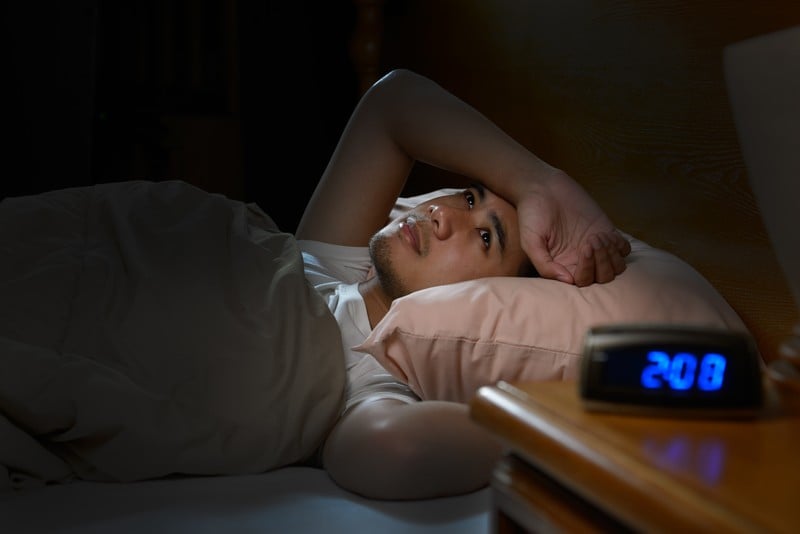
    Most of us experience sleep problems in early recovery, leaving us cranky, unable to function effectively, irritable, and reaching for coffee and sugary foods for a quick boost. Lack of sleep can also put our recovery at risk.

    Sleep is as crucial to one’s recovery as regular exercise and a nutritious diet, but sleep disturbance is a problem that plagues most of us when we first stop using or drinking. As a result, we’re cranky, unable to function effectively, irritable, and reaching for coffee, energy drinks, and sugary or processed foods for a quick boost. In some cases, the lack of restful sleep can put you at risk for a return to drugs or alcohol — all the more reason to get a good sleep habit established early in recovery.

    I never had an issue sleeping before recovery. I used to fall asleep by around 9 every night and pretty much sleep until noon the next day. I now realize that wasn’t quality sleep — it was passing out.

    My early recovery was characterized by the opposite scenario. I was perplexed by the sudden appearance of sleep issues: I couldn’t get to sleep, and when I finally did I would wake up at all hours. I was constantly exhausted. Most of my days were punctuated by taking naps so I could get enough sleep just to be able to function. I even nodded off in meetings!

    And I’m not alone. According to a study in the Journal of Addiction Medicine, insomnia is five times more common in those in early recovery than in the general population. I’m contacted by women all the time asking for help with their sleep. They want some kind of reassurance that what they’re experiencing is normal, and they need ideas for how to solve their sleeplessness.

    Disturbed sleeping patterns and poor sleep quality is common for people in early recovery, and it is even part of the withdrawal process. Common symptoms include:

    • Difficulty falling asleep
    • Excessive sleeping
    • Trouble staying asleep
    • Racing thoughts
    • Tiredness during the day
    • Not feeling refreshed after sleeping
    • Lethargy
    • Nightmares

    What’s causing these problems and what can we do about them? Curious to understand more, I spoke to recovery scientist and therapist Austin Brown.

    “I think at the most basic level, the stuff that keeps us up at night early in the recovery process is the same fears, anxiety, trauma and regret we used over,” he says.

    Brown continues, “It isn’t until we begin settling some of those outstanding emotional balances through recovery work and therapy that we are able to find general peace. Also, we know that the first six months or so of recovery that things get worse in some ways before they get better.”

    That was true for me. I had untreated complex PTSD, depression, anxiety, and eating disorders. All of a sudden it was as if someone had lifted the lid on all of the issues I’d been repressing, and I was faced with overwhelming emotions, an inability to regulate my nervous system, and an unhealthy relationship to just about everything (food, relationships, work). I recall feeling completely lost, and somewhat removed from my body.

    I was told I was overly sensitive and was assured that things would get better, and that I just needed to “do the work.” It took a few months just to come to terms with life without alcohol, never mind the other complex issues I was facing. It certainly felt like things were getting worse. And I had no idea what this early recovery “pink cloud” was that people kept talking about.

    Brown says, “It takes about six months to really ‘survey the wreckage’ and begin rebuilding. And by its very nature, even the rebuilding is stressful. This is one reason hope is so essential early on.”

    Hope was crucial for me. I had to see that there were things I could do to improve my sleep. Without it, I couldn’t function. My body was screaming for me to eat high-carbohydrate food and I was never sated. My depression came back with a vengeance, and my sleep changed from disrupted to full-on comatose. There were clearly other issues involved and I had to dig a little deeper to understand what was going on and make some changes to improve the quality of my sleep.

    Brown explains, “It can take up to 18 months before neurological functions resemble pre-substance use disorder balances.” What’s more, it been shown that these imbalances and the quality of our sleep can affect our chances of returning to drug or alcohol use.

    A study by Dr. Nora Volkow and colleagues found that people who have had substance use disorders have lower amounts of dopamine receptors, which are necessary for the brain to experience pleasure. These receptors continue to be impaired long after drug use stops, which means we find less pleasure in everyday activities and become more likely to seek pleasure in other high-reward activities like returning to substance use, gambling, sex, and overeating. Volkow also found that a low number of dopamine receptors was associated with less activity in the part of the brain responsible for rational thought and the ability to exercise restraint. That might explain why I couldn’t put down the bag of cookies until I’d eaten them all.

    Poor sleep quality can also result in cravings for drugs. A recent study conducted by researchers at Penn State found that patients who reported lower sleep quality also experienced higher-than-usual drug cravings.

    So before you get to the point where you can’t put down the bag of cookies (or worse), why not try some of these tips to improve the quality of your sleep?

    1. Establish a regular sleep routine by going to bed at the same time each night and limiting electronic devices for 1-2 hours before bedtime.
    2. Create a sleep environment. Ensure the bedroom is for sleeping only — no TV or video games. Use low lighting.
    3. Drink herbal tea: chamomile, valerian, or try another herbal sleep remedy (consult a physician before starting any supplements).
    4. Try exercising during the day to promote sleep.
    5. Have a relaxing Epsom salt bath before bed.
    6. Consider taking a magnesium supplement (ask your doctor first).
    7. Practice relaxation techniques like a body scan meditation.
    8. Avoid eating a large meal before bed.
    9. Use an eye mask and ear plugs (or a white noise machine).
    10. Use a light-blocking curtain or shade.
    11. If you find yourself tossing and turning for more than 30 minutes, get up and do something else until you feel tired again.
    12. Try to get up at the same time each day.
    13. Avoid caffeine after 2 p.m.

    I have tried each and every one of these tips and they have worked for me. I was lucky to find that my sleep recovered within the first year or so. In the end, I had trouble staying awake! It’s taken time, but my brain chemistry has evened out and I no longer feel intense cravings or extreme sleep disturbances. It will get better!

    How do you deal with insomnia? Let us know in the comments.

    View the original article at thefix.com

  • Microdosing Marijuana at 9 Years Sober

    Microdosing Marijuana at 9 Years Sober

    I got a nice buzz from microdosing marijuana, but a buzz no more intense than a glass of wine sipped slowly and on a reasonably full stomach. Despite this buzz, I had no craving for more pot and I did not pick up a drink.

    Microdosing. All the cool kids in Silicon Valley are doing it, and anyone who got sober before 2015 has been left out of the fun. At least, anyone with an all-or-nothing recovery plan, which is most people, but definitely not yours truly. Anecdotally, it looks like it’s better to have Silicon Valley hooked on low doses of LSD and psilocybin than abusing Adderall, but more empirical data on the therapeutic benefits of this trend is needed. Though I’m not going near psychedelics without a doctor’s note, I have dabbled in some microdosing on weed, and I still consider myself 100% sober.

    Alcohol was my problem. It was a gnarly problem. I put the kibosh on that problem in 2009 and haven’t looked back.

    Google piqued my interest in microdosing on weed by feeding me a headline that claimed one puff of it could blast away depression. I double-clicked. Since I deal with bipolar disorder and have benefited from using CBD (the non-psychoactive component in marijuana), the article seemed relevant.

    According to the study, one drag of low-THC and high-CBD dose of weed can knock out depression immediately, unlike traditional antidepressants that often take a few weeks to kick in. But, there’s a catch: Continual use of THC could worsen depression, so this had to be an every-now-and-again smoke. I stored that information in my brain for future reference, noting that if I ever experienced an intense depression that didn’t abate I could give it a try since I’m fortunate enough to live in Los Angeles (pot shops on nearly every major street).

    About two months after I read about the study, I got stuck in a morass of negativity and self-deprecation and self-doubt for about a week. Everything was out of alignment, and no matter how much meditation I did, I just couldn’t snap out of it. Sure, I have bipolar II, but because I take meds, 90% of the time the symptoms are manageable. Still, there are those days when stress or neurochemistry or hormones or a bad fight with a boyfriend can throw me off.

    Sometimes I find relief in jogging or dancing, calling my therapist or going to a meeting, but there are times where I don’t have the energy or ability to do the very things I know will help (Depression 101). Since I’ve dealt with the condition for so long, I know when I’m dealing with a chemical imbalance and when I’m dealing with a psychological imbalance.

    This time it felt like both.

    I was curious to see how the weed would work, especially since I’d heard so much about the benefits of microdosing on psychedelics from friends. Because the CBD succeeded in quieting my anxiety and smoothing out my thoughts, I figured why not try something with a bit of THC.

    Anyone who smokes pot can tell you that it triggers euphoria, thereby alleviating depression; you don’t need a study to tell you that. But I’ve never been a huge fan of weed, for several reasons.

    For starters, my sister smoked way too much of it when she was 18, and she wound up with a permanent case of acute paranoid schizophrenia right after a three-month-long binge. Her doctor said the weed probably triggered a dormant case of the illness inherited from my schizophrenic grandfather, one that would have emerged with or without the pot, it was just a matter of time. So, that instilled in me a well-warranted dose of fear.

    After staying far away from weed until my early 20s, I started smoking it every now and then, but not very often, and I certainly never purchased any or had it around. You’re probably wondering why I’d even risk smoking pot at all given my sister’s condition. Well, the doc also pointed out that she displayed many early signs of the disorder from childhood, and that my emotional and expressive–albeit mood-disordered–personality was opposite of what you’d typically see in a child predisposed for schizophrenia.

    I also had passed adolescence by the time I started smoking, and the science says adolescents are the ones most at risk. Strength and frequency also play a huge role, and my sister admitted that she holed herself up in her dorm room smoking bowl after bowl after bowl all day long for months until she literally couldn’t think anymore. I had no intention of smoking more than a hit or two off a blunt.

    My highs were a total mixed bag: Sometimes they relaxed me, sometimes they brought on unstoppable fits of giggles; one time I had waking dreams about dancing tortilla chips, and a few times I found myself in the midst of very uncomfortable paranoia. The one and only time I smoked way more than two hits, I wound up with full-blown psychosis that ruined an entire Halloween for multiple people. Even when smoking did bring on an enjoyable high, I still had to endure those moments of not remembering the last word I spoke, which I found, and still find, utterly horrifying. Plus my head felt like it weighed 100 pounds and my face felt like it was going to burn off.

    Pot just didn’t provide an alluring buzz. I never developed a craving for or addiction to it.

    If the weed I smoked had had even a small percentage of CBD, those episodes of paranoia would likely have not occurred since CBD actually curbs the anxiety-inducing effects of THC. In fact, in a bizarre twist of irony, studies have shown CBD effectively treats schizophrenia.

    Sadly, whoever bred weed in the 90s and early 2000s grew strains that had little or no CBD because it decreases the psychoactive effect. (Remember chronic?) Now, CBD is making a comeback among health-conscious, microdosing millennials who are sensible enough to want a more balanced high. This is good news for a paranoid Gen Xer.

    Now, you can walk into the local dispensary and see a smorgasbord of pot goodies that include CBD, from all-CBD vanilla bean cookies to 1:1 taffies to 100% CBD oil cartridges. There are salves and gums and pre-rolls and mints and a white CBD dust that looks just like cocaine, and all of them are labeled with the milligrams and the percentages of THC and CBD. This is heaven for someone like me who might want to try some pot without getting paranoid or stoned.

    I have to say, I love budtenders. Mitch, who manned the shop by my house, was extremely sympathetic to my terror of coming down with pot-induced paranoia. He emphasized that dosing, strain, and CBD content made a world of difference when trying to avoid it and pointed me in the direction of 1:1 taffies. Each taffy had 5 mg of CBD and THC, which sounds low, but it’s no microdose for someone like me. According to Mitch, 5 mg of CBD and THC can lead to a strong high for someone with zero pot tolerance, and I wasn’t looking to get stoned — I just wanted that mild euphoria, for the bell jar to lift.

    I ended up buying the taffies and slicing them into thirds, which Mitch suggested. In the end, I was ingesting about 1.5 mg of THC and 1.5 mg of CBD, which a lot of doctors would consider an ineffective dose, but not for me! My brain is super sensitive. After two hours, I ended up feeling a very small effect, but of course it grew.

    Ultimately, the high — if you’d call it that — was a powerful feeling of ease and positivity. My thoughts quieted, and yes, a mild euphoria fell over me. It was, without a doubt, a nice buzz, but a buzz no more intense than a glass of wine sipped slowly and on a reasonably full stomach. Despite this buzz, I had no craving for more pot. I was so pleased to not be paranoid or forgetting my thoughts as they spilled out of my head, the last thing I wanted was more. More might have induced those adverse effects. (Oh, the benefits of legalization!)

    I am not ashamed of that pot buzz nor do I think it nulls my sobriety in any way. My sobriety is just that — my sobriety, and it’s not some stringent moral code that demands I never feel any psychoactive pleasure whatsoever just because I used to drink myself into rages, sobs, and blackouts. If the pot buzz was harmless and actually beneficial for my mental health, why not embrace it? One of the main reasons I got off the booze is because how seriously destabilizing it is for my mood given my bipolar diagnosis. When I drank too much, it sent me crashing down into suicidal depressions.

    Normal drinkers get a slight buzz — if not a big buzz — from their drinks, and they’ll admit it. It’s a social lubricant and a relaxant that well-adjusted and healthy folks leverage all the time to take the edge off and have fun. When they manage to leverage these positive aspects of alcohol without destroying their lives, we tip our hats to them.

    Being out of AA for nearly three years no doubt helped me take the microdosing plunge with zero guilt.

    Now, if I wanted to gorge myself on those taffies after this experience, that would be problematic, at least for me. Someone else might not care if they engage that behavior, but I’m not in the mood to pick up any new addictions.

    I’m still very wary of using weed on the regular given my familial history of schizophrenia, though at this age my chances of developing the illness are low. Some studies have shown that heavy and regular use can fry your short-term memory, and I’m not down for that either: I need all the synapses I can get as I push 40. So, I don’t plan on using it very often.

    After having the weed, the positive mood lasted for a few days without ingesting any more taffies. I basically just returned to baseline. I didn’t eat any for weeks after that episode. Since then, I’ve probably had two or three, each time cutting them in thirds or halves. After a while, the package just sat there in the fridge, and eventually I ended up tossing them when I moved out of the apartment.

    So, now I have no taffies, and I could frankly care less. If I feel like one might help me in the future, I’ll take it. If I go out to the desert, maybe I’ll take some for recreational use. Either way, I know my limitations, and I know I don’t want to do it often. Because I don’t experience a craving, I doubt this will be a problem. I experienced a craving for alcohol from Day One. From the very beginning, I needed more.

    “Marijuana maintenance,” or smoking pot in recovery, is generally frowned upon by your standard AA member. Historically referred to (incorrectly) as “the gateway drug,” 12-step philosophy looks at it in the same way, cautioning that if you start smoking it in recovery it will open up the floodgates toward drinking again.

    The problem with this thinking is that it doesn’t take into account the vast differences that exist between all of us, be they physiological or psychological, or, hell, even spiritual. After reading much about recovery, from Lance Dodes to Marc Lewis to Gabrielle Glaser to Bill Wilson and all the stories in the rest of the Big Book, I feel that it’s unconscionable to argue that we are not unique, as so many people do in 12-step programs. We are highly unique, and observing this and tailoring treatment plans for each individual will increase success at recovery. One-size-fits-all recovery modalities are, according to my research, quite dangerous.

    Imagine if a woman with breast cancer walked into a doctor’s office and the doctor said, “Well, there’s no reason to take any additional imaging because all breast cancer patients are the same. You’re not unique. Mastectomy it is!”

    Even in the dark ages medicine was probably more sophisticated than this. So why are we in the dark ages when it comes to addiction treatment? If our bodies are this unique, then so are our minds. The field of psychiatry also takes our differences into account, with medication and other treatment prescribed according to individual circumstances.

    I am not encouraging anyone to microdose, but I am trying to encourage the sober community to keep an open mind about new psychotherapeutic treatments and to accept the fact that some people can stay away from their drug of choice while indulging in a substance that wasn’t and isn’t problematic. Studies have shown that marijuana can benefit our mental health; let’s continue to study this promising medicine instead of closing ourselves off to it out of fear.

    Microdosing on anything while in recovery is a very nuanced topic, and drawing blanket conclusions won’t do anyone a bit of good. But in order to make room for these conversations, we have to be open and accepting. We have to be willing to say, “Okay, she can take a little THC every now and then and enjoy it. I know it’s not a good idea for me since I smoked too much pot in the past, so I won’t do it.” We all need to be in touch with our own limits and accept them while not imposing them on others; otherwise, we resort to reductive fear-mongering that has no basis in reality.

    View the original article at thefix.com

  • Sober and Still Addicted: Compulsive Behavior in Recovery

    Sober and Still Addicted: Compulsive Behavior in Recovery

    There are plenty of us who discovered that even though the dope was laid to rest, that fiendish mentality kept on kicking, making us slaves to compulsive behaviors like overeating, gambling, sex, or shopping.

    Seems I need to make amends.

    You’re supposed to be reading right now about how after we put the dope down, that destructive behavior that went along with it often continues, our addiction manifesting itself in cunning and baffling new ways.

    But I just can’t seem to start writing.

    There’s always one more cigarette to smoke, cup of coffee to drink. One more level to get past on this new game on my phone. My side business is pet care and there’s always one more dog I can add to the walk, my mild hernia screaming as I mush my way towards a serious medical condition. My fingers are wrecked, too, from gnawing on the cuticles. Maybe after one more Band-Aid I’ll be able to sit down and type. I really do want to share all the information I’ve gathered about how most people in recovery find themselves still struggling with these sorts of “replacement” addictions.

    But as a hobby I make models and I just scored this kickass new car online, so I’d better try to finish at least one from the perpetual batch before the new one gets delivered.

    And even if I do get around to writing this article, what the hell sort of message would I be conveying anyway? Here I am two years sober (November was my sobriety birthday), and still feel practically paralyzed by addiction. Cigarette, coffee, dog walk, repeat. Once again I have found my life bordering on unmanageability, my health suffering in the grips of these persistent new vices.

    Yes, as I’ve said, there have been health complications and they are directly related to some of these addictive tendencies which I simply refuse to give up.

    At least not any time soon.

    And certainly not today.

    After all, I’ve got this…thing to write, for God’s sake. How can I expect to work, or get anything done for that matter, if I don’t give in and continue to feed the beast? Not only would I be in serious discomfort, but you, dear reader, would have nothing more to read.

    No, the best course of action is for me to continue with these behaviors in order to keep everything moving along. And look at this, I seem to have begun after all.

    Fantastic.

    I knew I couldn’t be the only one struggling with these issues and that if I just opened my mouth in the meeting rooms, others would feel comfortable sharing their own experiences. There are plenty of us who discovered that even though the dope was laid to rest, that fiendish mentality kept on kicking, keeping our sobriety from being as happy, joyous and free as is so often promised.

    Erin was a cinch to relate to. Like me, she was anxiously awaiting her recent Amazon delivery, jonesing for that cardboard smirk to appear at her doorstep. “Oh, I love that smiley face,” she confessed with a shiver. “I always open the Amazon box first. I get a little rush.”

    A true addict, Erin now chases that little rush like she once chased her high.

    At 42 years old with over two decades of sobriety, Erin is now addicted to online shopping. “It used to be with credit cards, like from Target. I’d go in and wouldn’t leave until hundreds of dollars later. But now I’ve found that I can sit on my phone during a boring work meeting and just swipe right.” Then to clarify my obvious confusion she added, “You know, one-swipe shopping?”

    Realizing that she could swipe everything into her digital cart, from paper towels to yoga pants, Erin started a steady flow of those smiles coming to her door. 

    “Packages come every day, every other day,” she told me, “because I get groceries and household supplies. And I rent my clothes, so those are always coming. But it’s nice with Amazon because you can set it up where every month they’ll send you kitty litter and toilet paper. So you don’t have to think about it. They just show up.”

    Those are Erin’s favorite packages, the ones that surprise her. “I make sure not to track the deliveries so when one comes with my name on it and I don’t know what it is – I’m like, holy crap, it’s Christmas!”

    Of course with that kind of mindfulness, or lack thereof, it wasn’t long before Erin lost track of her spending as well. “I was always so careful, never buying anything too fancy, thinking it’s just $20. But then I was doing that like 50 times a week.”

    These numbers would increase in times of stress; Erin escaped into dot com bazaars to shop herself numb.

    In order to cover her increasingly reckless purchasing, Erin began manipulating the household budget, often lying to her husband of 15 years about where the money was being channeled. But then one month the debt had bloated to the point where she could no longer hide it.

    Her household allowance of $1,500 clocked in closer to $5,000.

    “The thing is, we don’t do credit card debt,” she told me. “My husband has had to bail me out a couple of times. The only time he really gets mad at me is about the shopping problem and how it’s preventing us from doing things like going on vacations or saving for retirement.”

    Inevitably our spouses are affected by our compulsive behaviors, even after we’ve gotten clean and sober.

    Tom, 41 and with 2 years clean, kept his newfound gambling habit to himself. “If my wife ever knew what’s really been going on, she’d be pretty surprised,” he said of his finances. “Yeah, there’d be problems.”

    Not long after getting the opioids out of his system, Tom found that an old habit had come back with a vengeance. He’d been a light gambler since his 20’s, and now his betting activity suddenly increased by as much as 500%.

    “Well I had all this extra cash because I wasn’t spending it on the pills. Near the end of my using I’d been dishing out around $1,600 a week.”

    To play it safe, so to speak, Tom worked out a deal with his bookie, recruiting new bets for a cut of those winnings. The idea was that he would bet only with the money he made from this arrangement, thus flipping it. “So I wasn’t spending ‘our’ money, my family’s, which was perfect.”

    Perfect, that is, as long as those bets he helped set up won – and he didn’t get carried away by the excitement of the game.

    “Football is my thing,” he said with excitement. “Nothing beats the feeling of your team being ahead. And when you have money down on it, you’re a part of that team. So wherever I am and a game is going on, I’m in it all the way!”

    Here was Tom’s Amazon smile. His cigarette and coffee. That thrilling little charge to help him through the day.

    Tom was consumed.

    “Then there was one bad week where everyone lost – so when it came time to cover my bets, there was just nothing there. I had no choice but to borrow from the family account.”

    He’d done it before, always replacing any withdrawals before his wife could catch on. “Only this happened during the same week our property taxes were due – and we were going to be short $3,000.”

    Panicked and humiliated, Tom confided in a cousin who he knew would be able to cover the loan. “But that was too close,” he told me, “and that’s when I quit. The day after that I asked (my therapist) for help.”

    At the time, Tom was still taking part in a biweekly group and one-on-one counseling for the opioid abuse. He realized that his best bet was to start treating the gambling addiction as seriously as his substance use disorder.

    “Very rarely, if ever, have I seen anyone come in with just one significant disorder going on,” said Christy Waters, MD, of Bright Heart Health in San Francisco. Waters’ specialties are addiction psychiatry and addiction medicine, and she is in recovery herself. “For a long time there was this sort of romanticizing of recovery. Addicts thought and were told that if they could just stop using, all would be well, not understanding that the drugs were really just a small part of what was really going on.”

    “Our liquor was just a symptom,” echoes the Big Book of Alcoholics Anonymous. The Big Book explains that the substance that we thought was the root of our problem was, in fact, just an indication of that problem.

    “A lot of patients come in just hanging on by their fingernails,” Waters continued. “They’ve stopped using and they’re depressed or they’re anxious or they’re just plain miserable. And now they’re acting all this out in completely new ways. Maybe they’re smoking a lot, or overeating, or whatever it takes to get that ‘lift.’ At first they might think, ‘Look, at least I’m not doing heroin, so what’s the big deal?’ But then they see how their quality of life is suffering. And that’s not the promise of recovery, is it? The promise is that your life will get better.”

    AA and other 12-step programs’ suggested solution is for us to “launch out on a course of vigorous action” to face and exorcise “the things in ourselves which had been blocking us.” In other words, take the steps. The hope is that after all of our personal inventories and amends and prayers, we are released from the torment that used to compel us to drink or use; we become free of the behavior once and for all.

    This is a solution in Dr. Waters’ world as well. But it’s not the only one.

    “We meet so many people in recovery who wind up with a dual diagnosis. They’ve been living with a disorder for years, sometimes their whole lives, but it remained undiagnosed beneath the substance abuse,” said Waters. “Maybe they have post-traumatic stress. Or ADHD. Then finally in treatment they realize, ‘Oh my God, all this time I’ve been self-medicating?’”

    Or shopping themselves into smothering debt?

    Or gambling away their marriage and home?

    Was she saying that just as our using was a symptom of a larger issue, the same can hold true for these “replacement” behaviors?

    “Absolutely,” Waters confirmed. “It’s important to always approach the disease of addiction with a much bigger lens. For instance, we now know that 80% of women who abuse substances also struggle with a mood disorder – and that’s even before the first ‘fix’.”

    Intrigued, I brought up the question with Erin during our follow up interview. I knew she had worked the steps of NA with great success, so much so that she was now applying a 12-step program to her shopping problem. But was therapy a part of her solution? Could the shopping possibly be linked to something else? 

    “That’s funny you should ask that,” Erin said. “I actually made an appointment with a therapist not too long ago. I’m going in later today.”

    A conflict between Erin and her son had come to a head and triggered the compulsive behavior; Erin’s online shopping increased exponentially once again in response.

    “I used to have problems with PTSD,” she confessed, “and I think this stuff with (my son) might’ve stirred that back up.”

    For Tom’s gambling habit, however, the solution, or at least the path leading to it, was not so clear. By the time I followed up with him he had stopped searching for help altogether. Though his check-ins with the rehab center continued, his therapeutic work focused only on his recovery from opioid addiction. He was back to placing bets weekly.

    “I quit for two or three weeks,” he said, “handling just the bookings. I was able to look at where I went wrong – and now I know the warning signs. As long as I don’t use my own money, I’m okay. And as long as I keep the whole thing as entertainment there’s not a problem.”

    But surely there had to be other activities Tom enjoyed, things he liked to do that weren’t as risky?

    “Not once you know the rush you can get from gambling,” he said. “And the pills are out of the picture for good, so this is sort of all I have left.” 

    As for me and my own vices, the cigarettes and coffee and busy-work in between, I imagine the doctor will read me the riot act on Monday morning. I have an appointment to get this little hernia checked out and when he inquires about my lifestyle, I plan on telling it to him straight. For over 20 years I was trapped in the grip of drug addiction and I thought I was in the clear once I was released. But as my eyes open wider, I see the true nature of this beast; I still have some shackles holding me captive.

    But I think I just found the keys.

    View the original article at thefix.com

  • Winter Is Coming

    Winter Is Coming

    Then I heard it. I’ll never forget it. The worst sound I’ve ever heard in my life. My mom began to wail. No words, just tones of sadness and helplessness.

    I used to wonder why a lot of people seek treatment around the winter time. And it’s weird because for people in recovery, the winter is usually the time they go back out. The drop in temperature does something crazy to an addict like me. I used to love getting high in the winter. Today it reminds me of the first time I came out as an addict.

    November 2013. That’s when I told my family I was shooting up Dilaudid and smoking crack, and that I couldn’t stop. The walls had finally caved in. I couldn’t hold a job any longer, I was thieving just enough to keep my car legal and on the road with enough left over to support my habit. I had lost a lot of weight because the only food I was taking in was whatever I was stealing out of the 7-Eleven before or after getting right. My diet consisted of string cheese, blueberry Red Bull, and the cigarettes I scooped out of their ashtrays. I had a routine of hitting them either late at night or first thing in the morning. I needed the ash for the cans I was using to smoke crack. I had two cups filled with cigarette ash in my car at all times. It smelled like shit. I was too scared to keep a crack pipe on me or the chore boy to go along with it, so I kept soda cans and ash on deck, ready to go whenever I scored.

    If you knew me growing up, you’d remember me as a generally happy kid. Aside from the slight anger issues and ADHD, I was usually smiling and filled with joy. The criminal lifestyle I adopted while blooming into a career dope-fiend slowly took that away from me. My eyes were no longer clear, and my voice always sounded like I just woke up; there simply was no life to me. I was a shell of a man. My default look resembled a man who was just informed that he had three days to live. Hopeless, defeated, weak and suicidal.

    Over time, I forgot how to keep up with my hygiene. Drugs had a funny way of making me neglect my self-care. There’s no way in hell I’m paying for a $12 haircut, that’s damn near half a pill. I was starting to lose my mind. The crimes I was committing and situations I had been getting myself into were affecting me. Sleep was out of the question. Whether it was from the crack or the insomnia, I’m not sure. Probably a combination of both.

    I am a firm believer and supporter of men and women in recovery who now suffer from PTSD because I know firsthand the horrors that go along with being a really good junkie; the shit we do, the things we see, the things we endure or narrowly escape. It’s hard to come back from that after doing it for so long to survive. I totally understand how when we finally get sober it’s a struggle to let go of certain character defects. Those defects were critical survival skills. 

    I told my brother first. That November, right before winter, I remember losing my job because my boss caught me on camera taking out his MacBook Pro along with some power tools we kept in our warehouse. He told me he wasn’t going to press charges but I knew they were coming. You can smell the police sometimes. I had run out of ideas and was in so much pain emotionally. I was dopesick and needed a fix, with no one to call and nothing to steal. My bright idea was to confess to my brother that I had been using for however many years, explain to him what withdrawing is, and proceed to ask him to buy me drugs. How low can I go? Let me tell you.

    I called him and told him the deal and he was in my driveway in 20 minutes. I explained to him that I wanted to tell Mom but first I had to get right. He was devastated. He loved me. He knew something was up this whole time but couldn’t believe just how bad it was. There were tears rolling down both of our faces. He told me he’ll do whatever he can to help but then we go straight to Mom. At this point I didn’t care, I was minutes away from my next fix.

    The fucked-up thing about this whole situation is that my brother is the complete opposite of me. He is the purest man I know. He shits integrity and pisses excellence on a daily fucking basis. I remember watching him cry the first time he got drunk. It was his 21st birthday and he believed he was letting so many people down. Fast forward to a cold night in November. Now I got him hitting an ATM and taking him to one of the most notorious drug dealers on our side of town.

    I got my pills, I got right, and I lay down. I wasn’t man enough to tell my mom after we got home so I hid under the covers like the bitch I was. My brother came in and asked me when I was going to tell her. I didn’t care anymore because I had a pill waiting for me hidden in the closet, along with a 40 piece of crack I fronted from the dopeman when I was getting the pills. It’s weird, I got what I wanted and I instantly forgot about all the pain and turmoil I’ve been through, like I’m ready to continue this shit show of a drug binge.

    I conceded and told him to tell Mom himself. I threw the covers back over my head and curled into a fetal position. I could hear them whispering in the living room. I couldn’t make out any words but just the tones they were using sounded sad and concerned. Like sitting in the waiting room of a hospital and overhearing doctors talk about something serious, knowing the prognosis is death. This was serious.

    Then I heard it. I’ll never forget it. The worst sound I’ve ever heard in my life. My mom began to wail. No words, just tones of sadness and helplessness. The kind you hear at a funeral when a wife is mourning over her dead husband and finally breaks down as she reaches the casket to glance at the lifeless love of her life. My mom sounded like she just received news that her first born child was murdered. At least that’s how I felt. I instantly began to cry. What the fuck am I doing to my family right now?! I am such a piece of shit. I just want to die. I also want to take a huge hit of that rock right about now too.

    I heard footsteps coming to the door. I knew it was my mom and I didn’t know what to expect. I know how my mom walks. I know what it sounds like to hear her roam around her house. I know it well because usually it’s 3 or 4 in the morning and my ear is under the door listening for her night in and night out while I get high in my room. The fervency in her footsteps caught me off guard. I never heard her walk this way before. I began to tremble. She comes into the room and sits right on my bed, wraps her arms around me and pulls me close to her. With fear in her voice, she says, “I don’t care what it takes, I don’t care how we do it, but I will do whatever it takes, Eli. We will beat this! I will not lose you like I lost your father. We will do this together and figure this out. I love you.” Tears fall as I type this out for you right now, but the tears I shed that night hurt worse than any pain I have ever felt.

    Neither of us could have predicted what was to transpire over the next few years. Her words of “doing this together,” although noble and very motherly, amount to nothing if I do nothing for my recovery. This journey was mine to take and mine alone. My mom can’t get me sober. Her prayers can’t get me sober. Neither can my brother’s. Recovery is up to me.

    Now don’t get me wrong, I have been blessed. My family are not spectators in my recovery, they support me in their own way. At times they have had to give me the “hard no” and love me from a distance. But I have always felt their touch. I’m one of the lucky ones. It’s not like that for a lot of my junkie friends, especially the ones that have undergone a geographical change to seek treatment. I know firsthand the lengths my family members have gone to understand me and encourage me along the way and for that, I will forever love them.

    That was the beginning of my journey. I didn’t attempt to get sober until a few months later but I will never forget that night.

    The dialog was started. The truth came out. The jig was up. The smell of police was in the air and Christmas was right around the corner. Santa would bring a lot of heartbreak that year and for a few more years after that. But the truth came out. The yarn would finally begin to unravel and I would begin the most important fight of my life.

    The fight for my life.

    Today I’m sober. Today in this moment I am alive, I am happy, I am free… Life isn’t perfect, but I am in love with living and I have a purpose.

    My name is Eli and I am an addict. Until the day I spoke those words aloud, I was a dead man walking. One day at a time, I do the things necessary to stay alive one more day. 

    If nobody told you today that they love you, fuck it, there’s always tomorrow.

    View the original article at thefix.com

  • How to Keep Your New Year's Resolutions, Ten Minutes at a Time

    How to Keep Your New Year's Resolutions, Ten Minutes at a Time

    You can keep your New Year’s resolutions just by devoting ten minutes to certain simple daily tasks. I’ve seen people build websites in 10-minute increments, write screenplays, do taxes, and even date!

    I want to work out more. I want to lose five pounds. I want to drink less. Have better relationships. I used to love making New Year’s resolutions. I would write my list, check it twice, and write another one, and another, and another. I loved writing lists. It made me feel productive, organized, on top of things; in control. I can’t tell you how many lists I wrote that had “drink less” on it. Or “save money.” “Get in better shape.” I wanted to be perfect because I thought that would get rid of the anxiety and the feeling that something was very, very wrong.

    The only thing that worked for me was recovery. AA, DA, SLAA, and Alanon have become my cocktail of choice. But as they say, “program” is not self-improvement, it’s self-acceptance and, of course, surrender.

    I was talking to a friend yesterday who was chowing down the candy at a SLAA holiday potluck. She laughingly said she was out of control. She’s in a few programs and goes to OA occasionally; she’s not sure she really identifies.

    “I really want to lose some weight this year,” she said. I asked if she tried Weight Watchers because it seemed to work for some people.

    “I’ve tried everything. The only thing that works for me is self-will. It may not sound program to say that, but it’s true. I just set my mind to it and I can control my food and lose weight. All on the strength of will.” She helps herself to another cookie.

    “Is it sustainable?” I ask.

    She looks at me then sighs. “No. It works for a time – even a long time, but then eventually I give up.”

    I understood. I tried to quit drinking or “drink responsibly” so many times and then, like my friend, eventually gave up and went back. I could not do it on my own will. Some people can. And based on un-scientific observation, a few of them are sorta happy and not complete assholes. I have a friend who quit drinking without any program in his 20’s and never looked back. He may be a little workaholic-y (not like I’m taking his inventory or anything) but he seems pretty happy, and not, as they say, “dry.”

    I can’t speak for other people’s process, but I can say that now that I’ve found recovery, I don’t drink (aka I’m sober), I have an IRA, and I don’t use unsecured debt. In terms of SLAA, I don’t have sex outside of a committed relationship. I also meditate regularly and exercise maybe three times a week, sometimes more, sometimes less.

    I still do love the illusion of being “perfect” but I have to admit that as I get older, or perhaps accumulate more time in recovery, it compels me less. When I first got sober, I would think of myself conceptually, like I was a conceptual art piece. It wasn’t conscious and it was only in retrospect that I noticed it. It was like I was outside my body and I looked at myself like a piece of clay that I wanted to mold. It was an idea of me. Just like I had an idea of who my boyfriend was, or what our relationship was going to be or “should” be. Or just like I had an idea of who my dad was supposed to be. Or what life should be like. They were all concepts. Ideas. Fantasies. And they all were outside of me. From me, but looking in from the outside.

    I am learning to trust myself more. I think that’s hard for an addict. That still small voice – is it safe to trust her? But as I get to know the lay of the land of my dis-ease and recovery, and I do it within a community, I find that, yeah, I can trust her and wow, I can maybe even trust life. And if I want to make sure that life doesn’t get dry and brittle, I’d better start listening to that inner voice because that voice is deeply connected to my higher power. And that higher power is intrinsically linked to the life around me.

    And to that end (here come the lists!):

    I want to be more present
    Find work that is more rewarding
    Reconnect to my creativity
    Date in a fun and juicy way
    Furnish my new apartment
    Continue to expand my community
    Volunteer

    So how do I do it?

    In my local Debtors Anonymous, a guy named Chris created the DA Tools Game. It is brilliant. Everyone gets into teams of about four and you play for four weeks against the other teams. The team with the most points wins. You gain points by taking four daily actions. And each action you do for exactly ten minutes, not more, not less.

    The first action is making an outreach call to one of your team members to check in. The second action is spiritual/financial (which is usually recording what you spent your money on or opening your bills, etc.) The third action is self-care (stretching, taking a walk, listening to music). The fourth action is income expansion so that can be sending out a résumé, following up on a lead, or updating your website. Once you choose what your action is going to be, you have to commit to it for the whole month otherwise you lose points. This is to avoid the monkey mind that wants to switch things up all the time – especially when things feel uncomfortable. So if you choose taking a short walk as your self-care action, you can’t, after week one, switch it to yoga – unless you check in with your team first. And the consequence is losing 100 points (ouch!).

    The brilliance of this game is that you get to see how much can be accomplished in ten-minute segments each day. Some people will have decluttering as their self-care action and will spend the ten minutes every day that month decluttering their home office and then, lo and behold, they find themselves in a new relationship, or career path, or, at the very least, a clean office! The phone calls keep us accountable and provide support. I’ve seen people build a website in ten-minute increments, write a screenplay, do their taxes, and even date!

    Every action gets 25 points so if you do all your actions in a day, you get 100 points and the team with the most points at the end of the month wins. It’s a great way to accelerate one’s recovery: “Just for today, I will do my numbers for ten minutes. Just for today, I will work on my résumé…for ten minutes. Just for today, I will listen to music. Just for today, I will make a phone call to a fellow.” It cuts right through the obsession of perfection, the obsession of self-will, procrastination, and isolation.

    Granted, there are those who are able, through the sheer force of their own will, to change their lives. There are a ton of YouTubers talking all about that. I think that’s awesome. But that has never worked for me. And when it did (for a time), I was not a very fun person to be around. There wasn’t much room for intimacy when I was like that.

    But just for today… I will not drink. I will not debt. I will not act out. I will call a fellow. I will meditate. I will take actions to increase my earnings. And other “top line” behaviors (as they say in SLAA) would be: having fun, dancing, singing, going to yoga, cooking, sponsoring, being sponsored, doing the steps, reading literature, and practicing gratitude. A lot of those actions were on previous New Year’s resolution lists but, prior to recovery, the chance that they would become a part of my life was close to zero. 

    Let me know your thoughts on how your life has changed and what resolutions you’ve made in the past or want to make today. I would love to hear your experiences with this stuff because there are as many approaches as there are people. Let me know in the comments.

    And Happy New Year! Happy New Day.

    View the original article at thefix.com

  • Rage Bender: Addicted to Anger

    Rage Bender: Addicted to Anger

    Anger can be an addiction: it’s energizing and makes you feel powerful. When I was using and even afterwards, I used my rage to control, bully, and manipulate people.

    “Anger is a short madness.”
    – Horace

    I just got off a rage bender. Two full weeks of terrifying my friends and family. Days of driving around and like some deranged queen in Game of Thrones ordering (to absolutely no one): “Destroy her.”

    “I’ve never heard or seen you like this,” I kept hearing. Yep. Because this was an old part of me I thought I’d gotten rid of, or at the very least, tamed. Boy was I wrong.

    At first I thought it was a bout of agitated mania from a little med fiddling. “This definitely feels chemical,” I kept saying to everyone as I continued to engage in behavior that fueled my rage: talking about my archenemy, reading about her personal and legal problems, feeling righteous indignation and then, more divinely, vindication as her fall escalated.

    That’s where my old buddy Dr. Wetsman caught me. “Do you think you’re using your ex-colleague’s demise as a drug?” he asked.

    Long pause. “Yes,” I answered sheepishly.

    “Okay. Well every time you get a dopamine spike from your schadenfreude, guess what happens after?”

    “A crash.”

    “And then,” he concluded, “you’re left scrambling to find more dopamine.”

    Ahhh, so that’s why I was craving cocaine, sex and cigarettes. Cocaine, really? At almost six years sober, having become some fucking pseudo-icon of sobriety that I never asked to be thanks to my book, I was shocked that getting loaded was still on the table. But there it was: romantic imaginings of bags of crystalline white powder and syringes with clean steel tips twinkling in the twilight.

    Here’s the thing about anger: it’s energizing. Anger can make you feel powerful. When I was using and unfortunately even afterwards, I used my rage to control, bully, and manipulate people. And once I’m this angry, it just bleeds over. First I’m pissed at her, then him, and now all of them and you. The storm has been unleashed and my mind can come up with evidence that anybody has fucked me over. Isn’t that our superpower as addicts?

    “Anger is energizing,” agrees Amy Alkon, science writer and author of the “science-help” book, Unf*ckology: A Field Guide to Living with Guts and Confidence.

    “Your amygdala mobilizes the bodily forces you’d need to run or win a physical fight with someone. So, your adrenaline courses and blood flows away from your reasoning center of your brain, the prefrontal cortex, and to your arms and legs, which makes you better equipped to punch or run.”

    We all love a nice dose of adrenaline, right? It’s like shitty coke. So I’m getting high off my anger and the drug dealer is right inside of me. Anytime I wanted another hit I could dredge up some old scenario where an ex-colleague (or anyone, really) viciously screwed me over, and boom! Out came another surge. But aside from stomping around and spitting fire, there’s a real downside to this “drug.”

    According to Alkon, when the amygdala is activated, a chemical reaction takes place that releases cortisol which helps to mobilize the aforementioned physical response so you can fight back. “However, there’s a problem if there’s no need for any sort of physical response from you, which would burn off the cortisol. If you’re just standing there fuming, the cortisol simply pools. So, effectively, you’re being poisoned by your anger. Over time, this is associated with very detrimental physical effects, including lowered immune function and heart disease.”

    So resentment really is the poison you drink expecting the other person to die. Here was the science. And I realized something weird: the more I talked about it, the angrier I got. I didn’t “get it out.” There was no catharsis. Why?

    “It’s a myth that ‘venting’ your anger is a way to diminish it,” Alkon told me. “The more anger you vent, the angrier you get. Darwin was the first to observe that the expression of an emotion acts to amplify the emotion, and modern research has confirmed this.”

    Great! So I was on some rage loop, fucking up my immune system and giving myself heart disease. But how to stop? I knew the anger was just the top layer, the mask of something deeper and more painful that I was trying to avoid.

    Liz Palmer writes “Angry is just sad’s bodyguard.” And of course she’s right. Underneath the rage was hurt and ultimately sadness. But who wants to feel that way? Who wants to listen to LP’s “Lost on You” and scrawl heartbreaking poems in blood? Not I. I’d much rather do weighted squats and listen to Tool and talk about how I will “fucking bury you.” You might think 115 pounds of desert Jew isn’t that frightening. But I learned early on in my childhood how to be verbally brutal. I’m sure growing up watching Scorsese movies and idolizing mobsters didn’t help either. But I assure you crazy and angry is a terrifying combination, even if you are a featherweight.

    My sponsor urged me to find compassion for my ex-colleague. Nice dream, dude. That was NOT going to happen right now. 

    So then I decided to attack this emotional monster via the body. I called Nathaniel Dust, my breathwork wizard, and booked a private session. Waiting for our time, I caved and bought a pack of cigarettes after almost eight months off of vaping. Well done, fuckhead. I smoked one and it felt–I’m not going to lie–great. I immediately felt calmer. Oh sweet dopamine, there you are! I walked into Nathaniel’s place smelling like an ashtray with palpable anger radiating off me.

    “Where are those cigarettes?” he demanded. “They’re going in the trash.”

    “Purse,” I answered petulantly. $10 down the tubes….ugh.

    I knew I was in trouble. If I let myself cross the line back into smoking, what was next? Tinder? A drink? Sober border patrol was obviously asleep on the job.

    There are those few lines in the Big Book which I always thought were bullshit: “If we were to live, we had to be free of anger. The grouch and the brainstorm were not for us. They may be the dubious luxury of normal men, but for alcoholics these things are poison.” It was true and I was living it.

    “My former colleague and friend fucked me over,“ I said, “and she should pay.”

    Nathaniel laughed. “Are you really going to be a victim your whole life?”

    And then my tears came. 

    “There’s the real shit,“ he said. He hugged me while I howled in his arms like a small child. “Now get on the table, lady, and let’s do some breathing.”

    I cried and screamed and cried and shook and then it was over. I felt some relief. I vowed to stop talking about my enemy or reading about her. In the end it was none of my business. Whatever payoff I thought I was getting was costing me dearly.

    So I guess my point is this: we shouldn’t prevent ourselves from getting worked up just because it’s not the “spiritual” thing to do. Whatever with that. Scientifically we want to stay calm so we don’t jack up our adrenaline and cortisol or, for those of us who get high off anger, we don’t want to chase that big dopamine spike that always ends with us crashing down.

    So embrace the AA platitude of “let it go,” if only for the sake of your physical and mental health, serenity, and…oh yeah, your sobriety.

    View the original article at thefix.com

  • What 8 Days of Silent Meditation in Sri Lanka Taught Me About Myself

    What 8 Days of Silent Meditation in Sri Lanka Taught Me About Myself

    I wanted to get something out of this week of mindfulness meditation. I wanted to live mindfully, feel spiritually connected, to be less of a disconnected, frenzied entrepreneur run by self-will and ego.

    When we arrived at the meditation center in the middle of the Sri Lankan jungle during a downpour, we were greeted by leeches. The first victim, a tall German girl, started screaming and flailing when she noticed the mini monster stuck to her hand. Truth be told, I would have reacted the same way had I been the first victim, but she got it out of the way so I could steel myself.

    “Oh, you will definitely get zem,” the white-haired German meditation instructor informed us in his grandfatherly accent. “You just pluck zem up and put zem back into zee nature.” He demonstrated this, gently removing the leech and lovingly transferring it to a leafy plant, more compassionate towards the creature and more amused by its human victim.

    “What have I gotten myself into?” I wondered.

    After filling out paperwork, we were shown to our rooms. They were closet-sized, blank, and crumbly, with two tiny, thinly mattressed beds and a couple nightstands. Of course, Leechy Screamer was my roommate. That would be okay, I thought, because this was a silent retreat and we wouldn’t have to talk to each other. Except, she didn’t seem to get that memo…

    She was “Chatty Cathy” as we unpacked our things. I let it slide, responding in just one or two word answers, hoping she’d get the point about this being a SILENT meditation retreat after our meditation sessions began that evening. As an introvert, the lack of social pressure to talk to new people, even when sharing a closet-sized room with them, was refreshing. But it was weird not talking to my husband, who was staying in the men’s section on the other side of the retreat center. Throughout the week, we’d pass each other entering the Meditation Hall or the Dining Hall; he usually piously avoided eye contact, while I jumped to conclusions about how he was obviously “doing so much better than me” at this, as my brain likes to make even meditation retreats into a competition. 

    After the initial shock of the first day wore off, what did I realize on day two? Eight days is a long time. Eight days are a lot of days. Why did I think I would breeze through this eight-day-long experience like an ultra-zen fairy princess? By day two, I started questioning: “Is this really necessary for my life?” Obviously, I had deemed it so when I had signed up a couple months before. Just over two years sober and a newbie yoga teacher, I thought this intense meditation training seemed like the next right step. Disconnecting from technology and the demands of our constantly-connected world, diving deeper into my meditation practice to silence my chaotic thoughts, doing nothing but 100% spiritual personal development work for a week? This sounded thrilling and important and like something I was ready for, but that was before I actually tried to do it.

    Struggling to Stay in the Moment

    The sitting was the hardest part. Five hours a day of seated meditation (although broken into five separate chunks) was enough to drive my “go go go” ego into full-on rebellion mode. I’d be sitting on my meditation cushion, trying to do nothing but observe my breath as instructed, when I’d realize I’d been chasing the craziness of my random thoughts around my head as if I was watching a pinball machine for the last 15 minutes! Why, at 5 a.m. during morning meditation, does my brain need to start spontaneously planning how I’m going to hike the Pacific Crest Trail to celebrate my 40th birthday? I’m 31 so it’s not like it’s around the corner. My obsession with planning and controlling every detail of my life was ridiculous. Why was it so hard for me to stay in the moment? The harder I tried to silence my brain and meditate, the more I felt like my thoughts had their own individual thoughts and my brain was capable of splitting itself into infinitesimally small segments all at once, each thought wave following its own path of distraction.

    And that is why I sorely needed this retreat. The disconnection from the outside world, lack of external stimuli, and plodding routine of each day forced me to turn inward and reckon with the darker parts of my ego. I’ve heard some say that addiction is the “disease of more,” and I realized that the objects of my addictive personality had switched from substances and codependency to adventure and overthinking. Just as I had always wanted more alcohol, now I wanted more stimulation, more work, more travel, and more excitement. I usually don’t want more of the things that really serve my growth and bring me balance. More meditation and quiet? No thank you.

    Sitting on those cushions hour after hour, I realized just how much of my mental capacity I was spending “creating suffering” as our Buddhist instructor taught. By not accepting the true nature of reality, I create mental anguish for myself. I’m a specialist at avoiding the present moment, either living in past memories or projecting myself into the future — obsessing about the next meal, the next time I’d get to check my phone, my next trip home to see my family, etc. Even when I’m thinking about happy times, I’m removing myself from the present moment and denying myself the gift of seeing things for how they really are. Meditation trains us in non-attachment and non-identification with our thoughts. Being cloistered away from “the real world” on this retreat, with no phone or laptop or work or even anyone to talk to, struggling with the leeches jumping onto my feet and the rain and the other Sri Lankan insects constantly invading our space, and not being able to talk about it with anyone? My struggle with mindfulness emerged in all its large and ugly reality.

    The retreat also helped me realize just how judgmental I am. There’s really nothing like being alone in silence with my own thoughts to expose me for the Judgey Mcjudgerson that I truly am. When faced with limited entertainment options? “OMG, why is she putting so much sugar in her tea?” I’d catch myself thinking as I noticed someone in the breakfast line. Or, “Really, he’s wearing the SAME SHIRT AGAIN????” I even wrote these judgements into my journal sometimes. On Day 3 I wrote, “My roommate just asked me for a pen. She is so unprepared. I am so judgmental!” Well, at least I caught myself. “Loving kindness!” I next wrote, as if writing it in bold with an exclamation point would make me practice the spiritual qualities our instructor had been teaching us about.

    Finding Clarity and Learning to Detach

    Throughout the week we were taught lessons about Buddhism and meditation twice a day. I started to see many similarities between the Buddhist “dharma” (teaching) and the 12 Steps of AA. Non-attachment, non-reactivity, and non-indulgence in every craving or story my brain starts to tell me are basic tenets of Buddhism. These are in essence the same lessons I had to learn in my initial trudge through the steps with my sponsor. But now, two years later, living in Sri Lanka, and many months removed from my last AA meeting, the universe was handing me the same lesson in a different context more relevant to my life now. I found this pretty cool, yet still pretty hard to grapple with.

    One of my favorite parts of each day was our closing mantra, which echoed the “nightly review” concept of Step 10: 

    “I do admit all my failures on this day
    And promise to learn from them
    Should I have hurt somebody through thoughts, words, or actions
    I ask for forgiveness.”

    On the third full day, I started to get space, little glimpses of a clear mind in between thoughts, as if my brain had finally dropped down to a lower gear. The walking meditation was also becoming easier than the sitting meditation. Walking through the meditation garden, every plant and flower seemed more vibrant and enthralling each day; bird sounds seemed louder and more distinct, as if all my senses were heightened. Rather than getting bored with the walk, every pass through the same garden revealed more natural wonders in intricate detail. It was as if by finally shutting off all the external stimuli, I was waking up to the free beauty the universe surrounds us with every day.

    The rigorous meditation schedule still stayed hard though. My husband and I started passing each other notes like middle school kids, “I’m struggling today, urgh!” he said, to which I responded “If you want to call it quits, I’m down. Just kidding!…maybe….?” Neither one of us wanted to crack first, so we stuck with it. Our next notes shared the nicknames we’d come up with for our fellow meditators — his descriptive names such as “Gentle Walker” and “Sings in Shower” and my 7 Dwarves variations such as Sneezy, Twitchy, Chatty, and so on. Like I said, I’m judgmental.

    I realized that my obsessive tendency towards multi-tasking and overthinking probably began at a young age. In high school I would only half-listen in most classes while doing as much of my homework as possible during class time so I could have after-school hours free for a myriad of extra-curricular activities. This efficiency was praised and rewarded so I just continued. My nickname should be Queen of Doing Too Many Things at Once and Inefficient Future Over-Planning. Thus what should have been so easy, to follow a strict timetable from 4:45am-8:45pm, was challenging because the content of each activity — meditative mindfulness — was too simple. “You’ll never get this week of your life back,” I heard myself think multiple times. “STOP TRYING TO SPEED UP YOUR LIFE!” I’d argue back at myself, every time I caught my ego wishfully counting the days left on the retreat.

    Acceptance

    Eventually, faced with no other option, I started to accept the fact that maybe I couldn’t kill my cravings and silence my thoughts in only eight days. But, perhaps everything I was craving would still be there when I got back from my week in the jungle: work, people, the busy world. I suspected all of it would be waiting for me, largely unchanged. My To Do list would still be never-ending and my goals still large and vast. I wanted to be a person who could do this week of silent meditation. I wanted to get something out of it. I wanted to live mindfully, feel spiritually connected, to be less of a disconnected, frenzied entrepreneur run by self-will and ego. And yes, by the end of the week I did realize that all of those “wants” were indicative of the problem itself: my desire-filled ego. But at least now the things I wanted were good things?

    The end of the retreat came, and I was right, the “real world” was more or less the same when I got back to it. My roommate and I finally got to have a real conversation (about how much of a struggle the week was for both of us, of course) and became good friends. Although I don’t think I made a miraculous transformation on this retreat, I made progress. By the end of the week, in a squirmy, uncomfortable way, I started to accept a little more easily the cyclical nature of life. I had to allow the rain and the leeches to lead to the sunshine and birdcalls. I had to be a drunk for years in order to be sober. I had to take this week of quiet introspection in order to be ready for the thrills and opportunities I know will come to me when the time is right. What is the point of rushing it all? Especially if, as Buddhism teaches, all is one. As our nightly mantra ended each evening: “We are all flowers in the same soil in the same garden.” Now take a deep breath and love the cycle.

    View the original article at thefix.com