Tag: harm reduction

  • Outreach Vans Increase Sobriety, Survival For People With Addiction

    Outreach Vans Increase Sobriety, Survival For People With Addiction

    The mobile outreach program provides Suboxone prescriptions, syringe exchange, health screenings, disease management and other free services for individuals who are homeless and struggling with addiction.

    The CareZONE van in Massachusetts is providing treatment and hope to those with addiction who are experiencing homelessness. Funded by The Kraft Center for Community Health at Massachusetts General Hospital and the GE Foundation, the goal of the program and the van is to bring preventative health care, addiction treatment, and harm reduction services to any person with addiction who wants it.

    There are only six or so of these mobile treatment programs around the country, testing the effect of their services on the rate of overdose and recovery in the community.

    The CareZONE van provides an impressive range of free services, including in-patient detox, medications for addiction treatment (such as Suboxone), Naloxone (Narcan), syringe exchange, health screenings, disease management and more. 

    WYBR reported that the CareZONE team consists of experienced outreach workers, doctors and case managers. Dr. Jessie Gaeta, chief medical officer with the Boston Health Care for the Homeless Program, works with compassion and patience as she earns the trust of her patients.

    “We’re trying to let people know we’re not there to arrest them. We’re not there to clean up their encampment and kick them out,” Gaeta told WYBR. “All we want to know is, do we have something you need and want, and if we do, great, here it is. And so we gradually build a relationship that way.”

    If the patient is willing, Gaeta treats infected injection sites, checks for heart and lung infections (common with certain drug addictions), and offers vaccinations as well as buprenorphine (the active ingredient in Suboxone), a drug that reduces opioid cravings. If Gaeta believes the patient may have a more serious condition, she requests that they come back to the van for a more extensive check-up.

    According to those involved, the CareZONE van has been successful. WYBR reported that in its 18-month lifespan, 316 prescriptions for Suboxone have been supplied from the Care Zone van, and 90% of them are filled, with 78% of those being refills.

    Dr. Andrew Kolodny, co-director of opioid policy research at Brandeis University, told WYBR that he believes this could be a solution. 

    “Once [they’re] in every county in the United States, there’s a place somebody can go and get started on treatment for free, that same day,” Kolodny affirmed, “that’s when we’ll really start to see overdose deaths come down, significantly.”

    View the original article at thefix.com

  • Women Push For Gender-Targeted Harm Reduction, Drug Treatment Programs

    Women Push For Gender-Targeted Harm Reduction, Drug Treatment Programs

    A handful of harm reduction organizations are beginning to take steps to design programs with women’s unique needs in mind.

    Women around the world are being failed by harm reduction and drug addiction treatment programs designed for men, according to a report published in the Pacific Standard.

    In order to address this problem, organizations such as Women and Harm Reduction International Network and Harm Reduction International are taking steps to design programs with women’s unique needs in mind and ensuring that women are well-represented in leadership. 

    In spite of the fact that women who use drugs are just as likely to develop an addiction disorder as men who use, drug policy in many countries has only left women facing additional hurdles to treatment and a massive amount of stigma.

    Women have unique challenges such as pregnancy and the threat of being seen as a “bad mom,” higher rates of becoming victims of domestic abuse, and an expectation of performing sex work in relationships where both partners use drugs. Bree Cassell, a young woman who has struggled with heroin addiction and who was interviewed for the report, says that women assume “he can’t sell his body, I have to sell mine.”

    Sex work exposes these women to a significant additional risk of violence, but when their work is criminalized, they cannot safely report it to authorities.

    If pregnancy occurs when a woman is addicted to drugs, there is an expectation that drug use stops immediately. This is not only unrealistic, it is extremely dangerous to the embryo or fetus. It’s safer to keep using opioids, especially if the switch can be made to methadone or another opioid addiction treatment drug. However, the fear of having their children taken away can keep these women away from treatment programs altogether.

    There are also more addiction treatment programs for men only than for women only, and coed programs can be uncomfortable for women who have experienced abuse, which is more likely among women with addiction disorders.

    In order to try and combat these problems, harm reduction organizations are trying to build programs designed for women from the ground up. Not only do they offer women-only days for their needle exchange programs and offer to bring these services to women’s homes rather than making the patients travel to them, their leadership is structured with women in mind.

    “Men are welcome to participate in Reframe the Blame planning and events, but the campaign is designed from a feminist model in which leadership and decision-making is shared among participants, rather than controlled by a single head,” Tessie Castillo writes. “The model recognizes that women may benefit from different leadership models than those currently operating at most businesses and non-profits.”

    These are essential steps to take as gender gaps in addiction and overdose deaths continue to close and women who inject drugs suffer higher rates of HIV.

    View the original article at thefix.com

  • Addiction Treatment in Hispanic Communities: How We Can Do Better

    Addiction Treatment in Hispanic Communities: How We Can Do Better

    Numerous cultural norms and expectations reinforce the collective silence on substance use. Among many Latinx people who are first generation immigrants, there is a desire or expectation to be a “model minority.”

    Evan Figueroa Vargas wears the scars of a hard-knock life in his voice. In gravely intones the Philadelphia native recounts years of criminal justice involvement and chaotic drug use that followed his brother’s sudden overdose death in 2002. It’s not easy to find help when drugs, incarceration, and the streets intertwine, he says. But it’s even harder when you’re Hispanic.

    “In the Latino community you come from a place where machismo rules,” Figueroa explains over the phone. If you admit to mental health or substance use issues, “somebody is going to call you a loco.”

    Culture of Silence Around Drug Issues

    Many people who identify as Latinx (originating from Latin American countries) or Hispanic (from Spanish-speaking countries) describe a culture of silence around drug issues. Particularly for men, asking for help or admitting vulnerabilities can be seen as a weakness to be ridiculed or exploited.

    Numerous cultural norms and expectations reinforce the collective silence on substance use. Among many Latinx people who are first generation immigrants, there is a desire or expectation to be a “model minority.” Communities may emphasize the importance of hard work, education, family loyalty, and showing your new country that you are an asset. Drug use, especially chaotic use of illicit drugs, is seen as running counter to these goals.

    Tanagra Melgarejo, who immigrated to the United States from Puerto Rico at 17 years old and now works for the Harm Reduction Coalition, cites a popular Latinx idiom: Los trapos sucios se lavan en casa. Basically, don’t air your dirty laundry in public. Drug issues are hard to bring up because “you feel like you’re betraying a cultural norm,” Melgarejo explains. “You are exposing something and then you are bringing shame to yourself and other people.”

    The desire to hide drug use may have pragmatic roots. Among immigrants and people of color, who are often the target of police or other state institutions, openness about illicit drug use might attract unwanted attention, including raids, harassment, and incarceration. Avoiding illicit activities or hiding any that may occur becomes a necessity for undocumented immigrants as well, who may fear deportation.

    But reluctance to speak about drug use exists not just within the Latinx community, but in external discussions that focus on this community as well. In the United States, the rhetoric around race and ethnicity revolves around dichotomies, with Latinx populations often excluded from the dominant narrative on drug use and other structural issues such as incarceration, housing, and health care access.

    “Anyone who is not black or white is invisibilized in this discourse,” explains Melgarejo. While culture wars rage about how black Americans were treated during the crack epidemic versus how white Americans are treated during the opioid epidemic, Hispanics, who are affected by both, are often left out of the discussion entirely.

    The silence not just among Hispanics but also about them is what motivated Angelo Lagares, a Florida resident whose family is from the Dominican Republic, to quit his day job in 2015 to found Latino Recovery Advocacy (LARA). LARA’s mission is to provide linguistic and culturally appropriate resources to Latinx people who use drugs and to stimulate discussion about how drug policy affects them.

    “I went through all that shit,” says Lagares, whose passion blazes through his speech. “When you are using cocaine, and the cocaine runs out at 3 a.m., that desperation, that pain [has] no language…People don’t have help. Everything is in fucking English.”

    Now 53 years old and in recovery, Lagares says he is still haunted by the memories of his community decimated by drugs, AIDS, and incarceration when he lived in New York City during the 1980s. He works to honor “the people who died in the barrio.” He says the first step is to raise awareness about how drugs and drug policy are affecting Latinx people.

    Overdose Deaths Increasing Fast

    In general, reports of illicit drug use among Hispanics or Latinos aged 18 and older are lower than the national average, but that is changing. While U.S. overdose death rates are climbing among all races and ethnicities, mortalities are increasing fastest among Latinos, Native Americans and black Americans. From 2016 to 2017, overdose deaths in these groups increased 12%, 13%, and 25%, respectively, compared to an 11% increase among white Americans.

    But despite these increases, few materials on harm reduction or drug treatment programs are crafted to target Latinx people. Even the SAMHSA Behavioral Health Treatment Services Locator, the largest national collection of online resources for people seeking treatment, does not offer a Spanish version of their website (though they do have interpreters available by phone).

    Many programs for people who use drugs claim to offer Spanish-language services on site, but often this consists of one or two employees who speak Spanish. Support groups, guest lectures, and other group programming are almost always in English.

    Language can be an obvious barrier to Latinx populations seeking services, but even that obstacle is more complex than it seems. Not everyone from Latin America speaks Spanish. Some speak Portuguese or indigenous languages. Further, even Latinx people who speak fluent English can be turned off by the lack of services available in their native tongue.

    “I understand English very well but when I speak about difficult issues I prefer to speak in Spanish,” says Haner Hernandez, who is Puerto Rican-born but currently directs a program in Springfield, Massachusetts that trains Hispanics to become certified drug use counselors. He explains that when dealing with issues as sensitive as mental health and substance use, people feel most comfortable speaking their first language.

    Lack of cultural awareness can also be a barrier to effectively engaging with Latinx people. It’s important to recognize the diversity of culture throughout Latin America. Someone of Cuban descent raised in Miami will have a vastly different background than someone who recently fled violence in Guatemala. There are however, some cultural norms that many Latinx people have in common. For example, religion, especially Catholicism, can play a critical role in how the Latinx community views drug use.

    Melgarejo explains that Catholicism teaches about the purity of the body, so drug use is often perceived as morally wrong. “There is this shame [about drug use] that comes with religion,” she says. “If people are not aware of that, it makes it difficult for them to be able to connect with folks in a way that allows them to speak to that and feel safe engaging in services.”

    Cultural views on womanhood also influence how people react to drug use in their communities. Although the Latinx culture may frown on men with mental health or substance use issues who seek help, the worst stigma is reserved for women.

    Latinx people often emphasize marianismo, or female purity, “the dichotomy of the saint or the whore,” says Melgarejo. Women who engage in substance use “are punished for being women, they are punished for being women of color, Latinas, and they are punished for violating that role in the community, for not being pure.”

    Citing the work she did with victims of domestic violence in Puerto Rico, Melgarejo says that when it comes to drug use, the culture is rife with double standards. Mothers who used drugs were often stripped of their maternal rights, while fathers who used drugs were still allowed to interact with their children.

    Programs engaging with Latinx populations should also be aware that many people, especially those who have recently emigrated from Central America, may be fleeing violence and state-sponsored oppression. This trauma can stoke strong fears about any program connected to the government or perceived as such. It can take time and effort to build trust among populations that are initially suspicious. And not all programs are up to the task.

    “We look at these populations and we say ‘Oh they are hard to reach,’” says Hernandez. “They are hard to reach for the people who don’t have experience working in these communities. For those of us who are from these communities, who work in these communities and live in these communities, those populations are not hard to reach.”

    How Programs Can Improve Outreach

    Claiming that a population is difficult to engage is one way for service providers to recuse themselves from having to make the extra effort. But lack of participation or retention of underserved communities may signal not that the population is hard to reach for the program, but that the program is hard to reach for the population.

    The first step towards bridging this divide is humility. It’s easy to blame “them” for “not wanting” to engage with services instead of looking inward. Organizations should conduct a self-inventory of the populations in their community and note those who are effectively engaging and those who are not. Growth can’t happen all at once, but there are many small steps organizations can take to improve their outreach.

    Some questions to ask are: Do staff speak the languages of the community (not necessarily just Spanish)? Do staff practice cultural humility and recognize the diversity in the Latinx population? Does the organization hire Latinx people and place them in positions of leadership? Are program services located in areas easily accessible to Latinx communities? Can the organization partner with others who have built trust in the Latinx community?

    Hernandez stresses the importance of having active and visible Latinx involvement in program development and implementation. Regarding behavioral health, he says, “The majority of people working in the field are white and baby boomers. The majority of the people seeking services are younger and more diverse, so the needs of the people seeking services are not in line with the folks who work in the field.”

    It can be challenging to engage underserved populations, especially those driven underground by various forms of institutionalized oppression. Navigating the diversity and complexity of these communities can seem overwhelming at times. It is easy to give up. But the real measure of an effective program is not how well it serves people who are easy to reach, but how well it engages the ones who need it most.

    View the original article at thefix.com

  • HIV Prevention Pill Offered to Opioid Users in Philadelphia

    HIV Prevention Pill Offered to Opioid Users in Philadelphia

    A recent op-ed makes the case that Philly doctors should evaluate all medication-assisted treatment patients for PrEP. 

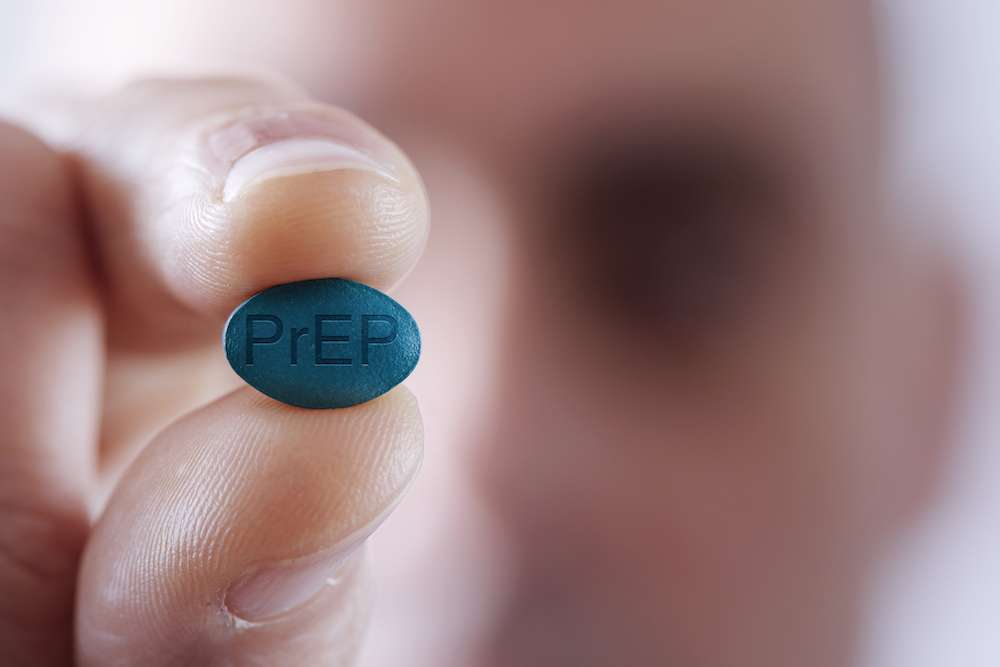
    An increase in the number of IV drug users infected with HIV in Philadelphia has spurred the city’s health department to train medical providers in the use of pre-exposure prophylaxis (PrEP), a pill that can prevent HIV infection.

    An op-ed piece in the Philadelphia Inquirer suggested that making PrEP and medication-assisted treatment (MAT) available to this demographic could not only provide much-needed assistance to an at-risk population, but as the story’s author noted, would also place Philadelphia at the forefront of helping to prevent the spread of HIV among that demographic. 

    The Inquirer noted that while the overall number of new HIV cases has been on the decline since the mid-2000s, with current statistics showing that 19,199 Philadelphia residents live with HIV, the number of individuals who acquired HIV through IV drugs rose from 45 cases in 2017 to 61 in 2018.

    The newspaper also cited a study by the National HIV Behavioral Surveillance System, which linked the rise in new infections to a high number of sex workers in Philadelphia. According to the study’s findings, 51% of women with new infections and 30% of male subjects had traded sex for money, drugs or other goods.

    Coverage of the rise in cases by the Philadelphia Tribune found that city health agencies have increased education efforts regarding the use of PrEP among HIV patients. These include the Philadelphia Department of Public Health, which trained doctors in areas with high rates of HIV about talking to their patients about the medication.  

    The non-profit syringe exchange program Prevention Point worked directly with IV drug users to let them know about how to get PrEP. The Tribune piece noted that the emergency departments of Temple University Hospital and Episcopal Hospital offered screenings for HIV and STDs. 

    The city’s Federally Qualified Health Centers and many primary care physicians offer PrEP as well. If the patient is found to be HIV-positive, doctors at these hospitals, centers and practices work with the individual to begin immediate treatment with PrEP. The medication is fully covered by most health plans, and when taken under the supervision of a medical provider, has reportedly few to no side effects.

    Despite this, the Inquirer op-ed noted that many local providers and treatment centers may not be aware of the availability of MAT with PrEP for HIV. The story advocated consistent referral of the medication to not only stem the tide of new cases, but to establish Philadelphia at the forefront of such treatment.

    “These type of local emerging best practices offer a way bridging national policy, clinical guidelines, local contexts and patient choice,” wrote the op-ed’s author, Kevin Moore, who serves as director of care coordination at ARS Treatment Centers.

    View the original article at thefix.com

  • Overdose-Resistant Bathrooms Are Coming To Boston

    Overdose-Resistant Bathrooms Are Coming To Boston

    The new system can alert employees to possible overdose cases and allow them to take action before it’s too late.

    A Boston-based contractor is currently developing and implementing a system to detect overdose in bathrooms so that employees at common locations for drug use can be alerted to an overdose and intervene, according to Filter.

    The technology, which detects if a person in a single-occupancy bathroom has fallen to the floor and laid unmoving for an extended period of time, could save lives—if companies agree to adopt it.

    As the opioid epidemic rages on in the U.S., people without a safe place to use drugs have come to use public bathrooms in fast food restaurants, coffee shops, convenience stores, homeless shelters and health clinics for this purpose.

    Particularly as fentanyl contamination becomes more common, overdose cases are spiking. Busy employees are unable to keep track of how long every customer has been in the bathroom and some find themselves dealing with overdose deaths on a regular basis.

    This new system, created by John King, can alert employees to a possible overdose and allow them to take action before it’s too late. The technology has already been tested at the Boston Health Care for the Homeless Program and has been incredibly successful, according to Chief Medical Officer Jessie Gaeta.

    “We have about five overdoses a week in our facility, and since we installed John’s system none have been fatal,” said Gaeta.

    A similar system created by the Brave Cooperative in Vancouver, BC, goes a step further by using radar to calculate the breathing rates of individuals using the bathroom. This could be even more effective than King’s system due to the fact that opioid overdose can cause seizures or spasms during unconsciousness, which might render an anti-movement detector useless. 

    While health clinics and other non-profit organizations have been eager to adopt systems like King’s, selling them to for-profit businesses may be more difficult due to fears of litigation if the system fails. 

    “We live in a litigious society,” says King. “If someone goes into a bathroom with an expectation of being revived if they overdose and they die… well, businesses are afraid of being sued.”

    However, the threat of being sued may be preferable to the costs of regularly finding bodies in customer bathrooms.

    Massachusetts General Hospital Substance Use Disorders Initiative Director Sarah Wakeman believes that the ability to effectively intervene and save lives could reduce that trauma.

    “There’s definitely secondary trauma to witnessing overdoses and seeing people near death,” she said to The Atlantic. “I think it’s much more traumatizing to find someone dead in the bathroom and not be able to help them.”

    View the original article at thefix.com

  • Harm Reduction vs. Gentrification in Asheville, North Carolina

    Harm Reduction vs. Gentrification in Asheville, North Carolina

    “Harm reduction is on the front lines [of drug overdose] but we have to argue for our existence and the lives of the people we serve. That is unconscionable.”

    In August 2018, Hillary Brown received a bizarre notice from the city of Asheville. The small syringe exchange program that Brown ran three hours a week in the backroom of a bookstore was ordered to shut down within 30 days for operating an illegal homeless shelter.

    At first, 31-year-old Brown, the sole employee of harm reduction nonprofit Steady Collective in western North Carolina, thought it was a joke. Every Tuesday since 2016 the Steady Collective had visited the backroom at Firestorm Books to hand out sterile syringes, condoms, and overdose prevention supplies to people at risk for overdose and drug-related infections.

    Syringe Exchange or Homeless Shelter?

    Separated from the bookstore by a curtain, the backroom is dimly lit and bare except for a couple of red-cushioned church pews against a wall and two gray folding tables where Brown lays out the supplies. The room contains no food, no beds, no bathrooms, and no showers. People who stop by to stock up on supplies rarely linger more than five minutes. And many of them do have homes.

    Brown followed up with the notice, which had been served to the building’s other tenants as well: Firestorm Books & Coffee, 12 Baskets (a small free-lunch program operating in the basement), and Kairos West, a community center run by the Episcopal Church. All four tenants were accused of violating zoning laws having to do with the operation of a homeless shelter in the city’s rapidly gentrifying west end. A $100 per diem penalty would be levied against all tenants if the Steady Collective did not cease operations within 30 days.

    The initial notice of violation seemed bizarre, but it was only a hint of the ongoing legal battle it would spark.

    Within the 30-day grace period, the city withdrew the notices of violation from 12 Baskets and Kairos West, leaving Firestorm Books and the Steady Collective to face the legal hurdles alone.

    Remarkably, Firestorm Books, which could have easily saved itself by asking the Steady Collective to stop coming on Tuesdays, chose to dig in for a fight, risking its 10-year business history and the livelihood of its four employees.

    Beck, one of Firestorm’s co-owners, explains that the Firestorm team see themselves as “community organizers first and business people second.” Throwing a community nonprofit out to save their own skins would run counter to their business and personal ethos.

    Lucky for Firestorm and Steady Collective, local attorney John Noor offered to take the case pro bono. Noor has worked the case since September and helped secure meetings between city management and the Steady Collective.

    Attracting the Wrong Kind of People

    According to Brown, during one meeting to make the case for why a small once-a-week syringe exchange should not be classified as a homeless shelter, a city official commented: “It’s less about what you do and more about who you serve.”

    Brown considers this a rare—and likely accidental—moment of honesty. The city wasn’t arguing against the need for the program or its efficacy. (There are mountains of evidence that point to syringe exchange programs as safe and effective for reducing bloodborne disease transmission and overdose death). And Asheville is in desperate need of help. Its surrounding county, Buncombe, has one of the highest overdose rates in western North Carolina. The Steady Collective, one of the few programs in the city that attempts to mitigate the overdose crisis, reported 719 successful overdose reversals since 2016—no other program in the county can claim those results.

    But as the city official admitted, it’s not about what the program does. It’s not about science or results or lives saved or providing resources to a population in desperate need. No, the city’s concern is the program attracting the “wrong kind” of people to a rapidly gentrifying part of the city; the eyesore of folks who might look homeless gathering on a street that is trying hard to look hip. And the fear of what “those people” might bring.

    Asheville’s tactics mirror similar efforts by other cities and states, including Los Angeles, Charleston, Claremont, and Lawrence County, to shut down syringe exchanges. “Zoning violations” are a favorite tool, as are concerns about discarded needles (a problem that can be addressed through syringe disposal bins) and policymakers’ personal discomfort with the idea of harm reduction.

    “At a time of crisis we are having resources taken away,” says Brown. “Harm reduction is on the front lines [of drug overdose] but we have to argue for our existence and the lives of the people we serve. That is unconscionable.”

    Fighting City Hall to Help Drug Users

    Earlier this month I traveled to Asheville to witness the state’s largest legal battle over syringe exchange with my own eyes. The day I visited, Brown and a volunteer were in Firestorm’s backroom riffling through bags of packaged syringes, condoms, Band-aids and naloxone, a medicine used to reverse opioid overdose.

    Although Brown remained calm throughout our interview, the past few months of legal battles have taken an emotional toll.

    “What is really exhausting is to hear [the city] debate people’s dignity,” Brown said. The legal process “has undone me in ways I wasn’t prepared for.”

    Brown described the frustration of having people come into the exchange crying over the loss of a loved one to overdose who “can’t talk about the loss [outside the harm reduction program] because they are engaged in a criminal activity.”

    And the whole process hasn’t exactly occurred in the open.

    “The city of Asheville wants to talk behind closed doors and go through their rules. They don’t want the public to know [what they are doing],” said Brown.

    In March, after months of legal wrangling, the city finally made an offer: the Steady Collective could operate under the classification of “medical clinic” if they kept a physician on site during all hours of operation.

    Brown described the offer as a slap in the face. The tiny exchange can barely afford a single employee to run operations. To pay a supervising physician—when the only real task is to hand out non-prescription supplies from the back of a bookstore—is a non-starter. (Notably, the Steady Collective operates another exchange on Wednesdays out of a church in a non-gentrifying part of town; the city has not required that location to keep medical personnel on site.)

    Thanks to legal help, the Steady Collective was able to counter the offer and settle for an agreement to keep a nurse on site. They are the only syringe exchange in the state with such a requirement.

    The day I visited, Vanessa Bourgeois was the on-site nurse. Bourgeois works weekends at a local hospital but volunteers on Tuesdays for the Steady Collective where she puts packets of syringes and condoms in plastic bags and hands them across the table to participants—hardly work that requires a nursing license.

    The absurdity of the predicament is not lost on her.

    “This is not a situation that needs a nurse,” she says bluntly. “Harm reduction is appropriate for laypeople.”

    Though she is happy to support the Steady Collective’s work, she denounces the city’s actions as “part of the narrative to make people who use drugs seem dangerous or scary.”

    Because Bourgeois volunteers her time during exchange hours, the Steady Collective and Firestorm Books are no longer under threat of being shut down. But to Brown, their work is far from over.

    Asheville Impedes Harm Reduction Efforts

    Asheville, a city often touted as one of North Carolina’s “most progressive,” has shown little evidence of progressive thinking towards drug users in any of its major government facilities. When North Carolina legalized syringe exchange in 2016, Asheville police responded aggressively, ripping up the ID cards that syringe exchange participants are required to carry by law.

    In 2018, Mission Hospital, the largest medical facility in Asheville, implemented a draconian policy against drugs users: If any patient is suspected of IV drug use, regardless of the medical condition for which they are being seen, hospital staff will confiscate their electronic possessions, refuse them visitors, and keep a staff member in the room at all times to supervise them.

    And the City of Asheville Planning Department has not given up their war on harm reduction. The city plans to write syringe exchanges into the zoning code, which would allow the city to impose restrictions on their locations. Brown believes fighting against such legislation is “the most important issue facing harm reduction in the state” and urges other programs not to be complacent.

    Asked what the Steady Collective would do differently if faced with the situation again, Brown says that the organization would be more aggressive about raising public awareness of the city’s actions and mobilizing people to fight back. At the time, the concern was that drawing too much negative attention to the city would disrupt the negotiation process. But now Brown sees that there was never much negotiation to begin with.

    To other harm reduction programs facing similar threats, Brown advises: “Be more vocal about the process. Invite other people in. Organize the community to fight back. Mobilize medical professionals and faith leaders.”

    North Carolina accomplished a great feat when it legalized syringe exchange programs in 2016. But the real work still lies ahead. We still live in a world that stigmatizes and devalues the lives of people who use drugs. Until this changes, every harm reduction program in every community is at risk. People who use drugs and their allies must stick together. Stay vigilant. And be ready for the fights when they come.


    Maribel Lopez and Hillary Brown at the church location

    View the original article at thefix.com
  • Opioid Vending Machines Proposed By Health Expert

    Opioid Vending Machines Proposed By Health Expert

    The safe supply program has already secured a $1.4 million federal grant. 

    Can a free supply of “safer drugs” help push back rising rates of drug overdose and death? What if they were dispensed by high-tech vending machines?

    A leading Vancouver-based public health expert is pushing this proposal, faced with the challenge of reducing drug-related harms among the drug-using population in Vancouver, Canada’s Downtown Eastside—described as “one of North America’s densest populations of injection drug users”—and beyond.

    Today’s illicit drugs pose a new challenge for public health officials like Dr. Mark Tyndall. According to the BC coroner, in 2018 fentanyl was detected in 4 out of 5 illicit drug deaths in British Columbia. “The plight of people using drugs didn’t change four years ago. The drugs they’re using changed,” Tyndall said in a new interview with Wired.

    Pre-approved participants who have proven that they are chronic drug users and have obtained a doctor’s prescription can access the opioid vending machines with a biometric scan of the veins in their hands to confirm their identity. They must undergo regular urine tests to prove that they are taking the drugs.

    While Tyndall, a long-time public health advocate and former executive medical director of the British Columbia Centre for Disease Control (BCCDC), has already secured a $1.4 million federal grant for the BCCDC from Health Canada to test his safe supply program—giving a regular supply of hydromorphone pills—the national health agency is still reviewing his vending machine proposal.

    Safe supply programs already exist throughout Europe, and some Vancouver clinics are testing this idea as well. Some require daily visits to the clinic to get the daily dose. But under Tyndall’s proposal, participation in the free-opioid program would not need to happen under medical supervision. The key to Tyndall’s plan is that participants may access the drugs and use them without going to a designated clinic.

    While creating designated spaces for supervised drug consumption (also known as supervised injection facilities) have helped prevent drug overdose deaths and given people easy access to treatment options, Tyndall says there is still a segment of the drug-using population that will not step foot in such a place. 

    “We’re acknowledging people will go to any extreme to use this drug. To tell them not to use because it’s unsafe is ridiculous,” said Tyndall.

    Insite, North America’s first official supervised injection facility, is just one of several such sites throughout Canada.

    Tyndall says no matter what his detractors say, it’s all about keeping people alive. “To me, its only ethical,” he said.

    View the original article at thefix.com

  • Marijuana as Harm Reduction: Chip Z'Nuff on the Medical Promise of Cannabis

    Marijuana as Harm Reduction: Chip Z'Nuff on the Medical Promise of Cannabis

    The movement was a pro-pot culture crusade—a coming out for stoners in the entertainment industry that had everything to do with harm reduction principles.

    The first time I grasped harm reduction for drug addicts (the idea that abstinence isn’t feasible for everyone so we’d better find a way to reduce mortality and damage), I was 35 and sharing a joint with two other writers—a decades-clean speed freak and a 12-stepping alcoholic. As for me? Everything, but heroin and pharmaceutical amphetamines have caught me the hardest (knock on wood that they’re never dethroned). Mid-joint, one of them asked me if I thought other people smoked as much as us.

    Not unless they’re avoiding something else, I said. Puff puff pass.

    The first time I experienced harm reduction, though, I was 19 and playing fly-on-the-wall in a rock star’s dining room. It was 1994 on the Irish south side of Chicago. I’d moved into a teenage crash pad where rumor was Enuff Z’nuff—a late eighties Chicago scene staple gone national; a band whose glam exterior lumped them in with acts like Poison and Skid Row while their vibe and melodies telegraphed Cheap Trick and Beatles—lived on the corner. After several weeks of reconnaissance to ferret out exactly where they lived, I was sent to ask them—the rock star strangers—for beer.

    They turned out to be Chip Z’nuff, singer, bassist, and original founding member of the band. He answered through an open screen door in his signature rasp: Well I don’t really like alcohol. It’s not good for you, but do you want to get stoned?

    Today, when I remind him of the exchange, he laughs a little.

    “Good,” he says, “I must have been in a good place then.”

    It’s been 25 years since I saw Chip Z’nuff and I’m a card-carrying medical cannabis patient now, a chronically sad trauma survivor with years of hard drug abuse and sobriety behind me. Spurts of hyper-sexual behavior and paranoia keep my psychiatrist and I discussing a secondary bipolar diagnosis, but we’re also not convinced I’m not just an analytical exhibitionist. All I had before was the trauma.

    I’ve come to talk with Chip about weed and advocacy, his stance on medicinal usage of marijuana.

    Illinois’ medical cannabis pilot program is in a growth phase. On his way out, Governor Bruce Rauner opened up access to include those Illinois residents who have been prescribed opioid medications, and new Governor J.B. Pritzker campaigned in no small way on the promise of bringing recreational marijuana to the Land of Lincoln.

    It’s a sunny Friday afternoon in Blue Island, still on Chicago’s south side but with a Hispanic flavor. Hilly in places, it sits on a channel of the Calumet River. Appropriately, a calumet is a North American peace pipe.

    I’m a Cannabis Cup judge for High Times Magazine,” Chip says. We’re talking at his kitchen table about his longstanding, loud but peaceful weed advocacy. “They would always pick celebrities—musicians, rockstars, whatever you want to call it—and we’d fly over to Amsterdam and judge the marijuana in the different coffee shops. Whoever had the best shops and best pot would win. So I would go out there, and I did it with a bunch of different guys—Anthrax, Sebastian Bach, Patti Smith, a lot of cool artists—wanting to be a part of the movement because it was so powerful.”

    The movement was a pro-pot culture crusade—a coming out for stoners in the entertainment industry that had everything to do with harm reduction principles.

    “I got signed when I was about 25. My manager at the time was a guy named Herbie Herbert. He used to manage Journey, Roxette, Mr. Big, Steve Miller—bands that were all successful and sold millions of records. He used to tell me about growing up around the marijuana industry. He came from San Francisco and said that a lot of the artists were switching from alcohol and cocaine to pot, because it was easier on you. [The artists] seemed to feel better, were giving better shows and it wasn’t taking a toll on their bodies. Then I started reading up on pot and [Herbie] started teaching me about the medicinal stuff, the difference between CBD and THC. The guy was a genius. A six-trick pony. So I started studying up on it. [Medical cannabis] was a wave of the future that my manager knew about 20 years before it happened.”

    The current zeitgeist and loosening laws have everything to do with those years. The nineties, in turn, had been a response to the previous decade. Reagan’s drug war propaganda failed to differentiate between cocaine and cannabis—it was all the same enemy in the ads—but the crack epidemic made it clear that some drugs take a heavier toll on users than others. The public rejected the false equivalence. While celebrities rated weed in Amsterdam, Dazed and Confused announced Hollywood’s new stance on pot, hip hop culture flowed into the mainstream, and the leader of the free world quipped that he “didn’t inhale” live on television.

    In 1994, I was an undiagnosed ball of anxiety. I was a Lollapalooza Kid—a subset of Generation X that raved, rocked, and Rainbow Gathered in tandem while digging on Wu-Tang Clan and dancing to Front 242. I lived in a two-bedroom apartment where four, sometimes five of us slept on Tetris-ed floor mattresses in one room. Occasionally a ska band slept over. I was sexually assaulted in that place twice—once by a visitor, once by a roommate—and my only suicide attempt happened there as well.

    This is why I remember so many details of my quick stint (just a few months) as Chip’s neighbor. Because the kind of damage that writes books and overdoses was going down. But sitting at his table at age 43, interviewing my old friend for an article on reducing harm, these aren’t the things I remember.

    I’m recalling peace signs everywhere—it’s a part of their logo—and a Jane’s Addiction poster on one of the walls. Soft light. Warm skunk smoke hanging above everyone’s heads and a white cat with a full tail I used to pet while I watched the stream of strippers, strummers, and random hangers-on getting high. There were no hard drugs there. Just weed. And music.

    Chip’s voice is still raspy, and he’s talking about the medicine in marijuana.

    “Is it for everybody? I’m not so sure it is. I know from personal use and watching people around me, though, that alcoholics who start using it have gotten off of alcohol. That’s a great thing right there. Some people just can’t be on anything because it triggers other stuff. But anybody who’s sick, who has a debilitating illness, I think deserves to have the right to take cannabis.

    “I’ve got a friend of mine and she had MS,” he says. “She’d go through these tremors. She had problems speaking too. One minute she would be talking, then you couldn’t understand anything she was saying, but if she took a couple hits of pot she could speak so eloquently and perfect—it really helped her in a lot of ways. You can get on the internet and take a look at these success stories of people who have gone through terrible, terrible moments medicinally and have found a different way than what the doctors were prescribing to them. They turn their lives around and they owe it to marijuana in some capacity. I see that and go, ‘There’s a reason that God provides this plant for us on the earth. It wasn’t just to look at a beautiful plant.’ Is it for everybody? No. But for most? I say, could be.”


    What’s your stance on medical (or recreational) marijuana? Let us know in the comments!

    View the original article at thefix.com

  • Legal Battle Over Safe Injection Site Could Be Game Changer For US

    Legal Battle Over Safe Injection Site Could Be Game Changer For US

    Safehouse is engaged in a historic legal battle with the government over their attempt at opening the country’s first safe injection site.

    The outcome of a legal battle over whether to open the nation’s first supervised injection facility (SIF) rages on in Philadelphia. The result could influence other efforts to do the same elsewhere in the U.S.

    In February, Pennsylvania prosecutors and the federal Department of Justice filed a civil lawsuit attempting to stop a local non-profit organization, Safehouse, from opening SIF locations in Philadelphia.

    They cite the “crack house statute” under the Controlled Substances Act, which made it a crime to “knowingly open, lease, rent, use, or maintain any place, whether permanently or temporarily… for the purpose of unlawfully manufacturing, storing, distributing, or using a controlled substance.”

    In response, Safehouse is countersuing the government in federal court. They argue that the “crack house statute” does not apply to SIFs. “Safehouse is nothing like a ‘crack house’ or drug-fueled ‘rave.’ Nor is Safehouse established ‘for the purpose’ of unlawful drug use,” stated Ilana Eisenstein, a lawyer for Safehouse.

    They argue that SIFs are less about drugs and more about providing a medical service. By giving people a safe place to use under medical supervision rather than alone on the street, SIFs save lives. Another important feature of SIFs, proponents say, is that they offer access to treatment and support. 

    “If you find a place that accepts the fact that you’re going to be consuming drugs and still offers you services in a non-judgmental way, you’re going to start to trust them,” says Ronda Goldfein, vice president and co-founder of Safehouse. “And once there’s a trust relationship, you’re more inclined to accept the range of treatment they’re offering, which includes recovery.”

    Safehouse also cites the Religious Freedom Restoration Act of 1993 in its countersuit. “[This] service is an exercise of the religious beliefs of its Board of Directors, who hold as core tenets preserving life, providing shelter to neighbors, and ministering to those most in need of physical and spiritual care,” stated Safehouse lawyer Eisenstein.

    Seattle, New York, Denver, Maryland, Maine and more are also considering opening supervised injection facilities, as opioid abuse and overdose have become increasingly problematic throughout the country.

    William McSwain, the U.S. Attorney for the Eastern District of Pennsylvania who is suing Safehouse, says the outcome of the legal battle could have a ripple effect across the U.S.

    “This is something that I think people will be looking at as, in a sense, a test case that will have implications in other districts,” he said.

    View the original article at thefix.com

  • Could The Nation's First Supervised Injection Sites Be Coming To Maine?

    Could The Nation's First Supervised Injection Sites Be Coming To Maine?

    Maine’s bill would allow two facilities in the state and create a half-mile “tolerance zone” around each location, where individuals cannot be arrested for using drugs.

    Maine officials held a public hearing Monday to consider a bill that could establish the first safe injection sites in the country. The bill, called “An Act to Prevent Overdose Deaths,” would certify two facilities to “provide safe and secure locations for people to self-administer drugs,” according to FOX 23.

    A number of local governments across the U.S. have considered opening “safe injection sites” or “supervised injection facilities” (SIFs) where individuals can safely use illicit substances with clean equipment and under the supervision of trained medical professionals, without the threat of arrest.

    The philosophy behind these facilities is that people will use drugs one way or another, and giving them a safe space to do so prevents overdose deaths and the spread of HIV and hepatitis C. At the same time, medical professionals on site can offer recommendations for addiction treatment and other health issues related to drug use.

    Places like Maryland, Seattle, San Diego, and Philadelphia have also considered opening safe injection sites. But the process has been slow going, not to mention the threat of legal action from the government. 

    Most recently, the Philadelphia non-profit Safehouse was sued by state prosecutors and the U.S. Department of Justice to stop the opening of the city’s first SIF.

    The legal challenge is based on a section of the federal Controlled Substances Act which intended to close “crack houses” in the ’80s. The ruling on the Philadelphia case is expected to determine the future of SIFs in the country.

    Meanwhile, the first of these sites in North America launched over 15 years ago in Vancouver, Canada. According to the BC Coroner’s Service spokesman, Andy Watson, there has not been a single death reported at any SIF in the province since they opened. At the same time, new HIV cases among people who use injection drugs have fallen by 86% since 2005.

    Maine’s bill would allow two facilities in the state to act as safe injection sites and create a half-mile “tolerance zone” around each location, where individuals cannot be arrested for using drugs. Said facilities would also gather and report demographic data and other information, which would be used to determine if additional sites should be opened.

    According to Maine Public, no one at the Monday hearing spoke against the bill, but “supporters acknowledged that safe injection sites would violate federal law.” So far, it does not appear that there are any legal challenges to this specific bill.

    View the original article at thefix.com