Tag: hydrocodone

  • Hydrocodone detection times

    Hydrocodone detection times

    Hydrocodone is most likely to be found on a drug test if you’ve taken it within the last 24 hours. After that, the amounts in blood and urine are low enough that many labs won’t pick up on them.

    Here, we’ll look more at how hydrocodone is metabolized and how it stays in various bodily systems. Keep in mind that hydrocodone narcotic addictive and can lead to side effects hydrocodone withdrawal, even when used as prescribed.

    If you feel that you have lost control over your Norco use and drug seeking behavior, and want to get better…but you are worried about what happens when you finally seek help, you can learn more in this GUIDE on Norco (hydrocodone) addiction treatment programs and help. Your questions about hydrocodone use and detection are welcomed at the end.

    Main hydrocodone uses

    Hydrocodone is used to treat moderate to severe pain. Hydrocodone works by changing the way the body and brain respond to pain; it also affects the part of the brain that controls the coughing reflex, which is why it’s so useful in prescription cough syrups.

    How do you take hydrocodone?

    Hydrocodone is usually administered in pill form, and is only available in combination with other non-narcotic painkillers. These include acetaminophen, and aspirin. Sometimes hydrocodone is used as an active ingredient in cough syrups. However, hydrocodone is usually taken orally, both for medical and illicit purposes. Many people may take hydrocodone in combination with alcohol, which can be extremely dangerous and raises the risk of serious adverse effects.  And you should always take hydrocodone as prescribed.  Can you die from hydrocodone?  Yes, especially when you take hydrocodone more often, in higher doses or in ways other than prescribed (snorting, inhaling, injecting, etc.)

    Peak levels and half life of hydrocodone

    The half life for hydrocodone in the typical adult is just under 4 hours. In fact, hydrocodone reaches its peak level in the blood after about 1.3 hours. The amount in someone’s system will vary on the kind of medication they’ve taken: hydrocodone as a painkiller or anti-tussive cough medication.

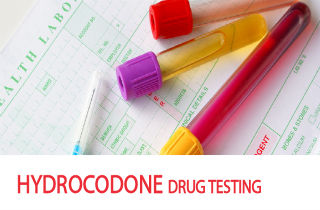
    Hydrocodone drug testing detection times

    Hydrocodone is metabolized fairly quickly in the body. It’s difficult to detect hydrocodone in someone who isn’t a heavy or habitual user, especially after 24 hours or more. However, hair sample testing may detect the drug hydrocodone for up to a few months after the last dose. More on the types of drug testing for hydrocodone here.

    Hydrocodone detection time in blood

    Because of its short half-life, hydrocodone is unlikely to be detected in the blood after about 24 hours. A blood test would mostly be useful in cases of medical emergency, impaired driving, or any other situation where there’s reason to believe someone is currently under the influence of hydrocodone.

    Hydrocodone detection time in hair

    Hydrocodone can be detected in hair. Hair testing for hydrocodone can usually uncover substance abuse that occurred several weeks before, a time frame during which urine tests will no longer be accurate.

    Hydrocodone detection time in urine

    Hydrocodone reaches its peak concentration in urine after about 8 hours. At that point, levels of hydrocodone in urine begin to taper off. Depending on the dose taken, hydrocodone may only be detectable for 6-24 hours after taking the drug.

    Hydrocodone and addiction

    Like all opiate medications, hydrocodone is addictive. Hydrocodone addiction is characterized by drug craving, in spite of negative life consequences and even when the drug is out of your system. Even if you don’t get addicted to hydrocodone, users can easily develop a tolerance to hydrocodone, leading them to take hydrocodone in progressively larger doses to achieve original effect. Hydrocodone also fosters a physical dependence, even in people who are using it for legitimate medical reasons like pain management. People dependent on hydrocodone experience withdrawal when they lower dose or stop taking hydrocodone completely. Hydrocodone cannot be stopped abruptly without causing cravings and physical side effects and you should always detox from hydrocodone under medical supervision.

    Problems with hydrocodone?

    If you think that you have a problem with hydrocodone, you probably do. If you’re addicted to narcotics, there are support groups and medical treatments available to help. If you’re a patient with a hydrocodone prescription and you’re having to take large doses for pain relief, speak to your doctor about adjusting your dosage or trying a different medication. If you’ve developed and dependence on the drug, but want to quit, your doctor can help you slowly wean yourself from the drug.

    Hydrocodone detection questions

    Do you still have questions about the detection time for hydrocodone or how long hydrocodone stays in your system? Please leave your questions here. We try our best to answer all legitimate questions about hydrocodone with a personal and prompt response.

    Reference Sources: PubMed Health: Hydrocodone
    Forensic drug testing for opiates

    Wisconsin Crime Laboratory System: Toxicology

    View the original article at addictionblog.org

  • How long does hydrocodone withdrawal last?

    How long does hydrocodone withdrawal last?

    Thinking about quitting hydrocodone?

    Developing a dependence on hydrocodone is common and even expected by doctors.  Why is cutting back so difficult? What happens when you stop taking hydrocodone?  Hydrocodone affects the central nervous system and smooth muscle tissue and can changes the way we perceive pain and might induce a change in mood.  But this action, while efficient, can also cause us to experience withdrawal symptoms when we quit or cut back.

    General onset of withdrawal symptoms occurs within a few hours after hydrocodone effects wear off. But is you’re asking, “Hydrocodone withdrawal symptoms – how long?” know this: the length of time until withdrawal stops can vary from weeks to months later. More here about how long hydrocodone withdrawal lasts. And we invite your questions about hydrocodone withdrawal at the end.

    How long until hydrocodone withdrawal starts?

    Once you have decided to stop taking hydrocodone, withdrawal symptoms can start as early as a few hours after the effect of hydrocodone has worn off. The most common symptoms of withdrawal from hydrocodone include:

    • cold sweat and chills
    • diarrhea
    • drug craving
    • irritability
    • sleep disturbances
    • mental swings

    How long do hydrocodone withdrawal symptoms last?

    Hydrocodone withdrawal usually peaks around 72 hours after last dose and resolve within 7-10 days after last use. Symptoms of hydrocodone withdrawal can last anywhere between a few days to several months after you last take hydrocodone. The harsher, acute effects of withdrawal should resolve within about a week after last dose. However, people have reported insomnia, mood swings, and drug cravings long after hydrocodone detox has occurred.

    Hydrocodone withdrawal timeline

    As mentioned earlier, hydrocodone affects people differently. Symptoms of withdrawing from hydrocodone will change from person to person. But in general, if you taking hydrocodone for medical reasons in doses as prescribed, symptoms of withdrawal tend to be less intense than someone abusing the medication or taking higher doses than prescribed. Note also that it can take days to weeks to completely remove hydrocodone from the system. It is important to note that because hydrocodone is an opioid, withdrawal symptoms can be delayed. Therefore, it may take several weeks to months to no longer feel the effects of withdrawal symptoms.

    24-72 hours hydrocodone withdrawal – General onset of symptoms can manifest shortly after the drug has worn off and linger for up to a few months after the medication is totally out of the system. It is during this time and especially during the first 72 hours that withdrawal symptoms peaks, which include: mood changes, sweats, diarrhea, extreme drowsiness, stomach pains, and abnormal skin sensations as well as possible respiratory depression.

    Week 1 hydrocodone withdrawal – In the first week after stopping hydrocodone, symptoms of withdrawal tend to be the worst. Symptoms from the first onset diminish a bit and even out. However, during this phase of withdrawal symptoms can include continued irritability, waves of intense craving, depression, and exhaustion.

    Week 2 hydrocodone withdrawal – After the first couple of weeks of stopping hydrocodone, protracted withdrawal symptoms may arise. Symptoms such as diarrhea, mood swing, irritation, insomnia, muscle cramps and back aches can surface during this phase of withdrawal from hydrocodone.

    Weeks 3-4 hydrocodone withdrawal – During this stage of withdrawal, waves of cravings and psychological dependence are still persistent.

    PAWS for hydrocodone –  Post-Acute withdrawal syndrome (PAWS) is a set of symptoms that occur right after you stop taking hydrocodone and can last several months afterwards. Sleeping disturbance, irritability, and mood swings are typical of hydrocodone use and these symptoms can linger for weeks to months after your last dose of hydrocodone. Additionally, cravings for the drug can linger longer after you have stopped taking Hydrocodone. People suffering from hydrocodone addiction are encouraged to seek help in order to prevent relapse.

    Hydrocodone withdrawal: how long?

    Hydrocodone affects each person differently depending on the dosage and how long you have been taking hydrocodone. In other words, each withdrawal period is unique to the person taking hydrocodone. Additionally, various health concerns need to be taken into considration during hydrocodone detox. This is why experts always recommend medical supervision during any chemical or drug withdrawal.

    How long hydrocodone withdrawal questions

    Did we answer your question(s) about hydrocodone withdrawal here? If you have any more questions regarding withdrawal from Hydrocodone please ask. We do our best to respond to your questions personally and promptly.

    Reference Sources: PubMed Health: Hydrocodone
    Utah Department of Human Services: Opioids
    Medline Plus: Opiate Withdrawal:

    View the original article at addictionblog.org