Tag: mid-range

  • Zion Recovery

    More than anything, survey respondents raved about the individualized treatment approach: “It was about focusing your energy toward what was good and positive and meaningful for each individual.”

    Zion Recovery makes it clear from the get-go that its approach to recovery is rooted in spirituality and that they are not like other treatment centers. In their unique approach, they consider each participant a “Student of Recovery” whose purpose in treatment is to attain the “tools, education, and spiritual connection” necessary to resolve their issues. Zion strongly believes that combining spiritual-based principles with the traditional 12-step program provides more effective treatment for addiction and mental health conditions than typical treatment centers. Part of that spiritual foundation comes from from the serenity of the canyons found at the gateway to Zion National Park, where the facility is located.

    Executive Director Robert Beatty has personal experience with addiction. He built Zion Recovery nine years ago after finally discovering a path to recovery.

    “I have a personal knowledge of the pain and destruction caused by addiction,” he says. “I watched it destroy my family, my spirituality and my life. I made a decision nine years ago to turn my life over to the care of God, and get busy living.”

    In addition to addiction, Zion Recovery offers inpatient treatment for depression, chronic pain, PTSD, and trauma. They also offer intervention help and other family services. Treatment includes equine/adventure therapy — Beatty is an avid mountain climber himself. They also offer alternative modalities such as Theta Healing and Whole Body Light Stimulation.

    Most alumni who responded to our survey entered the program for addiction disorders, with a couple seeking treatment for chronic pain. Fellow patients came from a range of income levels, professions, and age groups from their 20s to their 50s.

    “We were of multiple religions, backgrounds and occupations,” wrote one respondent. “We all had occupations and family situations that were unique, yet very similar aspects that brought us here. It felt as if we all gave enough of a damn to show up.”

    Some residents had a private room and others had roommates, but dividers were available for privacy. Living areas were described as “spacious” and beds as “comfy.” Daily life was described as structured with many activities available in addition to multiple educational sessions, group meetings, and therapy. Though residents are expected to keep their living areas clean, there were “no chores unless you asked for them.”

    Amenities and activities at the Zion Recovery include “Yoga, equine therapy, individual therapy, group educational meetings about the 12 Step Program, Pool in summer months.” One former resident appreciated that there was “Plenty of acreage to be able to be outside and enjoy the beautiful scenery.” They even took a memorable trip to the Grand Canyon, which was “magnificent.” A full gym is available, as well as a sauna and hot tub, plus a pool in the summer months. A trainer is available a couple times per week.

    Alumni generally rated the food at the retreat highly. Healthy eating is emphasized, with portion control and minimal sugar. Zion Recovery has a dedicated cook who makes all the meals and snacks “like moms make.” Snacks are always available, from chips to fresh fruits and vegetables. One former resident loved the “crock pot meals” and enjoyed eating with the staff “like a big family.” Another described “world class smoothies,” and while one respondent did not enjoy the pot roast, overall the food was described as good healthy home cooking.

    When it comes to phone and internet access, most alumni reported being able to use the phone daily during free time. One alum appreciated a break from their phone, saying “I needed to get away from all that stuff, old friend, Facebook, Instagram, too much drama.” Others said that there was limited access to the internet or that online time had to be scheduled in advance. TV is available for watching in the evenings and in between classes if there’s time.

    Rules are described as “common sense” and easy to follow. In fact, more than one alum reported that they weren’t aware of any infractions at all. Those who did noted that staff was very calm and respectful in how they handled it, with small violations being met with warnings. More serious infractions are handled privately between the resident and staff.

    “I was never put down or made to feel bad, but I would walk through what I did [and] they helped me to take responsibility and that was just what I needed,” said one person.

    Treatment at the center was generally described as more permissive rather than staff taking a “tough love” approach. Alumni described a structured atmosphere where they were encouraged to go outside their comfort zones, but nobody is forced to get better if they don’t want to. “It was about focusing your energy toward what was good and positive and meaningful for each individual.”

    There are medically-trained staff on site, and doctors who demonstrated “excellent care and concern” are “available as needed via TeleMed Video chat.” Most respondents rated the doctors and nurses highly, praising them for their understanding and individualized, “no cookie cutter treatment.” Another was grateful and credited staff for discovering a heart condition and saving their life. On the other hand, one client was unhappy with the sleep medication they were given while in treatment.

    Zion Recovery uses a 12-step program, and former residents report that although spirituality is emphasized, it is not specifically religious. One alum described it as “Not Religious, but Spiritual, based upon each student’s beliefs and experiences regarding Spirituality or Higher Power.” Those who wanted to attend religious services were accommodated: “Utah is mostly LDS, so church services are offered if that is desired.”

    More than anything, survey respondents raved about the personalized treatment approach that avoided one-size-fits-all solutions that had failed them in the past. One former resident was allowed to bring their dogs when they couldn’t find a place for them to stay, and others enjoyed working with Robert Beatty himself.

    “Robert is the only one that has been able to actually teach the Steps to me in a way I related to,” wrote one alum. “He taught us individually as needed as well. He does take a faith-based approach, but tailored to each student’s experience with their own spirituality.”

    Most of the alumni who took our survey report that they are still clean and sober since leaving Zion Recovery, attributing their success to what they learned while in treatment: “I have such a huge tool-box of sober living strategies I developed during my stay,” said one alum. Another agrees: “Going there was one of the best things I’ve ever done and the tools and inspiration I received there have helped me in faith, family, finance, and fitness.”

    To learn more about how we create Rehab Reviews, click here

    Read more Rehab Reviews

    Read more Rehab Reviews

  • Sober Partners

    This Huntington Beach rehab strives to make recovery accessible and fun, using creative and innovative solutions. Non-treatment hours are filled with beach-related activities such as surfing, fishing, and volleyball.

    Located just two blocks from the shore at Huntington Beach, Sober Partners offers residential drug and alcohol treatment in a comfortable and relaxed setting with a “beach community vibe.” Treatment is personalized, including gender- and age-specific programs, an executive track, and support for dual diagnoses. In addition to inpatient rehab, they also offer an outpatient program, aftercare, detox, intervention, a 1-on-1 intensive track, and more. All clinical staff hold advanced degrees. Sober Partners prides itself on making sobriety accessible and fun, striving to “tackle the drink and drug problem in an innovative and creative way.”

    Sober Partners alumni who took our survey reported a variety of factors that were most important to them in choosing this facility, but treatment quality and location topped the list. Length of stay varies from person to person with most staying for 30 days, but others for 60 or 90 days. 

    Alumni described their fellow residents as varying in age, income, and drug of choice. They ranged “…from wealthy to having nothing to their name,” with the majority described as “white-collar” and “upscale” young professionals ranging in age from early 20s to 40s, and recovering from a variety of substances including opiates, meth, and alcohol. One common theme was that residents were “serious about recovery and treatment,” although one client felt their peers were “too high brow for me.”

    According to alumni, life at Sober Partners is “very structured.” As one former resident recalled, “Staff kept us on a tight schedule because it’s not good for addicts to get bored.” 

    A typical weekday at Sober Partners starts with breakfast (and any prescribed medications), followed by “various types of groups always starting with some sort of meditation/reflection to set the tone for the day.” Lunch is served at noon, followed by another group. While groups and treatment make up much of the day, clients are kept busy with other activities as well. The remainder of the afternoon is spent enjoying one of the center’s many recreational activities such as getting a massage or working out at the gym. 

    “We were educated on the benefit of a balanced lifestyle that incorporated exercise and building relationships with our peers,” one alum said. On weekends, mornings follow the same schedule as weekdays, but in the afternoon “we would do a group activity that showed us that we could have fun in sobriety.” In addition to the aforementioned activities, clients can participate in beach and water-related recreation including volleyball, fishing, and surf or scuba lessons. Clients also mentioned outings to go hiking and shopping. “Everyone was encouraged to stay active.”

    The newly remodeled accommodations are very comfortable, according to alumni. One resident who had previously been to other treatment facilities felt the facility was “nicer than I was accustomed to.” Some residents had roommates while others had private rooms. Everyone was expected to keep their rooms and the common areas clean and tidy, and follow “house rules.” Sober Partners is pet-friendly.

    Mealtime was described as a “family-like atmosphere,” where staff and clients cook and eat together. Teaching the residents to prepare meals is part of life skills training. One person observed that “Some clients seemed to come from privilege and didn’t even know how to cook for themselves.” Meals were described as “Healthy, but tasty,” and there was always more than enough to eat. Burgers, barbecue, pizza, and salmon were a few of the popular items. One alum who praised both the chili and the meatloaf (favorites for many) liked everything and “couldn’t wait for the next meal.” Another “didn’t care for the tofu burgers.” For those with specific dietary needs, there is “enough choice for everyone.” Coffee and snacks are always available. 

    When it comes to dealing with infractions, staff practiced “firm but not tough love, more enlightened than that.” All respondents spoke highly of staff, saying they were “caring, fair and professional.” Clients who violate rules are assessed on a case by case basis with everyone being “treated like adults.” Verbal, then written warnings could be followed by termination, depending on the severity of the infraction(s). And while one alum pointed out that staff “didn’t need to be [overly strict] as we had a group of people that were serious about getting clean & sober,” another described them as “no nonsense, they will kick you out if not serious.” One resident indicated that a verbal warning was usually all that was necessary and that problems could be turned into learning opportunities: “The conversation ended with more insight into how important changing behaviors was in recovery.” 

    Phone use is restricted for the first seven days, after which clients are allowed one call per day. If a client wishes to make additional calls, it is contingent upon case manager approval which is usually granted…“as often as needed but not excessive.” TV is allowed in common areas or bedrooms at the end of the day after groups are completed. Using phone and internet for work while in inpatient treatment is highly discouraged. “They wanted to have individuals maintain their attention on their recovery by staying present,” said one alum. Once patients move into partial and intensive outpatient treatment, “a lot more freedom and liberty was provided with phone and internet” to help residents transition back to regular daily life.

    Treatment consists of evidence-based approaches combined with an introduction to the 12 steps. “The program did introduce 12-step programs, and it was recommended to find some sort of self-care program to attend aftercare, however, it was not forced,” said one alum. Another described “a unique, broad-based approach.” Staff were “up to date on addiction treatment topics and procedures. Treatment is personalized, with staff “trying to find the right approach for the individual which I appreciated.”

    Religion is not part of the program, but they provide access to houses of worship. “I felt respected in regards to my personal religious beliefs,” said one former client. Another recalled that staff would “work with me where I was in regards to spirituality and didn’t strong arm me, I appreciated that approach.”

    Sober Partners employs full-time nursing staff and physicians on site who provide regular medical evaluations for all patients. The doctors were “Very helpful,” and “Well-qualified in addiction science,” although in one case, the “bedside manner could be better.” Most alumni had high praise for medical staff. “I was going through a medical detox & the doctor that treated me was fantastic!” “Love the nurses…Always there to help.”

    Overall, alumni had high parting praise and felt grateful for their time at Sober Partners. “People there became like family,” said one. “They really try to provide something you’re not going to get at other treatment centers.” Alumni expressed the most praise for the staff, who “care about the growth and wellbeing of the individuals there seeking treatment.”

    Most of the Sober Partners alumni who took our survey have maintained their sobriety since leaving treatment (with a few reporting a “slip”). One alum explained, “By utilizing the tools and developing a recovery foundation back home, I am proud to say that I have been sober for over 18 months!”

    To learn more about how we create Rehab Reviews, click here

    Read more Rehab Reviews

    Read more Rehab Reviews

  • Ardú Recovery Center

    Ardú Recovery Center

    The ultimate goal of treatment at Ardú is not just sobriety, but to teach clients how to “live with purpose and passion.” According to alumni, they’re succeeding.

    Ardú Recovery Center, located in Provo, Utah, offers individualized treatment for patients suffering from co-existing substance use disorders and mental illness while employing a holistic approach to recovery. Residents receive evidence-based therapies such as Cognitive Behavioral Therapy (CBT) and Motivational Enhancement Therapy while availing themselves of the many amenities offered by the center. According to their website, the ultimate goal of treatment at Ardú is not just sobriety, but to teach clients how to “live with purpose and passion.”

    Clients come from a variety of backgrounds and seek treatment for various issues related to substance abuse and mental illness. “One of the reasons I loved Ardú so much was because we were all from different walks of life,” said one alum. Another described fellow residents as “Mostly middle to upper class, working folks with purpose, visions, and dreams.” A number of graduates said the age range skewed young (20s and 30s), although there were also a few in their class that were in their “40’s and 50’s.”

    Daily life at Ardú is structured while providing some flexibility. Clients start the day with two hours to eat breakfast, shower, and use the gym. “It was nice having some autonomy in choosing how to spend that time,” said one resident. After breakfast, clients attend a morning meditation group followed by process groups until lunch, after which they attend more “group, activities and meetings and therapy,” including “experiential therapy every Tuesday.” 

    Clients work their way up through progressive levels (phases) as they develop the skills they will need to maintain sobriety after they graduate. As they progress, more privileges are granted. Residents attend community recovery meetings in the evening. Weekends are described as “more relaxed,” consisting of “a couple of groups, lots of activities and fun, plus family visits.” One grad appreciated visiting with family, mentioning his gratitude to Ardú for “The ability I gained as a parent to see my kids through a new perspective.”

    Most of those in Ardú’s residential program share a room: “There were 2 people to a room with 2 rooms sharing a bathroom.” Residents are expected to keep their rooms clean and help clean common areas on Sundays.

    Ardú has rules and guidelines which everyone is expected to follow. Residents generally report a fairly permissive attitude where they were “treated as adults.” Staff’s way of motivating clients is more “encouraging instead of punishing.” They are also expected to hold each other accountable. If a problem comes up, clients are expected to work things out on their own when possible. Staff are described as being “very well trained at conflict resolution,” opting for de-escalation, particularly with detox clients. One resident described “A very person-centered loving approach.” Others describe staff members as being “very fair” and “professional,” with one resident noting, “They took the time to find the ‘why’ behind my behavior and helped me change the pattern of behavior.” 

    Clients at Ardú are not allowed internet access and TV is available for viewing after 5:00pm and on weekends. TV restrictions differ for detox patients: “I was able to watch TV often but that was because I was detoxing,” said one.

    Regarding phone access, residents attain more privileges as they progress through different levels of the center’s phase system. One alum described a phone “black out period,” during their first week. After that, “Phone use was based on phase work so 2 calls the first week 3 the next then 4 and so on.” Clients can request exceptions to this rule. One person recalled: “I was allowed to call my kids every day I was there.”

    Everyone seems to enjoy the food at Ardú. Served cafeteria style, the healthy meals are always “Fresh, hot and delicious,” and described as “Gourmet,” “The bomb!” and “On point!!” with no shortage of variety: “We never ate the same thing twice. Every day was a new culinary experience.” Hearty choices like chicken parm, meatloaf and fish and chips are served as well as soups, caprese sandwiches and one client’s favorite – strawberry chicken salad with goat cheese. For those who have specific dietary needs or preferences, “The cooks accommodated every need.” Alumni also said that “Coffee, sweets, and snacks were available at anytime,” and “The refrigerator was always full.”

    Many residents reported the activities and amenities being the highlight of their stay. The center has 2 gyms and a pickleball court. They also offer fitness classes and yoga. Clients have lots of ways to relax, such as enjoying the epsom salt float spa or vibro acoustic lounge. There is also a sauna, an oxygen lounge and a cinema with comfy recliners. Sober softball games are played on Fridays and Sundays. 

    In addition to the many on-campus recreation options, Ardú makes use of their beautiful Utah location by providing weekly offsite activities with the center’s clinical director. Residents enjoy hiking, sweat lodges, rappelling and a three-day camping trip. “Everything was tied back into recovery and we processed our experiences,” voiced one alum who described the experience as “something different that I have not done in any other treatment center that I have been to.”

    Alumni described a very personalized level of care provided by Ardú’s full-time medical team. Dr. Blake, who was described as “one of the nicest caring doctor’s I’ve ever met,” by one resident “was there every day of the week and made us a priority the second we needed him.” Another client told us, “Not only did he help me with my detox and mental health, but he was able to get me back on track with all of my general medicine issues as well.” Patients also said there were “multiple nurses” onsite at all times who were able to handle patients’ needs. One client recalled: “I needed surgery while I was in treatment and that was handled perfectly.” Another summed up the general consensus: “I am so appreciative of each and every one of them and the support they showed me from the moment I met them to my last day at the facility.”

    Ardú offers clients access to various support groups in the community. One client’s impression was, “12 step is highly encouraged but not presented as the only way.” In addition to AA meetings, clients are also exposed to Refuge Recovery, Addict to Athlete, and SMART. “A little bit of everything was offered at Ardú, they really helped me find my tribe,” said one alum.

    Residents are given the opportunity to attend religious services at their house of worship or meet with clergy if they choose, but the center was not considered religious: “Not religion so much as encouragement to develop spiritually (which Ardú defines as ‘connectedness’) which I loved.” 

    Nearly all of the respondents to our survey have maintained their sobriety since leaving Ardú. One grateful former resident noted, “I’ve been clean and sober longer than I’ve ever had in my entire life.” When asked about their most memorable moments, many mentioned the 3-day camping trip and weekly outings. Others talked about the program itself. “It was completely individualized and tailored to my needs,” said one alum. 

    Others will never forget the staff members with whom they interacted: “Every single staff member was supportive and compassionate. Give Jen and Jasi a raise.” All-in-all, former residents were very happy with their experience at Ardú. A client who had been to several rehabs in the past put it this way: “Ardú seemed to be doing something different than everyone else,” and that the program “Completely surpassed any expectations that I had.”

    To learn more about how we create Rehab Reviews, click here

    Read more Rehab Reviews

    Read more Rehab Reviews

  • Santé Center for Healing

    Santé Center for Healing

    The owners of Santé Center wanted to create an addiction treatment program which prioritized the well-being of their clients over the company.

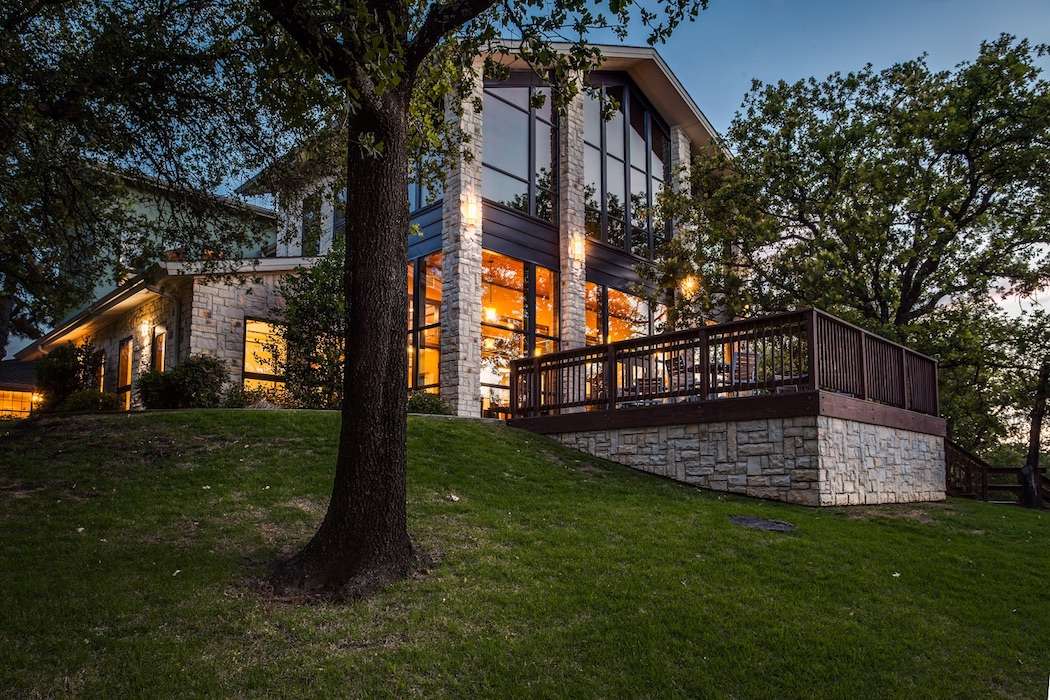
    The Santé Center for Healing, located high atop a hill in Argyle, Texas, emphasizes integrated, individualized addiction treatment that combines traditional and modern, evidence-based approaches. They offer detox, residential treatment, intensive outpatient treatment, and transitional living services. Owners Deb and Rip Corley created Santé Center after leaving their previous employment at an addiction treatment program which they felt valued the company over their clients. Now, they tailor the treatment to the individual, stressing that the length of an individual’s stay at the center should match their needs.

    Santé Center promises cutting edge treatment that mixes trauma resolution therapy such as Eye Movement Desensitization and Reprocessing (EMDR) and Dialectical Behavior Therapy (DBT) with medication, all in a restful environment surrounded by beautiful views. In addition, Rip and Deb have partnered with the Center for Professional Health at Vanderbilt and the University of Texas Southwestern Medical School in order to offer a specialized course on maintaining boundaries.

    Former residents of Santé Center described a structured environment that kept them busy and accountable with basic chores. Most reported having roommates and described fellow residents as diverse in age, income, profession, and education level. The biggest age range reported was 20s to 60s, but alumni report that the differences only improved their experience:

    “I love how there were younger people and older people mixed because you get to hear stories about the younger people’s struggles and then you hear the older people’s struggles and how they were going through the same thing as us younger people.”

    Accommodations were generally rated well, with clients describing a “peaceful and low stress” environment, feeling “welcome,” and appreciating that “they gave us a lot of privacy that other places didn’t really give,” although one alum noted “it may be time to perform renovations on the living quarters.”

    Amenities at Sante Center include sports such as volleyball, frisbee golf, soccer, and ping pong. In addition, there are options such as “Gym, pool, yoga, [and] equestrian therapy.” Alumni praised the personal trainer who was “available twice a week” and the yoga instructor.  

    Regarding entertainment, “We were not allowed to use the internet or tv but had movies on Friday and Saturday night.” Residents are allowed to use the phone at designated times, with one reporting that the amount of time you could use the phone depended on where you were in the program, so more advanced patients may get more access than others. Another alum said that there was “Very limited phone, internet and TV time.”

    The food is served cafeteria-style at the center with many healthy options that were generally described positively, although one person said that the “portions left something to be desired.” Coffee, snacks, and salad bar are always available. Another complained about a lack of options for those who don’t like vegetables. Favorite meals included steak, chicken tacos, grits, and chili, though some alumni were less fond of the crab cakes and fish dishes.

    For rule infractions, alumni described a “phase and level system.” Rule infractions are met with “tickets” that can lead to “demotions” in your level, which comes with a loss of certain privileges, including phone time. Most alumni found this system fair and helpful, saying it allowed them to “practice boundaries and rules in a safe and accountable environment.” One respondent found this system “juvenile.”

    In terms of treatment, residents can expect 12-step meetings, therapy, and classes designed to help educate people about addiction. Therapy is designed to get to the root of issues underlying addiction disorders, and “rigorous honesty” is stressed in individual and group sessions.

    Religion is not emphasized: ”Religion really wasn’t forced on anybody they let you choose your own path.” Spirituality as practiced in 12-step programs “was discussed,” with varying reactions. Most found it helpful. “Initially it made me feel uncomfortable given I was agnostic however I ultimately found my God again so all worked out.”

    The tone of the treatment is generally described by alumni as “strict” and “tough love,” though most appreciated this helpful and necessary approach because it helped them stay accountable and face their issues. One individual described it as “situational,” with another saying the tone was “fairly tough love, but low stress.” A third said the treatment was overall “reasonable” but called the rules “absurd at times.”

    Doctors or physician’s assistants are always available on site and are described as being very “helpful,” “great,” and responsive to residents’ concerns. One alum liked how the medical staff “explained their recommendations and decisions,” which fits the center’s emphasis on education. Case managers also received praise, as well as various modalities like psychodramas which were described as “touching and memorable” and EMDR which “helped so much.” One alum, however, felt that “Most classes and meetings were valuable, but some were clearly “filler” just to take up time.”

    Most of the former residents surveyed have remained sober since graduating, with two describing occasional “slips” or “bad moments,” but both added that they’re better off today than they were before entering treatment at the center. When summing up their experiences at Santé, alumni were quick to mention the “amazing” and “great” therapists and the “helpful” one-on-one time and small groups with case managers. One individual explained how their extended stay helped them to become a better person:

    “Being there really helped me open my heart up. I’m a genuine, good person still battling addiction until the day I die, but I have been sober since August 2018 and I just want to thank Santé for that.”

    To learn more about how we create Rehab Reviews, click here

    Read more Rehab Reviews

    Read more Rehab Reviews