Tag: sobriety and creativity

  • Equilibrium, Truth, and Hope: What It’s Like to Be a Writer in Recovery

    Equilibrium, Truth, and Hope: What It’s Like to Be a Writer in Recovery

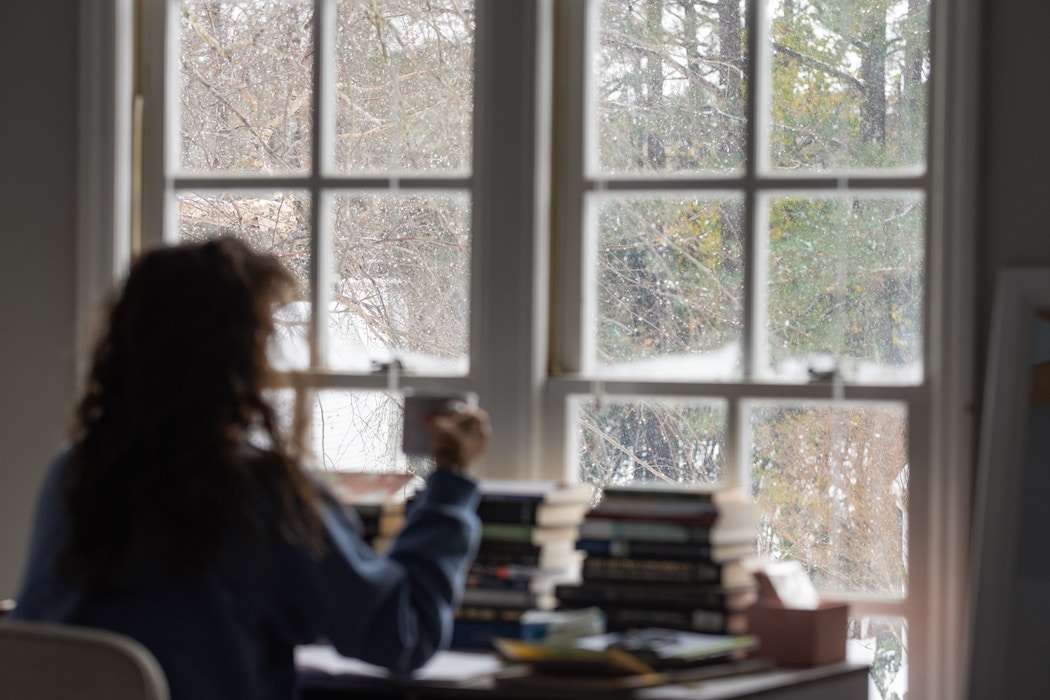
    We speak to four accomplished writers about their writing process and how it relates to their recovery.

    Writing has been the greatest gift of my recovery. Seven years ago I sat at my desk — as instructed by a sponsor who’d asked me to start journaling — with my pen poised, but with a numbness between my mind and the paper. I just didn’t know where to start — what to write, or how to say it. I was numb. My mind felt blank and my hand wouldn’t move. My sponsor told me to start small: write a plan for the day, or express how I feel. Record what you’ve done right each day, she said.

    Once I started, I couldn’t stop. Words flowed out of me like a dam had been removed from an overflowing river. Seven years later, I’ve filled many journals, become a full-time writer and journalist, published hundreds of articles online, and have begun writing my memoir. Writing is my number one means of expression — I often choose it over an in-person conversation. Some kind of magic happens when I place my fingers on the keyboard. Writing helps me to connect my mind and body, to ground myself. It gives me the breathing space to process my thoughts. Writing shows me how far I’ve come, but also what’s left to heal. I can’t imagine a life without writing.

    AWP 2019, Portland, OR

    As I’ve started to take myself more seriously as a writer, I decided to venture out into the world of my peers. I recently attended an Association of Writers and Writing Programs (AWP) conference in Portland. It is the largest literary conference in North America readings, panel discussions, and lectures. What struck me the most about the conference was the sheer volume of people—there were 12,000 attendees. If you’re new to the writing world, AWP can leave you feeling a little out of your depth — looking out the lens of comparison as opposed to shining in your own light. For this introvert and empath, it was way too much. I hate crowds, and I struggle to make meaningless chit-chat.

    While I found I’m not alone in my feelings of overwhelm and my desire to lock myself in a dark room surrounded only with books and a flashlight for the next month, I did take the opportunity to indulge my curiosity about the emerging cohort of writers who have spoken openly about their recovery. I wanted to know if it was possible to co-exist in a world that is usually associated with copious amounts of wine, and whether these writers’ pain from addiction could be used as a catalyst for healing in the world.

    Writers in Recovery

    I spoke to writers Kerry Neville, Randall Horton, Kelly Thompson, and Penny Guisinger to understand their writing process and how it relates to their recovery.

    Kerry Neville


    Kerry Neville is the author of the books Necessary Lies and Remember to Forget Me. She is the recipient of numerous prizes in fiction, a former Fulbright Scholar, and the coordinator of the graduate and undergraduate creative writing program at Georgia College & State University, where she is also an assistant professor of creative writing.

    How has recovery influenced your writing, and in what ways?

    When I write out of my own experience, out of my own complicated relationship with bipolar disorder and about my recovering from an eating disorder and alcohol use disorder, for instance, I often navigate between the implicit bias I have that comes out of my own factual experience and the imperative to try to translate that into a more universal felt understanding. I am interested in how such struggles with these types of disorders might reveal something more about what it means for us to be in connection or disconnection with each other. When I am “inside” my own experience of this illness, it’s isolating — insularity prevents insight. So in my writing, I try to understand how grief, loneliness, and depression, the tightrope many of us walk regardless of a mental health diagnosis, might link us together and how we can help each other to continue on.

    Conversely, in what ways has writing helped your recovery?

    In my movement toward recovery and stability and back into my writing self, I understood that while it might be desperately lonely out there, we have an obligation to reach out for each other, to pay attention, to live in truth and integrity. This understanding, once I emerged from that bleak, dark well, fueled the writing, helped me find my way back through words that built sentences that created paragraphs that imagined stories — and writing is an act of hope.

    How do you deal with the ups and downs of being a writer (rejections, etc.) in a healthy way?

    In terms of dealing with rejection? One day at a time, one submission at a time. And remembering I write not for acceptance but for connection — to myself, to others. 

    Randall Horton

    Randall Horton is the author of several books: The Definition of Place, Lingua Franca of Ninth Street, Hook, A Memoir and Pitch Dark Anarchy: Poems. He is the recipient of various poetry awards and prizes, including the Gwendolyn Brooks Poetry Award. Randall is a member of the Affrilachian Poets and an associate professor of English at the University of New Haven.

    How has recovery influenced your writing, and in what ways?

    To be honest with you, I don’t know that it has. However, when I was in JAS (Jail Addiction Services) in Montgomery County, I was introduced to the idea of writing through a group session we used to have with a social worker. This person took an interest in my writing during this time and encouraged me to continue the path that I now currently follow.

    Conversely, in what ways has writing helped your recovery?

    I will say this: Writing helps me to not want to sell drugs, pick up a package and hustle, or the myriad things I thought were necessary for me to live. For me, writing shows me how to be human; even when I resist, the writing is my equilibrium.

    How do you deal with the ups and downs of being a writer (rejections, etc.) in a healthy way?

    Well, the first word I learned as a little child was “no.” So rejection doesn’t bother me one bit. I have been to prison. I have lived on the streets and had a whole alternate existence as a human being in this society. With that said, writing and the writing life is easy because I’m playing with house money, so I never lose. Feel me?

    Kelly Thompson

    Kelly Thompson’s work has been published in Guernica, Entropy, The Rumpus, and various other publications and literary journals. Her essay “Hand Me Down Stories” was nominated for a Pushcart. Kelly curates Voices on Addiction at The Rumpus, where she also serves as a contributor.

    How has recovery influenced your writing, and in what ways?

    Recovery is a way of life. My recovery determines my writing, relationships, daily life, and choices. I prioritize my sobriety over everything else. It comes first. My recovery is based on certain principles. As Shakespeare said, “To thine own self be true and it must follow, as the night the day, thou canst not then be false to any man.” So that, as well as other principles like honesty, openness to new ideas, and nonresistance constitute a daily practice in my life. That flows into my writing practice as well. So I really can’t separate the two. For me, it is all one thing. Recovery helped me uncover my truth, which led me to write.

    Conversely, in what ways has writing helped your recovery?

    To write is my heart’s desire. My passion. By writing, I am doing what I was born to do. Once I peeled away the layers of conditioning that kept me from writing —and there were many — once I committed to writing as a lifelong practice, doors began opening, and any obstacles in the way of my writing began to dissolve. I have learned that purpose is integral to recovery, so by fulfilling it, by following my passion, so to speak, my recovery is strengthened. They inform each other. My recovery and writing go hand in hand.

    How do you deal with the ups and downs of being a writer (rejections, etc.) in a healthy way?

    I think it was Barry Lopez who said, “Despair is the great temptation.” I can’t afford to go there. It’s a numbers game, so in the beginning, I started by submitting my writing frequently to publications I admired. I set a goal of getting as many rejections as possible and considering that a win. The rule I set for myself was that upon receiving a rejection, I would immediately send the piece to the next tier of submissions. By doing that, I was able to transition into not taking rejection personally. I also learned from the process. I learned that I was often sending things out prematurely. I learned to sit on my writing for a bit and then return to it. Now, as a curator for The Rumpus and “Voices on Addiction,” I’m on the other side of it, as well. That experience has taught me firsthand that rejections often have nothing to do with the quality of the writing. It’s usually more a matter of timing, fit, and the column’s needs. At the same time, the best submissions are truly final drafts and need little to no edits. That continues to teach me a lot about my writing and submission process. If you can become a reader for a publication, go for it, because you’ll learn from it.

    Penny Guisinger

    Penny Guisinger is the author of the book Postcards from Here. Her work has appeared in various publications, such as River Teeth, Guernica, the Brevity blog, and Solstice Literary Magazine. She has been nominated for a Pushcart, has won the Maine Literary Award, and was twice named a notable in Best American Essays. She is the assistant editor at Brevity Magazine, the director of Iota: Conference of Short Prose, and the founder of the popular and hilarious blog, My Cranky Recovery.

    How has recovery influenced your writing, and in what ways?

    I’m a CNF [creative nonfiction] writer, and so am constantly mining real life for writeable moments. Recovery demands that we dig deep into ourselves and develop a clear understanding of our own minds and how they work. As I go through life as a person in recovery, I have learned how to experience the experience of every experience, which is a ridiculous thing to say but it’s true. I am always taking several steps back to maintain awareness of what’s happening and how it might be impacting my sobriety. As such, it’s honed my self-observation skills which I also use as a writer. And I’d be lying if I didn’t say that recovery makes rich material for writing. (Is that cynical?)

    Conversely, in what ways has writing helped your recovery?

    Writing has not helped my recovery at all, but publishing about recovery has helped a lot. There is a lot about 12-step programs that I don’t find useful, but one very useful thing that happens at meetings is this thing where we admit our addictions out loud by saying (in my case), “I’m an alcoholic.” Saying those words helped make it real for me. Publishing this particular truth is like saying that to the whole world. It’s terrifying and, ultimately, very freeing.

    How do you deal with the ups and downs of being a writer (rejections, etc.) in a healthy way?

    I take the little downs in stride: rejection is part of the job, and usually it doesn’t bother me. (There are some significant exceptions: a few that I’ve taken pretty hard!) I get more weighed down by the big ones: imposter syndrome, comparing myself to other writers, feeling let down after this-or-that publication didn’t manage to transform my life. I manage that exactly the way I manage my recovery: through community. I would be as dead in the water without my writing community as I would be without my recovery community, and what a gift it is when those two communities overlap.


    Do you have some additions? Tell us in the comments.

    View the original article at thefix.com

  • Zero Coping Skills: How Jackie Monahan Found Peace of Mind for the First Time

    Zero Coping Skills: How Jackie Monahan Found Peace of Mind for the First Time

    Contrast in life is inevitable, but I’m learning that I don’t have to have conflict. I don’t have to flip out because I got in the wrong line; I don’t need to make my poor planning everyone else’s emergency.

    I grew up being told over and over, “We are only given what we can handle.” I took that to mean, “If I flip out about the little things, nothing really bad can ever happen to me.”

    It has been said that if you have an alcoholic parent, the odds are good you will become an alcoholic. I had two. They say if you start drinking at 21, you might be okay. I did the inverse and started drinking at 12. I had a long run. I was surrounded by enablers. My mom still wants me to drink; she and my ex say things like “You weren’t this temperamental when you drank.”

    I want to be the best example of the program anyone has ever seen, but I am far from there yet. I have always been easily frustrated, and have always had zero coping skills, other than alcohol.

    My soul wanted to solve problems without alcohol, but I didn’t even know where to begin. If I got anxious for a second, everyone rushed to put a drink in my hand. It worked. I remember the one day in college that I didn’t drink. I was mad and yelling at all my roommates, wanting them to be as quiet as a mouse because I wasn’t drinking. Meanwhile, every other night I came home either with a party or from one, loudly.

    I entered parties saying, “You can start now, I am here.” I would black out and then yell at everyone the next day for letting me drink so much. They would say they had no idea I was blacked out; I was so funny and fun, they didn’t see what the problem was. I did. My life was getting really busy with stuff I wanted to do, and when I did have free time I wanted to enjoy the moment and remember it.

    My parents were functioning alcoholics. I say “were” because they are no longer functioning very well. My dad was far worse than my mother, but both are shells of what they could have been. They couldn’t get rigorously honest if someone paid them all the money in the world. I had to accept that at a very young age.

    There was never a way to know what I did to set my parents off. When either of them went into a rage, it was brutal. They were cheerful, cheerful, cheerful… then rage! They mostly raged when they were sober and it would come out of nowhere. I watched their tantrums work for them: with one another, with me, and with the unfortunate people who got my mother on the phone. You would think Colleen from Time Warner had stabbed her in the face. My mom unloaded all her marriage frustrations, alternately screaming at and belittling the customer service rep. And it worked every time — instead of getting overcharged, she got money off and reduced rates. She flew off the handle at everyone and got her way, then bragged about it.

    My parents would always say, “God made whiskey so the Irish could not rule the world.” Then they would laugh and laugh like they had something over on the rest of us. Meanwhile, I remember thinking, “Rule the world? How about trying to get through the week without throwing a plate?”

    With all this and more, it never even occurred to me not to drink. Of course I would drink, but I vowed to never be an alcoholic like you see on TV, or even a semi-functioning one like my parents. I could clearly see how their thinking was backwards, so backwards that my messed-up perception went undetected. They may have been successful financially, but their morals and values were out in space.

    In 2011 I made an independent movie and was too busy to drink. My wife at the time pointed out that I didn’t drink for two weeks. She was impressed with my work ethic. I was working 12-hour days because it took so long to put on and take off a bald cap for my role as an an alien. I couldn’t be hungover, so I wasn’t.

    A few years later I thought, “I wish another 12-hour a day project would come along to quit drinking for.” Now I know this should have been a red flag. But nope, instead I had an idea: “Wait, why don’t I make me the project. I will be sober for a while for me.” I was just going to do 11 days, until the Independent Spirit Awards. I would have to drink then. There would be free expensive wine and celebrity parties.

    The awards show came and went and I still didn’t want to drink. I felt almost addicted to being clear-headed. It felt euphoric. Then I was determined to tape Last Comic Standing sober. I was 33 days sober and I did great, but I just wasn’t myself. I wasn’t loose. I told a comic backstage who had five years sober that I didn’t feel comfortable. He said I was crazy, that he didn’t feel normal on stage until he had a year sober, and that I should have just had a drink. Looking back, he was right and I knew it. But I couldn’t drink. I liked being in my body so much. I hated blacking out.

    And I refused to do AA: I 100 percent thought it was run by the Catholic Church and I couldn’t go back there. I was a member of the CIA: Catholic Irish Alcoholic. I survived 12 years of Catholic school: priests living in a mansion with gorgeous antique furniture and driving fancy sports cars while the nuns lived in poverty, in what were basically jail cells. One nun siphoned gas—so she could sell the 20-year-old station wagon she had just filled—and accidently swallowed some of the gas. That same day, Father Zino threw a lit cigarette out of his brand-new Porsche and it hit me. It got caught in my coat.

    I had no intention of going back to the Catholic Church and saying yes to things I knew to be wrong. They told us not to lie, then made us lie.

    I had friends in AA, but they all seemed miserable and unhappy. I would rather drink than be miserable. And I had quit drinking on my own before: once for 90 days (I was proud because I hadn’t intended to go that long), and then for 200 days (I was disappointed I hadn’t made it to a year). Both times, when I finally drank, it was because of things happening that I couldn’t bear to feel. I called my friends and said, “I don’t want to drink but I can’t bear the pain anymore.” They said, “Just drink. Drink and don’t beat yourself up about it.” So I drank. I didn’t have a choice.

    Then I made a new friend who was in AA and thriving. She seemed genuinely happy. When I told her I could quit on my own but couldn’t stay quit, she said that happens to a lot of alcoholics. That was the first time I thought “Hey, maybe I am an alcoholic.” She also said “You don’t have coping skills.” Coping skills!?! I must have said those two words a million times since then. Coping skills sounded like exactly what I needed. I didn’t have coping skills. I’d never even heard of them.

    I said I wanted to give it a try. I really wanted to make it to a year without drinking, and I was willing to do anything. Once I made that commitment to myself, I gave myself over to the program and my higher power. That was a critical tipping point, and my life changed. I got a sponsor who I knew would kick my butt: she knew when I was lying. I wanted what she had—not the dream car, home, partner, killer style, and beauty (all impressive, considering she had been living on the street). I didn’t need any of those things. I did not have the same goals at all.

    What I did want was her close relationship with her higher power, her program, and her unquestioning belief in both. These qualities make her absolutely, positively unflappable and a force to be reckoned with. She gets annoyed by things, but as soon as she feels an ounce of anger, she takes a breath and realigns with her higher power and the solution.

    My sponsor knows I had major resentments, and that I had a lot to be resentful about, but she showed me how to let go of them, for myself. I am now two years sober and I have peace in my mind for the first time in my life. I wouldn’t trade this gift of sobriety and serenity for anything in the world. I treat it like a gem that I hold safe. I guard that gem with my life.

    Contrast in life is inevitable, but I’m learning that I do not have to have conflict. I don’t have to flip out because I got in the wrong line somewhere; I don’t need to make my poor planning everyone else’s emergency. I didn’t even know how anxiety-riddled I was. I thought I had ADD, and doctors were treating it as such, with Adderall. What I actually have is PTSD and chronic anxiety. That medication combined with those diagnoses was like treating schizophrenia with acid.

    All my life, I never wanted to be like other people. Even though my life was messed-up, I loved being me. I always wanted to live, but I really didn’t know how. I felt like I was improvising constantly, while everyone else had a script. It made me a great improviser, but I now have the ability to turn that side of me off. I feel like I am getting a new, revised version of my script every day. If something happens, I no longer go into fight or flight mode. I get upset, of course, but now I respond instead of react. I am proactive instead of reactive. I can have contrast without conflict. I can go into solution mode and stop focusing on and feeding the problem.

    I made a decision to be the change I want to see in the world—which is peace. To see peace, I first must be peace. Alcoholics do not have the luxury of a negative thought. A resentment can kill us. If someone hates me, that is on them. I cannot control how someone feels about me, but I can control how I feel about them.

    I feel safe for the first time. For a long time I hid my fear from everyone, even myself. Feeling safe, in the moment, in control, is better than any feeling in this world. I wouldn’t trade the solution for anything.

    Jackie Monahan appears in Wild Nights with Emily, in theatres on April 12th. Her album “These Lips” is streaming everywhere and on Sirius.

    View the original article at thefix.com

  • Artists in Recovery Find Their Fix in "The Creative High"

    Artists in Recovery Find Their Fix in "The Creative High"

    Creativity — making art — is another way to find that aliveness and spiritual connection often sought through drugs and alcohol. The creative process can be transformative for people with addiction.

    Recovery that consists of meetings, step work, and an unfulfilling job makes for a very black-and-white life — at least for me it did. That wasn’t the recovery I wanted. I was bored. When I got involved in creative endeavors, however, it was like adding color back into my world. For some people, creative expression becomes a new high.

    As I started to explore creativity and art, I realized that I’d opened a door to a part of me that had been closed since I started using drugs. As a child, I loved painting and crafting. I reignited that passion and began expressing myself in new ways: blogging, writing and journaling; painting and drawing; making art and attending craft classes; and creating new recipes. My world feels so much more livable with art in it.

    I’m not alone, fellow creative Jules tells me: “Art is everything, really. I don’t care if you write, paint, dance, sculpt, make movies, or whatever. It’s a way to choose an expression to share who you were and who you’re becoming. We’re all messes of insecurity and works in progress. The key is to keep working.”

    A big stumbling block for many of us is that we don’t know where to start, and, like Jules says, we have insecurity about our work. That’s where artist Tammi Salas comes in. Over the past few years, Tammi has been sharing her creative journey in recovery. Through Instagram, the #RecoveryGalsArtExchange, her podcast The Unruffled, and other ventures, Tammi gives us a starting point and inspires us to play.

    “Art helped me fill the void alcohol once occupied. My entire recovery is centered around making and creating art,” she says. “Not a day goes by without me tapping into my creative groove and seeing what comes out. Art anchors me and helps me reframe old stories and visually create new ones.”

    San Francisco-based filmmaker, educator, and arts therapist Adriana Marchione finds her creative outlet in film. For the last 20 years, she has been dedicated to supporting people struggling with substance use disorder and other addictions. Recently, she directed a new a documentary feature-length film, The Creative High.

    The Creative High Footage Teaser, Spring 2018 from Adriana Marchione on Vimeo.

    The documentary shares the stories of working artists — including Wesley Geer of Rock to Recovery and Ralph Spight, a punk musician who plays with Jello Biafra from the Dead Kennedys — who have faced addiction. The film reveals their transformational paths to recovery, and the natural “high” of making art. The Creative High brings the viewer into the world of hip-hop, drag performance, punk music, dance, theater, and visual art, demonstrating “the tension that exists between the altered states of creativity and addictive behavior.”

    Andriana Marchione took some time out of her schedule to discuss her creative process with The Fix.

    The Fix: How has art and creativity influenced your own journey in recovery?

    Adriana: I came into recovery 25 years ago as a photographer/visual artist, and at that time I didn’t see a lot of creative role models in recovery. To be safe and away from triggers around my addiction that mainly stemmed from alcohol abuse and unhealthy relationships, I felt that I needed to move away from my creative life and artist connections. Life slowly became manageable. I started to heal, I found peace of mind, but I missed the excitement and vibrancy that my art making gave me. I found more internal ways to express myself (art journaling, poetry, small collages) versus making art to exhibit or be in environments where I mingled with other creatives and had to confront drinking and social life — galleries, parties, bars. This led me to study expressive arts therapy after several years into recovery, and then I made a career out of this. This has been incredibly rewarding to me, giving me a life of purpose, and also finding a focus where I specialize in working with addiction recovery, and artists who face addictions and eating disorders.

    Along the way, I have found new ways to express myself: improv performance, Argentine tango, being an art curator for many years, and coming back to my love of media through filmmaking over the last five years. It also took a while (and continues to challenge me) to find the balance with creating art and being public in art making, taking risks but still being grounded in recovery.

    What motivated you to create this film, and what does it represent to you?

    Being dedicated to a creative project of substance and collaborating with the film team has been one of my hopes and visions in recovery. For the last 25 years, I have focused on art therapy and supporting people one-on-one or in a teaching setting, but when I started making documentaries I felt a strong calling to tell stories and make a larger statement through my art. Films have the power to do that.

    My first documentary film, When the Fall Comes, was released in 2014 and was about my personal journey with grief and using the arts to heal. This film gave me the inspiration to do more films because I realized how many people a film can reach and what a rich experience it is to be involved in the making of a film. It is also a passion project since the topic of creativity and addiction is so close to my heart. This is something I have lived and watched others struggle with in my work — how to have a creative life successful in recovery. I wanted to tell the artist’s story from a new perspective, with many voices. I wanted to give hope to artists in recovery and artists who are still caught in addictive cycles, but I also wanted to show how the arts can be an important vehicle for healing in recovery.

    In what ways do you think the film will speak to both people in recovery and to those seeking it? 

    I hope this film will give people a window into the real challenges and successes that artists who have suffered from substance use disorders face. I also think it is important for people to speak publicly about their addictions, so the public can see that recovery happens and so that we can continue to combat stigma that comes along with the disease of addictions.

    Some of the artists in the film have had to go through a process with this, and I applaud their courage and willingness to reveal their stories with the public. I hope that people viewing the film will have a deeper sense of the highs and lows that accompany the creative process and take the risk to create. I also want to convey the fact that seeking an alternative “high” through making art gives another channel to find that aliveness and spiritual connection often sought through drugs and alcohol. Art can be the new medicine, one that is productive and meaningful rather than destructive and life-diminishing. 

    You chose nine working artists from diverse backgrounds to feature in the film, rather than choosing celebrities. What unique qualities do you think that will bring to the overall production?

    It felt very important to tell a different story than the celebrity story. So many films, TV shows, memoirs have been put out that tell the dramatic story of famous people struggling with addiction. Addiction affects us all in some way, and there are so many artists who live ordinary lives (and extraordinary as well) who are trying to be successful with their art without falling into addictive behaviors. Documenting a variety of stories, from musicians to dancers to visual artists, shows all different sides of life. We wanted to show many recovery perspectives and how each one is unique but they all experience the power of the arts practice. 

    Conceptualizing and producing a film is a huge task. What other challenges have you faced making a film that was funded through donations?

    Making a feature-length documentary is a huge feat that requires endless determination. We have been making The Creative High and are now in post-production, which is the most expensive part of making a film. We have pursued many avenues for funding including applying to grants, crowdfunding, reaching out to private foundations, and seeking investors, sponsors and executive producers. In general, funding is not easy to procure for independent films, and we have found that the most effective way to gather the funds has been through individuals making small donations that add up. We are very open at this completion stage to have sponsors and executive producers join us with larger donations to help us get to the finish line!

    Last, how can we support your fundraising?

    You can support our fundraising by making a donation here. The sooner we gather our remaining funding, the faster we can complete the film and get its message to the public. All donations are tax-deductible. 

    Find out more about director Adriana Marchione’s work: www.adrianamarchione.com

    How do you express yourself in recovery? Tell us below.

    View the original article at thefix.com

  • Rosebud Baker: A Stand-Up Career Started by Sobriety

    Rosebud Baker: A Stand-Up Career Started by Sobriety

    “As much as it sucks to be fully sentient through every failure, I think it’s helped me in the long run.”

    You may not have heard of Rosebud Baker, yet, but you will. As a stand-up comic, actress, and writer, she’s been rising through the ranks of the NY comedy scene faster than anyone I’ve ever seen. What is her secret, I wondered. Well, one of them is a decade in sobriety. Recently I was at a big comedy show full of successful comedians, the exact kind of environment where if I hang too long, the thought of drinking or using increases exponentially by the hour and sometimes wins. Marijuana perfumed the streets as I hit my Juul and attempted to shoot the shit with others outside the venue. I looked to my left and saw Bobby (Kelly), and thought phewsober. To my right Rich (Vos) phewsober. And talking to both of them? Rosebud Baker. Not only does she regularly work at every prestigious club in the city—including a hosting gig this August 21st at inarguably the greatest club on earth: the Comedy Cellar—she was chosen as one of 2018’s New Faces in the most coveted and career-changing comedy festival, Montreal’s Just For Laughs.

    On a more personal level, the last time I relapsed on the road I came to in a strange Chicago suburb on a day I had multiple Laugh Factory shows in the evening. I called a friend in a panic, who, being new to sobriety, was not equipped to handle the situation. But she knew someone who could. She gave me Rosebud’s number. Despite her busy schedule, she stopped and took the time to listen to the insane fear ranting of a post-coke and -booze binge stranger. I am forever grateful for that talk, for the compassion I was shown, for how someone can treat you better than you know how to treat yourself. I calmed down enough to nap before my shows, to perform well that night, and to go to a meeting the next morning. It’s what got me to fight another day. I’ve said it before and I’ll say it again: the only thing that matters is getting up one more time than you fall. But that’s my story. Here’s Rosebud’s:

    The Fix: What is the hardest thing about being sober in comedy?

    Rosebud Baker: There’s nothing I can think of. You’re in bars a lot but as long as your focus is on your comedy, on what you came there to do, it’s simple. When it’s a really important audition set and the nerves are killing me sometimes I feel like drinking, but I just don’t – or I haven’t yet. I had six years of sobriety under my belt before I started in comedy and I had been through a lot of shit, so it’s like, I’m not gonna drink over a showcase.

    What’s the best thing about being sober in comedy?
    The clarity you have. There’s an advantage to being honest with yourself in life, and especially in comedy. I remember someone asking me once after they got offstage, “Did I bomb?” …and I was like, “you were THERE, weren’t you?! Don’t make me say it.”

    After a few drinks, it can be hard to decipher the truth of what’s happening. That false confidence can really slow your progress as a comic. People just stay at this embarrassing level of skill for YEARS because in their mind, things are going a lot better than they are. So as much as it sucks to be fully sentient through every failure, I think it’s helped me in the long run.

    How did you deal with the early days?

    With being sober? I put my own well-being first. I still do.

    What do you think it is about comedy that attracts so many addicts?

    The lifestyle of a comic creates the perfect disguise for an alcoholic/addict. They get to go out every night, get hammered, maybe fuck a stranger, and tell themselves “I’m just at work!”

    What advice would you give someone who struggles with chronic relapse and is a comic?

    All I can say is what I did when I got sober: Take a year off. Get a day job you think you’re too good for. Humble yourself in a real way, and focus on getting sober. Put all your energy into spiritual growth. Be willing to accept that everything you think you know about yourself is probably false. Stay away from big announcements and proclamations about the changes you’re making in your life and just make them. Get off social media and buy a diary.

    ***
    It’s inspiring to interview sober comics at the pinnacles of their career, and it’s differently inspiring to interview a sober comic rising at breakneck speed. The humility cultivated in the first year has served Rosebud well, as has her fearless self-examination and tireless work ethic built on a foundation of spiritual well-being. The idea of putting sobriety first has long evaded me because I thought that to do so one must forsake everything else. Stories like Rosebud’s help drive home the truth: on drugs and alcohol, your world quickly shrinks until all you are left with are your chemicals and delusions. On the other side of that? The whole rest of life. What is using anyway but a (usually false) shortcut to the feelings that we seek from spiritual well-being and external accomplishments? May there come a time when every performer puts down the drink ticket and picks up the whole rest of life.

    Check out Rosebud Baker’s new podcast Two Less Lonely Girls, and writing on Elite Daily as well as comedy all over NYC.

    View the original article at thefix.com

    Related Content

  • Eddie Pepitone: From Falling Down Drunk to Sober Stand Up

    Eddie Pepitone: From Falling Down Drunk to Sober Stand Up

    Comedy is totally addictive! It hits the part of the brain that drugs do. The love me love me I’m home I’m home part (that is when it goes well). You feel exhilarated because you are the center of attention.

    I was a few months out of my second rehab facility when a friend and fellow stand up comic handed me a DVD, a documentary about comedian Eddie Pepitone called The Bitter Buddha. I was riveted by the documentary – not only was this man talking about real things that matter on stage (while I was mostly doing sex humor) but he was sober! And had been for a very long time.

    I declared him my favorite comic and waited anxiously for his first Netflix special to come out, In Ruins. I actually planned to go to the taping in Brooklyn, but then I relapsed. And I came back. And I relapsed. And I came back.

    My first article for The Fix was about giving up marijuana. I left out the role Eddie played in that, but here we are. 

    Last February I planned to go to LA, where Eddie lived, for some shows. I also planned to get a medical marijuana card. I emailed Eddie that I was his self-appointed very biggest fan, and he agreed to meet. We made plans. This was it! I was going to meet my comedy idol! And he was sober! But surely, I thought, he probably smoked weed. Living in California and all, and how could anyone even do comedy without imbibing in something at least–at the very least–after the show. (As if I could ever wait that long.)

    I planned to meet Eddie at a vegan restaurant and then go to a play. But first, that day I took a girl I met at a meeting to Harry Potter world. And then when I dropped her off, I had to get super super stoned to make up for the few hours I couldn’t. And then I was on the phone with the sponsor I had at the time yelling about how I was going to be late. And then I just had to stop at a dispensary.

    I was late to dinner. So late, in fact, that the first thing Eddie ever said to me was, “I ordered you dinner. And I ate it all.”

    So we go to the venue and my car just stinks like weed, which Eddie noticed. He brought it up, and when I heard him say the word I got super excited. I knew it! He does smoke weed! This is all the validation I have ever needed!

    However, I was wrong. He was bringing up weed to tell me it was the last thing he quit; that after that was when his career really started; that marijuana dampens the dreaming mechanism. The hole in my gut raged, as I knew he was right. After that I kept in touch with him more. He has helped me so much, and I know he can also help you.

    I have relapsed since then, most often the same old story other chronically relapsing comics tell me: hanging out too late, too good a set, too bad a set. There are a ton of us out here, and I’m sure there are more in other industries, building it all up in the periods of sobriety, then – at best – coasting on those wins during periods of relapse, and starting all over again when we get scared enough. 

    Yet there are a number of comedians I know with sustained, continuous, joyous sobriety. Those are the ones I wanted to talk to, the ones whose secrets I desperately wanted to know, the ones who seem to hold all the horcruxes that I can’t find. 

    So I asked Eddie.

    The Fix: What is the hardest thing about being sober in the comedy industry?

    Eddie Pepitone: Feeling like you’re missing out on an exceptional post-show high. Comedy is all about the adrenaline rush, and booze and weed intensify it and make you feel like a god. Also, comedy is such an intense brain-centric art. I miss turning it off with pot. The brain relaxes with pot.

    What is the best thing about being sober in comedy?

    Feels so great to do it sober and kick ass. I actually remember everything and I did it without drugs! Also [I’m] much sharper when I’m not high. I create more sober and am surprisingly much [more] fearless. I see stoner comedians flounder sloppily a lot.

    How did you deal in the early days of sobriety?

    Early days I did (as I tend to do now) split right away after I perform and stay out of trouble. I can hang now if I want and not feel as needy but I usually get bored after a while.

    What do you think it is about comedy that attracts so many addicts? Or addicts that are attracted to comedy?

    Comedy is totally addictive! It hits the part of the brain that drugs do. The love me love me I’m home I’m home part (that is when it goes well). You feel exhilarated because you are the center of attention (what addict isn’t about me me me???). The pace of jokes, the racing mind, the intoxication of the good looking crowd. THE VALIDATION.

    What advice would you give to comedians who struggle with chronic relapse?

    Chronic relapse and being a comic is super hard, so preventative measures need to be taken. TAKE CARE OF THE MIND/BODY. Meditation practice (tough because comics thrive on chaos and have little discipline) but you have to try to slow down and get a good foundation during the day. Try to stabilize endless desires for sex and excitement by letting go of intense fantasy life. Yoga, 12-step meetings, a couple of sober or even-keeled friends (but I find all this hard as my habits are so ingrained). Gym and exercise helped me. 

    Any other advice you think is helpful?

    Build up sobriety slowly. Feel the good feelings of not being fucked up and achieving stuff. It’s so nice not to be hungover. When depressed, talk to a deep friend who gets you.

    That deep friend, for me, is the one and only Eddie Pepitone. Sometimes when I’m lonely and don’t want to bother him, I listen to his podcast, Pep Talks, in which he is exactly how he always is: brilliant and authentic and brazenly self-aware. 

    Thank you Eddie, for being a light that shines the way out of the dark. And to all my fellow chronic relapsers out there: all we have to do is stay sober ONE MORE TIME than we got drunk.

    View the original article at thefix.com

  • So You Want to Write About Addicts

    So You Want to Write About Addicts

    At its best, addict lit satiates our quintessential human yearning for stories that may lead to salvation. We want warm fuzzies. We want sweet, sweet, redemption.

    We started each morning of residential treatment with burned muffins, a house meeting, and introductions.

    “My name is Tom and I’m a junkie here on vacation. My goal today is to lay in the sun and sample the delicious food in this all-inclusive resort.”

    Tom’s sarcasm made orange juice squirt out of my nose. Humor was an elixir for the boredom of early sobriety and monotony of the rehab center’s strict daily schedule.

    Our addiction counselor corrected Tom: “You need to take this more seriously. I need you to redo that and tell us your real goal for today.”

    The story that society tells about addiction is one of tragedy. When we talk about addicts, we talk about pain, drama, and heartbreak. Of course, addiction is all of these things, but it’s also a rich, multi-faceted story with humor and joy. When we let addiction define the entirety of a human being’s existence, we flatten people to one-dimensional caricatures.

    The story that society tells about my favorite tragic hero Kurt Cobain is a prime example; his sense of humor gets buried beneath his pain. The media glosses over parts of his personality, like how he wore pajamas on his wedding day and a puffy-sleeved, yellow dress to a heavy metal show on MTV. “The show is called Head Banger’s Ball, so I thought I’d wear a gown,” Cobain deadpanned. “But nobody got me a corsage.”

    Two weeks after Nirvana released Nevermind, they pranked the famous British show Top of the Pops. Wearing sunglasses and a smirk, Cobain infuriated producers and the audience when he dramatically sang “Smells Like Teen Spirit,” in a mopey style that evoked Morrissey from The Smiths.

    If you want to write about addiction, remember that two seemingly contradictory things can be true at the same time. Addicts can be both funny and tragic. Another example: Cobain’s original name for In Utero was I Hate Myself and Want To Die, but the record company opposed the title, fearing that fans wouldn’t understand the dark humor.

    While I love satire, I also understand why we don’t want to minimize the seriousness of addiction. Addicts suffer. Addicts bleed. Addicts, like Cobain, die too young.

    *

    I know a thing or two about almost dying.

    I recently discovered an old home movie of my ex Sam* and me. In the video, we were strung out like Christmas lights. Watching it made me feel like a voyeur in my own life.

    Thick tongued, I slur, “Let’s jaaammmm,” to my musician boyfriend. He pushes a tuft of blonde hair out of my face. My unruly David Bowie mullet always gets in the way.

    Sam’s strumming his acoustic guitar and singing “Needle and The Hay” by Elliot Smith, a classic junkie song.

    I’m taking the cure/ So I can be quiet whenever I want.

    He hands me a bass guitar, but I can’t hold it. My limbs go limp. Thunk. The maple-neck, cherry wood bass crashes to the floor.

    So leave me alone/ You ought to be proud that I’m getting good marks.

    The bass doesn’t break, but I do. I try to pick it up, but my body slumps into a question mark. I look like a bobble head doll, with glassy blue-green eyes. Doll eyes blinking open and shut. Opiate eyes. Open and shut. Haunting thing.

    Sam stops singing. “Are you okay? Tessa, did you take Klonopin this morning?”

    Shut. When my eyes roll in the back of my head, he grabs my shoulders and commands, “Wake up! Wake up!”

    “I’m fiiiinnnneeee,” I mumble as my pale skin turns blue.

    I wouldn’t be fine for years.

    *

    When I heard there was going to be an opioid overdose memorial, I was skeptical. When I saw that Showtime was releasing a new docuseries about the epidemic called The Trade, I was skeptical. When Andrew Sullivan christened a non-addict “Poet Laurette of the opioid epidemic,” in a New York Magazine essay, I was skeptical. But not surprised. Never surprised.

    I’m skeptical because I’ve been devouring books, essays, documentaries, and movies about the opioid epidemic for years, charting their predictable rhetoric, cliché story arcs, and stigmatizing portrayal of addicts: addicts as cautionary tales, signal fires, propellers for drama. We’re afraid to color outside these lines, to show the ways in which addicts contain multitudes.

    I wear skepticism like a shell. It feels safer than being vulnerable. My skepticism asks questions like: who has the right to tell the addict’s story? How can a writer dip their plume into the well of an addict’s pain without having been there herself? How can we do justice to addicts and the addiction story?

    If you want to write about addicts, you first need to familiarize yourself with the formula and conventions of the “addict lit” genre. The territory has been well-charted in recent books like Leslie Jamison’s The Recovering.

    Human beings are intrigued by conflict and drama. We are all complicit. I am, too. Even though I’ve been clean for multiple years and know that I shouldn’t be gawking, I do. Even though I feel like they exploit people’s pain for entertainment, I still watch shows like Intervention and Celebrity Rehab with Doctor Drew. These shows jolt us out of the doldrums of our own lives or, if we are addicts ourselves, they reassure us that we are not alone.

    We watch from a safe distance, with the luxury of returning to the comfort of our own cocoons. At its best, addict lit satiates our quintessential human yearning for stories that may lead to salvation. We want warm fuzzies. We want sweet, sweet, redemption.

    *

    If you want to write a story about the opioid epidemic, you must imagine how addicts hunger for stories that represent us, encourage empathy, and feel believable. We long for stories to be our anchors and buoys to keep us afloat. Unfortunately, some stories sink. We must study those too, as a lesson of what not to do.

    The Prescribed to Death Memorial is a dehumanizing failure. It features a wall of 22,000 faces carved on pills to pay tribute to those who overdosed in 2017. If I died of an overdose, I wouldn’t want my face carved on a pill.

    I’ve spent my whole life being carved out. Instead, I’d like to know what it feels like to be whole.

    When I heard about the docuseries The Trade, I quickly signed up for a free trial of Showtime and checked its Metacritic score: 84.

    Steve Greene of Indie Wire praises the series. The Trade “doesn’t purport to be a corrective or some magic key to unlocking the problem. But as a means for empathy and a way to understanding the human cost at each step of an international heroin trade, it does far more than hollow words and shallow promises.”

    Each episode shifts between three main story arcs: a Mexican drug cartel, law enforcement, and addicts and their families. It is technically well-made, with sharp cinematography and juxtapositions like masked members of the cartel guarding poppy fields in Mexico as children play in the street; a grieving mother and father at a memorial rally in Ohio flying signs that say, “Hope Not Dope.”

    But the series was predictable and flat. The addict’s story arc of The Trade is a simple five-part dramatic structure. In the exposition, we see white middle-class young adults are prescribed painkillers for a sports injury or surgery. As their physical dependence grows, they need more and more to manage their pain. At the climax, they switch to heroin because it’s cheaper and sometimes easier to find than painkillers. They fall deep into the well of addiction.

    Then they go to rehab or they don’t. Cut. End scene.

    Paste film critic Amy Glynn says it was “dangerous from a watchability perspective…Junkies don’t make good television because they are really, really damned boring. They are painfully uninteresting, because heroin turns most people into zombie reptiles who are deeply depressed and deeply depressing.”

    At first, I was taken aback by this quote. But Glynn has a point. If you want to write about the opioid epidemic, you might want to do more than rely on pain porn. The poetry of a needle plunging into the crook of a junkie’s arm, crimson swirling into the plunger. Junkies drifting through public streets like zombies.

    Glynn redeems herself: “Someone needs to start telling the rest of the story. Like now.”

    *

    If you want to write a story about addicts, you need to realize that it’s still a stigmatized condition. My friend had to leave a grief group because other parents said her son’s overdose death was his fault and not as sad as a child who died of cancer. It’s as though grief was some sort of competition of suffering and pain. But an entire super bowl stadium could be filled with dead bodies like her son. There were 64,000 overdose deaths in the US in 2016.

    If you want to write a story about addicts, you need to know that life-saving medication-assisted-treatments like Suboxone and methadone are still expensive and difficult to access. Unfortunately, many treatment centers are “abstinence-only,” meaning they don’t allow their patients to take Suboxone or methadone. For a more in-depth plunge into the world of harm reduction, read Tracey Helton, Tessie Castillo, or Maia Szalavitz.

    *

    In addition to these dire facts, we have to deal with our stories being appropriated and exploited. Enter the poet William Brewer, who has never used opioids or struggled with addiction himself. Brewer inhabits the voice of addicts in his poetry book, I Know Your Kind. The title derives from a Cormac McCarthy quote, but it’s very clear to me that Brewer doesn’t “know my kind.”

    I don’t want to be harsh on Brewer. Being from the polite Midwest where we’re supposed to avoid confrontation, I almost deleted this part. But Brewer’s words feel like a chisel mining people’s pain. I also feel it’s my responsibility as a recovering addict and writer to call it like I see it.

    Brewer writes lines like: “Tom’s hand on the table looked like warm bread. I crushed it with a hammer, then walked him to the E.R. to score pills” and “Who can stand another night stealing fistfuls of pills from our cancer-sick neighbors?”

    In a world where artists and writers are constantly being called out for cultural appropriation, I was surprised that nobody called Brewer out for appropriating the addict’s story for his own artistic gain. Brewer’s sole connection to the epidemic is that he was born and raised in Virginia, the state with the highest overdose death rate in the nation. In an interview with Virginia Public Radio, Brewer said when he visited over the holidays, he inquired about whereabouts of former classmates. “People replied, ‘They’re on the pills. We don’t really see them anymore.’”

    If you want to write about an addict, you should avoid infantilizing and dehumanizing addicts, along with the trope that addicts are all “lost and forsaken.” Some of the strongest, most courageous people I know are addicts. Active drug users like The People’s Harm Reduction Alliance in Seattle established needle exchanges, distributed the overdose reversal drug, naloxone, and are fighting to open supervised safe injection sites.

    *

    If you want to write a story about addiction, realize that most addicts struggle with whether or not they should publicly share this part of their identity. For a long time, I didn’t think I’d ever write about my addictions to alcohol, opiates, and benzos. I didn’t have the courage. Here in the Midwest, we keep the laundry to ourselves. We don’t air it out. When I wrote about my first struggle with alcoholism in 2011, my family warned me that it could impact my future job opportunities and dating. I knew they were just looking out for my “best interests.” But I insisted: my privacy, my mistakes, my choice. I hoped that sharing my addiction and vulnerability might be therapeutic for me and maybe even help others.

    If you ‘re going to write a story about addiction, realize how it’s affected by different identities. For example, I’m extremely lucky, because I have supportive friends and family. When I was broke and had nothing, they offered me food, shelter, and support. Also related to my privilege as a white, middle-class woman is that I don’t have a criminal record. Yes, my hospital records bother me, but they are protected by confidentiality laws.

    In a way, writing about my addiction felt like making these private records a public matter. I was hesitant. Brewer was also reluctant to write about the opioid epidemic, for different reasons. He said, “West Virginia is very rarely looked at in a positive light. And so here again is a situation where something really quite terrible is going on, but it became so clear that this thing wasn’t going to go away and was starting to seep into my daily life.”

    *

    Heroin doesn’t seep into most people’s daily lives. Heroin is a tsunami. Heroin drowns.

    *

    There may be value in writing beyond our own experience, as Brewer did. Representation is important and if we all followed the advice to only “write what we know,” things could get bland and boring. Artistic expression would suffer. But it’s a tightrope. It’s a practice in tremendous empathy, wanting to diversify representation, while also being respectful and staying in your lane.

    *

    If you want to write about addicts, you’d benefit from also depicting the humor of early recovery, a story that often falls outside the margins. When I was digging through my own videos and journals, I was of course humiliated by some of my own narcissism and self pity. But I was also surprised and heartened by the unexpected joys like my friendship with Tom at my first rehab.

    On my first day, I noticed him in the smoking tent, wearing bright red Converse, a beret, and long sleeves to hide his track marks. I noticed the way his brown eyes brimmed with both kindness and sadness as he deadpanned in meetings.

    “You guys are like The Wonder Twins of rehab,” staff said. Despite our 20-year age difference, we were inseparable.

    Tom bummed me Parliament menthols and lent me one of his ear buds, so we could listen to The Replacements, The Pixies or The Velvet Underground together. On weekends, we went to record stores, ate pizza, and he read my shitty poetry. We made beaded lizards and built crooked birdhouses bedazzled with feathers and glitter.

    One day in group, we had to watch a 1987 film called, The Cat Who Drank and Used Too Much.

    “Was I just daydreaming, or did you just say we are watching a movie starring a cat?” Tom asked.

    “Yes, it’s made for kids. Lost and Found Ministries recommended it as a good way for parents to explain addiction to their kids.”

    “Drunken cats, who knew?” I said.

    I later learned that the film was praised as an “audience favorite about a beer drinking, drug addicted cat,” when it was screened at the Oddball Film Festival in San Francisco.

    Our story begins in any town USA, a sleepy suburban neighborhood lined with rosebushes and plush green lawns. Cue sappy flute and piano elevator music with too much treble.

    The film opens as Pat the Cat is getting into a red car for his morning commute. We see Pat drinking alcohol from a pitcher and beginning to experiment with other things. A cigarette here, some prescription pills, a bit of coke there (powdered sugar).

    “He’d try anything, it was never enough. Then it was too much.” Pat crashes his car and almost loses everything, but then decides to go to rehab!

    “I’m not trying to be catty, but Pat seems to be pretty well-off to me,” Tom said.

    At the end of the movie, Pat has a cupcake to celebrate his sobriety. Ah, it seemed like only a few weeks!

    “If only it were that easy!” I said.

    “Sure, his life isn’t purr-fect, but it’s pretty close!”

    *

    What I’m trying to say is: If you want to write a story about an addict, we might not be perfect, but we can do better. Starting now.

    If you want to read stories about heroin or the opioid epidemic, I recommend starting with nonfiction. There is power in reading about people’s lived experiences.

    Of course there are also excellent and illuminating fictional books about the opioid/ heroin addiction. Check out this list by Kevin Pickard.

    View the original article at thefix.com