Tag: valium addiction

  • How is Valium prescribed?

    How is Valium prescribed?

    Valium is the brand name for an anti-anxiety medication which contains diazepam, a Schedule IV controlled substance. Because people can abuse diazepam to get high, Valium is only available by prescription and can be used in tablet, gel and injectable form. More here on Valium costs, prescription doses and signs of Valium abuse. Plus, a section at the end for your questions about Valium prescriptions.

    What do doctors prescribe Valium for?

    Valium is a very versatile drug. Doctors may prescribe Valium to treat the symptoms of anxiety, muscle spasms, seizures, and even alcohol withdrawal. So, Valium works how?  The main ingredient in Valium, diazepam, is part of a class of medications called a benzodiazepine that causes sedation and relaxes the muscles. Valium is also knowns as a tranquilizer, sedative, or central nervous system depressant.

    Valium prescription dosage

    How long Valium lasts does not vary (about 4-6 hours).  But the dosage of Valium depends on the symptoms your doctor is hoping to treat. For example, someone suffering from anxiety may take between 2-10 mg of Valium several times a day. For alcohol withdrawal, 3-4 doses of 10 mg over the first 24 hours is the starting dose, but after that Valium prescription dosage will be reduced to 5 mg as needed. For muscle spasms and convulsive disorders, doctors recommend 2-10 mg of Valium between 2 and 4 times a day. In elderly people, the dose will be much lower, usually no more than 2.5 mg until the ability to tolerate Valium has been established.

    Valium prescription cost

    The cost of Valium will vary depending on your dosage and insurance coverage. Without insurance, the name brand version of Valium can cost upwards of $100 a month. However, the generic version of diazepam is usually less than $10. Unless there’s some reason why you can’t take the generic formula, it’s probably going to be much more affordable to buy generic Valium.

    Can you get Valium over the counter?

    No. You cannot get Valium over the counter. Valium is only available with a doctor’s prescription due the addictive potential of the drug. If you are suffering from anxiety or another disorder treated with Valium, your best option is to talk to your doctor and get his or her recommendation on the best medication to treat your symptoms. Valium isn’t the best option for everyone.

    Signs of Valium prescription drug abuse

    How addictive is Valium? – Very.

    Taking more Valium than prescribed, or taking Valium in a way other than directed usually indicated Valium abuse. If you’re using Valium to get “high”rather than to treat your symptoms, you’re abusing the medication. Regular abuse of Valium does have risks -including addiction and increased adverse effects. But, no need to worry because help is available! In fact, there are many rehab options and treatment programs for tranquilizer addiction available to help you get sober.

    Abusing Valium in conjunction with alcohol or other drugs can potentially cause illness or death.

    Valium prescription questions

    Do you still have questions about Valium prescriptions? Please leave your questions about Valium here. We are happy to help answer your questions personally and promptly. If we do not know the answer to your particular question, we will refer you to someone who does.

    Reference Sources: ToxNet: Diazepam
    Medline Plus: Diazepam
    NCBI: Addiction to diazepam (Valium) 

    View the original article at addictionblog.org

  • How long does Valium withdrawal last?

    How long does Valium withdrawal last?

    Valium (diazepam) withdrawal can last for weeks. Why?

    Valium is a benzodiazepine. It used to provide short term relief for anxiety and has been used to help to support alcoholics from recovery. Though Valium is used to help support initial chemical detox processes, Valium itself has a high dependency rate. This makes withdrawing from Valium, or Valium withdrawal syndrome, just as difficult as alcohol and other substances.

    If you are planning to stop taking Valium and want to know which side effects stop taking Valium to expect you are in the right place. Here, we explore the withdrawal process from diazepam and what you can expect over the course of the weeks after you stop taking Valium. We also invite you to ask any questions you may have about Valium at the end.

    How long until Valium withdrawal starts?

    If you become physically dependent on diazepam and have decided to stop taking Valium, youcan expect to go through the process of withdrawal. You will start to experience Valium withdrawal symptoms a few hours after the effects of your last dose of diazepam has worn off. The intensity of withdrawal from Valium symptoms depend on the duration of and amount of Valium dosage and/or if you are using Valium outside the prescribed parameters. Below is a list of symptoms you may encounter at any time during Valium withdrawal.

    • abdominal pains
    • dysphoria
    • extreme anxiety
    • headache
    • insomnia
    • muscle pain
    • restlessness
    • sweating
    • tension
    • tingling of extremities
    • tremors

    How long do Valium withdrawal symptoms last?

    It generally takes people longer to withdrawal from Valium than from other medications. Most people continue to experience Valium withdrawal at different levels of severity for several weeks after last dose of diazepam. Because of the nature of Valium, symptoms will seem to get easier and then suddenly spike with the strength you felt at the beginning of the withdrawal symptoms. Valium withdrawal symptoms: how long? Acute withdrawal lasts from 3-6 days, while other symptoms can persist for weeks or months later.

    Valium withdrawal timeline

    The onset of Valium withdrawal symptoms begins a few hours after the last dose of Valium has worn off. Symptoms will continue to intensfiy and last for several hours later. In fact, while acute symptoms of Valium withdrawal usually subside after the first few days of detox, more persistant symptoms of Valium withdrawal can last several weeks afterwards. Furthermore, “rebound symptoms” can occur, which may manifest in high levels of anxiety. However, these symptoms should begin to decline about 6-8 weeks after quitting Valium.

    24 – 72 hours Valium withdrawal: Withdrawal from Valium mimics that of alcohol. Your body will experience tremors, sweating, and agitation. Intense resurgence of anxiety or symptoms which where once taken care of by using Valium can also be present.

    Week 1 Valium withdrawal: There should be a lessening of withdrawal symptoms from diazepam after the first week of Valium withdrawal. Physical symptoms will be evening out. However, it is likely you will still experience sleep disturbances and mild aches and pain.

    Week 2 Valium withdrawal: It is during this time that acute withdrawal symptoms tend to resurface with the same original intensity.

    Week 3-4 Valium withdrawal: Symptoms of Valium withdrawal again tend to dip before possibly resurfacing. This week should be even better than week one, as the further away you are from that last does, the more you can feel your body returning to normal. Insomnia and anxiety may still be a problem you will have to deal with.

    Valium withdrawal: how long?

    As a benzodiazepine, diazepam withdrawal seems to fluctuate between highs and lows. One week you may feel great; the next week your body can manifest severe withdrawal symptoms and discomfort.you can expect some level of fluctuations during withdrawal.

    Depending on the amount of Valium you have been taking and the length of time you’ve taken it, you may go also exerpience PAWS,post-acute withdrawal symptoms. These are a set of persistent symptoms that last for several weeks to months after you have stopped taking Valium. What makes this process more difficult is that Valium withdrawal symptoms can mimic the original disorder(s) Valium was used to treat. However, keep in mind that although withdrawal does exacerbate anxiety, depression, and agitation … it passes. Other rebound symptoms such as panic attacks can be addressed by a psychologist or psychiatrist.

    How long Valium withdrawal questions

    If you have any more questions regarding withdrawal from Valium please ask. We do our best to respond to your question accurately and promptly. Also, we invite you to share your own experience of withdrawal from diazepam. What did you go through? What helped?

    Reference Sources: NCBI: Diazepam withdrawal Syndrome
    FDA: Valium
    National Library of Medicine: Controlled Study of withdrawal Symptoms 

    View the original article at addictionblog.org

  • How much Valium is too much?

    How much Valium is too much?

    Valium (diazepam) is an anti-anxiety medication used to treat panic and mood disorders. In this article, we’ll look at safe dosing of Valium as well death from Valium overdose. Your questions about safely taking Valium to prevent addiction or overdose are welcomed at the end.

    Valium strengths

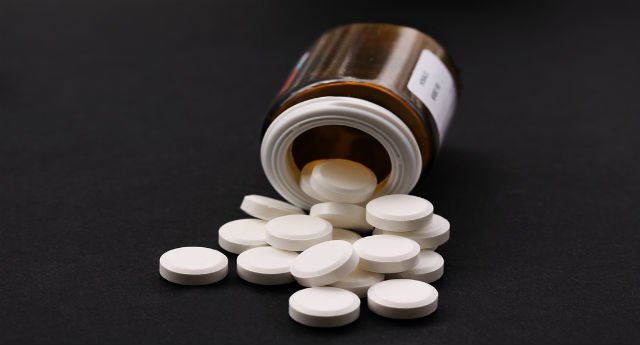
    Valium is avilable as a tablet and may be prescribed in doses ranging from 2 mg to 10 mg, 2-4 times daily. It’s available in strengths of 2mg, 5 mg, and 10 mg. Is Valium addictive? Yes. You can develop a tolerance to the benzodiazepine medication. If you take Valium long term, you can also develop eventual dependence or Valium addiction, especially if you’re taking Valium in high doses.

    How much Valium is safe?

    The recommended daily dose of Valium is 4 to 40 mg throughout the day. People have been reported taking doses of up to 2000 mg and experiencing only minor toxicity. That’s about 50 times the maximum recommended daily dose. So Valium is incredibly safe and very difficult to overdose on if taken by itself.

    How much Valium can you take at once?

    Only up to 10 mg of Valium should be taken at one time, and that’s only in someone with a tolerance for the medication. Taking Valium in large quantities for the euphoric “high” can cause adverse side effects. Because Valium can impair your balance, judgment, and alertness, taking it puts you at risk for accidents. And snorting Valium high can also increase your risk of overdose.

    How much Valium to overdose?

    It’s hard to overdose on Valium. However, Valium overdose is possible, usually in combination with other drugs. Again, at over 1000 times the normal dose, Valium usually causes only minor symptoms. It’s very difficult to overdose just by taking Valium pills. However, when combined with alcohol or other central nervous system depressants, it becomes much easier to overdose on Valium, and can even be fatal. In fact, mixing Valium and alcohol is incredibly dangerous, even in small amounts.

    How much Valium is fatal?

    How much Valium is fatal depends on the situation. Low doses of Valium can be fatal if combined with alcohol, narcotics, or other CNS depressants. Even at very high doses, it’s unlikely to cause permanent harm in a healthy individual on its own. But the side effects of Valium abuse can include terrible withdrawal symptoms and addiction, so it’s still a bad idea to take high doses of Valium recreationally.

    How much Valium should I take?

    You should take the amount of Valium prescribed to you by your doctor. Never take more than recommended by a medical professional, and only take this oral medication as directed.

    Questions about too much Valium

    Want to learn more or have any questions regarding Valium (diazepam) use, addiction, available treatment methods, and what you can expect from your rehab program? We outline in this guide on Treatment Programs and Help for Valium Addiction.

    Please leave your questions  about safe levels of Valium here. We do our best to respond to your queries with a personal and prompt reply.

    Reference Sources: Toxnet: Diazepam
    Medline Plus: Diazepam
    PubMed Health: Diazepam

    View the original article at addictionblog.org

  • Is it Dangerous to Quit Valium?

    Is it Dangerous to Quit Valium?

    ARTICLE SUMMARY: Seek medical supervision anytime you want to quit Valium after you are physically dependent. Valium (main ingredient diazepam) is a strong benzodiazepine that triggers dangerous side effects during withdrawal. Valium withdrawal symptoms can be very unpleasant when not properly managed. This article review what happens in the brain and body when you quit Valium. Plus, we review how to safely and gradually get off Valium.

    ESTIMATE READING TIME: Less than 10 minutes.

    TABLE OF CONTENTS

    How Addictive Is Valium?

    First, produced in the 1960s, Valium is the trade name of one brand’s label for generic diazepam. Shortly after its introduction, Valium quickly became one of the most widely prescribed benzodiazepines in the U.S. The drug is medically used in the treatment of anxiety, muscle spasms, and seizures. But how addictive is it, really?

    Valium is a schedule IV drug under the Controlled Substance Act (CSA) which classifies Valium in the group of drugs with low potential for abuse and low risk of dependence. Regardless of its drug schedule, physical dependence on Valium develops quickly. Addiction is also possible if you do not use this medication as directed by your doctor.

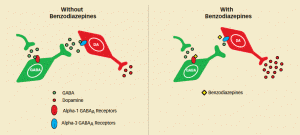
    Generally, you should take Valium for a short period of time (no longer than 4 months) and in small doses. Valium is a potentially very addictive benzodiazepine. Researchers think this is because benzodiazepines trigger dopamine, causing a flod of “feel good feelings” in the brain. And if you take it longer than 4 months, even with a doctor’s prescription, you risk developing an addiction. The risk of addiction further increases with duration of use. Chronic use (even at therapeutic doses) may lead to the development of a true drug problem.

    What Makes Quitting Hard?

    Valium strongly affects your brain chemistry. In this way, Valium is difficult to quit because of the withdrawal symptoms which occur due to physical dependence. Why and how does dependence occur?

    Dependence is the expected outcome of regular, daily dosing of Valium over the course of a few weeks, or more. Once your body becomes accustomed to the chemistry of diazepam, it adjusts and adapts in order to continue functioning. But when you quit using after a period of dependence, it takes time for the body to return to homeostasis. Long term use profoundly changes the brain’s natural chemicals – so your body craves the substance that helps you feel “normal”.

    When you remove the drug, withdrawal occurs.

    Withdrawal symptoms of Valium many people experience in the first week after quitting can merge with more persistent symptoms that may last for many months. These prolonged symptoms are often related to long-term benzodiazepine use and can be very uncomfortable. They include:

    • anxiety as the result of a learning deficit
    • sensory symptoms
    • motor neurological symptoms

    The long-term nature of some of these symptoms have caused experts like Dr. Heather Ashton to question whether or not structural neuronal damage occurs, making withdrawal both difficult and potentially dangerous.

    Symptoms of Quitting

    According to this 1994 article published in the medical journal, Addiction, physiological dependence on benzodiazepines is accompanied by a withdrawal syndrome which is typically characterized by physical symptoms. If you used Valium for a longer period of time, you can expect to commonly reported withdrawal symptoms once you discontinue your regular Valium doses. The main reported symptoms of quitting include:

    • Confusion
    • Difficulty in concentration
    • Dry wretching and nausea
    • Hand tremor
    • Headache
    • Irritability
    • Increased tension and anxiety
    • Muscular pain and stiffness
    • Palpitations
    • Panic attacks
    • Perceptual changes
    • Restlessness
    • Sleep disturbance
    • Sweating
    • Some weight loss
    • Vomitting

    Most often, people experience a kind of  short-lived “rebound” anxiety and insomnia that usually surfaces within 1-4 days of discontinuation. However, some people experience full-blown withdrawal that can last for weeks.

    Potential dangerous side effects of quitting Valium include suicidal thinking, seizure, or depersonalization.

    Severe Symptoms

    Severe Valium withdrawal symptoms include:

    • Depersonalization
    • Derealization
    • Hallucinations or epileptic seizures
    • Hyperacusis
    • Hypersensitivity to light noise and physical contact
    • Numbness and tingling of the extremities

    Effects On Neurotransmitters

    Valium affects the gamma-aminobutyric acid (GABA) neurotransmitters in the central nervous system. This neurotransmitter is known as natural tranquilizer, since it is responsible for preventing anxiety. When Valium enters the brain, it increases the inhibitory effect of GABA, which then blocks serotonin ability to fire messages throughout the brain.

    Depending on Valium doses, the inhibitory effect of GABA is usually excessive, which decreases levels of serotonin down below the minimum required level. A balanced level of serotonin within the brain and body is important for the following reasons:

    • Controls the regular cycle of sleep
    • Prevents excessive mood swings
    • Reduces anxiety
    • Regulates the feeling of happiness

    We mention this because long -term Valium use and abuse affects GABA and serotonin causing an imbalance in the quantity of these neurotransmitters which results in the following consequences:

    • Depression
    • Headaches
    • Insomnia
    • Intestinal distress
    • Irritability
    • Panic attacks
    • Rage
    • Suicidal thoughts

    What Makes Stopping Valium Dangerous?

    It is dangerous to stop using Valium cold turkey, without medical supervision, or to discontinue your dosing abruptly. Any of these methods can result in severe withdrawal and health risks. Here are the reasons why you should NOT consider each of the mentioned quitting methods.

    1. Stopping Valium cold turkey

    This method of cessation can only be used for very short term users who are not drug dependent. If you’ve used Valium long term for more than a few weeks or if you are a chronic user, quitting cold-turkey should not be an option for you because of the potential withdrawal dangers. Furthermore, Valium cold turkey often leads chronic users to relapse.

    2. Stopping Valium without medical supervision

    Quitting Valium using self-help is never recommended because you can seriously hurt yourself. Instead of trying to stop using this medication on your own, consult a treatment center or a detox clinic for assistance. Or, seek a physican for consultation. The Ashton Manual outlines suggestions for how to approach benzodiazepine withdrawal, suggestions that come from Dr. Heather Ashton after decades of medical experience.

    3. Lowering doses of Valium suddenly and abruptly.

    Similarly to cold turkey, this is another unsafe method of Valium discontinuation. Individuals who have stop taking Valium suddenly, faced extremely uncomfortable withdrawal that required immediate medical assistance. This method of cessation has led many users to the emergency rooms and therefore is not recommended.

    Safe Alternatives

    Despite all the serious consequences of Valium withdrawal, this medication can be successfully discontinued using the following methods:

    1. Quitting Valium under medical supervision

    Medical supervision is always suggested anytie you want to quit Valium. So, first check with your prescribing doctor. If you get a doctor’s OK to quit at home, than you can do so by scheduling outpatient visits to your doctor’s office. Withdrawal from Valium can be successful with a combination of medical supervision and pharmacological therapy that usually includes:

    • Antidepressants to reduce your anxiety
    • Anticonvulsant medications to aid you with seizures
    • Kemstro, Gablofen, Lioresal (baclofen) to reduce cravings.

    Quitting Valium under medical supervision has the following advantages:

    • Regular tests for drug presence
    • Individualized tapering plan tailored to your specific needs
    • Doctors’ disposal 24/7 in case of emergencies.

    2. Tapering Valium

    Tapering Valium is considered as one of the best quitting methods. Gradual withdrawal and eventual stopping of Valium can takes several months. However, some individuals need a year to reduce the dose gradually before they finally stopping it.

    3. Valium detox clinic

    Withdrawal can be most successfully managed by experienced medical staff at detox clinics and even residential centers for people with more severe addictions. Physicians and addiction professionals can stabilize your symptoms and lessen the effects of withdrawal. Since withdrawal from Valium can be exceedingly uncomfortable it’s best to do it under professional monitoring in order to achieve best results and get rid of Valium for good. Rapid detox is never recommended as a quitting benzodiazepines, including Valium.

    4. Inpatient Valium treatment

    Inpatient Valium treatment is usually recommended for those with severe dependency as well as those who struggle with addiction to this medication. Checking in a treatment facility can provide you with many benefits such as: continued care, monitoring of emotional or mental distress because of the withdrawal and variety of treatment alternatives (Cognitive behavioral therapy, motivational therapy, group and family therapy, 12 step meetings, aftercare programs). Hospitalization generally lasts 30-60-90 days and includes counseling to help you understand the nature of your addiction, relapse coping techniques and skills to recognize cues to drug use.

    Your Questions

    We hope to have answered all your questions about safely stopping Vliaum. But do you still have questions about quitting Valium dangers? Please leave them here. We’ll be happy to try to answer you ASAP or refer you to someone who can help.

    Reference Sources: DEA: Drug Schedules
    Valium Addiction Help: Valium’s Effect on Serotonin
    FDA: VALIUM
    Addiction Hope: Valium Abuse Causes, Statistics, Addiction Signs, Symptoms & Side Effects
    Rehabs: Choosing the Top Private Valium Addiction Treatment Center
    American Addiction Centers: Duration of Valium Withdrawal

    View the original article at