Category: Tech Addiction

  • Our Top 10 most-read digital wellbeing articles of 2022

    Our Top 10 most-read digital wellbeing articles of 2022

    This is post 7 of 7 in the series “Top Ten”

    1. Our Top 10 digital detox posts of 2015
    2. Our Top 10 digital detox posts of 2017
    3. Our Top 10 digital detox posts of 2018
    4. Our Top 10 digital detox blogs of 2019
    5. Our Top 10 digital detox blogs of 2020
    6. Our Top 10 most-read digital detox articles of 2021
    7. Our Top 10 most-read digital wellbeing articles of 2022

    We’ve had another fantastic year of visits to our blog for advice, research, and how-tos on how to live healthily and happily with screens. We’ve looked back through our archive to see which content resonated the most – here are our top then digital wellbeing articles in 2021:

    10. Six Simple Steps to Beat Your Tech Addiction

    Coming in at number ten, and one of our first blogs of the new year, tech addiction was obviously something on all your minds after 2021. This piece had some deceptively simple steps to help you get a grip on it. (Read more).

    9. Social Media Harms Boys and Girls at Different Ages

    We always share the latest research with our readers and fresh out this year was some fascinating research suggesting that boys and girls may be vulnerable to the harms of social media at slightly different ages. This piece had all the details. (Read more)

    How long should a digital detox beHow long should a digital detox be
    What are the most vulnerable ages to social media by gender?

    8. Six Signs of a Compulsive Phone Checking Habit

    Another piece which aimed to give you some guidelines on which habits you should be worried about, and which might be fairly harmless. FOMO is a big part of this syndrome we discovered. (Read more)

    7. It’s OK to Ignore a Text (Sometimes)

    Everyone hates being ignored, or even ghosted, online but there are some occasions where it really is OK to ignore a message. Sometimes it’s the best thing to do for your health – we tell you when. (Read more)
    It's ok to ignore a text (sometimes)It's ok to ignore a text (sometimes)
    When is it OK to ignore a text?

    6. How Long Should a Digital Detox Be?

    We get asked a lot how long you need to log off for before the positive effects of disconnecting are felt. So we decided to write a piece on exactly this subject and it proved very popular. (Read more)

    5. These Three Clever Tricks Will Help Get You Off Your Phone

    Another tips-filled piece for the phone addicts amongst you, this one had some easy-to-try tricks to encourage you to get off your phone and interact with the real world more often. (Read more)

    4. Persuasive Technology 101

    We thought we really ought to give you all a primer in how persuasive tech works, as we refer to it so often. This proved popular and landed just outside the top three most read blogs all year. (Read more)

    So our top three were…

    3. 10 Things to Do to Get Off Your Phone

    Yes, more tips and ideas on things you can do if you really, really, want to spend more time away from your smartphone but are finding it hard. (Read more)

    2. How to Do a Digital Detox, Without Giving up Your Phone

    A tricky subject, but one on all your minds – can you get the benefits of digital detox without throwing your phone away altogether and becoming a hermit? We had an encouraging take. (Read more)

    Which brought us to…

    1. “Am I Addicted to Social Media?” – Take Our New Quiz

    Our no.1 post this year was our brand new quiz, adding to the portfolio of popular quizzes on our site, and it’s on the subject all of you worry about – social media addiction. If you haven’t already tried it, give it a go! (Read more)

    We hope one of our top ten blogs, or one of the many others we published, helped in some way this year. Do let us know!

    digital detox bookdigital detox book

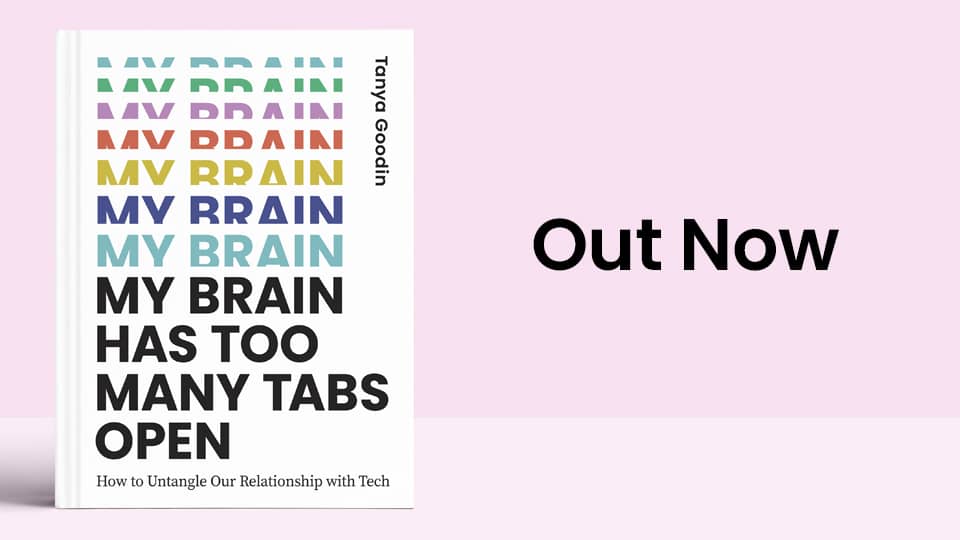
    For more ideas, suggestions and help on living healthily with the digital world, pick up a copy of our latest book.

    View the original article at itstimetologoff.com

  • Six Signs of a Compulsive Phone Checking Habit

    Six Signs of a Compulsive Phone Checking Habit

    Has your phone checking habit got out of hand? Recent research suggest we check our phones on average 58 times a day and while some of that might be with a specific purpose (work or connecting with friends), most of us recognise that a lot of those pickups are for no good reason at all. So, how does compulsive phone checking start?

    How a compulsive phone checking habit starts

    Right before you check your phone the dopamine levels in your brain start to rise. Dopamine is the ‘feel good’ or ‘pleasure’ brain hormone but it’s also released in anticipation of something that will make you feel good. Dopamine rising in your brain feels great. When you post on social media your dopamine starts to rise thinking about all the likes, comments and new followers you might get.

    When you don’t get the likes or engagement you were hoping for, your dopamine levels drop. This feels bad, so you’re compelled to keep checking or refreshing to see if there’s been a mistake.

    But if you do get the reaction you were hoping for your dopamine levels rise – which feels good.

    You keep repeating the behaviour (wanting even more dopamine if it’s rising, frantically trying to build it up if it drops) and it becomes a pattern – your brain gets trained into a cycle of wanting more and more dopamine. Dopamine is associated with all addictive processes and substances, so your phone checking starts to feel compulsive and addictive.

    Here are the six signs of compulsive phone checking you should keep an eye on;

    #1 Getting up in the night to check your phone

    You might convince yourself that your compulsive phone checking is nothing of the sort during the day, but if you’re getting up at night just to check your phone your habit has got way out of hand.

    six signs of a compulsive phone checkingsix signs of a compulsive phone checking

    Make it harder for you to check your phone in the night by plugging it in the furthest power socket from your bed – don’t sleep with it right by your fingertips.

    #2 Checking your device again when so little time has passed nothing can have realistically changed

    It’s not compulsive behaviour to go back to a post to see if anyone new has engaged it. But when you’re checking every two or three seconds or so, that’s definitely a worrying sign. Try and lengthen out the time between checks – and keep an eye on time gaps that are shortening.

    #3 Refreshing more than once in the hope something new will appear

    We all know apps can go down, there are glitches in wifi and mobile data connections, so refreshing a post while you’re looking at it is fine. But refreshing over and over again looking for something new isn’t healthy. Limit yourself to one refresh for each check and be strict with yourself.

    #4 Spending a significant time after posting merely refreshing

    After you post something there are lots of other things you can do on each app – check for friends’ updates, like their content, write comments. But if all you’re doing every time you check your phone is refreshing the app – beware.

    #5 Setting limits on checking which you break immediately

    You might have been aware that your habit was getting out of control, so you might have decided to set some limits on the amount of time you pick up and check your phone. If you find that any limit you set is completely impossible to stick to you’re going to need to involve other people to take your phone off you for a while, or to make you accountable.

    #6 Feeling out of control and angry and frustrated with yourself

    If you hate your habit but you can’t seem to change it and feel out of control with escalating behaviour that’s impacting the rest of your life, get help. Talk to a professional, check out the rest of the resources on this site or just let a loved-one know you need some support and help. Don’t trivialise it, or suffer in silence.

    For more about how to deal with compulsive and addictive behaviour around your smartphone, and how get a healthy balance with tech: My Brain Has Too Many Tabs Open is out now

    View the original article at itstimetologoff.com

  • Are You a Phone Addict? How Would You Know?

    Are You a Phone Addict? How Would You Know?

    One of the the things that most worries users of our site is whether they are a real phone addict. If you’re using your phone for hours every day, is that in itself a symptom of addiction? Or are there other tell-tale signs that might tell you if things are getting out of control?

    Four common signs and symptoms of an addiction are:

    • Losing interest in activities, hobbies or events that were once important to you.
    • Continuing to engage in certain behaviours, despite negative consequences.
    • Withdrawing from responsibility and socialising.
    • Trying, but failing, to reduce or stop.

    So, let’s take them one by one to see if you’re really a phone addict, or if you just might want to think about cutting down.

    #1 Losing interest in other activities

    This is a classic hallmark of addiction and might tell you if you are really a phone addict or if you just need to rebalance your relationship with your device a bit more.

    Think about all the off-screen activities that bring you joy and make you feel healthier and happier; spending time with friends and family, time for exercise and sport, being outside in nature, any form of creative activity that stimulates you. Now, think about whether time spent in those different activities has increased or decreased over the past few months in favour of time wasted on your phone.

    Look at the tools on your phone to see if you’ve got a good grip on how much time you’re actually spending on it and then think about whether other activities are being curtailed as a result?

    #2 Continuing, despite negative consequences

    Now, think about whether the time you’re spending on your phone is having any negative consequences in your life. Are you missing out on work? Or not completing it properly? Are you spending less and less time eating healthily? Is your sleep suffering because of hours spent on your phone late at night?

    Be honest with yourself about what the downside might be of your existing phone habits. It might be that others have complained that they have less and less of your time and attention because you’re glued to your phone. Does that sound familar?

    #3 Withdrawing

    More serious than just neglecting other hobbies and interests is when you find yourself withdrawing from responsibilities or socialising with other people, because your phone habits have simply taken over your life. Are you spending hours scrolling on your phone caught up with social media but not seeing friends in real life? Do you hardly come out of your bedroom at the weekend because you’re glued to your phone?

    #4 Trying but failing to stop

    This last one is the killer sign. Have you worried about being a phone addict in the past and set yourself boundaries and limits to curb your screen time but then failed to stick to them? Do you really want to spend a lot less time on your phone but simply can’t put it down? When your behaviour is at odds with the goals you set for your life, that’s something that should worry you.

    If you’re starting to become concerned then you should see a professional such as a psychiatrist or psychologist. If you think that you probably aren’t a real phone addict, but are still keen to cut down, then read up on the tricks adopted by the persuasive technology industry which keep you hooked to your phone. Understanding how the tech works to keep you there longer than you intended could well help you set boundaries and stick to them better.

    And check out all the resources on our website for how to do a digital detox and step away from tech from time-to-time.

    View the original article at itstimetologoff.com

  • Spending money late at night on things you don’t really need? Beware ‘vampire shopping’.

    Spending money late at night on things you don’t really need? Beware ‘vampire shopping’.

    This is post 4 of 4 in the series “My Brain Has Too Many Tabs Open”

    1. Are You Guilty of Sharenting? How to Stop
    2. Have you been ‘phubbing’ your loved ones? We can help.
    3. Technoference: What it is and How to Stop Doing it.
    4. Spending money late at night on things you don’t really need? Beware ‘vampire shopping’.

    As we come out of the Christmas season, and on through the January sales, many of us will be seeing an increase in the number of packages delivered to our door on a weekly (sometimes daily..) basis. This phenomenon of excessive spending is not a seasonal issue. If we’re honest, we all know that come February and March we will all still be scrolling through clothes, home improvement and pet care sites, buying things we don’t really need. Compared to just 10 years ago we are buying exponentially more, and now those purchases have been moved online, removing the friction of in-person shopping trips of yore. It’s not simply a lack of willpower either, we are being manipulated into late night sprees we can’t afford with the same techniques used to hook us into social media: we are vampire shopping.

    What is Vampire Shopping?

    Vampire shopping is the act of online shopping late at night, usually between 1 and 4am. It is characterised by shopping largely from your bed, making more purchases than you would at any other time. Often buying things you may realise the next day were not entirely essential. If that sounds familiar, you are not alone. Over 1/3 of shoppers now spend more money at night than during the day. Perhaps not surprisingly the over-represented groups in the vampire shopping category are gamers and sleep deprived parents. It has become more and more prevalent because of the ease of spending money online: just one click away if you use ApplePay, “It doesn’t feel like real money” as one self-confessed vampire shopper exclaimed.

    Why is it a problem?

    Vampire shopping is a problem because it is characterised by buying things we don’t actually need, and haven’t thought enough about, because we make the decision in the stupor of late night scrolling. Not only that, but we are much more likely to make bad financial decisions later in the evening. If you scroll at night instead of during the day research shows you’re likely to spend 20% more. In a country like the UK, where our hours of night are greatly increased in the winter months this can mean that shoppers spend nearly 2.5 hours shopping at night in winter compared to 1.5 hours in the summer.

    How to stop

    If, like thousands of shoppers around the world, this is no longer sustainable for you – have no fear. We have some advice which should stop your late night sprees in their steps:

    1. Remove all your card details from auto-fill online and from any eWallet you may have. This reintroduces the friction which would exist in real life and gives you a second to evaluate your purchase.
    2. Leave the items in your basket overnight: if you are shopping late at night it is highly unlikely that what you want will have sold out tomorrow so give yourself a night’s sleep before you make the purchase: you will be surprised how frequently you decide you really don’t need it come sun up.
    3. Check in with yourself: if you are feeling Hungry, Angry, Lonely or Tired it’s time to HALT your late-night scrolling, and try and get some sleep.

    If you want to learn more about ‘vampire shopping’ and the many other ways in which our digital habits are changing our lives, pick up Tanya Goodin’s new book: ‘My Brain Has Too Many Tabs Open’.

    View the original article at itstimetologoff.com

  • “Am I addicted to social media?” Take our NEW QUIZ

    “Am I addicted to social media?” Take our NEW QUIZ

    “Am I addicted to social media?” is one of the most-searched questions on Google. And it’s one of the questions we get asked the most at Time To Log Off too. So, we’ve been spending the last few weeks working on a new interactive quiz which might help you answer the question for yourself, and hopefully put your mind at rest.

    “Am I addicted to social media?”

    There are a few telltale signs to determine if you’re addicted to social media (no, we’re not going to tell you in this post, we really want you to take the quiz!) and we’ve designed our new quiz to check out how closely you match to the classical definition of social media addiction. Addiction to social media is what’s termed a ‘process addiction’ similar to an addiction to gambling, shopping or even exercise. It’s not quite the same as an addiction to a substance (such as alcohol or drugs), but the impact on your life can be very similar.

    In our best-selling digital detox course we explain all about the persuasive tech industry of Silicon Valley and about how so much of what we do in the digital world is designed to ‘hook’ us and spike dopamine (the feel-good chemical) in our brains. Social media addiction is one of the inevitable results. The quiz we’ve designed is intended to be a fun look at whether you’re spending too much time online, but if you’re concerned you should always see a mental health professional to discuss your habits if you think they might be getting out of control.

    The quiz has just nine questions which are deceptively simple but designed to probe into your habits – and importantly, how you feel about your habits.

    Are you addicted to social media?

    Our social media addiction quiz asks (amongst other things):

    1. How many accounts do you have?
    2. How often do other people comment (negatively) on your use?
    3. How often do you check social media?
    4. Have you tried to cut down? How hard did you find it?
    5. Does your social media habit interfere with the rest of your life?

    If you’re not worried about being addicted to social media, we have two other quizzes in the interactive quiz section of our website. Do take a look and if you haven’t already done those, why not give either of them a try?

    “Am I addicted to my smartphone?”

    Our most popular quiz on our website our “Am I Addicted to my Smartphone?” quiz is one way of working out if it’s you, or your smartphone, who is in charge of your daily habits.

    Are you addicted to your smartphone? Or have your habits just got a little bit out of control?

    Our smartphone addiction quiz will ask you:

    1. The last time you checked your phone.
    2. Where your phone is when you sleep.
    3. How often your phone is the first thing you check in the morning.

    And other questions designed to draw a picture of your habits. Give it a go.

    “Do I need a digital detox?”

    When you’ve done either (or both) of the addiction quizzes, it might be worth giving our final quiz a try to ask yourself “do I need a digital detox?“.

    Do you need a digital detox?

    Take all three of our fun interactive quizzes and check-in on your habits

    You could even give all three of our quizzes a go (they take about three minutes each quiz) or even recommend them to friends and family. And if you have any ideas for other quizzes we can develop – please get in touch!

    If you think you might be addicted to social media, your smartphone, or you think you might need to take a break from the digital world – pick up a copy of our new book: My Brain Has Too Many Tabs Open. Available to order here.

    To explore the concept of digital wellbeing further and to take a digital detox with us, check out our online course How to do a Digital Detox: The Ultimate Guide to Digital Wellbeing

    View the original article at itstimetologoff.com

  • Spending money late at night on things you don’t really need? Beware ‘vampire shopping’.

    This is post 4 of 4 in the series “My Brain Has Too Many Tabs Open”

    1. Are You Guilty of Sharenting? How to Stop
    2. Have you been ‘phubbing’ your loved ones? We can help.
    3. Technoference: What it is and How to Stop Doing it.
    4. Spending money late at night on things you don’t really need? Beware ‘vampire shopping’.

    As we come out of the Christmas season, and on through the January sales, many of us will be seeing an increase in the number of packages delivered to our door on a weekly (sometimes daily..) basis. This phenomenon of excessive spending is not a seasonal issue. If we’re honest, we all know that come February and March we will all still be scrolling through clothes, home improvement and pet care sites, buying things we don’t really need. Compared to just 10 years ago we are buying exponentially more, and now those purchases have been moved online, removing the friction of in-person shopping trips of yore. It’s not simply a lack of willpower either, we are being manipulated into late night sprees we can’t afford with the same techniques used to hook us into social media: we are vampire shopping.

    What is Vampire Shopping?

    Vampire shopping is the act of online shopping late at night, usually between 1 and 4am. It is characterised by shopping largely from your bed, making more purchases than you would at any other time. Often buying things you may realise the next day were not entirely essential. If that sounds familiar, you are not alone. Over 1/3 of shoppers now spend more money at night than during the day. Perhaps not surprisingly the over-represented groups in the vampire shopping category are gamers and sleep deprived parents. It has become more and more prevalent because of the ease of spending money online: just one click away if you use ApplePay, “It doesn’t feel like real money” as one self-confessed vampire shopper exclaimed.

    Why is it a problem?

    Vampire shopping is a problem because it is characterised by buying things we don’t actually need, and haven’t thought enough about, because we make the decision in the stupor of late night scrolling. Not only that, but we are much more likely to make bad financial decisions later in the evening. If you scroll at night instead of during the day research shows you’re likely to spend 20% more. In a country like the UK, where our hours of night are greatly increased in the winter months this can mean that shoppers spend nearly 2.5 hours shopping at night in winter compared to 1.5 hours in the summer.

    How to stop

    If, like thousands of shoppers around the world, this is no longer sustainable for you – have no fear. We have some advice which should stop your late night sprees in their steps:

    1. Remove all your card details from auto-fill online and from any eWallet you may have. This reintroduces the friction which would exist in real life and gives you a second to evaluate your purchase.
    2. Leave the items in your basket overnight: if you are shopping late at night it is highly unlikely that what you want will have sold out tomorrow so give yourself a night’s sleep before you make the purchase: you will be surprised how frequently you decide you really don’t need it come sun up.
    3. Check in with yourself: if you are feeling Hungry, Angry, Lonely or Tired it’s time to HALT your late-night scrolling, and try and get some sleep.

    If you want to learn more about ‘vampire shopping’ and the many other ways in which our digital habits are changing our lives, pick up Tanya Goodin’s new book: ‘My Brain Has Too Many Tabs Open’.

    The post Spending money late at night on things you don’t really need? Beware ‘vampire shopping’. appeared first on Time to Log Off.

    Source: itstimetologoff