Author: Addiction Blog

  • What Can Happen If You Collect and Consume the Wrong Type of Mushrooms?

    What Can Happen If You Collect and Consume the Wrong Type of Mushrooms?

    ARTICLE OVERVIEW: Many mushrooms have poisons which can do permanent harm to the body and, in some cases, even be fatal. This article aims to teach you the potential dangers as well as how to get emergency help. We invite your questions at the end. 

    ESTIMATED READING TIME:  LESS THAN 10 MINUTES.

    Table of Contents:

    How Do Mushrooms Work?

    Primarily, psychedelic mushrooms appear in two common species of fungi:

    1. Psilocybe cubensis
    2. Psilocybe semilanceata

    In fact, mushrooms are known to be psychoactive; they contain psilocybin (the “magic” in “magic mushrooms”), a psychoactive chemical found in natural fungi. When ingested, the main ingredient psilocybin breaks down and produces psilocin. Psilocin is a drug that triggers mind-altering effects in the user such as:

    • A change in perception and time
    • Hallucinations
    • High levels of emotions and sensory experiences
    • Psychological regression
    • Spiritual experiences

    Though many people credit mushrooms for giving them great experiences, it’s important to note the risks while you’re on mushrooms or after the high is over:

    • “Bad trip” experiences which can be defined as a very unpleasant high.
    •  Development of anxiety, panic attacks, or other mental health issues.
    •  Persistent psychosis.
    •  Possibility of taking a mushroom that holds poisonous properties.
    •  Recurring flashbacks, an impairing condition some users feel long after their psilocybin use.

    Certain conditions such as paranoia, turbulent mood, muddled thought pattern, and visual disruptions have been known to occur due to magic mushroom use. In fact, mental health issues can be triggered in people who take mushrooms, as psilocybin alters the brain’s chemistry. Furthermore, if a person were to take mushrooms in public and cause obscene behaviors due to psilocybin, they could face legal problems.

    What Are the Wrong Types of Mushrooms?

    Let’s just say, there are a variety of the wrong types of mushrooms – around 800 new species are registered annually. It’d be impossible to list them all in this one article. To simplify,

    The wrong types of mushrooms are those which can either cause a poisonous or fatal reaction.

    There are 14 particular types of mushrooms which are known to cause poison reactions. Within those types, there are 10 patterns which are related to a mycotoxin reaction – one of which is the hallucinogenic properties of psilocybin.

    Amanitin Poisoning and Fatality

    10% of people within America and Canada die due to ingesting mushrooms with this kind of poison. Therefore, it’s very important to seek medical attention as the following can happen:

    • Within 6 to 24 hours after consumption, the toxins will begin to destroy the kidney and liver.  It should be noted you probably won’t feel anything uncomfortable during this period.
    • In the following 24 hours, you’ll experience heavy vomiting, bloody diarrhea, and extreme  abdominal cramps.
    • The 24 hours after, you’ll begin to recover.
    •  Afterwards, without the right kind of treatment, the kidney and liver will fail and death tends   to occur. Blood begins to internally spill out and clots form.

    If you or anyone you know has eaten a mushroom they aren’t sure about, it’s vital you seek medical attention. It should also be noted that in heavily serious instances, the individual will experience diarrhea after 6 hours of consumption.

    Coprine Poisoning

    Copring poisoning occurs when you drink alcohol after eating specific types of mushrooms, such as Inky Caps (Coprinopsis atramentaria). Symptoms include:

    •  Flushing
    •  Headache
    •  Heavy limbs
    •  Salivation
    •  Tachycardia (racing heart) and palpitations
    •  Tingling arms and legs

    Gyromitrin Poisoning

    This toxin has been known to cause severe effects in some people and minors effects in others. This is due to the fact that it has a low boiling point. However, since the risk of fatal effects is measured purely on whether the mushroom is boiled or not, this isn’t something to mess around with.

    People who consume will feel symptoms within 2 to 24 hours and can expect the following:

    •  Abdominal pain
    •  Diarrhea
    •  Headaches
    •  Vomiting

    Death is prominently a possibility when a large amount of Gyromitrin is consumed, such as for food. Luckily, treatment is widely available. Consult a doctor if you’ve been led to believe you or a loved one has eaten a mushroom containing Gyromitrin.

    Isoxazole Poisoning

    This toxin and its derivatives will cause the body to react within 30 minutes to 2 hours after consumption and can be expected to last for several hours. The following symptoms will occur:

    •  Confusion
    •  Convulsions
    •  Delusions
    •  Nausea/Vomiting
    •  Visual distortion

    Luckily, there are no cases of death from this toxin. However, it has been known leave people in states similar to a coma for up to 24 hours. Due to the danger of this, it’s important to get medical treatment if you begin feeling the above symptoms from ingesting a mushroom.

    Muscarine Poisoning

    If you were to eat a mushroom containing this poison, it would attach to your involuntary nervous system within 15-30 minutes. Symptoms which can occur are:

    •  Decreased blood pressure
    •  Difficulty breathing
    •  Excessive salivation
    •  Irregular pulse
    •  Lactation (only in pregnant women)
    •  Sweating
    •  Tears
    •  Visual Disturbances

    This is another poisonous reaction in which most people recover. However, if the case is severe enough or if you’ve had respiratory problems in the past, respiratory failure is a possibility which can result in death.

    Orellanine Poisoning and Kidney Failure

    The problem with this toxin is these poisoning will not appear until some time after ingestion (sometimes up to 3 weeks) and the condition is very serious. Typically, after three days, the person who ingested it will feel:

    •  Anorexia
    •  Constant urination
    •  Evidence or progression of kidney failure
    •  Extreme thirst
    •  Feelings of coldness/shivering
    •  Headache
    •  Lethargy
    •  Nausea/vomiting

    The biggest issue with Orellanine is there’s been no discovered treatment. Still, people have been known to recover when their kidney function is strong.

    If you’re interested in learning more about the wrong type of mushrooms, The North American Mycological Association has compiled a list of common symptoms which occur. Plus, they’ve invited people who’ve experienced mushroom poisoning (whether small or big) to post about their experiences in order to increase our understanding of mushroom reactions.

    Main Poisonous Reactions

    Poisonous reactions include:

    Gastrointestinal Irritation

    This is the most common poisonous reaction and usually occurs within 20 minutes to 4 hours after ingesting the mushrooms. Symptoms include:

    •  Cramps
    •  Diarrhea
    •  Vomiting

    Though this isn’t the most dangerous reaction, people can experience dehydration if not treated properly. Furthermore, there are instances of severe cases which require hospitalization.

    Kidney Damage

    Inside the mushrooms Amanita smithiana, A. proxima, and A. pseudoporphyria, there is an unknown toxin that manifests symptoms similar to Orellanine poisoning (see below), but are much more quick to set in. 4-11 hours after ingestion, a person who’s consumed any of the three mushrooms above will feel the following:

    •  Anxiety
    •  Chills
    •  Cramps
    •  Disorientation
    •  Kidney failure
    •  Gastrointestinal distress
    •  Malaise
    •  Oliguria
    •  Polyurea
    •  Sweating
    •  Thirst
    •  Warm feelings
    •  Weakness

    You should seek medical help as soon as possible if you or a loved one believes they consumed Amanita smithiana, A. proxima, or A. pseudoporphyria. They are found in America’s Pacific Northwest.

    Emergency Help

    When it comes to accidentally consuming a poisonous mushroom, you’ll most likely need to visit the emergency room as soon as possible. This is due to the fact that symptoms can kick in quickly. Many times, the person who ate the mushroom isn’t entirely aware of the toxicity.

    There are some cases where an emergency room isn’t necessary – where the harm caused by the poisons isn’t severe – however, unless you’re an expert on fungi species, the risk isn’t worth it.

    Or, if you think that someone has eaten a wild mushroom, call Poison Control right away at 1-800-222-1222. Poison specialists will tell you exactly what to do. They will work with mycologists (mushroom identification experts) to find out what kind of mushroom it is. They will also work with the emergency room staff so you can get proper treatment.

    Long-Term Abuse Effects

    It’s still not entirely clear what the long-term effects of psilocybin are. In more recent years, scientists are looking into the medical benefits of psilocybin; research targets whether or not mushrooms can be used for anxiety, addiction, and PTSD. In one study, people who were resistant to cluster headache and migraine medication are finding psilocybin to bring long-term relief.

    Though research is aiming to find the good in these drugs, there’s always the flip side of the coin: hallucinations and mental illness. Especially for those who seek out mushrooms recreationally, rather than medically. Here are some of the main long-term effects of overuse of mushrooms:

    1. Flashbacks

    One of the biggest long-term concerns is flashbacks (also known as hallucinogenic-induced persistent perception disorder). This is a condition in which people will re-encounter the effects of their mushroom experience even if they haven’t used for a long time. Not only can this be frightening for people to experience, a flashback can also come at inappropriate times (such as a job meeting, family get together, etc.)

    2. Mental illness triggers 

    Furthermore, there’s a chance that flashbacks are an experience of mental illness which has developed due to an individual’s psilocybin use, such as schizophrenia. Again, since the research isn’t conclusive, not much is known about why this occurs in certain individuals. We do know that it’s more likely to happen in people who’ve used chronically and experienced “bad trips”. There’s also connections to polydrug use, such as taking mushrooms with alcohol and other psychedelics. Lastly, people who experience flashbacks generally have other mental disorders, such as anxiety.

    3. Dependence and addiction

    Historically speaking, psychedelic mushrooms have been used for medical treatment, healing ceremonies, and spiritual rituals. However, most people DO NOT KNOW THAT PSILOCYBIN holds the potential for abuse. When someone seeks out mushrooms again and again, they face a high risk of becoming dependent on the experience. So, just like any psychoactive substance, regular use of mushrooms can lead to a psychological dependence or addiction.

    How Does Someone Become Addicted to Mushrooms?

    So, how can someone get addicted to magic mushrooms?

    Unlike other drugs, such as heroin or cocaine, magic mushrooms do not cause a physical dependence. In other words, the body won’t adapt to the chemical structure of psilocybin and, therefore, feel a necessity for it when the drug wears off. Still, this isn’t to say the mind isn’t affected. In fact, since magic mushrooms are dominantly a psychoactive drug, the mind can form a habit of psychological dependence.

    Indeed, a psychological dependence is very much a possibility. Since psilocybin is a psychoactive drug, it changes patterns within the brain which hold the potential for someone wanting to come back for more. These changes can leave someone feeling dissatisfied or variant without mushrooms in their life.

    In turn, this leads individuals to use mushrooms as a means of dealing with life stressors (such as home, school, or work responsibilities). This results in compulsive behaviors which can spark cravings and, in the case of psychedelic substances, mood differences without the drug.

    If you’re curious as to whether you or a loved one has an addiction or dependence to mushrooms, ask yourself the following questions:

    •  Do you use psilocybin to deal with life stressors (i.e. school, work, relationships)?
    •  Have you found you function better when under the influence of psilocybin?
    •  Do you become anxious or distressed when you can’t use psilocybin?
    •  Have you been on the lookout for psilocybin when you’re experiencing stress?
    •  Do you find yourself only fantasizing about your psilocybin use rather than thinking about   realistic, possible negative effects it could be having on you?
    •  Do you engage in risky conduct due to your psilocybin use?

    If you’ve answered yes to any of the above questions, you or your loved one is most likely facing addiction. In order to get help, you should consult a doctor and seek a medical professional for the right treatment. You can also contact us at the phone number listed on this page.

    Addiction Treatment Options

    When it comes to psilocybin mushroom addiction treatment, you have a variety of options at your disposal.  To understand which treatment is best for you, it’s important you understand your addiction, too.

    Everyone experiences a different kind of dependence on their drug of choice. In terms of magic mushrooms, some people use to escape reality, while others use to cope with emotions.

    So, where do you begin to look for help? You may want to seek out the following options as a means of both developing a better understanding of your addiction as well as how your treatment will work:

    •  Contact a doctor or a physician to get the best references for addiction treatment centers that   are near your living area.
    •  Check different types of treatment programs and their requirements, so you can choose   which one best suits your needs.
    •  Look for support groups that will be part of your treatment program.
    •  Try to find contacts from the most competent and experienced clinical psychologists.

    If you’re looking to reach out to a Helpline for your mushroom addiction, here are a few more options to look into:

    •  National Clearinghouse for Alcohol and Drug Information (NCADI) 1-800-729-6686
    •  National Council on Alcoholism and Drug Dependence HopeLine 1-800-475-HOPE (4673)
    •  National Drug and Alcohol Treatment Referral Service 1-800-622-4357
    •  National Institute on Drug Abuse Drug and Treatment Information 1-800-622-4357
    •  National Suicide Prevention Helpline 1-800-273-TALK (8255) or 1-800-SUICIDE (784-   2433)
    •  Substance Abuse Helpline (available 24/7) 1-800-923-4327
    •  Relapse Prevention Hotline 1-800-RELAPSE (735-2773)

    Or,  you can search for doctors, psychologists, or psychiatrists near you:

    Furthermore, you can always give us a call on the hotline number on this page. We’re here to help.

    How Treatment Works

    A reputable addiction treatment programs will work with you and your specific case. In a reputable treatment facility, you can expect the following information to be taken in order for the professionals to find out more about your addiction:

    •  How much/long/often you used and abused magic mushrooms.
    •  Different roots within your life which may have caused addictive behavior.
    •  Past traumatic experiences (if any).
    •  Your history and family’s history of drug abuse.
    •  Your personal and emotional issues.
    •  Your unique treatment goals.

    Then, you’ll receive therapies that are fairly common when it comes to drug abuse. This is especially true when it comes to people who struggle with magic mushroom addiction as the core problem is psychological. The goal of therapies is to help you handle day-to-day emotions without the help of psychoactive drugs. When entering a treatment facility, you can expect to be offered the following:

    •  Education about drug abuse and the damaging effect over your health
    •  Individual and Group Counseling
    •  Medication Assisted therapy
    •  Integrated or Dual Diagnosis Therapy (if need for co-occurring mental health issues)
    •  Relapse prevention training
    •  Aftercare services

    Your Questions

    If you have any more questions concerning what to do if you take a poisonous mushroom or mushroom addiction treatment, we invite you to ask them below. If you have any advice to give on these topics, we’d also love to hear from you. We try to get back to everyone in a timely and personal manner.
    Reference Sources: National Capital Poison Control Center
    Children’s Hospital of Philadelphia: Mushrooms
    NIDA: Drug Facts: Hallucinogens
    SAMHSA: Hallucinogens
    FDA: Poisonous Plant Database

    View the original article at

  • Drunk Driving

    Drunk Driving

    ARTICLE OVERVIEW: This article provides a brief review of the consequences you face if you get arrested for drunk driving. 

    TABLE OF CONTENTS:

    What’s the Drunk Driving Limit?

    Alcohol is a depressant. It works by slowing down the activity of the central nervous system. When you drink, information and activity across the brain is delayed. Plus, alcohol impairs cognitive and psychomotor skills. For these reasons, drinking and driving increases the risk of:

    • Car accidents
    • Injuries
    • Vehicular deaths

    So, what’s the official limit for drink driving?

    According to the National Highway Traffic Safety Administration (NHTSA), it is illegal to drive with blood alcohol concentration (BAC) of 0.8 g/dL or higher in all 50 states, the District of Columbia, and Puerto Rico. This means that your BAC needs to be lower than 0.8 g/dL if you drive. If you’re over that limit, you’re considered to be “alcohol-impaired”.

    Alcohol Impairment >= 0.8 g/dL BAC

    However, the current limit is up for debate. There is evidence that driving impairment may occur at lower BACs. This article published in the British Medical Journal  challenges us to accept even this alcohol limit for drunk driving. The authors think that 0/8 g/dL is high, and it needs to be much lower.

    Also, there is a zero tolerance for alcohol levels in drivers who are minors, under the age of 21. You can find more info about the state policies on underage drinking and driving here. Zero tolerance is also required for operators of a commercial motor vehicle, school bus drivers, and child care vehicle drivers.

    Levels of alcohol impairment are determined by a driver’s BAC at the time of arrest.

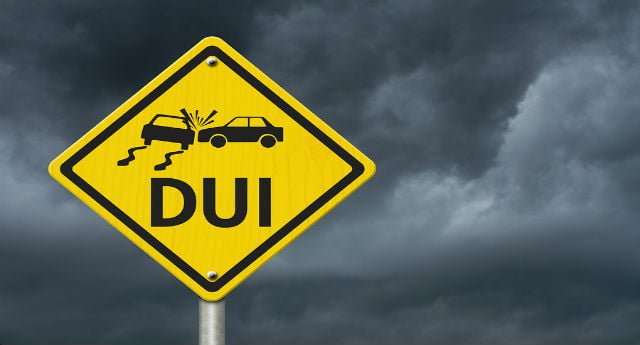
    DUI vs. DWI

    Drunk driving is known as both DUI or DWI. Both acronyms describe the illegal act of operating a motor vehicle while alcohol and/or drugs impaired. The main difference lies in the meaning of the letters:

    • DUI= Driving Under the Influence
    • DWI= Driving While Intoxicated

    NOTE: In some states, the term ‘Driving While Intoxicated’ is referred to as “Operating While Intoxicated,” or OWI.

    These terms may sound identical, but some states classify these two conditions as separate crimes. If you live in a state that classifies them separately, a DUI is considered  a lesser level of impairment, and is charge more leniently than a DWI. In other jurisdictions, DUI is only used when the driver is alcohol-impaired, while DWI is only used when the driver is under the influence of drugs. Other states have created a zero tolerance policy which means that there is no distinction between DUI and DWI. These states mandate that any BAC over the legal limit is a crime.

    Drunk Driving Dangers

    Driving after drinking can cause direct harm and can end in death. Getting behind the wheel after few drinks can be dangerous not only to you, but also to the other drivers and pedestrians.

    Approximately one-third of all traffic crash fatalities in the U.S. involve a drunk driver.

    Roughly, over 10,000 people die every year due to driving under influence. But death is not the only danger that you are facing when DUI. Some legal consequences may include:

    … and more.

    Drunk Driving Accident Statistics

    Statistically speaking, young men aged 21 to 35 are the critical target group for drunk driving. They are most likely to drive drunk. The Centers for Disease Control and Prevention reported that in 2010, 4 million U.S. adults reported that had at least one episode of drunk driving. 81% were men, and 32% were young men aged between 21 to 34.

    In 2016, more than 1 million drivers were arrested for DUI of alcohol or narcotics. To confirm these numbers, the Federal Bureau of Investigation found that in 2016, 1,017,808 drivers were arrested for driving under the influence of alcohol or drugs. However, this is only 1% of the 111 million self-reported episodes of DUI among U.S. adults each year.


    Finally, the financial impact is devastating: impaired driving crashes costs our American society $44 billion annually.

    An estimated 28% of all traffic fatalities occur due to drunk driving.

    Drunk Driving Death & Fatalities Statistics

    The National Highway Traffic Safety Administration reported just over 10k fatalities in motor vehicle crashes involving drivers with BACs of 0.8 d/dL or higher in 2016. To put it another way, 28% of all traffic fatalities in 2016 were due to alcohol impairment.

    1 person dies every 50 minutes due to alcohol-impaired driving.

    The top 5 states with the highest number of drunk driving fatalities in 2016 included:

    • Texas 3,776
    • California 3,623
    • Florida 3,174
    • Georgia 1,554
    • North Carolina 1,450

    Check out all state statistics in this NHTSA pamphlet on Traffic Safety Facts.

    Moreover, this NHTSA report looks into the innocent victims of drunk driving accidents. In 2016, a total of 1,233 children were killed in motor vehicle crashes, and of these fatalities, 214 children died in alcohol-impaired driving crashes. 45% of the time, the child’s own driver was under the influence of alcohol.

    Also, CDC reports that from all motor vehicles deaths:

    • 1.3% were children aged 0 to 20 who died due to drunk driving.
    • 6.7% were young adults aged 21 to 35 who died due to drunk driving.
    • 3.1% were adults aged 35+ who died due to drunk driving.

    Men are more likely than women to be driving in fatal accidents. In 2016, 21% of males were drunk in these crashes, while only 14% were females.

    Find state-specific fact sheets made by CDC here.

    About one in three traffic deaths in the United States involves a drunk driver.

    You know what?

    This cause of these deaths is preventable.

    Indentify a designated driver or plan a safe way home when you plan to drink.

    Drunk Driving Laws

    Laws about drunk driving are set up differently by state. This is why penalties and sentences vary in every state. Commonly, laws involve a combination of the following:

    • Enormous fines
    • Jail time
    • Loss of your driving license
    • Mandated treatment

    For instance, in North Carolina, there are five levels of DWI misdemeanor:

    • Level I being the most serious with a fine up to $4,000 and a minimum jail sentence of 30 days to a maximum of two years.
    • Level V being the least serious with a fine up to $200 and a minimum jail sentence of 24 hours and a maximum of 60 days.

    Another example is California with fours days in jail for the first offense, 90 days for a second offense, and 120 days for a third offense. Texas mandates three days of jail for the first offense, 30 days for the second, and two years for the third.

    Moreover, vehicular assault or vehicular manslaughter brings severe outcomes in most of the states. For example, a person convicted of vehicular manslaughter may face anywhere from zero to 10 years in prison in California. This state recognizes two different charges: Gross Vehicular Manslaughter While Intoxicated (facing 4-10 years in state prison), and Vehicular Manslaughter While Intoxicated (up to one year in the county jail or about 16 months in the state prison).

    Additionally, different states are more or less aggressive in their DUI and DWI arrest quota. A collection of 2014 DUI arrest research reported the following results after one year of tracking:

    • California had 214,828 arrests
    • Florida had 61,852 arrests
    • New York had 25,169 arrests
    • Texas had 90,066 arrests.

    Consequences of Driving Drunk

    What’s the price for having few drinks on a night out and then driving?

    If you get arrested, some legal consequences may include:

    • Going to jail.
    • Going into court-ordered alcoholism treatment.
    • Losing the custody of your children.
    • Losing your driving license.
    • Losing your job.
    • Paying a fine.

    Moreover, if your DUI arrest is combined with a manslaughter conviction, some consequences include the loss of:

    • Custody of children, and parental rights.
    • Employment in certain fields.
    • Government financial aid for college.
    • Jury rights.
    • Professional practice licensing
    • Public housing benefits.
    • Traveling abroad rights.
    • Voting rights.

    Drunk Driving Help and Treatment

    During a DUI court hearing, the defendant will  usually be required to be evaluated by a qualified court-appointed counselor for an alcohol use disorder assessment. The job of the counselor is to review the court’s records, to conduct the screening process, and to appoint the appropriate alcohol treatment options.

    The counselor will take into account:

    • BAC at the time of arrest.
    • History of substance use treatment.
    • The alcohol-impaired offenses.
    • Possibility of other drug use.
    • Possibility of presence of any other mental health disorders.

    A treatment referral will be made of one or a combination of the following:

    1. Medical detox.
    2. Outpatient rehab program.
    3. Inpatient rehab program.
    4. Support groups.

    Once the counselor’s observation is completed, the judge can refer the convicted driver to a host of many rehab programs, starting from a few sessions to structured programs that can last several weeks or months. In some severe cases, the court can order the driver to an inpatient program, while in other cases, the court may appoint only local community services, such as Alcoholic Anonymous meetings. Also, the judge may put the driver on probation.

    Court-ordered alcohol rehab is a concern for its effectiveness. Is rehab effective when it isn’t voluntary? Many studies have well established that recovery and willingness to change must come from within the individual. However, the National Institute on Drug Abuse supports the fact that court-appointed rehab can outcome with as positive results as those who enrolled into rehab on their own. Also, the persons who enrolled into rehab under legal pressure have higher rates of attendance, and stay in rehab for longer period.

    Your Questions

    Did we answer all the questions you have about a DUI or DWI? If not, feel free to post your specific question in the comments section at the end. We will try to answer to all legitimate inquiries personally and promptly.

    Reference Sources: NCBI: The Effectiveness of Drinking and Driving Policies for Different Alcohol-Related Fatalities: A Quantile Regression Analysis 
    CDC: Sobering Facts: Drunk Driving State Fact Sheets
    NHTSA: Drunk Driving
    CDS: Impaired Driving: Get the facts
    US Department of Transportation: Drunk Driving By the Numbers 

    View the original article at

  • A Checklist for Hiring an Addiction Interventionist

    A Checklist for Hiring an Addiction Interventionist

    ARTICLE SUMMARY:This article offers guidelines on how to select a professional interventionist when you are ready to confront a family member about a drug or alcohol problem.

    ESTIMATED READING TIME: Less than 10 minutes.

    TABLE OF CONTENTS:

    Readiness for Help

    So, you’re ready to find an interventionist.

    Most likely, you’re at your wit’s end. You may not be sleeping at night from worry. You might feel like the world is spiraling out of control. And you may be angry, frustrated, and downright sick of the person in your family who’s using drugs or alcohol.

    Guess what?

    These are all normal feelings!

    Selecting and working with an interventionist might be the best thing that you can do for your family. The right person will have just the right combination of techniques and words to move your entire family into a new era. The right person will also have experience and a track record to show for it. Plus, the right person will not only get your loved one into rehab, s/he will guide your family on what to do next.

    So, the decision about WHO is best for your family should not be taken lightly. Your choice will be informed by your specific needs, situation, and case. And you need to do your research. We hope that this informative article will help!

    Credentials

    Currently, addiction interventionists are not required to attend university, pass certification exams, or be approved as “clinicians” before they begin to practice. In fact, it’s a bit like the Wild, Wild West.

    Still, a skilled interventionist should be highly trained in addiction interventions. The right person can help you and your family get unstuck. However, it can be tricky to make a decision on credentials alone. Some interventionists are licensed clinicians, some are trained by colleagues, while others have experience under their belt.

    Q: So, what should you be looking for, in terms of credentials?

    A: Basically, you need to know that the person KNOWS what they’re doing…and has the experience to back it up.

    Clinical skills are helpful and desired when looking for an interventionist. However, credentials are not a prerequisite. Experience matters. Plus, it can also help to work with other professionals who complement interventions. Trained attorneys, psychiatrists, psychologists and others who themselves are in recovery are excellent allies.

    THE BOTTOM LINE IS THIS: Regardless of the interventionist’s academic background, you need to figure out:

    1.  What they know.
    2.  Who they’ve been trained by.
    3.  What mentoring they’ve had.
    4.  What skills they bring to the table.

    How Much Do Interventionists Charge?

    Interventionists charge from $2,500 to $10,000 or more for their services. The price will depend on the level of service offered and the person’s experience with interventions. For example, some interventionists offer coaching to families for 3-6 months after the intervention is over. Others will end their work with your family when your loved one enters treatment, or after a family weekend.

    When interventionists partner with or work for treatment centers, the intervention may be lower priced than for someone who works independently. This is because the intervention may be just another service of the entire rehab process. Note also fees are not necessarily less if you pick an interventionist in your state versus across the country.

    When considering costs, keep in mind the ultimate value of the result. The upfront costs might seem high, but in exchange, you’re increasing the chances your loved one will attend rehab and get their life back on track. How much is that worth to you?

    As a comparison, according to the U.S. Bureau of Labor Statistics, as of 2017, the average annual salary of counselors working in the field of addiction was $43,300. Interventionists on the higher end of the earnings scale, or 90th percentile, earned $60,000 and those on the lower end of the earnings scale, or 10th percentile, earned $25,140.

    How to Find an Interventionist

    There are a few ways you can identify the best person for your family.

    1. Search member directories of the professional associations.

    It is important to find someone with experience, the appropriate licenses/certifications for your needs, and a strong code of ethics. Two professional guilds list members’ credentials, licenses, and certifications. So, where finances are concerned, be sure that you clarify fees and services up front.

    To look for an interventionist, search the member listings for the NII and AIS:

    2. Seek a reference from a mental health professional.

    Second, the National Council on Alcoholism and Drug Dependence recommends that you seek help from the following professionals for intervention services:

    •  An alcohol and addictions counselor
    •  An addiction treatment center
    •  Psychiatrist
    •  Psychologist
    •  Social Worker

    Some of these professionals may have experience in interventions themselves. Other times, a mental health professional can refer you to a colleague or someone with a good reputation in the field. The organization also suggests that you reach out to NCADD Affiliates to be connected to referrals.

    3. Call us for help.

    The telephone number listed on this page will connect you to a helpline. All calls will be answered by American Addiction Centers (AAC). Caring admissions consultants are standing by to discuss your treatment options, which can include family intervention specialists. The helpline is offered at no cost and with no obligation to enter treatment.

    Whatever route you choose, we recommend picking up the phone and interviewing at least three people that you want to work with. Use the checklist at the end of this article to guide your conversation. Finally, confirm references that the person offers and have conversations about the person’s methods.

    Do Interventionists Work?

    Yes, professional interventionists work.

    According to the Association of Intervention Specialists, research suggests that up to 90% of professionally guided interventions succeed at getting the person into treatment. Whether your loved one will find and maintain a drug-free life is more of a long-term investment. In fact, someone facing addiction needs to put in a great deal of effort to change their thoughts and behaviors.

    But if you’re doing an intervention correctly – and using the Collective Intervention Strategy outlined in the book, The Definitive Guide to Addiction Interventions – the family system will change. So, regardless of whether your loved one goes to treatment or not, the system will never be the same.

    Therefore, every addiction intervention has the possibility to be successful.

    A Printable Checklist

    It’s important for families who hire an interventionist to first check out an interventionist’s credentials and amount of time they have spent in the field. You’ll also want to know more about their services, costs, and personal experience with addiction. Here are is a checklist of questions that you can use to help you vet professionals. Feel free to write answers to the questions…or use the space for your own notes.

    □ Credentials
    □ Licensed Clinical Professional Counselor, LPC or LCPC
    □ Licensed Mental Health Counselor, LMHC
    □ Licensed Clinical Social Worker, LCSW
    □ Masters or Doctorate of Psychology, Masters in Psychology, Psy.D.,
    □ Marriage and Family Therapist, MFT


    Member of professional association (circle any of the following)

    • AIS: Association of Intervention Specialists

    • NII: Network of Independent Interventionists

    • American Hospital Association

    • NATAP: National Association of Addiction Treatment Providers

    • NAADAC: National Association for Alcoholism and Drug Abuse Counselors

    • NASW: The National Association of Social Workers

    • CARF: Commission on Accreditation of Rehabilitation Facilities

    • CADAC: California Association of Alcohol and Other Drug Counselors

    □ Is the interventionist independent or employed by a particular treatment center or centers?


    □ What is the person’s academic background, training, and/or experience background?


    □ Is the interventionist in recovery him/herself, or not?


    □ Does s/he work alone or have a team?


    □ What exact services does s/he provide? What is the cost?


    □ What services do they not provide?


    □ What are their professional affiliations?


    □ What do they specialize in (not all people can do everything)?


    □ What does their engagement offer? Length of service and actual services.


    □ What is the length of time for their engagement? Does the person work with you and your family AFTER initial treatment placement?


    □ How accessible is the person or their team to you? Can you reach the person 24-7? What’s the turn around time on phone calls, emails, etc?


    □ Does the interventionist have references you can call for verification?


    Your Questions

    We hope to have set you on the right path for getting help.

    But we understand you still may have questions.

    Please ask any question in the comments section below. We do our best to respond to each real-life situation with a personal and prompt reply. And if we can’t help…we’ll refer you to someone who can!

    We wish you all the best.

    —–

    Reference Sources: The Definitive Guide to Addiction Interventions, A Collective Strategy
    Available via Routledge Press or on Amazon.

    View the original article at

  • Technology: A Dangerous Addiction For Teens?

    Technology: A Dangerous Addiction For Teens?

    ARTICLE SUMMARY: This article takes a brief look at the definitions of tech addiction and signs that your teen might have a real problem with technology. Then, we offer suggestions about what you can do about it.

    ESTIMATED READING TIME: 5 minutes.

    TABLE OF CONTENTS:

    What Is Technology Addiction?

    Over the last few decades, technology has become such an integral part of our lives that few of us can imagine life without our smartphones and the internet. There’s no doubt that we need technology to keep up in our modern world. No age group has embraced the digital world more than teens.

    However, overdependence on tech can have serious consequences especially for teenagers who are still at an impressionable age.

    Experts now recognize internet or technology addiction as a major diagnose-able problem affecting adolescents. What is it, in medical terms? Simply put, technology addiction is:

    The frequent and obsessive tech-related behavior increasingly practiced by an individual in spite of the negative consequences they experience. It encompasses addiction to the internet, social media or video/computer games.

    Why Is Technology So Addictive?

    But what makes tech so addictive? To get the answer, you have to understand the effect it has on the brain. Technology appeals to our natural need for stimulation, connection, and interaction with others.

    Digital interactions, such as those on social media, stimulate the reward center of the brain and trigger the release of the pleasure hormones dopamine and endorphins. This results in a sort of high as teenagers keep seeing replies to their social media posts. It’s also the reason why some teens, as well as many adults, get hooked on social media and technology.

    The Problem With Digital Addiction

    While most parents are aware of the dangers of addiction to narcotics, alcohol and other harmful substances, few are aware of the very real threat lurking right in their homes — teen internet addiction. Sure addiction to technology may not sound as bad as other addictions, but it can have serious implications nonetheless.

    Data from several studies show that teens have complicated relationships with their smartphones. A Pew Research study reveals that now 95% of teens have smartphones or access to one. Furthermore, 54% of American teens aged 13-17 worry that they spend too much time on their phones while 56% report feeling anxious, lonely or upset whenever they’re away from their phones.

    That last statistic is quite worrying as more than half of the teens surveyed say they experience these withdrawal symptoms when separated from their devices. Even teens themselves agree that spending too much time online is a significant problem facing their age group.

    Although it looks harmless on the surface, technology addiction can have adverse effects on a teen’s life. Some of the consequences include:

    Brain damage. Research now shows that technology addiction may actually damage the brain by producing neural pathways changes similar to those caused by drugs and alcohol. This, in turn, results in damage to the parts of the brain dealing with attention, emotional processing, and decision-making. Teens are particularly susceptible since their brains are still developing and any negative changes might have a long-term effect on the rest of their lives.

    Health problems due to adopting an increasingly sedentary lifestyle thanks to being glued to their screens.

    Higher risk for depression, anxiety, and even suicide. Teens who spend a lot of time on social media tend to have lower self-esteem and higher levels of depression than those who don’t. This might be because they’re exposed to unrealistic standards and expectations for beauty, life, etc. that they just can’t match up to.

    Poor problem solving. Increasingly using the internet as a way to cope with the disappointments and challenges of life creates inability to manage stress. Technology can provide an escape from reality by giving teens a digital world where they can be anybody they want. Unfortunately, such escapism only encourages teens not to find solutions to whatever problems they face in the real world.

    Neglect. Neglecting aspects of their lives like their academics, relationships with friends and family and even their health.

    Lowered emotional IQ. Deteriorating interpersonal skills are also a result of too much tech.

    Safety concerns. Risks of cyberbullying, online predators, and excessive exposure to pornography.

    Sleep problems. Sleep disorders as teens opt to stay up all night playing games or chatting online.

    Warning Signs Of Addiction To Technology

    It can be tricky to identify technology addiction in teens since it’s necessary for them to spend part of their time online to do their schoolwork. Parents can, however, monitor their teens for the following signs of internet addiction.
    •  Becoming angry or argumentative when confronted about their internet use.
    •  Becoming irritable, anxious or depressed when not online.
    •  Constantly interrupting their ongoing conversations or work to check their phones.
    •  Lack of interest in activities they found enjoyable prior to having internet access.
    •  Lying about or hiding their internet habits and online activities.
    •  Neglecting household chores and schoolwork to spend more time online.
    •  Preferring online interactions and video games to social interaction with friends and family.
    •  Refusing to cut back on technology use and violating or evading set screen time rules.
    •  Staying up late to be online.

    Preventing And Dealing With Tech Addiction In Teens

    Many parents are understandably worried that their teenagers are spending too much of their time immersed in technology to the exclusion of everything else. While imposing an outright ban on technology in your home might be impractical, there are other things you can do to steer your teen away from being addicted to technology.

    1. Talk to your child(ren) about the dangers that lurk online. Teach them how to keep themselves safe by enrolling in a Digital Citizens course, like this one from Microsoft or with Google.

    2. Monitor their technology use and set reasonable rules and limits. This works better if you let your teen have a say in setting these rules. For instance, you could have a rule that no devices are allowed at the dinner table. Or you might have an all family “No Tech Tuesday”. Another idea is to limit screen time by charging devices in a shared living area at least 2 hours before sleep.

    3. Set a good example. Watch how you use technology as your teens might have emulated your behavior. You can’t expect them to cut back on screen time if they see you spending all your time with your devices.

    4. Consider treatment if there’s a problem. Internet Addiction Disorder (IAD) is a real thing and is becoming increasingly common among adolescents. If you notice that your teen is over-reliant on technology and has trouble controlling their tech use, seek help from a qualified professional.

    Your Questions

    Technology is an important part of our lives, but its overuse comes with risk. Finding a balanced approach to tech  use is crucial if our teens are to live happier, healthier lives.

    Still have a burning question?

    Please leave your questions in the comments section at the end of the article. We do our best to respond to all questions personally and promptly.

    View the original article at

  • Can I Plan an Intervention on My Own or Do I Need Help?

    Can I Plan an Intervention on My Own or Do I Need Help?

    ARTICLE SUMMARY: This article reviews why most families need expert help during an intervention…and what planning is required. Your questions are welcomed at the end.

    ESTIMATED READING TIME: 10 minutes

    TABLE OF CONTENTS:

    Most Families Need an Expert

    Most families need outside help to get a loved one into rehab. I didn’t know this until I started working with expert, Dr. Louise Stanger on the book we wrote together, “The Definitive Guide to Addiction Interventions.” I learned that interventions are highly stylized conversations that require clinical skill.

    Why do most families need an expert?

    Simply, because it’s difficult.

    Trying to convince someone to get help for a drinking or drug problem requires experience and an understanding of common objections. Interventions can be potentially explosive, even if the person knows what’s coming. And you don’t know what’s going to happen. This is where experience can really help.

    Plus, loved ones who are using psychoactive substances are often in denial that s/he needs help. Denial is like a wall…with the right words, it can come tumbling down. But are you ready to talk with your loved one calmly, objectively, and rationally about addiction issues? If you’re honest with yourself…probably not.

    Additionally, we know that one form of addiction bleeds into another: co-occurring mental health disorders such as depression, anxiety, personality disorders, juxtapose with medical problems such as chronic pain, legal or school issues. The complexity of what’s really going on is a mystery to most families.

    Finally, consider this: Most people do not want to change.

    Creating movement and shifts within a family dynamic require thoughtful expertise. And while you might need to dish out anywhere from a few thousand dollars to many thousands…training, specialization, and experience are worth the money! In fact, moving someone to the point where they’re willing to change takes more than just the simple formula you’ll see on other blogs online: Write a letter – Speak the facts – Your loved one goes to rehab. It just doesn’t happen like that.

    Working with an interventionist can often get your loved one into treatment quicker and more efficiently than if you try to intervene on your own.

    Do You Need Help, or Not?

    So, are you at a point where you need a professional? Take a look at the following questions. You and your family might want to hire a professional addiction interventionist if:
    • You support (consciously or unconsciously) a loved one who is using mind-altering substances. This includes financial support or emotional support.
    • You have difficulty setting healthy boundaries or even knowing what boundaries are.
    • You experience somatic symptoms, lack of sleep, rage, endless tears, repeated illness, stomach aches, migraines, etc.
    • You have been unsuccessful in addressing a loved one’s substance abuse, mental health disorder, chronic pain, co-occurring disorder, legal trouble, or school and professional failures.
    • You have been unsuccessful convincing your loved one that s/he needs help.
    • You have a history of complex trauma, substance abuse, or co-occurring disorders in your family of origin.
    • You cannot function daily due to your fear of doing/not doing something different to change your loved one.
    • You think constantly about your loved one. Or, you have gotten to a point of disconnecting from the world around you; looking at the situation is too painful.

    What Does an Interventionist Do?

    An interventionist works with you, your family group, and the identified loved one (the person drinking or using drugs) to help that person accept medical treatment for addiction. In order to get to “Yes”, an interventionist should be able facilitate and guide the following:
    •   Team Formation
    •   Family Mapping
    •   Retrospective Bio-Psycho-Social Analysis
    •   Case Strategy
    •   Treatment planning and placement
    •   Aftercare recommendations
    •   Family engagement in the healing process

    Further, communication skills are essential to interventions. Interviewing skills and solution focused skills are critical. Throughout the process, the interventionist manages all team and third party communication. S/He serves as a liaison. For example, individual phone interviews with prospective team members may be required. Or, an interventionist may need to provide safe escort or transport to the selected treatment center.

    Case management is also required for the evidence-based interventionist. Treatment center matching and referrals are necessary. Likewise, follow-up and regular case management with treatment centers while clients attend rehabilitation programs is critical. Finally, consultation and coordination of aftercare as well as Solution-Focused Family Recovery Coaching for all team members ensures lasting change.

    Not all interventionists have these skills. You can download our Checklist for Hiring an Interventionist to learn what criteria are best as you choose the right person for your family.

    Logistics

    There are a few things that an interventionist should coordinate both before and during the intervention. This includes:
    • Set date and times for meetings.
    • Select a neutral, safe venue(s) for the Pre-intervention and Intervention Meeting.
    • Book the venue in advance.
    • Identify who will be present.
    • If someone is not present, decide how you will include them (by Skype, phone, or letter).
    • Communicate the time, date, and location to all accountability team members.
    • Arrange for food to be present at the venue.
    • Review entrances and exits to venue.
    • Identify pets, if any, and care for them during the Intervention.
    • Make sure there are enough seats available (round tables if using are better than rectangles).
    • At homes, pull chairs and couches around to create a safe setting.
    • Identify other places where one may go and speak with the identified loved one in a less formal setting.
    • Arrange for photographs to be present. What photographs might be helpful? For example, if the ILO had a close relationship with a grandparent that has died, one might put a photograph in an empty chair or have to share to help move someone to change.
    • Work with a lawyer, medical professional, counselor, medical nurse, or treatment center representatives when necessary.

    Security

    • Make sure you have access to a phone always, even in remote locations.
    • Hire same gender transport professional(s), when needed.
    • Hire a medical nurse to accompany the identified loved one to the treatment center in cases of extreme drug dependence to prevent withdrawal.
    • Complete a full security check upon arrival at the venue.
    • Lock down (under lock and key) any firearms, weapons, or knives, etc.
    • Gather home keys, car keys, IDs, and phone from the identified loved one upon arrival.
    • Gather keys of interior and exterior areas of the home from the family.
    • Call in the help of executive protection professionals, when needed.

    Travel

    • Make sure that tickets are open and flexible.
    • Book tickets to the treatment facility on a “loose” return itinerary to allow for missed flights.
    • Make sure that if using safe transport services that escorts are gender specific or if you use two people for transport one has to be same gender.

    Review

    • Review entire plan with team mate and other outside professionals.
    • Review plan with the accountability team.
    • Review who you want to give invitation to attend meeting.

    Q: What happens when you go one-on-one with someone in active addiction?

    A: You lose!

    Adding an interventionist to your team can help ensure success and get your loved one into treatment quicker and more efficiently than if you were to try to intervene on your own.

    To learn more about addiction intervention, please give us a call. Or, leave us a question in the comments section below. The telephone number listed on this page will connect you to a helpline answered by American Addiction Centers (AAC). The helpline is offered at no cost and with no obligation to enter treatment. Caring admissions consultants are standing by to discuss your treatment options, which can include family intervention specialists.

    If you’re ready for help, pick up the phone.

    You don’t need to hold an intervention on your own.

    Reference Sources: The Definitive Guide to Addiction Interventions, A Collective Strategy
    Available via Routledge Press or on Amazon.

    View the original article at

  • A Word of Caution Before You Experiment with Those Marijuana Edibles

    A Word of Caution Before You Experiment with Those Marijuana Edibles

    ARTICLE OVERVIEW: Edibles include brownies, cookies, and other sweets that contain marijuana. They get you high. However, the THC potency of edibles differs from smoking marijuana. This article seeks to inform you about risks of eating marijuana and the dangers to your physical and mental health. At the end, we invite your questions.

    ESTIMATED READING TIME: Less than 10 minutes.

    TABLE OF CONTENTS:

    What Are Marijuana Edibles?

    The short answer is that an edible is food infused with marijuana. Edibles come in many forms, including:

    • Baked goods
    • Beverages
    • Candies
    • Chocolates
    • Gummies
    • Lozenges

    Edibles may be homemade or prepared commercially for dispensaries. In order to understand how edibles affect your physical and mental health, we must first understand how marijuana works.

    Marijuana is a psychoactive drug that comes from cannabis plants. Generally, people smoke it to get high. The euphoric high is caused by marijuana’s active ingredient, Tetrahydrocannabinol (or THC). THC effects vary from person to person. Some people feel relaxed, happy, and less self-conscious while others feel sleepy, anxious, or uncoordinated. Part of the reason for difference in THC effect is related to your state of mental health.

    In recent years, vaporizers and edibles have become more popular. But how does it work? How does oral ingestion of marijuana differ from smoking it?

    How the Body Digests Edibles

    The high caused by eating marijuana doesn’t come on the same way as when you smoke it. When you inhale smoked marijuana, THC is delivered quickly from your lungs, to your bloodstream, to your brain. The high comes on almost immediately and peaks 20-30 minutes later. However, when you eat it, it can take up to an hour to kick in. What does this metabolism look like?

    Edibles introduce cannabinoids through the gastrointestinal tract. From the gut, THC is absorbed into the bloodstream and travels via the portal vein to the liver, where it undergoes first-pass metabolism. Here, liver enzymes hydroxylate THC to form 11-hydroxytetrahydrocannabinol (11-OH-THC), a potent psychoactive metabolite that readily crosses the blood-brain barrier

    11-OH-THC is more potent than Δ9-THC and appears in blood in higher quantities when ingested than when inhaled.

    In this way, edibles are thought to bring on stronger and longer-lasting drug effect comparable doses of smoked cannabis. Not everyone who smokes feels negative effects, marijuana has the strong potential to bring on a bad experience. Especially when the person who consumed isn’t in the proper mindset.

    The short-term effects of marijuana can include:

    • Anxiety
    • Distortions of perception in sight, touch, time, sound, space
    • Increased heart rate
    • Loss of coordination
    • Problems with memory and/or learning
    • Trouble with thinking, and problem-solving

    The long-term effects of using marijuana include:

    • Changes in the brain
    • Fertility issues
    • Immune system problems
    • Respiratory problems

    The Dangers of Marijuana Edibles

    When people take a marijuana edible, they might not know what’s about to hit them. This could, in turn, have psychoactive effects which can be highly uncomfortable. For example, there are instances where people who eat a marijuana experience high levels of anxiety. The reason this counteracts the normal idea that cannabis relieves anxious states is because high amounts of THC can trigger the onset of anxiety. THC stimulates certain regions of the brain which are responsible for fear.

    Another mental risk involved in eating edibles is depression. It should be noted that most people don’t feel depression while high on cannabis, but rather, feel it after a long period of cannabis use. In general, people who use marijuana generally have higher symptoms of depression in comparison to those who don’t. This is the same for the mental health issue of schizophrenia.

    These mental issues don’t pertain solely to eating edibles and can be seen within a person who only smokes cannabis. However, the reason they’re mentioned is because marijuana edibles are a different kind of beast. Generally, the high comes on much stronger in comparison to smoking it and it lasts longer. With that in mind, the mental health issues can become much more serious when THC is eaten.

    Again, the effects always vary from individual to individual. But then there are situations such as Luke Goodman’s. Luke was a young college graduate who ate five times the recommended dose of marijuana edibles and shot himself. Though the cause of death was from a self-inflicted wound, the psychoactive effects of cannabis have been blamed for the decision he made.

    The dangers involved in edibles are very similar to that of cannabis in general. Simply, they’re taken to a new, higher level.

    Can You Overdose on an Edible?

    Yes, you can overdose when eating a marijuana edible.

    People don’t die from taking marijuana or its active ingredient, THC. However, an overdose doesn’t necessarily require a fatal consequence. According to Medline Plus, the definition of a drug overdose is when you take too much of a drug with the outcome of serious, harmful symptoms. Therefore, technically you can overdose from a marijuana edible.

    But what exactly is a cannabis overdose?

    When you either smoke too much marijuana or ingest too much of an edible, the following symptoms may arise:

    • Anxiety or panic attacks
    • Ataxia/Dizziness
    • Nausea
    • Possible crying
    • Sensations of dying
    • Sweating
    • Vomiting

    Furthermore, overdosing on marijuana can result in you having a psychotic reaction – a state of mind where you lose sense of reality and possibly become paranoid. Through these symptoms, there a larger potential for people to injure themselves as marijuana affects:

    • Coordination
    • Judgment
    • Perception

    Luckily, as long as the person overdosing doesn’t inflict injury upon themselves, marijuana overdoses don’t cause permanent disability or death. But that’s not to say these consequences don’t remain a possibility. When someone overdoses on marijuana, they may feel the following symptoms:

    • Disorientation
    • Fast heart rate
    • Hallucinations
    • Pupil dilation
    • Shortness of breath
    • Temporary paranoia, fear, and anxiety
    • Uncontrollable shaking or feeling cold
    • Vomiting and/or nausea

    If you or someone you love experiences a marijuana overdose, it’s important to go the emergency room or call 911 as soon as possible. Psycho-emotional issues can compel someone into doing something which can result in undesired consequence.

    Lack of Regulation – Even in Legal States

    One of the biggest issues with eating marijuana is that there’s little regulation involved in determining what’s “too much”. Part of the problem is everyone reacts to THC differently, especially when ingested through the stomach. For example, a skinnier person will require less of an edible in order to get the same dose as someone who weighs more. Admittedly, cannabis businesses encourage new-time marijuana users to start at a lower dose and go slow with how much they intake. However, dose specific reactions are unpredictable.

    Even in legal states, distributors are not entirely sure how to label marijuana dosages. Legalization is still very new. Therefore, without federal regulations, states must determine management of product labeling themselves. And what we’re noticing is different states have created different regulations.

    Edibles on School Campuses

    Another problem we’re seeing is that marijuana and edibles have found more accessibility on school campuses. Additionally, more and more teens using weed. Part of the reason is, with legalization, cannabis has become much more accessible in general. Therefore, kids and teenagers are finding a way to obtain it and share it with their classmates. Another reason is that perceptions of harm have decreased. The National Institute of Health’s (NIH) 2017 Monitoring the Future survey shows that marijuana is more popular than traditional cigarettes or even pain killers.

    While overall stigma around marijuana has decreased (and this can be good for medical purposes), when it comes to curious-minded young people, we’re telling them that cannabis is okay. We’re saying, in fact, that eating cannabis can be medically good for you! With that kind of outlook, teenagers are beginning to view marijuana as an alcoholic views drinking – as a means of self-medicating.

    The National Institute on Drug Abuse has a Monitoring the Future survey in which they observe drug trends amongst the youth. The survey reported these statistics:

    • About 1 in every 16 high schooler seniors use weed daily.
    • Daily marijuana smoking has surpassed daily cigarette smoking for all teens.
    • Only half of 10th and 12th graders perceive risks in smoking marijuana as they did 20 years ago.

    Harm Reduction Tips

    In order to avoid edible overdose, there are a few considerations to take into account. Factors such as:

    •  Eating habits
    •  Gender
    •  Metabolism
    •  Weight

    …contribute to how soon and for how long you will feel intoxicated following oral ingestion. However, the lack of consistency in how much THC is present in edibles and the delayed intoxication can lead to consumption of higher than intended amounts of the drug.

    For this reason, ALWAYS LOOK FOR THE PRECISE AMOUNTS AND RELATIVE CONCENTRATIONS OF THC AND CANNIBIDIOL IN EDIBLES. Further, do not eat more edibles than suggested for your gender, weight, and metabolism.

    Also know that labels may be inaccurate and formulas may be inconsistent. So, to be absolutely certain of what you’re about to eat….you may need to send a sample to a lab. At the least, seek more information from the person who’s selling you the edible.

    Be sure that you wait long enough for effects to onset. Avoid increasing doses or eating more until at least a couple of hours after your first bite. This way, you can reduce risk of compounded effects, including overdose and temporary psychosis.

    Finally, never eat a marijuana edible and then drive. More harm reduction tips here:

    Are Marijuana Edibles Addictive?

    Yes, marijuana and edibles can be addictive. In this case, however, addiction depends more on the person rather than the drug. Most people who smoke marijuana don’t become addicted. According to NIDA, from 9-17% of users become psychologically dependent on this drug. Still, you may wonder, how does one become addicted to cannabis?

    Well, there are a couple of factors to consider. The first is the age in which the person first consumed marijuana. When someone tries cannabis at a young age (their teenage years), their risks of developing an addiction increase. Another factor is if someone uses marijuana daily, they’re much more likely to develop an addiction than those who don’t use daily. On the other hand, people who smoke casually (not on a daily basis) are less likely to experience any of the symptoms which come with a marijuana addiction.

    Signs of an addiction include:

    • Anxiety, paranoia, and fear
    • Consistent coughing (may have mucus)
    • Distorted perception
    • Difficulty thinking and problem solving
    • Dry mouth
    • Impaired coordination
    • Loss of control
    • Poor memory
    • Problems with memory
    • Rapid heartbeat
    • Red (bloodshot) eyes
    • Slow reaction time

    With these symptoms in mind, it’s important to remember that – just like any other addiction, marijuana comes with its own set of withdrawal symptoms:

    • Chills
    • Cravings
    • Headaches
    • Increased feelings of depression
    • Irritability
    • Loss of appetite
    • Loss of focus
    • Mood changes
    • Sleeping difficulties
    • Stomach problems
    • Sweating (including cold sweats)

    So, what can you do if you think you’ve got a problem?

    Treatment for a Problem

    If you or someone you know is addicted to marijuana, it’s important they seek out treatment. Marijuana addiction can lead to the following negative effects if it’s left untreated:

    • The inability to cut down or quit using marijuana.
    • Spending lots of time thinking, seeking out, and using marijuana.
    • Reduced participation in what previously interested activities.
    • Choosing interests only when they involve getting high.
    • Problems with everyday responsibilities..
    • Using for the sake of escaping and coping with life stressors.
    • The dependence of marijuana to be creative.

    Upon entering treatment, you can expect the following:

    1. A medical assessment in which doctors will test you and ask you questions as a means of collecting information of your current condition.

    2. A medical detox in which you’ll withdrawal from marijuana. This usually takes about a week, however, since marijuana doesn’t affect the body nearly as much as other substances (such as cocaine and heroin), a medical detox might not be necessary. After the medical assessment, you’ll know how difficult your withdrawals may be.

    3. Psychotherapies are recommended to treat underlying issues that are buried. You’ll learn how to handle everyday emotions and life stressors without marijuana being a factor. Furthermore, you’ll be educated in techniques which can reduce cannabis cravings. These therapies can come in a variety of forms including:

    Family therapy
    ◦ Group Therapy
    ◦ Individual Counseling

    4. Pharmacotherapy (medication) is sometimes used to help ease withdrawal symptoms and reducing cravings. Again, since marijuana isn’t as physically addictive as other drugs, you might not need any medication. You should talk to your doctor if you think you’ll need medical assistance.

    5. Educational sessions in which you’ll be informed on the dangers of marijuana addiction and how to prevent relapse.

    6. Aftercare services which will provide you with support as a means of maintain sobriety.

    It’s important you seek out medical supervision while going through the treatment process as it’ll guarantee the success of you quitting marijuana. Since marijuana isn’t as dangerous in addiction as other drugs, you can safely withdrawal and get sober yourself. However, many find it of greater help to enter a reputable treatment facility and learn how to change their lives for the sake of sobriety. And at the least, you’ll benefit from working with a psychologist, counselor, or therapist. Guidance in addressing thought patterns can help you change behaviors.

    Where to Find Help

    The first person you’ll want to consult is your doctor or physician. S/He will be able to offer a brief assessment of possible addiction. Your family doctors or general physician can also give you the best references to treatment within your area.

    Second, you can call us for help. The telephone number listed on this page will connect you to a helpline answered by American Addiction Centers (AAC). The helpline is offered at no cost and with no obligation to enter treatment. We’ll discuss your treatment options with you, which can include rehab. So, if you are ready to get, pick up the phone and give us a call.

    Here’s a checklist of places to find help:

    Finally, look out for support groups in your local are. The people involved in these will help you along the recovery process and make sure you stay in sobriety. Marijuana Anonymous holds meetings around the U.S. Check their directory for listings in your city and state.

    Your Questions

    If you have any questions pertaining to marijuana edibles or marijuana addiction, we invite you to ask them below. If you have any advice to those struggling with addiction or curious about marijuana edibles, we’d also love to hear from you. We try to reply to each comment in a prompt and personal manner.

    View the original article at

  • Is Marijuana Today Truly Stronger Than It Was Back When Your Parents ‘Experimented’?

    Is Marijuana Today Truly Stronger Than It Was Back When Your Parents ‘Experimented’?

    ARTICLE OVERVIEW: Young people believe the marijuana today is much stronger than it was when their parents were around. But is this true? If so, how much stronger can today’s marijuana really be? The article aims to answer these questions and inform you about how marijuana has changed in the past few decades.

    ESTIMATED READING TIME: Less than 10 minutes.

    Table of Contents:

    Psychoactive Properties

    Marijuana is the dried flowers of the plant “Cannabis sativa” which contains tetrahydrocannabinol (THC). It’s this chemical that causes psychoactive elements within the brain which many describe as euphoric and relaxing. Marijuana can come in a variety of forms including:

    • Edibles (food or drink with added cannabis extracts)
    • Hashish (concentrated resin from the flowering buds)
    • Hash oil (high concentrated oil from the plant)

    Effects have to do with the way marijuana affects our body when we ingest it. By targeting our nervous system, THC attaches itself to cannabinoid receptors and cause an effect of the user’s experience. These receptors can be found in areas of the brain responsible for concentration, memory, movement, and perception. When these area of the brain are triggered by THC, people tend to feel a sense of relaxation and euphoria. Some get very happy and enjoy everything about the moment. Others may feel senses of paranoia and anxiety due to THC’s effects.

    The main psychoactive effects of the THC found in marijuana include:

    • A sense of relaxation
    • An altered sense of time, sound, space, and sight
    • Bloodshot eyes
    • Dryness of mouth
    • Lowered attention
    • Lowered inhibition
    • Nausea
    • Sleepiness

    A Brief History of Marijuana Legality

    The legal status of marijuana has – more or less – influenced the potency, packaging, and consumption of this drug. Though marijuana has been around for centuries, it wasn’t considered an illicit drug until the 1930’s. Since then, use of marijuana has been outlawed across the nation and it’s been labeled as a Schedule I substance.

    However, in the late 1990’s, after some years of research, marijuana began to be considered a drug with potential medical properties. Pretty soon, states across the country began legalizing it for “medicinal purposes only”. Then, in 2014, Colorado became the first state to legalize marijuana recreationally.

    The legal status of marijuana has changed the way in which people get their product. No longer do you have to go to a drug dealer and buy whatever s/he has, often grown on small, single farm settings. Now you can go to a corner store and purchase from a wide variety of different strains…often produced by larger and larger companies.

    Remember hearing about “Big Tobacco?” The legal environment and demand for weed is sprouting a new “Big Marijuana”…complete with industrial scale production warehouses. But does the way in which people buy marijuana really affect how strong it the product being supplied is?

    Did Legality Make Marijuana Stronger?

    To some extent, yes. And there’s a simple reason. Those who grow the plant no longer have to worry about the law cracking down on them. They have more freedoms and ability to create the healthiest, most productive plant possible. Besides people smoking safer marijuana, this has also had the perk of cleaning up previously polluted illegal marijuana grow sites.

    With this knowledge, the question then arises, does a healthier plant make for a more potent drug?

    Maybe.

    The highest level of THC ever recorded in a single marijuana bud was tested at 32%. Legal strains of popular marijuana buds have an average THC count of 18.7%.

    Potency Levels

    Potency levels of marijuana vary from strain to strain. Within legal cannabis states, you’ll find that stores label each strain they sell with the amount of THC inside the product. According to NBC News, the average THC level in a legal Colorado marijuana plant is around 18.7%. However, this isn’t the most potent marijuana available.

    High Times magazine does an annual report on the strongest marijuana strains. In 2011, the winning strain had a THC count of 25.49%. That number rose in 2014 to 27.46% and was of the same strain. In 2016, the highest level of THC ever recorded in a single marijuana bud was tested at 32.13%.

    As we can see, marijuana potency is rising quickly. Still, it should be noted, what you’ll find at your local dispensary most likely doesn’t have a 30% THC count. Legal strains of most popular marijuana buds have an average THC count of 18.7%.

    So, is this number higher than it was thirty years ago?

    Potency Comparisons with the Past

    According to this 2016 article published in Biological Psychiatry , marijuana’s THC count was around 4% in 1995. This would leave most people to assume that the answer is clear – that marijuana is absolutely more potent nowadays than it used to be. However, when it comes to testing prior marijuana, there are complications which are often overlooked.

    The government has a way of testing marijuana known as gas chromatography. The purpose of this test is to get an idea of how much THC is in each plant. However, gas chromatography alters the chemical profile of a marijuana plant and even breaks down THC molecules. So, older methods of testing THC were fairly insufficient considering the fact that THC could’ve been burned away before final reports were made.

    Still, because marijuana was illegal across the nation in past decades, police seized tons of it. Leading to the hope that maybe scientists can get their hands on it and test it properly. But even those working with the National Institute on Drug Abuse are very limited to their studying of cannabis.

    Furthermore, weed differs from place to place and from strain to strain. Therefore, even if a batch of marijuana from the 1980s was given to scientists, it doesn’t necessarily constitute the overall average THC count of everyone was smoking.

    It’s truly tricky to determine how potent marijuana was back when your parents “experimented” with it. Still, there is one factor which remains true and may hold some answers.

    Potent Marijuana is Much More Accessible

    At the end of the day, it isn’t about whether marijuana is more potent now-a-days or not. Rather, it’s about how much easier it is to access potent marijuana.

    Look at it this way. When your parents “experimented” with marijuana, they weren’t able to walk into a store. Since they had to go through a drug dealer, their marijuana wasn’t labeled as it is now.

    Furthermore, it wasn’t legally grown in a safe and healthy environment. Therefore, they truly had little conception as to what they were smoking in comparison to marijuana users of today.

    Take into consideration the fact that the price of potent marijuana has dropped and you begin to get the picture that cannabis containing high amounts of THC has simply become more accessible. You can really get an idea of the convenience in obtaining marijuana today when looking at statistics of high school students who smoke.

    The National Institute of Drug Abuse reports of a sharp increase in high school marijuana use in the 1990s (around the time medical marijuana began to become available). Since then, the amount of marijuana use amongst adolescents has remained fairly steady with only a slight increase. However, the amount of people who see risk to marijuana use is sharply declining. In 2016, only 29% of 12th graders claimed there was a risk in regularly using marijuana. Twenty years ago, that number was closer to 60%.

    With that in mind, it can be determined that the overall perception of marijuana is most likely also changing the way in which we use it compared to our parents. Though this doesn’t change potency levels, since people are more lenient on using marijuana, more and more are willing to try it. With that, more are willing to buy into stronger marijuana. As the market continues to grow, so will potency levels.

    So, when it all comes down to it, marijuana is most likely stronger than when your parents used to “experiment” with it. However, it’s probably not much stronger. Instead, stronger marijuana is more accessible and, therefore, more people are smoking it.

    Risk of Addiction?

    Since the underlying problem with marijuana now-a-days is its accessibility rather than its potency, more and more people are:

    1. Able to get ahold of it.
    2. More willing to try it.

    Inevitably, this is causing more people to smoke chronically and become addicted. In fact, the National Institute on Drug Abuse estimates that 9-17% of people will become addicted to marijuana.

    Still, there’s a notion within our society that marijuana isn’t addictive and, due to its medicinal purposes, good. However, like other drugs such as pain medications, just because something has the potential for medicinal benefits doesn’t mean it’s impossible to abuse it. In fact, marijuana is one of the most abused drugs within America today.

    If you have concern for you or a loved one due to marijuana use, don’t overlook it simply because the overall perception of cannabis has become lenient. Marijuana addiction is very serious and can have numerous negative effects within your life. It’s important to reach out and seek help.

    So, Is Marijuana Addictive?

    YES!

    Considering its psychoactive effects, marijuana abuse is a prominent problem. People smoke to get high. But it’s not meant to be a long term solution to stress or anxiety. Though there are only so few physical properties of marijuana that can cause dependence, the psychological properties are vast.

    The signs of addiction are fairly related to mental side effects. So, you might be addicted to weed if you:

    • Experience cravings.
    • Realize that marijuana affects your responsibilities (i.e. school, work, family).
    • Use it daily and in large amounts.

    The Basics of Marijuana Addiction Treatment

    You are addicted to marijuana if you continue to use it despite it having negative effects on your life including:

    • Costing a relationship with another person or group of people.
    • Desiring to quit marijuana, but being unable to.
    • Experiencing marijuana withdrawals when you’ve reduced or quit.
    • Has affected your work and school for the worse.
    • Lack of activity in what used to interest you.
    • Needing more marijuana in order to feel its initial effects.
    • Spend a good amount of time, energy, and effort to obtain marijuana.
    • Using marijuana in dangerous situations such as operating a motor vehicle.

    Addiction treatment is available. The process of treatment varies from person to person, depending on their level of addiction. However, most people experience similar common characteristics of treatment based on talk therapy and possible medications.

    The first step to treatment is detoxing. This is when your brain and body rid itself of THC and return back to its normal, drug-free functioning. Usually, this process will last about a week, but it should be noted that THC can stay in your system for months. General withdrawal symptoms for weed include:

    • Aggression
    • Agitation
    • Anxiety
    • Craving
    • Insomnia
    • Irritability

    As you can see, all these withdrawal symptoms are psychological. With that, it can be expected that you’re going to need to take the time to learn how to manage day-to-day stressors without the aid of marijuana. These can be taught to you through psychotherapies. A list of common psychotherapies include:

    • 12-Step fellowship programs
    • Case or care managements
    • Individual and group counseling
    • Inpatient and residential treatment
    • Intensive outpatient treatment
    • Medication
    • Partial hospital programs
    • Peer supports
    • Recovery support services

    The road to recovery is a lifetime process. It’s important to surround yourself with the right support system and learn to live without the use of drugs. We promise, it’s very possible and you can do it!

    Where to Find Help

    It’s understandable if you have difficulty when searching for help with marijuana addiction. There may seem like there’s no options available, however, we guarantee those who can help are already around you.

    To begin, you’ll want to consult your doctor or physician. Through a medical assessment, s/he will give you a better comprehension of your current condition and the treatment you’ll need. Furthermore, they’ll be able to guide you towards the best addiction treatment centers within your area.

    Afterwards, you can research different types of treatment programs. By doing a bit of research, you can find one which best supports your needs. Keep an eye out for support groups either outside or within your treatment program.

    Since marijuana is a psychoactive drug which can form mental health issues, you’ll want to reach out to any clinical psychologists within your area. In order to do a more proper search, you can check out APA’s search engine.

    Lastly, don’t be afraid to reach out to family and friends. These are the people who have been in your life throughout your addiction and will continue to be afterwards. Their support is vital to the entire recovering process.

    Your Questions

    We hope to have answered your questions about the strength of weed over time. If you have any further questions pertaining to marijuana potency levels, how they differ from when your parents “experimented”, or marijuana addiction, we invite you to ask them below. If you have advice to give to those struggling with addiction or curious about potency levels of marijuana, we’d also love to hear from you.

    We try to reply to each comment personally and promptly!

    View the original article at

  • How to Find an Interventionist Near You

    How to Find an Interventionist Near You

    ARTICLE SUMMARY: A guide to finding a professional interventionist in your city or state. We also review how you can broaden your search to include out-of-state experts.

    ESTIMATED READING TIME: Less than 10 minutes.

    TABLE OF CONTENTS:

    Not Everyone is a Good Interventionist

    So, you’re ready to hire a professional interventionist?

    This person can and should help you get a loved one into alcohol or drug rehab.

    First, we’d like to acknowledge the difficulty in making this decision. The upfront costs might seem high. However, the Association of Intervention Specialists states that the numbers suggest up to 90% of professionally guided interventions succeed at getting the person into treatment. So, not only are you increasing the chances your loved one will attend rehab…you can also have hope that they’ll get their life back on track. How much is that worth to you?
    In fact, an intervention might be the most important thing you do for your family! However, please be advised:

    Not everyone is a good interventionist.

    No matter who they are – whether Ph.D., MD, social worker, a marriage and family therapist, or have only a ‘hard knocks’ degree – training is necessary. Taking a weekend course or joining a supervision group does not make a person effective as an interventionist. Further still, even if the person is in addiction recovery…that does not mean that s/he is a clinician or knows about addiction treatment, nor does it mean that they know how to conduct an intervention.

    Interventions require training, ongoing supervision, and experience!

    Experience is Necessary

    Q: So, what should you be looking for when you spend $3,000+ on a professional intervention?
    A: A professional interventionist must know what they’re doing and have the experience to back it up.

    In fact, credentials are not a prerequisite. Experience matters. Regardless of the interventionist’s academic background, you need to figure out:

    •  What they know.
    •  What skills they have.
    •  Who’s trained them.
    •  What mentoring they’ve had.

    You can be sure to vet the person correctly by downloading and printing this Checklist for Hiring an Addiction Interventionist.

    For even more advice, you can check out The Definitive Guide to Addiction Interventions, a book that synthesizes the 30+ years of clinical work of Dr. Louise Stanger that has been edited by Addiction Blog Editor, Lee Weber.

    How to Find an Interventionist

    An intervention can change everything. It can give you hope. It can restore a sense of harmony to your family. And, the person struggling with an alcohol or drug addiction can finally get the medical attention that they need. How can you find the right person?

    There are a few ways you can identify the best person for your family.

    1. Search professional associations.

    It is important to find someone with experience, the appropriate licenses/certifications for your needs, and a strong code of ethics. Two professional organizations exist that collect this information: The Network of Independent Interventionists (NII) and the Association of Intervention Specialists (AIS). These organizations list members’ credentials, licenses, and certifications. You can search member listings here:

    •  The NII website, the Network of Independent Interventionists.
    •  The AIS website, the Association of Intervention Specialists.

    2. Seek a reference from a mental health professional.

    The National Council on Alcoholism and Drug Dependence (NCADD) exists as the nation’s premier advocacy group for addiction treatment. This NGO recommends that you seek help from the following professionals for intervention services:

    •  An alcohol and addictions counselor
    •  An addiction treatment center
    •  Psychiatrist
    •  Psychologist
    •  Social Worker

    Some of these professionals may have experience in interventions themselves. Other times, a mental health professional can refer you to a colleague or someone with a good reputation in the field. The organization also suggests that you reach out to NCADD Affiliates to be connected to referrals.

    3. Call us for help.

    The telephone number listed on this page will connect you to a helpline answered by American Addiction Centers (AAC). The helpline is offered at no cost and with no obligation to enter treatment. Caring admissions consultants are standing by to discuss your treatment options, which can include family intervention specialists. So, if you are ready to get help for you or a family member, reach out and pick up the phone.

    My Area or Out of State?

    So, should you be looking locally….or should you consider someone who’s out of state?

    Contrary to popular belief, a good interventionist is NOT LIMITED TO REGION. The right person is ready and able to travel…and has experience working with families of all types. In fact, their fees may not be incredibly different from someone who is local. Further, an out-of-state interventionist may have a broader outlook than someone who is near you. Here are some of the PROs and CONs of each.

    A local interventionist may:

    •  Be able to travel quickly to you or meet frequently.
    •  Be connected to local behavioral and mental health care providers.
    •  Be connected to local city/state agencies, including social services.
    •  Be limited in their referrals for treatment.
    •  Refer to local rehabs or treatment centers.

    An out-of-state interventionist may:

    •  Be available 24-7 on the phone or via email.
    •  Be connected to national behavioral and mental health care providers.
    •  Bill for travel expenses.
    •  Bring a fresh perspective to the situation.
    •  Have a broader network of referral sources.

    Local Search Tips

    If you’re looking for an alcohol or drug addiction interventionist near you, it can help to search for the right person via referral. Start with your family doctor and work your way out to other connections. For example, you can seek referrals from:

    While you may be concerned about anonymity, also know that Americans are increasingly destigmatizing addiction, especially through advocacy groups like Facing Addiction. In fact, an estimated one in three American families experiences addiction through one close family member. So, your friends and family can also be a source of help.

    National Search Tips

    If you’re interested in hiring someone who may have a wider view of the addiction treatment landscape, it can help to search nationwide databases for references to resources. Non-government organizations are especially helpful. Again, you’ll want to refern to the NII website, the Network of Independent Interventionists, and the AIS website, the Association of Intervention Specialists.

    Otherwise, we recommend that you look for an interventionist using the following websites:

     Clinical Qualities to Look For

    Again, not all interventionists offer the same level of expertise. For this reason, we suggest a quality check before hiring someone. You’ll want the person to demonstrate the following qualities outlined in part of Chapter 10 of The Definitive Guide to Addiction Interventions:

    1. Boundaries.

    A good interventionist will establish clinical boundaries between themselves and clients. These boundaries address the length of a counseling relationship, self-disclosure by a counselor, giving of gifts, and the limits of touch or personal communication between counselor and client. A boundary will also define or limit personal benefit of money or services that the interventionist receives. The emotional or dependency needs of a counselor should also be in check.

    NOTE HERE: Hiring an interventionist is like working with a contractor. So, it is helpful to vet the person you want to work with via a Google search or by talking with colleagues about her/his reputation. Also, ask for a very clear contract and terms of service at the beginning of your contractual relationship.

    2. Competence.

    A good interventionist will be able to reference achievements of professional competence. S/He should also exhibit cultural competence when working with specific groups…but not overstep abilities.

    NOTE HERE: You can ask for all professional qualifications before you sign a contract with an interventionist. You might ask for a resume, a CV, or for 2-3 professional references.

    3. Confidentiality.

    Keeping private information private is the hallmark of a therapeutic relationship. HIPPA Forms attempt to clarify the confidential nature of the work of addiction interventionist. However, strict confidentiality should be from the first phone call. The principle of confidentiality should govern record keeping, accounting, informal and formal conversations, treatment decisions, and the person’s progress notes. The right person will also be familiar with state laws about confidentiality and have necessary consent forms, signed, and on file. Mandated reporting, the “Duty to Warn” laws, and exceptions to confidentiality law (drug court, federally assisted treatment programs, confidentiality and minors, age of consent) vary by state.

    NOTE HERE: Ask potential interventionists to provide you with a statement describing the extent to which confidentiality of records will be maintained, including an explanation on limits of confidentiality, plus who to contact in emergency in my official documentation.

    4. Avoid brokers or unethical referral services.

    Treatment centers have been known to pay bounties to for referrals. This leads to a practice called “patient brokering.” In return for referring a patient to a drug treatment facility, the broker receives a generous compensation of $500 to $5000. Brokers will offer to share this money with patients or entice them with drugs to leave an existing facility and qualify for another because they have relapsed, leading to a revolving door syndrome.

    Additionally, federal laws such as the Anti-Kick Back Statute make is a criminal offense for anyone to give a kickback with the intent of influencing referral of patients. Some examples include trips, hotels, or gifts. Further, the Stark Law tries to prevent physician’s self-referral, or when a physician refers a patient to a facility s/he owns or family has financial interest.

    NOTE HERE: Ask an interventionist directly about monetary relationships s/he has with treatment centers. If the person works for the treatment center, this is not necessarily a bad thing. However,know whether you’ll be contracting with the center or the individual directly.

    5. Informed consent.

    You need to officially grant an interventionist permission to carry out an intervention, in full knowledge of the possible consequences, risks, and benefits. An informed content should include a description of any reasonable foreseeable risks or discomforts (consequences of early withdrawal), a description of any benefits to the subject or others, as well as disclosure of any alternative treatments, including medications.

    NOTE HERE: Ask to sign consent forms at the beginning of your relationship with an interventionist to manage your expectations and set the guidelines for the clinical help you’ll receive.

    Your Questions

     We hope to have given you a good, solid place to start looking for help.

    We also understand that you may still have questions. Please leave your questions in the comments section below. We try to respond to all questions with a personal and prompt reply.

    Leave a Reply

    View the original article at

  • Family Addiction Intervention | Why an Invitation Is Always Best

    Family Addiction Intervention | Why an Invitation Is Always Best

    ARTICLE OVERVIEW: DO NOT ambush a loved one in an intervention. It will end with resentment. Instead, consider an explicit invitation. Here is how and why.

    ESTIMATED READING TIME: 10 minutes or less.

    TABLE OF CONTENTS:

    What Is a Family Intervention?

    A family addiction intervention might just be the best thing you ever spend your time and money on. But what is it? And why would you consider spending thousands of dollars on an intervention in the first place?

    An intervention is an invitation to change. The interventionist’s end goal is to get someone struggling with an alcohol or drug problem to enter treatment. As such, an intervention is a critical conversation. In some cases, this is a life or death conversation. And in the best cases, an intervention is a life-saving conversation.

    However, interventionists do not work one-on-one, as in individual counseling. Interventionists always work with groups, family systems. They do this for two reasons: first, addiction affects the entire family; second, groups provide a larger context and sphere of influence when combined. Change must take place in the context of people, places, things, thoughts, and feelings.

    A successful intervention has the potential to transform not just the identified client, but an entire family.

    I didn’t know about the efficacy of treating the entire family during an intervention until I started working with expert, Dr. Louise Stanger on the book we wrote together, “The Definitive Guide to Addiction Interventions.” But it totally makes sense: change happens on a systemic level. If we only expect one person to change, it won’t be sustainable.

    Evidence states it takes much longer than most people think to change a habit: an average of 66 days. The goal of professional interventionists is to work with the whole family system while the identified patient is in and out of primary treatment, so that all may change. Treatment gives people time to grow and change. The correct treatment or placement will also provide families with the help they need to disengage and rethink how they may love, as well.

    Why Use the Invitational Method?

    So, writing the book with Dr. Stanger also taught me about types of interventions. There are four current models of addiction intervention:

    1. The Surprise Model
    2. The Invitational Model
    3. The Systems Model
    4. The Action Model

    Of these, some elements work better than others. And the main point of advice I’d give to anyone who wants to plan an intervention is this:

    Stop ambushing people by surprising them with an addiction intervention!

    During typical interventions, members of the drug/alcohol user’s social network participate directly in the process, often secretly or without the person’s knowledge. These folks gather together and surprise the individual to ask her/him to go to treatment. The idea is that if a person is surprised they will have less time to ruminate and their defenses will be lowered. The theory is that when startled, a person ill be more likely to say, “Yes” to treatment.

    Nothing is further from the truth.

    Often, Surprise Model interventions generate great upset and distrust. As noted in the 2017 Surgeon General’s Report, “Facing Addiction in America”:

    “Confrontational approaches in general, though once the norm even in many behavioral treatment settings, have not been found effective and may backfire by heightening resistance and diminishing self-esteem on the part of the targeted individual.”

    People report feeling disrespected, ambushed, and shamed. They report feeling cornered or pressured into treatment. It’s no wonder that many of them drop out of treatment. In fact, dropout rates seem to increase as relapses occurred. Many identified loved ones who were subject to the Surprise Model of Intervention reported this type of rebellious thinking:

    “At first, I stopped my drug and alcohol use because of the pressure from the Intervention, but then I found myself thinking ‘I’m not going to be told what to do!’ so I started using again.”

    Just imagine, you’re struggling with a substance abuse or mental health disorder and a pack of people descends upon you. Well, we know that substance abuse and mental health disorders are beset with shame and feeling awful. If families choose set up an ambush or an adversarial relationship to begin, you’ve got to work through the resentment first.

    How Invitational Interventions Work

    I agree with Dr. Stanger, in that the best way to frame an intervention is by using The Invitational Model. In this model, you invite your loved one to a family meeting and rely on willing participation of all involved. According to founding practitioners, this style of intervention does not require threats or consequences; they state that less than 2% of families even talk about consequences. So, there are often no letters involved. No bargaining. No ambush.

    Instead, emphasis is on family education, developing strategy, and communication. The desired outcome is not only on treatment engagement of one person. The desired outcome also includes long-term, intergenerational family well-being and recovery.

    During an Invitational Intervention, the family has a Chairperson who helps organize members and works directly with the interventionist. The interventionist or clinician guides the family strategy and facilitates from between 2-5 face-to-face sessions. S/He completes a family genogram, conducts interviews with family member, coaches family members on crafting recovery messages, and directs conversations toward change. Some interventionists focus on a specific “Change Plan” customized to the ILO’s needs for treatment. Finally, the group invites the ILO to change. If there is no movement by the last meeting, the group sets limits and consequences in a loving, supportive way.

    To read a complete description of all intervention models, please order my book here.

    How to Do an Intervention

    The best way to do an intervention is with the help of a professional interventionist. The Intervention itself is a well-orchestrated event, a drama that is created and stylized. There are many skills that go into the intervention: counseling, social work, and psychotherapy are at the heart. Still, the main goal of the intervention is this:

    Interventions help move the identified loved one to change and to accept treatment.

    It is important to note that some interventionists stop there. Some interventionists are only interested in moving or getting someone to treatment. However, when interventionists drop you at this point, it can result in many negative outcomes:

    •  Complications
    •  Financial problems
    •  Increased complexity
    •  Legal problems
    •  Relapse
    •  Treatment drop-out

    Indeed, what happens after the intervention is equally important. A good interventionist will help you navigate through treatment, support group attendance (12-Step work, ALANON, ACA, Open A.A. Meetings, or SMART Recovery are most often used), and possibly dealing with refusal for treatment. You’ll need to continue to learn how to take care of yourselves as you deal with substance abuse, process disorders, physical issues, and mental health issues in the system.

    Families also need to learn to set healthy boundaries, for themselves and their loved ones. Family members may be referred out for care to family counselors, individual therapists, recovery coaches, or other behavioral/mental health care providers.

    The key point is this: follow up is crucial to the success of developing healthy family systems.

    So, select an interventionist who can use a systemic approach that includes case management and active coaching over time. From experience, it can take many months for a family to become “collective” and to operate in harmony again.

    Intervention Services Near Me

    There are a few ways you can identify the best person for your family.

    1. Search professional associations.

    The Network of Independent Interventionists (NII) and the Association of Intervention Specialists (AIS). list members’ credentials, licenses, and certifications for professional addiction interventionists. You can search member listings here:

    2. Seek a reference from a mental health professional.

    The National Council on Alcoholism and Drug Dependence (NCADD) exists as the nation’s premier advocacy group for addiction treatment. This NGO recommends that you seek help from the following professionals for intervention services:

    •  An alcohol and addictions counselor
    •  An addiction treatment center
    •  Psychiatrist
    •  Psychologist
    •  Social Worker

    Some of these professionals may have experience in interventions themselves. Other times, a mental health professional can refer you to a colleague or someone with a good reputation in the field.

    3. Call us for help.

    The telephone number listed on this page will connect you to a helpline answered by American Addiction Centers (AAC). The helpline is offered at no cost and with no obligation to enter treatment. Caring admissions consultants are standing by to discuss your treatment options, which can include family intervention specialists. So, if you are ready to get help for you or a family member, reach out and pick up the phone.

    Your Questions

    Still have questions about how to hold a successful family intervention for addiction?

    Please reach out.

    You can leave your questions in the comments section at the end of this page. Or, you can call us on the phone number listed above. Whatever you do…do something. Nothing changes until something changes.

    View the original article at

  • Alcohol Withdrawal and Detox

    Alcohol Withdrawal and Detox

    ARTICLE OVERVIEW: Alcohol withdrawal can be severe and very uncomfortable. Some symptoms, such as delirium tremens, can be dangerous or fatal. How do medical professionals treat withdrawal? We review here.

    TABLE OF CONTENT:

    Always seek medical help when you are alcohol dependent and want to quit drinking.

    Medical Detox, or Not?

    To begin, you may be wondering, “Do I need a detox clinic, or can I handle withdrawal on my own?”

    If you have become physically dependent on alcohol, you should always seek medical help when you’re ready to stop drinking.

    When it comes to treating alcohol dependence, you must be monitored 24-7. This is because severe symptoms can be triggered unpredictably, usually even a few days after your last drink. For example, seizures occur in about 25% of all withdrawal cases.  If symptoms are left untreated, you risk serious health complications or even death.

    Keep reading to learn more about common medical protocols during detox. Then, we invite your questions at the end. If you have any questions feel free to post them in the comment section below the text.

    Detox Protocols

    Detox protocols for alcohol withdrawal are often administered in inpatient rehab settings to patients under 24/7 medical supervision. Each stage builds upon the previous one. Main stages of detox and protocols include:

    1. Alcohol dependence assessment.

    Before you start detox, you will need to fill-out paper work to include insurance or payment information, personal and family history, and your complete medical history. You’ll also go through a full assessment, often an interview, or two. You can plan on blood and urine testing as wll. Moreover, the medical staff will complete physical and psychological evaluations. This stage is helpful to clinicians to plan the course of treatment and to have a baseline of data in the case that treatment requires adjustment.

    2. Supportive care.

    Clincial guides to alcohol withdrawal state that non-pharmacologic interventions are the first-line approach and, sometimes, the only approach required. A quiet room without dark shadows, bright lights, noises, and other excessive stimuli is recommended. Main supportive care for this time usually includes:

    • Frequent reassurance
    • Nursing care
    • Orientation to reality

    Also, detox clinics should provide routine examination of alcohol concentration in your system, complete blood count, renal function tests, electrolytes, glucose, liver enzymes, urinalysis and urine toxicology screening. General supportive care in a detox setting should aim to address fluid depletion, hypoglycemia and electrolytes disturbances. In these cases, treatments include hydration and vitamin supplementation. In particular, thiamine supplementation and B-complex vitamins (including folates) are essential for the prevention of Wernicke’s encephalopathy.

    3. Medications.

    Alcohol withdrawal can be hard to handle. During this stage, you will be under medical care. The acute detox period can last up to a week or longer.

    Alcohol dependence is usually treated with help of medications. The most commonly used are benzodiazepines. In fact, benzos represent the gold standard treatment for detox for their high rate of efficacy and proven ability to prevent the complicated forms of seizures or delerium tremens. Other medications used in the treatment of alcohol withdrawal include:

    • Acamprosate
    • Alpha2-agonists, beta-blockers and neuroleptics
    • Baclofen
    • Barbiturates and propofol
    • Carbamazepine
    • Gabapentin
    • Naltrexone
    • Sodium oxybate
    • Topirimate
    • Valproate

    Alcohol Withdrawal Symptoms

    Alcohol withdrawal is a set of symptoms that occur when an individual who is alcohol dependent cuts down own their drinking or stops drinking for good. It occurs because your brain and body have adopted to the presence of alcohol as normal. So, when you cut down or stop drinking, your body requires time to readjust.  It takes time for the brain’s chemistry to even out again.

    But, keep in time that withdrawal may be dangerous. The best and safest way to treat it is via constant medical care.

    Some of the most common symptoms of alcohol withdrawal include:

    • Agitation.
    • Anxiety.
    • Depression.
    • Difficulty concentrating.
    • Disorientation.
    • Fatigue.
    • Headache.
    • Heightened.
    • Irritability.
    • Jumpiness or shakiness.
    • Mood swings.
    • Nausea.
    • Nightmares.
    • Sweating.
    • Tremors.
    • Vomiting.

    Delirium Tremens

    Delirium tremens (DT) is a severe form of alcohol withdrawal. According to this synopsis on delirium trements only a few, 3% to 5%, experience this form of withdrawal. Symptoms of DT usually happen as early as 48 to 96 hours after the last drink, and can last up to 5 days.

    Some of the symptoms include:

    • Autonomic hyperactivity
    • Agitation
    • Confusion
    • Increased heart rate
    • Instability
    • Hallucinations

    Delirium tremens was first recognized as disorder of excessive alcohol use in 1813, and it has an anticipated mortality of up to 37% without appropriate treatment.

    Delirium tremens could be fatal, so it is important to treat alcohol withdrawal under medical supervision.

    Protracted Withdrawal Symptoms

    Generally speaking, symptoms of alcohol withdrawal resolve within 5-14 days, but some of the symptoms may persist for weeks and months after the last use. This condition is know as post-acute or protracted withdrawal syndrome (PAWS). According to this SAMHSA’s advisory pamphlet protracted withdrawal is the presence of withdrawal symptoms beyond the general time period.

    Some protracted symptoms of alcohol withdrawal include:

    • Anxiety.
    • Depression.
    • Increased blood pressure and pulse.
    • Increased body temperature.
    • Increased breathing rate.
    • Reduced sexual interest
    • Sleep disruption.
    • Tremors.

    Duration of Withdrawal

    Usually, it takes about 5 to 14 days for symptoms of alcohol dependence to resolve. Still, the length of alcohol withdrawal is different for each individua. Final duration of time you’ll spend in detox depends upon several personal factors such as your:

    • Age.
    • Gender.
    • General health.
    • Level of dependence.
    • Amount of alcohol you were drinking.
    • Period of time you were drinking.

    Alcohol withdrawal is the worst in the first days after the last drink.

    The first symptoms of withdrawal usually start 6-14 hours after the last drink. In fact, the onset of detox appears once a person’s blood alcohol concentration (BAC) level starts to decrease. Tremors or muscle shaking are known to be the first signs of withdrawal. Physical symptoms tend to subside sooner than psychological symptoms. These symptoms – often related to mood, sleep, or craving – may last for months or years after the last drink.

    However, withdrawal can be hard, severe, and in extreme cases fatal. So, don’t risk your life.

    Always seek medical help.

    Alcohol Withdrawal Timeline

    Symptoms of alcohol withdrawal can be divided into three stages based on the severity of symptoms and time of their appearance. Below is a list of the most common symptoms with a timetable of their occurrence.

    Stage 1 (6 to 72 hours after the last drink)

    This is the period when the alcohol leaves the system. These initial withdrawal symptoms tend to be mild, and can last a few days or longer. The symptoms include:

    • Abdominal pain
    • Anxiety
    • Insomnia
    • Fever
    • Nausea
    • Restlessness
    • Tremors

    Stage 2 (2-5 days after the last drink)

    In this stage, you can expect more severe symptoms to appear such as:

    • Agitation
    • Autonomic instability
    • Confusion
    • Disorientation
    • Delirium tremens
    • Gross tremor
    • Hallucinations
    • Paranoia

    Stage 3 (5 to 14 days after the last drink)

    During this stage, the physical symptoms should resolve while the psychological may remain for longer period if not treated. Expect some of these symptoms to appear:

    • Brain fog
    • Depression
    • Mood swings
    • Nightmares
    • Nervousness
    • Shakiness

    Individuals who drink excessively for longer periods of time usually experience more intense symptoms than those who are only recently alcohol-dependent. You can find a detailed alcohol withdrawal timeline in our infographic here. This graph depicts the course of time during which alcohol withdrawal symptoms manifest, peak, and fade:

    Medications Used in Detox

    Alcohol withdrawal can be hard to deal with it. So, pharmacotherapy is often required. The most common medications used in alcohol detoxification process include:

    Acamprosate. This medicine addresses protracted withdrawal symptoms such as anxiety, dysphoria, insomnia, and restlessness.

    Barbiturates: These medications were widely used to manage alcohol withdrawal symptoms, but today, the therapy with barbiturates is replaced with benzodiazepines.

    Benzodiazepines. Treating alcohol with benzodiazepines is one of the most common therapies for addressing withdrawal. It is th “gold standard”. In general, the treatment includes 3 days of long-acting benzodiazepine use on a fixed schedule. The most comonly used benzos include:

    • Ativan (lorazepam)
    • Librium (chlordiazepoxide)
    • Valium (diazepam)

    Naltrexone. This medication blocks the rewarding receptors in the brain by diminishing the pleasurable effects of alcohol.

    Treatment for Alcohol Addiction

    Drinking too much may cause serious problems to health, home, and social life. Admitting that you have a problem is the first step of your recovery. But, enrolling into rehab can help you restart your life. There are two main types of treatment programs for alcohol addiction: inpatient and outpatient.

    1. Inpatient treatment.

    This treatment requires living at a rehab facility for a certain period of time, and it is usually recommended for people who are diagnosed with moderate to severe levels of alcoholism. Inpatient treatment is also suitable for people who do not have a home support network. During treatment, you can expect 24/7 medical supervision, educational sessions, and talk therapy. Moreover, the daily regimen includes regular meal times, sleeping hours, and exercise. Finally, community support is fits in the whole process. Inpatient program can last 30, 60, or 90 days. In some cases, it can last up to a year or more.

    2. Outpatient treatment.

    This treatment offers the same services, except that patients don’t sleep at the facility. They come and go to the center for a few hours a day, several days weekly. During the time there, you will meet with an addiction counselor for individual therapy. Also, you will have group therapy and education sessions. This treatment is more flexible because you can stick with a normal routine. Outpatient programs can be adjusted in length and may be extended for a period of a few months or a year.

    Is treatment for alcohol use disorder helpful?

    The answer is yes, always yes!

    According to the National Institute on Alcohol Abuse and Alcoholism most people with drinking problems can benefit from some form of treatment. About one-third of people who receive any treatment have no further symptoms one year later, while others substantially reduce their drinking.

    Moreover, alcohol treatment programs that are structured on evidence-based approaches are effective.

    So, don’t waste your time, admit that you have a drinking problem, and reach out for help! For more information, we recommend that you check out any of the following organizations:

    American Academy of Addiction Psychiatry
    401–524–3076
    American Society of Addiction Medicine
    301–656–3920 (ask for the phone number of your State’s chapter)
    NAADAC Substance Abuse Professionals
    1–800–548–0497
    National Institute on Alcohol Abuse and Alcoholism
    301–443–3860
    Substance Abuse Treatment Facility Locator
    1–800–662–HELP

    OR, CALL OUR HELPLINE.


    1 in 18 people aged 12+ had alcohol use disorder in 2016.


    Reference sources: NIAAA: Complications of Alcohol Withdrawal
    NIAAA: Introduction to Alcohol Withdrawal
    Medline Plus: Alcohol withdrawal

    View the original article at