Author: Recovery.org

  • Anxious about going out into the world? You’re not alone, but there’s help

    Anxious about going out into the world? You’re not alone, but there’s help

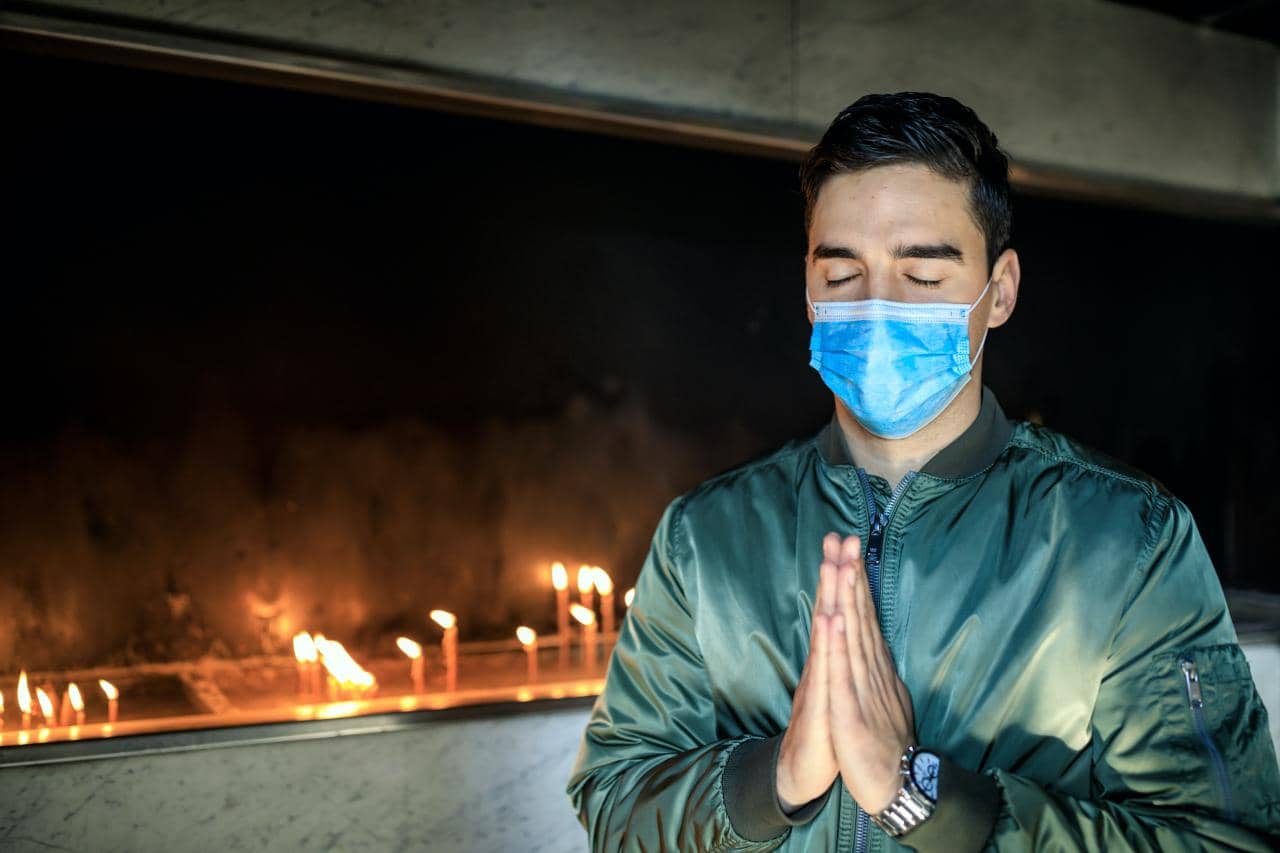
    Even though people are ready to venture out and socialize, many are fearful. And some also remember those who lost their lives and want to be careful in their memory.
    RealPeopleGroup/Getty Images

    It’s the moment we thought we were all waiting for…or is it?
    We were cautiously optimistic about the end of the pandemic in view of increasing vaccine availability and decreasing case numbers after the peak in January.

    Then, whether due to variants, pandemic fatigue or both, cases and case positivity began to increase again – throwing into question whether the end was as near as we thought. This is merely one of the most recent of the many reversals.

    I am a physician and associate professor of medicine at Michigan State University’s College of Human Medicine. In my role as the director of wellness, resiliency and vulnerable populations, I speak with staff and faculty members who may need a sympathetic ear or may be struggling.

    Amid the happiness and relief that people are feeling, I also see confusion and some fear. Some people are wary of going out again, and others are eager to throw a party. Some learned that they like being alone and do not want to stop nesting. I think this is all normal from a year of what I call the zigzag pandemic.

    Change after change

    Awareness of the novel coronavirus for most of us rose between January – when the first cases in China were reported – and March 11, 2020, when the World Health Organization officially declared a pandemic. Since the declaration, daily uncertainty and contradictory information has been the norm.

    First, no masks were needed. Then you had to wear a mask. Hydroxychloroquine looked promising and got emergency use authorization, but that was revoked fairly quickly and officials said not only was there no benefit but there was some potential harm.

    We were transiently afraid of groceries, packages and surfaces. Then data emerged that surfaces were not as dangerous as previously thought.

    In the absence of a coordinated national policy, states began to fend for themselves, creating their own policies regarding shutdowns and masks.
    Even now, there is state-by-state variability in which businesses may be open and at what capacity and whether masks are required, suggested or neither.

    Both inevitable and avoidable factors played into the back-and-forth. Part of the whiplash is due to the “novel” part of the novel coronavirus, or SARS-CoV-2. This virus is new and many of its characteristics unknown, leading to policy revisions becoming necessary as more becomes known.

    Part of the zigzag is due to the nature of clinical trials and the nature of the way scientific knowledge emerges. Learning about a new pathogen requires time and the willingness to challenge initial assumptions. Part is due to the lack of a reliable source of information trusted to act in our collective best interests and a lack of preparedness.

    Given the reversals behind us and uncertainty ahead, we need to examine both individual and societal responses moving forward.

    Different experiences

    There is no question that all of our lives have changed. However, the ways in which they have changed has varied widely. The variation depends on our jobs – think of the differences for grocery store, tech and health care workers – our living situations, our underlying physical and mental health, our financial status and our personalities, just to begin with.

    For example, some introverts have been fortunate enough to work remotely in comfortable clothes with broadband internet and no children to educate, while their extroverted colleagues have longed for more social connection. Their colleagues with young children and jobs that could not be done remotely have been scrambling. Many have hit the wall and find themselves adrift and unmotivated, while others have seemingly thrived doing long-postponed projects.

    Nearly everyone has been affected in some way. A recent systematic review
    concluded that the pandemic is associated with highly significant levels of psychological distress, particularly in certain higher-risk groups.

    As individuals, what can help us get through this?

    Anxious about going out into the world? You’re not alone, but there’s help
    Seeing people for the first time after isolation can be scary – or fun.
    dtephoto/Getty Images

    What we can do for ourselves

    First, we can begin by making a fearless assessment of our current reality – the state of now. Sometimes making an actual list of our needs and assets can help us to prioritize next steps. Steps may be visiting a community health center, a virtual therapist, a job fair or even something as simple as carrying a printable wallet card with stress reduction tips.

    What might work for you might not work for your spouse, partner or best friend. We need to be doing whatever is known to foster resilience in ourselves and our family members.

    This includes making human connections, moving our bodies and learning to regulate our emotions. Looking back at how we handled past difficulties may help us. Mental health concerns have become more common, and evidence on overall impact of the pandemic on mental health is still being collected.

    There has been increased public awareness about these issues, and telehealth has eased access for some seeking help. Our society – individuals as well as institutions – needs to continue to work to make it acceptable for people to get mental health care without worrying about stigma.

    Deciding which of your normal activities you wish to resume and which to let go of helps you to prepare for the future. So does noting which new activities you’d like to hold on to. These lists potentially include attending family or sporting events, traveling, going to the gym or live worship. You may choose to continue to cook at home or work from home if you have the choice. Of course, all of these choices should be made in accordance with CDC guidelines.

    And then there are things we may not want to do. That can include behaviors we learned about during the pandemic that don’t make us feel good or serve us well. That may include watching too much news, drinking too much alcohol and not getting enough sleep. And yes, maybe there are some relationships that need changing or reworking.

    Then, we need to to think about what we can do on a level larger than the individual.

    Societal and governmental changes

    For many people, it feels futile to address individual resilience without addressing what feels like a rigged system.

    The pandemic hit at a particularly politically polarized time and a particularly unprepared time. This was unfortunate, because fighting a common adversary – such as polio or a world war – can unite a population.

    In contrast, the coronavirus was subject to multiple conflicting interpretations and even doubt about its severity. Rather than rallying together against the virus, our adherence to mandates became a surrogate for our political beliefs.

    [Get the best of The Conversation, every weekend. Sign up for our weekly newsletter.]

    Now that longstanding inequities have been highlighted by differential infection, hospitalization and mortality rates by race, political and public health officials can begin a careful analysis of the gaps in health care coverage by race.

    While examining how to effectively address longstanding disparities is crucial, so is being prepared for the next pandemic. A coordinated nonpartisan, science-based health infrastructure prepared to rapidly roll out emergency responses as well as consistent clear messaging would be vital. However, without a population willing to consider collective good ahead of individual freedom, we run the risk of repeating history.

    View the original article at recovery.org

  • Demi Lovato: Snapshot of Recovery

    Demi Lovato: Snapshot of Recovery

    Singing the national anthem at the NFL Championship game is considered a great honor, even if it can be rather unforgiving in terms of criticism. This year the honor was given to Demi Lovato, singer, pop-culture icon, mental health activist, and, perhaps most notably, a person in recovery for substance abuse.

    Of Singing and Substance Abuse

    It appears as though the media and the public have had a positive reaction to Lovato’s singing of the national anthem. Her release of a new single, “Anyone,” a few weeks earlier have marked a sort of career revival for Lovato. This is significant, considering that the musician was considering leaving her music career behind after a near-fatal overdose two years ago.

    Before the overdose, Lovato had been in recovery for nearly six years. In various interviews, she admitted to abusing alcohol and cocaine, mentioning that she frequently smuggled it onto planes and into other venues. Lovato’s addiction problem became so bad that it began to affect her career and her ability to perform. Regardless, the singer’s return to the public scene provides a stark lesson regarding the nature of recovery. Relapses may be devastating, but they are not always absolute. One can come back from a relapse and still live and flourish in recovery.

    A History of Substance Abuse

    From the start of her career, Demi Lovato struggled with mental health challenges. She ultimately found herself in an inpatient rehab facility. Following her treatment, Lovato maintained sobriety and went on to hit several career highs. While in recovery, Lovato released some of her top-selling albums, built a loyal and energetic fanbase, and became involved with mental health activism, even going on to speak about the topic at the 2016 Democratic National Convention.

    In July of 2018, Lovato suffered an overdose from oxycontin laced with fentanyl. She was rushed to a hospital and revived with Naloxone. The overdose occurred after six years of sobriety for Lovato. Following the overdose, Lovato thanked her fans for her support, but went on an extended hiatus. Her performance at the NFL Championship game marks her return to her music career, and is a testament to the process of recovery.

    People Like us…

    Demi Lovato is an example of how living in recovery can be empowering. Despite various mental health and substance abuse challenges, and a near-fatal relapse, Lovato has chosen to reclaim her career and her life in recovery. While her continuing involvement in mental health activism remains unconfirmed, Lovato’s story provides an honest snapshot of the recovery process.Woman inspired to take the journey to recovery after hearing that demi lovato in recovery

    Yet, Lovato is but one example of a person making their way in recovery. Everyday people face the specter of relapse, the niggling little temptations to break sobriety. It’s important to remember that recovery is a journey. Sometimes the journey gets tough. But the will to keep going, regardless of the challenges, is the key to finding peace and freedom from addiction.

    View the original article at recovery.org

  • Gratitude in the New Year

    Years ago, I seemed to have it all from the outside looking in: a great career, a handsome boyfriend, a large circle of friends.  But, nothing I had was ever good enough for me and I constantly wanted more, making myself miserable through comparisons with friends as to what they had that I didn’t.   It’s no surprise, then, that one night – when I was feeling sorry for myself – I drank too much and got behind the wheel, injuring two people on my way home.

    With that one decision, my world turned upside down, and everything I had – including my freedom – disappeared.  But hitting rock bottom forced me to start seeing the world in a different lens.  Life wasn’t about having more than everybody else, I realized, but about being thankful for all I did have.  This “attitude of gratitude” served me well throughout my prison sentence and stayed with me during all the years after my release, a habit that has led me to be happier and more at peace than I ever was as the person who supposedly “had it all” all those years ago.

    Having an Attitude of Gratitude

    Gratitude is a feeling of happiness that comes from appreciating what you have in your life, and it is a crucial component to being successful in recovery.  When people are grateful to be sober, they will have motivation to do what is needed in order to protect their sobriety, and be less likely to develop negative “stinking thinking” and slip towards a relapse.  They will also be able to face the challenges that confront them with hope and determination and see setbacks more as a chance to grow rather than as another instance where life handed them the short end of the stick.  Finally, practicing gratitude in your recovery will enable you to focus on all the opportunities a clean and sober life has opened up for you, rather than dwelling on all the things your addiction has taken away.

    So what can you do to increase the gratitude in your life?

    Being mindful of, and taking the time to appreciate, the little things that we experience each day is a great way to start.  Whether it be as simple as savoring the smell of coffee in the morning, or basking in the sunshine when you go outside, appreciating life’s small blessings will put you in the proper mindset to overcome life’s obstacles and ultimately help you maintain long-term sobriety.  And with it being the beginning of 2020, there’s no better time than now to start!

    View the original article at recovery.org

  • Victims of the Opioid Crisis

    As you probably know by now, we are in the midst of an opioid crisis.  Experts have estimated 10.3 million Americans aged 12 and older misused opioids last year, including 9.9 million prescription pain reliever abusers and 808,000 heroin users.  Additionally, the U.S. Department of Health & Human Services has reported that more than 130 people died every day from opioid-related drug overdoses in 2016 and 2017.

    Unfortunately, my friend’s younger brother falls into these sobering statistics.  A star football player in college, he went on to be a successful engineer in his twenties and early thirties.   But as the years went on, his old football injuries kept nagging him, resulting in chronic pain he dealt with on a daily basis.  He turned to pain pills for relief, but soon began abusing them.  It wasn’t long until his addiction got so out of control that he couldn’t hold a job and would disappear for days at a time.   The last time his family lost contact with him they found him a week later, having overdosed on heroin.   No one – and I mean no one – ever thought something like this could happen to someone like him.

    But my friend’s brother is not an exception.  Opioid addiction can happen to anyone, and many who wind up using are not your stereotypical addict often portrayed in the media.  They can be doctors, stay-at-home moms or even senior citizens.  What makes opioids so addictive is that they bind to receptors in the brain and spinal cord, disrupting pain signals.  They also activate reward areas of the brain by releasing the hormone dopamine, creating that addictive feeling of euphoria or a “high.”

    Thankfully, however, our country has opened its eyes to this real epidemic affecting society and started taking action.  In 2016, the 21st Century Cures Act was passed, allocating $1 billion in opioid crisis grants to states in order to provide funding for expanded treatment and prevention programs.  The following year, the Opioid Fraud and Abuse Detection Unit within the Department of Justice was launched, which has aimed to prosecute individuals who commit opioid-related health care fraud.  Then, in 2018, President Trump signed opioid legislation into law, called the SUPPORT for Patients and Communities Act, which aimed at promoting research to find new, non-addictive pain management drugs.  The legislation also expanded access to treatment for substance use disorders for Medicaid patients.  Finally, national opiate litigation has been underway, with drug makers, such as Purdue Pharma, Teva Pharmaceuticals and McKesson Corporation, being held accountable for their role in the opioid crisis.

    View the original article at recovery.org

  • Tips for Battling Relapse Over the Holidays

    Tips for Battling Relapse Over the Holidays

    We are in the thick of the holiday season, and while this should be a joyful and celebratory time, it can be challenging for those of us trying to maintain our sobriety.  But, dealing with an addiction doesn’t have to ruin your holiday fun.  We’ve come up with seven tips to help keep you on the right track all the way through New Year’s Day.

    Play the Tape All the Way Through.

    More than likely, alcohol will be present in some form if you attend any holiday parties.  So, in the event you’re hit with an unexpected craving, pause for a second and play the scenario out in your head.  Remember all the destruction your addiction caused in the past and focus on all you’ve got going for you now.  Sometimes taking a moment to think – rather than react – is all we need to get through a tempting situation.

    Keep Your Hands Full.

    If you’re out at a holiday gathering or New Year’s Eve party, make sure to always have a non-alcoholic drink in hand.  This not only prevents others from handing you a cocktail, but it gives you something to sip on just in case temptation strikes.  It also spares you from having to answer the “why aren’t you drinking?” question from others, which can get old real fast.

    Give Back.

    Serving others always has a way of shifting the focus off yourself.  It helps zap those feelings of negativity, like resentment, sadness and shame, while also giving you a different kind of “high.”  So, if you’re feeling a little low, volunteer at the local food bank or help gift wrap for a local charitable organization.  Giving back is guaranteed to help you get into the spirit of the season and remind you of all you have to be thankful for.

    Stay Connected.

    Holidays have a way of bringing out the loneliness sometimes, especially if we’re away from family or not in a relationship.   So, it’s natural for us to resort to old habits and isolate when we’re feeling down.  However, a lot can be gained from spending time with others, so surround yourself with loved ones – those who you can be open and honest with, as well as those who support you no matter what.

    Avoid Slippery Places.

    This goes without saying, but if a holiday event is being held at one of the bars you used to frequent, do not attend.  As the Big Book says, we don’t have to live in fear of alcohol (or drugs), but we do have to respect its power over us.  Part of respecting that power is avoiding places or situations that are likely to lead us back to drinking or drugging.

    Make “Me” Time a Priority.

    Just because it’s a busy time of year doesn’t mean you need to completely neglect your needs.  To preserve your sanity and overall happiness, you must take time for yourself.  Whether it’s carving out time to exercise during the week or scheduling a mani/pedi, it’s important that you take care of your physical and mental well-being.  To do this, make sure to schedule and calendar personal time the same way you would school and work responsibilities.

    Stick to Routine.

    No matter how stressful the holiday season becomes, remember to get plenty of rest, practice healthy eating habits, go to meetings and exercise regularly.  In other words, stick to your recovery routine as much as possible.

    Happy Holidays!

    View the original article at recovery.org

  • New Study Finds Secondhand Harms of Drinking Affect 1 in 5 Adults

    New Study Finds Secondhand Harms of Drinking Affect 1 in 5 Adults

    Drinking to excess doesn’t just affect the person doing it.  Just ask me, a convicted drunk driver. In 2009, I crashed into a car waiting at a stoplight after leaving a happy hour, causing serious injury to two of its passengers. My decision to get behind the wheel after having too many glasses of wine had far-reaching effects, not only for myself, but also for the innocent families I’d hurt.

    The Secondhand Harms of Drinking…

    Unfortunately, the people I’d injured weren’t the only ones to experience the harms of someone else’s drinking. According to a recent study in the Journal of Studies on Alcohol and Drugs, about one-fifth of adults in the United States have been negatively impacted by someone else’s behavior while drinking. More specifically, it found that an estimated 53 million adults in 2015 – or nearly 1 in 5 – said they’d experienced at least one harm attributable to someone else’s drinking in the past year.secondhand harms of drinking harms individual

    8,750 adults were interviewed as part of the study, with each being asked whether they had experienced any of 10 different types of harm in the past 12 months caused by “someone who had been drinking.” The types of harms included harassment, feeling threatened or afraid, having belongings ruined, having property vandalized, being pushed, hit or assaulted, being physically harmed, being in a traffic accident, being a passenger in a vehicle with a drunk driver, having family or marital problems, and having financial trouble. The researchers found that 21% of women and 23% of men in the study reported experiencing at least one of the above harms, with harassment being the most prevalent type.

    The study also revealed interesting results from a gender perspective. For women, the most prevalent types of harm they experienced, besides harassment, were family and financial problems due to someone else’s drinking, as well as driving-related harms, such as being a passenger in a car crashed by a drunk driver. For men, however, the driving-related harms were the most common, followed by property damage and vandalism. Additionally, the data showed that women were more likely than men to report harm by someone they knew, such as a spouse, partner or family member. Men, on the other hand, were more likely to report harm because of a stranger’s drinking.

    A Call for Further Research

    The study had some limitations, however. One was that the data was self-reported, which has the tendency to lead to bias if the respondents weren’t answering the survey questions honestly. Secondly, the study was limited to a year’s timespan, which rules out those who’ve been harmed by someone else’s drinking at other times in their life. As a result, the researchers believed that the negative impacts of alcohol on people other than the drinker might be underestimated. As such, more research is needed to determine whether similar findings would emerge for other years, since the data was collected in 2014 and 2015.

    View the original article at recovery.org

  • Observing Recovery Month in September

    Observing Recovery Month in September

    This month is Recovery Month.  Sponsored by the Substance Abuse and Mental Health Services Administration (SAMHSA), Recovery Month aims to increase awareness of mental health and substance abuse issues nationwide every September, as well as celebrate the millions of Americans who are in recovery.

    2019 Recovery Theme

    The 2019 Recovery Month theme, “Join the Voices for Recovery: Together We Are Stronger,” emphasizes the need to share resources and build networks across the country to support recovery.  From community members to first responders, emerging leaders to the healthcare community, this observance reminds us that mental illness and substance abuse affects us all, and that we are all part of the solution.

    Recovery Month began in 1989 as Treatment Works! Month, which honored the work of substance use treatment professionals in the field.  It then evolved into National Alcohol and Drug Addiction Recovery Month in 1998, when it expanded to include celebrating the accomplishment of individuals in recovery from substance use disorders.  The observance evolved once again in 2011 to National Recovery Month (Recovery Month) to also include mental illness.

    Now in its 30th year, Recovery Month highlights inspiring stories of those in recovery to show people facing mental and substance use disorders that hope, help and support are available, and that one can find the healing and personal growth needed to recover.  The Recovery Month observance also helps raise awareness of those who struggle with these two disorders, as well as reduces the stigma and misconceptions that cloud public understanding of them, which can discourage others from seeking help.

    Looking Forward to Recovery

    Over the years, Recovery Month has inspired millions of people to share their stories of recovery and encouraged others, who are still in need of services and support, to reach out for help.  It has also increased awareness of mental illness and substance use disorders, which is important since their effects are being felt all around the country and in our communities.  In 2017, an estimated 35.4 million adults (14.3 percent) in U.S. households had mental illness in the past year and 18.7 million had a substance use disorder, according to a recent SAMHSA study.  Approximately 8.5 million had both a mental and substance use disorder (co-occurring disorders), proving that these are very significant public health issues that are worthy of help and support from the community.

    For more information on this year’s Recovery Month, please visit https://recoverymonth.gov/.

    View the original article at recovery.org

  • What Happens During a Blackout – and Why They are Dangerous

    What Happens During a Blackout – and Why They are Dangerous

    If you’ve ever had to ask yourself “what happened last night?” after drinking or had to piece the night together with a limited memory, chances are you’ve experienced a blackout.  And trust me, it’s not a fun experience to have.

    The Science of Blackouts

    According to the National Institute on Alcohol Abuse and Alcoholism, blackouts are gaps in recall caused by impairments in memory consolidation while intoxicated.  They happen when a person drinks enough alcohol to prevent the hippocampus area in the brain from forming new memories.  As a result, a gap occurs in the brain’s record-keeping system, thereby leaving the person unable to recall all that transpired.

    A blackout isn’t the same as passing out – quite different, actually.  When a person passes out, they lose consciousness in a state similar to being asleep, although they are not likely to respond to stimuli like being poked or spoken to.  When a person blacks out, on the other hand, they remain conscious and may continue to make decisions, hold conversations and even continue to drink.  Yet, they will not remember what happened.  This can be extremely dangerous, as the person could get behind the wheel and drive recklessly, have unwanted or unprotected sex, use drugs or perform other risky behaviors that could lead to permanent harm to themselves or others.

    Two Types of Blackout

    Generally, there are two forms of blackouts: partial/fragmentary and complete.  The most common form is the fragmentary blackout, which means that the person may not immediately remember what happened, but certain cues can trigger memories to return.  En bloc or complete blackouts, however, are more serious.  These occur when memory is totally disabled, feeling like entire chunks of time are erased or never even happened.  It’s often referred to as “time traveling,” because no matter how hard a person tries, they will never be able to recall these periods of time.  The memories were never formed, and thus, simply don’t exist.

    While there is no specific type of person who will have a blackout, research indicates that one is more likely to occur when alcohol enters the bloodstream quickly, causing the blood alcohol concentration (BAC) to rise rapidly.  This could happen if someone drinks on an empty stomach or consumes an excessive amount of alcohol in a short period of time.  Factors, such as your weight and the type of alcohol consumed, also come into play.  Finally, women are more likely to have blackouts than men, due to their tendency to reach higher peak BAC levels with each drink.

    View the original article at recovery.org

  • Breaking the Coffee-to-Wine Cycle

    Breaking the Coffee-to-Wine Cycle

    From Coffee to Wine

    Not too long ago, I went to dinner with a friend who’s a new mom.   Still on Maternity Leave, she joked that her days consisted of pounding cups of coffee during the day and then winding down with wine in the evenings.  As a mom myself, I remember a little too well how exhausted I was those first few months, but thankfully I hadn’t felt the need to chase my cups of coffee with glasses of wine.  It made me think, though – how many others were doing the same thing?  According to Dr. Robin Berzin in a recent Well+Good article, it’s not just new moms falling into this pattern.  A variety of people rely on coffee to fuel their day, and then turn to alcohol at night to unwind.

    Unfortunately, however, this pattern can come at a price.  Coffee, a stimulant, triggers hormones like cortisol, which increase blood pressure and blood sugar, says Berzin, yet ultimately doesn’t sustain a person’s energy.  Instead, the caffeine can cause that person to feel dehydrated, drained or on edge by the end of the day.  “To compensate, many people turn to alcohol in the evenings, which stimulate neurotransmitters in the brain and is a natural depressant,” she went on to explain.  This can help calm your nerves, but it can also disrupt your sleep – leading to next-day exhaustion and more caffeine consumption.

    If you find yourself in a co-dependent relationship with coffee and wine, Berzin suggests the following tips:

    Get Enough Sleep

    Though this could be easier said than done if you’re a new mom, getting quality sleep each night is crucial for breaking free from the coffee-to-wine cycle.  Berzin suggests incorporating magnesium tablets in order to achieve deeper sleep, avoiding processed and spicy foods at night, and sleeping in the next morning if you’ve had a late night.

    Eat a Sustainable Diet

    In order to maintain energy throughout the day, Berzin advises to avoid simple carbs and sugar in the mornings, as well as at lunch.  By eating a balanced diet – a mix of protein, simple carbs, veggies and little processed sugar, you will find yourself with sustained energy and a reduced need for a pick-me-up through caffeine.

    Find New Ways to Unwind at Night

    Instead of helping yourself to another glass of Cabernet, learn new ways to find some relief.  Alternatives include taking a walk, soaking in a bath, meditating, reading a book or taking a yoga class – all which can help curb cravings.

    View the original article at recovery.org

  • FDA Launches “Remove the Risk” Campaign for Safe Opioid Removal

    FDA Launches “Remove the Risk” Campaign for Safe Opioid Removal

    In 2017, retail pharmacies dispensed more than 191 million opioid prescriptions to almost 60 million patients, according to a press release by the U.S. Food and Drug Administration (FDA).  And as many as 90% of these patients reported not finishing what was prescribed to them – potentially leaving millions of unused prescription opioids in medicine cabinets and elsewhere in US homes.  Perhaps unsurprisingly, 47,600 people died from an overdose involving opioids that same year.

    “Far too many Americans, both teens and adults, are gaining access to opioids for the first time from the medicine cabinets of their parents, relatives and friends,” said Douglas Throckmorton, M.D., deputy director of regulatory programs in the FDA’s Center for Drug Evaluation and Research.  “Millions of unused opioid pills should not be readily available and easily accessible in our homes.”

    New Campaigns For Drug Safety

    As such, the FDA has launched a new public education campaign, “Remove the Risk,” to encourage proper disposal of prescription opioids and educate Americans about easy ways to get rid of these unused drugs.  The campaign is geared toward women ages 35-64 who are more likely to take part in the household health care decisions and handle the medications in the home, including removal or disposal.  It includes materials for television, radio and print, as well as an “outreach toolkit” – public service announcements, social media images and posts, and more – for talking with others about safe opioid disposal.  All materials are free of charge for any organization working to combat the opioid crisis, including the media, healthcare providers and consumer groups.

    “The epidemic of opioid addiction and overdose is one of the greatest public health tragedies we’re facing as a nation, and no community is immune,” said Amy Abernethy, M.D., principal deputy commissioner at the FDA.  “We know that many people who misuse prescription opioids report getting them from a friend or family member.  If every household removed prescription opioids once they’re no longer medically needed for their prescribed purpose, it would have a major impact on the opioid crisis’ hold on American families and communities.”

    Drug Take-Back Operations

    So, what is the best method to remove these medications? The agency promotes medicine take-back options, which is its preferred method in properly disposing of unneeded medicines safely and effectively.  Authorized locations may be in retail pharmacies; hospital or clinic pharmacies, as well as law enforcement facilities.  In addition, some of these authorized collection sites may also offer mail-back programs or “drop-boxes” to assist patients in safe disposal of their unused medicines.

    View the original article at recovery.org