
Author: The Fix

  • How to Find the Best Zydone Rehab

    How to Find the Best Zydone Rehab

    Use this guide to help you find all you need to know about Zydone addiction and treatment.

    1. What is Zydone and What is it Used For?
    2. Why is Zydone Abuse a Problem?
    3. Zydone Side Effects
    4. Zydone Overdose
    5. Zydone Dependence can Cause Zydone Withdrawal Symptoms
    6. Progressing to Zydone Addiction
    7. Detox and Rehab as Zydone Addiction Treatment
    8. How to Find the Right Rehab for Zydone Addiction Help

    You may have been prescribed the medication Zydone to help with pain. After taking it according to the prescription, your use may have turned into abuse and even addiction. This is a danger of taking this habit-forming drug. It also comes with side effects that can be problematic, especially if you are abusing the drug. 

    If you’re ready to consider stopping your drug use, detox and Zydone rehab can help. When you enter a treatment program, you gain support and services that help you get past the withdrawal effects of the drug and help you undo and overcome the unhealthy changes addiction has created in your life. 

    What is Zydone and What is it Used For?

    Zydone is a combination drug that includes both hydrocodone and acetaminophen. Hydrocodone is an opioid, which is a group of medications prescribed for pain, while acetaminophen is typically found over-the-counter in products such as Tylenol. In this case, it’s added to the prescription medication to enhance the effects of the hydrocodone

    Hydrocodone is a strong pain reliever that is a semisynthetic opioid, while acetaminophen generally provides a weaker level of pain relief and also targets inflammation. The two are combined in Zydone to provide a pain medication designed for use with moderate to severe levels of pain.

    Zydone is one of the brand names for this drug combination. Hydrocodone and acetaminophen combinations also go by other brand names, including Lorcet, Lortab and Vicodin. Opioids and combination opioids like Zydone can go by a long list of street names. These are used when the drug is sold and used illicitly. Some of these names are:

    • Goodfella
    • Captain Cody or Cody
    • Tango and Cash
    • Murder 8
    • China White

    Why is Zydone Abuse a Problem?

    Abusing Zydone means that you’re taking it in higher doses or for longer than medically intended. This behavior comes with risk. Use of this drug can cause side effects and overdose, and abuse only heightens the chances of a negative outcome. Also, abuse doesn’t always stop there. It can turn into dependence and addiction, which tighten the hold of the opioid on your life. Opioid misuse can even lead to death. 

    Combining Zydone abuse with alcohol, illicit substances or other prescription drugs can increase the risk of problems and enhance side effects. 

    Zydone Side Effects

    Taking Zydone according to the prescription can bring on side effects, and the continuous use and increased dosages associated with abuse have the potential to increase the risk and intensity of side effects. 

    You might experience these common Zydone side effects:

    • Nausea
    • Stomach pain
    • Vomiting
    • Constipation
    • Drowsiness
    • Dizziness
    • Tiredness
    • Headache 

    If you experience one of these more serious side effects, contact your doctor immediately:

    • Feeling lightheaded
    • Breathing symptoms, such as noisy or shallow breathing, or sighing
    • Signs of low cortisol, including dizziness, weakness, worsening tiredness, nausea, vomiting and appetite loss
    • Symptoms of liver concerns, which include upper stomach pain, appetite loss, nausea, dark-colored urine, clay-colored stools, yellow-colored skin or eyes, and tiredness

    Get immediate medical attention if you notice one of these side effects:

    • Slowed or stopped breathing, which could lead to death
    • Blue lips
    • Trouble waking up
    • Allergic reaction symptoms, such as facial swelling, hives and trouble breathing
    • A spreading skin rash or redness that leads to blisters and peeling
    • Serotonin syndrome symptoms, such as hallucinations, agitation, sweating, fever, muscle stiffness, nausea and other symptoms

    It’s possible to experience other side effects from this drug. If your symptoms are difficult to handle or severe, contact your doctor or seek immediate medical attention.

    Zydone Overdose

    Overdose is a possibility, especially if you misuse or abuse Zydone. An overdose involves taking a higher amount than the normal or medically intended amount. It’s possible to overdose on both parts of Zydone: the acetaminophen and the opioid. Acetaminophen overdose can lead to symptoms of liver damage or failure, including dark-colored urine, yellow skin or eyes, upper stomach pain or appetite loss. It can also lead to death. 

    Overdose of the combination drug can feature symptoms such as:

    • Breathing difficulty
    • Blue lips and fingernails
    • Coma
    • Clammy skin
    • Drowsiness
    • Nausea
    • Vomiting 
    • Small eye pupils
    • Seizures
    • Confusion
    • Loss of consciousness
    • Other symptoms

    Contact poison control or get immediate medical attention if you notice signs of Zydone overdose. 

    Zydone Dependence can Cause Zydone Withdrawal Symptoms

    The hydrocodone in Zydone can create dependence if you take it for longer than two weeks. This drug is generally prescribed for short-term use, but if you are prescribed it for longer, your doctor would have you taper off Zydone. The length of time you would need to taper would depend on how long you have been taking the drug and the amount you take. It’s the same if you have been misusing or abusing Zydone. The reason you shouldn’t suddenly stop taking the drug is that it can cause withdrawal symptoms. It’s safer and more comfortable for you to gradually taper off and ease your body back into life without the drug. 

    Hydrocodone withdrawal symptoms could include:

    • Hallucinations
    • Seizures
    • Sweating
    • Fevers
    • Tremors
    • Drowsiness
    • Restlessness
    • Anxiety
    • Confusion 
    • Increased pain
    • Nausea
    • Vomiting
    • Diarrhea
    • Difficulty sleeping
    • Increased heart rate
    • Changes to blood pressure

    These symptoms can occur when your brain and body become accustomed to a habit-forming substance hydrocodone. First, you can become tolerant to the drug, meaning that you stop feeling the drug’s effects unless you increase the amount or the frequency. Then, dependency happens when your body is used to the drug so much that you experience withdrawal symptoms if you take it away suddenly. 

    Progressing to Zydone Addiction 

    Misuse, abuse and dependence are not the only consequences of using Zydone. It’s possible to progress to an addiction, which is often considered a severe case of a substance use disorder. Addiction usually includes a dependence to the drug, yet it is also characterized by behaviors that you develop from the continued drug use. 

    Ask yourself if you have been experiencing these signs and behaviors of Zydone addiction:

    • Do you have strong urges to use Zydone?
    • Are you using more of the drug to get the same effects?
    • Do you spend a significant amount of time thinking about using the drug and how to get more of it?
    • Are you slacking on responsibilities?
    • Is your drug use causing problems in your relationships?
    • Are you having money troubles because of Zydone use?
    • Is Zydone use affecting your health?
    • Do you take more hydrocodone and acetaminophen than you mean to?
    • Have you tried to stop taking the drug but don’t feel like you can?
    • Have you experienced withdrawal symptoms when you’ve tried to stop?
    • Do you know Zydone creates problems in your life and decide to keep using it anyway?

    These are some of the signs and behaviors of addiction. If you were able to relate to many of these questions, a professional may diagnose you with an addiction, or at least with dependence or abuse. Getting a proper diagnosis can help you get the right type of treatment. 

    Detox and Rehab as Zydone Addiction Treatment

    The best addiction treatment for opioids like Zydone is a program that includes both detox and Zydone rehab. The detox component of treatment helps you get through the withdrawal process. It’s possible to taper off Zydone in an outpatient capacity through your doctor. However, many people find it beneficial to stay at a detox center. In detox, you can receive professional support, medical monitoring and medications that ease withdrawal symptoms and help you get away from drug dependence. 

    The next stage of treatment is Zydone rehab. A rehabilitation program focuses on the behaviors and thoughts associated with addiction. Most programs center on group therapy, which provides the support of peers and the guidance of a professional. Group therapy can educate on addiction, teach you coping skills and help you understand how to stick to recovery and avoid going back to drug use. 

    The best and most comprehensive rehab programs also provide other services on top of group therapy. Individual therapy can be an important part of changing on a personal level. Also, inpatient programs often provide proper nutrition, fitness programs, mind/body techniques and other support to help you on your recovery journey. 

    How to Find the Right Rehab for Zydone Addiction Help

    When treatment is tailored to your life through a customized plan, it’s more likely to be successful. The first step is to get a proper diagnosis. This would include the severity of the substance use disorder you may have and whether you have co-occurring disorders, such as a substance use disorder to another drug or a mental disorder like depression. Also, it’s important for your customized treatment plan to consider how long you’ve been taking Zydone, the amount you’ve been using, your overall health and other factors.

    You can also decide what type of rehabilitation you think would fit you best. Do you need a flexible outpatient program that lets you continue with your job or responsibilities while you go through Zydone rehab? Or would you thrive more in an inpatient setting that takes you away from normal life for a while so you can fully focus on recovery? Is budget a main concern, or are you interested in luxury or specialty programs? You may need a comprehensive program if you have a severe addiction or prefer more support, or you may be fine with a less comprehensive program if you have a mild to moderate substance use disorder or you do well with more independence. You can find a range of facilities and programs to fit your needs and preferences. 

    It’s possible to recover from a Zydone addiction if you put the work in to make a change. Detox and Zydone rehab provide the support that can make the process easier and more effective.

    View the original article at thefix.com

  • Kamala Harris Introduces Comprehensive Marijuana Reform Bill

    Kamala Harris Introduces Comprehensive Marijuana Reform Bill

    “It is the most sweeping marijuana reform bill ever in Congress,” says the Drug Policy Alliance.

    New legislation introduced in Congress would decriminalize marijuana on the federal level and work toward dismantling years of damage inflicted by the decades-long “War on Drugs.”

    The Marijuana Opportunity Reinvestment and Expungement Act (MORE Act) was introduced in the Senate on Tuesday (July 23) by Senator Kamala Harris, with companion legislation sponsored by House Judiciary Committee Chairman Jerry Nadler in the House of Representatives, CNN reported.

    The bill is endorsed by major drug policy reformers including the National Organization for the Reform of Marijuana Laws (NORML), the American Civil Liberties Union, and the Drug Policy Alliance.

    Inside The MORE Act

    “It is the most sweeping marijuana reform bill ever in Congress,” the DPA stated. “It would de-schedule marijuana at the federal level to let states set their own policies without interference and begin to repair the extensive damage done by prohibition.”

    The MORE Act would remove marijuana from Schedule I under the Controlled Substances Act, enacted in the 1970s. Under this designation, marijuana is defined by the federal government as a drug with no medical value and a high potential for abuse. Heroin, ecstasy and LSD also reside in the Schedule I category.

    By removing cannabis from Schedule I, each state will be given the opportunity to establish its own marijuana policy. And it would remove a major roadblock for marijuana research, which has been hindered by its Schedule I status for years.

    Three-Part Funding

    The bill would also channel tax revenue from the marijuana industry to go toward the three-part Opportunity Trust Fund, as outlined by the Daily Beast.

    The first part of the fund, the Community Reinvestment Grant, would provide job training, literacy programs, and re-entry services “for individuals most adversely impacted by the War on Drugs,” according to the bill’s text.

    The second, the Cannabis Opportunity Grant, would provide money to marijuana businesses owned by people who are economically and socially disadvantaged.

    And the third, the Equitable Licensing Grant, would reduce barriers to participating in the marijuana industry by, for example, waiving cannabis license application fees to people who live well below the Federal Poverty Level.

    “Times have changed—marijuana should not be a crime,” said Senator Harris, who is also a 2020 presidential hopeful, in a statement. “As marijuana becomes legal across the country, we must make sure everyone—especially communities of color that have been disproportionately impacted by the War on Drugs—has a real opportunity to participate in this growing industry.”

    Eleven states and the District of Columbia have passed legal recreational marijuana laws. And 33 states and D.C. have passed legal medical marijuana laws.

    View the original article at thefix.com

  • Sisters On A Mission To Help People Who Are Unhoused, Living With Addiction

    Sisters On A Mission To Help People Who Are Unhoused, Living With Addiction

    The pair have sent nearly 200 people to rehab.

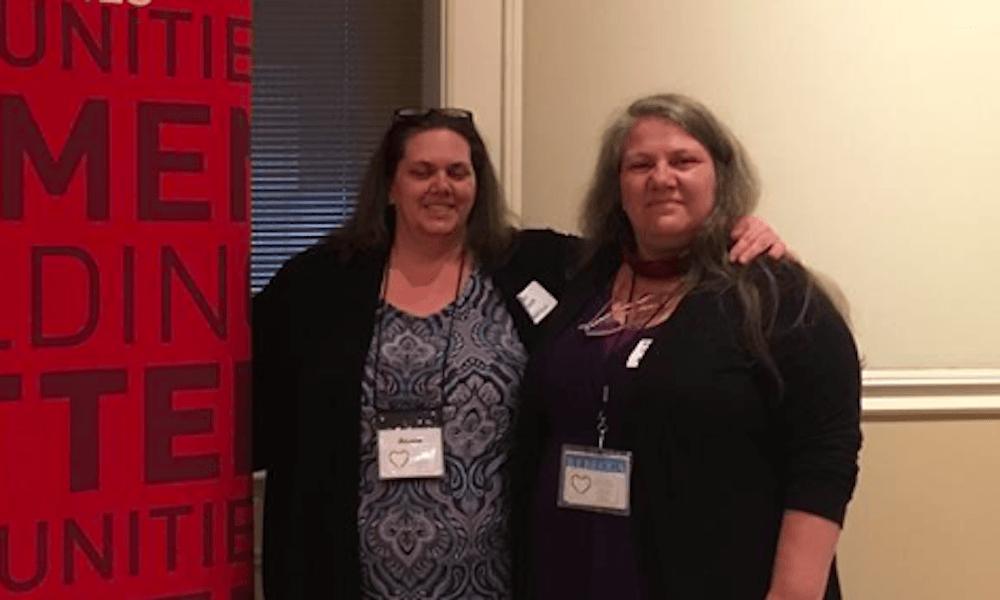
    Addie Arbach and Rebecca Parr may not have much, but they are passionate about serving the homeless and drug-using population in their community of Knoxville, Tennessee. Working under Next Step Initiative, which they founded in 2017, they make it work.

    The siblings provide everything from food, hygiene products, naloxone training, free rides (to the needle exchange for example) and most of all, love.

    “We love them until they either get treatment or they get it together, or they die, but at the end of their lives they’re going to know that somebody genuinely loved them,” said Arbach, who has been sober since 1989.

    Any Time, Any Place

    Arbach and Parr venture to any place, no matter how dangerous, to deliver sandwiches and Narcan to people they like to refer to as their “friends.” They do this to “build a relationship and a level of trust,” they told WVLT.

    And finally, if or when a “friend” is ready for change, the sisters will work hard to connect them to treatment. No matter how long it takes, or how many times a friend will fail, they are there with them back at square one.

    “It’s hard. This repetitive, falling back into addiction doesn’t mean to give up,” said Parr. “It just means it’s an issue, and how do we work around it? Well, you just keep coming and keep coming and keep coming. We don’t give up.”

    “We’re a bridge they can’t burn,” Arbach told the Knoxville News Sentinel.

    The two have sent nearly 200 people to rehab.

    The Next Step

    Next Step is growing, slowly but surely. They hosted a block party for their community twice this year, with a third planned for the fall in East Knoxville.

    At their block party last Saturday (July 20), at Sam Duff Park in South Knoxville, they provided food, entertainment, art and donated items, as well as a range of services including HIV and hepatitis-C testing, Narcan training, voter registration, wound care, child care, housing services and more.

    In August, they will welcome an AmeriCorps volunteer to their team, who will help them track and organize their data and apply for grants, the Sentinel reported.

    They’re hoping to someday add a van, a chest freezer and a washer-dryer to their arsenal to make their jobs easier.

    “We’re not just feeding people, we’re lining them up with services,” said Parr. “Our motto is ‘Come as you are.’ We keep them alive until they decide they’re worth (getting clean).”

    View the original article at thefix.com

  • Counterfeit Alcohol May Be Responsible For 20 Deaths In Costa Rica

    Counterfeit Alcohol May Be Responsible For 20 Deaths In Costa Rica

    The government has reportedly confiscated 30,000 bottles of alcohol that are potentially tainted. 

    Twenty people in Costa Rica have died after ingesting alcohol tainted with what is believed to be “toxic levels of methanol,” according to CNN. The twentieth victim was reported to have died Wednesday evening.

    The Ministry of Health has issued a national alert in the Central American country, following the deaths of 14 men and five women since the beginning of June.

    The deaths are believed to be the result of the tainted alcohol. The government has confiscated 30,000 bottles of alcohol likely to also be tainted. 

    Methanol is often found in counterfeit liquor, as it allows those selling the alcohol to increase the amount of liquid in a bottle as well as the potency of the bottle.

    The World Health Organization notes that outbreaks such as this one are often connected to “adulterated counterfeit or informally-produced spirit drinks.”

    Tainted Alcohol Is a Global Issue

    Costa Rica is not the only country facing an outbreak. CNN reported this past February that in India, tainted alcohol caused at least 154 deaths and 200 hospitalizations

    Tourists in Mexico have also faced similar circumstances in recent years. According to Vice, between December 2017 and February 2018, about 150 American tourists reported instances of losing consciousness and vomiting after ingesting alcohol at resorts in popular Mexican cities, including Cancun, Los Cabos and Playa del Carmen. 

    The Dominican Republic has also made headlines recently, where at least 10 Americans have died after consuming alcohol there in the last year. According to Vice, many tourists visiting the country have also reported getting sick, including a large group of Jimmy Buffett fans

    While the International Alliance for Responsible Drinking has reported that about 29% of alcohol in the Dominican Republic is counterfeit, the country’s Minister of Tourism Javier Garcia says the area is “a tranquil, peaceful destination and the safest in the region.”

    “In the last five years, the Dominican Republic has welcomed almost 30 million people, evidencing the large preference of visitors as well as the safety levels of the destination,” Garcia said during a press conference in June. “This also demonstrates these cases are isolated and regrettable. We ask the National Police to speed up as fast as possible the investigation into these cases.”

    What To Look For

    Nathan Lents, a biology expert at John Jay College of Criminal Justice, tells Vice that there are a number of precautions that tourists can take in order to stay safe while consuming alcohol in foreign countries. One is to avoid buying cheap alcohol, especially those that are clear like vodka and gin since these are easier to replicate than other alcohols.

    Lents also adds that counterfeit alcohol often has a sweeter scent than normal alcohol because of methanol, chloroform, and acetone. Setting alcohol on fire can also give away the presence of such substances, as methanol can burn green or orange rather than alcohol’s normal blue burn.

    “Or just stick with beer,” Lents says. “You don’t see a lot of this stuff popping up with beer at all. And just in case, stick with beer that you know and are familiar with.”

    View the original article at thefix.com

  • Government Hospitals Put Native Americans At Higher Risk For Opioid Abuse 

    Government Hospitals Put Native Americans At Higher Risk For Opioid Abuse 

    Native Americans had the second-highest overdose rate of any racial group in 2017.

    Government-run hospitals serving Native Americans put their patients at higher risk for opioid abuse and overdose by not following federal protocols meant to reduce the harm from opioids, according to an audit released this week. 

    The audit reviewed five of the 25 hospitals run by the Indian Health Service hospitals, according to The Associated Press. It found that in all those facilities patients were given opioids in amount that exceeded federal guidelines. Taking opioids in these amounts can increase risk for dependence and overdose.  

    High Overdose Rates

    “There are vulnerabilities with this particular population in the opioid prescribing and dispensing practices,” auditor Carla Lewis said.

    Native Americans had the second-highest overdose rate of any racial group in 2017, the AP reported. Many Native Americans receive their healthcare at facilities run by the Indian Health Services, which provides care to 2.6 million people each year. 

    “[Indian Health Services] has recognized the opioid epidemic facing the [Native American] communities, and over the past 2 years, it has battled the epidemic in numerous ways,” the auditors’ report said. 

    It showed that the agency has released many guidelines and protocols meant to reduce opioid abuse among Native Americans. However, the hospitals that were audited were not following these policies.  

    In addition to prescribing too many opioids, the hospitals failed to have patients undergo urine screenings meant to determine whether they were using illicit drugs in addition to opioids. The hospitals also failed to properly review patients’ prescription histories. 

    “We also found that these IHS hospitals did not fully use the States’ prescription drug monitoring programs when prescribing or dispensing opioids,” the auditors wrote. 

    Dangerous Combos

    In addition, the hospitals had many patients prescribed both opioids and benzodiazepines, a dangerous combination that increases the likelihood of a fatal overdose. 

    New Mexico Sen. Tom Udall, said that the report was “deeply troubling.” Udall is the vice chairman of the Senate Indian Affairs Committee.

    “Structural issues at the IHS are potentially worsening the opioid crisis in Indian Country,” he said. 

    The report suggested that disorganization was to blame in part for the overprescribing. In one instance, an auditor found that opioids were kept in a safe in the hospital, but the combination to access the safe was written right on it. 

    The auditor’s suggested that the Indian Health Service update and upgrade its IT systems to better manage patient information, including information about prescription history. It also suggested that Indian Health Services monitor hospitals closely to ensure that existing policies are being followed. 

    View the original article at thefix.com

  • Harm Reduction Nonprofit Sues Facebook Over Censorship

    Harm Reduction Nonprofit Sues Facebook Over Censorship

    “We are fighting for the rights of all users of the Internet to appeal from social media giants’ decisions,” the nonprofit’s rep told The Fix. 

    A Polish non-profit organization is suing Facebook for allegedly censoring its harm reduction content by deleting groups and pages on the social media platform that were related to helping people who use and are addicted to drugs.

    The Civil Society Drug Policy Initiative (Społeczna Inicjatywa Narkopolityki, or SIN) filed the lawsuit in May and received a favorable ruling by the District Court in Warsaw in June, though Facebook can still appeal. 

    The case is ongoing, but the court made an interim ruling prohibiting the social media company from removing any more fan pages, profiles or groups run by SIN on Facebook or Instagram.

    The ruling also requires Facebook to store backups of the pages, profiles and groups it already deleted so that they can be restored should SIN win the overall suit. Facebook can appeal the ruling, but SIN is encouraged by this result.

    The Bigger Issue

    A recent report by Vice outlined the larger problem of Facebook pages, groups, posts, and ads being deleted and accounts being banned for promoting harm reduction principles and products.

    In one case, the social media manager for a nonprofit organization called BunkPolice was banned from placing any ads on the platform after submitting and getting approval for ads promoting fentanyl testing kits.

    The kits are used to test batches of illicit drugs for the extremely potent opioid, fentanyl, which has been responsible for a large percentage of the recent overdose deaths in the U.S. However, they got caught up in Facebook’s efforts to stop drug trafficking on its platform.

    Fighting Censorship

    In response to this problem, SIN has launched a “#blocked” campaign to speak out against what it considers to be a worrying spread of content control by large social media companies and censorship.

    “Online platforms such as Facebook, YouTube and Twitter increasingly control what you can see and say online. Algorithms follow users’ activity, while filters and moderators address alleged breaches of terms of service,” the campaign website reads. “Unfortunately, there has also been a number of instances when legal and valuable content was removed, including historical photos, war photography, publications documenting police brutality and other human rights’ violations, coverage of social protests, works of art and satire.”

    The NGO also published a corresponding video on YouTube the day after filing its lawsuit against Facebook. The video warns about social media giants having too much control over the content that everyday people see, and cautions that “you too could end up on their blacklist.” For SIN, this goes beyond the goal of harm reduction to freedom of speech rights for all internet users.

    “We are fighting for the rights of all users of the Internet to appeal from social media giants’ decisions,” said SIN representative Jerzy Afanasjew in an email to The Fix.

    View the original article at thefix.com

  • Losing Nanny: The Collateral Damage of Addiction

    Losing Nanny: The Collateral Damage of Addiction

    I can’t help but wonder what could’ve been if my mom’s addiction didn’t suck up and spit out every relationship and person it touched. 

    The few pictures I have of my nanny are stowed away in a cardboard box buried in the back of my bedroom closet. And while I don’t want to throw them away, I feel no urge to dig them out and display them in a faux-wood frame from Target that has the word family written in cursive ribbons around the edges. Although my nanny wasn’t the alcoholic, at least in my life, my relationship with her was just as fraught as the one I had with my mom, the alcoholic. And sadly, it was because of my mom’s addiction that my relationship with my nanny became what it did, and ultimately what it didn’t. 

    Nanny was born Katherine, but the adults called her Kitty. She was thin and never without a cigarette in hand. Her hair was charcoal black and full of thick bulbous curls. She lived on Indian Queen Lane in East Falls, Philadelphia on the first floor of a house she rented and shared with my pop-pop. I don’t know if they were ever legally married, but they had five children: my uncles Tim, Mike, and Larry, and my mom. Dot, the oldest, had a different father, which may be why she never became a drug addict or alcoholic like the rest of them. 

    Nanny and Pop-pop Drank Heavily and Fought Frequently

    According to my mother, when Nanny and Pop-pop were young, they drank heavily and fought frequently, and their public displays of destruction eventually caught the attention of social services. In one fell swoop, my uncles, my mom, and aunt Dot became orphans and were parceled out to stable families. But Nanny fought and got her kids back, which I assume is when she put down the drink for good. Pop-pop, although he retired his fists, died an alcoholic, his tattooed body hijacked by cancer. 

    After my parents divorced when I was four, my mom and I moved back to East Falls. Initially, Mom planned to move in with Nanny until she could afford to rent an apartment for us, but my pop-pop objected because he didn’t want us, “those two bitches,” eating all of his food. Instead, we moved in with my uncle Mike, who lived in an apartment under the Roosevelt Expressway on Ridge Avenue, an eight-minute walk from Nanny’s. I recall my mom and I having to sleep on the floor because Uncle Mike didn’t have furniture. Instead, he had a refrigerator full of Budweiser.

    Eventually, my mom found work waiting tables and Nanny took care of me during the day, walking me to Mifflin Preschool in the morning and picking me up in the afternoon. For lunch, she made ham, orange cheese, and potato chip sandwiches on white bread with mustard. And dessert was a handful of Oreo cookies from the frog-shaped cookie jar she kept on the kitchen table along with a cold, tall glass of full-fat milk. Apparently, Pop-pop was okay with me eating processed cheese and ham; as long as I didn’t dare go near his fried steak and potatoes.

    By the time my mom pulled together the money to rent an apartment, my nanny had assumed the role of default caretaker. My mom’s schedule became an endless stream of barely making it to work during the day, getting plastered at the bar at night, and hanging out with my alcoholic soon-to-be stepfather. Instead of my mom picking me up after lunch, I stayed with Nanny and watched her favorite soap opera, General Hospital, while she sucked backed cigarettes and ironed Pop-pop’s work pants. I sat at the kitchen table at night while she prepared dinner and then examined her every move as she scrubbed and dried each pot and plate. After my bath, I’d sit with her on the edge of the bed and watch M*A*S*H, a show about an American medical unit during the Korean War. 

    Damn It, Why Do I Have to Take Care of You?

    One night she brought in a bowl of black licorice balls and insisted I try one. Never a kid to turn down candy, I popped a ball in my mouth and quickly discovered how much I hated the taste of black licorice. 

    “How’s it?” Nanny asked without taking her eyes off the T.V.

    As saliva filled my mouth, the taste of licorice coated my tongue and slipped between every tooth, reaching the flesh of my cheeks and the back of my lips. Afraid of what would happen if I opened my mouth, I nodded my head yes and walked down the hall to the bathroom. In there, I leaned over the trashcan next to the toilet and spat the ball out. In an attempt to hide what I’d done, I grabbed a wad of toilet paper from the roll and threw it in over the black goo in the can. I don’t know why I did it, but when I got back to Nanny’s room, I sat on her bed, reached into the bowl, and popped another licorice ball in my mouth. I waited a minute, went back to the bathroom, and spit the ball out, just as I did with the first, covering it with toilet paper. I did that at least twice more before Nanny noticed and screamed, “Are you spitting that licorice out?” Terrified, I nodded my head. 

    “Why you doing that?” She asked.

    Still terrified to speak, I answered with a timid shoulder shrug.

    “Damn it, Dawn!” She wailed. “If you don’t like the goddamn things then don’t eat them.”

    Oddly, this was the only kind of interaction I recall having with my nanny. I’d do something typical for a little kid such as trip on my shoelaces, cry when I had to get shots, or accidentally pee on the toilet seat, and she’d scream “Damn it, Dawn!” She’d always follow that up with something like “It doesn’t hurt,” or “Stop being so dramatic,” or “What’d you do now?” 

    I’ve always wondered if what she really wanted to say after “Damn it, Dawn!” was “Why do I have to take care of you?” Looking back, I can’t say I’d blame her if she did.

    Nanny didn’t balk when my mom and I moved in with my stepdad or when they eventually married, even though he was glaringly wrong for her. Under my stepdad’s roof, my mom didn’t have to work, which meant she should have had time to look after me. But her love for alcohol and my stepdad’s penchant for violence made that nearly impossible. 

    Chaos, Instability, and Abuse

    The three of us lived together for four long and terrifying years, marked by a level of chaos, instability, and abuse that I’m still working out in therapy. I can only imagine how much more screwed-up I’d be as an adult if I hadn’t distanced myself from my mom at a young age. And although estrangement has been good for my mental and emotional well-being, it didn’t come without a cost. Cutting off contact with my mom meant severing ties with aunts, uncles, and cousins on that side of my family, relatives whose faces and voices I wouldn’t recognize today. That collateral damage included my nanny. 

    I can’t help but wonder what could’ve been if my mom’s addiction didn’t suck up and spit out every relationship and person it touched. 

    Like Pop-pop, Nanny died of cancer a handful of years ago, but because I was estranged from my mom, I never learned what kind of cancer she had or how long she had it before she passed. I didn’t go to her funeral because I knew my mom would be there and likely not sober. Even as an adult, concern for my own safety was stronger than my desire to pay my respects. I don’t regret that decision. 

    Regrets and Puzzle Pieces

    But I do regret the things I’ll never know about my nanny. I regret not knowing her maiden name, or what county in Ireland her parents were from. I’ll never know if she finished high school, if she had any aspirations beyond motherhood or if she resented having to take care of me when my mom couldn’t. Maybe these questions sound trivial, but for someone whose family has been battered and divided by addiction, the answers become the missing pieces to a puzzle you want to finish but can’t. 

    I still have some pieces, though: memories of potato chip sandwiches on white bread, a fat ceramic frog full of Oreo cookies, and a cardboard box of faded pictures buried in the back of my closet that I can’t throw away. 

    View the original article at thefix.com

  • How Do You Find the Best Maxidone Rehab?

    How Do You Find the Best Maxidone Rehab?

    Looking for help with Maxidone addiction? Use this guide to answer all your questions.

    1. What is Maxidone and How Is It Used?
    2. How Maxidone Abuse Leads to Addiction
    3. Maxidone Addiction Symptoms
    4. Diagnosing Maxidone Addiction
    5. The Dangers of Maxidone Overdose
    6. Maxidone Withdrawal and Detox
    7. Maxidone Addiction Treatment and Rehabilitation Services
    8. Finding the Ideal Maxidone Rehab Facility for You

    When Maxidone addiction develops, the results can be devastating for you and for your loved ones. Prescription drug dependency can be a difficult adversary to vanquish, and you will face immense challenges as you attempt to overcome your addiction to this potent painkiller.

    But it is possible to put your Maxidone abuse behind you. High-quality Maxidone rehab centers can help you embrace sobriety as a permanent lifestyle, regardless of the depth of your addiction.

    What is Maxidone and How Is It Used?

    Maxidone is a prescription painkiller that contains hydrocodone, a powerful opioid given for moderate to severe pain. It also contains acetaminophen, an over-the-counter painkilling medication. 

    One Maxidone tablet contains 750 mg of acetaminophen, compared to just 10 mg of hydrocodone. But even at this ratio, hydrocodone has the greatest painkilling effect. The usual Maxidone dosage is one tablet every four to six hours, and patients are warned not to exceed this limit .

    Hydrocodone can be highly addictive, and this is the reason why patients should consume it with caution. In addition to reducing pain, hydrocodone will make you feel calmer and more relaxed. It will also cause mild to moderate euphoria, which is a key reason why hydrocodone can be habit-forming. 

    Maxidone is effective against moderate to severe pain, and if you use it as prescribed you should be safe. But Maxidone abuse can rapidly lead to Maxidone addiction, catching you completely off guard.

    How Maxidone Abuse Leads to Addiction

    Opioid abuse is a significant problem. Medications like Maxidone are commonly prescribed and therefore widely available even for those who don’t have a legitimate medical need.

    When sold on the black market, hydrocodone products like Maxidone may be referred to by a number of slang names.

    Some of the more common slang terms include:

    • Hydro
    • Fluff
    • Watsons
    • Vikes
    • Narco
    • Maxi 
    • Scratch
    • Tabs

    There are three ways you can get into trouble with Maxidone. The first is to continue taking it after your prescription ends, or to take it in amounts that surpass prescribed doses. The second is to begin taking it on your own, without a prescription, as a way to get rid of pain. The third is to abuse it for its capacity to cause pleasurable feelings. 

    With each type of abuse, you’re setting yourself up for addiction. 

    The brain is programmed to respond strongly to opioids. It can actually produce its own opioids as a form of defense against pain. 

    These natural (endogenous) opioids bind with opioid receptors in the brain, and it is that action that triggers a painkilling response. The neurotransmitter dopamine is also released in greater quantities as a result of opioid receptor activity, and that is what causes feelings of euphoria.

    Maxidone can bind with these same receptors, producing a powerful response. But with heavy, repeated use, the brain becomes tolerant to Maxidone. This means you’ll have to take more of it to achieve the same effects. Maxidone abuse weakens the painkilling response of the opioid receptors, and it also hinders their ability to produce enough dopamine to meet your escalating cravings. 

    Maxidone abuse will send you on a downward spiral into addiction. The changes it causes in brain activity leave you dependent on the drug’s effects, but tolerance for its presence makes those effects harder to achieve. So, your Maxidone use increases until you can no longer control it. 

    Maxidone Addiction Symptoms 

    Like any prescription medication, Maxidone can produce side effects. This is normal and usually not a cause for alarm.

    However, when Maxidone side effects intensify, it means you’re using more of the medication than your brain and body can handle. Maxidone side effects can evolve into Maxidone addiction symptoms within a period of days. 

    The symptoms of a developing Maxidone addiction include:

    • Constant drowsiness
    • Excessive sleeping
    • Muscle cramps
    • Nausea and vomiting
    • Fatigue or lethargy
    • Slurred speech
    • Low blood pressure
    • Slow heart rate
    • Constipation
    • Restricted or painful urination
    • Loss of memory
    • Confusion, mental sluggishness
    • Respiratory distress

    Mood swings are also common with Maxidone dependence. When you become addicted to this medication you may feel depressed or anxious when you’re not under its influence.

    Diagnosing Maxidone Addiction

    You can be diagnosed with Maxidone addiction if you report two or more of the following symptoms:

    1. Use of Maxidone frequently exceeds plans or expectations.
    2. Cravings for Maxidone are experienced regularly.
    3. All previous attempts to stop using Maxidone have proven unsuccessful.
    4. Using, acquiring or recovering from the effects of Maxidone occupy inordinate amounts of time.
    5. Maxidone use is linked to social and interpersonal conflicts.
    6. Maxidone use and abuse has led to the abandonment of favorite hobbies or other pleasurable activities. 
    7. Persistent physical, emotional or psychological health problems are caused or magnified by Maxidone use.
    8. Important personal, occupational, parental or educational duties have been neglected, thanks to the impact of Maxidone abuse.
    9. Maxidone abuse has caused impulsive and physically dangerous behaviors or actions.
    10. Growing tolerance for Maxidone side effects has led to increased consumption.
    11. The onset of Maxidone withdrawal symptoms is experienced when the drug is not used for a few hours.

    If you report six or more of these symptoms, it means your Maxidone addiction is severe. After a diagnosis has been made, seeking Maxidone addiction treatment should be your next step. 

    Up to half of those who are diagnosed with substance use disorders will also have a history of mental health problems. This is well known to health professionals who evaluate people for Maxidone dependence, and they are prepared to diagnose mental disorders like depression, generalized anxiety disorder, bipolar disorder, PTSD or schizophrenia if indications are found. 

    Should you end up in Maxidone addiction treatment, your rehabilitation plan will address all of your mental and behavioral health conditions. This type of intervention is referred to as a dual diagnosis treatment program, and the best Maxidone rehab centers always offer these services.

    The Dangers of Maxidone Overdose

    More than 70,000 people died from drug overdoses in 2017. About two-thirds of these men and women had opioids in their system at the time of their death, often in combination with other intoxicants like alcohol, benzodiazepines or cocaine. Drug mixing is common among people who misuse opioids, and that behavior only heightens the risk of overdose.

    Maxidone overdose is a tragic but predictable outcome of addiction and abuse. Beyond a certain level of consumption, your body can no longer metabolize Maxidone or flush it from the system quickly enough to keep you safe.

    When your Maxidone abuse reaches a critical stage, the chances of Maxidone overdose rise substantially. The early warning signs of an overdose should be interpreted as a medical emergency, because that’s exactly what they are.

    Some common Maxidone overdose symptoms include:

    • Heavy drowsiness
    • Unresponsiveness
    • Mental confusion
    • Nausea and vomiting
    • Dizziness
    • Lack of coordination
    • Blue color in the lips and fingernails
    • Dilation of the pupils
    • Sudden drop in pulse rate
    • Respiratory distress
    • Loss of consciousness

    If action isn’t taken quickly, these symptoms may worsen. Respiratory collapse is what causes death following an opioid overdose, and without emergency intervention a Maxidone overdose could lead to a catastrophic result.

    Paramedics and emergency room personnel can halt the progress of a Maxidone overdose by giving patients naloxone (sold under the brand name Narcan). This drug prevents opioids from binding with opioid receptors, blocking their most debilitating effects. If it is administered soon after Maxidone overdose symptoms are observed, Narcan can be a life-saver.

    Maxidone Withdrawal and Detox

    When you stop taking Maxidone, or reduce doses, you’ll likely begin to experience withdrawal symptoms within four to six hours. They will peak in intensity in three or four days, and can be quite strong if you try to quit cold turkey.

    Typical Maxidone withdrawal symptoms include:

    • Restlessness and anxiety
    • Insomnia
    • Rapid and uncontrollable thoughts
    • Heavy sweating
    • Nausea and vomiting
    • Muscle aches or cramps
    • Diarrhea
    • Irritability
    • Feverish chills
    • Depression

    Medically-supervised detox programs are a standard part of the treatment regimen at most Maxidone rehab centers. They can prevent you from experiencing the worst of Maxidone withdrawal symptoms, by providing you with a complete range of physical and mental health care services in a fully-staffed clinical facility. You will be monitored and cared for on a 24-hour basis, for a period of 7 to 10 days, until your condition is stabilized and you’re prepared to begin Maxidone addiction treatment. 

    For people in Maxidone detox, medication-assisted treatment (MAT) regimens are often applied. This usually involves the administration of an opioid medication called buprenorphine (sold under the brand names Suboxone or Subutex), which produces no euphoria and can be safely taken as a replacement for Maxidone. 

    Tapering off this drug, or off Maxidone if buprenorphine isn’t prescribed, will take a few weeks or months to complete. Nevertheless, the best way to ensure you make it through opioid withdrawal is gradually lowering doses until your need for opioids disappears. And since buprenorphine produces no euphoria, your cravings for its pleasurable effects will fade as you break the hold of Maxidone addiction.

    Studies show that substituting buprenorphine for prescription opioids reduces relapse rates by 50 percent, which is why this medication is being introduced more often in detox programs.

    Non-opioid medications like lofexidine and clonidine can also reduce the impact of Maxidone withdrawal side effects. You may be introduced to them during detox, in treatment or in aftercare programs, if Maxidone withdrawal symptoms are challenging your commitment to sobriety. 

    Ultimately, your time in detox will prepare you for addiction treatment. This is why all the top Maxidone rehab facilities offer detox services onsite.

    Maxidone Addiction Treatment and Rehabilitation Services

    The best Maxidone rehab centers will respect your unique needs as an individual. They will create a customized recovery plan that is designed for you specifically, comprised exclusively of evidence-based treatment methods that have helped others get healthy. 

    Inpatient treatment plans are generally recommended for men and women with Maxidone addiction. This is especially true if a co-occurring mental health disorder has been diagnosed. The immersive environment in residential rehab lets you focus entirely on your recovery, at a time when your sobriety is fresh and vulnerable.

    If you have personal commitments that make it impossible for you to live full-time at a Maxidone rehab facility, you’ll have the option of choosing an outpatient rehabilitation program instead. Partial hospitalization and intensive outpatient plans are standard for people with serious substance use disorders, since these programs provide the most hours of treatment services for those who need a lot of assistance and attention.

    Inpatient and outpatient Maxidone addiction treatment plans are each comprised of the same essential elements. In either, you’ll have an extensive menu of individual, group and family therapy sessions, in a combination designed to speed and facilitate your recovery. You’ll explore the deeper issues that may have increased your risk for substance abuse. You’ll also be taught effective strategies for managing difficult situations that might have triggered substance use in the past.

    Complementary therapies may be a part of your treatment regimen as well. These may include life skills and/or relapse prevention courses, or lectures or seminars on topics of interest to men and women in recovery. 

    Alternative mind-body healing practices, such as meditation, massage therapy, arts therapy, yoga, Tai Chi and acupuncture, are often included in 21st century addiction recovery programs. These activities can help you reduce stress and increase your capacity for self-control and reflection. 

    After formal Maxidone treatment ends, you’ll have the opportunity to continue your therapy in an aftercare or continuing care program. This may last for a few months or longer, depending on the severity of your addiction and on how much professional or peer support you need to stay focused on your recovery. 

    Finding the Ideal Maxidone Rehab Facility for You

    There are many excellent Maxidone rehab facilities in the United States. Any of them could help you strengthen your commitment to sobriety. Nevertheless, you will undoubtedly feel more comfortable and accepted in some places than in others. That makes it vital that you visit more than one facility before entering treatment.

    The best Maxidone rehab centers are staffed by highly-trained and experienced professionals. They’re motivated by their compassion for your struggles and have the knowledge necessary to bring you back from the brink. Everyone on your recovery team should be on the same page as your treatment regimen unfolds, and you’ll be encouraged to offer your input to make sure you’re getting exactly what you need.

    During your exploration visits, you and your loved ones should observe everything carefully, listen to what is said and ask any questions that come to your mind. Maxidone addiction treatment specialists should be completely forthcoming about what your rehabilitation plan will entail, and they should welcome your questions as a sign that you’re committed to healing. 

    Choosing a Maxidone rehab center may not be easy. You’ll likely find multiple treatment facilities that can meet your healthcare needs and that impress you with their professionalism. 

    In the end, your best choice will be the rehab center that leaves you feeling the most optimistic about your future. That positive attitude will empower your ongoing quest for lasting sobriety.

    View the original article at thefix.com

  • How to Find the Best Rehab for Percodan Addiction

    How to Find the Best Rehab for Percodan Addiction

    Use this helpful guide to find out everything you need to know about Percodan, its side effects, and warning signs of addiction.

    1. What is Percodan and What is it Used For?
    2. Other Names for Percodan
    3. Percodan Side Effects
    4. How Addiction to Percodan Develops
    5. Signs and Symptoms of Percodan Dependence and Addiction
    6. Percodan Withdrawal Symptoms
    7. Percodan Overdose
    8. Percodan Addiction Help
    9. Do You Need Inpatient or Outpatient Treatment?
    10. What to Expect from Percodan Addiction Treatment

    Percodan is a type of opioid medication that may be prescribed to relieve moderate to severe pain, usually after an injury or surgery. Besides pain relief, it can give users a relaxed or euphoric feeling leading to a high potential for dependence or misuse.

    Overcoming Percodan dependence usually requires the help of professionals trained in the field of addiction recovery. With the help of one of the best Percodan addiction treatment centers, you or a loved one can overcome addiction to Percodan and learn what to do if you feel compelled to misuse it in the future.

    What is Percodan and What is it Used For?

    Percodan is a brand name of a combination drug that is a mixture of oxycodone and aspirin. Oxycodone is an opioid analgesic. Aspirin is a salicylate drug that can reduce inflammation, fever and pain, and it’s also known as an anti-inflammatory analgesic. Combining these two drugs gives greater pain relief than either drug alone.

    Percodan may be prescribed for pain relief when other types of pain medication have been ineffective or couldn’t be tolerated. Other reasons Percodan may be prescribed include relief of migraines, dental pain, back pain and pain in joints or muscles. Because of its high potential for misuse, it’s important to take Percodan exactly as prescribed. Patients should avoid taking higher doses or taking the drug more often than prescribed. Whenever pain medication isn’t working to control pain, contact your doctor rather than trying to increase the dose of strong medication on your own.

    Other Names for Percodan

    Another brand name for oxycodone-aspirin is Endodan.

    Percodan may be referred to by a variety of different names on the street including:

    • O.C.
    • Oxy
    • Oxycotton
    • Hillbilly heroin
    • Percs

    Percodan Side Effects

    Strong prescription drugs such as opioids often come with unwanted side effects.

    Some side effects that you may experience when you take Percodan include:

    • Blurred vision
    • Confusion
    • Constipation
    • Agitation or restlessness
    • Lack of coordination
    • Fainting
    • Decreased appetite
    • Tremors
    • Tiredness, sleepiness or weakness
    • Dizziness
    • Heartburn
    • Upset stomach

    How Addiction to Percodan Develops

    Since Percodan contains oxycodone, it can be a very addictive substance. It’s classified as a Schedule II controlled substance. These are narcotics that can lead to significant psychological or physical dependence, and they have a high potential for abuse. Like other drugs that contain oxycodone, Percodan works by binding to opioid receptors in the brain, which can relieve very intense pain. This can affect the release of mood-related neurotransmitters in the brain and lead to a relaxed, euphoric high.

    Percodan and other opioids can be misused by taking more pills than prescribed or taking pills that weren’t prescribed to you. Pills can be crushed and snorted, smoked, or diluted with water and injected. Misuse also includes taking medication that belongs to someone else or taking the medication only for its effects.

    Whenever opioids are used for a long time or taken in a way other than prescribed, they can become habit-forming. You may begin to feel that it takes more of the drug than it used to in order to obtain the effect you’re looking for, so you may try to “lose” your prescription in an effort to get the doctor to prescribe another dose. You may find yourself lying to loved ones about how much you’re taking or trying to avoid participating in any activities unless you are under the influence of Percodan or other opioids.

    Signs and Symptoms of Percodan Dependence and Addiction

    Dependence and addiction can develop subtly and without warning. Most people who misuse substances believe they can quit whenever they want to, but the compulsion to keep returning to substance abuse can be very overpowering.

    There are some telltale signs of Percodan dependence and addiction, which include:

    • Requiring larger doses to obtain the desired effect
    • Attempting to forge prescriptions or trying to obtain prescriptions from more than one doctor
    • Stealing from or lying to loved ones to obtain more of the substance
    • Losing interest in other activities that used to bring pleasure
    • Continuing to misuse substances in spite of negative consequences such as job loss, relationship conflict, financial difficulties or legal problems
    • Feeling strong cravings for the drug
    • Experiencing withdrawal symptoms if you try to quit using Percodan

    Percodan Withdrawal Symptoms

    Physical and psychological dependence can trigger withdrawal symptoms if you try to stop taking Percodan suddenly. These symptoms may also happen if you have been using Percodan exactly as prescribed and try to suddenly stop.

    Withdrawal symptoms you may experience include:

    • Abdominal cramps
    • Nausea
    • Diarrhea
    • Sweating
    • Chills
    • Joint or muscle pain
    • Agitation or anxiety

    Withdrawal from opioids is not usually life-threatening, but it’s very uncomfortable. Because of the extreme discomfort you may experience, if you try to discontinue use without help, you may reach for more Percodan just to stop the intensity of the withdrawal symptoms. Continuing to misuse opioids puts you at risk of overdose. If you’ve been misusing other substances at the same time, it’s even more important to get help from addiction professionals to get through withdrawal safely.

    Percodan Overdose

    Addiction is a progressive disease and almost always gets worse if it isn’t treated. The compulsion to use higher doses of Percodan than the doctor prescribed puts you at risk for taking more of this drug than your body can handle.

    Signs of a Percodan overdose include:

    • Inability to stay awake
    • Fainting or lightheadedness
    • Difficulty breathing
    • Low blood pressure
    • Rapid heartbeat
    • Confusion
    • Severe sweating
    • Cold, clammy skin
    • Seizures
    • Ringing or buzzing in the ear

    One of the most dangerous things that may happen during a Percodan overdose is that breathing may slow or stop, leading to oxygen deprivation. If you suspect a loved one has overdosed on Percodan or other substances, call 911 immediately.

    Percodan Addiction Help

    Drug addiction is a treatable disorder, and it’s possible to get help for addiction to Percodan or other mind-altering substances. If you’re an addict, there’s a good chance you won’t be able to overcome the compulsion to use opioids without help.

    Addiction from substance use disorder begins with getting all substances out of your system, but this is only the beginning. Misuse of mind-altering substances can alter the structure and function of the brain. Part of the brain that may be affected is the part that allows you to use some self-control when it comes to using substances.

    When you’re ready to get Percodan addiction help, a good place to start is to talk to your own doctor. You can also reach out to a counselor or an addiction professional.

    Do You Need Inpatient or Outpatient Treatment?

    Treatment for drug addiction can be done on either an inpatient or an outpatient basis. The decision regarding which is better for you will be determined by both you and your doctor or counselor.

    If you’re addicted to multiple substances, withdrawing from them can be dangerous or even life-threatening. A residential facility gives you the opportunity to go through withdrawal under around-the-clock medical supervision. Medical professionals on staff may be able to give you medication to help reduce the severity of your symptoms.

    Even if the only substance you’ve been misusing is Percodan, staying at a residential facility for a period of time gives you a chance to give early recovery your total attention. At a Percodan rehab center, you’ll be able to take advantage of many different kinds of therapy and support groups, which can give you a good foundation for future and ongoing recovery. Another advantage of inpatient treatment is being able to distance yourself for a period of time from people who might encourage you to continue to misuse substances.

    If your addiction is mild and you have multiple responsibilities, you may be able to start your recovery journey at an outpatient treatment program. This allows you to continue to meet your day-to-day responsibilities such as work, school or childcare while attending therapy sessions and support groups. You’ll need to be committed to following the treatment plan laid out by your doctor.

    Talk to your doctor or counselor and members of your family. If you’re considering inpatient treatment, visit more than one facility and ask questions. Bring a loved one with you to help consider your choices and think about what features are most important to you. Talk to addiction professionals about your options and the type of treatment that would work best in your case, and then get help as soon as you can.

    What to Expect from Percodan Addiction Treatment

    For many people, making the decision to ask for help and try to find the best Percodan addiction treatment facility seems pretty scary, so knowing what to expect may help. At a treatment center, the initial phase is detoxification. As all traces of substances leave your system, you’ll be supervised by medical professionals to keep you safe.

    Once there are no more mind-altering chemicals in your system, you’re ready to learn more about the disease of addiction. Your treatment will include education, support groups and different types of therapy.

    It’s extremely important to get in the habit of participating in support groups. They will be the lifeline of your recovery once you get out of rehab. You’ll share what you’ve gone through with other people who have had similar experiences and together you’ll learn new coping skills and better ways of thinking while offering each other support. Relying on others will give you the strength to resist the temptation to turn to substances when you experience cravings or turbulent emotions.

    Using evidence-based therapies, you’ll begin to get in touch with deep-rooted feelings that may have triggered you to begin misusing substances. At the best Percodan addiction treatment centers, your time in treatment will also include learning new ways to cope with anxiety or upsetting feelings. This may include mindfulness, yoga, progressive muscle relaxation, music therapy or art therapy. Addiction almost always affects all members of the family, so your family may be encouraged to get involved in family therapy.

    Substance misuse can be difficult to overcome, but with the help of experts in the field of addiction recovery, you’ll be able to learn to live a life that doesn’t require dependence on Percodan or any other mind-altering chemical. While you won’t be magically cured, Percodan rehab will help you to get on the right track and will help you to know what you need to do to stay sober once you get out.

    View the original article at thefix.com

  • Demi Lovato Inspired "Real Housewives" Star Luann de Lesseps' Recovery 

    Demi Lovato Inspired "Real Housewives" Star Luann de Lesseps' Recovery 

    The singer’s candidness about her recovery journey helped de Lesseps feel like she wasn’t struggling alone. 

    Luann de Lesseps is nearing 90 days of sobriety, and says one of her main inspirations is singer and actress Demi Lovato. 

    The 54-year-old Real Housewives of New York City star first sought treatment for alcohol use disorder in 2017, according to the Daily Journal. This was after an incident in which she was charged with “disorderly intoxication, battery on an officer/firefighter/EMT, resisting arrest with violence and threatening a public servant.”

    She pleaded not guilty to all charges. 

    Then, the Daily Journal reports, she again entered treatment the following year. 

    De Lesseps tells Access Hollywood that Lovato has been an inspiration when it comes to her own recovery. 

    “You know who’s really been inspirational also is Demi Lovato, because she’s been very public about her struggle and I think it’s important,” she said. “It’s kind of a private thing. But there’s a lot of celebrities at meetings, and so I don’t feel so alone.”

    Lovato has long been open about her own struggles with substance use disorder. In July 2018, after more than six years of sobriety, Lovato overdosed in her Hollywood Hills home. She was hospitalized and then sought treatment. 

    In the time since, Lovato has spoken publicly about the overdose and appears to be back on track with her recovery. On March 15, which would have been Lovato’s seventh sober anniversary, she took the time to speak to her fans via Instagram . 

    “Today I would’ve had 7 years sober,” Lovato shared at the time. “I don’t regret going out because I needed to make those mistakes but I must never forget that’s exactly what they were: mistakes.”

    “Grateful that AA/NA never shuts the door on you no matter how many times you have to start over,” she added. “I didn’t lose 6 years, I’ll always have that experience but now I just get to add to that time with a new journey and time count.”

    “If you’re alive today, you can make it back,” Lovato concluded. “You’re worth it.”

    Rough Couple Years

    In her interview with Access Hollywood, de Lesseps also noted that she has a sponsor and touched on some of the stressors in her life that may have contributed to her struggles.  

    “The last couple years [have been a whirlwind] — married, divorced, jail … It’s been a rough couple of years for me,” she told Access Hollywood.

    She added that she’s “at the end of the tunnel now.”

    “I can see the light now, it’s all good,” she said. 

    View the original article at thefix.com