Category: Addiction News

  • Maine's First Female Governor Targets Opioids

    Maine's First Female Governor Targets Opioids

    Governor Janet Mills is making the opioid epidemic in her state her top priority.

    Democratic Governor Janet Mills is making the opioid crisis in her state her top priority. Going the complete opposite direction of her predecessor, she has expanded Medicaid and made plans to appoint an opioid czar in her first days in office.

    Her Medicaid expansion would allow thousands of additional Maine citizens into the program, including those who need assistance in fighting opioid addictions.

    “A major part of the health care crisis is the opioid epidemic,” Governor Mills said in her inaugural address. To combat the epidemic in Maine, Mills said on Twitter she wants to appoint a czar to “marshal the collective power and resources of state government,” hoping to prevent deaths such as the 418 overdose deaths in Maine last year.

    Mills’ predecessor, former Republican Governor Paul LePage, was not constructive in approaching the drug crisis, suggesting the problem had something to do with race. In August 2016, LePage claimed he had a binder that showed a massive majority of busted drug dealers were black or Hispanic

    “I don’t ask them to come to Maine and sell their poison, but they come,” LePage said. “And I will tell you that 90-plus percent of those pictures in my book, and it’s a three-ringed binder, are black and Hispanic people from Waterbury, Connecticut, the Bronx and Brooklyn.”

    An audit of the binder revealed roughly half of the offenders in the binder appeared to be white. After being accused of being a racist, LePage denied the charges and claimed he was just stating facts.

    “You’ve been in uniform? You shoot at the enemy,” he once said at a statehouse press conference. “You try to identify the enemy and the enemy right now, the overwhelming majority of people coming in, are people of color or people of Hispanic origin.”

    Treatment advocates have high hopes for Mills’ plan.

    Gust Stringos is the medical director of a family practice in Skowhegan, a small town in Maine with a population of 8,000. He said half of his patients are battling opioid addiction.

    “Many of them were on Medicaid and then lost it in the era of LePage,” he said.

    He recalls one 21-year-old female who relapsed after losing coverage and dropping out of the treatment program. When she got pregnant, she requalified and was readmitted.

    “If she had been able to stay on Medicaid in the first place, she wouldn’t have gotten pregnant and wouldn’t have relapsed,” said Stringos. “That’s a typical story of people losing insurance and what happens.”

    View the original article at thefix.com

  • Grant Provides Medication-Assisted Treatment To Inmates Leaving Jail

    Grant Provides Medication-Assisted Treatment To Inmates Leaving Jail

    Inmates in the treatment program also leave jail with counseling appointments in place and other sobriety supports.

    The Wisconsin legislature is giving out $1.3 million in grant money that counties around the state will use to provide medication-assisted treatment for inmates who are leaving jails. 

    The grants, administered through the Wisconsin Department of Health Services, allow people who are ready to be released to receive an injection of Vivitrol, which can block opioid receptors in the brain and make people less likely to abuse opioids. Inmates in the program also leave jail with counseling appointments in place and other sobriety supports, according to Action News. 

    “This is another great opportunity for an individual who wants to make a change to have the resources to be able to do it, and do it at a cost that they can afford,” said Todd Delain, sheriff-elect in Brown County, Wisconsin, which includes Green Bay. “The Vivitrol is one piece of it. The counseling and ongoing monitoring treatment is the other part of it, because if you don’t have both, they’re probably not developing the skills and tools necessary to overcome it long-term.”

    The program aims to help address the vulnerabilities of people who have just been released from a correctional facility, said Paul Krupski, director of opioid initiatives at the Department of Health Services.

    “Specifically to the criminal justice population, they have a very high rate of opioid overdose and opioid overdose deaths upon release in the first 60-90 day period that they are out,” he said.

    Inmates seem eager to take advantage of the program, according to Correct Care Solutions, which provides health care services to jails. 

    Jessica Jones, the company’s regional operations manager, said, “It really needs to be something the patient wants to do. It needs to be a lifestyle change they’re ready to make. The medication is really 50 percent of this. The psych-social component is what they really need to be ready to dedicate themselves to.”

    A pilot program has been taking place at the Brown County Jail, in partnership with Prevea Health. Over the past 18 months, that program has shown success, said Prevea Health President and CEO Dr. Ashok Rai.

    “I remember the first person, when one of our physicians came to me and said, we had our first graduate and that person got a job,” Rai said. “The whole intent here was to try to help people.” 

    Vivitrol, in combination with therapy, can be a powerful tool for people looking to get into recovery, he said. 

    “To get to the heart of addiction is really to get to counseling and what psychological aspect, as part of that disease, led to the addiction,” Rai said. 

    View the original article at thefix.com

  • "Times" Readers Share Stories Of Addiction & Recovery

    "Times" Readers Share Stories Of Addiction & Recovery

    New York Times readers shared their personal experiences with opioid addiction and recovery.

    The opioid epidemic can be covered with statistics and numbers: the 72,000 Americans who died of drug overdoses in 2017 or the five-fold increase in babies born dependent on drugs.

    However, that only captures some of the picture. To really grasp the effects of the opioid epidemic, The New York Times asked readers at the end of last year to share their experiences with addiction and recovery

    Charlotte, North Carolina resident Cindy Chandler, 64, reminded readers that the issue of drug addiction has been affecting families since long before it started getting press coverage. Her brother overdosed on heroin in 1997 at age 40. 

    “He took the entire family on psychological roller coaster rides throughout his life. We never knew when the phone rang from then on if it was the end for him,” Chandler wrote. “Turns out it took 28 more years of family torture.”

    Some readers, including Michele Sevik, a 58-year-old from Vermont, described the initial euphoria that kept them coming back to opioids.

    “It was like offering an emotional and social paraplegic a drug that would suddenly allow them to hop out of their wheelchairs and walk and run,” Sevik wrote. “Even knowing about addiction, even knowing about HIV, it was irresistible.”

    Stephen DePasque, a 35-year-old from Pennsylvania, was more productive than he had ever been when he started using opioids, but the new energy was short lived. 

    “Before long, the upkeep of my back-pocket superpower took the top spot on my priority list,” he wrote. 

    St. Louis resident Heather Hudson, 27, found that even facing the heartbreak of addiction head on wasn’t enough to make her stop using. 

    “At age 26, my little brother and I found our big brother dead on the floor from an accidental fentanyl overdose. I actually took the rest of his dope and did it in a McDonald’s bathroom while the coroner was loading him into a van,” she wrote. “As sick and twisted as that is. But that’s addiction. Sick and twisted. It’s like being in an endless tunnel. You can see the light at the end, but you never feel like you’ll reach it.”

    Despite the heavy answers, some readers wrote in to share hope for recovery. 

    “Recovery is not an exact science, or a recipe that can be applied to different people in different ways. But many of us do recover,” wrote Katharine, a 29-year-old from Philadelphia. “I wish I knew the answer to this current crisis. All I can do is keep my hand open and available to the next person who may need help.”

    View the original article at thefix.com

  • New Type of Antidepressant Could Be Game Changer

    New Type of Antidepressant Could Be Game Changer

    The new medication will reportedly deliver fast-acting relief for patients, who often need to wait four to six weeks to feel the effects of current anti-depressants. 

    A fast-acting and innovative depression medication that works differently from drugs currently on the market received a positive result in clinical trials this week, clearing the way for the drug to be approved by the Food and Drug Administration as soon as March. 

    Sage Therapeutics announced in a news release that its drug, SAGE-217, led to statistically-significant improvements for women with postpartum depression in just two weeks, while being well tolerated by the women overall. 

    “These are strong and consistent data demonstrating a rapid, stable, and clinically meaningful improvement in PPD depressive symptoms in the SAGE-217 treatment group compared to placebo,” Dr. Jeff Jonas, M.D., CEO of Sage, said in the release.

    Despite the fact that depression is one of the most common health conditions in the world, there are currently limited means for treating the condition. Current medications that act on the brain’s serotonin system don’t work for as many as a third of patients. SAGE-217 offers an entirely different model for treatment, acting on the brain’s GABA receptors in order to alleviate depression symptoms. 

    Jonas said last year that the new approach will deliver fast-acting relief for patients, who often need to wait four to six weeks to feel the effects of current anti-depressants. 

    “In this development program, we are exploring the potential for patients with [major depression] to feel well within days, with just a 2-week course of treatment – similar to how antibiotics are used today – instead of enduring long-term chronic treatment,” Jonas wrote in a news release. “We believe a medicine with rapid onset and robust response could be truly paradigm shifting. SAGE-217, if successfully developed and approved, may rewrite the textbook on how the tens of millions of people suffering from [major depression] are treated, ultimately turning depression into a disorder, not an identity.”

    In June, the FDA announced that it would allow an accelerated approval plan for Sage, allowing the drug to come to market faster by using shorter clinical trials to prove its effectiveness.

    In addition to providing fast-acting relief, Jonas has said that SAGE-217 could be taken intermittently so that patients don’t need to take a monthly pill. 

    Despite the lofty promises, many medical professionals are cautiously optimistic about the new drug and how life-changing it may be for patients.

    Psychiatrist Cristina Cusin, who specializes in depression at Massachusetts General Hospital and Harvard University told Business Insider that the company’s predictions might be a little rosy, saying it seems “a little excessive to say a chronic disease would disappear after two weeks, that’s something you can’t say about diabetes or any other chronic disease.”

    View the original article at thefix.com

  • Fentanyl Test Strips: Important Tool Or False Security?

    Fentanyl Test Strips: Important Tool Or False Security?

    A recent study suggests that the testing strips should be widely distributed though some experts say the strips are not an adequate prevention measure.

    Last year, fentanyl became the most deadly drug in the country, responsible for more overdose deaths than any other substance. In addition to being found in — or even replacing — opioids like heroin and prescription pills, fentanyl has increasingly been detected in drugs like cocaine, whose users are at increased risk for overdose because they have not built up a tolerance to opioids. 

    That’s why some people say fentanyl test strips are an important tool to help cut back on opioid overdose deaths. Some users say they often have no idea whether the drugs they’re buying contain fentanyl, which is many times more powerful than other opioids and can cause an overdose in even a small amount.

    The test strips are able to detect the presence of the synthetic opioid, empowering users to make an informed decision about whether to take the drugs and about how much to use. 

    “Evidence to date suggests that people who use drugs often do not know whether fentanyl is present in what they are about to consume,” authors of a report prepared by the John Hopkins Bloomberg School of Public Health wrote last year

    The school conducted a study that found fentanyl test strips to be effective at detecting the drug. The researchers then interviewed people who use drugs about whether or not they would use the test strips: 84% said they were concerned about fentanyl, and 85% of people who thought they had taken fentanyl in the past said they wished they had known beforehand. Despite the drug’s powerful high, only 26% of users surveyed said that they sought drugs with fentanyl. 

    “Drug checking was viewed as an important means of overdose prevention, with 89% agreeing that it would make them feel better about protecting themselves from overdose. Interest in drug checking was associated with having witnessed an overdose and recently using a drug thought to contain fentanyl,” study authors wrote. 

    The study’s authors suggested that more agencies distribute fentanyl test strips. 

    “Drug checking strategies are reliable, practical and very much desired by those at greatest risk of overdose,” they wrote. “Drug checking services have the potential to facilitate access to treatment for substance use disorders and other essential services, as well as provide real-time data about local drug supplies for public health surveillance.”

    However, Assistant Secretary for Mental Health and Substance Use Elinore F. McCance-Katz wrote in an editorial on the SAMHSA website that fentanyl test strips are not a prevention measure that people should be focused on. 

    “Can’t the nation do better?” she wrote.

    She continues, “The entire approach is based on the premise that a drug user poised to use a drug is making rational choices, is weighing pros and cons, and is thinking completely logically about his or her drug use. Based on my clinical experience, I know this could not be further from the truth.” 

    Like needle exchanges, fentanyl test strips are likely to remain a controversial —but potentially lifesaving — tool. 

    View the original article at thefix.com

  • Arizona Campaign Aims To Scare Kids Away From Opioids

    Arizona Campaign Aims To Scare Kids Away From Opioids

    “It kind of has a horror movie feel to it,” said one government official about the new opioid public service announcements.

    Officials in Arizona are taking inspiration from scary movies in an attempt to keep kids and teens from experimenting with opioids, despite controversy and conflicting reports over whether scare tactics actually work to deter teens from using drugs. 

    Two 30-second public service announcements aim to highlight the dangers of opioids by showing a teen trapped in a pill, with the message “Opioids: Getting in is easier than getting out.” One ad features a boy, while the other features a girl. At the end of the videos, a lifeless hand is shown next to pill bottles. 

    Arizona Department of Health Services Director Dr. Cara Christ said the images are intentionally frightening. 

    “It kind of has a horror movie feel to it,” she told Arizona Central. “This is part of the Arizona Opioid Epidemic Act. They (the Arizona Legislature) appropriated a little over $400,000 for us to develop this educational campaign and it had to be graphic, and it had to show the law enforcement consequences of opioids.”

    The campaign is meant to target kids ages 12-17 and will appear on websites that people of those ages use often, including YouTube, Facebook, Instagram, Snapchat, Spotify and Pandora.

    In addition to the videos, the campaign features still images that include a teen drowning in pills, and another behind bars, which turn out to be hypodermic needles. They all link to the state’s “Something Better” website, which provides information on the dangers of drug abuse. 

    Christ said that focus groups showed the movie-style ads caught teens’ attention while delivering the message. 

    “There is a scary component of it. People don’t realize how dangerous and how addictive these medications are,” she said.

    However, Graeme Fox, who does community outreach for a needle-exchange program run by volunteers in Maricopa County, said the images and videos might not be as effective as lawmakers are hoping.  

    “It could be a good thing but scare tactics aren’t necessarily the way to educate youths,” Fox said. “The state may think it’s a good thing but there are studies that show after a certain amount of time, scare tactics aren’t effective.”

    The campaign will run through June. 

    Results from the most recent Monitoring the Future Survey, which interviews 8th, 10th and 12th grade students about their substance use, found that rates of opioid use are actually falling among teens, reaching their lowest levels to date

    “With illicit opioid use at generally the lowest in the history of the survey, it is possible that being in high school offers a protective effect against opioid misuse and addiction,” said Nora D. Volkow, director of the National Institute on Drug Abuse. “We will be focusing much of our new prevention research on the period of time when teens transition out of school into the adult world and become exposed to the dangerous use of these drugs.” 

    View the original article at thefix.com

  • Sober and Sleepless: 13 Tips to Help You Get Some Sleep in Early Recovery

    Sober and Sleepless: 13 Tips to Help You Get Some Sleep in Early Recovery

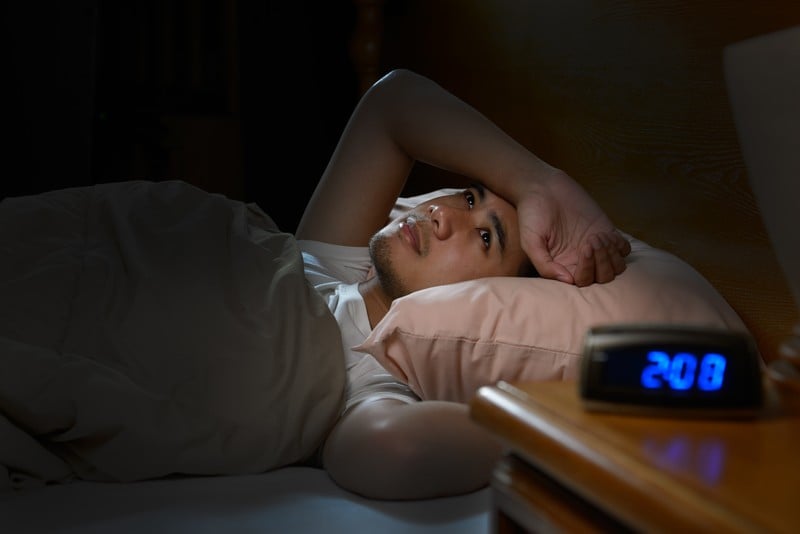
    Most of us experience sleep problems in early recovery, leaving us cranky, unable to function effectively, irritable, and reaching for coffee and sugary foods for a quick boost. Lack of sleep can also put our recovery at risk.

    Sleep is as crucial to one’s recovery as regular exercise and a nutritious diet, but sleep disturbance is a problem that plagues most of us when we first stop using or drinking. As a result, we’re cranky, unable to function effectively, irritable, and reaching for coffee, energy drinks, and sugary or processed foods for a quick boost. In some cases, the lack of restful sleep can put you at risk for a return to drugs or alcohol — all the more reason to get a good sleep habit established early in recovery.

    I never had an issue sleeping before recovery. I used to fall asleep by around 9 every night and pretty much sleep until noon the next day. I now realize that wasn’t quality sleep — it was passing out.

    My early recovery was characterized by the opposite scenario. I was perplexed by the sudden appearance of sleep issues: I couldn’t get to sleep, and when I finally did I would wake up at all hours. I was constantly exhausted. Most of my days were punctuated by taking naps so I could get enough sleep just to be able to function. I even nodded off in meetings!

    And I’m not alone. According to a study in the Journal of Addiction Medicine, insomnia is five times more common in those in early recovery than in the general population. I’m contacted by women all the time asking for help with their sleep. They want some kind of reassurance that what they’re experiencing is normal, and they need ideas for how to solve their sleeplessness.

    Disturbed sleeping patterns and poor sleep quality is common for people in early recovery, and it is even part of the withdrawal process. Common symptoms include:

    • Difficulty falling asleep
    • Excessive sleeping
    • Trouble staying asleep
    • Racing thoughts
    • Tiredness during the day
    • Not feeling refreshed after sleeping
    • Lethargy
    • Nightmares

    What’s causing these problems and what can we do about them? Curious to understand more, I spoke to recovery scientist and therapist Austin Brown.

    “I think at the most basic level, the stuff that keeps us up at night early in the recovery process is the same fears, anxiety, trauma and regret we used over,” he says.

    Brown continues, “It isn’t until we begin settling some of those outstanding emotional balances through recovery work and therapy that we are able to find general peace. Also, we know that the first six months or so of recovery that things get worse in some ways before they get better.”

    That was true for me. I had untreated complex PTSD, depression, anxiety, and eating disorders. All of a sudden it was as if someone had lifted the lid on all of the issues I’d been repressing, and I was faced with overwhelming emotions, an inability to regulate my nervous system, and an unhealthy relationship to just about everything (food, relationships, work). I recall feeling completely lost, and somewhat removed from my body.

    I was told I was overly sensitive and was assured that things would get better, and that I just needed to “do the work.” It took a few months just to come to terms with life without alcohol, never mind the other complex issues I was facing. It certainly felt like things were getting worse. And I had no idea what this early recovery “pink cloud” was that people kept talking about.

    Brown says, “It takes about six months to really ‘survey the wreckage’ and begin rebuilding. And by its very nature, even the rebuilding is stressful. This is one reason hope is so essential early on.”

    Hope was crucial for me. I had to see that there were things I could do to improve my sleep. Without it, I couldn’t function. My body was screaming for me to eat high-carbohydrate food and I was never sated. My depression came back with a vengeance, and my sleep changed from disrupted to full-on comatose. There were clearly other issues involved and I had to dig a little deeper to understand what was going on and make some changes to improve the quality of my sleep.

    Brown explains, “It can take up to 18 months before neurological functions resemble pre-substance use disorder balances.” What’s more, it been shown that these imbalances and the quality of our sleep can affect our chances of returning to drug or alcohol use.

    A study by Dr. Nora Volkow and colleagues found that people who have had substance use disorders have lower amounts of dopamine receptors, which are necessary for the brain to experience pleasure. These receptors continue to be impaired long after drug use stops, which means we find less pleasure in everyday activities and become more likely to seek pleasure in other high-reward activities like returning to substance use, gambling, sex, and overeating. Volkow also found that a low number of dopamine receptors was associated with less activity in the part of the brain responsible for rational thought and the ability to exercise restraint. That might explain why I couldn’t put down the bag of cookies until I’d eaten them all.

    Poor sleep quality can also result in cravings for drugs. A recent study conducted by researchers at Penn State found that patients who reported lower sleep quality also experienced higher-than-usual drug cravings.

    So before you get to the point where you can’t put down the bag of cookies (or worse), why not try some of these tips to improve the quality of your sleep?

    1. Establish a regular sleep routine by going to bed at the same time each night and limiting electronic devices for 1-2 hours before bedtime.
    2. Create a sleep environment. Ensure the bedroom is for sleeping only — no TV or video games. Use low lighting.
    3. Drink herbal tea: chamomile, valerian, or try another herbal sleep remedy (consult a physician before starting any supplements).
    4. Try exercising during the day to promote sleep.
    5. Have a relaxing Epsom salt bath before bed.
    6. Consider taking a magnesium supplement (ask your doctor first).
    7. Practice relaxation techniques like a body scan meditation.
    8. Avoid eating a large meal before bed.
    9. Use an eye mask and ear plugs (or a white noise machine).
    10. Use a light-blocking curtain or shade.
    11. If you find yourself tossing and turning for more than 30 minutes, get up and do something else until you feel tired again.
    12. Try to get up at the same time each day.
    13. Avoid caffeine after 2 p.m.

    I have tried each and every one of these tips and they have worked for me. I was lucky to find that my sleep recovered within the first year or so. In the end, I had trouble staying awake! It’s taken time, but my brain chemistry has evened out and I no longer feel intense cravings or extreme sleep disturbances. It will get better!

    How do you deal with insomnia? Let us know in the comments.

    View the original article at thefix.com

  • Conditions Under Addiction "Umbrella" Continue To Evolve

    Conditions Under Addiction "Umbrella" Continue To Evolve

    “Whether it’s drugs, sex, gambling or whatever, you’re looking at impulse-control disorders where people have difficulty refraining from maladaptive use,” said one expert.

    Video gaming, shopping, social media use, sex—according to The Guardian, the scope of what falls into “addiction” has broadened in recent years. Rather than just including alcohol, tobacco and drugs, other substances and habits now fall under the definition. 

    This is because those in neuroscience have determined that the same brain chemical, dopamine, is responsible for these cravings. 

    “The range of what people are getting addicted to has increased,” Michael Lynskey, professor of addiction at King’s College London, told The Guardian. “For my parents’ generation, the only options were tobacco and alcohol. Now there are more drugs, including synthetics, along with commercialisation and ways – especially online – of encouraging prolonged use of different things.”

    Henrietta Bowden-Jones, a consultant psychiatrist involved with the UK’s future NHS internet-addiction clinic, said many of these newer conditions are behavioral instead of physical.

    “I saw [a gaming disorder patient] yesterday,” she told The Guardian, “who then went on to spending money on objects and clothes. You can somehow shift the behaviour but it’s an illness we don’t yet know enough about.”

    Even so, not everyone in the field agrees that emerging disorders necessarily classify as addiction. According to The Guardian, the only two to officially make the WHO list of addictions are gambling and gaming.

    However, Lynskey argued, many of these conditions do meet the standard criteria for addiction diagnosis, including the inability to stop as well as withdrawals.

    “If a teenager becomes irritable when a gaming session is cut short, there’s some discussion as to whether that’s a sort of mild withdrawal,” Lynskey said.

    According to the research of Terry Robinson, professor of psychology and neuroscience at the University of Michigan, dopamine is the neurochemical behind cravings in any form. 

    “Whether it’s drugs, sex, gambling or whatever, you’re looking at impulse-control disorders where people have difficulty refraining from maladaptive use,” he told The Guardian. “There are certainly similarities in terms of the psychological and neurobiological mechanisms involved.”

    Robinson said three factors—an environment full of craving-inducing stimuli, dosage and access—combine to increase the likelihood of problematic habits and uses.

    Lynskey told The Guardian that like with anything else, there is a range when it comes to problematic behavior.

    “There is a spectrum,” he said, “whether it’s alcohol or drug dependence or shopping addiction and people have become a bit happier with placing the point at which behaviour becomes problematic at a lower level of use.”

    According to Bowden-Jones, there are a number of ways to treat such disorders. However, certain ones become unique because they are impossible to avoid, such as the internet.

    “Younger generations will be socially cut off,” said Bowden-Jones, “and what our patients say is when they feel they’re missing out, it pushes them more toward the virtual life that they already have a problem with rather than engaging properly in their face-to-face lives.”

    View the original article at thefix.com

  • For Millennials, Accessing Mental Health Care Is A Major Issue

    For Millennials, Accessing Mental Health Care Is A Major Issue

    The high cost of mental health care and a lack of mental health availability make it harder for millennials in need.

    Aishia Correll, 27, grew up in a world where therapy was not an option. So, when the Philadelphia woman began struggling with her mental health, she turned to painting instead. 

    But now, Correll tells The Bristol Herald Courier, she is a health care strategist and is working to increase access and affordability for mental health care, especially for millennials, women of color and the LGBTQIA community – all of whom are in desperate need of increased access.

    According to a 2018 survey by the American Psychological Association, millennials and Generation Z are at a higher likelihood of rating their mental health as fair or poor in comparison to other generations. In the same survey, millennials were found to have the highest stress levels of all generations. 

    However, the survey also revealed that millennials and other young adults were more likely to seek out professional mental health care than older generations. In fact, over one-third of millennials and Generation Z said they were receiving treatment or therapy from a mental health professional.

    The Bristol Herald Courier also reports that since 2014, millennials have continually reported the highest stress levels. In Philadelphia specifically, one barrier to treatment is not having health insurance. According to a Pew report from 2014, 22% of those ages 18-34 in Philadelphia had no health insurance. 

    Jennifer Schwartz, inaugural director of Drexel University’s Psychological Services Center and an associate professor in the department of psychology, tells The Bristol Herald Courier that without insurance, therapy can cost anywhere from $75 to $200 for one session.

    At Drexel, Schwartz states, patients are offered a sliding scale price that is based on income, and services are provided by doctoral students.

    “We have a large demand for our services, bigger than we could possibly provide,” Schwartz said. “We do get people who call us and are upset by the lack of services that they’ve been able to locate and access.”

    According to executive director of the Black Women’s Health Alliance, Brenda Shelton-Dunston, this issue is even bigger for millennial women of color.

    “There is a void in mental-health availability and access to mental-health prevention and support services for women of color in Philadelphia,” she told The Herald Courier.

    According to Correll, one solution could be services focused on millennials and located in the right areas. 

    In the meantime, she is continuing to turn to art as a means of therapy and is hoping to provide a space for others to do the same through her creation of a “healing” art gallery in North Philadelphia. 

    “I didn’t see that my family had a place like that,” she said. “I want to make sure I have a place like that.”

    View the original article at thefix.com

  • Misleading Post About Contaminated Meth Receives Backlash

    Misleading Post About Contaminated Meth Receives Backlash

    Local officials say the Facebook post, which was later deleted, was made in bad judgment.

    Officials in Pennsylvania say that a Facebook post by a constable offering to test meth for influenza was misleading and irresponsible. 

    “If you have recently purchased meth in Northampton, Monroe, Lehigh or Bucks Counties, it may be contaminated with the Influenza Virus. . . . Please bring all of it to your local Police Department and they will test it for free,” said the post, which was credited to Wilson Borough State Constable’s Office, according to The Morning Call. “If you’re not comfortable driving to your local Police Department, You can contact my Office and an officer or deputy will be glad to come to you and test your Meth in the privacy of your home.”

    Wilson Constable Fred Schoenenberger posted the message, which was later deleted. In Pennsylvania, constables are elected or appointed and make their money through fees for serving warrant and subpoenas and transporting prisoners. They aren’t associated with area police departments, which was part of the problem with Schoenenberger’s post, said Joshua Fulmer, a lawyer for the Northampton County Constables Association.

    “When you see this page it comes off as like something from a police department, but that’s not what it is,” he said. 

    The area’s district attorney said that the post was made in bad judgment: “I read it and it made no sense to me,” he said. 

    In recent years, police departments around the country have posted Facebook messages offering to test meth and other drugs for safety. In fact, Schoenenberger took the idea from an Illinois sheriff’s office that posted the same message on New Year’s Eve.

    The tactic is a tongue-in-cheek response to the drug epidemic, and — some might argue — a way to try and trick people into bringing their drugs to police. However, critics say that the approach falls flat and can lead to misunderstandings and mistrust.

    “The field doesn’t need misguided information or misguided attempts to change what is going on,” said Timothy Munsch, who works as executive director of the Lehigh Valley Drug and Alcohol Intake Unit.

    Although Schoenenberger deleted the post, he called it “a success” and said a few people even reached out to him for help with their substance use disorders. In a later post he stood by his actions. 

    “While this intended ‘humor’ may have offended some it certainly opened some real dialogue about how serious this issue is. We received many messages for help, and asking if this was real. The post is real and the help is real if you want it and ask for it.”

    View the original article at thefix.com