Category: Addiction News

  • “Am I addicted to social media?” Take our NEW QUIZ

    “Am I addicted to social media?” Take our NEW QUIZ

    “Am I addicted to social media?” is one of the most-searched questions on Google. And it’s one of the questions we get asked the most at Time To Log Off too. So, we’ve been spending the last few weeks working on a new interactive quiz which might help you answer the question for yourself, and hopefully put your mind at rest.

    “Am I addicted to social media?”

    There are a few telltale signs to determine if you’re addicted to social media (no, we’re not going to tell you in this post, we really want you to take the quiz!) and we’ve designed our new quiz to check out how closely you match to the classical definition of social media addiction. Addiction to social media is what’s termed a ‘process addiction’ similar to an addiction to gambling, shopping or even exercise. It’s not quite the same as an addiction to a substance (such as alcohol or drugs), but the impact on your life can be very similar.

    In our best-selling digital detox course we explain all about the persuasive tech industry of Silicon Valley and about how so much of what we do in the digital world is designed to ‘hook’ us and spike dopamine (the feel-good chemical) in our brains. Social media addiction is one of the inevitable results. The quiz we’ve designed is intended to be a fun look at whether you’re spending too much time online, but if you’re concerned you should always see a mental health professional to discuss your habits if you think they might be getting out of control.

    The quiz has just nine questions which are deceptively simple but designed to probe into your habits – and importantly, how you feel about your habits.

    Are you addicted to social media?

    Our social media addiction quiz asks (amongst other things):

    1. How many accounts do you have?
    2. How often do other people comment (negatively) on your use?
    3. How often do you check social media?
    4. Have you tried to cut down? How hard did you find it?
    5. Does your social media habit interfere with the rest of your life?

    If you’re not worried about being addicted to social media, we have two other quizzes in the interactive quiz section of our website. Do take a look and if you haven’t already done those, why not give either of them a try?

    “Am I addicted to my smartphone?”

    Our most popular quiz on our website our “Am I Addicted to my Smartphone?” quiz is one way of working out if it’s you, or your smartphone, who is in charge of your daily habits.

    Are you addicted to your smartphone? Or have your habits just got a little bit out of control?

    Our smartphone addiction quiz will ask you:

    1. The last time you checked your phone.
    2. Where your phone is when you sleep.
    3. How often your phone is the first thing you check in the morning.

    And other questions designed to draw a picture of your habits. Give it a go.

    “Do I need a digital detox?”

    When you’ve done either (or both) of the addiction quizzes, it might be worth giving our final quiz a try to ask yourself “do I need a digital detox?“.

    Do you need a digital detox?

    Take all three of our fun interactive quizzes and check-in on your habits

    You could even give all three of our quizzes a go (they take about three minutes each quiz) or even recommend them to friends and family. And if you have any ideas for other quizzes we can develop – please get in touch!

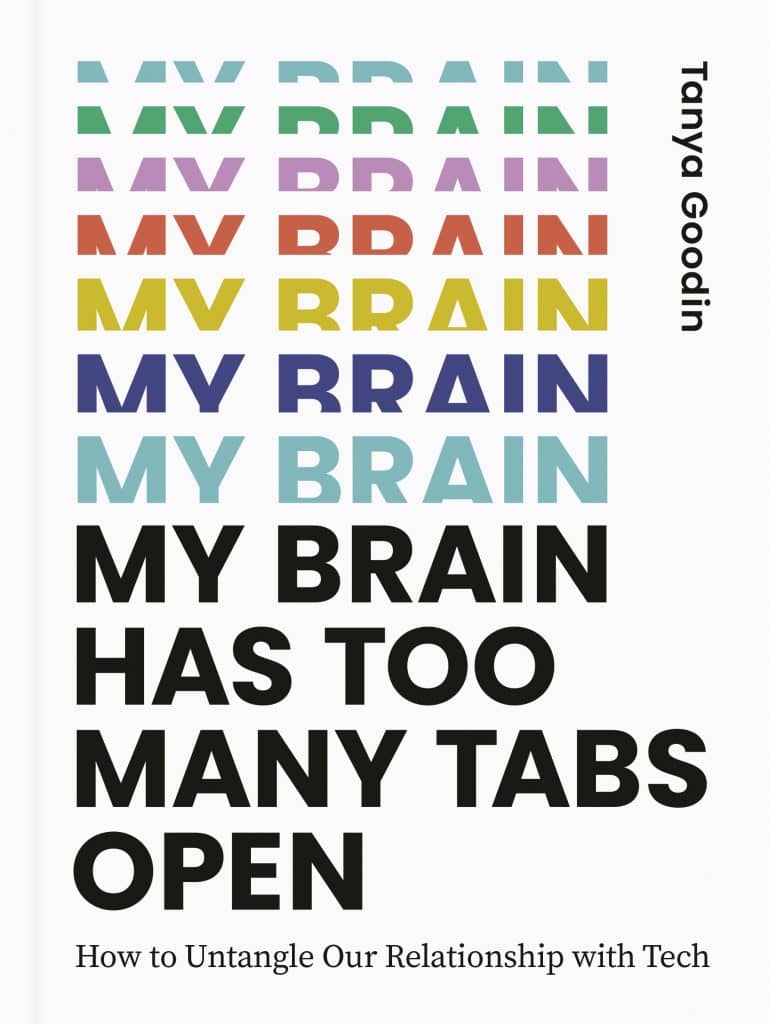
    If you think you might be addicted to social media, your smartphone, or you think you might need to take a break from the digital world – pick up a copy of our new book: My Brain Has Too Many Tabs Open. Available to order here.

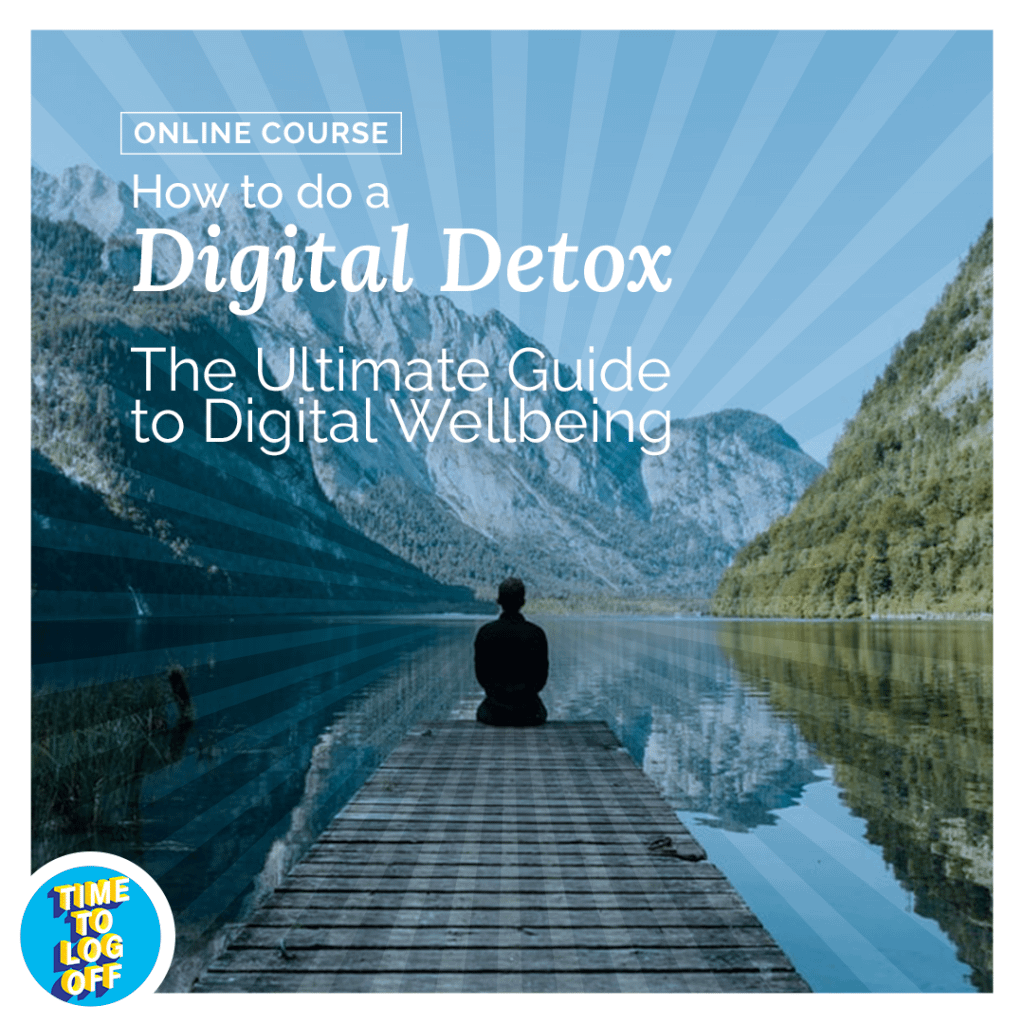
    To explore the concept of digital wellbeing further and to take a digital detox with us, check out our online course How to do a Digital Detox: The Ultimate Guide to Digital Wellbeing

    View the original article at itstimetologoff.com

  • Do you love your smartphone more than your partner?

    Do you love your smartphone more than your partner?

    This is post 5 of 6 in the series “#LogOffForLove”

    1. Valentine’s Day 7 Days to Digital Detox Challenge #LogOffForLove
    2. Valentine’s Day Digital Detox Challenge #LogOffForLove
    3. Valentine’s Day 2018: #LogOffForLove Digital Detox Challenge
    4. #logoffforlove this Valentine’s Day
    5. Do you love your smartphone more than your partner?
    6. #LogOffForLove This Valentines Day 2022

    As Valentine’s Day approaches we’re asking the tricky question “Do you love your smartphone more than your partner?” Are you making them feel like the third wheel in your relationship with your compulsive checking habits? It can be incredibly easy to do, and we have written about the dangers many times before: so here are the signs to watch out for!

    Do you ‘phub’ them?

    We are all aware of how phubbing (snubbing those around us by looking at our phone instead of engaging) can make people feel. We know how it feels when it happens to us (spoiler alert: not great) and many of us in recent years have taken to leaving our phone in a bag, or turning off notifications in order to fully commit time and energy to those we are with. Ironically it is when we are with our closest loved ones that we feel the least inclined to follow this rule. Perhaps it is because we see them all the time, perhaps it is because they know how vital that work email is, or perhaps we just don’t notice ourselves doing it. This has led to an epidemic of phubbing on unprecedented levels with more than 17% of people in a recent study admitted to phubbing those around them over four times a day. If you fall into that camp: beware!

    Is your phone in your bedroom?

    Another tell-tale sign that you may be prioritising your smartphone over your relationship is the physical spaces you allow it in. Are you, for example, winding down in the evenings by lying next to your partner on your phone: ignoring them? 40% of Americans take their phones to bed, so if you do too, you are not alone. But next time, remember how you feel when you want to talk with your loved one, listen to music together or just leave the space open for time together and you were shut down by them focussing solely on their phone. Maybe leave it outside the room tonight to give it a go?

    When was the last time you had a phone free meal?

    Similarly to the physical boundary of keeping your phone out of the bedroom, think about the boundaries you have around time such as meals. When you eat a quick breakfast or even leisurely dinner with your partner are you engaging with them? Or are you both sat together on your phones? Over 75% of Brits use their phones whilst eating, so again you are not in the minority but that doesn’t mean this is the healthiest practice for maintaining a solid relationship.

    Are you intentional about your relationship?

    Leading on from the last two: when you are using your phone with your partner present the most important question is whether you are using it intentionally. On average we check our phone every 12 minutes, often unconsciously. We can turn that off to a degree when spending time with those we don’t see often, and when we take part in planned activities. But, if you love your smartphone a bit too much, how often are you managing that level of concentration at home with your partner? Unfortunately in the age of smartphones we can’t simply relax into easy habits of communication: we must remember to intentionally make space and time for our partners without the distraction of screens. 70% of people have reported that smartphones regularly interfere with their relationships after all.

    Has it come up before?

    The last and most obvious clue that you love your smartphone more than your partner is if this is an issue in your relationship. Do you have conflict in the evenings, or at mealtimes over one of you focussing too much on your phone? Has it been mentioned by friends and family? Are you known as the one who can’t get off their phone? If that is the case then it’s time to make a change.

    For more about how you can improve your relationships by getting a handle on your tech habits – pick up a copy of our new book: My Brain Has Too Many Tabs Open. Available to order here.

    View the original article at itstimetologoff.com

  • Czy kochasz swój smartfon bardziej niż swojego partnera?

    Czy kochasz swój smartfon bardziej niż swojego partnera?

    To jest post 5 z 6 w serii "#LogOffForLove"

    1. Walentynki 7 dni do Digital Detox Challenge #LogOffForLove
    2. Walentynkowe Wyzwanie Cyfrowego Detoksu #LogOffForLove
    3. Walentynki 2018: #LogOffForLove Digital Detox Challenge
    4. #logoffforlove w te Walentynki
    5. Czy kochasz swój smartfon bardziej niż swojego partnera?
    6. #LogOffForLove Walentynki 2022

    Gdy zbliżają się Walentynki , zadajemy podchwytliwe pytanie "Czy kochasz swój smartfon bardziej niż partnera?" Czy sprawiasz, że czują się jak trzecie koło w twoim związku z twoimi kompulsywnymi nawykami sprawdzania? Może to być niezwykle łatwe do zrobienia, a o niebezpieczeństwach pisaliśmy już wiele razy: oto znaki, na które należy uważać!

    Czy "phub" je?

    Wszyscy zdajemy sobie sprawę z tego, jak phubbing (lekceważenie otaczających nas osób poprzez patrzenie na nasz telefon zamiast angażowania się) może sprawić, że ludzie się poczują. Wiemy, jak to jest, gdy nam się to przydarza (spoiler alert: nie świetnie) i wielu z nas w ostatnich latach zaczęło zostawiać telefon w torbie lub wyłączać powiadomienia, aby w pełni poświęcić czas i energię tym, z którymi jesteśmy. Jak na ironię, kiedy jesteśmy z naszymi najbliższymi, czujemy się najmniej skłonni do przestrzegania tej zasady. Być może dlatego, że widzimy ich cały czas, być może dlatego, że wiedzą, jak ważna jest ta służbowa poczta e-mail, a może po prostu nie zauważamy, że to robimy. Doprowadziło to do epidemii phubbingu na bezprecedensowym poziomie, a ponad 17% osób w niedawnym badaniu przyznało się do phubbingu osób wokół nich ponad cztery razy dziennie. Jeśli wpadniesz do tego obozu: uważaj!

    Czy twój telefon jest w sypialni?

    Innym znakiem ostrzegawczym, że możesz przedkładać smartfon nad swój związek, są fizyczne przestrzenie, w których mu pozwalasz. Czy na przykład odpoczywasz wieczorami, leżąc obok partnera na telefonie: ignorując go? 40% Amerykanów zabiera telefony do łóżka, więc jeśli ty też to zrobisz, nie jesteś sam. Ale następnym razem przypomnij sobie, jak się czujesz, gdy chcesz porozmawiać z ukochaną osobą, słuchać muzyki razem lub po prostu zostawić przestrzeń otwartą na wspólny czas i zostałeś zamknięty przez nich skupiających się wyłącznie na telefonie. Może zostaw go dziś wieczorem poza pokojem, aby spróbować?

    Kiedy ostatni raz miałeś posiłek bez telefonu?

    Podobnie jak fizyczna granica trzymania telefonu z dala od sypialni, pomyśl o granicach, które masz w czasie, takich jak posiłki. Kiedy jesz szybkie śniadanie lub nawet spokojną kolację ze swoim partnerem, czy angażujesz się z nim? A może oboje siedzicie razem na swoich telefonach? Ponad 75% Brytyjczyków używa telefonów podczas jedzenia, więc znowu nie jesteś w mniejszości, ale to nie znaczy, że jest to najzdrowsza praktyka utrzymywania solidnego związku.

    Czy jesteś świadomy swojego związku?

    Przechodząc od dwóch ostatnich: kiedy używasz telefonu ze swoim partnerem, najważniejszym pytaniem jest, czy używasz go celowo. Średnio sprawdzamy telefon co 12 minut, często nieświadomie. Możemy to do pewnego stopnia wyłączyć, spędzając czas z tymi, których nie widzimy często, i gdy bierzemy udział w zaplanowanych działaniach. Ale jeśli kochasz swój smartfon trochę za bardzo, jak często radzisz sobie z tym poziomem koncentracji w domu ze swoim partnerem? Niestety w dobie smartfonów nie możemy po prostu zrelaksować się w łatwych nawykach komunikacji: musimy pamiętać, aby celowo robić przestrzeń i czas dla naszych partnerów bez rozpraszania uwagi ekranów. 70% osób zgłosiło, że smartfony regularnie zakłócają ich relacje.

    Czy pojawił się już wcześniej?

    Ostatnią i najbardziej oczywistą wskazówką, że kochasz swój smartfon bardziej niż swojego partnera, jest to, czy jest to problem w twoim związku. Czy masz konflikt wieczorami lub podczas posiłków, ponieważ jedno z was za bardzo skupia się na telefonie? Czy wspominali o tym przyjaciele i rodzina? Czy jesteś znany jako ten, który nie może wysiąść z telefonu? Jeśli tak jest, to nadszedł czas, aby dokonać zmiany.

    Aby dowiedzieć się więcej o tym, jak możesz poprawić swoje relacje, radząc sobie z nawykami technologicznymi – weź kopię naszej nowej książki: Mój mózg ma zbyt wiele otwartych kart. Dostępne do zamówienia tutaj.

    Zobacz oryginalny artykuł na itstimetologoff.com

  • Você ama mais seu smartphone do que seu parceiro?

    Você ama mais seu smartphone do que seu parceiro?

    Este é o post 5 de 6 na série "#LogOffForLove"

    1. Dia dos Namorados 7 dias para Desafio Desintoxicação Digital #LogOffForLove
    2. Desafio de Desintoxicação Digital do Dia dos Namorados #LogOffForLove
    3. Dia dos Namorados 2018: #LogOffForLove Desafio Digital de Detox
    4. #logoffforlove este Dia dos Namorados
    5. Você ama mais seu smartphone do que seu parceiro?
    6. #LogOffForLove Este Dia dos Namorados 2022

    À medida que o Dia dos Namorados se aproxima, estamos fazendo a pergunta complicada "Você ama seu smartphone mais do que seu parceiro?" Você está fazendo eles se sentirem como a terceira roda em seu relacionamento com seus hábitos de verificação compulsivos? Pode ser incrivelmente fácil de fazer, e já escrevemos sobre os perigos muitas vezes antes: então aqui estão os sinais para tomar cuidado!

    Você os 'phub' eles?

    Todos nós estamos cientes de como phubbing (esnobar aqueles ao nosso redor olhando para o nosso telefone em vez de se envolver) pode fazer as pessoas se sentirem. Sabemos como se sente quando acontece conosco (alerta de spoiler: não é ótimo) e muitos de nós nos últimos anos temos levado a deixar nosso telefone em uma bolsa, ou desligar notificações a fim de comprometer totalmente o tempo e a energia para aqueles com quem estamos. Ironicamente é quando estamos com nossos entes queridos mais próximos que nos sentimos menos inclinados a seguir esta regra. Talvez seja porque os vemos o tempo todo, talvez seja porque eles sabem o quão vital é esse e-mail de trabalho, ou talvez nós simplesmente não nos notamos fazendo isso. Isso levou a uma epidemia de phubbing em níveis sem precedentes, com mais de 17% das pessoas em um estudo recente admitiram ter phubbing aqueles ao seu redor mais de quatro vezes por dia. Se você cair naquele acampamento: cuidado!

    Seu celular está no seu quarto?

    Outro sinal de que você pode estar priorizando seu smartphone sobre seu relacionamento são os espaços físicos que você permite. Você está, por exemplo, enrolando à noite deitado ao lado do seu parceiro no seu telefone: ignorá-los? 40% dos americanos levam seus telefones para a cama, então se você também, você não está sozinho. Mas da próxima vez, lembre-se de como você se sente quando quiser falar com seu ente querido, ouvir música juntos ou apenas deixar o espaço aberto para o tempo juntos e você foi desligado por eles focando apenas em seu telefone. Talvez deixá-lo fora da sala hoje à noite para tentar?

    Quando foi a última vez que teve uma refeição de graça?

    Da mesma forma que o limite físico de manter seu telefone fora do quarto, pense nos limites que você tem em torno do tempo, como refeições. Quando você toma um café da manhã rápido ou mesmo jantar com seu parceiro você está se envolvendo com eles? Ou vocês dois estão sentados juntos em seus telefones? Mais de 75% dos britânicos usam seus telefones enquanto comem, então novamente você não está em minoria, mas isso não significa que esta é a prática mais saudável para manter uma relação sólida.

    Você é intencional sobre seu relacionamento?

    Levando em frente a partir dos dois últimos: quando você está usando seu telefone com seu parceiro apresentar a pergunta mais importante é se você está usando-o intencionalmente. Em média , verificamos nosso telefone a cada 12 minutos, muitas vezes inconscientemente. Podemos desligar isso até certo ponto quando passamos tempo com aqueles que não vemos com frequência, e quando participamos de atividades planejadas. Mas, se você ama seu smartphone um pouco demais, quantas vezes você está gerenciando esse nível de concentração em casa com seu parceiro? Infelizmente na era dos smartphones não podemos simplesmente relaxar em hábitos fáceis de comunicação: devemos lembrar de intencionalmente abrir espaço e tempo para nossos parceiros sem a distração das telas. 70% das pessoas relataram que os smartphones interferem regularmente em seus relacionamentos, afinal.

    Já surgiu antes?

    A última e mais óbvia pista de que você ama seu smartphone mais do que seu parceiro é se isso é um problema no seu relacionamento. Você tem conflitos à noite, ou na hora da refeição sobre um de vocês se concentrando demais no seu telefone? Foi mencionado por amigos e familiares? Você é conhecido como aquele que não consegue desligar o telefone? Se esse é o caso, então é hora de fazer uma mudança.

    Para mais sobre como você pode melhorar seus relacionamentos, dando um controle sobre seus hábitos tecnológicos – pegue uma cópia do nosso novo livro: My Brain Has Too Many Tabs Open. Disponível para encomendar aqui.

    Veja o artigo original em itstimetologoff.com

  • Îți iubești smartphone-ul mai mult decât partenerul tău?

    Îți iubești smartphone-ul mai mult decât partenerul tău?

    Acest lucru este post 5 din 6 în seria "#LogOffForLove"

    1. Valentine's Day 7 zile la Digital Detox Challenge #LogOffForLove
    2. Valentine's Day Digital Detox Challenge #LogOffForLove
    3. Valentine's Day 2018: #LogOffForLove Digital Detox Challenge
    4. #logoffforlove acest Valentine's Day
    5. Îți iubești smartphone-ul mai mult decât partenerul tău?
    6. #LogOffForLove Ziua Îndrăgostiților 2022

    Pe măsură ce se apropie Ziua Îndrăgostiților , punem întrebarea complicată "Îți iubești smartphone-ul mai mult decât partenerul tău?" Îi faci să se simtă ca a treia roată din relația ta cu obiceiurile tale compulsive de verificare? Poate fi incredibil de ușor de făcut și am scris despre pericole de multe ori înainte: iată semnele de care trebuie să fiți atenți!

    Nu le "phub"?

    Suntem cu toții conștienți de modul în care phubbing (snubbing cei din jurul nostru, uitându-se la telefonul nostru în loc de angajarea) poate face pe oameni simt. Știm cum se simte atunci când ni se întâmplă (spoiler alert: nu grozav) și mulți dintre noi în ultimii ani ne-am apucat să ne lăsăm telefonul într-o pungă sau să oprim notificările pentru a dedica pe deplin timp și energie celor cu care suntem. În mod ironic, atunci când suntem cu cei mai apropiați dragi, ne simțim cel mai puțin înclinați să urmăm această regulă. Poate pentru că le vedem tot timpul, poate pentru că ei știu cât de vital este acel e-mail de lucru sau poate pur și simplu nu observăm că o facem. Acest lucru a dus la o epidemie de phubbing la niveluri fără precedent, cu mai mult de 17% din oameni într-un studiu recent a recunoscut că a phubbing cei din jurul lor de peste patru ori pe zi. Dacă cazi în tabăra aia: ai grijă!

    Telefonul este în dormitor?

    Un alt semn că s-ar putea să-ți prioritizezi smartphone-ul asupra relației tale este spațiile fizice în care îi permiți să intre. Ești, de exemplu, de lichidare în jos în seara de situată lângă partenerul tau pe telefon: ignorându-le? 40% dintre americani își iau telefoanele în pat, așa că dacă și tu o faci, nu ești singur. Dar data viitoare, amintiți-vă cum vă simțiți atunci când doriți să vorbiți cu persoana iubită, să ascultați muzică împreună sau pur și simplu să lăsați spațiul deschis pentru timp împreună și ați fost închiși de ei concentrându-vă doar pe telefonul lor. Poate lăsați-l în afara camerei in seara asta pentru a da un du-te?

    Când a fost ultima dată când ați avut o masă gratuită prin telefon?

    În mod similar cu limita fizică de a vă ține telefonul departe de dormitor, gândiți-vă la limitele pe care le aveți în jurul timpului, cum ar fi mesele. Când mănânci un mic dejun rapid sau chiar o cină pe îndelete cu partenerul tău, interacționezi cu el? Sau sunteți amândoi așezați împreună pe telefoanele dvs.? Peste 75% dintre britanici își folosesc telefoanele în timp ce mănâncă, deci din nou nu ești în minoritate, dar asta nu înseamnă că aceasta este cea mai sănătoasă practică pentru menținerea unei relații solide.

    Esti intentionat in legatura cu relatia ta?

    Pornind de la ultimele două: atunci când utilizați telefonul cu partenerul, cea mai importantă întrebare este dacă îl utilizați în mod intenționat. În medie, ne verificăm telefonul la fiecare 12 minute, adesea inconștient. Putem dezactiva acest lucru într-o anumită măsură atunci când petrecem timp cu cei pe care nu îi vedem des și când participăm la activitățile planificate. Dar, dacă îți iubești smartphone-ul un pic prea mult, cât de des gestionezi acel nivel de concentrare acasă cu partenerul tău? Din păcate, în era smartphone-urilor nu ne putem relaxa pur și simplu în obiceiuri ușoare de comunicare: trebuie să ne amintim să facem în mod intenționat spațiu și timp pentru partenerii noștri fără distragerea atenției ecranelor. 70% dintre oameni au raportat că smartphone-urile interferează în mod regulat cu relațiile lor până la urmă.

    A mai apărut?

    Ultimul și cel mai evident indiciu că îți iubești smartphone-ul mai mult decât partenerul este dacă aceasta este o problemă în relația ta. Ai conflicte seara, sau la orele mesei peste unul dintre voi concentrându-se prea mult pe telefon? A fost menționată de prieteni și familie? Ești cunoscut ca cel care nu poate coborî de pe telefon? Dacă acesta este cazul, atunci este timpul pentru a face o schimbare.

    Pentru mai multe informații despre cum vă puteți îmbunătăți relațiile prin obținerea unui mâner cu privire la obiceiurile tehnologice – ridicați o copie a noii noastre cărți: Creierul meu are prea multe file deschise. Disponibil pentru comanda aici.

    Vezi articolul original la itstimetologoff.com

  • #LogOffForLove This Valentines Day 2022

    #LogOffForLove This Valentines Day 2022

    This is post 6 of 6 in the series “#LogOffForLove”

    1. Valentine’s Day 7 Days to Digital Detox Challenge #LogOffForLove
    2. Valentine’s Day Digital Detox Challenge #LogOffForLove
    3. Valentine’s Day 2018: #LogOffForLove Digital Detox Challenge
    4. #logoffforlove this Valentine’s Day
    5. Do you love your smartphone more than your partner?
    6. #LogOffForLove This Valentines Day 2022

    We all choose to spend Valentines differently: some go all out with gifts, activities and grand gestures whilst others choose to spend the day much like any other, stay in or get a takeaway. Regardless of the importance you place on the day, nothing screams romance less than someone who is glued to their phone and doesn’t pay proper attention to their Valentine. We have written before about the impact which phubbing (snubbing someone with your phone) can have on a relationship, and that is not the only point of tension between phones and loved ones!

    So, we have put together some tips to help you log off for love this Valentines as part of our annual campaign encouraging you to prioritise relationships over devices.

    Give an analogue gift

    The most obvious display of Valentines spirit is in the gift giving, so this year we are challenging you to think outside of the box and give an analogue gift. From hand writing a card to booking a holiday for the two of you, there are lots of options for gifts which can focus on the person you love rather over technology! Especially on Valentines it is even more important that the thought behind your gift focuses on the real world, and demonstrates your investment in the relationship.

    Plan offline activities

    If you are celebrating the day in style with some Valentines related activities we recommend going for some offline events too! Perhaps you could play crazy golf, go up in a hot air balloon or simply cook them dinner and do a puzzle together. No matter how you celebrate there are lots of ways to spend time together in person and focus on quality time over consumption of media like going to the cinema or watching TV at home.

    Intentionally log off

    There will be lots of variety in ways that we all log off for love this Valentines but one thing we can all do throughout the day and incorporate into all our activities is to have the intention to log off. This means that we can plan in advance. If you know that you might be distracted by work emails, a match score or internet gossip instead of being fully focused on your partner take steps in advance to make sure that doesn’t happen. You could let your colleagues know you are going off-grid that night, or perhaps turn off notifications for the evening. We all know how easy it is to get distracted so get ahead of it!

    Keep your phone out of the bedroom

    One way in which you can plan ahead is to commit to leaving your phone outside of the bedroom, at least for this one night. We have written before about the damaging impact which having your phone in your room can have on sleep (only 20 mins can significantly impact sleep quality) and our mental health but it is equally damaging to our relationships as its presence can often cause us to split our attention and leave our partner neglected.

    Log off for love throughout the year!

    Finally, the best gift you can give this Valentines is to log off for love all year round. Take these tips and institute them in your day to day life beyond one celebration of love. Your partner deserves it, and so do you!

    View the original article at itstimetologoff.com

  • The First Drink Was Russian Roulette: An Interview with Leigh Steinberg

    Life will knock us all back, but the question is can we stay in the present moment? Can we summon up the strength and energy to perform with excellence in those trying moments?

    If you’ve ever seen Tom Cruise as a driven sports agent in the award-winning film Jerry Maguire (1996), then you know more about super-agent Leigh Steinberg than you realize. Based on his life experiences, the film’s storyline ended before Leigh Steinberg experienced the worst travails of his life. During his career, Steinberg has represented over 300 professional athletes in football, baseball, basketball, boxing, and Olympic sports, including the number one overall pick in the NFL draft a record eight times.

    Despite his success, Steinberg met his match when it came to alcohol. In 2015, he described his challenging journey into sobriety in his memoir. Today, Steinberg reveals his inspirational journey in an interview with The Fix.

    The Fix: As a young man, your first client Steve Bartkowski became the No. 1 overall pick in the 1975 NFL draft, catapulting you into the upper echelons. When you look back on the sudden rise of those early days, do you ever feel like it all happened way too fast? Was it challenging to deal with the mighty rush of early success?

    Leigh Steinberg: I had had the wonderful experience of being student body president at Cal (University of California, Berkeley) in the tumultuous days of the Sixties. At that point, Berkeley was the vortex of student life. From demonstrations and rock music to alternative lifestyles, the school was at the center of the national story. Such an experience really prepared me for the national profile that came with the Bartkowski signing. I never confused newspaper clippings, awards, or external praise for the substance of being a good person and being grounded.

    From Warren Moon to Oscar De La Hoya, you desired your top clients to be preeminent roles models in their sports. Do you perceive yourself as a role model? How did the process of recovery illuminate this perception?

    We are all role models to someone. Younger people look up to you, older people will mentor you, and you will find people who will be the models for your future behavior. I had a father who raised us with two core values: The first was to treasure relationships, especially family, and the second was to do your best to make a meaningful difference in the world. It is part of your responsibility to help people who cannot help themselves. The whole nexus of my practice was trying to stimulate the best in young men.

    When it comes to making a meaningful experience in the world, I learned a lot from my struggles with alcoholism. Being in my twelfth year of recovery, I feel like I have been given the opportunity to help people who are struggling with the same challenges that I faced. It is a real positive that comes out of the experience. If you are reading this right now and you feel hopeless and overwhelmed by your experiences with substance abuse and addictions, I want you to know that there is hope and a light at the end of the tunnel. I have been where you are now, and it does get better.

    What did you learn from the success of your clients? What did you learn from their failures?

    For me, the critical key has always been how someone responds to adversity. If we take a quarterback who has thrown a couple of interceptions so the game is getting out of hand and the crowd is starting to boo, what happens next? Can that person summon up the internal focus to tune out extraneous distractions and elevate their level of play in critical situations? Life will knock us all back, but the question is can we stay in the present moment? Can we summon up the strength and energy to perform with excellence in those trying moments? What I saw them do in success is stay grounded and stay hungry. As opposed to bragging about a past achievement or becoming self-absorbed, they were able to stay in process and do the things that created their success in the first place.

    An old Irish saying goes, “A man takes a drink, the drink takes a drink, the drink takes the man.” How would you say this saying applies to your life experience?

    When it comes to alcohol, it snuck up slowly on me. I didn’t drink for most of my life and most of my career. However, when I started drinking, it suddenly stopped becoming a decision and a matter of volition of whether or not to drink. With what seems like little or no warning, it becomes a craving and compulsion. I did not realize until later in my life that I am allergic to alcohol. At this point, the first drink would be a disaster. Knowing the metamorphosis in my brain when I take the first drink gives me no other choice but to stay vigilant.

    You write in your book, “Consuming alcohol became a form of Russian roulette for me.” It’s truly a powerful image. Can you explain it further?

    The first drink was Russian Roulette. After I took the first drink, it wasn’t clear what would be the eventual outcome. It could be anything from a blackout where I did not remember what had happened to just falling asleep to something unexpected. It was unclear how an evening would end, and it wasn’t going to be positive (laughing). After taking the first drink, I was no longer in control of my own life. It wasn’t positive. Depending on how my body was metabolizing alcohol and how much I was drinking, it could lead to many self-destructive behaviors, including drunk driving, hurting other people’s feelings, and complete self-absorption. It could lead to a place where I was no longer aware of the choices I was making.

    Can you describe your “moment of clarity”? What realization led to the start of what is now your long-term recovery?

    It was a sense of proportionality. I was sitting in my father’s room at our family house after closing my office and home. I am at my parent’s house in West Los Angeles, and all I have is the next drink. At that moment of despair, there was an epiphany where I gained a sense of proportion. I realized I wasn’t a starving peasant in Sudan, I didn’t have the last name Steinberg in Nazi Germany, and I didn’t have cancer or anything fundamentally wrong with my body. Thus, what excuse did I have not to live up to my dad’s admonitions and be a good father? How could I not follow his guidance and try to be helpful to other people? It was a moment of clarity that I needed to overcome the denial that I had a problem. I realized I had to turn my life over to a process that would hopefully lead to a better tomorrow.

    You believe the success of rookie prospects in the NFL is helped by being drafted by the right teams where successful cultures of strategy and support allow them to grow into professional players. You use the experience of Patrick Mahomes in Kansas City as the ideal example. Do you think that a person’s success in recovery might be similar as well?

    The key to winning in sports is the quality of the organization: Enlightened and stable ownership, a front office that excels at drafting and roster composition, and the quality of a coach who knows how to communicate with his players. All of that is important. Likewise, when it comes to recovery, having the right sponsor, being in the right sober living house, and surrounding yourself with other people who are serious about their recoveries and working the 12 steps is critical. I know it has been critical for me. Going to the right meetings helps you find the people with long-term sobriety who can become your role models. Overall, the concept of being in a healthy environment leading to success is critical in both environments.

    Can you talk about the role of steroids in professional sports? As an agent who cared about his clients, you write that you gained insight into the danger of steroids early on. Do you think performance-enhancing drugs will always be a part of professional sports?

    I don’t think they have to be, and I hope they won’t be. Steroids themselves are a real health danger on both a physical and a mental level. People taking steroids experience such emotional extremes, going from ‘roid rage to breaking down in tears in an instant. Steroids play havoc with a person’s emotional stability.

    Today, there are many promising therapies and techniques for training the human body, like nutrition, hyperbaric oxygen therapy, and stem cell therapies. There are so many breakthroughs about enhancing performance and stamina in a natural way. It really shouldn’t be necessary to use destructive substances to perform well. One of the major threats in professional sports has been opiates to deal with pain. In a football game, it’s like a traffic accident on every play. Since pain is ever-present, it’s essential to find alternatives to becoming dependent and ultimately addicted to opioids is critical.

    Any last words? Any message you want to leave us with today?

    I have found that the most important life skill is listening. If you can cut below the surface with another human being and listen carefully to their greatest anxieties and fears and their greatest hopes and dreams, you can help them. If you can put yourself in their shoes and connect with their hearts and minds, then it’s possible to navigate yourself through life with grace and integrity. Indeed, from the beginning, it was at the heart of my father’s message to me.

    Lastly, I believe one of the keys is to try to live in this moment without being lost in the past or fearful of the future. We don’t always have to answer the cell phone that’s ringing. You can put focus and energy into the present to derive maximum satisfaction and be a happy person.

    View the original article at thefix.com

  • Alcoholics Anonymous Welcomes Queer Members – But Is It Enough?

    Addiction is inherently bound up in issues of class, race, sexuality, religion, and yes, gender – the exact “outside issues” that AA members are taught to check outside the meeting room doors.

    Every day, in thousands of church basements, community centers, and clubhouses across America, people who can boast anything from a few hours to many decades without alcohol gather to collect one more sober day. Nearly all these meetings of Alcoholics Anonymous begin with members collectively reciting something called the AA Preamble, a statement of purpose for the AA group and reminder that AA’s “primary purpose is to stay sober and help other alcoholics achieve sobriety.”

    I first heard the Preamble in 2009, during my earliest attempt at sobriety, and have heard it hundreds more times since. The Preamble is so ubiquitous in the AA program that almost all members can recite it by heart. The Preamble is short, just two paragraphs comprised of five sentences. Until last year, it was exactly 100 words. It is now 98. The loss of three words, and addition of one, might seem small, almost meaningless, to anyone outside of the AA program. But for an organization that has stubbornly resisted most edits to its doctrines and covenants since its genesis over 80 years ago, it is earthshaking. And for those of us who want AA to change – who hope the program that did so much to save our lives can adequately respond to new, more inclusive cultural norms – it is a sign that AA is not a relic or a curiosity but a living, evolving thing, still in search of the best way to carry the message.

    For 74 years, the Preamble told members that AA is “a fellowship of men and women who … help others to recover from alcoholism.” Here’s the big change: “men and women” has been dropped and replaced with “people.” There’s a poetic simplicity to this that shouldn’t undermine its significance. No longer does AA’s self-constructed statement of purpose reduce members to men or women, Box A or Box B, this or that. AA is full of queer, trans, and non-binary addicts who for decades were greeted at every meeting with a recitation that excluded them. That is no longer the case.

    To understand why the change to the Preamble is so important, you first must understand just how rooted in antiquity much of AA is. I’m a gay atheist, and my first few years in “the rooms” were spent largely trying to see how, or if, I could fit in. No easy task. The central text of Alcoholics Anonymous is the “Big Book,” originally written in 1939 by famed AA founder Bill Wilson with assistance from other founding members. The Big Book’s first 164 pages, the pages thought of as the “nuts and bolts” of the AA program and authored primarily by the near-mythic Bill W., have remained largely set in stone, subject only to grammatical and semantic edits. Wilson’s vision of a set of principles and practices to get and keep a drunk sober remains intact. And many of those principles read as outdated at best, and offensive at worst, to modern eyes.

    Consider the chapter that caused me the most distress. “We Agnostics” purports to be the AA welcome wagon for the irreligious, but it is deeply condescending to those who don’t believe in God. The chapter begins reasonably enough, with sympathies toward those who have found organized religion corrupt or otherwise distasteful. It then turns toward AA’s unique, somewhat incomprehensible notion of spirituality, a vague sense that there is a “God of our understanding” who is in some way “bigger” than us. This can all be read metaphorically, which most godless AA members do, as a call to get out of our own heads and kill our egos. But there is a hard religious turn toward the end, a nod to our “Creator,” and a parable of a drunk redeemed through faith that wouldn’t be out of place on a megachurch’s Instagram feed. The overall message of “We Agnostics” is: Perhaps you don’t believe in God now, but you will, if you want to get sober.

    Arguably worse is “To Wives,” chapter 8 of the Big Book. As the title might have tipped you off, “To Wives” is sexist, heteronormative nonsense. Written in a confessional style, “To Wives” purports to tell the story of the long-suffering wife of the alcoholic – “Oh, how she cried!,” that sort of thing. The unspoken assumption is that alcoholics are men, and AA membership is mostly men, and these members are straight and married to women. In that sense, the old Preamble – written eight years after the Big Book and when AA was becoming more established – sounds downright progressive in its inclusion of both “men and women.”

    None of this should be surprising. Wilson was the product of both his time and his spiritual biography. In 1939, women had only been voting for 20 years, and the teaching of evolution could still be outlawed by states. For his part, Wilson had put down the bottle with the help of the Oxford Group, an anti-hierarchical, but explicitly Christian, sect focused on adherence to high moral standards and surrender to God. He incorporated many of the Oxford Group’s teachings into the Big Book. The roots of AA are Christian ones, and as a result, there is a religious lean to much AA literature. Some members are happier about this than others. When I was first trying to stay clean, I told a longtime member I was an atheist. He responded, missing the point entirely, that this was fine: “All you need to believe is there is a God, and you ain’t Him!”

    Both “To Wives” and “We Agnostics” remain, unchanged, in the Big Book today, although there have been unsuccessful movements to remove or rewrite them. It is no exaggeration to say that the change to the Preamble is the biggest move toward modernity AA has taken in perhaps its entire history. How did it happen? Well, making a complex process simple: any AA meeting can propose changes through their elected representative, who then takes those proposals to an annual conference, where they are voted on by all the area delegates. (There are 93 “areas” in the US. Some states have one, bigger states have more – New York has four.) It is at these General Service Conferences where the big decisions about the most fundamental tenets of Alcoholics Anonymous are made.

    The Preamble vote took place at the 2020 Conference. One New York area delegate put together a charming PowerPoint presentation, appropriately titled “AA In A Time of Change,” laying out the broad procedural steps, and I am cribbing from that here. AA groups in New York, D.C., and Louisiana pushed to have the change debated at the Conference. One committee initially voted down the proposal, finding that they needed “more information.” And that could have been where the change died – smothered in committee and consigned to next year’s conference.

    It wasn’t to be. As per the delegate, “in rapid succession,” members brought four floor actions. A floor action is discouraged at a Conference – it is outside of the normal “process” by which change is made within AA, and can be voted down immediately. There is a radical bent to a floor action, and for a body that requires 2/3 majorities to pass anything, the Conference process is nothing if not deliberative. But “I guess we’re alcoholics,” notes the welcomingly wry delegate, and members pushed. And so, after a “spirited” debate, the floor actions passed, and on May 1, 2020, Alcoholics Anonymous formally voted to make the Preamble inclusive of non-binary recovering alcoholics. It was announced in Grapevine in 2021, and was introduced at AA groups throughout the summer and fall.

    I wanted to find out just how spirited the conference debate was. The voting debates at the General Service Conference are not public, even to other AA members. While writing this article, I reached out to six area delegates to hear their recollections of the Preamble debate and vote. Only one responded, and he declined to speak. I anticipated their hesitancy – one of the most religiously observed creeds of Alcoholics Anonymous as an organization is its refusal to engage in what it deems “politics.” This is so important that it is even part of the Preamble itself, which states, “AA…does not wish to engage in any controversy [and] neither endorses nor opposes any causes.” And so, AA takes no position on medication, health coverage, drug legalization, or any of the other myriad policy debates that directly touch on addiction.

    But this is a country that bans trans people from public restrooms, that mandates genital inspections for children to play sports. In that context, yes, making the Preamble queer-inclusive was “engaging in controversy,” and it is silly to pretend it isn’t. Certainly the opponents of the change, in private Facebook groups, attacked it in political terms. “Extraterrestrials are going to feel excluded now.” “More Cancel Culture, Politically Correct BULLSHIT.” One member’s post I saw bluntly stated that her group would refuse to read the new Preamble. And again and again, members expressed annoyance that AA would take up what they call an “outside issue.”

    The “outside issue” trope is an old one in the program, drawn from the language of the Tenth Tradition, which tells members that AA “has no opinion on outside issues,” and thus will “never be drawn into public controversy.” It is deeply connected to AA’s refusal to engage in “politics.” The justification here is that anything not explicitly related to sobriety can alienate addicts from the program, and thus keep them mired in active addiction. But there’s an equally salient point – by not engaging in the everyday realities of members’ lives, AA can seem distant, naïve, and unfeeling. Plus, as in the case of the Preamble change, the ban on outside issues can be weaponized by bigots.

    Addiction is inherently bound up in issues of class, race, sexuality, religion, and yes, gender – the exact “outside issues” that AA members are taught to check outside the meeting room doors. AA teachings discourage these discussions in any formal or public setting, and so, newcomers living in poverty are told that this is no barrier to a spiritual awakening, minorities are told to overcome their “victimhood,” and old timers – usually white men with decades sober – often spitefully attack any mention of drugs other than alcohol in meetings. Yes, even drug use is considered an “outside issue” by many AA members. As it has with the Preamble, the outside issues rule is vague enough to be targeted at any inter-group discussions some members don’t like.

    Try as I might, I could not get an AA representative to comment on the record for this story. I had a lengthy chat with a very nice employee at AA’s General Services Office who asked me to forward some questions and refused to be quoted. Those questions were not responded to. I wasn’t surprised – I’ve written about AA and politics in the past, and was castigated by some for even identifying myself as an AA member in public. There is an overarching fear of sunlight in AA that is at odds with our current cultural moment, where institutions both private and public are held accountable for their internal rules and processes.

    The Preamble’s change is a sign that the tide is turning in Alcoholics Anonymous. As older addicts are replaced by younger ones, the wall AA has built around its teachings weakens a little more. As one Facebook commenter put it: “Stop debating queer and trans members because we’ve been here and stayed sober even when we weren’t included, don’t get it twisted nothing any of ya’ll have to say will change my sobriety date.” Exactly.

    View the original article at thefix.com

  • Spending money late at night on things you don’t really need? Beware ‘vampire shopping’.

    This is post 4 of 4 in the series “My Brain Has Too Many Tabs Open”

    1. Are You Guilty of Sharenting? How to Stop
    2. Have you been ‘phubbing’ your loved ones? We can help.
    3. Technoference: What it is and How to Stop Doing it.
    4. Spending money late at night on things you don’t really need? Beware ‘vampire shopping’.

    As we come out of the Christmas season, and on through the January sales, many of us will be seeing an increase in the number of packages delivered to our door on a weekly (sometimes daily..) basis. This phenomenon of excessive spending is not a seasonal issue. If we’re honest, we all know that come February and March we will all still be scrolling through clothes, home improvement and pet care sites, buying things we don’t really need. Compared to just 10 years ago we are buying exponentially more, and now those purchases have been moved online, removing the friction of in-person shopping trips of yore. It’s not simply a lack of willpower either, we are being manipulated into late night sprees we can’t afford with the same techniques used to hook us into social media: we are vampire shopping.

    What is Vampire Shopping?

    Vampire shopping is the act of online shopping late at night, usually between 1 and 4am. It is characterised by shopping largely from your bed, making more purchases than you would at any other time. Often buying things you may realise the next day were not entirely essential. If that sounds familiar, you are not alone. Over 1/3 of shoppers now spend more money at night than during the day. Perhaps not surprisingly the over-represented groups in the vampire shopping category are gamers and sleep deprived parents. It has become more and more prevalent because of the ease of spending money online: just one click away if you use ApplePay, “It doesn’t feel like real money” as one self-confessed vampire shopper exclaimed.

    Why is it a problem?

    Vampire shopping is a problem because it is characterised by buying things we don’t actually need, and haven’t thought enough about, because we make the decision in the stupor of late night scrolling. Not only that, but we are much more likely to make bad financial decisions later in the evening. If you scroll at night instead of during the day research shows you’re likely to spend 20% more. In a country like the UK, where our hours of night are greatly increased in the winter months this can mean that shoppers spend nearly 2.5 hours shopping at night in winter compared to 1.5 hours in the summer.

    How to stop

    If, like thousands of shoppers around the world, this is no longer sustainable for you – have no fear. We have some advice which should stop your late night sprees in their steps:

    1. Remove all your card details from auto-fill online and from any eWallet you may have. This reintroduces the friction which would exist in real life and gives you a second to evaluate your purchase.
    2. Leave the items in your basket overnight: if you are shopping late at night it is highly unlikely that what you want will have sold out tomorrow so give yourself a night’s sleep before you make the purchase: you will be surprised how frequently you decide you really don’t need it come sun up.
    3. Check in with yourself: if you are feeling Hungry, Angry, Lonely or Tired it’s time to HALT your late-night scrolling, and try and get some sleep.

    If you want to learn more about ‘vampire shopping’ and the many other ways in which our digital habits are changing our lives, pick up Tanya Goodin’s new book: ‘My Brain Has Too Many Tabs Open’.

    The post Spending money late at night on things you don’t really need? Beware ‘vampire shopping’. appeared first on Time to Log Off.

    Source: itstimetologoff

  • Six Simple Steps to Beat Your Tech Addiction

    Six Simple Steps to Beat Your Tech Addiction

    Tech addiction is defined as an impulse control disorder that involves the obsessive use of mobile phones, the internet or video games. Put in a simpler way, it combines excessive use of tech with negative repercussions {such as social isolation} and withdrawal symptoms {such as moodiness, depression or irritability}. Tech addiction can seem like an impossible hurdle to jump, but with the right advice, beating it could be less daunting than it feels. Here are seven simple ways to beat your tech addiction.

    1. Admit The Problem

    It’s a common cliché that the first stage in fixing a problem is admitting that the problem exists. If you don’t admit you have a problem your desire to change will be lukewarm at best. Be honest and evaluate if tech impairs your ability to function on a day to day basis. If your mood is dependent on “the little demon in your pocket”, then your relationship with tech has become at the very least unhealthy.

    Six Simple Steps to Beat Your Tech Addiction
    Acknowledging you might have tech addiction is the first step.

    2. Carve Out Screen Free Time

    It goes without saying that dedicating time as screen-free is an ideal way to ween yourself off tech. Go for a walk, a bike ride or a run. Read a book or chat with a family member or friend. Or do absolutely nothing and re-calibrate during the day. If you are able to do a task or activity that does not involve a screen throughout the day then you are one step closer to breaking your tech addiction.

    3. Switch Off from Work

    Six Simple Steps to Beat Your Tech Addiction

    A lot of tech addicts can trace their problems to one place: work. The prevalence of tech in the 21st-century workplace means that it can be very hard to switch off even when your working hours are over. Baby steps are important as you are unlikely to be able to switch off from work-related tech for large periods at a time, at least in the beginning. Try turning off notifications for apps that are non-essential outside work (like Slack, for example). Or set up email labels that filter out emails so that you can reply to them at a later date. These should help alleviate some of the stresses of any potential tech addiction and help you to beat it.

    4. Use Tech That Helps You Stay Away from Tech

    As the founder of the Digital Citizenship Summit David Polgar puts it “If we were left alone with our devices, we would use them all day”. But technology can be used as a tool against tech addiction by using specialised apps and functionality. For example, the app Space, designed to help you think about how you are using your phone, can send you notifications to log off that get progressively more insistent as they are ignored. And Apple’s Focus Mode allows you to set limits around the functionality on your phone depending on the type of break you want from it. Using tech as an aider rather than an enabler, your relationship with tech could start to become healthier.

    5. Design Your Tech Free Zones

    By having tech around you every second of the day, the likelihood of a relapse or the temptation to use tech more than you should will always be present. The answer: tech-free zones. Zones at work or in the house where tech is not present. By removing tech from certain physical spaces, you will ensure that those places are where you can truly relax and remove the temptation of overindulging with tech.

    6. Favour Face Time

    Technology has undoubtedly changed the way we communicate. However, communication online is never truly the same as that in person. By placing the emphasis on meeting others face to face, social interaction not only happens more organically but also removes obvious dependence on tech. Just make sure your phone is away when you are with anyone else!

    Six Simple Steps to Beat Your Tech Addiction

    For more about how you can manage tech addiction and on other bad digital habits that are changing lives – pick up a copy of our new book: My Brain Has Too Many Tabs Open. Available to order here.

    View the original article at itstimetologoff.com