Tag: binge drinking

  • Hangovers Happen as Your Body Tries to Protect Itself from Alcohol’s Toxic Effects

    Hangovers Happen as Your Body Tries to Protect Itself from Alcohol’s Toxic Effects

    When all is said and done, you’re the cause of your own hangover pain, and you’re the one who must pay for all the fun of the night before.

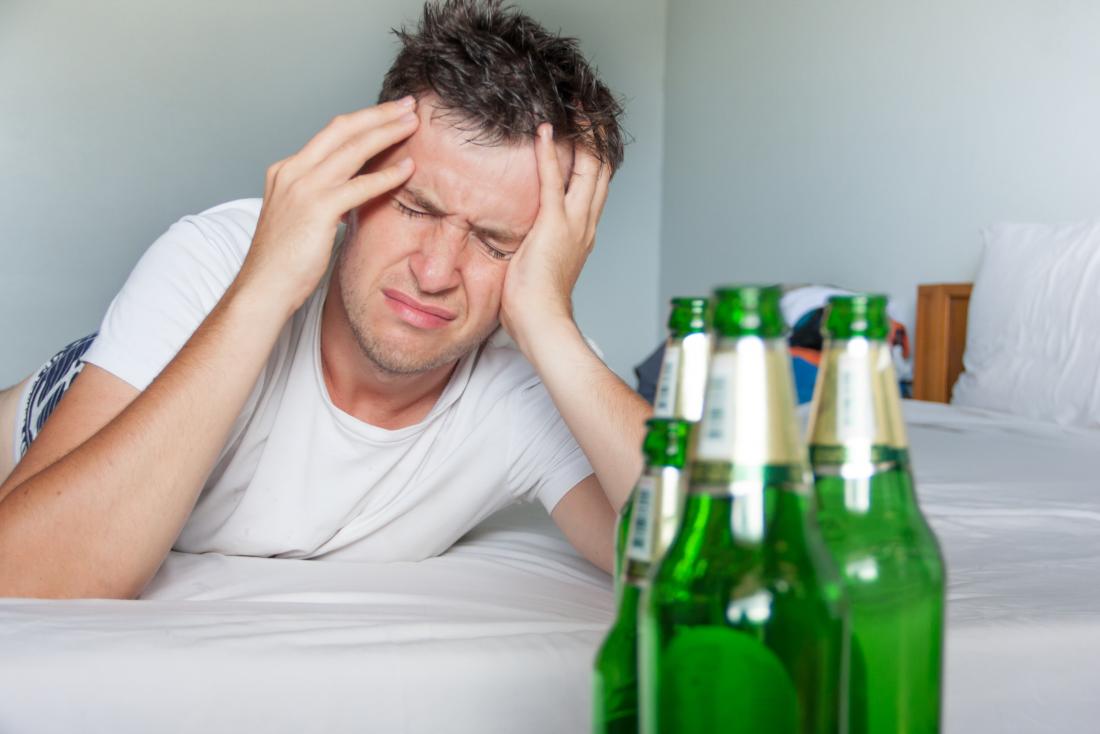
    Debaucherous evening last night? You’re probably dealing with veisalgia right now. More commonly known as a hangover, this unpleasant phenomenon has been dogging humanity since our ancestors first happened upon fermentation.

    Those nasty vertigo-inducing, cold sweat-promoting and vomit-producing sensations after a raucous night out are all part of your body’s attempt to protect itself from injury after you overindulge in alcoholic beverages. Your liver is working to break down the alcohol you consumed so your kidneys can clear it out ASAP. But in the process, your body’s inflammatory and metabolic reactions are going to lay you low with a hangover.

    As long as people have suffered from hangovers, they’ve searched in vain for a cure. Revelers have access to a variety of compounds, products and devices that purport to ease the pain. But there’s a lot of purporting and not a lot of proof. Most have not been backed up well by science in terms of usefulness for hangover treatment, and often their effects don’t seem like they’d match up with what scientists know about the biology of the hangover.

    Working Overtime To Clear Out the Booze

    Hangovers are virtually guaranteed when you drink too much. That amount varies from person to person based on genetic factors as well as whether there are other compounds that formed along with ethanol in the fermentation process.

    Over the course of a night of heavy drinking, your blood alcohol level continues to rise. Your body labors to break down the alcohol – consumed as ethanol in beer, wine or spirits – forming damaging oxygen free radicals and acetaldehyde, itself a harmful compound. The longer ethanol and acetaldehyde stick around, the more damage they can do to your cellular membranes, proteins and DNA, so your body’s enzymes work quickly to metabolize acetaldehyde to a less toxic compound, acetate.

    Over time, your ethanol levels drop through this natural metabolic process. Depending on how much you consumed, you’re likely to experience a hangover as the level of ethanol in your blood slowly returns to zero. Your body is withdrawing from high levels of circulating alcohol, while at the same time trying to protect itself from the effects of alcohol.

    Scientists have limited knowledge of the leading causes of the hangover. But they do know that the body’s responses include changes in hormone levels to reduce dehydration and cellular stress. Alcohol consumption also affects a variety of neurotransmitter systems in the brain, including glutamate, dopamine and serotonin. Inflammation increases in the body’s tissues, and the healthy gut bacteria in your digestive system take a hit too, promoting leaky gut.

    Altogether, the combination of all these reactions and protective mechanisms activated by your system gives rise to the experience of a hangover, which can last up to 48 hours.

    Your Misery Likely Has Company

    Drinking and socializing are cultural acts, and most hangovers do not happen in isolation. Human beings are social creatures, and there’s a high likelihood that at least one other individual feels the same as you the morning after the night before.

    Each society has different rules regarding alcohol use, which can affect how people view alcohol consumption within those cultures. Drinking is often valued for its relaxing effect and for promoting sociability. So it’s common to see alcohol provided at celebratory events, social gatherings and holiday parties.

    In the United States, drinking alcohol is largely embraced by mainstream culture, which may even promote behaviors involving excessive drinking. It should be no surprise that overindulgence goes hand in hand with these celebratory social events – and leads to hangover regrets a few hours later.

    Your body’s reactions to high alcohol intake and the sobering-up period can influence mood, too. The combination of fatigue that you experience from sleep deprivation and hormonal stress reactions, in turn, affect your neurobiological responses and behavior. As your body is attempting to repair itself, you’re more likely to be easily irritated, exhausted and want nothing more than to be left alone. Of course, your work productivity takes a dramatic hit the day after an evening of heavy drinking.

    When all is said and done, you’re the cause of your own hangover pain, and you’re the one who must pay for all the fun of the night before. But in short order, you’ll forget how excruciating your last hangover was. And you may very soon talk yourself into doing the things you swore you’d never do again.

    Speeding Up Recovery

    While pharmacologists like us understand a bit about how hangovers work, we still lack a true remedy.

    Countless articles describe a variety of foods, caffeine, ion replenishment, energy drinks, herbal supplements including thyme and ginger, vitamins and the “hair of the dog” as ways to prevent and treat hangovers. But the evidence isn’t really there that any of these work effectively. They’re just not scientifically validated or well reproduced.

    For example, Kudzu root (Pueraria lobata), a popular choice for hangover remedies, has primarily been investigated for its effects in reducing alcohol-mediated stress and hangover. But at the same time, Kudzu root appears to inhibit the enzymes that break down acetaldehyde – not good news since you want to clear that acetaldehyde from your system quickly.

    To fill this knowledge gap, our lab is working with colleagues to see if we can find scientific evidence for or against potential hangover remedies. We’ve focused on the benefits of dihydromyricetin, a Chinese herbal medicine that is currently available and formulated as a dietary supplement for hangover reduction or prevention.

    Dihydromyricetin appears to work its magic by enhancing alcohol metabolism and reducing its toxic byproduct, acetaldehyde. From our findings in mice models, we are collecting data that support the usefulness of dihydromyricetin in increasing the expression and activity of enzymes responsible for ethanol and acetaldehyde metabolism in the liver, where ethanol is primarily broken down. These findings explain one of the several ways dihydromyricetin protects the body against alcohol stress and hangover symptoms.

    We are also studying how this enhancement of alcohol metabolism results in changes in alcohol drinking behaviors. Previously, dihydromyricetin was found to counteract the relaxation affect of drinking alcohol by interfering with particular neuroreceptors in the brain; rodents didn’t become as intoxicated and consequently reduced their ethanol intake. Through this combination of mechanisms, we hope to illustrate how DHM might reduce the downsides of excessive drinking beyond the temporary hangover, and potentially reduce drinking behavior and damage associated with heavy alcohol consumption.

    Of course, limiting alcohol intake and substituting water for many of those drinks during an evening out is probably the best method to avoid a painful hangover. However, for those times when one alcoholic beverage leads to more than a few more, be sure to stay hydrated and catch up on rest. Your best bet for a smoother recovery is probably some combination of nonsteroidal anti-inflammatory drug like ibuprofen, Netflix and a little downtime.
    [ Deep knowledge, daily. Sign up for The Conversation’s newsletter. ]

    The Conversation

    Authors: Daryl Davies, Professor of Clinical Pharmacy, University of Southern California; Joshua Silva, Ph.D. Candidate in Clinical and Experimental Therapeutics, University of Southern California, and Terry David Church, Assistant Professor of Regulatory and Quality Sciences, University of Southern California

    This article is republished from The Conversation under a Creative Commons license. Read the original article.

  • Patton Oswalt Says Daughter Saved Him From Self-Medicating After Wife's Death

    Patton Oswalt Says Daughter Saved Him From Self-Medicating After Wife's Death

    “I would have just eaten to live and then would have drunk so that I didn’t feel anything any more and then would have repeated it every single day,” Oswalt shared.

    Comedian Patton Oswalt says he would have “merely existed” rather than learn to enjoy life again after the sudden passing of his wife, had it not been for his young daughter Alice.

    True-crime writer and Oswalt’s wife of nearly 11 years, Michelle McNamara, passed away unexpectedly in 2016 at the age of 46.

    “I can say with a pretty good amount of confidence that if I hadn’t had Alice, if I didn’t have a daughter, I think I’d be alive right now, but I don’t think I’d be functioning very well,” Oswalt said in the Guardian. “Drinking would have been a problem. Binge-eating would have been a problem… I would have merely existed. I would have just eaten to live and then would have drunk so that I didn’t feel anything any more and then would have repeated it every single day.”

    The comedian reiterated the significance of having to wake up every morning and care for his daughter, who was 7 at the time of McNamara’s passing. Oswalt’s crippling grief would have led him down a very different path had it not been for Alice and his duties as a parent which forced him to stay in a routine and have that structure despite his pain.

    “Having Alice was like: ‘I’ve got to get up, I’ve got to make breakfast, I got to take care of this little life.’ So, it’s almost like I had freedom from choice because I had our daughter,” Oswalt said.

    This routine was vital to his healing. “The thing that people don’t tell you is, when you’re going through grief, every single thing that you do—no matter how mundane: making breakfast for your daughter, doing laundry—is part of your healing process, whether you want it to be or not. You are basically rebuilding your psyche, whether it’s in something ‘elevated’ like writing, or quotidian like paying bills.”

    On April 21, 2016, Oswalt found McNamara in bed not breathing. Early on, he speculated that he had a “feeling it might have been an overdose,” he told the New York Times. An autopsy revealed that McNamara died from an undiagnosed heart condition coupled with a combination of prescription drugs including Adderall, fentanyl and Xanax.

    He attempted to self-soothe with alcohol, but said that he “found out the hard way these past few months that alcohol really doesn’t help.” Oswalt told Playboy magazine in 2017 that if not for his daughter, he would be a “shut-in alcoholic.”

    Despite the trauma of losing his wife, Oswalt is moving on. He married actress Meredith Salenger in 2017, and has continued to work. His latest projects include Veep and the upcoming The Secret Life of Pets 2.

    View the original article at thefix.com

  • Worldwide Alcohol Consumption Continues To Rise

    Worldwide Alcohol Consumption Continues To Rise

    A new study predicts that 50% of all adults will consume alcohol by the year 2030.

    Consumption of alcohol across the world is still rising each year—and it’s not expected to stop any time soon, a new study reports

    The study, published in the journal The Lancet, looked at the trends in alcohol consumption from 1990 to 2017.

    Researchers found that over those 27 years, there was a 70% increase in the volume of alcohol consumed across the world, increasing from 5.5 billion gallons in 1990 to 9.4 billion gallons in 2017. 

    On average, researchers state, these numbers come out to an increase of about 1.7 gallons of alcohol each year. 

    While this seems like an enormous increase, researchers note that the growth could have to do with a growing population. 

    Among the study’s discoveries was the fact that alcohol consumption is increasing mainly in low- and middle-income countries, while high-income countries haven’t changed drastically. 

    “Our study provides a comprehensive overview of the changing landscape in global alcohol exposure,” study author Jakob Manthey of the Technical University of Dresden, Germany tells USA Today. “Before 1990, most alcohol was consumed in high-income countries, with the highest use levels recorded in Europe. However, this pattern has changed substantially, with large reductions across Eastern Europe and vast increases in several middle-income countries such as China, India, and Vietnam.”

    Overall, the study found that people in North Africa and the Middle East drink the least, while individuals in Central and Eastern Europe consume the most alcohol. 

    The study predicts that by the year 2030, 50% of all adults will consume alcohol, with 23% binge drinking at least once monthly. The study examined data from 189 countries, and Manthey says that by then, Europe will likely no longer be at the top of the list consumption-wise.

    If this prediction holds true, Manthey says that reduction efforts from the World Health Organization will not be reached. 

    “Based on our data, the WHO’s aim of reducing the harmful use of alcohol by 10% by 2025 will not be reached globally,” Manthey said, according to USA Today. “Instead, alcohol use will remain one of the leading risk factors for the burden of disease for the foreseeable future, and its impact will probably increase relative to other risk factors.” 

    However, not everyone agrees that this will be the case. The Distilled Spirits Council tells USA Today that the study’s findings may not be accurate. 

    “This forecast is based on a questionable model that does not accurately reflect the long-term global reductions in alcohol abuse,” the council told USA Today via email. “In fact, the study’s findings contradict the latest data from the World Health Organization’s Global Status Report on Alcohol and Health 2018, which showed important reductions in key global alcohol abuse indicators including alcohol related deaths and heavy episodic drinking from 2010 to 2016.”

    View the original article at thefix.com

  • Drinking While Pregnant Becoming More Common In The US

    Drinking While Pregnant Becoming More Common In The US

    More than 10% of women reported drinking alcohol while pregnant, according to a new survey.

    Over one in nine pregnant women consume at least one drink per month and about 4% engage in binge drinking—consuming more than four drinks at a time—according to a new survey by the Centers for Disease Control and Prevention (CDC).

    These numbers come from between 2015 and 2017, and are up from 2011 to 2013. In the earlier period, a little over one in 10 women drank while pregnant with a bit over 3% engaged in binge drinking.

    Any amount of alcohol consumption while pregnant is considered to be unsafe for the developing embryo or fetus by the CDC. 

    Rates of drinking while pregnant appear to be associated with stress levels. Unmarried women were found to be twice as likely to consume alcohol during pregnancy and three times as likely to binge drink, and researchers pointed to the “financial stress associated with being the sole provider as well as lack of social support” as a possible factor. The youngest age group surveyed, ages 18-24, were also the most likely to binge drink. However, the age group most likely to drink at all was the oldest, ages 35-44.

    In spite of the many warnings against drinking while pregnant, the idea that it’s safe for pregnant women to drink small amounts persists. However, according to the American Academy of Pediatrics, even a single glass of wine increases the risk of health problems and fetal or infant death.

    “There is no safe amount of alcohol when a woman is pregnant,” says their fetal alcohol syndrome FAQ page. “Evidence-based research has found that drinking even small amounts of alcohol while pregnant can increase the risk of miscarriage, stillbirth, prematurity, or sudden infant death syndrome.”

    These risks increase substantially the more a pregnant woman’s blood alcohol level increases, making binge drinking even once during pregnancy more dangerous than an occasional single drink.

    At the same time, a study published in JAMA Psychiatry in 2017 found that drinking and alcohol dependence are on the rise in the U.S., particularly among women and people of color.

    The study found that “high-risk drinking,” defined the same as binge drinking in the CDC survey, increased by 58% among women from 2002 to 2013.

    The CDC survey also found that women who engaged in binge drinking before becoming pregnant were more likely to do so during pregnancy.

    To address the problem, the CDC recommends regulating the number of stores that sell alcohol in a given area, screening and counseling for “unhealthy alcohol use” for all adults 18 and older, and “alcohol use screening for all women seeking obstetric-gynecologic care, including counseling patients that there is no known safe level of alcohol use during pregnancy.”

    View the original article at thefix.com

  • How long does a hangover last?

    How long does a hangover last?

    It’s the morning after. You feel horrible. When will your hangover end?

    Hangover causes

    Hangovers are simply caused by drinking too much alcohol. It might make you feel better to know that some people report hangovers after drinking one to three drinks. But on the other hand, there are heavy drinkers out there that don’t get hung over at all. Although experts still don’t know officially what causes alcohol hangovers exactly, ten possible explanations for why you feel the hair of the dog include:

    1. acetaldehyde
    2. alcohol withdrawal
    3. dehydration and imbalance of electrolytes
    4. drug use
    5. gastrointestinal problems
    6. genetics
    7. low blood sugar
    8. methanol
    9. psychological traits
    10. sleep disturbance

    When will this hangover end?

    OK. Now a little wake up call. Hangovers exist for a reason: the hangover experience may deter us from future episodes of heavy drinking or intoxication. They are our body’s way of asking that we avoid binge drinking and a call for homeostasis, or balance. But when will they end?

    Typically, a hangover will end within 24 hours.  Hangovers begin within several hours after you stop drinking, when blood alcohol concentration (BAC) falls. Symptoms of a hangover usually peak about the time BAC is zero and may continue for up to 24 hours thereafter. Most cases of hangover end several hours after 0 level BAC, though. This is for somewhat “normal” cases of over drinking, and a typical average. But hangovers can continue for a couple of days in more severe cases or in times when alcohol withdrawal occurs.

    More severe cases of hangovers

    Generally, the greater the quantity and length of time drinking, the more prevalent is the hangover. Some hangovers go on and on and can last for 72 hours, especially if you are mixing drinks, drinking low quality and less refined alcohol or drinking certain types of alcohol (brandy, red wine or whiskey all contain methanol).

    How bad is your hangover?

    Hangovers suck. But time will ease the symptoms of illness and discomfort. There are also a few hangover remedies that you might want to try to help reduce the severity of symptoms or shorten its duration. But keep in mind that most folk remedies for hangovers have not undergone clinical tests, and experts believe that conservative management of symptoms combined with time are your best bet for feeling better.

    Hangover questions

    Please leave your hangover story below, or questions about hangovers. We are happy to answer and respond to all of your comments personally.

    Reference source: Mechanisms and Mediators of Alcohol Hangover

    View the original article at addictionblog.org

  • 1 in 12 Americans Have Alcohol Use Disorder

    1 in 12 Americans Have Alcohol Use Disorder

    Seven times more Americans deal with alcohol use disorder than opioid use disorder.

    The opioid crisis fills our newsfeeds day after day, but at the same time Americans are grappling with the addictive nature of another, totally legal substance: alcohol. 

    According to the National Council on Alcoholism and Drug Dependence, 17.6 million Americans—1 in 12—have alcohol use disorder. Despite its prevalence, few people realize how widespread alcoholism is. In addition to people with alcohol use disorder, even more Americans report problematic drinking habits. 

    “Varying degrees exist, from mild to severe, depending on the number of symptoms a person experiences. But a powerful craving for alcohol, despite its consequences, is common across that spectrum,” Linda Searing wrote for The Washington Post

    This means that 7 times more Americans deal with alcohol use disorder than deal with opioid use disorder, according to Pew Charitable Trusts.

    In addition, more people are dying from alcohol-related causes: 88,000 Americans perish each year from alcohol-related causes, compared with 72,000 who die from opioid overdoses (although opioid overdose rate is likely underreported, research has shown). That makes alcohol use the third-leading lifestyle-related cause of death in the United States. 

    Like opioid addiction, alcoholism is also increasing. Last November, USA Today reported that between 2007 and 2017 the death rate from alcohol increased 24%. Among women, the death rate increased a staggering 85%. 

    “The story is that no one has noticed this,” said Max Griswold, who compiled data on the trend for the Institute for Health Metrics and Evaluation at the University of Washington. “It hasn’t really been researched before.”

    Psychologist Benjamin Miller said that because alcohol is legal and socially accepted, people aren’t as wary of its dangers. 

    “Culturally, we’ve made it acceptable to drink but not to go out and shoot up heroin,” Miller said. “A lot of people will read this and say ‘What’s the problem?’”

    In addition to alcohol’s health effects, abusing alcohol can also have secondary effects on loved ones living with or around people with alcohol use disorder.

    The National Council on Alcoholism and Drug Dependence estimates that half of American adults have a close loved one with alcohol use disorder, while 10% of children live with at least one parent who is an alcoholic. 

    “Parental alcohol use disorders put children at greater risk of experiencing abuse or neglect and developing mood disorders,” Pew Trusts writes. 

    View the original article at thefix.com

  • April is Alcohol Awareness Month

    April is Alcohol Awareness Month

    This year’s theme “Help for Today, Hope for Tomorrow” focuses on educating young people about the dangers of alcohol abuse.

    April is Alcohol Awareness Month. In 2019, the focus is on underage drinking.

    Alcohol abuse/addiction have taken a backseat to the epidemic of opioid abuse that has swept the country. However, alcohol abuse continues to increase in America.

    Alcohol Awareness Month, established in 1987, was created in part to reduce the stigma of alcoholism and to support local communities in addressing alcohol-related issues.

    A 2015 NSDUH study of young people between the ages of 12 to 17 estimated that 623,000 adolescents ages had alcohol use disorder, or AUD. (This study looked at 298,000 male and 325,000 female subjects.)

    According to the National Institute on Alcohol Abuse and Alcoholism (NIAAA), alcohol use disorder is defined as “a chronic relapsing brain disease characterized by compulsive alcohol use, loss of control over alcohol intake, and a negative emotional state when not using.”

    Signs of teen problematic drinking are similar to the signs of drug addiction, according to Project Know—including shirking of regular responsibilities (such as ditching school or suddenly getting bad grades), lack of interest in relationships, irresponsible behavior or a change in appearance such as exhaustion, weight loss or gain, or sudden lack of concern for appearance.

    Teens who have a family or personal history of addiction or mental health issues are more at risk of alcohol abuse, as are teens who are under greater stress due to socioeconomic or personal circumstance.

    The theme of Alcohol Awareness Month with its focus on youth drinking is “Changing Attitudes—It’s not a rite of passage.” This slogan seeks to change the cultural idea that heavy drinking is an important or expected part of teenage social life.

    The first weekend of April, the National Council on Alcohol and Drug Dependence (NCADD) is encouraging the public participate in Alcohol-Free Weekend. NCADD offers this weekend as a gesture of solidarity in our communities in support of alcohol-free youths, in remaining completely alcohol-free for three days.

    The Office of Disease Prevention offered these ideas as April’s action tool kit for communities:

    1. Share about April’s Alcohol Awareness month and focus on underage drinking on social media.

    2. Host a community event where families can learn about the issues around underage alcohol use and abuse.

    View the original article at thefix.com

  • How Teen Drinking May Affect Brain Growth

    How Teen Drinking May Affect Brain Growth

    Researchers investigated whether drinking alcohol during the teen years stunted brain growth.

    Drinking alcohol could stunt brain growth in teenagers and increase their risk for problematic drinking in the long term, according to a recent study

    The findings were published in the journal eNeuro. To examine the effects of alcohol on brain development, scientists allowed rhesus macaque monkeys to drink as much as they wanted. They tracked how much the monkeys ate and drank, and used MRIs to measure their brain growth. 

    “Heavy alcohol reduced the rate of brain growth” by 0.25 milliliters per year for every gram of alcohol consumed per kilogram of body weight, the researchers found. Smaller brain volume can be associated with less cognitive abilities, because there are fewer connections in the brain. 

    During the teen years, the brain is rapidly growing and developing, which may explain why teens are particularly vulnerable to the brain-stunting effects of alcohol. 

    “The transition from adolescence to adulthood is associated with brain remodeling in the final stages of developmental growth. It is also a period when a large proportion of this age group engages to binge and heavy alcohol drinking,” study authors wrote.

    The stunted growth could lead to long-term cognitive effects, although further studies would be needed to examine that theory. 

    “This is the age range when the brain is being fine-tuned to fit adult responsibilities. The question is, does alcohol exposure during this age range alter the lifetime learning ability of individuals?” lead author Dr. Tatiana Shnitko said to The Journal. 

    In addition to affecting brain volume, drinking during the teen years also seemed to be associated with heavier drinking later in life in the monkeys that were studied. 

    “Thus, developmental brain volume changes in the span of late adolescence to young adulthood in macaques is altered by excessive alcohol, an insult (the cause of some kind of physical or mental injury) that may be linked to the continuation of heavy drinking throughout later adult life,” they wrote. 

    This indicates that early drinking could lead to lifelong problems in humans’ drinking patterns as well. 

    While not all the effects from monkeys can be extrapolated to humans, studying the effects of alcohol on primates’ brains is a powerful tool for researchers. Study author Christopher Kroenke said that using monkeys allowed researchers to control for factors and focus on the specific effects of alcohol use. 

    “Human studies are based on self-reporting of underage drinkers,” he said. “Our measures pinpoint alcohol drinking with the impaired brain growth.”

    The amount of alcohol that affected brain health would be equivalent to about four beers a day. 

    View the original article at thefix.com

  • What Is Drunkorexia?

    What Is Drunkorexia?

    Experts discuss the relatively new disorder and the way it affects the body and mind.

    Eating disorders and substance use disorders are overlapping more often, according to registered dietitian and author Cara Rosenbloom. 

    What Rosenbloom is referring to is “drunkorexia”—when an individual, often female, does not eat all day or eats very little leading up to an evening of consuming alcohol. They may also exercise aggressively or purge before drinking alcohol. 

    “Drunkorexia addresses the need to be the life of the party while staying extremely thin, pointing to a flawed mindset about body image and alcoholism among college students, mostly women,” Rosenbloom writes in the Washington Post

    Drinking in this manner is dangerous, particularly because the lack of food in the stomach means a faster absorption of alcohol. According to Tavis Glassman, professor of health education and public health at the University of Toledo in Ohio, this can lead to more issues. 

    “With nothing in her system, alcohol hits quickly, and that brings up the same issues as with any high-risk drinking: getting home safely, sexual assault, unintentional injury, fights, blackouts, hangovers that affect class attendance and grades, and possibly ending up in emergency because the alcohol hits so hard,” he tells Rosenbloom.

    Drunkorexia may also lead to nutrient deficiencies such as calcium, B-vitamins, magnesium, fiber and protein, registered dietitian Ginger Hultin says. 

    “Alcohol can negatively affect the liver or gastrointestinal system, it can interfere with sleep, lower the immune system and is linked to several types of cancers,” Hultin tells Rosenbloom.

    Because drunkorexia is a fairly new disorder, our knowledge of the disorder is limited, while the existing research varies widely. 

    Glassman, along with others in the field, is hoping to have drunkorexia added as a legitimate diagnosis in the Diagnostic and Statistical Manual of Mental Disorders. They hope that doing so could establish some guidelines for professionals to identify the disorder, Rosenbloom writes.

    The addition to the DSM would also increase likelihood of insurance coverage for those who may need treatment.  

    Glassman and colleagues are working to combat the issue at the University of Toledo by bringing more awareness to healthy body image and decreasing body shaming.

    “We try to emphasize that the human body comes in different shapes and sizes, and remind students that when they look at the media, with computer enhancement and airbrushing, even the model may not really look like a model,” Glassman tells Rosenbloom. “We remind students to value people based on things besides their appearance.”

    Hultin adds, “If students see friends engaging in this type of behavior, they can intervene and encourage different choices or offer support or resources to address a potential problematic relationship with alcohol and/or food.” 

    View the original article at thefix.com

  • Can Binge Drinking Alter DNA?

    Can Binge Drinking Alter DNA?

    For a new study, scientists investigated whether heavy drinkers experienced genetic changes due to their alcohol consumption.

    Researchers have determined that binge drinking may alter a person’s genetic makeup and result in an even greater desire to consume alcohol.

    A recent study suggested that two genes that help to control drinking behavior become altered, and as a result, have different responses in individuals who classify as binge or heavy drinkers.

    The study appears to underscore the notion that genetics play a more significant role in alcohol and drug dependency, as well as the possibility for scientists to determine a predisposition for addiction.

    The study, conducted by researchers from Rutgers University and Yale University and published in the journal Alcoholism: Clinical and Experimental Research, focused specifically on genetic responses produced in binge or heavy drinkers—which according to the Centers for Disease Control and Prevention (CDC) are defined as men who consume five or more alcoholic beverages in a two-hour period, and women who consume four or more in the same period, resulting in a blood alcohol concentration of 0.08% or above, at least four times per month. 

    The two genes at the center of the study are PER2 and POMC, both of which are involved in the regulation of drinking behavior. PER2 plays a role in the body’s biological clock, while POMC regulates the stress response system, according to a press release from Rutgers.

    In binge drinkers, both genes were found to exhibit a change caused by alcohol called methylation, which employs a chemical tag that retains the DNA sequence of the gene but also retains the ability to turn those genes on or off.

    As the Philadelphia Inquirer noted, environmental stressors like drugs or alcohol, but also emotional stress, can cause methylation in different genes.

    To support the notion of genetic change due to alcohol, groups of test subjects—differentiated by their level of drinking (moderate, heavy and binge)—were shown stress-related, neutral or alcohol-related images, as well as containers of beer, and were allowed to taste beer while their motivation to drink was evaluated.

    The researchers found that binge and heavy drinkers who exhibited signs of genetic change also showed an increased desire to consume alcohol.

    Though the exact impact of the DNA change will require additional research, the study authors believe that focusing on genetic alteration will lead to the discovery of a biomarker, or genetic indicator, that can determine if a person is more likely to develop an alcohol or drug dependency.

    “That’s always been the hope of all mental illness,” said Bill Jangro, medical director for the division of substance abuse programs at Thomas Jefferson Hospital, to the Inquirer. “That we would find a medical cause that is somehow reversible.”

    View the original article at thefix.com