Tag: comedians and addiction

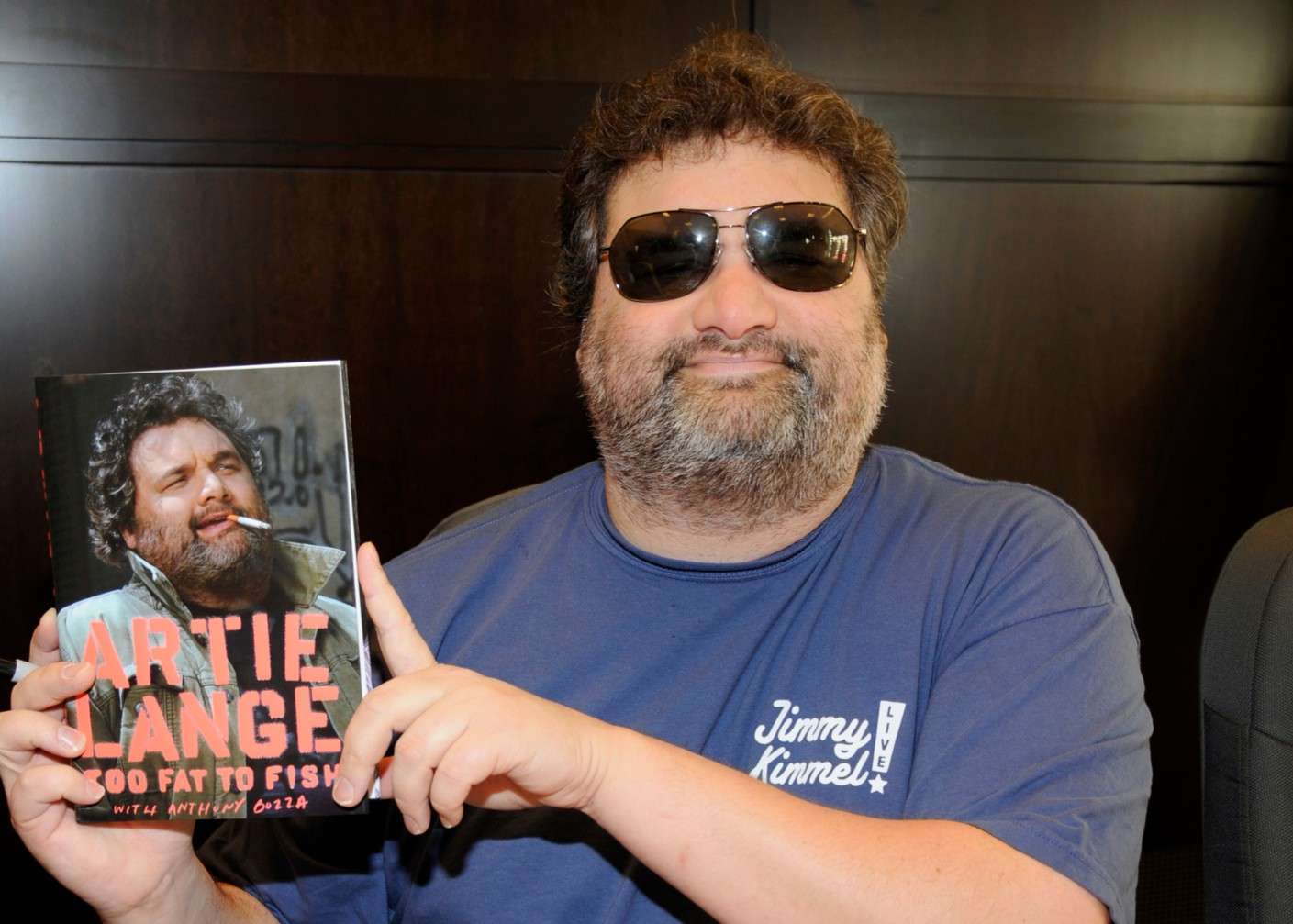
  • Artie Lange Announces Release Date For "Halfway House" Podcast

    Artie Lange Announces Release Date For "Halfway House" Podcast

    The 51-year-old comedian announced his new podcast on Twitter and Instagram. 

    After being on the comedy circuit for the last couple months, Artie Lange is ready to get in the studio and talk it out.

    The comedian took to social media to announce that his new podcast “Artie Lange’s Halfway House” is set to premiere on December 2nd. NJ.com reports that comedian Mike Bocchetti, the announcer on Lange’s previous podcast “The Artie Lange Show,” will co-host “Halfway House.” 

    2019 has been a year of rebuilding and rehabilitation for Lange who has battled addiction for decades. 

    Drug Court Saved His Life

    In June 2018, Lange was sentenced to four years of probation for being found in possession of heroin during a May 2017 arrest. Then in December 2018, Lange tested positive for cocaine and instead of being penalized with jail time Judge Nancy Sivilli opted to send the struggling comedian to drug court, a move which he lauded on Twitter.

    “The judge and Prosecutor were unbelievably compassionate,” Lange tweeted after his court appearance. “I’m not high. So I see it clearly now. They wanna save my life. 10 days ago when I left rehab I had to touch the flame,” he said about his cocaine relapse.

    “I have work to do,” Lange added. “I feel now I can also stop Cocaine. But that’s arrogance and addiction. I’m accepting help. If I fail now I will go to jail. Jail is not for addicts. But I’d be giving them no choice. When I use illegal drugs I have to score them. That’s breaking the law.”

    On January 30, 2019, Lange was arrested after testing positive for cocaine twice in a two-month period. He spent under a week in jail after which he entered long-term rehab. Lange says he’s been sober ever since.

    On The Road Again

    In September, Lange hit the road for the first time since completing his drug rehab program. He addressed his addiction, rehab and past relationships in his new routine.

    “I had three fiancées who left me because of heroin. Heroin saved me a lot of money,” Lange joked. “Divorce would’ve been way more expensive than the drugs.”

    In another joke, he poked fun at himself and Diff’rent Strokes actor Todd Bridges who has famously battled addiction but has been sober since 1994. 

    “I burned all the bridges you can burn in show business, that’s why I’m in Bridgeport. I was in the crack house recently, I was trying to light a crack pipe and I burned Todd Bridges.”

    Lange currently has tour dates set up through January 2020. 

    View the original article at thefix.com

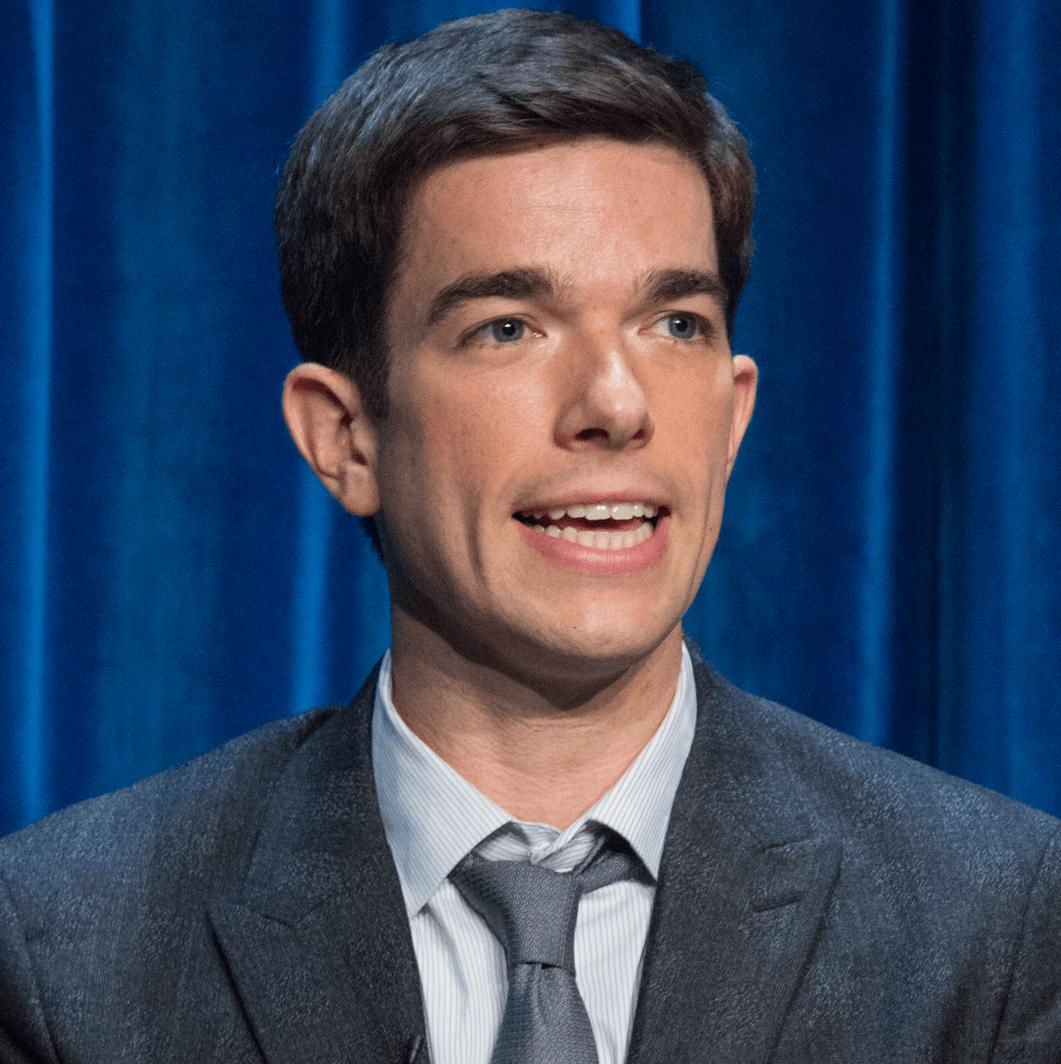
  • John Mulaney Opens Up About Past Addiction: "I Drank For Attention"

    John Mulaney Opens Up About Past Addiction: "I Drank For Attention"

    The Emmy-winning comedian was a blackout drinker but got sober early in his career.

    Celebrated comedian John Mulaney recently opened up to Esquire about how he got sober at a young age and never looked back.

    Like many comedians, Mulaney has battled substance use disorder and even used the disease as material for his routines. Mulaney first started drinking when he was 13, and as he explained to the men’s mag, “I drank for attention. I was really outgoing, then at 12, I wasn’t. I didn’t know how to act. And then I was drinking, and I was hilarious again.” 

    Booze, Cocaine & Vicodin

    Following the pattern of many when they first become addicted, his drinking then transitioned into the use of other substances. Unlike a lot of teens, Mulaney wasn’t a fan of smoking pot, but he liked to mix cocaine and prescription drugs together.

    “I wasn’t a good athlete, so maybe it was some young male thing of ‘This is the physical feat I can do. Three Vicodin and a tequila and I’m still standing. Who’s the athlete now?’”

    Mulaney suffered from blackouts, and at one point he remembers drinking perfume. Then he went through a big bender when he was 23 and the experience served as a major turning point in his young life.

    “I was like, ‘You’re fucking out of control. I said to myself, I don’t like this guy anymore. I’m not rooting for him.’” 

    Helping Pete Davidson

    When Mulaney quit alcohol and cocaine, he didn’t join a 12-step group. He says he quit cold turkey, and is sober to this day. After cleaning up his act, he’s also been trying to help troubled SNL star Pete Davidson. He explained to Davidson, “You can have a life in comedy that is not insane – a sober, domestic life.” 

    Earlier this year, Mulaney appeared on SNL with Davidson, where they joked about mental health during the “Weekend Update” segment of the show. In the segment, Mulaney confirmed that he and Davidson spent time together, “but a lot of the time it looks like I’m Pete’s lawyer.” 

    To which, Davidson retorted, “And after observing John’s life I publicly threatened suicide. I know I shouldn’t make that joke, but it’s funny.” 

    View the original article at thefix.com

  • The Amazing Johnathan's 25-Year Meth Addiction Chronicled In New Doc

    The Amazing Johnathan's 25-Year Meth Addiction Chronicled In New Doc

    The former Las Vegas headliner gives an open, honest look into his ongoing drug use in the Hulu documentary. 

    A new documentary was released on Hulu over the weekend that follows the Amazing Johnathan, a comedic magician who rose to become a year-round headliner in Las Vegas from 2001 to 2012.

    In 2014, he revealed that due to a chronic heart condition and long-term methamphetamine use, he had one year to live. However, he is still alive today and continues to attempt to do limited tours, which was to be the main subject of the documentary simply titled The Amazing Johnathan Documentary.

    Much of the documentary deals with the filmmaker, Ben Berman, struggling to make his movie about a man who built his career around deception and pranks as the Amazing Johnathan (real name John Szeles) invited other documentary makers to film him at the same time.

    At one turning point, Szeles invites Berman to smoke meth with him on camera.

    According to Szeles, he made the proposal because he felt Berman was focusing too much of the documentary on the drug use.

    “We both wanted a totally honest approach to show how I actually lived, and how I’m still doing drugs,” Szeles told The Los Angeles Times. “But he got a bit too obsessed on that. Every time I went to my bedroom to do drugs, he would try to follow me. I said, ‘I know what you’re gonna do. You’re trying to catch me. You want to do the drug angle so much? Do it with me.’ I thought that would be my way off the hook.”

    Using On Camera

    Though Szeles says that Berman did indeed take a hit from the meth pipe, the documentary does a freeze-frame and blocks out the pipe right before he does, then begins a voice-over from Berman’s lawyer advising him not to take an illegal drug on screen.

    Szeles himself has been open about his drug use, saying he doesn’t recommend anyone do it but that it has helped him remain creative.

    “I’m not one to be told how to live,” he says. “This is how I’ve been for 25 years. I want my life on record, and this is exactly what I do. And I think it’s funny that Disney [which owns Hulu] has a meth documentary.”

    However, he also called himself a “slave” to the drug and that it doesn’t even get him high anymore. He says he takes it “every hour or two.”

    Currently, Szeles is unable to perform because his body begins to lock up after 30 minutes. He uses a motorized scooter to get around and is still waiting for the moment that his heart gives out.

    “It’s been three years since I was supposed to be dead,” he says. “But when it happens, it’s gonna go quick. They say I’ll have an event and it’ll go fast, hopefully.”

    View the original article at thefix.com

  • Howard Stern "Very Sad" About Former Sidekick Artie Lange

    Howard Stern "Very Sad" About Former Sidekick Artie Lange

    The shock jock wishes the best for Lange, who is doing community service following a 2018 drug conviction.

    Radio host Howard Stern is sad about what’s happening with Artie Lange, according to the New York Times Magazine. On what has been a rocky journey between drug abuse and recovery, Lange is doing community service for a 2018 heroin possession charge.

    “I choose my words about Artie carefully, because I love him,” said Stern. “What’s happening with Artie makes me very sad.”

    Lange has long struggled with substance abuse, evident in his deviated septum that was a result of years of cocaine and heroin abuse.

    In 2009, Lange was asked to leave The Howard Stern Show over his excessive drug use. The next year, Lange attempted to commit suicide by drinking bleach and repeatedly stabbing himself in the stomach.

    “We’ve lost touch, and that’s my doing. I got my fingers crossed for the guy. And it wasn’t a clean break. It was many years of wanting Artie to get help.”

    Eventually, the split between Lange and the show was made permanent.

    “I know that a lot of fans want me to talk about Artie and feel it’s a cop-out for me not to,” commented Stern. “I’ll take that. I don’t want to do anything that would rock his boat. I get sad talking about Artie. He was a tremendous contributor. But we had to move on.”

    Lange’s fellow comedians urged him to get help as he struggled.

    “Artie, this is my 1000th request over decades to beg you to surrender to your addictions,” tweeted Richard Lewis. “We had the most laughs sober. I love you. You’re beloved and a magnificent comedian cursed with self loathing and fear. Give it up and live.”

    Comedian Jackie Martling also said his piece.

    “coming up to 18 years [sober] in May. in early 2001 I’d have laughed at the idea of not drinking for 18 *days.* Art, I know you know the laughs are just as hearty on this side. I love you and am of course 100% in your very crowded corner,” he tweeted.

    As for Lange, he passed a message to his fans through his Twitter team.

    “It’s true i’m working to satisfy my drug court program. I work with great people. Nothing wrong with a little hard work. Love you all and can’t wait to be back on stage,” Lange said, according to the tweet.

    A representative for Lange confirmed that “this is work Artie is doing as part of his [New Jersey] drug court case. He is working with a refuse company daily as he continues treatment.”

    View the original article at thefix.com

  • Richard Pryor's Son Talks Addiction, Growing Up With The Comic Icon

    Richard Pryor's Son Talks Addiction, Growing Up With The Comic Icon

    “I would just do drugs over and over. It consumed me. Finally one night, I called my dad and told him I needed help,” Richard Pryor Jr recalled in a recent interview.

    Richard Pryor Jr, son of the iconic comedic legend, recently spoke out about his past addiction, and how he thankfully didn’t follow in his late father’s tragic footsteps.

    Pryor Jr spoke with Fox News on the eve of the release of his memoir, In a Pryor Life.

    “I’ve always been around drugs. Especially with my dad’s side of the family. There was always marijuana around,” he explained to Fox News. “I don’t remember when my dad was doing coke, but there were times when I would see bags, not really knowing what it was. And I’m not talking about little bags. I’m talking about sugar bags. In Hollywood, especially in comedy clubs, it was always present. It was always in your face.”

    By the time he was in his twenties, Pryor Jr had developed his own drug habit.

    “The very first time, I called him up with a needle in my arm,” he recalled. “I was shooting cocaine in my arms. I didn’t know what I was doing. But he was really calm about it. He was probably high himself during the same time…He was just like, ‘Son, it’ll be OK. It’ll be alright. Just trust me, it’s gonna be OK.’”

    By the late 80s, Pryor Jr was deep in the throes of addiction with his drug use becoming more dire during the filming of the movie Critical Condition in 1987. 

     “I was so far gone I was doing cocaine every single day and then Valium on top of it. I used cocaine to be productive, and Valium to bring me down. We filmed in this abandoned hospital and I remembered I had drugs hidden on every floor. I would just do drugs over and over. It consumed me. Finally one night, I called my dad and told him I needed help.”

    Pryor told Authority Magazine he struggled with drugs until he was in his late twenties. He says having a son inspired him to get clean. “I also decided I wanted more for myself. I knew I had the potential to do more and I knew I had it in myself to be something. I wanted to get out of the dark place I was living in and find strength and encouragement.”

    Pryor felt that if his father were alive today, “he’d be happy to see me in a good place where I can help others.”

    View the original article at thefix.com

  • Artie Lange’s Celeb Friends Beg Him To Get Sober

    Artie Lange’s Celeb Friends Beg Him To Get Sober

    A group of sober comedians and actors took to Twitter to ask Lange to get help for his addictions.

    Artie Lange became well-known for his long-running gig as a sidekick and comedian on the infamous Howard Stern Show. Lange is now in the spotlight for his long-running struggle with addiction as his famous pals plead with him to go to a rehabilitation center and accept help.

    Comedians are understood to often have a dark side, and many famous comedians have succumbed to the disease of addiction, including John Belushi, Chris Farley, Lenny Bruce, Mitch Hedberg and Greg Giraldo.

    In December, Lange narrowly escaped jail time after testing positive for cocaine and amphetamine. In June 2018, Lange was given four years’ probation after pleading guilty to heroin possession found during a 2017 traffic stop.

    In December 2018, Lange shared on Instagram a photo of his self-proclaimed “hideously deformed” nose, which, according to Fox News, is the end product of accidentally snorting broken glass mixed into Oxycontin as well as almost 30 years of drug abuse.

    Lange’s friends and colleagues were quick to respond.

    Curb Your Enthusiasm‘s Richard Lewis, who has been sober since 1994, tweeted out to Lange, “Artie, this is my 1000th request over decades to beg you to surrender to your addictions. We had the most laughs sober. I love you. You’re beloved and a magnificent comedian cursed with self loathing and fear. Give it up and live.”

    Comic Jackie Martling added, “coming up to 18 years [sober] in May. in early 2001 I’d have laughed at the idea of not drinking for 18 *days.* Art, I know you know the laughs are just as hearty on this side. I love you and am of course 100% in your very crowded corner.”

    Patton Oswalt, a famous comedian who had roles in The King of Queens and Agents of S.H.I.E.L.D. followed up with support: “What Richard said. Come ON, Artie.”

    Final Destination actor Devon Sawa added his experience, “Sober for 12 years. My life changed. Things just keep getting better and better and better…..”

    Maurice LaMarche joined the chorus, saying, “I’m echoing @TheRichardLewis. Artie, it CAN be done. Richard’s living proof.”

    He added, “And now I’m echoing @markschiff. While we’re on the subject, I too stopped trying the desperate experiment of the first drink or drug on 1/20/89. (This is sounding like a show @JerrySeinfeld might create: Comedians In Meetings Getting Sober) C’mon, Artie. Join us. You can do it.”

    View the original article at thefix.com

  • Comedian Jake Fogelnest: From Self-Loathing to a Life Beyond His Wildest Dreams

    Comedian Jake Fogelnest: From Self-Loathing to a Life Beyond His Wildest Dreams

    Notice they don’t call it the “9th Step Maybes.” It’s not the “9th Step Possibilities.” It’s the “9TH STEP PROMISES.” It’s very clear: we must be painstaking and take the suggestions. But if we DO…some amazing stuff will happen before we know it.

    Comedy Central, VH1, MTV, Netflix. Jake Fogelnest’s TV writing/producing credits are too long to list – and he wouldn’t want me to. I know Jake as a kind, funny, and humble man I met outside of the Hollywood Improv last summer, who treats everyone he meets with the same consideration. I was thrilled when he agreed to be part of this interview series.

    The Fix: What is your favorite thing about being sober in comedy?

    Jake Fogelnest: My favorite thing about being sober in comedy is that I’m ready to work WHENEVER. Whether it’s late nights or early mornings, I’m ready to show up. If I’m writing alone, there’s nothing better than going to bed at 10pm, waking up at 6:00am and just starting to write as the sun comes up. If I’m in a writers’ room, I love being able to come in fresh and ready to go until we need to stop (hopefully at a reasonable hour – usually we do). Or if I’m shooting something, I love that I can make a 4:30am call-time and be relatively alert. Adding a hangover into any of those situations? NO THANKS.

    I even have friends who can drink “normally.” Maybe they’ll overdo it once a year and then have to show up for work hungover and just suffer through it. I always feel SO bad for them! My sobriety ensures I never have a day like that! It’s such freedom! The worst thing I’ve had to endure in sobriety are days where I didn’t get enough sleep or if I have a minor (not contagious) cold. 

    This may sound really simple. I’m basically saying, “My favorite thing about being sober in comedy is that I can show up to work like every normal person on the planet does for their job every day.” I know there’s gotta be some Al-Anon people reading this right now going: “Oh, he’s all proud that shows up for work on time? Let’s throw this little asshole a parade.” Sorry. I know it’s small, but even after all these years of recovery, I’m grateful I can show up. I could be dead! 

    What is the most challenging thing?

    The most challenging thing is recognizing where alcoholism shows up in other areas of my life. Just because I stopped drinking and using drugs 12 years ago doesn’t mean that I don’t have the disease of alcoholism. I’m in recovery, but the alcoholic thinking is still there. It has been HUMBLING to recognize how my character defects can still show up. They find new creative ways to do so all the time!

    If there was an Emmy Award for “Outstanding Achievement in Holding onto Resentment,” I’m afraid I would be at least eligible for a nomination. I might not win, but I think I’d be a strong contender. I could list who I think some of the other nominees might be. It would give you a hell of a headline! Sadly, through recovery I’ve learned restraint of pen and tongue… which really fucks up clickbait! 

    Seriously, it’s all challenging, you know? It really depends on the day. You get some time under your belt and you think, “I got this.” And yeah, maybe I do “got this” in the sense that I’m probably not going to go out and drink tonight. However the underlying stuff that made me reach for a drink in the first place? That comes up all the time. Most people would never know. Or maybe everyone knows! Truth is, I don’t care anymore. As long as I’m taking the night right action and not being a jerk. 

    I can say I’ve been a LOT better this year about practicing self-care, reaching out for help and making sure I stay in touch with my higher power. It sneaks up on me, but I do get reminded: this journey is never done. I think I’ve only recently come into TRUE acceptance of that. I’ve gotten a lot more comfortable with the concept of uncertainty. I had to because I realized IT WAS NEVER GOING AWAY. They say this disease is cunning, baffling and powerful. What I have found challenging is how cunning, baffling and powerful it can be… and it has NOTHING to do with drinking. Now it’s just about living. 

    How has your career evolved since you committed to recovery?

    I wouldn’t have a career if I didn’t have recovery. Recovery has to come before everything else. There are times in my sobriety and my career where I didn’t put it first and WOW did that always come back to bite me in the ass. Recovery first, everything else second. Always. 

    I also think accepting that things don’t happen on MY timetable has been a huge blessing in making my way through career stuff. It’s show business. There are so many ups and downs. There is also so much waiting. You also need to self-motivate. All things that can totally activate an alcoholic. 

    Today I am grateful for a fantastic career. Is it exactly where I want it to be in this moment? NOPE! But I don’t think it ever will be. I think that has less to do with alcoholism and more about being any type of creative! Even for the most successful people in the world, there’s always going to be SOMETHING unfinished or unrealized. Some script you can’t quite crack, some project you can’t find financing for, some scheduling that doesn’t work out. Who’s a big successful person? Steven Spielberg? He’s big, right? I bet even Mr. Steven Spielberg himself has at least ONE thing he just can’t get made. Maybe it’s a sequel to E.T. where E.T. comes back to teach Elliott about SPACE JAZZ! I just made that up, if Steven likes the idea, he can call WME. But bringing it back to recovery (sorry I brought it to SPACE JAZZ), I truly believe that everything happens when it is supposed to. Some days do I get a LITTLE impatient with that stuff? FUCK YES. But that’s when I turn it over… or call a friend and complain. 

    No compare and despair shit though. Someone else’s success is NOT my failure. Others might be able to do that. For me, it’s bad for my brain and recovery. 

    I’m just incredibly grateful that nothing has come to me a SECOND before I was truly ready to handle it. If it were up to me and things were operating entirely on my timeline, I bet “my best thinking” would lead me straight into a brick wall. Having a spiritual connection and knowing that more will be revealed is essential to me. But yeah, at the same time, I really should have an overall deal somewhere. I mean, fucking come on. (It’s good to have a HEALTHY bit of ego.)

    In the Big Book of AA, the 9th step promises say: “If we are painstaking about this phase of our recovery, we will be amazed before we are halfway through.” Are you amazed?

    I love the promises so much. It’s probably my favorite thing in the big book. 

    Am I amazed? CONSTANTLY. Where my life was before sobriety and where it is today? They say “beyond your wildest dreams” and they aren’t kidding. I could sit here and rattle off all the ways the promises have come true in my life. I could even throw in some stuff about the “cash and prizes.” But I don’t want to speak from a place of ego. I think it’s more valuable to share about the promises and how important they are to show to newcomers! 

    Whenever I find myself talking with people early in their sobriety, I point them straight to the 9th step promises. I think it’s a BIG thing to make a promise. Think about how cruel it would be to promise all that stuff to someone and not deliver on it? Notice they don’t call it the “9th Step Maybes.” It’s not the “9th Step Possibilities.” It’s the “9TH STEP PROMISES.” It’s made very clear: we must be painstaking and take the suggestions. But if we DO… some amazing stuff will happen before we know it. 

    Here’s another way I’m amazed — and this one isn’t so cheery. Even though I have felt the promises first hand and I’ve seen them come true for others, as I continue to deepen my recovery— I still battle with willingness! I have a lot of fear of fear that holds me back. Not so much with career stuff anymore, but in other areas of my life. That being said, it feels really GOOD to talk about this knowing that I am back at being painstaking as I continue to look at this new stuff. For example (and this is a lame small one), after 12 years of sobriety, today is one month and 24 days without smoking a cigarette. It feels great. I hate it.

    How did you handle your first 30 days in relation to your comedy / writing career?

    For my first 30 days I didn’t worry about my comedy/writing career. I worried about getting sober. It’s not like anyone was knocking down my door at that time, but even if they were — I still had to put recovery first. There is no career if I’m sick. 

    I did what I had to do to make a living and that’s about it. I was VERY lucky that my employers at the time were actually directly responsible for getting me to a place of acceptance that I needed recovery. The “wildest dreams” took a backseat. I think there’s this misconception people have in early sobriety that they’re going to “miss out” on something, particularly “momentum in show business.” Guess what? Show business keeps moving without you. If you’re talented and you work your program, show business will be waiting for you when you’re healthy and ready. Whatever big opportunity you think you’re missing out on is NOTHING compared to what could come your way in sobriety. 

    What do you think it is about comedy and the entertainment industry in general that attracts so many addicts? Or the addicts that are attracted to comedy?

    Addicts are sensitive people. So are creatives. It makes sense that sensitive creatives would seek to self-medicate. That’s all creatives, not just comedians! But let’s talk about people who do comedy for a second. The job of a comic is to be hyper aware of the world and reflect it back to people in a funny way. That can be a painful process filled with sensory overload. You’re gonna want to numb out. Shut your brain off. In fact, it’s essential that you do so, otherwise you’re gonna go insane. There’s just a healthy way to do that and an unhealthy way to do it. Ugh, I remember sitting in a meeting early in sobriety listening to some asshole saying something like, “Just breathe” and I wanted to punch his fucking lights out. 

    The guy was right by the way. Breathing is good. Sorry.

    What advice would you give a comedian who struggles with chronic relapse?

    Relapse is part of recovery. I’ve relapsed. I’m very grateful to have 12 years now, but it took a few rounds to get there. The biggest piece of advice I could give? That SHAME you have around relapsing? Yeah, that’s fucking useless. I’m not saying don’t take it seriously. I’m not saying there’s not consequences to your actions. I just find addicts and alcoholics put this tremendous extra layer of ULTRA-SHAME and SUPER-GUILT on top of everything that really serves us NO purpose. It’s bullshit self-loathing. Believe me, I’ve been sober a long time and I’m a fucking expert at doing it. I could teach a masterclass on that website. 

    Here’s the thing though: FUCK THAT SHAME. Just come back. No one gives a shit. No one is judging you harder than you are judging yourself. I guarantee, you’re your own worst critic when it comes to relapsing. Just fucking come back. 

    Anything I missed?

    No one’s life has ever gotten worse because they decided to stop drinking. No one. Ever.  

    Jake’s story shows that it’s possible to stay fully grounded despite achievements, never forgetting what recovery has always been about: one addict helping another.

    View the original article at thefix.com

  • Rosebud Baker: A Stand-Up Career Started by Sobriety

    Rosebud Baker: A Stand-Up Career Started by Sobriety

    “As much as it sucks to be fully sentient through every failure, I think it’s helped me in the long run.”

    You may not have heard of Rosebud Baker, yet, but you will. As a stand-up comic, actress, and writer, she’s been rising through the ranks of the NY comedy scene faster than anyone I’ve ever seen. What is her secret, I wondered. Well, one of them is a decade in sobriety. Recently I was at a big comedy show full of successful comedians, the exact kind of environment where if I hang too long, the thought of drinking or using increases exponentially by the hour and sometimes wins. Marijuana perfumed the streets as I hit my Juul and attempted to shoot the shit with others outside the venue. I looked to my left and saw Bobby (Kelly), and thought phewsober. To my right Rich (Vos) phewsober. And talking to both of them? Rosebud Baker. Not only does she regularly work at every prestigious club in the city—including a hosting gig this August 21st at inarguably the greatest club on earth: the Comedy Cellar—she was chosen as one of 2018’s New Faces in the most coveted and career-changing comedy festival, Montreal’s Just For Laughs.

    On a more personal level, the last time I relapsed on the road I came to in a strange Chicago suburb on a day I had multiple Laugh Factory shows in the evening. I called a friend in a panic, who, being new to sobriety, was not equipped to handle the situation. But she knew someone who could. She gave me Rosebud’s number. Despite her busy schedule, she stopped and took the time to listen to the insane fear ranting of a post-coke and -booze binge stranger. I am forever grateful for that talk, for the compassion I was shown, for how someone can treat you better than you know how to treat yourself. I calmed down enough to nap before my shows, to perform well that night, and to go to a meeting the next morning. It’s what got me to fight another day. I’ve said it before and I’ll say it again: the only thing that matters is getting up one more time than you fall. But that’s my story. Here’s Rosebud’s:

    The Fix: What is the hardest thing about being sober in comedy?

    Rosebud Baker: There’s nothing I can think of. You’re in bars a lot but as long as your focus is on your comedy, on what you came there to do, it’s simple. When it’s a really important audition set and the nerves are killing me sometimes I feel like drinking, but I just don’t – or I haven’t yet. I had six years of sobriety under my belt before I started in comedy and I had been through a lot of shit, so it’s like, I’m not gonna drink over a showcase.

    What’s the best thing about being sober in comedy?
    The clarity you have. There’s an advantage to being honest with yourself in life, and especially in comedy. I remember someone asking me once after they got offstage, “Did I bomb?” …and I was like, “you were THERE, weren’t you?! Don’t make me say it.”

    After a few drinks, it can be hard to decipher the truth of what’s happening. That false confidence can really slow your progress as a comic. People just stay at this embarrassing level of skill for YEARS because in their mind, things are going a lot better than they are. So as much as it sucks to be fully sentient through every failure, I think it’s helped me in the long run.

    How did you deal with the early days?

    With being sober? I put my own well-being first. I still do.

    What do you think it is about comedy that attracts so many addicts?

    The lifestyle of a comic creates the perfect disguise for an alcoholic/addict. They get to go out every night, get hammered, maybe fuck a stranger, and tell themselves “I’m just at work!”

    What advice would you give someone who struggles with chronic relapse and is a comic?

    All I can say is what I did when I got sober: Take a year off. Get a day job you think you’re too good for. Humble yourself in a real way, and focus on getting sober. Put all your energy into spiritual growth. Be willing to accept that everything you think you know about yourself is probably false. Stay away from big announcements and proclamations about the changes you’re making in your life and just make them. Get off social media and buy a diary.

    ***
    It’s inspiring to interview sober comics at the pinnacles of their career, and it’s differently inspiring to interview a sober comic rising at breakneck speed. The humility cultivated in the first year has served Rosebud well, as has her fearless self-examination and tireless work ethic built on a foundation of spiritual well-being. The idea of putting sobriety first has long evaded me because I thought that to do so one must forsake everything else. Stories like Rosebud’s help drive home the truth: on drugs and alcohol, your world quickly shrinks until all you are left with are your chemicals and delusions. On the other side of that? The whole rest of life. What is using anyway but a (usually false) shortcut to the feelings that we seek from spiritual well-being and external accomplishments? May there come a time when every performer puts down the drink ticket and picks up the whole rest of life.

    Check out Rosebud Baker’s new podcast Two Less Lonely Girls, and writing on Elite Daily as well as comedy all over NYC.

    View the original article at thefix.com
    Related Content

  • Jackie Kashian: From Drunk Driver to Hero of This Story

    Jackie Kashian: From Drunk Driver to Hero of This Story

    I would love to just check out with booze. But whatever I want to check out from will still be there when I sober up – plus whatever drunken stealing, screwing or hitting I did while I was drunk will have to be fixed.

    Last summer, I had a 12-step sponsor who counted performing as a relapse: weed, alcohol, stand-up comedy. Those were the things I needed to stay away from. She promised I was building a foundation for a life “more profound than pussy jokes.” But that’s not a life I want. Without comedy, and before comedy, I never cared about my life enough to even want to stop drinking. This summer, my sponsor is a fellow comedian, but one who started comedy in sobriety. So I’m asking all my favorite sober stand-ups how they do comedy and stay sober. AT THE SAME TIME.

    On Jackie Kashian’s website, there is a page of the advice she was given in 1986 as a new comic. It ends with: “You are a sweet, intelligent, powerful, exuberant comic.” Watching her perform at the Portland Maine Comedy festival a few weeks ago, I couldn’t come up with a more fitting description, other than to add on what she’s gained through the years: powerhouse. And one she rarely mentions: sober. 

    I first came across Jackie when I moved to NYC three years ago and began listening to her second podcast, “The Jackie and Laurie Show.” Jackie and her cohost Laurie Kilmartin had been there, done that, and sold the t-shirts. They are authentic, wise, and most importantly, hilarious. I spent my first year in the city feeling invisible, drinking intermittently (I bombed at an open mic! Time to throw away seven months and GET WASTED!) and waiting for their next episode to come out.

    Her latest album may be called I Am Not the Hero of This Story, but she’s certainly a hero of mine. 

    The Fix: How did you get sober and continue to do comedy?

    Jackie Kashian: I stopped drinking and “got sober” after I got my second DUI. One in Minnesota and one in California. So they both counted as “first DUI’s” because different states and we do not—still to this day and counting—have a national ID card. I couldn’t go on the road for three months which helped me get a solid block of time of me not drinking at comedy clubs in town. I would go do sets, get a Diet Coke and last as long as I could after the show. It wasn’t that long because watching people you like get drunk is not attractive. And not getting drunk was not fun. 

    Note: no one else was psyched when I got drunk… just me. 

    When I first went back on the road I was terrified. I was doing a run of one-nighters in Illinois and ended up featuring the week with this guy (I can’t remember his name but it was a city and a name, like Boston Bill but it was Charleston Chuck). He was a real road dog guy in the fact that he only worked the road. His stand-up was good for the one-nighters and I was worried he was going to be one of those guys that encouraged shots and tried to get laid. Turns out… that guy? He was 15 years offa the booze juice. And he was super supportive. So he didn’t get drunk. He didn’t cheat on his wife after the show and we had a couple brunches that week. It made me realize that it could be done. It was an awesome coincidence that helped a lot. And a friend of mine who’s sober also sent me on the road (it was a three week run) with 21 envelopes, one to be opened each day. Inside was the name of a famous writer, comic or whatever person who was sober. That was inspiring too.

    What is the hardest thing about being sober in showbiz?

    The hardest thing about being sober around comics and showbidness is that I have a constant committee meeting in my head telling me I’d be further along if I partied with so and so. I’m sure if I wanted to sleep around, the meeting minutes would be about how I’d get more work if I slept with more random dudes. It’s not true by the way. When I stopped drinking I was mostly scared of not being funny anymore. It turns out that life is, actually, more absurd stone cold sober. 

    What is the best?

    The best thing about being sober is not being in jail for driving drunk. I’m sober so the things I get from not being drunk all stem from the fact that I drove drunk every night I drank. I never did have one shot and a beer. See how I didn’t just type one beer? I needed to add the shot. And I did stand-up at least four times a week and stand-up is most often in places with booze. So at least four nights a week I was drunk driving. The best results of not doing that… hell… let’s list them after not being arrested. I wake up without a hangover at a reasonable hour (let’s go with 9am because I’m a comic). Even if I screw around much of the day I can still be awake and writing and sending avails and asking for jobs and shows for two hours a day. That bare minimum of a work ethic gets me 40 weeks of work a year. 

    How do/did you deal with hanging around/with other comics?

    I don’t do late hangs and have recently just been organizing brunch hangs with comics. I love hanging with comics and comics love an 11am something. So I invite comics to meet me at a diner around 11am every week and we riff and bust each other and talk shop and eat eggs. It’s the best. 

    Advice for the chronically relapsing comic?

    Comics (and people, but comics a lot) are certain, because they’re so smart, that they can practice, think or work around the problems. I tried to stop drinking for a couple years before it took this time. I used to “practice” turning down drinks. Some woman once said to me a couple things: “Who’s offering you drinks in your mind?” She was right, because I was buying my own drinks. And “No is a complete sentence.” You don’t need to practice it. “No thank you” if you’re feeling polite.

    How do you feel about selling booze (part of the job of a comedy show) as a former heavy drinker?

    I am so interested in what everyone else is drinking. Saw a guy the other night at a comedy show – he had five glasses of wine. How do I know? I don’t remember counting them but hot damn, I was. I’m not a prohibitionist if that’s what you mean. I say, drink as long as you can. You’ll know if it’s screwing up your life. You know. I tell my nieces and nephews “if you treat it with the right amount of wariness you might last longer than me.” Unsaid is, “cuz yer probably a crummy drinker like me and will have to quit eventually.” Ah well.

    Anything else?

    Other than that… it’s a simple idea to not drink. But things that are simple are not easy, right? It’s like you’re banging your head against a door. It’s the right door but that doesn’t mean that your head doesn’t hurt. I don’t know if that analogy works. But maybe you get it. It’s a simple idea… but I have to remind myself all the time that I don’t drink. Because I would dearly love to check the fuck out and booze is really good at making that happen. But whatever I want to check out from will still be there when I sober up – plus whatever drunken stealing, screwing or hitting I did while I was drunk will have to be fixed. So I’ll have double the nonsense to fix. Sober is preferable to fixing double the nonsense. Best not have the drink.

    ***

    I spent some time last spring after my winter relapse (like an old familiar scarf that you’re also allergic to) introducing a joke about alcoholism by saying, “If you’re thinking of buying me a drink after the show, don’t!” But when I read Jackie’s answers to my questions, I realized that scenario was only happening in my mind. Nobody was thinking of buying me a drink after the show. Except for me, trying to put the responsibility on the audience.

    Recovery is not about running from all you love so you can hide away in a safe space with no triggers. That former sponsor who told me to stay away from comedy was a would-be photographer with almost ten years clean – and still not feeling ready to pursue that dream. Recovery is about taking away the thing that is slowing you down – the active addiction- so that all is left is to run towards what you love.


    Jackie is fond of saying: “Tonight I get to do my favorite thing in the world, stand-up comedy.” If you’re still searching for your passion, check out Jackie’s original podcast, Dork Forest. It’s 476 episodes of people talking about their favorite things in the world. 

    View the original article at thefix.com

  • Eddie Pepitone: From Falling Down Drunk to Sober Stand Up

    Eddie Pepitone: From Falling Down Drunk to Sober Stand Up

    Comedy is totally addictive! It hits the part of the brain that drugs do. The love me love me I’m home I’m home part (that is when it goes well). You feel exhilarated because you are the center of attention.

    I was a few months out of my second rehab facility when a friend and fellow stand up comic handed me a DVD, a documentary about comedian Eddie Pepitone called The Bitter Buddha. I was riveted by the documentary – not only was this man talking about real things that matter on stage (while I was mostly doing sex humor) but he was sober! And had been for a very long time.

    I declared him my favorite comic and waited anxiously for his first Netflix special to come out, In Ruins. I actually planned to go to the taping in Brooklyn, but then I relapsed. And I came back. And I relapsed. And I came back.

    My first article for The Fix was about giving up marijuana. I left out the role Eddie played in that, but here we are. 

    Last February I planned to go to LA, where Eddie lived, for some shows. I also planned to get a medical marijuana card. I emailed Eddie that I was his self-appointed very biggest fan, and he agreed to meet. We made plans. This was it! I was going to meet my comedy idol! And he was sober! But surely, I thought, he probably smoked weed. Living in California and all, and how could anyone even do comedy without imbibing in something at least–at the very least–after the show. (As if I could ever wait that long.)

    I planned to meet Eddie at a vegan restaurant and then go to a play. But first, that day I took a girl I met at a meeting to Harry Potter world. And then when I dropped her off, I had to get super super stoned to make up for the few hours I couldn’t. And then I was on the phone with the sponsor I had at the time yelling about how I was going to be late. And then I just had to stop at a dispensary.

    I was late to dinner. So late, in fact, that the first thing Eddie ever said to me was, “I ordered you dinner. And I ate it all.”

    So we go to the venue and my car just stinks like weed, which Eddie noticed. He brought it up, and when I heard him say the word I got super excited. I knew it! He does smoke weed! This is all the validation I have ever needed!

    However, I was wrong. He was bringing up weed to tell me it was the last thing he quit; that after that was when his career really started; that marijuana dampens the dreaming mechanism. The hole in my gut raged, as I knew he was right. After that I kept in touch with him more. He has helped me so much, and I know he can also help you.

    I have relapsed since then, most often the same old story other chronically relapsing comics tell me: hanging out too late, too good a set, too bad a set. There are a ton of us out here, and I’m sure there are more in other industries, building it all up in the periods of sobriety, then – at best – coasting on those wins during periods of relapse, and starting all over again when we get scared enough. 

    Yet there are a number of comedians I know with sustained, continuous, joyous sobriety. Those are the ones I wanted to talk to, the ones whose secrets I desperately wanted to know, the ones who seem to hold all the horcruxes that I can’t find. 

    So I asked Eddie.

    The Fix: What is the hardest thing about being sober in the comedy industry?

    Eddie Pepitone: Feeling like you’re missing out on an exceptional post-show high. Comedy is all about the adrenaline rush, and booze and weed intensify it and make you feel like a god. Also, comedy is such an intense brain-centric art. I miss turning it off with pot. The brain relaxes with pot.

    What is the best thing about being sober in comedy?

    Feels so great to do it sober and kick ass. I actually remember everything and I did it without drugs! Also [I’m] much sharper when I’m not high. I create more sober and am surprisingly much [more] fearless. I see stoner comedians flounder sloppily a lot.

    How did you deal in the early days of sobriety?

    Early days I did (as I tend to do now) split right away after I perform and stay out of trouble. I can hang now if I want and not feel as needy but I usually get bored after a while.

    What do you think it is about comedy that attracts so many addicts? Or addicts that are attracted to comedy?

    Comedy is totally addictive! It hits the part of the brain that drugs do. The love me love me I’m home I’m home part (that is when it goes well). You feel exhilarated because you are the center of attention (what addict isn’t about me me me???). The pace of jokes, the racing mind, the intoxication of the good looking crowd. THE VALIDATION.

    What advice would you give to comedians who struggle with chronic relapse?

    Chronic relapse and being a comic is super hard, so preventative measures need to be taken. TAKE CARE OF THE MIND/BODY. Meditation practice (tough because comics thrive on chaos and have little discipline) but you have to try to slow down and get a good foundation during the day. Try to stabilize endless desires for sex and excitement by letting go of intense fantasy life. Yoga, 12-step meetings, a couple of sober or even-keeled friends (but I find all this hard as my habits are so ingrained). Gym and exercise helped me. 

    Any other advice you think is helpful?

    Build up sobriety slowly. Feel the good feelings of not being fucked up and achieving stuff. It’s so nice not to be hungover. When depressed, talk to a deep friend who gets you.

    That deep friend, for me, is the one and only Eddie Pepitone. Sometimes when I’m lonely and don’t want to bother him, I listen to his podcast, Pep Talks, in which he is exactly how he always is: brilliant and authentic and brazenly self-aware. 

    Thank you Eddie, for being a light that shines the way out of the dark. And to all my fellow chronic relapsers out there: all we have to do is stay sober ONE MORE TIME than we got drunk.

    View the original article at thefix.com