Tag: grief

  • The ‘Grief Pandemic’ Will Torment Americans for Years

    The optimism generated by vaccines and falling infection rates has blinded many Americans to the deep sorrow and depression of those around them.

    Cassandra Rollins’ daughter was still conscious when the ambulance took her away.

    Shalondra Rollins, 38, was struggling to breathe as covid overwhelmed her lungs. But before the doors closed, she asked for her cellphone, so she could call her family from the hospital.

    It was April 7, 2020 — the last time Rollins would see her daughter or hear her voice.

    The hospital rang an hour later to say she was gone. A chaplain later told Rollins that Shalondra had died on a gurney in the hallway. Rollins was left to break the news to Shalondra’s children, ages 13 and 15.

    More than a year later, Rollins said, the grief is unrelenting.

    Rollins has suffered panic attacks and depression that make it hard to get out of bed. She often startles when the phone rings, fearing that someone else is hurt or dead. If her other daughters don’t pick up when she calls, Rollins phones their neighbors to check on them.

    “You would think that as time passes it would get better,” said Rollins, 57, of Jackson, Mississippi. “Sometimes, it is even harder. … This wound right here, time don’t heal it.”

    With nearly 600,000 in the U.S. lost to covid-19 — now a leading cause of death — researchers estimate that more than 5 million Americans are in mourning, including more than 43,000 children who have lost a parent.

    The pandemic — and the political battles and economic devastation that have accompanied it — have inflicted unique forms of torment on mourners, making it harder to move ahead with their lives than with a typical loss, said sociologist Holly Prigerson, co-director of the Cornell Center for Research on End-of-Life Care.

    The scale and complexity of pandemic-related grief have created a public health burden that could deplete Americans’ physical and mental health for years, leading to more depression, substance misuse, suicidal thinking, sleep disturbances, heart disease, cancer, high blood pressure and impaired immune function.

    “Unequivocally, grief is a public health issue,” said Prigerson, who lost her mother to covid in January. “You could call it the grief pandemic.”

    Like many other mourners, Rollins has struggled with feelings of guilt, regret and helplessness — for the loss of her daughter as well as Rollins’ only son, Tyler, who died by suicide seven months earlier.

    “I was there to see my mom close her eyes and leave this world,” said Rollins, who was first interviewed by KHN a year ago in a story about covid’s disproportionate effects on communities of color. “The hardest part is that my kids died alone. If it weren’t for this covid, I could have been right there with her” in the ambulance and emergency room. “I could have held her hand.”

    The pandemic has prevented many families from gathering and holding funerals, even after deaths caused by conditions other than covid. Prigerson’s research shows that families of patients who die in hospital intensive care units are seven times more likely to develop post-traumatic stress disorder than loved ones of people who die in home hospice.

    The polarized political climate has even pitted some family members against one another, with some insisting that the pandemic is a hoax and that loved ones must have died from influenza, rather than covid. People in grief say they’re angry at relatives, neighbors and fellow Americans who failed to take the coronavirus seriously, or who still don’t appreciate how many people have suffered.

    “People holler about not being able to have a birthday party,” Rollins said. “We couldn’t even have a funeral.”

    Indeed, the optimism generated by vaccines and falling infection rates has blinded many Americans to the deep sorrow and depression of those around them. Some mourners say they will continue wearing their face masks — even in places where mandates have been removed — as a memorial to those lost.

    “People say, ‘I can’t wait until life gets back to normal,’” said Heidi Diaz Goff, 30, of the Los Angeles area, who lost her 72-year-old father to covid. “My life will never be normal again.”

    Many of those grieving say celebrating the end of the pandemic feels not just premature, but insulting to their loved ones’ memories.

    “Grief is invisible in many ways,” said Tashel Bordere, a University of Missouri assistant professor of human development and family science who studies bereavement, particularly in the Black community. “When a loss is invisible and people can’t see it, they may not say ‘I’m sorry for your loss,’ because they don’t know it’s occurred.”

    Communities of color, which have experienced disproportionately higher rates of death and job loss from covid, are now carrying a heavier burden.

    Black children are more likely than white children to lose a parent to covid. Even before the pandemic, the combination of higher infant and maternal mortality rates, a greater incidence of chronic disease and shorter life expectancies made Black people more likely than others to be grieving a close family member at any point in their lives.

    Rollins said everyone she knows has lost someone to covid.

    “You wake up every morning, and it’s another day they’re not here,” Rollins said. “You go to bed at night, and it’s the same thing.”

    A Lifetime of Loss

    Rollins has been battered by hardships and loss since childhood.

    She was the youngest of 11 children raised in the segregated South. Rollins was 5 years old when her older sister Cora, whom she called “Coral,” was stabbed to death at a nightclub, according to news reports. Although Cora’s husband was charged with murder, he was set free after a mistrial.

    Rollins gave birth to Shalondra at age 17, and the two were especially close. “We grew up together,” Rollins said.

    Just a few months after Shalondra was born, Rollins’ older sister Christine was fatally shot during an argument with another woman. Rollins and her mother helped raise two of the children Christine left behind.

    Heartbreak is all too common in the Black community, Bordere said. The accumulated trauma — from violence to chronic illness and racial discrimination — can have a weathering effect, making it harder for people to recover.

    “It’s hard to recover from any one experience, because every day there is another loss,” Bordere said. “Grief impacts our ability to think. It impacts our energy levels. Grief doesn’t just show up in tears. It shows up in fatigue, in working less.”

    Rollins hoped her children would overcome the obstacles of growing up Black in Mississippi. Shalondra earned an associate’s degree in early childhood education and loved her job as an assistant teacher to kids with special needs. Shalondra, who had been a second mother to her younger siblings, also adopted a cousin’s stepdaughter after the child’s mother died, raising the girl alongside her two children.

    Rollins’ son, Tyler, enlisted in the Army after high school, hoping to follow in the footsteps of other men in the family who had military careers.

    Yet the hardest losses of Rollins’ life were still to come. In 2019, Tyler killed himself at age 20, leaving behind a wife and unborn child.

    “When you see two Army men walking up to your door,” Rollins said, “that’s unexplainable.”

    Tyler’s daughter was born the day Shalondra died.

    “They called to tell me the baby was born, and I had to tell them about Shalondra,” Rollins said. “I don’t know how to celebrate.”

    Shalondra’s death from covid changed her daughters’ lives in multiple ways.

    The girls lost their mother, but also the routines that might help mourners adjust to a catastrophic loss. The girls moved in with their grandmother, who lives in their school district. But they have not set foot in a classroom for more than a year, spending their days in virtual school, rather than with friends.

    Shalondra’s death eroded their financial security as well, by taking away her income. Rollins, who worked as a substitute teacher before the pandemic, hasn’t had a job since local schools shut down. She owns her own home and receives unemployment insurance, she said, but money is tight.

    Makalin Odie, 14, said her mother, as a teacher, would have made online learning easier. “It would be very different with my mom here.”

    The girls especially miss their mom on holidays.

    “My mom always loved birthdays,” said Alana Odie, 16. “I know that if my mom were here my 16th birthday would have been really special.”

    Asked what she loved most about her mother, Alana replied, “I miss everything about her.”

    Grief Complicated by Illness

    The trauma also has taken a toll on Alana and Makalin’s health. Both teens have begun taking medications for high blood pressure. Alana has been on diabetes medication since before her mom died.

    Mental and physical health problems are common after a major loss. “The mental health consequences of the pandemic are real,” Prigerson said. “There are going to be all sorts of ripple effects.”

    The stress of losing a loved one to covid increases the risk for prolonged grief disorder, also known as complicated grief, which can lead to serious illness, increase the risk of domestic violence and steer marriages and relationships to fall apart, said Ashton Verdery, an associate professor of sociology and demography at Penn State.

    People who lose a spouse have a roughly 30% higher risk of death over the following year, a phenomenon known as the “the widowhood effect.” Similar risks are seen in people who lose a child or sibling, Verdery said.

    Grief can lead to “broken-heart syndrome,” a temporary condition in which the heart’s main pumping chamber changes shape, affecting its ability to pump blood effectively, Verdery said.

    From final farewells to funerals, the pandemic has robbed mourners of nearly everything that helps people cope with catastrophic loss, while piling on additional insults, said the Rev. Alicia Parker, minister of comfort at New Covenant Church of Philadelphia.

    “It may be harder for them for many years to come,” Parker said. “We don’t know the fallout yet, because we are still in the middle of it.”

    Rollins said she would have liked to arrange a big funeral for Shalondra. Because of restrictions on social gatherings, the family held a small graveside service instead.

    Funerals are important cultural traditions, allowing loved ones to give and receive support for a shared loss, Parker said.

    “When someone dies, people bring food for you, they talk about your loved one, the pastor may come to the house,” Parker said. “People come from out of town. What happens when people can’t come to your home and people can’t support you? Calling on the phone is not the same.”

    While many people are afraid to acknowledge depression, because of the stigma of mental illness, mourners know they can cry and wail at a funeral without being judged, Parker said.

    “What happens in the African American house stays in the house,” Parker said. “There’s a lot of things we don’t talk about or share about.”

    Funerals play an important psychological role in helping mourners process their loss, Bordere said. The ritual helps mourners move from denying that a loved one is gone to accepting “a new normal in which they will continue their life in the physical absence of the cared-about person.” In many cases, death from covid comes suddenly, depriving people of a chance to mentally prepare for loss. While some families were able to talk to loved ones through FaceTime or similar technologies, many others were unable to say goodbye.

    Funerals and burial rites are especially important in the Black community and others that have been marginalized, Bordere said.

    “You spare no expense at a Black funeral,” Bordere said. “The broader culture may have devalued this person, but the funeral validates this person’s worth in a society that constantly tries to dehumanize them.”

    In the early days of the pandemic, funeral directors afraid of spreading the coronavirus did not allow families to provide clothing for their loved ones’ burials, Parker said. So beloved parents and grandparents were buried in whatever they died in, such as undershirts or hospital gowns.

    “They bag them and double-bag them and put them in the ground,” Parker said. “It is an indignity.”

    Coping With Loss

    Every day, something reminds Rollins of her losses.

    April brought the first anniversary of Shalondra’s death. May brought Teacher Appreciation Week.

    Yet Rollins said the memory of her children keeps her going.

    When she begins to cry and thinks she will never stop, one thought pulls her from the darkness: “I know they would want me to be happy. I try to live on that.”

    Subscribe to KHN’s free Morning Briefing.

    View the original article at thefix.com

  • A Lesson from Sobriety: You Are Allowed to Feel Hopeful

    Having hope during a terrible situation isn’t the same as false hope. Hope is a fundamental ingredient of human resilience, a mechanism that sets our brains apart from other species.

    Imagine waking up one day and everything has changed. Overnight you’ve lost the ability to go to work. All the places you eat, drink, and socialize are closed. You walk down the street and people cross over to avoid your path. You are living the definition of empty. Void. Vast nothingness. You have no idea what tomorrow will bring, but if it’s more of the same, you might not want to have another tomorrow.

    Welcome to the reality of COVID-19. Many of us are currently living under stay at home orders where the situation feels similar to what I’ve described. Overnight, jobs lost or sent to work from home, daycares and schools closed, the few restaurants remaining open offer take out only, and, for some reason, toilet paper has become the national currency. I’ve noticed life during a pandemic has some clear parallels to life when contemplating going from substance abuser to sober.

    Fortunately, most of us can survive this pandemic if we practice some safety guidelines and weather a storm that has an uncertain end date. Again, the same can be said for sobriety. When I first contemplated sobriety, the uncertainty of what the future would look like kept me from moving forward. Eventually, I had to embrace this. I looked at what my life had become versus what I wanted it to be and I knew even uncertainty was better than the present.

    I made the decision to become sober six years ago. For me, sobriety meant losing a routine I’d become comfortably habituated to. A destructive routine that involved daily consumption of alcohol, often until I couldn’t drink any more on any given night. Right now, we are being told our normal routine could lead to a worsening of the pandemic, the potential to spread the disease and expose those most vulnerable to its fatal effects. We’ve been asked to willingly adjust our routines with the absence of an end date.

    In sobriety, I had to define a new normal. This happened both purposely and organically. Part of what I did was attend counseling and AA sessions. That was on purpose. I also started writing more and performing better at work. That was more organic. I didn’t order alcoholic beverages while out with clients and colleagues. That was on purpose. I fell in love with ice cold seltzer water. That was organic.

    We don’t know what our new normal will look like after this first round of COVID-19. There are some behaviors many of us have adopted that will probably persist: wearing masks, avoiding handshakes, increased hand washing. We will adopt other behaviors or adapt in ways we can’t foresee in the coming months. Many of these will bring us joy, or at least decrease potential future situations like our present condition.

    The Present and the Presence of Hope

    Everyone–sober, drunk, or indifferent–is facing some unexpected hardships right now. We’ve been told by experts we are experiencing loss and should feel permission to grieve. This is true. But we have permission to feel hopeful as well. Hope is what led me to embrace and eventually thrive in sobriety. Hope will get us through this pandemic.

    I could have never imagined the wonderful things waiting for me on the other side of sobriety. A marriage (later a divorce, but hey), a child, Saturday mornings, physical health, mental clarity, reduced anxiety, and vomit-free carpets are only some of the things I wouldn’t have accomplished if I were still drinking.

    Having hope during a terrible situation isn’t the same as false hope. Hope is a fundamental ingredient of human resilience, a mechanism that sets our brains apart from other species. Hope has kept individuals and societies moving forward to better ourselves since the time our external gills disappeared, and our tails fell off. Or we were fashioned from dust. Whatever you choose.

    Hope is what countered the fear and uncertainty I felt initially entering sobriety. Excitement for a future without the shackles of alcohol. We are in the same situation now; there’s no other motivation to go through this if we have no hope the future will bring something better than the present.

    We have some time before this will pass. Spend some of it dwelling on hope. Make a list of things that might be better post-pandemic. Plan your dream vacation (we will travel again). Do something you’ve always wanted to do for yourself. Along with anxiety, fear, or grief, you are allowed to feel hope and excitement in our current situation. Something different is waiting for you. Potentially something better than you can imagine.

    View the original article at thefix.com

  • How I Stayed Sober Through the End of My Marriage

    How I Stayed Sober Through the End of My Marriage

    I cried at Starbucks, I cried at fancy bakeries, I cried on public transportation. But I didn’t use or drink.

    I climbed the stairs to one of Portland’s iconic bridges. The sun was out, the sky was pink, my outfit: perfect. “Goodbye to You,” a classic eighties kiss-off anthem, was playing through my overpriced earbuds, the care of which has become something of a part-time job. This was how I pictured the end of my Diane Keaton-style rom-com about a lonely heart hurt by an ex who finally finds herself. Except I wasn’t Diane Keaton, hell, I wasn’t even a woman, and this wasn’t a movie; more than that, my heartache was far from over. Don’t roll the credits. In fact, that was just a fleeting moment of freedom. I still felt horrifically shitty. 

    See, how I spent my summer vacation was lying by the pool, getting a tan, and watching my marriage and my life totally fall apart. 

    I Had To Be Present

    “There’s not enough White Claw in the world,” a pool-going companion replied when I was whining about how at least the white girls at the pool could drink their problems away all summer. He was right. What I couldn’t do while my marriage collapsed was get loaded. I had over 10 years sober. No man, nothing was screwing that up. Therefore, I was going to have to be present for the entire horrible, heartbreaking, and humiliating thing. How delightful. Diane would only do this part in a montage with a Carly Simon song playing in the background. I had to do it in real time. 

    The night my ex told me that he wanted to date other people was the day my book came out. It was also a day in which I had some category five diarrhea. I’ve always had incredible timing. All I could think about all day at my day job was getting my bowels under control and celebrating the fact that my book had finally been released into the world. 

    He blurted it out while lying in bed. I mean, he could have at least paced back and forth or looked sweaty or had eyes filled with tears. Instead, it was the same tone and urgency that you’d say something like “I think I want Thai food tonight.” I had to leave and quickly shit my brains out for the 50th time that day and then return to the conversation which basically confirmed what I’d known for months and months: it was over. I pointed out his shitty timing, literally. As my ass and my life both exploded at the same time, I thought “This will be really funny someday.” But not that day.

    My Sober Support Network 

    Over the next three months, I unraveled. I cried more than I ever have in my life. I got over diarrhea only to get the worst flu of all time. But what was most painful was the heartbreak. I stopped eating and I didn’t really sleep. I had sex with random weirdos just to feel something other than dread. If this was a Diane Keaton movie, then it was the worst one ever. My phone blew up hourly with messages from sober friends like: “I’m thinking about you”, “Do you need anything?” “Can I come and hang out with you?” I took days off just to cry and hang out at the pool. I did everything and felt everything, but I didn’t freaking drink or use. 

    My soul was shattered and even though I completely knew it was the right decision, I couldn’t do anything. I needed people to tell me it was okay to not feel okay. I talked weekly to a friend who was also sober and was also having a terrible summer. We told each other every time we spoke that we weren’t going to drink over this, we were going to get through it, and we didn’t have to do it alone. 

    My best friend, who got sober the same time I did, was also going through a divorce. He sent me texts daily and somehow knew exactly what I was going through at every turn. My 15-year-sober sister, who also got a divorce in early sobriety, called me weekly to check on me and let me cry. I cried at Starbucks, I cried at fancy bakeries, I cried on public transportation. But I didn’t use or drink. 

    I also fought. Not with my ex; that ship sailed. While my smartass brain had some preloaded choice zingers to fling at him, it would have served no purpose. We fight for stuff worth saving, someone told me. There was no fight left in either one of us. No, my fight was to feel the grief and move through all the emotions I was experiencing. And it was horrible. 

    I am not one of those people who can face things head on and “feel my feelings.” It’s the opposite, actually. My avoidance of emotions made me an excellent drug addict and alcoholic. I once totaled a car in a hit and run with a poor unsuspecting chain link fence and went home and took a nap. I can avoid some shit like a boss. But this was unavoidable. The emotional pain I felt was crippling, but I fought through it with the help of my therapist, who did a great job of simultaneously supporting me and pointing out how codependent I’d been for years. Thanks for that, homie! 

    Naturally, my sponsor and sober friends did a lot of the heavy lifting. Only other sober people know exactly what you need when you’re in pain and I leaned on all of them like Diane would Goldie and Bette. 

    It’s Not Fair

    Forced to live together as our condo was put on the market, the ex and I tried to become respectful divorcing strangers and we failed routinely. As I became aware that he was actively using drugs and had taken on a new boyfriend, keeping my anger in check was as much of a one day at a time practice as staying sober. Sure, drinking a bottle of tequila and telling him off seemed like a great idea in my head, but it would’ve been absolutely devastating in real life. 

    Thus I was again forced to lean on the support I had and move through it like an adult and not like a human substance trashcan from yesteryear. I whined to my therapist that it wasn’t fair that my ex got to do cocaine and have a new boyfriend instead of dealing with all of this. He reminded me that by doing the hard work of walking through it now, I wouldn’t be avoiding it and having to face it in the future. 

    Now, four months later, the divorce is not finalized and we are still stuck in our living situation. I don’t know what tomorrow will look like. I still need to take breaks in the bathroom at work to cry. And I still don’t have a Cape Cod-inspired kitchen or a romance with Jack Nicholson like Diane. What I do have is this crazy, beautiful, badass life of sobriety that has given me the gift of being able to deal with whatever comes my way. 

    So cue the music, roll the credits, and get ready for the sequel. 

    View the original article at thefix.com

  • On the Other Side of Addiction, Only Love Remains

    On the Other Side of Addiction, Only Love Remains

    I knew that when we divorced I had abdicated my rights to the family. But I still loved him as I had since childhood.

    In my darker moments I’d search the obituaries for his name.

    Orlando Reyes Jimenez

    Preparing to grieve my ex-husband’s death had become familiar; a routine performed in solitude. My procedure was always the same. I’d fill his favorite silver mug with chamomile tea and type his name into a search engine. I would scroll the death notices and inhale the steam; it smelled of sunlight and grass. I would wrap my hands around his mug until the tea grew cold. After four years I still hadn’t found an obituary but I knew he could be dead. I knew he had been homeless. I knew his health was spiraling downward. I suspected he still drank heavily. I was tired of the shame and silence that surrounded loving him. Alcoholism overshadowed his life. I did not want it to overshadow his death.

    My Second Family

    At the end of our ten-year marriage I had become terrified that he’d die. Almost daily I would help him to bed after whiskey binges led him to black out. He never remembered the way he crawled down the hallway and how I turned him on his side so he wouldn’t choke on his vomit. In the mornings I’d wipe his clammy forehead and smooth his black bangs. His thick hair still curled at the ends just as it had when we met. We were just kids then, only 12 years old. 

    During our teens I spent so much time at his house that his parents and brothers became my second family. His mom fed me bowls of molé with tortillas while his dad and I discussed books and music deep into the twilight. By the time we got married in our twenties, the wedding ceremony made formal what we had known all along: we were family. In our twenties we partied, but I assumed it was just a college thing. I grew out of it and into graduate school. 

    By the time I began teaching college and seeing music therapy clients his party binges had turned into daily drinking. He began punching holes in the walls of our apartment. When I confronted him, he began to hide his drinking. A drunk driving arrest led to rehab and a year of sobriety. But he relapsed and refused help. He began verbally abusing me. I contracted my world around him until the threat of physical violence became obvious. Eventually I got counseling and spiritual advising and we divorced. I no longer sat with his mom and dad at the kitchen table.

    But Orlando and I stayed in touch. After all, we had been friends since seventh grade. He’d call and tell me about his homelessness, his ejection from a halfway house for being drunk. I remarried, moved, and built a healthy life. The gap between our lives widened. After a few years he stopped calling.

    A Way to Feel Connected

    I began my search for his obituary. 

    My search began as a way to feel connected to him. All typical social contact had been severed by both the divorce and his behavior. At first, acquaintances had fallen away after his violent outbursts in public. Then friends stopped calling after he borrowed money and didn’t pay it back. Even his siblings seemed to become disillusioned after he passed out during a backyard barbecue in front of his nieces. By the time we divorced his family had taken over his care and I dropped out of contact with them. United in our love for him, yet fearing for his life, we seemed to retreat from each other as if disconnecting would help us move forward. 

    When his phone calls stopped and he dropped off social media, I was shadowed by the sense of him wandering the world alone. I would picture him drunk and in constant danger of an accident or cumulation of uncontrolled diabetes keeping him a hair’s breadth from death. I could no longer turn him on his side and wipe his forehead. My search became the only way I could care for him. 

    Each time I didn’t find an obituary, it meant there was still a chance he was alive. 

    Six years after our divorce, his family sent me an email. Orlando had died from a pulmonary embolism, just four days from what would have been our eighteenth wedding anniversary. They did not invite me to the funeral or burial and I craved a way to externalize my grief. I sent a request to the Michigan coroner for his death certificate. When it arrived a few weeks later, I went into my garden and read it repeatedly as in ritual. The cause of death was listed as accidental. I tried not to imagine what had happened. I ran my fingers along the coroner’s signature as if the letters could connect me to everyone who loved Orlando.

    I Needed a Place to Put My Pain

    Most family written death notices are quite simple, and I’m not sure why his family didn’t write one. Perhaps their grief was too heavy to share publicly. Perhaps they were ashamed of him. Or maybe it just wasn’t a meaningful part of their grieving process. It wasn’t the length of the obituary I needed, nor its ability to express the complexity of his life. It was the simple and public recognition that he had existed. That his life warranted notice. The grieving process needs two things: solitude and community. An obituary would have allowed me the feeling of sharing my loss with others. I knew that when we divorced I had abdicated my rights to the family. But I still loved him as I had since childhood. I needed a place to put my pain.

    So I once again returned to brewing chamomile tea in his favorite mug, a silver travel mug that was the only thing of his I’d kept after our divorce. I would cup my hands around its rotund shape and for a moment feel his warmth again. I opened my computer, but instead of typing his name into the search engine, I typed it across the top of a new document. I wrote all the words I had searched for. I gave him an obituary. 

    Jimenez, Orlando Reyes, 42, of Waukegan died on August 20, 2016 at a hospital in Detroit. His death was ruled accidental. Orlando will be remembered for the way he loved to make people laugh and for his engulfing hugs. He is survived by his parents, two brothers, and two nieces. He is also survived by his ex-wife, his childhood sweetheart. She continues to use his favorite silver mug in which she brews tea that smells of summer and hope. In lieu of flowers please forgive the addiction and remember the soul. On the other side of addiction only love remains. 

    View the original article at thefix.com

  • Marie Osmond Still Coping with 'Ripple Effect' of Son's Suicide

    Marie Osmond Still Coping with 'Ripple Effect' of Son's Suicide

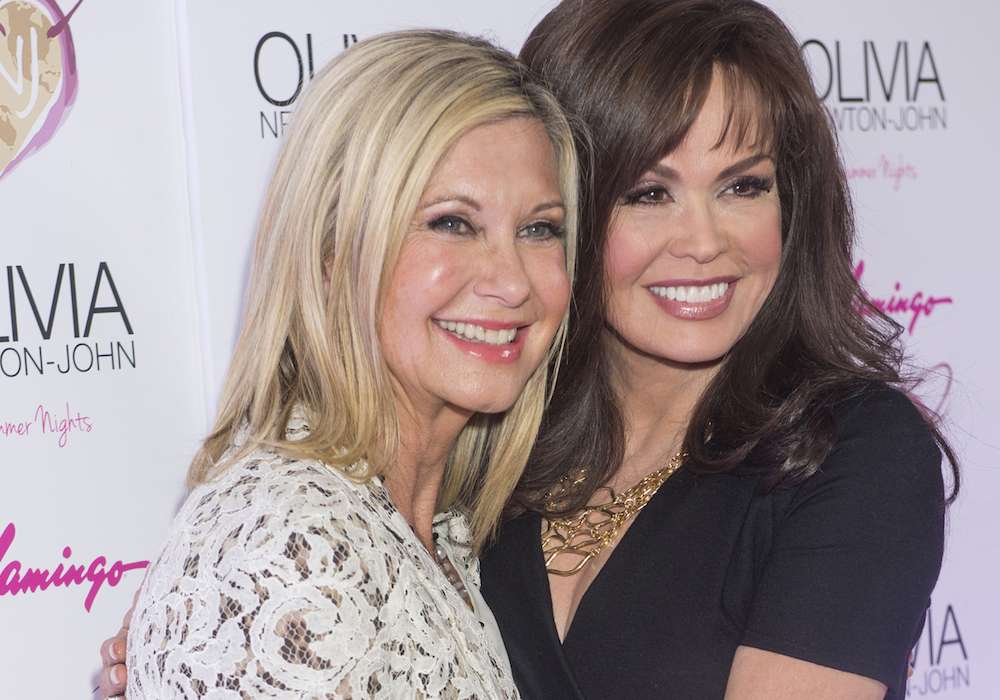
    Marie Osmond opened up about her son Michael Blosil’s death on CBS Sunday Morning.

    Singer Marie Osmond is still haunted by her son’s suicide nearly ten years after it happened, she revealed over the weekend. 

    Osmond’s son Michael was 18 in February of 2010 when he killed himself by leaping from the eighth-story balcony of his home in Los Angeles. Osmond said on CBS Sunday Morning that most days she relives the pain of that moment. 

    “You know, I don’t think you’re ever through it,” she said, according to People. “I think God gives you respites, and then all of a sudden it’ll hit you like the day it did. The ripple effect is so huge, what you leave behind.”

    Reflecting on Loss

    Osmond wrote about Michael’s death in her 2013 book The Key Is Love. “You cry until you can’t cry, and then you cry some more,” she wrote, according to People

    Osmond revealed that six months before Micheal’s death, she had a moment with a fan that would be significant to look back on. “A woman gave me a hug and said, ‘Oh, Marie. You’ve been through depression, divorce, kids in rehab… What haven’t you been through?’” Osmond wrote. “I answered, ‘I haven’t lost a child. That would be the worst thing.’”

    Osmond said she was at the Flamingo hotel with her daughter Rachael when her phone rang at 1:30 a.m. It was the security guard from Osmond’s gated neighborhood.  

    “He said, ‘Someone is here from the coroner’s office. They are coming to the Flamingo to see you,’” she wrote. “My heart dropped to the floor. I said to Rachael, ‘It has to be Michael.’”

    When the officer arrived at the hotel and confirmed that Michael had died by suicide, Osmond was gutted. “I thought someone had run a knife into my heart,” she wrote. 

    Rehab and Depression

    Michael had attended rehab in 2007, but it was not made public what he was being treated for. “My son Michael is an amazing young man, shown through his courage in facing his issues,” Osmond said at the time. 

    However, after his high school graduation, Osmond knew that Michael was depressed. She says that she replays the “what ifs” in her head, and wonders if there is anything she could have done to save her son.

    “When I heard him say to me, I have no friends, it brought back when I went through depression, because you really feel so alone,” she told Oprah nine months after Michael’s death. “I’m not a depressed person, but I understand that place, that darkness… I told him, I said, ‘Mike, I’m gonna be there Monday and it’s gonna be OK.’ But depression doesn’t wait ‘til Monday.”

    View the original article at thefix.com

  • How to Stay Sober Through a Parent's Illness

    How to Stay Sober Through a Parent's Illness

    I won’t lie, the urge to fix from the outside is constant. The helplessness is overwhelming, the grief indescribable.

    I think it was about a year a half ago when my mother became wheelchair-bound and was diagnosed with dementia. The two trips to visit her in Santa Fe were so stressful that my bestie, also a recovering addict, started vaping for the first time and she still hasn’t stopped. We had five days to clear out her apartment, find her a board and care, break her lease, put her stuff in storage, forward her mail, and much more. I cried most of that trip but it all got handled. 

    My life is different now. My mother can’t hear well and she’s confused. She can’t walk or use the computer anymore. People bathe her. She calls me multiple times a day about the same thing. On top of that, I was suddenly given power of attorney and appointed Social Security payee. I was in charge of all her bills, speaking to her nurse, speaking to her chaplain, and speaking to her social worker.

    Role Reversal

    If there’s one thing addicts don’t seek out, it’s responsibility. As an only child, I alone had to handle all of it. Sure I was sober, but mature? Hardly. 

    I recently had to sign a form to approve the use of Narcan should my mother overdose on her Oxycontin. When the nursing staff assistant tried to explain opiates and Narcan to me, I stopped her.

    “I’m …um…well-versed in Narcan. I’m an ex-junkie.”

    I heard her mutter an “Oh” followed by an uncomfortable silence.

    I’ve never had children for a sundry of reasons: my genes, my fertility, my financial situation, my shitty relationships. Suddenly I had a child and it was my mother. The role reversal was sudden and jarring and I recall rocking and crying and whimpering, “I don’t want this.” But it was all mine, like it or not.

    My relationship with my mother was always difficult. I was resentful for her physical absence during my childhood and her emotional absence always. But suddenly all that resentment melted away. Resentment is a luxury, I realized, and as her caretaker, there was no room for it anymore.

    Almost 50, with Zero Life Skills

    Having spent 30 years of my life mentally ill and struggling with addiction, having to “adult” suddenly felt premature and impossible. It was like coming out of a time warp. I was almost 50 but I had zero life skills: No idea how to pay taxes or when to rotate your tires or how to hold down a “real” job, let alone handle all my mother’s shit. Sure I had other life skills: making a crack bong out of a Mountain Dew bottle or how to hit a rolling vein or manipulating people into taking care of me. But these weren’t so helpful now.

    I was a grown woman but I still felt and honestly acted like a child most of the time. I still needed my mom but now she wasn’t available. I’d never felt like she “heard” me and now she really couldn’t hear me. I never felt she “understood” me and now she really couldn’t grasp what I was saying. I hate to use the “t” word but yeah it was triggering.

    We had grown closer during this sobriety but now, suddenly, she wasn’t somebody I could bring things to. She became somebody who brought things to me and they were all “emergency” needs: Afrin, salted nuts, Nars concealer. My mother had always been particular, snobby, and demanding. That didn’t change. I quickly accepted all of these things and began to lean much more heavily on my father.

    Gutted

    Then, about a week ago, my father was diagnosed with cancer. I was gutted. He and I are impossibly close; he is my mentor, my hero, my best friend.

    “You can’t go. You’re my person,” I wept pathetically into the phone. Everything good about me comes from him: my humor, my intelligence, my writing ability. And now he’s ill. Really ill. My first reaction, and I’m not proud of this at 6.5 years sober, was to kill myself or get loaded. My brain screamed “GET OUT.”

    We all have those things: if “this” happens, I’ll get loaded. My dad’s death was always that: my hold out, my exemption. When I told him that a few years ago he said, “Too fucking bad, Ames. It’s in my will if you get loaded, you get nothing.” Fuck.

    It’s all so selfish. Fuck his cancer, I’m hurting and I need to attend to that. Suddenly I was making it about me. I try not to cry on every phone call but am rarely successful. I feel weak and small. 

    I started to spiral, lumping all the bad on top of each other as we do: I’m single, I’m broke, I’m getting old. My parents are dying. But if I know one thing, it’s that a relapse would kill both of them faster than the diseases they were battling. It just isn’t an option.

    Still, every day I have the urge to escape my body, numb the pain, check out. Not because I don’t have a strong program or I’m not connected to my higher power or any of that bullshit, but because I’m an addict and we don’t like feelings and we get high to avoid them. Six and a half years of sobriety doesn’t negate a lifetime of drugs and suicide attempts as my top and most successful coping mechanisms.

    But if I’ve finally learned anything, it’s that it doesn’t matter what I feel like doing, it matters what I do. I can’t control my feelings or thoughts but I can control my actions.

    When I’m Not Crying, I’m Angry

    When I’m not crying, I’m angry. I’m so fucking angry. Fuck you, God. God never gives you more than you can handle?! Well this feels like more than I can handle. And fuck me. Fuck me for having been a complete wreck for most of my adult life.

    And then in between the tears and the rage, there’s numbness, where I feel nothing because it’s all just too much. I catch myself just staring into space, zoning out on the multitude of Pyrex dishes at Target. Not lost in thought, lost in nothingness. 

    I don’t think anything prepares you for the death of your parents. I don’t care how old you are or spiritually fit (insert eye roll). Sure, they’re in their 80’s; it’s bound to happen, it’s part of life, blah, blah, blah.

    But you still never think it will happen. And when it does, you are suddenly faced with an aloneness that is inconceivable, an unending void that will never be filled.

    I look back now at me mourning a break-up for over two years. What a fucking joke. You can get a new boyfriend. You can’t get a new mother or father. 

    How I’m Staying Clean

    I won’t lie, the urge to fix from the outside is constant. The helplessness is overwhelming, the grief indescribable. So how am I staying clean? Well, I started vaping again (judge away, fuckers). I’m talking to my sponsor every single day, I’m talking to my friends, I’m working with my sponsees. I’m crying. I’m trying to be kind to myself. I’m trying to be of service to my parents and process my grief elsewhere. I’m calling friends and asking for support. Sure I don’t always answer the phone, but don’t take it personally. Sometimes I’m just too shut down to talk. I sleep and nap, a lot. Depression or escape? Does it really matter? It beats the alternatives.

    When I asked other people in recovery how they made it through a parent’s illness and death, almost all of them said the same thing: They didn’t. They drank and used during the whole process to escape the pain and it was the biggest regret of their lives. Whether the parent had known or not was immaterial. They were haunted by the guilt they felt and if they could do it all over again, they’d stay sober, give their parent the gift of being completely present, and not run from the feelings. I can and will do that, as ungraceful as it might be. 

    I said to one of my sponsees: “You are about to witness a magic trick. You are about to watch your sponsor go through one of the most painful times ever and not get loaded.” I think I was telling myself as much as her.


    Have you had to deal with a parent’s illness or death in sobriety? How did you cope? Tell us in the comments.

    View the original article at thefix.com

  • Music and Emotion: How Songs Help Us Grieve and Heal

    Music and Emotion: How Songs Help Us Grieve and Heal

    Music can express how we feel when our grief renders us speechless.

    After my father’s death from suicide 16 years ago, I was always looking for signs—the flickering of a lightbulb, a bird flying overhead, anything that would let me know he was still with me. But in all those years, there was just an empty feeling, a giant black hole where those signs should be. 

    Then, a couple years ago, on the way home from lunch on my birthday, I heard Rod Stewart’s “Forever Young” on the radio, and I knew. I just knew it. That was the message from my father.

    Before and After

    Like many people who have lost loved ones to suicide, I tend to view my life in terms of Before and After; there was my life before he died and then there was my life after he died. I also tend to categorize music in much the same way. There are the songs that evoke the memories of my childhood, like the oldies from the ‘60s and ‘70s that we listened to on family car trips. I can’t listen to Simon & Garfunkel or Gordon Lightfoot without memories flooding back –like when my father introduced my sister and me to his record collection. We played those records for hours until we had all the words memorized.

    Then there are also the songs that remind me of the dark days and months just after he died. A month before his death, I bought Norah Jones’ debut album on a whim and it sort of became the soundtrack of his death. My mother and I listened to it constantly, so every time I hear “Come Away with Me” I’m immediately transported back to that time. Suddenly I’m that scared, confused 21-year-old who can’t believe she’ll never see her father again.

    These songs make me so sad, and yet I can’t stop listening. It’s almost like I’m drawn to the pain that those songs evoke, as if listening to them will somehow help me continue to process my grief.

    How Music and Grief Are Processed in the Brain

    As it turns out, there’s some validity in my yearning to listen to these songs. Listening to music actually lights up the brain’s visual cortex, which processes visual information and stores important memories.

    “Music has been found to have a nostalgic effect, allowing individuals to recall memories, feelings and emotions from the past, so as an individual listens to music, they will start associating it with memories and feelings,” says Aaron Sternlicht, a New York-based psychotherapist. “Musical nostalgia can be helpful in the grieving process to help resolve emotions that a grieving individual may have previously been suppressing.”

    After that birthday message, I started listening to “Forever Young” on repeat. I listened to it when I was writing. I listened to it when I was responding to email. I even listened to it when I was just surfing the web on a random Sunday afternoon. And then I heard it again one morning in March as I was browsing the aisles of Walgreens. At first, it felt completely random and I didn’t think much of it. Then I started putting the pieces together: Shopping together was one of our favorite things to do together, and it was March, the month in which my father died. The coincidences seemed too serendipitous, albeit bittersweet, and the words of the song just cut me like a knife.

    It felt like a message from him, filled with all the things he wanted to tell me. I was relatively young when he died, and there is so much we missed, so many conversations we never got to have, so much life advice he never got to give me. 

    For so long, I’d thought about all the things I’d say to him if I had the chance, but I never gave much thought to all the things he might want to tell me. There’s just so much I want to chat with him about — so many questions about life and what to do and hoping he’d be proud of me. Hearing the lyrics, I pictured my father giving me all sorts of advice, just like he used to. He was always fond of telling stories and imparting wisdom, and I miss his presence so much, looking over my shoulder and encouraging me onward. He was the ultimate cheerleader.

    It’s Not Just Me

    The more I thought about the powerful connection between music and grief, the more I wondered if others felt the same way I did. Did music also make them feel close to their loved ones? Did it help them in their own grieving process? And what is it about certain songs, albums, and artists that connect us to loved ones we’ve lost?

    To get some answers, I opened up the conversation on Twitter and Facebook. Before long, the stories started pouring in, full of love and memories. People were incredibly open and willing to share their stories as a way to honor their loved ones while at the same time acknowledging their grief. Here’s a sampling of some of the powerful experiences they shared with me:

    When I was in high school, my best friend and I made the world’s stupidest music video (with my parent’s massive camcorder) to Avril Lavigne’s “Complicated.” She tragically died of a bad reaction to pain killers/anti-depressants (we never quite got a clear explanation) about eight years ago. Every time I hear that song, I laugh thinking of that ridiculous day, but also want to cry.Catherine Smith, Philadelphia

    My grandpa was a Johnny Cash lookalike. He would even be hired to do impersonations at conferences! Cash is one of my favorite artists because he reminds me of my grandpa (whose name was actually JC, haha!) Last year I went to the Johnny Cash Museum for the first time and cried when I walked in—it was like seeing his face everywhere.Syd Wachs, New Zealand

    Neil Diamond’s “Sweet Caroline” reminds me of my dad, who passed away in September. That was his favorite song. The song has definitely taken on new meaning since his death.Melissa Cronin, Vermont

    When my grandfather died (quite a bit ago), I listened only to country music for about a month straight during my grieving period, as country was his favorite genre. I never listened to country before then, and I can only think of him now when I listen.Isabelle Lichtenstein, Boston

    When I was 16, my beloved Cairn terrier was attacked and killed by another dog. I can’t stop crying whenever I hear “Somewhere over the Rainbow” because Toto in the Wizard of Oz is played by a Cairn.Julia Métraux, New York

    My grandparents, especially my grandmother, loved Elvis, so I walked down the aisle to an Elvis song and it really helped me feel like they were there. —​​​​​​​Abbie Mood, Colorado

    [My mom] died three days before my 32nd birthday. I’d always wanted to take her to Hawaii because she’d always wanted to go and she’d never been anywhere. During my second trip traveling alone in 2012, I was standing in a McDonald’s restroom and heard “I Hope You Dance.” I’d never listened to the lyrics before, but I felt she’d sent me a long-distance dedication, Casey Kasem-style. I started bawling. —​​​​​​​​​​​​​​Miranda Miller, Cleveland

    My Dad’s Message to Me

    Just like Miller, I like to think that the words in “Forever Young” are a message from my father. My favorite line is: 

    But whatever road you choose, I’m right behind you win or lose.

    What a comforting, gentle reminder from him. Just hearing those words makes me feel like I’m still close to him, as if there’s part of him still here with me, right behind me, always, just like the song says.

    Music can be a comfort when everything around us is confusing. Music has the power to begin to heal our soul, even if only a little bit at a time. And, music can express how we feel when our grief renders us speechless, says psychotherapist Ana Jovanovic.

    “It can help us cry, verbalize our feelings and also, feel connected to others,” she says. “When you’re listening to music, you may be able to better recall some of the most significant moments in the life you’ve shared. It’s a piece of experience that helps us stay connected to a memory of a person, even when they’re gone.”


    What songs are meaningful to you and why? Let us know in the comments.

    View the original article at thefix.com

  • Please Don’t Tell Me How to Grieve

    Please Don’t Tell Me How to Grieve

    We are not taught how to grieve. Acknowledging that death is inevitable means that we have to come face-to-face with our own mortality and the mortality of everyone we love in this world. It’s incredibly scary.

    “Get over it.”
    “I’ve moved on. You need to move on too.”
    “Don’t talk about that.”
    “What’s wrong with you?”

    When it comes to grief, everyone seems to be an expert. We may not have life or death figured out, but life after death? People know how to do that. Or at least they think they do. According to them, there’s only one right way to grieve:

    Their way.

    Grief is universal. The way we experience it and process it, however, is not. To approach grief as if curing it were as easy as taking a pill is both irresponsible and insensitive.

    And yet, there are still people who take it upon themselves to try and tell you how, where, and when you should grieve. Now, in the age of social media, the shoulds and should nots have only gotten stricter. Grieving online is perhaps the biggest no-no. Experts have even coined the term “grief police” to describe the trend of policing just how people grieve — telling them they’re grieving too much or not enough.

    And in the last six months, we’ve even seen this grief-shaming play out in the headlines. First, people criticized The View co-host Meghan McCain for talking too much about her late father Senator John McCain following his death. Then, following actor Luke Perry’s sudden death, online trolls criticized his daughter Sophie for seemingly doing too well and not grieving enough.

    We get it: No matter how we grieve, people will have opinions about it. But it’s important to remember there is no “right” way to grieve, says Lauren Consul, a California-based licensed marriage and family therapist specializing in grief. Grief can be difficult to navigate because it’s not something our society is open about.

    “We are not taught how to grieve. Acknowledging that death is inevitable means that we have to come face-to-face with our own mortality and the mortality of everyone we love in this world. It’s incredibly scary,” said Consul. “Seeing someone who is grieving is a stark reminder that one day that will be us too. It’s painful to think about, so people tend to avoid and downplay other people’s grief. It can give a sense of control; if they can manage that person’s grief, they don’t have to think about their own.”

    This grief policing is especially true when the death is unexpected, as was the case when my father died from suicide in 2003. I learned pretty quickly that talking about death on places like Facebook makes some people uncomfortable. We may be a society that lives our life online, but for all the sharing we do on social media, there’s still this stigma associated with posting about our grief and the loved ones we’ve lost. It feels like an unspoken rule of sorts: grieve in silence. Don’t talk about it. And, if you do talk about it, make sure you find just the right balance – not too much and not too little.

    But here’s the thing about grieving: You’re never going to please everyone. You’re never going to grieve the “right” way because there is no right way to grieve. That’s something that took me a while to learn and understand. At first, I was afraid of what people would think or how they would view my grieving process, which included writing about my father’s suicide regularly on my blog. I even began to feel as though I needed to hold myself back and not talk about it, but you know what? That wasn’t good for me. In fact, it stalled my grieving process, and that wasn’t healthy.

    Maybe that’s why I’m always thinking of what I’d like to say to the “grief police.” If I had the chance to sit down with them and have an honest conversation about the realities of figuring out your life after losing a loved one, here are four things I’d tell them:

    My grief is not your grief. And your grief is not my grief.

    Grief is perhaps one of the most intense and most confusing emotions we’ll ever feel. And even though a plethora of grief books line the self-help sections of bookstores and libraries, how we actually go through our grief is a very personal journey. The strategies and coping skills that work for some may not work for others. Grief is as individual as the person going through it. For every loss, there are a hundred more ways to grieve. There is no right way, no one size fits all. Grief is an individual journey and no one can tell us how to do it. We must find the way that works for us and not judge others because they may grieve differently.

    Grieving is a journey – not a destination.

    That sounds cliché, but it’s true. Grief has no timetable, no script, and definitely no shortcuts. It’s not as easy as getting from Point A to Point B because the grieving road is far from linear. Elisabeth Kübler-Ross may have outlined the five stages of grief, but it’s not uncommon to vacillate back and forth sometimes. Even 16 years after my father’s death, I find myself returning to emotions like anger every so often. It doesn’t mean that I’m still in the throes of deep grief, though; it just reminds me that the work of grief is never really done.

    Sometimes, we just want people to listen.

    Grief demands that we feel, think, process, reflect – over and over. And there are times that we need to give voice to those feelings as we process. To put words to our emotions. To try and make sense of everything that’s happened to us. Maybe that’s why my writing has been such a healing part of my grief. I’ve been able to put the unimaginable into words, even at times when those words were hard to come by.

    Being there for someone during this time is a powerful thing. You don’t necessarily have to say anything. Trust me, your presence means more than you’ll ever know.

    Not everyone wants to be “cured” from their grief.

    People might be surprised to learn that I don’t want to “get over” my grief. There’s this misconception that you can easily move on, and that couldn’t be farther from the truth. As painful as some of these emotions are (hi, regret), I need to feel them. So while it’s tempting to listen and then try and offer advice to help us move on, I ask that you just listen. In the end, there are no magic words that will make everything better. We need to feel what we feel when we feel it — and feel it without judgment.

    I’m always going to talk about my father, my grief and my journey. It’s all part of my life and my story. We each have to move through grief at our own pace and in a way that is comfortable for us. But that doesn’t mean that we can’t be there for each other — in a way that is comforting without being condescending, sensitive without shaming, and helpful without being harmful. That just might be the greatest gift we can ever give someone: a safe space to grieve and begin the healing process.

    View the original article at thefix.com

  • Death Threat: The Unique Dangers of Grieving in Recovery

    Death Threat: The Unique Dangers of Grieving in Recovery

    Though I’ve developed tools for dealing with heartache and anguish in sobriety, this level of grief is a sadness on steroids against which I feel futile and frightened.

    My father’s older brother, Stephen Dale, died at age 69 in mid-August. He was more than the family’s patriarch; he was its ballast, its mooring. The home he made with my aunt Linda served as safehouse to a chaotic tribe on holidays, birthdays, and just-for-the-hell-of-it pop-ins.

    Uncle Steve and I enjoyed a relationship where calls and text messages about long-debated or joked about topics would rouse the other in real-time. “Hey Uncle Steve, guess what I just saw…” We lived our lives in each other’s pockets — an intimate, instant-access closeness that is simply irreplaceable.

    He died very suddenly. One day he was there; then the next morning, before I could even reach the hospital, he was gone. Massive heart attack. By the early afternoon, I was writing the obituary, a prelude to the eulogy I would deliver days later.

    But this is not an obituary, nor a eulogy. This is about what happens next — when a recovering alcoholic, like me, finds himself mired in grief and unable to anesthetize himself with drugs or alcohol. It’s about the specific attributes of grief that, I’m finding, are particularly dangerous to people in recovery. And it’s an attempt to identify with my peers who may have suffered similarly but, as often happens to me, couldn’t quite congeal their disjointed feelings into a cohesive narrative.

    Grieving has peculiarities and pitfalls for those of us in recovery. Let’s discuss why.

    Pain That Many Know, Reactions That Few Experience

    Everyone in recovery has heard the cliché: “Bad things don’t stop happening just because you got sober.” In my seven years of sobriety, my wife has miscarried and, during her next pregnancy, I had a small stroke a week before our son was born.

    And given the recovery forums in which we now find ourselves — AA meetings, SMART, sober networks, etc. – most of us see death. We witness fellows with a common disease relapse and die. A record 72,000 Americans died of drug overdoses in 2017. I personally knew three of them — people who, sadly, literally couldn’t get clean to save their own lives.

    But Uncle Steve is different. He knew more about my past, my present and my psyche than anyone save my wife. He was incredibly well-read and unyieldingly tolerant, a combination that made him my chief counsel and safest sounding board. He was flesh and blood that, given a world of other options, I would have chosen to be my flesh and blood.

    A lot of us have Uncle Steves, that most special of relatives. Upon losing that person, anyone — normie or alky — suffers a harsh blow. We feel like a piece of our foundation has been uprooted, part of our shared history deleted. There are secrets about us that die with our Uncle Steves. They leave an unfillable hole, forever, and we know it. 

    For those of us in recovery, though, grief of this depth has its own oddities and perils. Strangely, upon learning the terrible news, our initial reaction can be both validating and shame-inducing: When I learned that Uncle Steve had died, my very first thought was “Shit, I can’t drink over this.” And because I knew I couldn’t, I knew I wouldn’t; the work I’d done in sobriety was about to pay off again, big time.

    Though comforting, this survival-minded reassurance brought an unsettling guilt exclusive to recovering addicts: the self-congratulation of passing a tough test to sobriety. It was just the beginning of what has become an ongoing struggle to rectify grief with recovery.

    Disruption, Deserved.

    Many of us in recovery have struggled mightily with both temperament and resentments. As someone for whom anger has been a tremendously burdensome issue, one AA literature passage that has always resonated with me is from the Twelve Steps & Twelve Traditions. In the chapter discussing Step Ten, it cites justifiable anger as an emotion that “ought to be left to those better qualified to handle it.” Alcoholics are inherently tone deaf when it comes to the level of outrage a given situation warrants – usually, we overshoot it considerably.

    In sobriety, then, we work to temper most of our emotions — good and bad — to find a balance most of us never knew. My dramatically downplayed demeanor has been a crucial element to my recovery. In this space a few months ago, I discussed the importance of limiting the amount of people, places and things that can “anger, intimidate, or otherwise derail” us. In my opinion, this is as true a marker of sober progress — and maturity — as exists.

    Grief, however, sticks out from this everyday mantra like a sore thumb. Especially when we lose someone of Uncle Steve-caliber closeness, deep sadness is not only justified but altogether appropriate. In fact, lack of sadness could be considered insulting to the deceased… our dead loved one deserves our emotional disruption. We owe our Uncle Steves that.

    For those of us whose recovery includes maintaining healthy habits and routines, the combination of a broken stride and broken heart is uniquely troubling. The aversion we’ve built up to emotional disturbances can be a disservice to our sobriety in these instances.

    Since my uncle’s passing, I’ve found myself nipping around the edges of a turbulent sea of grief, afraid to do anything more than dip my toe in lest I drown. Though I’ve developed tools for dealing with heartache and anguish in sobriety, this level of grief is a sadness on steroids against which I feel futile and frightened.

    More than anything, I fear that wading into these waters may lead directly to diving into a bottle; as far-fetched as that may seem for those of us with longstanding recovery, this guarded approach to our most valuable asset — our sobriety — is entirely understandable. In grief, however, it can become a hindrance — a defense mechanism stranding us ashore, emotional landlubbers.

    At least a portion of this procrastination, I realize, is rooted in fear of a less drastic reversion. With seven solid years of recovery, I know the chance of a physical relapse from this is slim. For one, it would be the absolute last thing Uncle Steve wanted. Whether they were in recovery themselves (my uncle was not an alcoholic), our Uncle Steves are vital aspects of our sobriety, and drinking or drugging upon their deaths is undoing part of their legacy. For that reason, among others, getting drunk over this is a nonstarter.

    No, what many of us fear upon losing an Uncle Steve isn’t physical relapse, but rather regressing to a state of heightened emotional vulnerability. In addiction and fledgling recovery, we were often hypersensitive and underprepared to meet life on life’s terms. Now, atop solid sober ground, meeting death on death’s terms feels like a rare, even unique scenario capable of causing a catastrophic earthquake.

    Sure, I’ve been shaken in sobriety before — but not this violently. I’m afraid of the aftershocks of so seismic an event. In recovery, we have healthy fears not only of drinking and drugging, but of revisiting the level of emotional rawness that made us stuck in addiction in the first place.

    Gradually, in recovery we’ve pieced our lives back together, and we don’t want these blessings to unravel in one calamitous emotional nosedive. This may ring particularly true with the multitudes of addicts who, like me, also have struggled with depression. Regardless, everyone in recovery can recall a time when emotional fragility made us unable to adequately function. As a husband, father and career communicator, it’s that panicked, fuzzyheaded state that I most fear.

    Like hard truths in early recovery, though, I’m finding that Uncle Steve-level grief has a ready-or-not resonance. When we lose someone that close, there’s simply too many things in our day-to-day lives that remind us of the deceased. Almost daily, I find myself reaching for my phone to share something Uncle Steve would find equally interesting or humorous. The resulting double-edged sword leaves me both missing my uncle and mad at myself for forgetting, albeit momentarily, to miss him.

    And more frequently, during fleeting moments of calm in my crowded-with-blessings sober life, Uncle Steve is there, quietly commanding attention. Ever patient, his spirit seems to loom as large, or as little, as I can handle in that moment. I swallow manageable doses of sadness with limited side effects and reassurance that, like in recovery, more will be revealed.

    That last sentence would have made for an artful sign-off, but life — or death — seldom provides such tidiness. As much as a loss can be a learning experience it is still, on the whole, a loss. And, like some of our worst acts in full-blown addiction, sometimes the knowledge and growth bestowed in recovery aren’t enough to offset the bad with the good. Some transgressions can’t be wiped away with transcendence.

    Uncle Steve has been gone two months and I, a recovering addict whose present peak required a series of bottoms, still subconsciously — and egotistically —expects this is building toward something grander than the inglorious absorption of tragedy. Often, our post-relapse recoveries from addiction have been linear, accruing wisdom and utilizing lessons learned. I keep waiting for Uncle Steve’s death to ascribe to a similar, simpler healing process – an expectation that has proven persistently misguided.

    No such revelations exist. In the end, those of us who struggle with addiction, despite being affected by grief in ways that differ from others, must deal with it in the same fashion: imperfectly, inconsistently, and with ultra-personalized feelings toward the dearly departed that were endearing in life but alienating in death. Unlike recovery, there’s no program for losing our Uncle Steves.

    View the original article at thefix.com

  • A Space for Grief and Growth: The 12th National Harm Reduction Conference

    A Space for Grief and Growth: The 12th National Harm Reduction Conference

    When we demand answers without a deep, authentic understanding of the problem, we wind up putting band-aids on gangrene.

    As I wandered into the opening plenary at the 12th National Harm Reduction Conference in New Orleans last week, something felt off. It wasn’t just the four white-robed women on stage, solemn and elegant in contrast to the mostly grungy, tattooed crowd. It wasn’t the massive indigo chandeliers, which cast a somber blue over the room. It was an energy I couldn’t quite place at first. Then, slowly, it washed over me.

    Grief.

    Throughout the morning, as various speakers mounted the stage, the story of grief unfolded. The harm reduction movement is grieving the loss of one of our pillars, Dan Bigg, who died suddenly last August. We are grieving the political landscape, feeling vulnerable and scared as overdose deaths continue to mount and hard-won reforms in drug policy are reversed through a tide of drug-induced homicide laws and other punitive policies against drug users. And we are grieving the conflicts, hypocrisies and dysfunction present within our own movement that at times threatens to tear it apart.

    My last report on a harm reduction conference for The Fix was in 2014. At the time, I described harm reduction as a community standing at a crossroads. The 2014 conference in Baltimore embodied the culture clash of a movement that had started as a radical underground community of people who use drugs being overwhelmed by mainstream and professional interests. Tension crackled between old and new, as did fear of co-opting and straying too far from its radical roots. Now, four years later, some of those tensions have boiled over.

    One of the plenary speakers in New Orleans, Micah Frazier of The Living Room Project in Mexico, described the harm reduction community as a family full of love and dysfunction. With gentle admonition, Micah urged the crowd to watch how we treat each other and to be careful of how we engage in conflict.

    Another speaker, Erica Woodland of the National Queer and Trans Therapists of Color Network, offered a blunt account of how he had left harm reduction six years ago over concerns about the lack of black leadership in the movement and the devaluation of black expertise.

    “I got divorced from y’all,” Erica said, to a smattering of laughter. “I came back; we’re dating!” But he warned that the reunion would be brief unless harm reductionists could show capacity for change.

    Harm reduction has changed in the past few years. Several of the largest organizations have experienced a shift in leadership as white, male executives who held power for decades have been replaced by women and people of color.

    In fact every speaker touched on the need for a “changing of the guard” within harm reduction. They pointed out that the movement, supposedly centered around racial justice and recognizing the dignity of people who use drugs, does not always practice what it preaches. They criticized the prevalence of white, male leadership, while queer staff, people of color and active drug users are often reduced to underpaid “peer outreach” positions or token members of panels, trotted out for the public, then silenced once the cameras are gone. They stressed the pitfalls of sacrificing long-term vision for short-term gain, warned against co-opting by the public health system, and urged the crowd not to forget its roots.

    Change is coming. Change must come, the speakers insisted. And transition is not always pretty.

    Their words seared right through me.

    A few months ago, I left my position with the North Carolina Harm Reduction Coalition (NCHRC) after eight years as their advocacy and communications coordinator. The decision was voluntary, but born from a place of pain. The organization had recently gone through its own changing of the guard and the process had, at times, been ugly.

    In fact, the past couple years of my life have been marred by grief as the organization I have loved and helped grow, an organization that has done so much to advance harm reduction in hostile territory, has been tested and torn by the tension between demand for change and resistance to it. These past years have involved a lot of soul searching for me as I have second-guessed past decisions and wondered if I have allowed enough space for the voices of people most impacted by the drug war to lead.

    The plenary was an epiphany. All this time I had bathed in private shame thinking that NCHRC was alone in its struggle, uniquely unable to have tough conversations without dissolving into anger and defensiveness. Now, for the first time, I realized that the movement has been changing and hurting across the whole country. We had never been alone.

    The heaviness of this opening plenary hung over me for the remainder of the four-day conference. Even the siren call of New Orleans—the bright lights of Bourbon Street and hot gumbo spice—could not penetrate the fog. I don’t think I was the only person struggling. Even as other attendees greeted old friends and met new ones in between workshops, you could feel grief and tension hovering over everyone. There was no relief from it, not even in the blizzard of breakout sessions.

    I tried to attend some breakout sessions, of which there were a dizzying number including topics such as fentanyl, friction with police, racial justice, indigenous healing, queer drug use and much more. The breakout sessions seemed designed to ask questions, but not necessarily to answer them. This frustrated a lot of people. I overheard many grumbling conversations in the hallways about how such-and-such a panel had not provided a “solution” to the problem being discussed. Years, perhaps even months ago, I would have felt this way too. Today I feel differently.

    A couple of years ago I attended a town hall meeting hosted by activists and founding members of Black Lives Matter. After over an hour listening to them talk about racism and oppression, a white woman in the audience asked the question that had been burning in my brain the whole time: “How can we fix it?”

    The speaker responded by politely suggesting that the young woman have conversations with family and friends about racism. The woman sat down, seeming dissatisfied with such vague marching orders. I was disappointed myself and, I’ll admit, a little appalled that the speaker didn’t seem aware of the importance of giving people concrete actions so that they stay engaged in the movement. But today I see the wisdom in that answer. The speaker didn’t give that young woman, or me, an easy answer because we weren’t ready for one.

    Lately I have come to appreciate conversations that do not end with solutions. Most societal problems are so complex that any “solution” that can be discussed in a 60-minute panel is probably bullshit. Most of us know surface level things—racism is real, drug policy is killing people, there are too many people in prison—but we don’t truly understand the history or scope of these issues, especially if they don’t directly impact us. We want a quick recap of current affairs and a quick fix, but when we demand answers without a deep, authentic understanding of the problem, we wind up putting band-aids on gangrene.

    This, I think, is what the conference was attempting to do—to encourage discussion and exploration and self-reflection, not to provide instant gratification.

    I left New Orleans without answers, but with a great sense of responsibility to seek them, even if it takes a lifetime.


    Members of Harriet’s Apothecary open the conference with calls to be mindful and present.
    Image: Nigel Brundson

    View the original article at thefix.com