Tag: Health

  • What really works to keep coronavirus away? 4 questions answered by a public health professional

    While hand-washing is preferred, hand sanitizers with at least a 60% alcohol concentration can be an effective alternative to always using soap and water, but only if your hands are not visibly soiled.

    Editor’s note: The World Health Organization has declared that COVID-19, the disease caused by the new coronavirus, has a higher fatality rate than the flu. As of March 4, 2020, nine deaths have been reported in the U.S. Brian Labus, a professor of public health, provides essential safety information for you, from disinfectants to storing food and supplies.

    1. What can I do to prevent becoming infected?

    When people are sick with a respiratory disease like COVID-19, they cough or sneeze particles into the air. If someone is coughing near you, the virus could easily land on your eyes, nose or mouth. These particles travel only about six feet and fall out of the air rather quickly. However, they do land on surfaces that you touch all the time, such as railings, doorknobs, elevator buttons or subway poles. The average person also touches their face 23 times per hour, and about half of these touches are to the mouth, eyes, and nose, which are the mucosal surfaces that the COVID-19 virus infects.

    We public health professionals can’t stress this enough: Proper hand-washing is the best thing you can do to protect yourself from a number of diseases including COVID-19. While hand-washing is preferred, hand sanitizers with at least a 60% alcohol concentration can be an effective alternative to always using soap and water, but only if your hands are not visibly soiled.

    The best way to wash your hands.

    2. Wouldn’t it be easier just to clean surfaces?

    Not really. Public health experts don’t fully understand the role these surfaces play in the transmission of disease, and you could still be infected by a virus that landed directly on you. We also don’t know how long the coronavirus that causes COVID-19 can survive on hard surfaces, although other coronaviruses can survive for up to nine days on hard surfaces like stair railings.

    Frequent cleaning could remove the virus if a surface has been contaminated by a sick person, such as when someone in your household is sick. In these situations, it is important to use a disinfectant that is thought to be effective against the COVID-19 virus. Although specific products have not yet been tested against COVID-19 coronavirus, there are many products that are effective against the general family of coronaviruses. Cleaning recommendations using “natural” products like vinegar are popular on social media, but there is no evidence that they are effective against coronavirus.

    You also have to use these products properly in accordance with the directions, and that typically means keeping the surface wet with the product for a period of time, often several minutes. Simply wiping the surface down with a product is usually not enough to kill the virus.

    In short, it isn’t possible to properly clean every surface you touch throughout your day, so hand-washing is still your best defense against COVID-19.

    3. What about wearing masks?

    While people have turned to masks as protection against COVID-19, masks often provide nothing more than a false sense of security to the wearer. The masks that were widely available at pharmacies, big-box stores and home improvement stores – until a worried public bought them all – work well at filtering out large particles like dust. The problem is that the particles that carry the COVID-19 virus are small and easily move right through dust masks and surgical masks. These masks may provide some protection to other people if you wear one while you are sick – like coughing into a tissue – but they will do little to protect you from other sick people.

    N95 masks, which filter out 95% of the small, virus-containing particles, are worn in health care settings to protect doctors and nurses from exposure to respiratory diseases. These masks provide protection only if they are worn properly. They require special testing to ensure that they provide a seal around your face and that air doesn’t leak in the sides, defeating the purpose of the mask. People wearing the mask also must take special steps when removing the mask to ensure that they are not contaminating themselves with the viral particles that the mask filtered out. If you don’t wear the mask properly, don’t remove it properly or put it in your pocket and reuse it later, even the best mask won’t do you any good.

    4. Should I stockpile food and supplies?

    As a general preparedness step, you should have a three-day supply of food and water in case of emergencies. This helps protect from disruptions to the water supply or during power outages.

    While this is great general preparation advice, it doesn’t help you during a disease outbreak. There is no reason to expect COVID-19 to cause the same damage to our infrastructure that we Americans would see after an earthquake, hurricane or tornado, so you shouldn’t plan for it in the same way. While you don’t want to run out of toilet paper, there is no reason to buy 50 packages.

    A Wuhan-type quarantine is extremely unlikely, as a quarantine won’t stop the spread of a disease that has been found all over the world. The types of disruptions that you should plan for are small disruptions in your day-to-day life. You should have a plan in case you or a family member gets sick and you can’t leave the house for a few days. This includes stocking up on basic things you need to take care of yourself, like food and medicines.

    If you do get sick, the last thing you are going to want to do is run to the grocery store, where you would expose other people to your illness. You shouldn’t wait until you are out of an important medication before requesting a refill just in case your pharmacy closes for a couple days because all their employees are sick. You also should plan for how to handle issues like temporary school or day care closures. You don’t need to prepare anything extreme; a little common-sense preparation will go a long way to make your life easier if you or your loved ones become sick.

    [Deep knowledge, daily.Sign up for The Conversation’s newsletter.]

    Brian Labus, Assistant Professor of Epidemiology and Biostatistics, University of Nevada, Las Vegas

    This article is republished from The Conversation under a Creative Commons license. Read the original article.
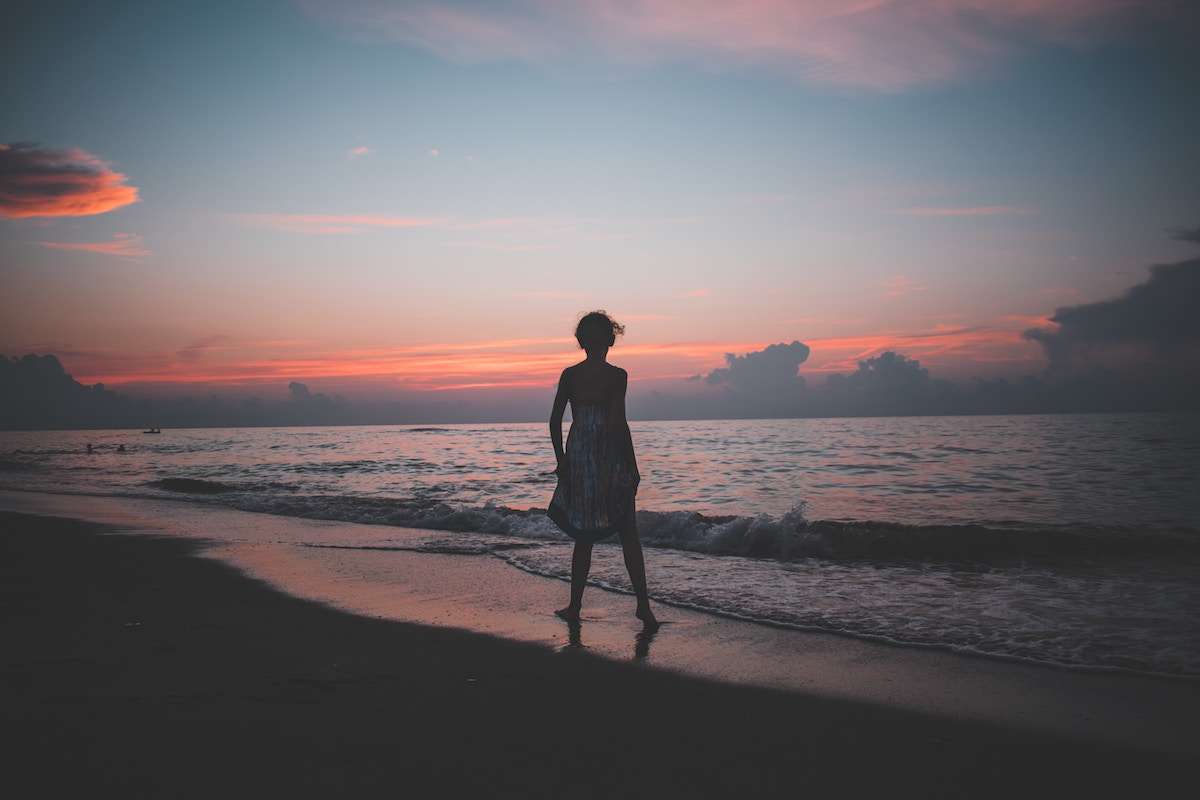
  • How I Learned to Show Up for Life Without Alcohol

    How I Learned to Show Up for Life Without Alcohol

    Sobriety means—or will come to mean—different things for different people. But I can attest to one thing: The path is beautiful, and the difficulties you may encounter along the way are worth it.

    You would think that being smart enough to get into an elite university would mean I’d be “smart enough” about recognizing the signs of my disease. It took me a nearly fifteen-year drinking career, a six-year engagement, at least five psychiatric hospital visits, and maybe fifty face-to-face run-ins with actual, imminent death before I knew something had to change. 

    Forced to Change

    This time, the change would have nothing to do with my intellectual rigor, the dynamic quality of my ideas, or really anything in terms of my personal pursuits. Neither was this about a spiritual makeover of sorts, or a renewed commitment to my health. I was forced to change or face the end. I hadn’t even turned 30 yet.

    My engagement—a union with an emotionally absent partner, the result of my desperate need to not be alone with my demons—was becoming more and more codependent, unhealthy, and financially dominating, and less and less loving, protecting, viable. Still, we smiled in all of our pics. 

    The hardest thing to admit was that I could no longer pursue “the life of the mind” when my own mind was lost—null—from an almost continuous state of being under the influence.

    The process of recovery has not been easy, even three years down this road. While I have since become comfortable not drinking, and with telling people that I don’t drink, it wasn’t always that way. There were times I felt not only uncomfortable but sad, and at times jealous or angry, wishing I could have a drink. There were times of full-body anxiety that made the sober life seem like another kind of death sentence. 

    But I am fiercer now. I defend my right to be well. 

    Recovery as Self-Love and Self-Preservation

    When Audre Lorde said that self-love is an act of political warfare, I think part of what she meant is that if I care about myself, then I have to defend my sole, autonomous house—my body. I take Lorde’s words to heart when I think about my own recovery—that I indeed have had to become defensive about my health. Being in active recovery is a lifelong process of sticking up for yourself—your best self and your worst self. It is also a way of being that demands you treat your body as a temple, rather than an outhouse. 

    Now that I haven’t touched a drink in three years, not only have the clouds lifted, but I know what to do when life gives me rain. 

    Today, I have to be diligent about my health and about the truth of my alcoholism. It is a disease with branches in the family tree(s). It is also a disease that can go from dormant to full-fledged before you’ve had time to give it a name.

    The myth of drinking as self-care (at least for some of us) was apparent in the ways I had been taught to “decompress” from the stressors of graduate studies, a place made all the more difficult to navigate as a black, mixed-race woman (who has struggled with anxiety, depression, disordered eating, and of course drinking—my favorite form of self-love and self-abuse). 

    The truth is that I loved drinking enough to have developed a habit of it. At the time, I loved what drinking did for me (despite the pain of what it was doing to me). It brought me a social life, it furnished me with (false) self-confidence. 

    It also stole time from me. So many years spent in various states of relative alarm—how to get my drinks for the day and morning after, if I had enough money (somehow I always did), would I be able to last through that 12-step meeting without a drink?

    Clearly, I wasn’t ready to heal yet. 

    I can’t tell you when I became ready, or precisely what day it was; I had been on and off the wagon so many times that I’d stopped believing in myself. 

    What I did want to believe in was the line of thinking that told me I could control my disease and drink like normal people. If I could control it, maybe I would be “cured.”

    Seizures, Psych Wards, and Liver Failure

    My thinking changed when I had my first withdrawal-induced seizure. 

    Or was it after my second major stint in a psych ward? When did I become ready to change? Was it when I resorted to hiding liquor in shampoo bottles? Oh, I know—it must have been when my eyes started to turn yellow (though I remember still drinking—at that point, having to drink—in the face of these obvious symptoms of liver failure).

    Eventually, the dreadful condition of being caught in the throes of all kinds of dependency caught up to me, as they do for the luckier alcoholics among us. 

    When you’re in the midst of active addiction, it’s the drug that keeps you “alive” and “well.” But when you’re in recovery, you see the drug for what it is—the thing that is killing you and keeping you unwell. To complicate matters, your drug was your best friend—the friend who was there when you were stressed, sad, or having suicidal thoughts… never mind that it was the same friend who implanted these thoughts in your mind to begin with. 

    Not everyone thinks of alcohol abuse as an illness or disease, and that’s okay. What isn’t okay is the promotion of cute slogans like “wine not?”—in a world where more women are abusing alcohol than ever before. 

    Getting sober from alcohol coincided with my decision to withdraw from my studies abroad. Becoming dependent on alcohol had largely destroyed my independent spirit—the same one that had guided me to want to study abroad in the first place. 

    For years I had chosen alcohol as my drug of choice—what I “used” when things were going well, not well, and also when I was well, or unwell. My kind of drinking was pure self-destruction—mind you, I had continued to tell myself it was a feasible form of self-care. Plus, I deserved it. At the end of the day, if you worked hard, you deserved some kind of reward, didn’t you? That’s why they invented martinis, wasn’t it?

    I’ll spare you the details of my last hospital stint, but it was arduous, and at times left me hopeless, wanting to burn the wagon if possible. Now I had to learn to live and cope with life without that substance, and accept that in the end, the drug chose me.

    I Made It Out Alive… And I’m Thriving

    Fast forward three years, and what I really want to talk about is all the amazing things that can happen when you’re not drinking—being willing and able to forge authentic relationships with people, for example, and learning what it means to heal emotions through the body. Oh, and meeting people, whether romantically or as friends, does get weird, though in some ways more exciting. 

    The list is long, and I am learning new things about myself, but I think it imperative we put a new spin on recovery rhetoric—not all of it is a struggle, there is so much to take delight in. There are things that will pleasantly surprise you (like getting a real good night’s sleep). 

    I eventually accepted that my kind of sobriety from alcohol would have to be a total one.

    Because the severity of alcoholism lies on a spectrum, there are people who can drink alcohol and not become addicted (must be aliens), there are folks (total weirdos) who can just stick to one drink. But I know after many years of trying and lying to myself, that I am not one of them… and never will be

    Likewise, there are many ways to get sober and no one right path. Sobriety means—or will come to mean—different things for different people. But I can attest to one thing: The path is beautiful, and the difficulties you may encounter along the way are worth it.

    This summer I am celebrating three years (okurrrrrrr?!) of sobriety from alcohol. I do not define myself any longer by my disease. Of course, I work to ensure I never lose sight of the fact that my disease isn’t ever “going away,” but recovery sure beats bodily warfare, chronic sickness, and a fear of the future. 

    Today, I identify as an artist, a writer; and more specifically as a Catholic witch, poet, and intuitive. If you told me during my drinking years that I would one day not only make it out alive but drink-free for over 1,000 days, I’d say you were lying. But here I am, not just surviving but thriving. I have my sad days, but I let them be what they are. It’s good to cry sometimes. It’s good to feel your feelings. Now, I have an array of tools and ways for navigating those feelings, especially when I think of the darknesses of my past. But mostly, and most importantly, I feel excited for the future. Now, I show up to life. And as long as I can show up to life (and for life), my intuition tells me it is bound to be an amazing ride.

    View the original article at thefix.com

  • "Sober Curious" or Literally Dying: When Saving Your Life Becomes Trendy

    "Sober Curious" or Literally Dying: When Saving Your Life Becomes Trendy

    It’s not my intention to minimize what sober curious folks are doing, but let’s not lose sight of actual alcoholism or addiction either.

    Somewhere in the drunken mess of 2002, I was curious to try the combination of vodka and Klonopin. Ditto, I was a curious little kitten when it came to what could possibly happen if I took acid and ecstasy at the same time! I was curiouser and curiouser about everything, from trying heroin to trying to buy cocaine instead of paying my rent. That’s the sort of curious that kept me in trouble for the better part of two decades, but curious to quit drinking because I just needed a break from partying and how it was affecting my life? Uh, not so much.

    Trendy, Cool, and Not Dying

    If you don’t know what the “sober curious” movement is, you haven’t been paying attention to “sober influencers.” Those phrases actually cause my eyes to deeply roll and my head to shake like a bitchy old neighbor watching you try to parallel park. Look, I don’t know anything about being an influencer unless we’re talking about the fellow teenagers I influenced to take drugs and come to the mall with me in the 80’s. I also don’t know about sobriety being trendy. I didn’t get sober to be cool, I just got sober to stop dying. But I do know that this sober curious movement is an actual thing.

    We (and by that I mean people like me who write about recovery) like to latch our collective wagons to sobriety buzzwords and trends. This summer, the world cannot stop talking about “sober curious.” The term, taken from author Ruby Warrington’s book by the name same, has popped up on every media outlet over the last few months.

    “Sober curious,” for the uninitiated, describes:

    • Folks who don’t need to get sober but who can see the benefits of cutting down or cutting out alcohol completely.
    • Mainly younger people who want to relieve the pressure to drink heavily at social occasions.
    • Folks who are concerned with hangovers and how drinking is affecting their social and professional lives.
    • Whimsical nymphs who want to hang out with their friends but not get loaded.

    In short, the sober curious ain’t me.

    When Alcohol Is Mildly Inconvenient

    See, these folks can take or leave drugs or alcohol. They don’t identify as having a problem. Alcohol is mildly inconvenient for them; it’s like your aunt Linda who eats chicken vindaloo but forgets it gives her heartburn. Fundamentally, I do not understand this way of thinking. The way I’m wired, I like to do substances in amounts that will numb me out completely. I didn’t care if work was going to be hard the next day or if my health was going to be affected. Hell, I needed tequila and cocaine just to get through six-hour shifts waiting tables.

    I mean, why casually use drugs or drink alcohol when you can implode your whole existence? This is a level of insanity that probably isn’t familiar to the “sober curious.” Nevertheless, they’ve decided to rally together and say “We’re just going to stop drinking and it’s okay if you do too!” It’s more like giving up carbs for a trendy diet than, say, being placed on dietary restrictions because otherwise your diabetes will kill you.

    As a movement in and of itself, it’s harmless. I see no problem with people whose brains are very much not like my own who can say, “Maybe I should cool it with the booze for a while.” The fewer people stumbling around, barfing in Ubers, and screaming at each other in Taco Bell at 3 a.m. can only be a good thing for society. The annoying trendiness notwithstanding, sober curious has at the very least made people examine their relationship with alcohol.

    However, I don’t see a lot of “sober curious” folks in the ER or ICU.

    At my day job as a recovery mentor on an addiction medicine team at a busy urban hospital, I see far more people brought in because of the effects drinking has had on their lives than nearly anything else. As devastating as the opioid crisis continues to be, there is a continuous influx of people with alcohol-related health problems. Sure, sure, the emergency room sees a handful of bachelorette party attendees who drank too much and fell down a flight of stairs who show up needing TLC for a busted ankle. But mainly, I witness patients who are way beyond curious.

    They come in broken, in desperate need of medical and psychosocial attention due to their relationships with alcohol. Despite winding up in the hospital, sometimes in terrible condition, many of them think it’s not that bad or that they can just cut down. I certainly identify with this thinking. For decades, I fooled myself into thinking I could outrun it, or that the handful of people I knew who were heavier drinkers meant I couldn’t possibly be that bad.

    This is where the Alcohol Use Disorder (AUD) diagnosis comes in handy. Used in our hospital (and around the country), the diagnosis quickly separates the sober curious from people literally dying. Some NIH assessment questions for AUD include: “Have you continued to drink even though it was causing trouble with your family or friends?” and “Have you experienced craving — a strong need, or urge, to drink?” This sounds wildly different than the interns at the office who decided to cut back on Rosé because it was making them feel icky. It’s not my intention to minimize what sober curious folks are doing, but let’s not lose sight of actual alcoholism or addiction either. Marginalization, ignoring, and minimizing have never done substance use disorders any good.

    If You Drink Again, You Will Die

    For the people I see in hospital beds and for people like me, it’s a matter of life and death.

    Beyond that, this idea that younger people are drinking less and buying less alcohol doesn’t jibe with bigger, more staggering statistics of alcohol-related deaths among millennials. A study from earlier this summer found that folks between the ages of 23 and 38 were dying the most of “deaths of despair”, meaning suicide, overdose, and alcohol-related deaths. Furthermore, additional data shows that from 2009 to 2016 there was a significant increase in cirrhosis-related deaths among millennials, which researchers say was driven by alcohol-related liver disease.

    Over the last year, I have personally worked with a handful of patients under 30 who have the kind of alcoholic liver damage usually only seen in people twice their age. From my position at their bedsides, it certainly doesn’t look like a generation that has this booze thing all figured out. It looks like a group of people being killed even faster than the generation before them. This is a story not buzzword-worthy or even really noticed. About a month ago, I had the honor of sitting with a 28-year-old while he processed the news that if he ever drank again, he’d die. Heavy news for a kid whose friends are all still happy hour-hopping and swilling the latest craft beers. This young man didn’t have the option of being sober curious.

    Yet, as different as Ruby Warrington and I are regarding alcohol, we’re doing the same thing: We’re talking about how much we drink. What if someone reads my stuff and says, “Well at least I don’t drink like that guy!” Likewise, the plethora of sober curious articles might make a reverse light bulb go on for someone. They might seek help after reading about this new trendy health craze and think: “sober curious, that ain’t me.”

    View the original article at thefix.com

  • The Perilous Journey of a Tobacco Addict

    The Perilous Journey of a Tobacco Addict

    Smoking was like kicking myself down the stairs every day: There she goes again. You’re nothing. Remember that.

    I had no words to describe my obsession back then. I was 12 years old and I didn’t know what was happening. I would phone my friend across the street and abruptly ask her without apology, “how many did you get?” I wasn’t even that fond of her but her mother chain smoked cigarettes and didn’t keep track of them. That’s how we smoked.

    Often there were a couple burning in the ashtray at the same time. We got butts off the ground, but mostly we liked them fresh out of the pack. I felt so sick after we smoked. I would stagger across the street, dizzy, barely making my way to the couch and flopping in front of the TV until the nausea and spinning wore off. It was normal to feel awful. I felt like I had the flu every day.

    I’m not sure what came first, the tobacco or the addict; the addict or the tobacco. I was a preteen and tobacco had grabbed a hold of me and said “come on kid, you’re one of us now.” I couldn’t turn it around no matter how hard I tried. I wasted years and decades of my life doing the thing I hated the most in the world: smoking cigarettes.

    I viewed smoking as a sign of weakness which plummeted my self-esteem. I used weed and alcohol because I always felt so sick and kept thinking something else might perk me up. Turns out my mother was right about tobacco being a gateway drug, not that I ever listened to her. To top it off there was a lot of dysfunction going on in my family and no one seemed to notice the compromised state of my well-being and morbid self-loathing. Smoking was like kicking myself down the stairs every day: There she goes again. You’re nothing. Remember that.

    I wanted what I hated and hated what I wanted. I was down to 100 pounds and had to choke food down that I couldn’t taste. I could barely lift my head in the shower from all the poison and I was physically and mentally weak. I ruined my teenage years panicking and ruminating about how to get off them. Tobacco nearly destroyed my life.

    The moment of clarity came to me about five years ago when I stepped out onto the deck in the middle of winter at 3 a.m. in my husband’s robe and slippers. The barometer read -28 with a wind chill factor of -38. It would’ve been dangerous if I had slipped. This was my third night in a row: I needed a fix.

    How incredibly stupid it was for me to start smoking again after the 200th time quitting. I had quit once for nine years. We were opening our cottage after a long winter, taking the weekend off and hanging out by the campfire, raking and burning leaves. I felt good to be up there again and my husband and I were really enjoying our day. Then the trigger came out of nowhere and sat on my shoulder:

    “There you are. I’ve been waiting for you. It’s been a long time.”

    I agreed. It had been. I needed a bit of crazy. I’ll just have a few. I knew full well I was playing with fire yet in that moment, I forgot I was an addict. I said to myself what every addict says just before a relapse.

    “I got this.” 

    The next morning was the worst day of my life. Nine years down the drain. I’ll never forget that feeling of dread — I wanted to die and it scared me. It haunts me to this day; the nightmare of relapsing wasn’t a dream this time. I was paralyzed by defeat and self-loathing. 

    An hour later I was searching for keys and heading to the store. By the end of the weekend I had smoked two packs. 

    There I was on the deck in the middle of the night in my husband’s robe and slippers deeply inhaling the burning smoke into my lungs. As I stared down at the cigarette shivering between my gloved fingers, something hit me. What am I doing awake? I can’t even make it through the night. That need had never woken me up before. This insidious clutch was turning me into a robot and forcing me out of my warm bed. There was no rolling over and going back to sleep. I realized in that moment how much stronger and more potent they had become. 

    After I finished I would step back into the house, brush off all the snow and stagger to the fridge for a gulp of orange juice to equalize my body because the poison left me feeling like I was going to pass out. 

    I already felt like a cancer patient who was depleted and nauseated. Why did I go back? How am I going to get off them again? I would eventually drift off to sleep, not looking forward to ever waking up to face the failure in the mirror and the pair of hands around my neck saying “come with me.”

    I’m not a neuroscientist but I believe nicotine dependency changes the chemistry in your brain. I’m not surprised that there’s a link between early tobacco addiction and cocaine use. I see tobacco slaves under umbrellas; smokers out shivering alone in smoking areas; panicked travelers in airports trying to remain calm, looking for a miracle exit. I see the monkey on smokers’ backs as they come in with their forced smiles to purchase their fix. I see families choosing tobacco over bread and milk. I see grubby corner stores and brightly lit 24-hour gas stations selling tobacco, lottery and gum. I see desperate people wanting to quit and not being able to. I see discrimination and lack of understanding or commitment to do anything but collect the cash off the train that’s ruining people’s health. I see addiction and struggle and a system profiting from poisoning people to death. 

    There is absolutely no way I’m ever going to see the 12 smokers in my life quit. I will see chronic health issues, lung and breathing problems, heart problems and cancer. It’s already starting. Oh, the excuses. I can’t blame them, really. I was there. I lived it. 

    I remain vigilant because you never know when nicotine will show up in disguise, pretending to be your best friend again; how it will use any opportunity when you’re exposed and vulnerable to hijack your life again. The nicotine immediately grabs hold of me and forces me into submission. I ruined a $10,000 family vacation because I relapsed on tobacco. Tobacco addiction makes you weak and it depletes your energy. That was an expensive lesson. I can’t let that happen again. 

    If you lined up every smoker and said: “Here’s a pill. If you take this pill, you’ll never want another cigarette,” 99% of all smokers would take the pill. But there is never going to be a pill to cure tobacco addiction, because illness is more lucrative. 

    Instead, cigarettes will continue to be accessible 24-7 on every street corner for your convenient demise. The tobacco industry is powerful and the government protects them. It’s a legacy this generation shouldn’t be too proud of: “This product keeps killing people, but we’ll continue to make it anyway.”

    Smoking is hell. I was slowly poisoning myself to death and I couldn’t stop. 

    View the original article at thefix.com

  • You Made It Through Sober October, What’s Next?

    You Made It Through Sober October, What’s Next?

    Recovery is not something we wear lightly; it is a lifelong challenge to recover our ability to regulate our bodies, heal from our trauma, and lead a healthy and fulfilling life.

    Sober October is a great way to gain awareness of your drinking — whether your goal is to get sober or just take a break from alcohol. As positive as that lifestyle change might be, however, it has caused some controversy in the recovery community. For many of us, sobriety isn’t a choice; it’s a necessity if we want to stay alive. So it feels somewhat tokenizing when people are trying on recovery for size. On the other hand, what if it is a doorway to change? What if it creates sufficient awareness to help someone make a few adjustments to lead a healthier and more fulfilling life?

    The challenge — initially called Go Sober for October — originated in the UK as an alcohol awareness campaign and a fundraiser for MacMillan Cancer Support. It is now gaining traction globally as more of a lifestyle change leading up to the holidays. In a recent Forbes article, Sober October was touted as a way to help reset your body and prepare it for the damage that inevitably takes place over the indulgent holiday season. They point out that a month off alcohol combined with other wellness-supporting measures such as a healthier diet and more exercise will lead to better sleep, increased energy, and a clearer mind. With those small lifestyle improvements, people who participate in a month of sobriety will no doubt mitigate the health damage of the party season should they return to drinking. And that’s a positive outcome no matter who you are — whether you’re seeking sobriety or just want to improve your health and wellness.</p

    But for people in recovery, the problem occurs when those trying Dry January or Sober October flippantly celebrate how easy it was, or alternatively reach out to recovery advocates to ask for support during their challenge. Writer and advocate Tawny Lara describes why this is annoying in her article, Why Trying On Sobriety is Offensive: “Strangers frequently reach out to me asking for suggestions on how to get through 30ish days without drinking,” she says. “I don’t think they realize that my sobriety doesn’t have an end point. It’s fine that someone who probably doesn’t have issues with substance abuse, is ‘trying on sobriety’ for a little while, but why are you asking me, someone who does struggle with substance abuse, for advice? I can’t be your cheerleader for 30 days just so you can celebrate day 31 by posting photos of mimosas on Instagram.”

    She continues, “If you really want to experience the lifestyle of us sober folks, try on recovery … not sobriety. Almost anyone can take a break from drinking. Try doing that, paired with the emotionally exhausting work of identifying why you drink and why you’re choosing to give it up temporarily.”

    I understand Tawny’s frustration. Recovery is not something we wear lightly; it is a lifelong challenge to recover our ability to regulate our bodies, heal from our trauma, and lead a healthy and fulfilling life. And I used to find these types of challenges as offensive as she does. Now though, as I have become more of an advocate for harm reduction, I see them as a gateway to change. I support anyone in their desire to lead a less harmful and destructive life, whether they have a problematic relationship with alcohol or just want to temporarily improve their health.

    So, to those of you who tried the challenge to improve your health and are ready to return to moderate drinking: I salute you. Even though I cannot drink normally, I respect those who can. It is also my hope that you’ll be able to recall how great you felt when you were sober for a month, and how you achieved it, should your relationship with alcohol change.

    And to those of you who entered into the challenge hoping to try sobriety on for size with that nagging feeling in the back of your mind that your drinking might be a little out of control, I’m here to tell you that life only continues to improve in sustained sobriety. Truly. I am not going to tell you that it’s easy because it’s not. But it sure as heck is worth it. As a woman who has been in recovery for over six and a half years, my life is immeasurably better: there is less drama, I have fun, I don’t have to sell my belongings to get four bottles of wine on the way home. I feel great most days, and I can’t imagine a life so painful that I have to numb myself every day. Today I want to be present and I want to show up.

    If you want to extend Sober October into November and beyond (or if you think you might want to try again sometime in the future), there are many resources to help you on your journey to recovery. As Tawny suggests, we need to examine a problematic relationship with alcohol and get to the heart of why we’re using it as a coping mechanism. There are many pathways of recovery and many supportive groups to help you with the process. Here are my top five tips:

    1. Find a pathway of recovery that works for you. Whether it’s AA, SMART Recovery, or a meditation community, there is something for everyone. Don’t give up until you find one that works.
    2. Work with a great therapist to help you through the process.
    3. Build social supports. Find a local recovery community in your area, like an Alano Club. The Meetup website is a great way to find sober groups to hang out with.
    4. Find an online supportive community. Reddit and Facebook groups (She Recovers Together, Sober SHAIR Group, HOMies, Life After 12-Step Recovery) are great supportive communities.
    5. Read recovery literature.

    If you’re still unsure and want to ponder the idea of continued sobriety, why not follow Joe Rogan’s Sober October thread? Or you can continue to read recovery publications to see if this is a lifestyle you want now that you’ve had a taste of it. I can recommend staying alcohol-free indefinitely, but you have to do what is right for you when you’re ready. If Sober October opens the doorway to that challenge, then I wholeheartedly support you!

    Note: heavy drinkers should not stop drinking alcohol suddenly without medical supervision. Going “cold turkey” can cause serious and even life-threatening complications.

    View the original article at thefix.com