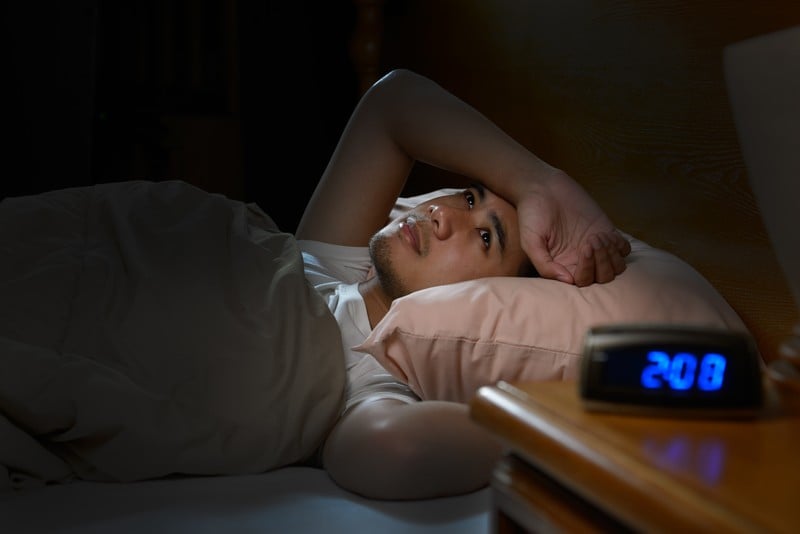
Most of us experience sleep problems in early recovery, leaving us cranky, unable to function effectively, irritable, and reaching for coffee and sugary foods for a quick boost. Lack of sleep can also put our recovery at risk.
Sleep is as crucial to one’s recovery as regular exercise and a nutritious diet, but sleep disturbance is a problem that plagues most of us when we first stop using or drinking. As a result, we’re cranky, unable to function effectively, irritable, and reaching for coffee, energy drinks, and sugary or processed foods for a quick boost. In some cases, the lack of restful sleep can put you at risk for a return to drugs or alcohol — all the more reason to get a good sleep habit established early in recovery.
I never had an issue sleeping before recovery. I used to fall asleep by around 9 every night and pretty much sleep until noon the next day. I now realize that wasn’t quality sleep — it was passing out.
My early recovery was characterized by the opposite scenario. I was perplexed by the sudden appearance of sleep issues: I couldn’t get to sleep, and when I finally did I would wake up at all hours. I was constantly exhausted. Most of my days were punctuated by taking naps so I could get enough sleep just to be able to function. I even nodded off in meetings!
And I’m not alone. According to a study in the Journal of Addiction Medicine, insomnia is five times more common in those in early recovery than in the general population. I’m contacted by women all the time asking for help with their sleep. They want some kind of reassurance that what they’re experiencing is normal, and they need ideas for how to solve their sleeplessness.
Disturbed sleeping patterns and poor sleep quality is common for people in early recovery, and it is even part of the withdrawal process. Common symptoms include:
- Difficulty falling asleep
- Excessive sleeping
- Trouble staying asleep
- Racing thoughts
- Tiredness during the day
- Not feeling refreshed after sleeping
- Lethargy
- Nightmares
What’s causing these problems and what can we do about them? Curious to understand more, I spoke to recovery scientist and therapist Austin Brown.
“I think at the most basic level, the stuff that keeps us up at night early in the recovery process is the same fears, anxiety, trauma and regret we used over,” he says.
Brown continues, “It isn’t until we begin settling some of those outstanding emotional balances through recovery work and therapy that we are able to find general peace. Also, we know that the first six months or so of recovery that things get worse in some ways before they get better.”
That was true for me. I had untreated complex PTSD, depression, anxiety, and eating disorders. All of a sudden it was as if someone had lifted the lid on all of the issues I’d been repressing, and I was faced with overwhelming emotions, an inability to regulate my nervous system, and an unhealthy relationship to just about everything (food, relationships, work). I recall feeling completely lost, and somewhat removed from my body.
I was told I was overly sensitive and was assured that things would get better, and that I just needed to “do the work.” It took a few months just to come to terms with life without alcohol, never mind the other complex issues I was facing. It certainly felt like things were getting worse. And I had no idea what this early recovery “pink cloud” was that people kept talking about.
Brown says, “It takes about six months to really ‘survey the wreckage’ and begin rebuilding. And by its very nature, even the rebuilding is stressful. This is one reason hope is so essential early on.”
Hope was crucial for me. I had to see that there were things I could do to improve my sleep. Without it, I couldn’t function. My body was screaming for me to eat high-carbohydrate food and I was never sated. My depression came back with a vengeance, and my sleep changed from disrupted to full-on comatose. There were clearly other issues involved and I had to dig a little deeper to understand what was going on and make some changes to improve the quality of my sleep.
Brown explains, “It can take up to 18 months before neurological functions resemble pre-substance use disorder balances.” What’s more, it been shown that these imbalances and the quality of our sleep can affect our chances of returning to drug or alcohol use.
A study by Dr. Nora Volkow and colleagues found that people who have had substance use disorders have lower amounts of dopamine receptors, which are necessary for the brain to experience pleasure. These receptors continue to be impaired long after drug use stops, which means we find less pleasure in everyday activities and become more likely to seek pleasure in other high-reward activities like returning to substance use, gambling, sex, and overeating. Volkow also found that a low number of dopamine receptors was associated with less activity in the part of the brain responsible for rational thought and the ability to exercise restraint. That might explain why I couldn’t put down the bag of cookies until I’d eaten them all.
Poor sleep quality can also result in cravings for drugs. A recent study conducted by researchers at Penn State found that patients who reported lower sleep quality also experienced higher-than-usual drug cravings.
So before you get to the point where you can’t put down the bag of cookies (or worse), why not try some of these tips to improve the quality of your sleep?
- Establish a regular sleep routine by going to bed at the same time each night and limiting electronic devices for 1-2 hours before bedtime.
- Create a sleep environment. Ensure the bedroom is for sleeping only — no TV or video games. Use low lighting.
- Drink herbal tea: chamomile, valerian, or try another herbal sleep remedy (consult a physician before starting any supplements).
- Try exercising during the day to promote sleep.
- Have a relaxing Epsom salt bath before bed.
- Consider taking a magnesium supplement (ask your doctor first).
- Practice relaxation techniques like a body scan meditation.
- Avoid eating a large meal before bed.
- Use an eye mask and ear plugs (or a white noise machine).
- Use a light-blocking curtain or shade.
- If you find yourself tossing and turning for more than 30 minutes, get up and do something else until you feel tired again.
- Try to get up at the same time each day.
- Avoid caffeine after 2 p.m.
I have tried each and every one of these tips and they have worked for me. I was lucky to find that my sleep recovered within the first year or so. In the end, I had trouble staying awake! It’s taken time, but my brain chemistry has evened out and I no longer feel intense cravings or extreme sleep disturbances. It will get better!
How do you deal with insomnia? Let us know in the comments.
View the original article at thefix.com