Tag: medication-assisted treatment

  • FDA Admits Past Mistakes In Handling Opioid Crisis

    FDA Admits Past Mistakes In Handling Opioid Crisis

    The Food and Drug Administration addressed its missteps in handling the crisis and outlined its future plans in a new statement.

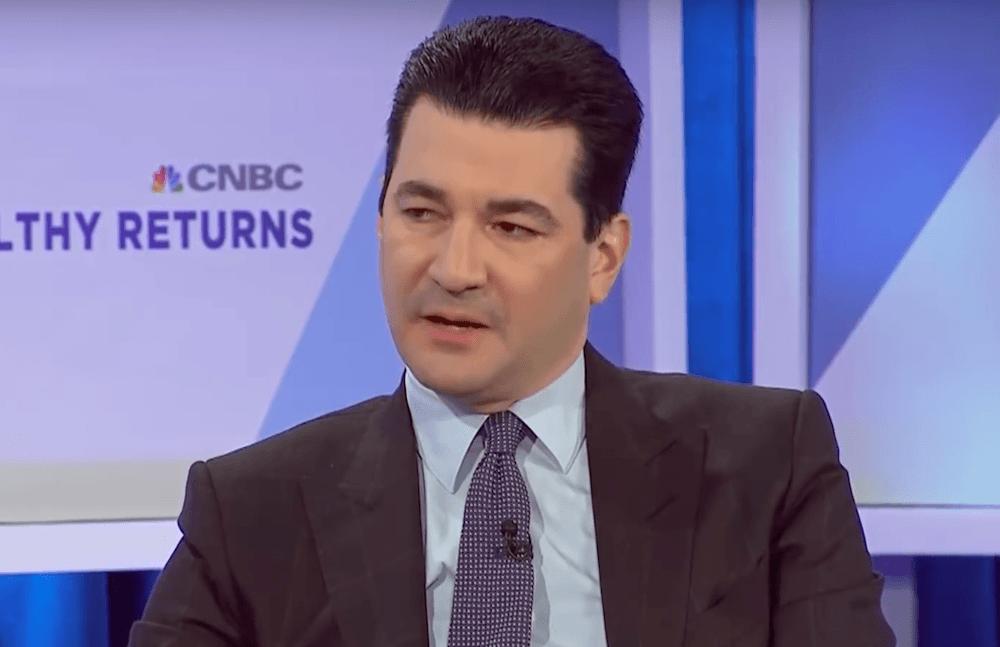
    FDA Commissioner Scott Gottlieb issued a far-ranging statement about his agency’s most recent and upcoming actions, while also addressing past missteps, in regard to the national opioid epidemic.

    Noting that the FDA’s previous wait-and-see policy in regard to evidence and intervention left it “a step behind a crisis that was evolving quickly,” Gottlieb said in the statement that his agency will implement more effective measures to reduce exposure to opioids, including prescription and labeling changes, promotion of treatment therapies, and approval of non-dependency-forming pain treatment.

    Calling the opioid crisis “a top priority” of both Secretary of Health and Human Services Alex Azar and the Trump Administration as a whole, Gottlieb wrote that faster and more decisive action will define the FDA’s policy in 2019.

    The rise in synthetic opioids like fentanyl and the “continued prevalence” of opioid prescriptions with overly long durations has prompted the agency to “step up its intervention,” according to Gottlieb.

    The commissioner also noted that the FDA’s previous approach—”waiting for the accumulation of definitive evidence of harm” put them in a position of catching up to the crisis as it ravaged “vulnerable communities.”

    “We don’t want to look back five years from now, at an even bigger crisis, with regret that there were more aggressive steps that we could have taken sooner,” wrote Gottlieb. “All options are on the table.”

    As Gottlieb outlined in his statement, these options have included expanded information on drug labeling. Passage of the Substance Use-Disorder Prevention that Promotes Opioid Recovery and Treatment (SUPPORT) for Patients and Communities Act in October 2018 has also given the agency new authority to assess and reduce dependency and misuse of opioids, including requirements for packaging on opioids and other drugs that carry a high risk of abuse or overdose.

    According to the statement, FDA will issue a report on their recommendations for prescription guidelines at the end of 2019.

    The FDA is also considering an option to require certain immediate-release formulations of opioids be made available in blister packages containing one- and two-day dosages, which would “comport with evidence demonstrating that a day or two of medication is sufficient” and could “reduce the overall amount of dispensed drugs available for misuse, abuse and diversion.”

    Gottlieb also wrote that the agency will consider a formal evaluation of prospective opioid drugs to determine its application for specific patients, and whether or not the newer application is safer or more effective for treatment than existing, non-addictive medication. The Risk Evaluation and Mitigation Strategies (REMS) program, which measures the benefits of a particular drug over its potential risks, will also be subject to review to determine if it is properly addressing such concerns.

    The FDA will also prioritize the development of new and effective forms of medication-assisted treatment (MAT) to treat opioid dependency and non-addictive pain medication, and expand access to the overdose reversal drug naloxone.

    The agency will also continue to partner with U.S. Customs and Border Protection to reduce the marketing and distribution of illegal opioids through national borders and through international shipping.

    View the original article at thefix.com

  • Small Town Tackles Opioid Crisis With Treatment, Compassion

    Small Town Tackles Opioid Crisis With Treatment, Compassion

    Despite its small size, Little Falls has taken control of their drug epidemic in by allocating $1.4 million in grants in the past five years.

    As a 25-year-old in Little Falls, Minnesota, Monica Rudolph would steal money from her parent’s savings, little by little, so she could support her heroin use. 

    Eventually, according to BuzzFeed News, the money was gone. Monica’s parents discovered the empty box in their home, and that’s when her mother began calling treatment centers. But she kept hitting head ends — treatment centers saying they were closed for the weekend, or that they could not take Monica for a few weeks. 

    That’s when her mother decided to call the local hospital—and it worked. Monica was connected with a substance abuse counselor and was told to come in the next day to begin treatment.  

    “My hometown of 8,000 people was the one place in the state that picked up the phone,” Monica said. “Think of all the people like me who don’t have that hometown.”

    Despite its small size, Little Falls has taken control of their drug epidemic in by allocating $1.4 million in grants in the past five years, BuzzFeed News reports. The money has been spent on limiting refills, increasing the access to medications to treat substance use disorder, putting treatment ahead of jail and taking basic public health measures. 

    The efforts paid off. BuzzFeed News reports that visits to the ER for painkillers—once the top reason for visits—isn’t even in the top 20 now. The hospital now has 100 patients on substance use disorder medications and has helped 626 people taper off opioids. 

    “One thing led to another,” Kurt DeVine, one of Monica’s doctors, told BuzzFeed News. “We realized we had to do a lot of things we weren’t doing, and that we had to do them together, or it wasn’t going to work.”

    Now, DeVine and his colleague, Heather Bell, lead online seminars about how Little Falls has tackled the opioid crisis. They help towns to think bigger than just one thing.

    “They get Narcan, or they get one little project and they think that is going to fix it,” DeVine tells BuzzFeed News. “There is no easy answer. It is a lot of work. If we were doing only one thing, just Narcan, our problem would be as bad as anywhere else. You have to do it all.”

    In Little Falls specifically, the hospital formed a “Care Team,” made up of a social worker, a nurse, two doctors, and a pharmacist. The team’s focus is to help patients like Monica. They have also changed their thinking from treating substance use disorder as a crime to considering it a disease. 

    “If you find a person’s urine has a bunch of meth and not their pain meds, you make the assumption they are selling their pain meds to get meth,” Bell told BuzzFeed News. “But we don’t kick them out of our clinic. We say, ‘OK, what is going on? Do you need help?’ Then we get them into treatment.”

    Now, Monica is taking the opportunity to give back to the community that helped her recover. Through training in a federal program, she will now serve as the hospital’s first “peer” counselor. 

    “My life has come full circle,” she told BuzzFeed News. “I’m really excited to give something back.”

    View the original article at thefix.com

  • Emergency Rooms Are Failing Overdose Victims, Study Shows

    Emergency Rooms Are Failing Overdose Victims, Study Shows

    Fewer than 10% of people who were treated in West Virginia emergency rooms for non-fatal overdose were connected with medication-assisted treatment.

    When people show up in the emergency room, they expect not only to be treated for the immediate problem, but to be connected with ongoing care. Someone with a broken arm, for example, can expect to have it set and leave with a referral to an orthopedist.

    Yet, this system is failing people with substance use disorder, one of the most deadly medical conditions in the country. 

    According to a new study published in the Journal of General Internal Medicine, fewer than 10% of people who were treated in West Virginia emergency rooms for non-fatal overdose were connected with medication-assisted treatment, and just 15% were connected with counseling. 

    Although the study looked at just one state, the findings are symptomatic of failures in the medical system across the country, Andrew Kolodny, who directs opioid policy research at at Brandeis University’s Heller School for Social Policy and Management, told California Healthline. 

    He said, “There’s a lot of evidence that we’re failing to take advantage of this low-hanging fruit with individuals who have experienced a nonfatal overdose. We should be focusing resources on that population. We should be doing everything we can to get them plugged into treatment.”

    Even the researchers were surprised by the low rates of ongoing treatment for opioid use disorder for patients who were clearly in need of treatment, said lead study author Neel Koyawala, a student at the Johns Hopkins School of Medicine.

    “We expected more… especially given the national news about opioid abuse,” Koyawala said. 

    Dr. Margaret Jarvis, who works as medical director of a residential addiction treatment center, said that despite the prevalence of addiction, emergency room doctors often don’t know how to help people who present with substance use disorder.

    “Our colleagues in emergency rooms are not particularly well-trained to be able to help people in a situation like this,” she said. Marissa Angerer visited the emergency department in Texas many times with substance abuse-related conditions. She was never offered ongoing intervention and was surprised when doctors didn’t understand what she meant when she said she was dopesick. 

    “They were completely unaware of so much, and it completely blew my mind,” she said. 

    When Angerer finally got into recovery, it was because she found a treatment center herself after having fingers and toes amputated because of an opioid-related condition. 

    “There were a lot of times I could have gone down a better path, and I fell through the cracks,” she said.

    View the original article at thefix.com

  • In Massachusetts, Opioid Deaths Decline For Second Year

    In Massachusetts, Opioid Deaths Decline For Second Year

    Officials applaud the state’s progress but acknowledge that there’s still a long way to go in the fight against the opioid crisis.

    Officials in Massachusetts are celebrating after state figures showed that opioid overdose deaths declined for the second year in a row, which officials say is due to interventions throughout the state that limit access to opioid prescriptions, increase access to opioid-overdose reversal drugs, and help connect people with treatment for opioid use disorder. 

    The data, which includes confirmed and estimated deaths from opioid overdoses, showed that 1,974 Bay Staters died from opioids in 2018, down about 4% from 2017. Between 2016 and 2017 there was a 2% decline in overdose deaths. 

    Monica Bharel, Department of Public Health Commissioner, told WGBH she was pleased with the progress and hopes that opioid overdose deaths continue to decline. 

    “When you look from 2016 to now, we are making progress. We are making progress and fighting this devastating opioid epidemic. We’ve seen a 6% decrease, we know the efforts we have in place are beginning to work, and importantly, to me, from a public health point of view, we have to continue our sustained work to bring those deaths down further.”

    Since Massachusetts improved its Prescription Monitoring System in 2015, there has been a 35% decline in Schedule II prescriptions, which include opioids. Gov. Charlie Baker praised this in a statement, while acknowledging that there is a long way to go. 

    “While we are encouraged to see fewer opioid-related overdose deaths for a second consecutive year and a 35% decrease in reported opioid prescriptions since 2015, the opioid epidemic continues to present a very serious challenge that is made more difficult due to the presence of fentanyl,” the governor said. 

    Although the progress is positive, there were some dire statistics released. Fentanyl is now present in 89% of opioid deaths in the state, up from less than 30% in 2014.

    Among people aged 25-34 opioids account for a staggering 40% of all deaths. In that demographic, opioid overdoses are still increasing. In addition, overdose deaths are increasing among black men. 

    Bharel said that the state needs to focus on these groups. 

    “For us at the state level and also at the community level, that gives us the opportunity to say, ‘Let’s make sure we’re engaging and investing in every community,’” she said. “There are some of us who are at highest risk. We want to make sure our work focuses on them.”

    That includes education, she added, particularly about synthetic opioids. 

    “One of the most important public health interventions is awareness and education. When people are using illicit drugs, they have to be aware of fentanyl, that fentanyl is deadly, that fentanyl is present in almost all of the opioid deaths right now.”

    View the original article at thefix.com

  • Young People With Opioid Addiction Face Barriers To Treatment

    Young People With Opioid Addiction Face Barriers To Treatment

    Access to medication-assisted treatment is a major issue for young adults with opioid addiction.

    Opioid use among minors has drastically increased since the 1990s—parallel to adult use—yet young people with opioid addiction are largely without access to proper treatment.

    Yale University published a study revealing that nearly 9,000 minors (20 years old and under) in the U.S. died from prescription and illicit opioid poisonings between 1999 and 2016. The related mortality rate increased almost 270% during that same time period, and were mostly unintentional overdoses of kids ages 15 to 19.

    The youth in the study were addicted to and dying from the same opioids as adults, including fentanyl, the deadly drug that is often mixed in with other opioids.

    The National Institute on Drug Abuse writes that research shows that when treating opioid addiction, medication should be the first line of treatment, in tandem with behavioral therapy or counseling. The accepted medications to treat opioid addiction are buprenorphine, naltrexone and methadone.

    Lindsey Vuolo, associate director of health law and policy at the Center on Addiction, assured US News & World Report that these medications work.

    “Overall, approximately 50% of patients who receive medications for opioid addiction are successfully treated, while less than 10% of patients are successfully treated without these medications,” she said. Yet many rehabs do not offer any medication-assisted treatment.

    Adolescents with opioid addiction have an even more difficult road than adults in becoming aware of and accessing medication-assisted treatment.

    Dr. Scott Hadland, a pediatrician, assistant professor at Boston University and researcher at Boston Medical Center’s Grayken Center for Addiction, spoke with US News about the results of his study on opioid treatment and youth.

    Hadland and others looked at close to 5,000 Medicaid-enrolled young people between the ages of 13 and 22 with a diagnosed opioid use disorder in 2014 and 2015. The results were clear: less than a quarter received medication for their treatment within three months of being diagnosed, with most of the youths receiving only behavioral health services. A mere 5% of those under age 18 received timely treatment with medication. 

    Dr. Sharon Levy, director of the Adolescent Substance Use and Addiction Program at Boston Children’s Hospital and an associate professor of pediatrics at Harvard Medical School, was the lead author of the American Academy of Pediatrics’ 2016 recommendations that called for “increasing resources to improve access to medication-assisted treatment of opioid-addicted adolescents and young adults.”

    The recommendations urged pediatricians to consider offering medication as treatment for young patients with severe opioid use disorders. Levy says that negative perceptions about medicated-assisted recovery (that the person is replacing one addiction with another) are outdated and the benefits of the medications outweigh any associated risks.

    “Policies, attitudes, and messages that serve to prevent patients from accessing a medication that can effectively treat a life-threatening condition may be harmful to adolescent health,” her AAP article states.

    Naltrexone is approved by the Food and Drug Administration for patients age 18 and older, and buprenorphine is approved for patients 16 and older.

    View the original article at thefix.com

  • Are Rehab Centers Equipped With Meds To Treat Opioid Use Disorder?

    Are Rehab Centers Equipped With Meds To Treat Opioid Use Disorder?

    In spite of the availability of opioid addiction medications, many treatment centers have continued to rely only on abstinence programs and talk therapy. 

    A study published in the January issue of Health Affairs found that only 36% of addiction treatment centers in the U.S. carry any of the medications approved for the treatment of opioid addiction. Not only that, but only 6% carry all three: buprenorphine, naltrexone, and methadone.

    As the opioid crisis has exploded in the U.S. and abroad, cities are scrambling to combat spiking overdose deaths and the massive costs associated with the epidemic. In addition to law enforcement and education campaigns, increasing funds have been allocated to the development of medication that can treat opioid addiction.

    For many years, methadone was the only option for those who needed more than abstinence, therapy, and rehabilitation programs to combat their powerful and relentless disease. Buprenorphine and naltrexone arrived on the scene in 1981 and 1984, respectively, and have shown promising results.

    In spite of the availability of these drugs for decades, many addiction treatment centers have continued to rely only on abstinence programs and talk therapy. The study, led by Johns Hopkins School of Public Health Professor Ramin Mojtabai, looked at 10,000 outpatient facilities in the U.S. via surveys collected between 2007 and 2016.

    In 2007, only 20% of the centers offered even one of the medications, so at least some progress is being made in this respect. 

    “Medication treatment (MT) is one of the few evidence-based strategies proposed to combat the current opioid epidemic,” reads the study abstract. “The findings highlight the persistent unmet need for MT nationally and the role of expansion of health insurance in the dissemination of these treatments.”

    Image Source: NIDA

    Lindsey Vuolo, associate director of health law and policy at the Center on Addiction, assured U.S. News & World Report that these medications work.

    “Overall, approximately 50 percent of patients who receive medications for opioid addiction are successfully treated, while less than 10 percent of patients are successfully treated without these medications,” she said. At the same time, only 10 to 20% of people with substance use disorders seek any treatment at all.

    Though Dr. Mojtabai feels that increased attention to the opioid crisis may continue the trend toward more treatment centers offering addiction-combating medications, Vuolo notes that most of the facilities offering these drugs are concentrated in wealthy urban and suburban areas, and is generally more pessimistic.

    “The number of people receiving treatment has not changed significantly, even in light of the unrelenting opioid epidemic,” said Vuolo. “I don’t think research will show significant changes between 2016 and 2019 on a national scale.”

    View the original article at thefix.com

  • Meth Resurgence Highlights The Limits Of Addiction Meds

    Meth Resurgence Highlights The Limits Of Addiction Meds

    As the rates of use for methamphetamine and other street drugs rise, providers are realizing the limitations of medication-assisted treatment. 

    Medication-assisted treatment has been heralded as the most effective way to treat opioid use disorder, and the opioid-overdose reversal drug naloxone has been credited with helping to control the rate of fatal overdoses in the country.

    However, while public health officials praise the importance of the pharmaceutical response to the opioid crisis, they are also calling attention to the lack of medical options for treating other types of addiction. 

    Psychiatrist Margaret Jarvis, a distinguished fellow for the American Society of Addiction Medicine, told ABC News that as the rates of use for methamphetamine and other street drugs rise, providers are realizing the limitations of medication-assisted treatment. 

    “We’re realizing that we don’t have everything we might wish we had to address these different kinds of drugs,” she said.

    Dr. David Persse, who directs emergency medical services in Houston, said that while opioid overdose reversal drugs are an important life-saving tool, actually using them on the scene of an overdose can be complicated, since people often have more than one type of drug in their systems, all of which act differently.

    For example, an opioid overdose is characterized by slowed breathing, whereas during a meth overdose the cardiovascular system speeds up, putting people at risk for heart attack and seizures. 

    Even if there were a similar drug to naloxone that could be used to reverse meth use, emergency medical responders would struggle to know which to use, Persse said. 

    “If we had five or six miracle drugs, it’s still gonna be difficult to know which one that patient needs,” he said. 

    Researchers are working on developing medications to treat the use and abuse of drugs other than opioids.

    Last May, the National Institute on Drug Abuse noted that researchers at the Universities of Kentucky and Arkansas developed a molecule that blocks the effects of meth, in a similar fashion to how medications like Vivitrol block the brain’s opioid receptors. 

    However, without addressing the root causes of addiction, these medications can have unintended consequences. Last year, a recovery counselor in Ohio told NPR that she believes the Vivitrol program in her community was contributing to meth addiction. People who were treated with Vivitrol could no longer get high with opioids, so they turned to other means of self-medication, she said. 

    “The Vivitrol injection does not cover receptors in the brain for methamphetamines, so they can still get high on meth,” she said. “So they are using methamphetamines on top of the Vivitrol injection.”

    View the original article at thefix.com

  • Grant Provides Medication-Assisted Treatment To Inmates Leaving Jail

    Grant Provides Medication-Assisted Treatment To Inmates Leaving Jail

    Inmates in the treatment program also leave jail with counseling appointments in place and other sobriety supports.

    The Wisconsin legislature is giving out $1.3 million in grant money that counties around the state will use to provide medication-assisted treatment for inmates who are leaving jails. 

    The grants, administered through the Wisconsin Department of Health Services, allow people who are ready to be released to receive an injection of Vivitrol, which can block opioid receptors in the brain and make people less likely to abuse opioids. Inmates in the program also leave jail with counseling appointments in place and other sobriety supports, according to Action News. 

    “This is another great opportunity for an individual who wants to make a change to have the resources to be able to do it, and do it at a cost that they can afford,” said Todd Delain, sheriff-elect in Brown County, Wisconsin, which includes Green Bay. “The Vivitrol is one piece of it. The counseling and ongoing monitoring treatment is the other part of it, because if you don’t have both, they’re probably not developing the skills and tools necessary to overcome it long-term.”

    The program aims to help address the vulnerabilities of people who have just been released from a correctional facility, said Paul Krupski, director of opioid initiatives at the Department of Health Services.

    “Specifically to the criminal justice population, they have a very high rate of opioid overdose and opioid overdose deaths upon release in the first 60-90 day period that they are out,” he said.

    Inmates seem eager to take advantage of the program, according to Correct Care Solutions, which provides health care services to jails. 

    Jessica Jones, the company’s regional operations manager, said, “It really needs to be something the patient wants to do. It needs to be a lifestyle change they’re ready to make. The medication is really 50 percent of this. The psych-social component is what they really need to be ready to dedicate themselves to.”

    A pilot program has been taking place at the Brown County Jail, in partnership with Prevea Health. Over the past 18 months, that program has shown success, said Prevea Health President and CEO Dr. Ashok Rai.

    “I remember the first person, when one of our physicians came to me and said, we had our first graduate and that person got a job,” Rai said. “The whole intent here was to try to help people.” 

    Vivitrol, in combination with therapy, can be a powerful tool for people looking to get into recovery, he said. 

    “To get to the heart of addiction is really to get to counseling and what psychological aspect, as part of that disease, led to the addiction,” Rai said. 

    View the original article at thefix.com

  • Experimental Addiction Treatment Program May Soon Lose Funding

    Experimental Addiction Treatment Program May Soon Lose Funding

    The medication-assisted mental health and addiction programs were showing promising results, but are running out of time.

    A federally funded experimental medication-assisted treatment program may be on its last legs, according to The Washington Post. The program, which has shown some promise in combating the opioid crisis in the year it’s been running, could dissolve as soon as March.

    If the program disappears, up to 9,000 patients would suddenly find themselves without a program and around 3,000 clinic personnel would be out of their jobs, according to an analysis by the National Council for Behavioral Health (NCBH). Because the clinics have to give their workers a 60-to-90 day advance notice for termination, the clinics could see staff leaving to seek other jobs as soon as January.

    Combating the opioid crisis has consistently been a bipartisan issue that both Democrats and Republicans have committed to working together on, but funding for the treatment programs was notably absent from Congress’ $8.4 billion budget that was passed in October. Speaking for the NCBH, Rebecca Farley David speculated that Congress got cold feet when they saw the projected cost of funding the treatment package: $520 million.

    “There was a lot of concern in Congress about the overall cost of the package,” she said.

    The program was conceptualized in 2014 through a set of standards, dubbed the Certified Community Behavioral Health Clinics, and was set to receive two years of flexible funding. In its first year of service in 2017, the program served around 381,000 patients according to the Substance Abuse and Mental Health Services Administration. Now, the program is due to expire in Oklahoma and Oregon in March and Minnesota, Missouri, Nevada, and New York in May.

    These states are trying to come up with alternate avenues for funding, including Medicaid waivers or applying for grants to keep paying staff after the federal funds dry up.

    It’s not just the patients and clinic workers that would suffer if these programs end. Law enforcement and the justice system also benefited from the program. If officers pick up intoxicated suspects, they cannot rely on these programs and instead have to take the time to drive the prisoner to an emergency room. Inmates being released from Niagara County jail relied on these programs to automatically continue treatment.

    “When people fail to make that first appointment upon release, we’ve lost them,” said Deputy Chief Daniel Engert. “Their condition deteriorates, they reoffend, and then they end up back in jail, or worse, they end up dead.”

    View the original article at thefix.com

  • Opioid Vaccine Shows Promise in Early Testing

    Opioid Vaccine Shows Promise in Early Testing

    Alongside its potential use as an opioid vaccine, the experimental medicine may also help first responders who accidentally come in contact with synthetic opioids. 

    Researchers have reported that a newly developed vaccine that could combat both opioid dependency and overdose has yielded what appear to be positive results in animal testing. The vaccine, which uses monoclonal antibodies – antibodies made by identical copies of immune cells – appeared to block both the analgesic properties of synthetic opioids like fentanyl, as well as their high propensity of producing a fatal overdose, when administered in preliminary tests.

    The researchers have begun developing antibodies in the hope of testing their vaccine on humans.

    Researchers from The Scripps Research Institute, which conducted the tests, presented their findings on December 13 at the annual meeting of the American College of Neuropsychopharmacology. The study detailed the creation of the monoclonal antibodies as well as two tests of their efficacy involving mice.

    In the first test, the research team measured pain response using a heated beam of light that was applied to a mouse’s tail. An immediate response – specifically, the mice removed their tail from the light – suggested that the animal experienced a degree of pain, while a delayed response suggested that the pain had been dulled.

    Mice were then given a synthetic opioid such as fentanyl and exposed to the light beam, which produced a longer response time due to the pain-dulling properties of the drug. However, when given the antibodies, the researchers found that the mice withdrew their tails at a faster rate, which suggested that the vaccine had blocked the drug’s analgesic effect.

    In the second test, mice were given the vaccine, followed by a dose of fentanyl that had proven fatal in other test animals. According to the study, the mice did not experience overdose. In both tests, the antibodies proved effective against seven other synthetic opioids, including carfentanil, which the Centers for Disease Control (CDC) described as the “most potent fentanyl analog detected in the United States” and which has been linked to a number of overdose deaths.

    As US News and World Report noted, research of this nature involving animals does not always produce the same results in human test subjects, so the study authors are in the process of developing human antibodies and hope to test them in the future.

    “Antibodies persist longer, and thus have enormous promise for addressing both opioid addiction as well as overdose,” said study leader Kim Janda in a press release.

    In addition to the vaccine’s possible use with drug users, Janda and his fellow authors believe that it may have a practical application as a safeguard for individuals who may come in contact with synthetic opioids. “These antibodies could be used to protect police, EMTs and other first responders from inadvertent acute fentanyl exposure,” he said, adding that a canine version could also be applicable for drug-sniffing dogs.

    View the original article at thefix.com