Tag: News

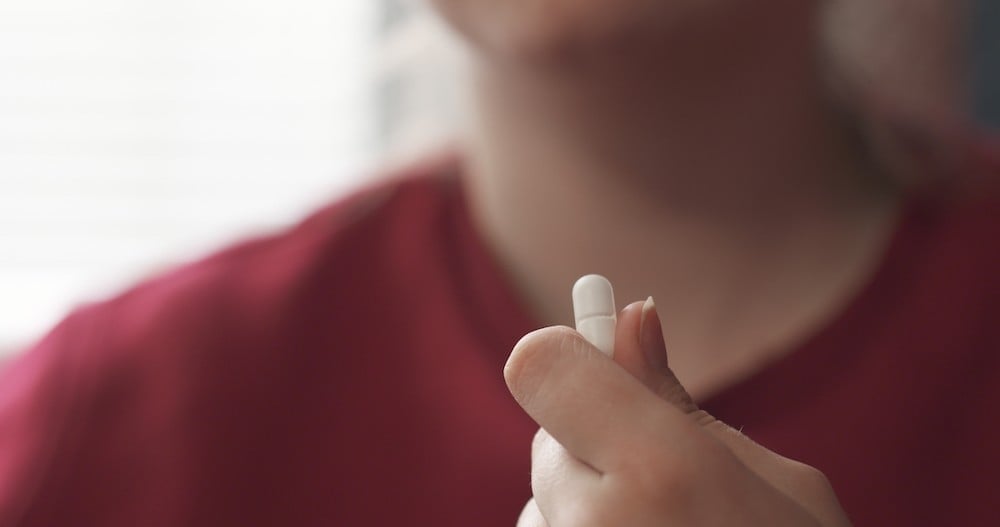
  • Illinois Pain Patients Can Now Swap Opioids For Marijuana

    Illinois Pain Patients Can Now Swap Opioids For Marijuana

    The Opioid Alternative Pilot Program could be a game changer for pain patients in Illinois. 

    Last week, Illinois launched a program that will allow people to get access to legal marijuana to substitute for opioid prescriptions without going through the state’s restrictive medical marijuana program. 

    The Opioid Alternative Pilot Program is said to be the first of its kind. Illinois residents who are 21 or older can get certified from a physician that they have a prescription for opioids, or have a condition that could be treated by opioids. Then, they can access medical marijuana using their state ID. 

    Illinois has a medical marijuana program, but it is very limited and enrolling can be a long, drawn-out process. The Opioid Alternative Pilot Program is meant to bypass delays and help more people deal with pain without opioids, Conny Meuller-Moody, the program’s director, told Rolling Stone.

    “Just halfway through the first day of the launch and we’ve already seen a lot of interest and patients and physicians have successfully registered for the Opioid Alternative Pilot Program. We’re optimistic the program will benefit many Illinois residents and offer them an alternative for managing their pain,” she said. 

    Christine Karhliker, who works at a Chicago-area dispensary, said that patients are excited about the program. 

    “It is a big deal. It’s been a long time coming. Patients have been waiting for this day,” she told Fox 2 News. “I think it’s going to make a difference to the people that don’t want to be on opioids and haven’t been able to break away. It’s going to give them some relief and they’re going to realize I don’t have to have this heavy prescription with all these side effects.”

    Under the program, patients pay $10 to get authorized for 90 days of cannabis use instead of opioid use. They can re-enroll after the initial 90 days, if they would have otherwise received a refill on an opioid prescription. 

    Illinois doctor David Yablonsky said that the medical community is looking forward to the program as well.

    “At least we’ll have an opportunity now as physicians to work with patients to try this instead of these dangerous and potent narcotics, you know opioids,” he said. “I hope it saves lives and that people come in and have a healthy alternative.”

    Sam Dorf, chief growth officer at a Chicago-based marijuana company, said that the program shows that attitudes toward marijuana are changing, particularly in regards to medical use. 

    “With the Opioid Bill, Illinois is at the forefront of recognizing the benefits of cannabis for health and wellness and combatting opioid abuse,” Dorf said. “It will serve as a great pilot program for other states to watch and as they develop their programs.”

    View the original article at thefix.com

  • Man Accused Of Throwing Drug-Fueled "Death Party" For Ailing Wife

    Man Accused Of Throwing Drug-Fueled "Death Party" For Ailing Wife

    The Minnesota man was charged with multiple felonies.

    A Minnesota man was arrested after he allegedly threw a drug-fueled “death party” for his ailing wife who did not want to die in a nursing home. She stopped her medications, they rocked out to Quiet Riot, had sex and did meth. Then, on January 24, she died. 

    Afterward, according to the Mankato Free Press, prosecutors charged 58-year-old Duane Arden Johnson with criminal neglect. 

    It all started a few days earlier, when 69-year-old Debra Lynn Johnson begged her husband to take her out of the transitional care center. She’d had two heart attacks and struggled with diabetes, high blood pressure and mental health problems. But at her request, her husband agreed to take her back to their Searles home against medical advice, according to charging documents. 

    Then, he brought home some drugs, and at some point someone spray-painted the words “Death Parde God Hell” in red on the front door. She couldn’t eat food or drink water, so Johnson used snow to wet the dying woman’s lips. 

    They had sex the morning of January 24, and two hours later she died. Afterward, he wrapped her in linen and left her body at the top of the stairs. He allegedly waited a few hours—to be sure she was dead—before calling 911. 

    When the officers showed up, according to the paper, Johnson ran outside naked to greet them, shouting about his wife’s death. Then, authorities said he ran back inside and hid in the bathtub, trying to scrape “things” off his skin.

    Johnson allegedly told investigators he had 47 guns in the house, and officers recovered four rifles and two shotguns—along with hundreds of rounds of ammunition. Some of the weapons were stolen, he told police. 

    During an initial court appearance, a judge set Johnson’s bail at $250,000. That same day, Brown County Attorney Charles Hanson said that—in addition to felonies for criminal neglect and receiving stolen property—more criminal charges are possible, according to the La Crosse Tribune

    The death appeared suspicious, according to the Twin Cities Pioneer Press, and the Minnesota Bureau of Criminal Apprehension was called in to help with the case.

    View the original article at thefix.com

  • Can A Facebook Break Help Mental Health?

    Can A Facebook Break Help Mental Health?

    A new study examined whether deactivating Facebook could have a positive effect on mental health.

    The connection between social media and mental health is nothing new, as more research implies that regular use of platforms such as Facebook can take a negative toll on users. 

    In fact, a new “Gold Standard” study from Stanford University and New York University researchers indicates that deactivating Facebook can have positive effects on one’s mental health. 

    According to Fast Company, researchers in the study sought out 2,844 Facebook users via Facebook ads. They asked the users to take part in an in-depth questionnaire about “overall well-being, political views, and daily routine.”

    Of those, half were randomly chosen to be paid in order to deactivate their Facebook accounts for a full month. The accounts were monitored to make sure they remained deactivated. Over the four weeks, researchers studied the moods of the participants. 

    “Deactivation caused small but significant improvements in well-being, and in particular on self-reported happiness, life satisfaction, depression, and anxiety,” researchers wrote. “Effects on subjective well-being as measured by responses to brief daily text messages are positive but not significant.”

    Despite the increase in well-being, researchers made sure to note that Facebook is beneficial for users in some cases. 

    “Our participants’ answers in free response questions and follow-up interviews make clear the diverse ways in which Facebook can improve people’s lives, whether as a source of entertainment, a means to organize a charity or an activist group, or a vital social lifeline for those who are otherwise isolated,” they wrote. “Any discussion of social media’s downsides should not obscure the basic fact that it fulfills deep and widespread needs.”

    In conclusion, researchers noted that by not using Facebook, overall online activity was reduced and replaced by real-life activities such as spending time with friends and family and watching Netflix. They also added that participants who deactivated their accounts were found to have “lower levels of political polarization and news knowledge, and an increase in subjective well-being.”

    “We find that while deactivation makes people less informed, it also makes them less polarized by at least some measures, consistent with the concern that social media have played some role in the recent rise of polarization in the U.S.,” researchers wrote. 

    Additionally, researchers found that participants who had deactivated their accounts continued to spend less time on Facebook even in the weeks after the study had ended. 

    “The trajectory of views on social media—with early optimism about great benefits giving way to alarm about possible harms—is a familiar one,” researchers concluded. “Innovations from novels to TV to nuclear energy have had similar trajectories. Along with the excellent existing work by other researchers, we hope that our analysis can help move the discussion from simplistic caricatures to hard evidence, and to provide a sober assessment of the way a new technology affects both individual people and larger social institutions.”

    View the original article at thefix.com

  • Border Patrol Makes Historic Fentanyl Bust

    Border Patrol Makes Historic Fentanyl Bust

    Almost $5 million worth of fentanyl and meth were seized.

    Follow my blog with Bloglovin

    In the reportedly biggest-ever Border Patrol fentanyl bust, agents in Arizona seized more than 250 pounds of the powerful narcotic hidden away in the secret compartment of a truck carrying cucumbers from Mexico.

    The haul of more than 400 packages of drugs included $3.5 million of the high-powered opioid and $1.1 million—nearly 400 pounds—of methaccording to Customs and Border Protection (CBP).

    A drug dog at the Nogales port of entry sniffed out the narcotics on January 26, when a 26-year-old driver tried passing through with his truckload of produce. A secondary inspection uncovered a special compartment in the floor of the trailer, where would-be traffickers had hidden the pricey stash totaling nearly 650 pounds. 

    The fentanyl bust was the largest in the history of the CBP while the meth seizure was the third-largest at an Arizona port of entry.

    The bust came one day after President Trump announced an end to the federal government shutdown that left thousands of government employees furloughed or temporarily working without pay.

    “I want to express my gratitude to the CBP officers involved in this case and Nogales personnel who selflessly perform their duties with dedication, vigilance, and professionalism,” said Nogales Area Port Director Michael Humphries. “This past weekend our CBP officers were able to stop an enormous amount of these deadly narcotics from hitting our streets.” 

    The driver was arrested and turned over to Homeland Security officials, who charged him with two counts of possession with intent to distribute. He is currently in federal custody, though authorities have not identified him.

    The Mariposa commercial crossing sees more than 1,500 trucks per day during the busy winter produce season, when millions of pounds of fruits and vegetables are shipped over the border every day. The size of Saturday’s bust was a surprise, authorities said, even at a high-volume port in the region that typically nets the most seizures of the addictive drug.

    “Normally, the southwest border ports are intercepting the most fentanyl, compared to other ports of entry, airports, seaports, the northern border,” said Guadalupe Ramirez, who oversees all Arizona border crossings, according to USA Today. “In CBP, in the history of CBP, this is the largest fentanyl seizure.”

    View the original article at thefix.com

  • Marijuana Should Be Rescheduled, World Health Organization Says

    Marijuana Should Be Rescheduled, World Health Organization Says

    The UN authority is joining those who are demanding we take another look at marijuana’s classification.

    The World Health Organization (WHO) says that marijuana has been considered a Schedule IV drug, the Single Convention’s most restrictive category, for far too long. They believe marijuana’s current scheduling goes against science, but are making it clear they are stopping short of allowing legalization.

    The international scheduling of drugs was outlined in the Single Convention on Narcotic Drugs in 1961, which categorized drugs as most harmful and restricted for medical use in Schedule I to the more relaxed Schedule III.

    Their pattern is consistent with the United States’ scheduling order, up until Schedule IV. Breaking the pattern, the Single Convention defines Schedule IV drugs as an especially dangerous subset of Schedule I drugs requiring special attention and restrictions.

    Currently, marijuana is dual-categorized as Schedule I federally and a Schedule IV drug internationally, which places it on the same level as synthetic opioids.

    The WHO suggests that the marijuana plant and cannabis resins be taken off of Schedule IV, downgrading it to Schedule I internationally. They also want to explicitly state that CBD preparations with a THC content of lower than 0.2% will be considered as “not under international control” in any way.

    They also suggest that cannabis extracts, tinctures, and pharmaceutical THC compounds be taken from Schedule I down to Schedule III.

    Despite all the rescheduling, the WHO is not recommending that any country legalize marijuana, and in fact would consider such a move a violation of some stricter international treaties. However, the move is an admission that most governments have gotten marijuana wrong.

    “The placement of cannabis in the 1961 treaty, in the absence of scientific evidence, was a terrible injustice,” said legalization advocate Michael Krawitz. “Today the World Health Organization has gone a long way towards setting the record straight. It is time for us all to support the World Health Organization’s recommendations and ensure politics don’t trump science.”

    Despite not explicitly advocating for legalization, this may tip the scales in favor of countries that no longer want to enforce marijuana prohibition. Canada and Uruguay, which have decided to legalize marijuana even before the WHO’s announcement, are expected to support the move. More restrictive countries like China and Russia are expected to disapprove.

    The United States’ federal stance remains to be seen. Despite marijuana being legal in some form in more than half of the U.S., some say President Trump’s Attorney General nominee might go either way.

    View the original article at thefix.com

  • Sober Concert-Goers Band Together In New Mini-Documentary

    Sober Concert-Goers Band Together In New Mini-Documentary

    Music lovers who’ve chosen the sober life are banding together at concerts.

    For some concert-goers, and some of the bands, the musical experience isn’t complete without drugs or alcohol to enhance their enjoyment. This makes it a problem for sober people going just for the music as many won’t understand and respect their choices, nor help discourage them from partaking in the debauchery.

    Enter the sober jam band community, whose main mission is to support those that decide not to drink or use drugs but don’t want to miss out on a great show.

    A new 10-minute student documentary focusing on the sober jam band community documents how they get things done, with a focus on the band Phish and its sober fan club, the Phellowship.

    The Phellowship has a special table at every Phish show, marked by yellow balloons, according to the mini-doc uploaded to Mary Gray Johnson’s YouTube channel.

    “The Phellowship is a group of Phish Heads who choose to remain drug and alcohol free,” the group’s page reads. “The Phellowship has absolutely no opinion on the issue of drugs and alcohol, and neither condemns or condones it. Our simple purpose is to provide ‘phellowship,’ support and information to those who seek the comfort and camaraderie of other clean and sober people at shows.”

    The only requirement to join the table is to remain alcohol and drug-free. While the group is intended for those in recovery, the mission includes anyone who is staying sober at the show. Besides the safe space, the table also offers meetings between sets and guidance from others who are on the same path.

    The Phellowship has provided relief for sober super-fans. One fan interviewed in the film was glad to know they did not have to miss out on the fun.

    “When I got sober a big fear of mine was ‘am I going to have fun again?’ This has definitely been a gateway to fun for me,” said Greer G.

    Others are just glad to have a great time with like-minded company.

    “To be able to still go to shows, know that there’s other people like that with you that you could just rage with, dance the whole show with, have the best time but stay sober [is incredible],” gushed another fan.

    Other bands also have their own sober fan groups. The Wharf Rats are fans of the Grateful Dead, and now Dead & Company. The Jellyfish love the band The String Cheese Incident.

    These groups are living proof that music fans don’t have to be wasted to have fun.

    View the original article at thefix.com

  • "Don’t Punish Pain" Rallies Held Across The Nation

    "Don’t Punish Pain" Rallies Held Across The Nation

    Pain patients gathered around the US to bring attention to the damage caused by restrictive opioid prescribing guidelines.

    While the opioid epidemic has claimed thousands of lives, the regulations meant to stem the death toll are having unintended consequences for people who live with chronic pain, according to people who rallied across the country Tuesday Jan. 29 as part of the “Don’t Punish Pain” event. 

    In Concord, New Hampshire, Lauren Benson was one of the younger people at the rally. Nine years ago, when she was just 23, Benson injured her back working as an EMT, and has been disabled since.

    She told The Union Leader that she and many other people who need opioids to control their pain have a harder time accessing the drugs because of tightening prescription regulations. This is especially frustrating for pain patients who have used opioids responsibly for decades, she said. 

    “They’ve been on pain medication longer than I’ve been alive and all of a sudden it’s: ‘No, stop, no more for you.’ What are they supposed to do? They’ve been taking their meds properly.”

    Many pain patients are afraid that they won’t be able to access the pills that make their lives bearable. Many have already had doctors taper their dosage or have had to go through humiliating questioning and drug tests to get their opioids. 

    “For over 10 years, I took the same dose and because of the Oklahoma opioid task force, my doctor had to cut my prescription by 75%,” Patrick Burdette, who attended a rally in Oklahoma City, told Fox 25 News. “It caused me to sit at home in bed most days.”

    There’s a misconception that pain patients can choose alternatives to opioids, according to many patients, who say that this isn’t an option for everyone. 

    “My physical therapist would come to my house and I just basically sat there and cried because the pain was so bad,” said Patty Loveless, who was also at the Oklahoma rally. 

    In Tucson, Arizona, one patient carried a sign proclaiming that pain patients are “afflicted, not addicted,” according to The Tucson Sentinel

    “You know that horrific pain that takes about a minute or so to go away?” said Debra Hickey, whose doctor recently reduced her pain medications. “Can you imagine if you were in that kind of pain 24/7 with no opioids? That’s the pain I’m in.”

    In 2016, the Centers for Disease Control and Prevention issued guidelines about the amount of opioids that most patients should be on. This year, Medicare has plans to further restrict access to opioids. However, pain patients say that their lives are being negatively-affected by these well-intentioned measures. 

    “It is borderline genocide,” Lauren DeLuca, founder of the Chronic Illness Advocacy and Awareness Group, told The Fix last year. 

    View the original article at thefix.com

  • Cocaine Exposure In London River Triggers Eels

    Cocaine Exposure In London River Triggers Eels

    A study found that exposure to cocaine in the water can make fish and eels “hyperactive,” and deteriorate their bone structure. 

    London residents use so much cocaine that the drug is often found in the waters of the River Thames, possibly affecting eels and other wildlife in the river. 

    Researchers from King’s College London said that cocaine and other class A drugs were detected in the water 24 hours after sewer overflow events, according to The Independent.  

    During those events, the city’s water purification system can’t keep up, meaning that some raw sewage can make it into the river. Cocaine and other drugs from people’s urine can thus end up in the water. 

    James Robson, a senior curator at the SEA LIFE London aquarium, said the drugs likely have some effect on wildlife. 

    “Drugs which affect us will almost always affect all animal life, and invertebrates a little bit more because their biochemistry is much more sensitive,” he said. “Essentially everything in the water will be affected by drugs like these. A lot of the triggers and the ways that cocaine affects the system is really primal.”

    A study found that exposure to cocaine in the water can make fish and eels “hyperactive,” and deteriorate their bone structure. 

    “This study shows that even low environmental concentrations of cocaine cause severe damage to the morphology and physiology of the skeletal muscle of the silver eel, confirming the harmful impact of cocaine in the environment that potentially affects the survival of this species,” study authors wrote

    However, Robson said it wouldn’t be accurate to say that the wildlife is getting high. 

    “You haven’t got a lot of disco-dancing fish down the bottom of the Thames,” he said. Although authors of the hyperactivity study said that the fish they studied were exposed to similar levels of cocaine that are found in the water, Robson said that the fish in the study were exposed to higher levels of cocaine, which may explain their greater reactions. 

    London has high rates of cocaine use, and European studies have found that sewage in the city has high levels of the drug. In addition to cocaine, London waters also contain lots of caffeine, which researchers said “was so high that it lay outside of the quantifiable range.”

    While the research about cocaine and caffeine in the waters has spawned some interesting headlines, Robson said that it is relatively unimportant compared to other issues affecting the health of the River Thames and other waterways. 

    He said, “Before you would worry about something like caffeine increasing the heart rate, I would be much more concerned about things like climate change affecting the temperature and plastics pollution. Those do much more significant damage to the ecosystem.”

    View the original article at thefix.com

  • Some San Francisco IV Drug Users Choose Fentanyl Over Heroin, Report Says

    Some San Francisco IV Drug Users Choose Fentanyl Over Heroin, Report Says

    Harm reduction advocates in the city urge IV drug users who choose to use fentanyl to run additional drug tests to “see what else might be in the mix.”

    The synthetic opioid, fentanyl, currently tops the list of drugs with the greatest likelihood of causing a fatal overdose; more than 18,000 people died from fentanyl-related overdoses in 2017, according to a report from the National Center for Health Statistics. Fentanyl’s lethal potential has been the subject of countless media stories.

    But a recent article on Stateline, the Pew Charitable Trust’s research and analysis blog, reported that some IV drug users in San Francisco’s Tenderloin district are actively choosing fentanyl over heroin.

    City health officials state that a number of factors have contributed to the drug’s popularity, including a low death rate, a degree of transparency among dealers and a sizable supply of the overdose reversal drug Narcan from local health and harm reduction groups.

    While much of the country saw fentanyl enter the illicit drug market in the mid-2010s, it wasn’t widely available in California until 2015. But as the Stateline article noted, the toll taken on California’s drug community—and in particular, on San Francisco IV drug users—wasn’t as severe as the wave of deaths that swept through New England and the Appalachian region.

    Figures from 2016 show that the California death rate that year hovered at 4.9 deaths per 100,000 persons, while the national death rate was 13.3 deaths per 100,000.

    Part of the reason for the lower numbers can be attributed to treatment and prevention efforts. The Stateline blog noted that California expanded Medicaid to low-income adults in 2010 and established a strong baseline of treatment options in subsequent years. San Francisco, in particular, has open lines of dialogue between drug users that help to guide the city’s health policy.

    “San Francisco’s harm reduction community systematically talks to drug users about their preferences and experiences,” said Daniel Raymond, policy director of the national Harm Reduction Coalition. “[They] continuously feed that information to the San Francisco Department of Health, which uses that intelligence to inform its message and overdose prevention strategies.”

    When the drug arrived in San Francisco in 2015, public health and harm reduction groups banded together to increase treatment options, availability to Narcan and drug testing strips, and outreach programs. The drug is also clearly labeled by dealers, so there is less of a chance of accidental ingestion, and its street cost is lower than heroin. As a result, fentanyl is the drug of choice for about half of Tenderloin users, as well as those in some neighboring communities.

    “For drug users, it’s just like you or I making decisions about the products we choose when we grocery shop,” said drug test administrator Kristen Marshall in the Stateline article. “Fentanyl is stronger, you need less of it, and it’s cheaper. So why wouldn’t I, as somebody with limited funds, want to spend my money on something that’s a better value and therefore a better product?”

    To be clear, fentanyl remains a dangerous drug, even more so than heroin. And many Tenderloin drug users avoid it, especially those who overdosed on other drugs laced with fentanyl. But for those that deliberately choose it, Marshall said that a policy of less-is-more appears to work.

    “Use less of it, use it slower, use it with other people, and keep Narcan with you,” she said. “It’s also important to test your drugs. Even if you know you’re getting fentanyl, you need to run additional tests to see what else might be in the mix.”

    View the original article at thefix.com

  • Young People With Opioid Addiction Face Barriers To Treatment

    Young People With Opioid Addiction Face Barriers To Treatment

    Access to medication-assisted treatment is a major issue for young adults with opioid addiction.

    Opioid use among minors has drastically increased since the 1990s—parallel to adult use—yet young people with opioid addiction are largely without access to proper treatment.

    Yale University published a study revealing that nearly 9,000 minors (20 years old and under) in the U.S. died from prescription and illicit opioid poisonings between 1999 and 2016. The related mortality rate increased almost 270% during that same time period, and were mostly unintentional overdoses of kids ages 15 to 19.

    The youth in the study were addicted to and dying from the same opioids as adults, including fentanyl, the deadly drug that is often mixed in with other opioids.

    The National Institute on Drug Abuse writes that research shows that when treating opioid addiction, medication should be the first line of treatment, in tandem with behavioral therapy or counseling. The accepted medications to treat opioid addiction are buprenorphine, naltrexone and methadone.

    Lindsey Vuolo, associate director of health law and policy at the Center on Addiction, assured US News & World Report that these medications work.

    “Overall, approximately 50% of patients who receive medications for opioid addiction are successfully treated, while less than 10% of patients are successfully treated without these medications,” she said. Yet many rehabs do not offer any medication-assisted treatment.

    Adolescents with opioid addiction have an even more difficult road than adults in becoming aware of and accessing medication-assisted treatment.

    Dr. Scott Hadland, a pediatrician, assistant professor at Boston University and researcher at Boston Medical Center’s Grayken Center for Addiction, spoke with US News about the results of his study on opioid treatment and youth.

    Hadland and others looked at close to 5,000 Medicaid-enrolled young people between the ages of 13 and 22 with a diagnosed opioid use disorder in 2014 and 2015. The results were clear: less than a quarter received medication for their treatment within three months of being diagnosed, with most of the youths receiving only behavioral health services. A mere 5% of those under age 18 received timely treatment with medication. 

    Dr. Sharon Levy, director of the Adolescent Substance Use and Addiction Program at Boston Children’s Hospital and an associate professor of pediatrics at Harvard Medical School, was the lead author of the American Academy of Pediatrics’ 2016 recommendations that called for “increasing resources to improve access to medication-assisted treatment of opioid-addicted adolescents and young adults.”

    The recommendations urged pediatricians to consider offering medication as treatment for young patients with severe opioid use disorders. Levy says that negative perceptions about medicated-assisted recovery (that the person is replacing one addiction with another) are outdated and the benefits of the medications outweigh any associated risks.

    “Policies, attitudes, and messages that serve to prevent patients from accessing a medication that can effectively treat a life-threatening condition may be harmful to adolescent health,” her AAP article states.

    Naltrexone is approved by the Food and Drug Administration for patients age 18 and older, and buprenorphine is approved for patients 16 and older.

    View the original article at thefix.com