Tag: News

  • Marijuana Legalization Remains Low Priority For Most Americans

    Marijuana Legalization Remains Low Priority For Most Americans

    Only 2% of Americans polled said that legalization was an important issue for them when deciding who they will vote for in the 2020 election.

    While more Americans than ever are in favor of legalizing recreational marijuana, most believe that there are more pressing priorities that the government needs to focus on, according to polling. 

    Last fall, Gallup released a poll showing that for the first time ever two-thirds of Americans said that they are in favor of legalizing recreational marijuana

    “Like support for gay marriage—and in prior years, interracial marriage—support for marijuana legalization has generally only expanded, even if slowly, over the course of multiple decades—raising the question of where the ceiling in support might be,” the Gallup poll concluded. “As the percentage of Americans who favor legalizing pot has continued to grow, so has the number of states that have taken up legislation to allow residents to use the substance recreationally.”

    Despite that, Americans don’t seem to think that legalizing marijuana is a priority for the government right now. A recent CNN poll asked voters to rank what issue is most important to them when deciding who they will vote for in the 2020 election. Just 2% said marijuana is the most important issue for them. 

    Likewise, in a Gallup poll released in February asking Americans about the biggest problems the country faced, no respondents mentioned marijuana policy. Interestingly, the opioid epidemic also did not rate in that poll. Instead, Americans are mostly concerned about “the government/poor leadership,” immigration and healthcare. 

    A Pew poll from January asked what the government’s priorities for 2019 should be. In that poll, marijuana policy did not rank, but 49% of respondents said that addressing “drug addiction” should be a top priority. 

    Despite the fact that very few Americans believe that marijuana policy should be prioritized by the government, it has become an issue for 2020 presidential candidates and other political hopefuls.

    U.S. Senator Kamala Harris, a Democrat from California who is running for president, has spoken out in favor of legalization. 

    “Something else it’s past time we get done is dismantling the failed war on drugs—starting with legalizing marijuana,” she wrote in her book, The Truths We Hold: An American Journey. “We need to legalize marijuana and regulate it, and we need to expunge nonviolent marijuana-related offenses from the records of millions of people who have been arrested and incarcerated so they can get on with their lives.”

    The World Health Organization has also called for marijuana to be rescheduled into a less restrictive class. 
    View the original article at thefix.com

  • HIV Prevention Pill Offered to Opioid Users in Philadelphia

    HIV Prevention Pill Offered to Opioid Users in Philadelphia

    A recent op-ed makes the case that Philly doctors should evaluate all medication-assisted treatment patients for PrEP. 

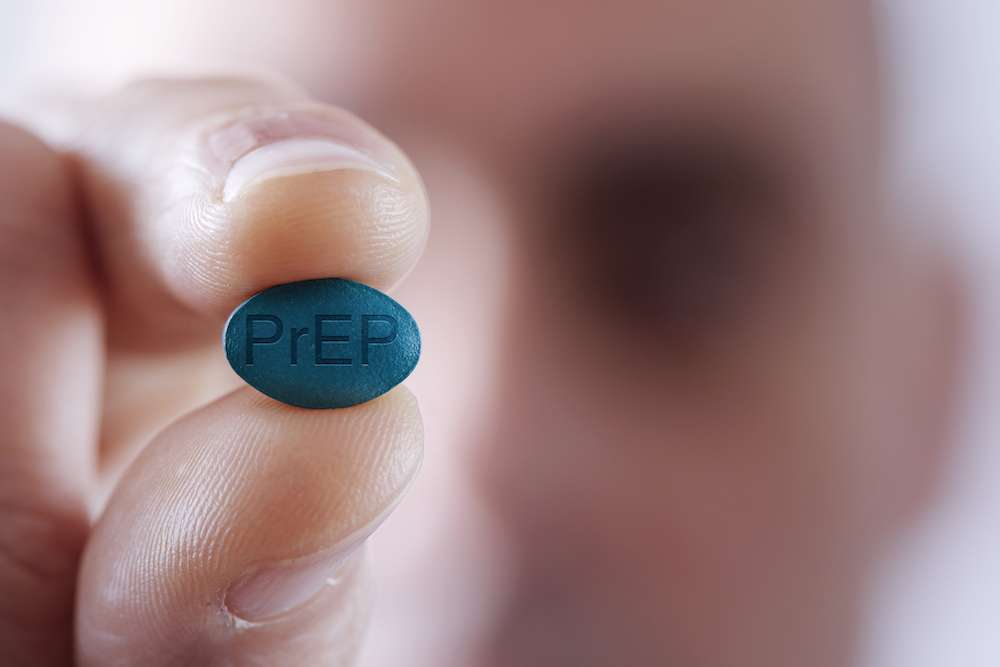
    An increase in the number of IV drug users infected with HIV in Philadelphia has spurred the city’s health department to train medical providers in the use of pre-exposure prophylaxis (PrEP), a pill that can prevent HIV infection.

    An op-ed piece in the Philadelphia Inquirer suggested that making PrEP and medication-assisted treatment (MAT) available to this demographic could not only provide much-needed assistance to an at-risk population, but as the story’s author noted, would also place Philadelphia at the forefront of helping to prevent the spread of HIV among that demographic. 

    The Inquirer noted that while the overall number of new HIV cases has been on the decline since the mid-2000s, with current statistics showing that 19,199 Philadelphia residents live with HIV, the number of individuals who acquired HIV through IV drugs rose from 45 cases in 2017 to 61 in 2018.

    The newspaper also cited a study by the National HIV Behavioral Surveillance System, which linked the rise in new infections to a high number of sex workers in Philadelphia. According to the study’s findings, 51% of women with new infections and 30% of male subjects had traded sex for money, drugs or other goods.

    Coverage of the rise in cases by the Philadelphia Tribune found that city health agencies have increased education efforts regarding the use of PrEP among HIV patients. These include the Philadelphia Department of Public Health, which trained doctors in areas with high rates of HIV about talking to their patients about the medication.  

    The non-profit syringe exchange program Prevention Point worked directly with IV drug users to let them know about how to get PrEP. The Tribune piece noted that the emergency departments of Temple University Hospital and Episcopal Hospital offered screenings for HIV and STDs. 

    The city’s Federally Qualified Health Centers and many primary care physicians offer PrEP as well. If the patient is found to be HIV-positive, doctors at these hospitals, centers and practices work with the individual to begin immediate treatment with PrEP. The medication is fully covered by most health plans, and when taken under the supervision of a medical provider, has reportedly few to no side effects.

    Despite this, the Inquirer op-ed noted that many local providers and treatment centers may not be aware of the availability of MAT with PrEP for HIV. The story advocated consistent referral of the medication to not only stem the tide of new cases, but to establish Philadelphia at the forefront of such treatment.

    “These type of local emerging best practices offer a way bridging national policy, clinical guidelines, local contexts and patient choice,” wrote the op-ed’s author, Kevin Moore, who serves as director of care coordination at ARS Treatment Centers.

    View the original article at thefix.com

  • Ohio Bill To End Death Penalty For Those With "Serious Mental Illness"

    Ohio Bill To End Death Penalty For Those With "Serious Mental Illness"

    The bill would also allow all prisoners on death row within the state to petition for resentencing.

    A bipartisan bill would ban the death penalty in Ohio for anyone found to have “serious mental illness,” which the bill limits to diagnosed schizophrenia, schizoaffective disorder, bipolar disorder, major depressive disorder or delusional disorder.

    It must also be determined that said mental illness “significantly impaired the person’s capacity to exercise rational judgment” during the moment of the crime.

    The bill, which is currently making its way through the Ohio legislature, would also allow all inmates on death row within the state to petition for resentencing under this new policy. Prosecutors are opposing the bill based on the concern that death row inmates will use this as an opportunity to delay their sentence. Allen County Prosecutor Juergen Waldick testified that it’s “likely that every single person on death row would file such a motion,” which could overwhelm the courts.

    However, the bill is supported by multiple mental health professional and advocacy groups, including the Ohio Psychological Association, the Ohio Psychiatric Physician’s Association and the National Alliance on Mental Illness of Ohio (NAMI Ohio).

    “People with these mental illnesses don’t always know what they’re doing,” said NAMI Ohio Executive Director Terry Russell. “We don’t think it’s ethically or morally right to take their life because of it.”

    Bill sponsor, Republican Rep. Brett Hudson Hillyer, argued that most Ohioans “will concede executing an individual found to be suffering from a serious mental illness at the time of the crime is neither fair nor just, and this punishment should be reserved for those who have intentionally done.”

    A report by the Charles Hamilton Houston Institute for Race and Justice at Harvard University found that 75% of executions in 2015 involved defendants and situations of “crippling disabilities and uncertain guilt.”

    Seven of the 28 cases examined surrounded individuals who were found to have serious mental illnesses. Additionally, five executed prisoners had experienced “extreme” childhood trauma or abuse.

    One individual had been classified by the Veterans Administration as being 100% disabled due to severe PTSD resulting from his service in the Vietnam War.

    Defendants found guilty of capital offenses who are found to have severe mental illnesses will still be given harsh sentences such as life in prison without parole or life in prison with parole eligibility after 25 or 30 years.

    Proponents of the bill have stressed that people who commit crimes while being mentally ill will still be held responsible for their actions. However, they argue that treatment is a better option for these individuals than execution.

    “The stigma of these illnesses is so misunderstood in the community,” Russell said. “When the law is broken, we’re not going to use mental health as an excuse. We send them to treatment facilities instead of prisons.”

    View the original article at thefix.com

  • Loopholes May Lead FDA to Block New Buprenorphine Alternatives

    Loopholes May Lead FDA to Block New Buprenorphine Alternatives

    Despite an ongoing epidemic, alternatives to Sublocade are not allowed to enter the market.

    Thanks to so-called “orphan drug” legal loopholes, Sublocade might be the only buprenorphine product on the market until 2024.

    For any medical issue, patients have to try different avenues of treatment to find the most effective one. This need for alternatives is especially important for finding treatments for opioid addiction considering the crisis is taking around 130 lives in the U.S. each day.

    “It’s important to have multiple different treatment options for different patients, different circumstances,” says Carolyn Bogdon, a South Carolina-based family nurse practitioner.

    Several methods for opioid addiction treatment exist. For example, there is the daily dosing of methadone or the once-monthly Vivitrol injection. Another alternative is buprenorphine, an opiate that blocks the same receptors that opioid painkillers would without providing the high. It can be taken as a film or tablet once or twice a day.

    One buprenorphine product, called Sublocade, only needs to be taken once a month. Currently, there aren’t any comparable alternatives, but that’s not for lack of competition. A company called Braeburn has produced at least one long-lasting buprenorphine alternative, called Brixadi, but it just can’t be sold right now.

    “It’s ready for market now,” said Mike Derkacz, CEO of Braeburn. “We are deemed safe and effective by FDA, but we are unable to make the product available to patients during this crisis.”

    When Sublocade was released in 2017, it enjoyed three years of exclusivity as part of the standard allowance for any new drug. However, Sublocade seems to be in line to get seven years of exclusivity as the FDA may consider it an orphan drug.

    Typically, an orphan drug is defined by the FDA as a medication that treats ailments that affect less than 200,000 people a year. Technically speaking, the opioid crisis does not qualify, with 2.3 million people addicted and 47,000 who died in 2017 alone.

    The decision to consider Sublocade an orphan drug is made even more perplexing to Derkacz by the fact that the Trump administration declared the opioid crisis a national emergency.

    “There have been studies that show a reduction in mortality by 40% with buprenorphine,” claimed Derkacz. “That keeps people alive. That gives people a chance to get back to their lives and recover fully.”

    Drugs like Sublocade and Brixadi are especially useful for people who can’t or don’t want to take daily doses of methadone.

    “It provides a little bit more anonymity for patients that don’t want to disclose that they have an opiate use disorder,” said Michelle Lofwall, a Kentucky-based psychiatrist.

    “Some patients have felt stigmatized when going to the pharmacy, like they don’t feel like they’re necessarily treated all that well once they show their prescription.”

    View the original article at thefix.com

  • Slipknot Drummer’s Daughter Dies Days After Posting Sobriety Chip

    Slipknot Drummer’s Daughter Dies Days After Posting Sobriety Chip

    Her family asks that people not pry and speculate during their time of mourning.

    Gabrielle Crahan, the youngest daughter of Slipknot drummer Shawn Crahan, has died at 22 years old. Her sudden passing came just days after she shared a photo of her five month sobriety chip on Instagram.

    “FIVE MONTHS,” Gabrielle wrote in the caption of her photo of the red Alcoholics Anonymous chip.

    Shawn, who is known as “clown” in Slipknot, shared the news on the band’s official Instagram account.

    “It is with a broken heart, and from a place of the deepest pain, that I have to inform all of you that my youngest daughter, Gabrielle, passed away yesterday – Saturday May 18th, 2019. She was 22 years old,” he wrote alongside a black-and-white photo of Gabrielle. “Funeral arrangements will be forthcoming. My family and I ask that our privacy be respected moving forward. Thank you. Much love, clown.”

    Gabrielle’s older sister, Alexandria, also shared words of mourning. Posting a childhood photo of herself and Gabrielle, she lamented the loss.

    “Yesterday my little sister Gabrielle passed away. I am in shock and have no idea how to process the wave of emotions I am experiencing. The comforts I have in these moments are my family, friends, and cats,” she wrote. “Please put good energy out for my parents and my brothers. This loss leaves the biggest hole and our lives will never be the same. 22 is too young to die.”

    Alexandria also took it upon herself to combat the prying questions around whether Gabrielle died of an overdose or suicide.

    “She died yesterday. Stop speculating stop with the assumptions if you’re going to be negative, leave my family alone,” Alexandria wrote.

    Gabrielle’s actual cause of death has not yet been made public knowledge.

    This is not the first time that members of Slipknot have been affected by addiction. The band’s lead sober singer, Corey Taylor, has long struggled with addiction, as he’s shared before. Paul Gray, Slipknot’s bassist, tragically died of an overdose in 2010. Gray’s doctor was eventually held accountable for enabling Gray’s Xanax addiction.

    “I just knew it was his drug of choice, that he’d struggled with it,” said his widow, Brenna Gray. “So I just wasn’t really sure why he was on it, why he needed it along with the medication he was taking for addiction.”

    View the original article at thefix.com

  • Weezer, Pete Wentz Join #MyYoungerSelf Mental Health Campaign

    Weezer, Pete Wentz Join #MyYoungerSelf Mental Health Campaign

    Weezer, Pete Wentz from Fall Out Boy and producer/songwriter Butch Walker are the latest to create videos for the campaign.

    The Child’s Mind Institute’s annual #MyYoungerSelf campaign aims to raise mental health awareness by providing a platform where celebrities can get candid about overcoming their struggles, and share what they would tell their younger selves about their mental health journey today. 

    Members of the band Weezer, Pete Wentz from Fall Out Boy, and producer/songwriter Butch Walker are the latest to create videos for #MyYoungerSelf, in the hopes that young people will find comfort in their advice.

    As Rolling Stone reports, Weezer bassist Scott Shriner describes himself in his childhood years as “super sick, different and weird.” He was full of self-hatred and “scared of everything, [I] hid under the bed when it was time to go to school.”

    In the video, Shriner encourages young people to “find something that you really enjoy and just work really hard at it and know that you’re not alone and that you’re not always going to feel that way. If I knew then how I would turn out now, I probably could’ve relaxed a little bit… Find some of the weirdos like you to talk to.”

    Wentz also said, “It’s super normal to be unsure of yourself and feel lonely. One of the things I would have told myself 10 or 20 years ago is that it’s alright to feel that anxiety, it’s alright to feel down, but you’ve gotta know that tomorrow might have a different feeling.” He also said, “It’s important to know that you can reach out to people. Sometimes you start feeling like, ‘I’m feeling down, and I’ll just keep it to myself.’ I think it’s important to reach out to your friends.”

    Walker, who has worked with Fall Out Boy and Weezer, among other bands, recalled coming from a small town “and feeling different… it was a lot of people who were scared out of the box of being ‘normal’ and scared to like things that other people didn’t necessarily like or weren’t into. I gravitated toward doing things and loving things that a lot of my friends did not. And because of that I got made fun of a lot—ridiculed, teased, mocked.”

    Yet Walker today says, “I know I’m not alone,” and now his son also has to deal with being “different” at school.

    “I guess the bottom line here is I want to tell you, ‘Don’t be afraid to be different. Don’t be afraid to challenge yourself.’ Just love what you love, and be yourself because everyone else is taken.”

    View the original article at thefix.com

  • Ohio Officials Issue Warning After Spike In Drug Overdose Deaths

    Ohio Officials Issue Warning After Spike In Drug Overdose Deaths

    Fentanyl is widely believed to be the major cause of a recent overdose wave that hit multiple Ohio counties.

    Ohio law enforcement and health officials are warning residents to be extra cautious around illicit drugs, following a spike in overdoses this week that officials believe was caused by fentanyl found in cocaine and methamphetamine. 

    On Sunday (May 19), officials in Hamilton County, which includes the city of Cincinnati, warned about a spike in overdoses. The county saw at least 15 emergency room visits caused by overdoses in the 24 hours leading up to 6 a.m. on May 19.

    “Fentanyl continues to be a major cause of overdose and is being mixed with cocaine and meth,” Tom Synan, a local police chief, said in a Facebook post sharing the press release. “Stopping fentanyl coming into the country should be the national priority. This will continue until it is. More needs to be done.”

    In the release, officials warned law enforcement to not field test drugs, and to use safety equipment like gloves. The warning encouraged people to carry extra doses of the overdose drug Narcan, and to administer it any time someone was overdosing, even if they didn’t think they had ingested opioids. It also encouraged active drug users to take precautions like never using alone.

    In addition, it warned people not to leave the hospital against medical advice after receiving Narcan, the opioid overdose-reversing drug, since certain opioids can last longer than the drug and people can possibly overdose again hours after receiving it. 

    On May 23, officials in Cuyahoga County, which includes Cleveland, issued a similar warning. There, seven people died from overdoses over two days, according to Fox 8 Cleveland

    “The recent spike in overdose deaths, which has also been noted across Ohio, is concerning and still likely a result of fentanyl. Fentanyl is continuing to impact our communities, both in the City of Cleveland and suburbs,” said Dr. Thomas Gilson, Cuyahoga County medical examiner, in a statement on Thursday (May 23). 

    In a post sharing that statement, Synan wrote, “Fentanyl is still cause of immediate OD/deaths on its own in cocaine & meth. Those using any street drugs should carry Narcan. If you use drugs no matter where you live, your race or religion—fentanyl could be in your drugs. Almost half of OD deaths across the country involving cocaine and meth have had fentanyl in it or used with it. You don’t know what’s in your drugs. Even if you do—you are not being ‘safe’ with illicit fentanyl. No illicit drug is ‘safe.’”

    View the original article at thefix.com

  • Austin Eubanks, Columbine Survivor, Discussed “Emotional Pain” Before His Passing

    Austin Eubanks, Columbine Survivor, Discussed “Emotional Pain” Before His Passing

    Back in April, Eubanks spoke about addiction and trauma at a harm reduction summit. 

    The recent passing of Austin Eubanks, a school shooting survivor who became a vocal advocate for mental health and substance use disorder, was a jarring reminder that recovering from trauma and addiction is a lifelong battle.

    Eubanks, who survived the Columbine High School shooting of 1999, turned the traumatic event that unfolded that day—and his ensuing battle with addiction—into a calling to help others.

    In April, a little over a month before his untimely passing, Eubanks spoke at the Kentucky Harm Reduction Summit. “We live in a culture today that is ill-equipped to address emotional pain in a healthy fashion,” he told attendees, USA Today reported.

    Jeff Howard, the director of the Kentucky Department of Public Health, helped bring Austin to the summit to speak about addiction.

    “It’s an unbelievably heartbreaking scenario, just incredibly sad,” said Howard. “Frankly, it reinforces the message: Even when people seem like they have it together, you have to understand that this disease is chronic and relapsing.”

    Howard mentioned no sign of trouble when he saw Austin at the summit. “For those who suffer from this disorder, it’s a constant battle day in and day out. It’s a lesson to us all, that even when someone seems well, they still need our support.”

    Just this year, Austin had already attended speaking engagements in Florida, Vermont, Georgia, Connecticut and more, with future engagements in Idaho, Iowa and Arizona planned for the summer.

    Eubanks died some time last weekend, found in his home in Steamboat Springs, Colorado. He was 37 years old. While the cause of death has not yet been determined, his family released a statement saying that Austin “lost the battle with the very disease he fought so hard to help others face.”

    The Littleton community, where Columbine High School is located, recently marked the 20th anniversary of the Columbine shooting in April. Then, in early May, there was another shooting at Highlands Ranch STEM School, just a 15-minute drive from Littleton.

    “It’s incredibly difficult to find hope when this kind of thing keeps happening,” said Zachary Cartaya, 38, a former classmate of Austin’s. Cartaya, too, struggled with depression and suicidal thoughts after the shooting. He has since co-founded The Rebels Project, connecting trauma survivors with each other and with professional counseling.

    A supportive community can lift up someone who is going through it alone. People like Austin, who even years later are living with horrific trauma, need support. “Here’s someone 20 years later who had all these demons and was taken as a result,” said Frank DeAngelis, the principal of Columbine at the time.

    Eubanks’ family said in their statement that they will “continue his work” to help build communities of support.

    View the original article at thefix.com

  • Can Psychedelics Help You Kick Alcohol?

    Can Psychedelics Help You Kick Alcohol?

    Results of a new survey have convinced some researchers that psychedelics had “the potential for dramatic change.”

    Using psychedelics can help some people kick their problematic drinking habits, according to new research. 

    “Although results cannot demonstrate causality, they suggest that naturalistic psychedelic use may lead to cessation or reduction in problematic alcohol use, supporting further investigation of psychedelic-assisted treatment for [Alcohol Use Disorder],” wrote the authors of the study, published in the May issue of the Journal of Psychopharmacology

    The study relied on an online survey of people who had a history of problematic drinking that met the criteria for alcohol use disorder, according to Psychology Today. The participants had to have “used psychedelics outside of a university or medical setting, followed by reduction or cessation of subsequent alcohol use.”

    Overall, 343 people met the criteria and participated in the study. Only 10% had used psychedelics—most commonly LSD or mushrooms—to try to reduce their drinking. Yet more than 25% agreed that using the drugs let to a “change in values or life priorities, which… helped change their alcohol use.” On average, participants reported that they went from consuming 26 drinks per week to just 4, and 83% no longer met the diagnostic criteria for alcohol use disorder. 

    “Findings indicate that, in some cases, naturalistic psychedelic use outside of treatment settings is followed by pronounced and enduring reductions in alcohol misuse,” the study authors wrote.

    They noted that the survey indicated that psychedelics had “the potential for dramatic change.”

    One participant explained that using psychedelics “allowed me to feel whole again and forced me to reconnect with emotional trauma. It gave me insight into the nature of addiction and how it enslaves us—physically, mentally, and spiritually. Addiction numbs us to any kind of growth as a human being.”

    Others said that after using the drugs they were able to see that the long-term benefits of sobriety were more important than the short-term desire to drink.

    Study authors speculated that using psychedelics could help people connect with their spirituality, which in turn helped them stay sober. 

    “Spirituality has long been thought to play an important role in recovery from alcohol dependence, and has been posited as a protective factor against alcohol misuse,” they wrote. “Spirituality and spiritual practice have also been found to correlate with abstinence in alcohol dependence recovery. Though a major focus of research on spirituality and alcohol misuse has been on Alcoholics Anonymous (AA) and 12-step programs, psychedelics may represent an alternative path to spiritual or otherwise highly meaningful experiences that can help reframe life priorities and values, enhance self-efficacy, and increase motivation to change.”

    View the original article at thefix.com

  • CBD May Help Curb Heroin Cravings

    CBD May Help Curb Heroin Cravings

    A new study examined whether CBD oil could curb heroin cravings for long-term users.  

    Cannabidiol, a compound of marijuana commonly known as CBD, is effective at reducing anxiety and cravings in people who are dependent on heroin, according to a new study that could potentially open up new means of treating opioid use disorder. 

    As part of the study, researchers gave heroin users doses of CBD in the form of Epidiolex, an FDA-approved cannabis-based medication. They received doses for three days, with follow-up doses over a two-week period.

    The study participants were long-time heroin users with an average history of 13 years of heroin use, who had not successfully stayed clean for more than a month, according to CNN

    Researchers found that people who received CBD had 2 to 3 times fewer cravings for heroin than people on a placebo, and also had less stress hormones. 

    Lead researcher Yasmin Hurd, director of the Addiction Institute of Mount Sinai in New York, said that reducing cravings can help people stay sober. 

    “The intense craving is what drives the drug use,” she said. “If we can have the medications that can dampen that [craving], that can greatly reduce the chance of relapse and overdose risk.”

    Hurd was careful to point out that the study participants were using a regulated medication, not traditional marijuana. “We are developing a medicine,” she said. “We are not developing… recreational cannabis.”

    Psychiatrist Julie Holland, former assistant professor of psychiatry at the New York University School of Medicine, said that the study—though small—is very important. 

    “This is an extremely significant paper. We need to utilize every possible treatment in helping people with chronic pain to find other ways to manage their symptoms and in people with opiate addiction to find relief,” she said. “CBD not only manages the anxiety and cue/craving cycle, it also diminishes the original pain and inflammation that leads to opiate use in the first place.”

    Hurd said that the study indicated that CBD could be a better alternative to current medication-assisted treatment options like methadone or buprenorphine. Those medications are opioids that can be abused, so their use is tightly regulated. CBD could offer a less restrictive form of medication-assisted treatment. 

    “It’s not addictive. No one is diverting it. It doesn’t get you high, but it can reduce craving and anxiety,” Hurd said. “This can really help save lives.”

    Although some states allow medical marijuana as a treatment for opioid use disorder, there has been controversy over whether cannabis is helpful for people with opioid addiction.

    In March, National Institute on Drug Abuse (NIDA) Director Nora Volkow said that there is no evidence that cannabis can help treat opioid addiction. 

    View the original article at thefix.com