Author: It’s Time to Log Off

  • 6 Tips for Distance Learning during Lockdown

    6 Tips for Distance Learning during Lockdown

    6 Tips for Distance Learning during Lockdown

    One of the new challenges presented by lockdown measures is that of distance learning. With schools and universities generally closed, students are having to resort to attending class, watching lectures and turning in assignments all online.

    Loss of routine, unfitting environments and just all-out strangeness of the present situation can make concentrating on education right now very difficult. However, with it uncertain how long the lockdown will continue for, we all need to be able to adapt and adjust so we can find how to stay engaged, keen and productive in these overwhelming times. Here are 6 tips to make distance learning just that little bit easier:

    #1 Structure it

    With nowhere we have to be, our days can have very little structure. This can result in long, drawn out and distraction-heavy study sessions. To keep your sessions brief but productive, create some sort of schedule. This can be a fully planned out timetable or even just a checklist. Note that this structure should include having a fixed bed time. Stop working a minimum of few hours before this to allow your brain to wind down; otherwise, you will be too alert to sleep. Sleep shouldn’t suffer just because we have nowhere to be early the next morning!

    I personally prefer making a checklist at the beginning of the day of tasks that need to get done. Right now, a lot of us will be finding that our productivity can be hindered by outside events, and we may not be able to concentrate for as long as we timetabled. By focussing on tasks instead of time, we will be less harsh on ourselves if we do slip from schedule, rewarding and feeling good about ourselves when we can physically tick off things we’ve accomplished at the end of the day.

    #2 Schedule breaks

    Be kind to yourself. Trying to work for too long will just result in concentration lapses and therefore a decline in productivity. Limit the length of your study session so that you are never working for long enough that you get fed up. This will allow you to keep a healthier, happier attitude towards your work.

    In addition to this, most of us will find that our distance learning is predominantly computer based. Looking at a computer for too long can cause headaches, eye strain and dry eyes. It is therefore incredibly important that we give ourselves time away from our screens.

    On this note, maybe using tech to relax during your breaks isn’t the best idea. Take a look at our analogue activities suggestions for non-screen fun activities to take our minds off work!  

    I find that mealtimes are a great opportunity to take a longer break of an hour or so. Make the most of being in by taking the opportunity to prepare yourself something tasty and nutritious for lunch and dinner. It will be a welcome change from your usual packed lunch on the go!

    This approach should extend to how you view your week. You’re working hard, even at home, and so you still deserve time off. Honour weekends; use them as a chance to relax. Whether this is by spending time together with family (only those you live with!), working on a hobby of yours, or even just using the time to read or watch TV, it’ll be a welcome and well-earned longer break.

    #3 Eliminate tech distractions

    First and foremost: put your phone away! Believe me, I know the temptation of the phone on the desk. It doesn’t even have to buzz. I find that the simple presence of the phone is a distraction itself, and, similarly, research shows that a phone’s presence alone is enough to impair learning. Therefore, I never even have my phone resting on my desk whilst I work. I put it out of sight, out of mind and waiting there for me after my work session.

    Additionally, close any non-work related tabs and programs running on your computer. Having them in the background is another huge distraction, and can cause the mind to wander. Don’t even open up a tab to check the news midway through. With all that’s going on, scanning new pandemic stats and advice whilst trying to work is just going to cause unnecessary stress and loss of focus as you will struggle to go back to concentrating on your work. Get your task done, and then check the news when you are finished.

    #4 Move around

    Another great way to break up your study sessions, if you have the luxury, is to vary your study space. Attend a class from your bedroom; do your homework in the kitchen. You may then feel a bit less lethargic and cooped up than if you had been working from one space all day. However, as tempting as it may be, never work from bed. It’s not good for sleep or productivity.

    #5 Exercise

    If able to, do some exercise! Whatever the intensity, moving about and doing something completely different from your work will keep your brain fresh and help you focus better when you return to your work. This could even be a quick 10 minute yoga workout in your room. Studies show that exercise enhances learning and memory, and it will also add variety to your day.   

    #6 Ask for help

    It’s so important for a multitude of reasons that we stay connected. Check in on your friends. How are they doing? How are they finding the lessons? Crucially, if you are struggling, don’t be afraid to tell someone this!

    If the struggle is academic, there will always be a friend or a teacher willing to help. If you need extra help, don’t be afraid to contact them, just as you would in your normal learning environment. A video call study session with a friend could be fun!

    There is no shame in finding the whole current situation and your new learning environment overwhelming and difficult to adjust to. Talk to friends, family, teachers – people will be there to listen. It’s only natural to feel a certain level of anxiety at present, but whether academically or mentally, it is important that you communicate any concerns to someone.

    We’re providing updated resources specifically during the pandemic period so check back regularly for other ideas on how to use screens healthily at this tricky time.

    View the original article at itstimetologoff.com

  • Creative Quarantining: #2 Cooking

    Creative Quarantining: #2 Cooking

    Creative Quarantining: #2 Cooking

    We’re here for you during the pandemic and putting together resources on activities you can do that involve more than just staring at a screen (because there’s a lot of that right now). We’re making an effort to find groups that might be connecting online, but are then using that connection to engage in a real-world activity – together. The first round-up in the series was about making music, here’s some suggestions on how you can cook along with others;

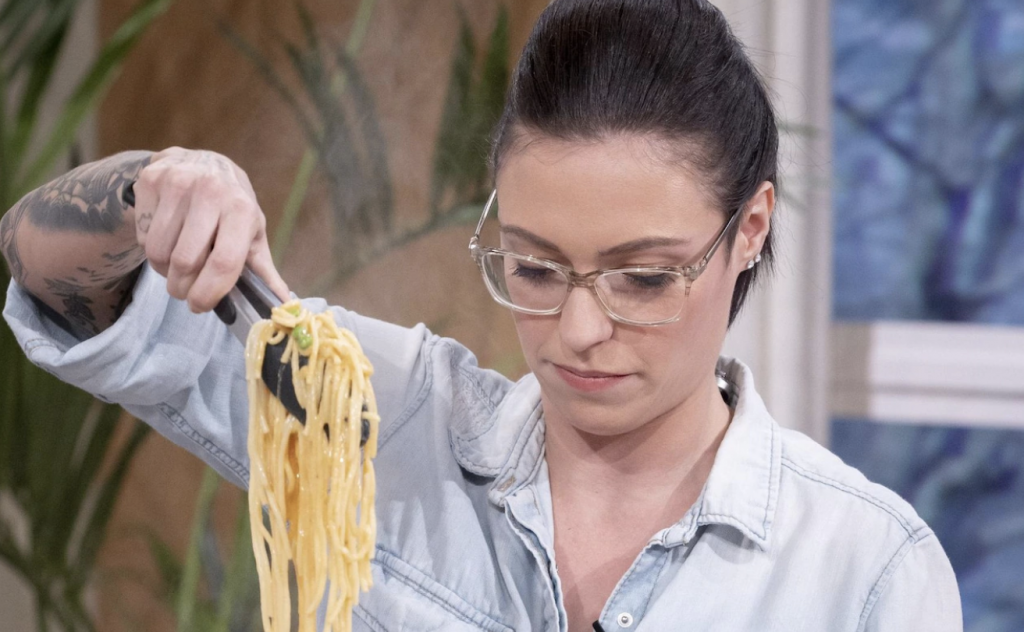
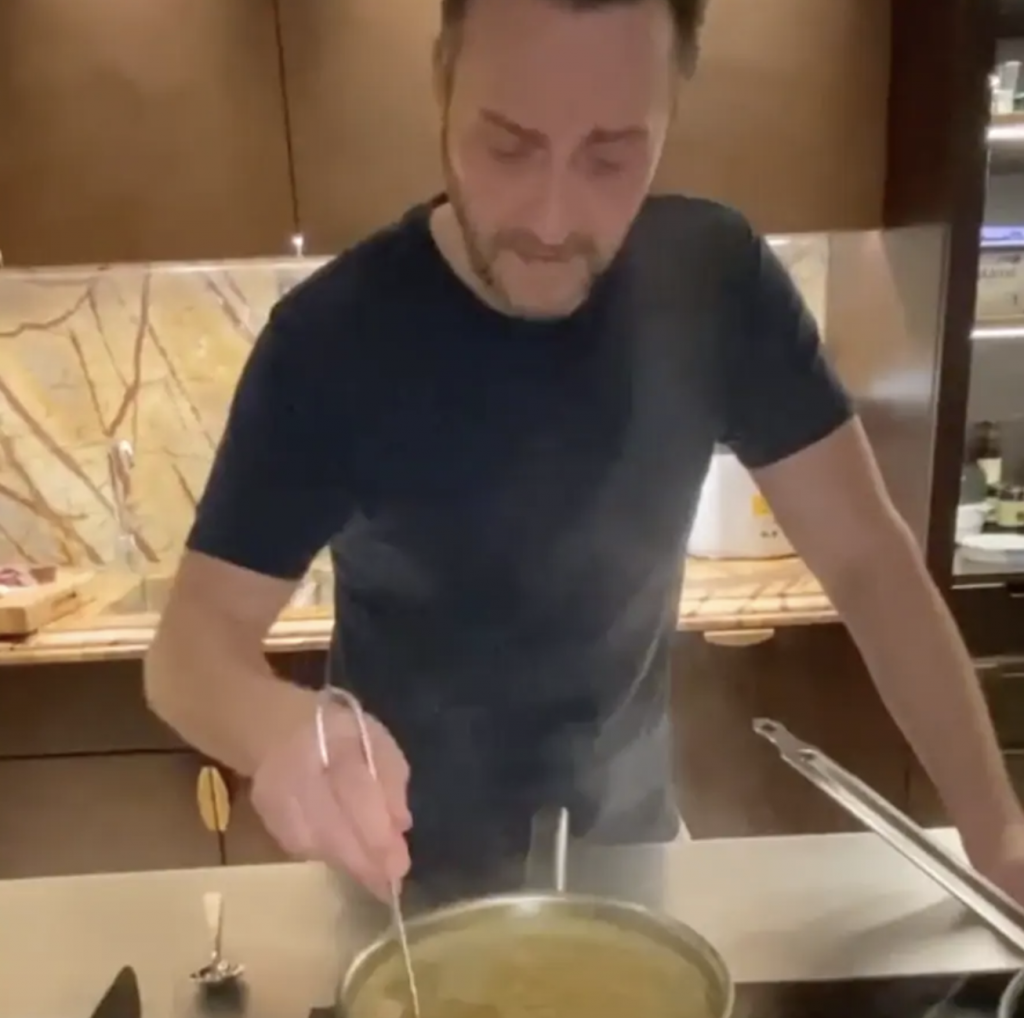
    Jason Atherton: Cooking in QuarantineJason Atherton the ‘Chef’s Chef of the Year’ has been posting his cooking from his kitchen on his Instagram Live feed so you can watch the pro at work, while attempting to follow along too.

    View this post on Instagram

    LIVE COOK-A-LONG at 7pm GMT tonight on Instagram & Facebook live. This week’s cook-a-long is for teenagers and adults alike. Its perfect for those that have no chopping skills and those who want to ease their children into cooking. We will be cooking what I call a “No Chop Pot”. Find the ingredients below that you will need, & do feel free to make modifications if needed. If you do take part please do share your photos or tag me using #TDKCookalong 1 can White beans (any tinned or cooked beans will do, can also use lentils) 1 can Chopped Tomatoes 100g Baby tomatoes 2 tbsp tomato paste 50g Black Olives 25g Capers 2 cloves garlic, grated 1 stick or 1 tsp Cinnamon 20g of a green herb – Basil, parsley, Rosemary will do (even dried will work) 100g Any Wholegrain Pasta 1 large casserole dish and 1 pot to boil the pasta Method Heat your oven at 210C 1️⃣Add all the ingredients (apart from the pasta) to a casserole dish 2️⃣Put the casserole dish into your pre-heated oven for 30 minutes 3️⃣Then remove from the oven and let it stand 4️⃣10minutes before the end of cooking, cook the pasta in boiling water and when al dente (cooked but firm  to the  bite) add to the casserole dish out of the oven 5️⃣Top the dish with some torn herbs and olive oil Will you be joining me? . . . . . . #WhatTheDoctorOrdered #TheDoctorsKitchen #FeedFeed #FeedFeedVegan #DoctorsKitchen #DinnerRecipe #Dinner #Vegetarian #plantbased  #DoctorsKitchen #EatToBeatIllness #LifestyleMedicine #Nutrition  #HealthyRecipes #Nutritional #PlantPowered #Bowls #MealPlanner #onepanmeal #TDKCookalong #Cookalong

    A post shared by The Doctor’s Kitchen (@doctors_kitchen) on Apr 1, 2020 at 4:01am PDT

    Doctor’s Kitchen does live cook-a-longs most nights on Instagram and varies the recipes and skill level so you can all have a go. Get children and teenagers in your house cooking too!

    Jack Monroe: Quarantine CookingJack Monroe, aka the Bootstrap Cook famous for store-cupboard and budget recipes, has been answering vital cooking cooking questions on Twitter about how we all cope with reduced ingredients on offer in the shops, using the hashtag #JackMonroesLockdownLarder.

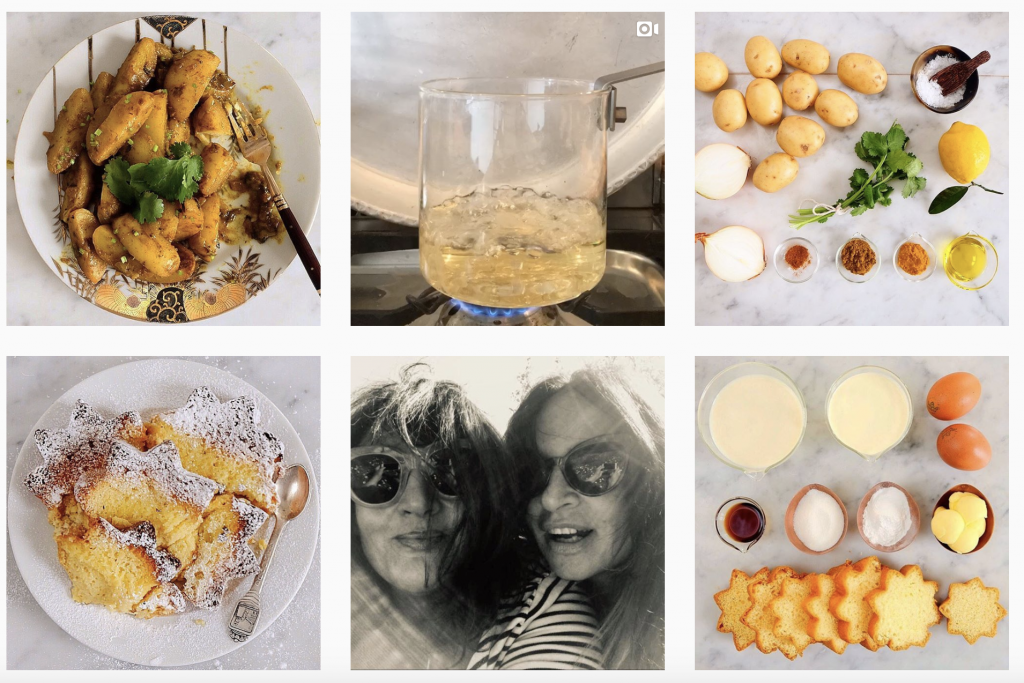
    creative quarantine activities: cookingMy Primrose Hill Kitchen beautifully displays ingredients and finished recipes side by side in the feed so you’re completely clear what you need and how the finished dish will look. Nearly all the recipes use basic store-cupboard ingredients, and offer suggestions for substitutions if you can’t get hold of exactly the right stuff.

    If you’re a fan of Queer Eye you’ll love Quar Eye: Cooking Lessons in Quarantine from Antoni Porowski who delivers daily cooking lessons with his usual pearls of wisdom “Chicken Soup For The Soul(cially distanced)” anyone? 

    Keep checking back as we’ll update this post with new cooking and food activities as we find them!

    Stay safe everyone and keep using your screen time wisely.

    View the original article at itstimetologoff.com

  • Social Distancing = Podcast Listening, It’s Complicated with Yes Theory

    Social Distancing = Podcast Listening, It’s Complicated with Yes Theory

    Social Distancing = Podcast Listening, It’s Complicated with Yes Theory

    In the third episode of our podcast, It’s Complicated, Series Three, our founder Tanya Goodin chats to Thomas Brag about his role in the creation of Yes Theory, a Youtube channel which has gone on to create physical communities across the globe.

    Yes Theory is a YouTube channel devoted to the idea that life’s most important and fulfilling moments happen beyond our comfort zone. Brag is one of three main founders who still work with the group to ‘seek discomfort’ by putting themselves out there. Yes Theory’s model places a premium on human connection, calling strangers ‘friends they have yet to get to know’ and forging true relationships through their work online.

    In the podcast Brag talks with Tanya about his personal relationship with digital addiction specifically relating to social media. As a content creator, his work is largely online and its promotion takes place on social media, blurring the line between his work and social life in a way which has highlighted his dependence. As we wrote about before, Brag felt that this dependence was so greatly impacting his life that he took a 30-day sabbatical from social media influenced by Cal Newport who spoke to Tanya in Series One of the podcast. He says that he cannot recommend a digital detox highly enough, saying he found a ‘stillness and peace’ beyond that ‘initial discomfort’. He also describes the steps he, and another co-founder Matt, have put in place in order to find a balance between having to work in social media and using it for real connections. 

    The community which has been created by the group Yes Theory goes far beyond those who have been involved with their videos. They have a Facebook group and encourage everyone who watches their videos to connect with the people around them as well as online. This has sprouted groups around the world in many major cities who are able to take their connection offline and make meaningful statements, such as Indian and Pakistani groups who joined together in solidarity when their countries were experiencing tension. In the podcast, Brag talks about Yes Theory’s hopes for the future of their community, how he hopes to increase their offline presence and build relationships stronger than those of passive subscribers. 

    In this series of Its Complicated, we wanted to talk not just about the pitfalls, but also about the positives of the internet and social media. Despite their personal struggles, Yes Theory could not be a better example of this. In a recent video, they documented the last few months of the life of a stranger. The founders asked on the Facebook page if their subscribers knew anyone who needed help and, in response, Matt started visiting terminally ill Xavier Romero. Through their documentation of this relationship, the importance of human connection could not be made more clear; and yet this bond was forged intially through social media.

    In this unprecedented time, as many of us we live unable to be with family and friends, it’s inspiring to see how online connection can be made into a real physical bonds that go beyond merely the online world.

    View the original article at itstimetologoff.com

  • Creative Quarantining: #1 Making Music

    Creative Quarantining: #1 Making Music

    Creative Quarantining: #1 Making Music

    We’re here for you during the pandemic and putting together resources on activities you can do that involve more than just staring at a screen (because there’s a lot of that right now). We’re making an effort to find groups that might be connecting online, but are then using that connection to engage in a real-world activity – together. For the first round-up in the series here’s some suggestions on how you can make music:

    sofa singers

    The Sofa Singers is a free, weekly, online singing event from James Sills. His weekly online event sees 500 people come together for a 45-minute rehearsal where they learn a classic song and sing it together, apart. Their next event is 7th April at 7.30pm BST.  Registration opens 6th April at 7.30pm BST.

    Gareth Malone Coronavirus Choir

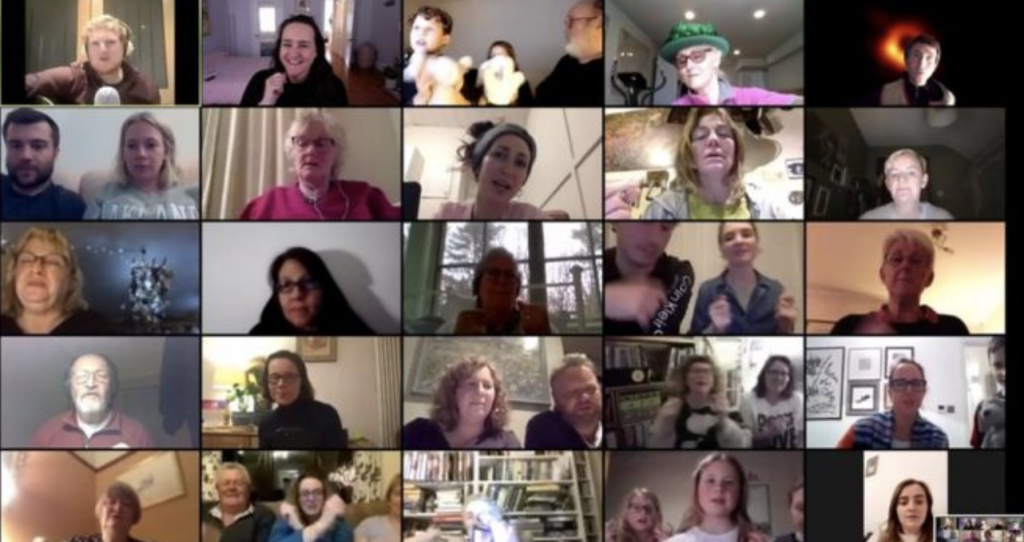
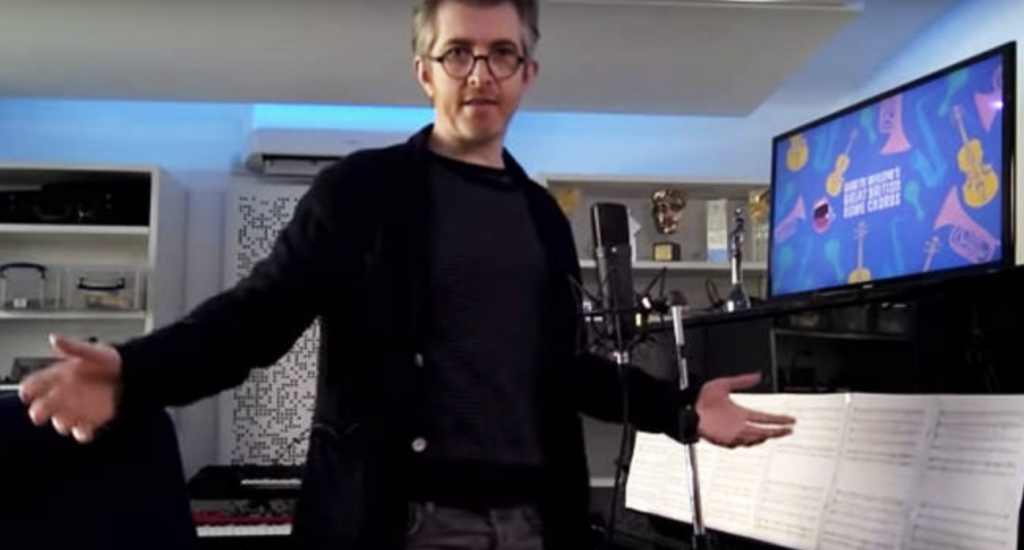
    Gareth Malone’s new initiative, ‘The Great British Home Chorus’, brings together both amateur and professional performers around the UK to sing with others online. Register here.

    The Stay at Home Choir offers another opportunity to join a virtual choir. Vote for the next project and get involved here.

    Operatic tenor Jeff Stewart is offering online singing lessons. Stewart teaches as the Royal College of Music and the Royal Welsh College of Music and Drama, also running amateur choirs. He has experience in giving lessons over the internet and is offering to work on repertoire and sing songs in a session with students.

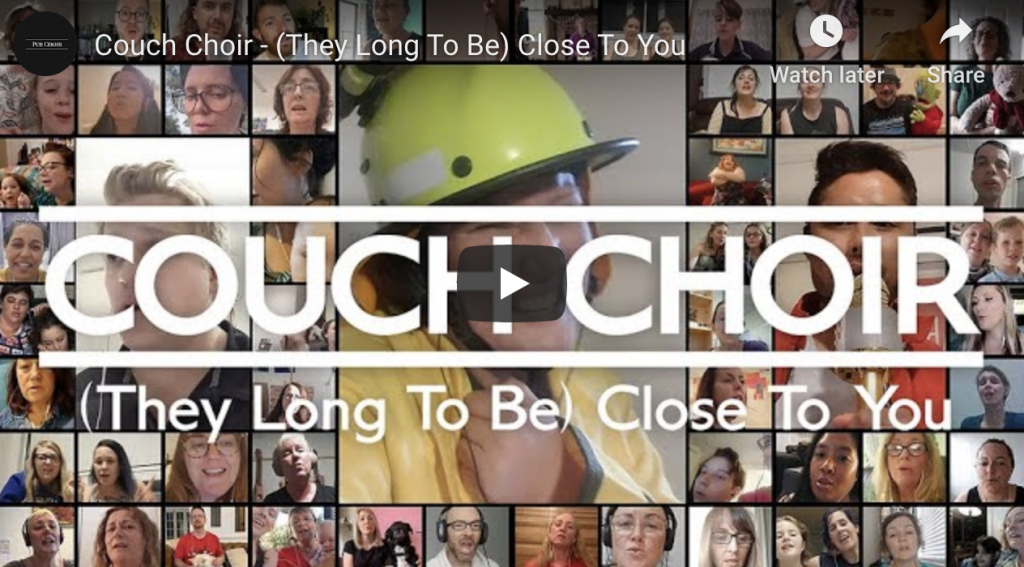
    couch choirCouch Choir asked the internet to ‘stop misery scrolling’ for a minute and over 1,000 people from 18 countries submitted a video of their performance of “Close To You” (Burt Bacharach) in just TWO DAYS. Keep an eye out for future requests for submissions and songs.

    Keep checking back as we’ll update this post with new singing opportunities – and other options to make music together – as we find them.

    Stay safe everyone and keep using your screen time wisely.

    View the original article at itstimetologoff.com

  • 4 Tips for Healthy Screen Use Working From Home

    4 Tips for Healthy Screen Use Working From Home

    4 Tips for Healthy Screen Use Working From Home

    Our lives are getting ever smaller as social distancing and lockdowns spread throughout the world,  making it harder than ever to separate our working and home lives. In a stressful time, the need to maintain structure is even more important for both our physical and mental wellbeing. Here are some tips to help, #wfh we have you sorted.

    #1 Negotiate with housemates

    If like most of us, you don’t usually work from home, you’re probably used to your workspace being designed so that you can get work done quickly and easily. As you get used to working from home it may become more annoying that your home is never quiet when you need to talk to a client or that someone is always sitting in that specific spot in the kitchen that has the best wifi signal. We’re are not suggesting you start ordering around your housemates, family or friends – especially while self-isolating. But, why not bring it up over breakfast and ask them if they could be especially quiet at 3pm because of your call; or request to bag the best WiFi spot for an hour before lunch for your critical project? And, be prepared to do the same for them, of course. Little negotiated adjustments like these mean you can all work smoothly from the same space.

    working from home

    #2 Set a routine

    It could be all too easy, especially if you are a night owl, to use this time to have long lie-ins and work into the early hours, But living like this won’t benefit your mental health. Your sleep will be confused and you’ll end up spending far more time on your screens than is healthy. Though it may be frustrating at first, getting up on time and giving yourself time to get ready to ‘work’ as well as designating hours in which you ‘play’, will make your time at home a lot easier. As so many people are all working from home during the coronavirus pandemic there might also be an increase in employers expecting their employees to be available at all times, which could lead to an unhealthy working relationship. Nip that in the bud and set a routine!

    #3 Create a physical workspace

    Not everyone has the luxury of a home office or desk, especially if they are living with other working adults, or even children. So, in conjunction with setting a routine, we suggest you mark out a physical space which is only for work. This could be as simple as sitting at the other end of your bed facing the headboard if you have no other room. And as you will  now be possibly working more on ‘home’ devices like your phone, separate your work apps from your home ones, Zoom from Skype etc, and put them all in different folders on your desktop and phone. Create little visual boundaries on your devices, to remind you what’s work and what’s play.

    #4 Log off for leisure

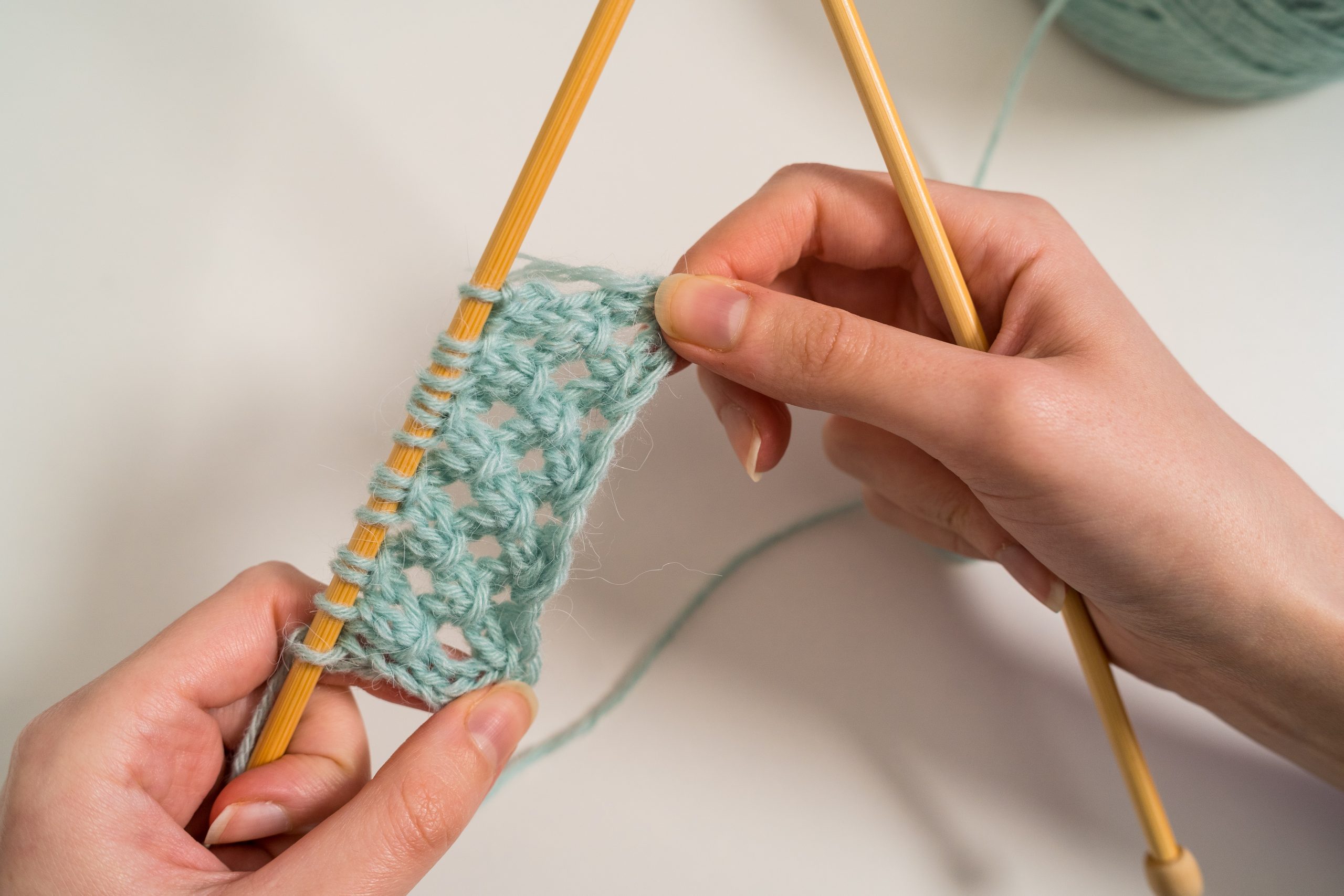
    Even before Coronavirus many of us used our screens too much, both at work and at home. We’ve been trying to draw attention to that since the beginning of the Time to Log Off movement. Now, that these parts of our lives are getting even more intertwined, we’re going to be spending more and more time online – at home. So, find ways to relax which don’t involve staring at a screen. It could be cooking a proper meal, with all the hours saved from your daily commute, more reading, or getting back into knitting, drawing or crafts. Whatever it is, find something to occupy you and get you into a mindful state of flow after a day on screens for work – it will help you to maintain your sanity and balance during this time of chaos.

    View the original article at itstimetologoff.com

  • Social Distancing = Podcast Listening, It’s Complicated with Cindy Gallop

    Social Distancing = Podcast Listening, It’s Complicated with Cindy Gallop

    In the second episode of our podcast It’s Complicated, Series Three, our founder Tanya Goodin chats to #SocialSex entrepreneur Cindy Gallop about her start-up MakeLoveNotPorn.

    Cindy’s start-up resulted from her conviction that online porn has become sex education by default because of our inability to talk openly and honestly about sex.

    In 2009 Cindy founded MakeLoveNotPorn, a crowd-sourced social media website where people can upload videos of themselves, and watch videos of others, having real-world sex. Gallop explicitly stresses that it’s not a porn site  – any videos featuring porn clichés are rejected. Thus, it’s about educating on the difference between ‘real-world sex’ and sex depicted by pornography.

    MakeLoveNot Porn’s mission is to remind us of the value of healthy real world sex, and perhaps the education the platform gives viewers will invite them to be more critical when they view pornography online.

    The site is entirely shaped by human curation. Every single video uploaded is watched first by Cindy’s team, who then contact all adults in it and build up a personal relationship over the telephone or email. The site operates on a rental model, meaning that if at any point any of subjects of the video change their mind, the video can be removed immediately and permanently. So, Cindy argues one of the overarching goals of MakeLoveNotPorn is actually to educate on the issue of consent.

    digital detox podcast Cindy Gallop
    Cindy Gallop: It’s Complicated Season Three, Episode Two

    As she discusses in the 4 minute TED talk released in conjunction with the site (and which has since amassed over 1.5 million views), and in greater detail with Tanya, the idea for the platform organically grew from Cindy’s own sexual experiences. She noticed that younger men’s concept and expectation of sexual experience was wildly unrealistic and echoed largely what they had seen in porn.

    Cindy isn’t dismissive of the existence of porn, and MakeLoveNotPorn is far from a protest against the viewing of that content. Instead, it’s a means of understanding that porn is not representative of real world sex, hence her mantra:  ‘Pro-sex. Pro-porn. Pro-knowing the difference’.

    In a society that refuses to talk openly about sex, and yet where online pornography is so instantly, easily and often accidentally accessible, it is inevitable that the two will converge so that sex education is mostly provided by pornography. And our reluctance to discuss watching porn itself only exacerbates the issue. In this podcast episode, Cindy argues that the fact so many people watch and yet refuse to discuss porn places it in a parallel, separate universe. How can we dismantle our unreal view of sex if we don’t discuss it?

    But this isn’t something that can just be solved by incorporating more sex education into school syllabuses. Sex is a taboo subject even privately. Discussing it makes us feel insecure; we don’t want to make our partner feel uncomfortable or derail the relationship. But no one can deny that, for a healthily functioning relationship, it’s a necessary thing to do, and to do it without fear or dread.

    This is where MakeLoveNotPorn comes in. Watching the videos hosted by the platform encourages and normalises talking about sex, and, as Cindy tells Tanya, the company even hosts communal screenings. With her inspiration for using her knowledge and success to create better sex education for children – ‘The Khan Academy of sex education’ she declares – Cindy is assured that she has created something ‘the world has been crying out for’.

    View the original article at itstimetologoff.com

  • Screens in the Time of Covid-19

    Screens in the Time of Covid-19

    More than at any time in the recent past, now is the time to think about ensuring a healthy balance with technology. Fear is continuing to grow during the spread with the infectiousness of Covid-19 and we’re all facing a long period of social distancing. The two constants facing us are more screen time and Covid-19, we’re going to be spending a lot more time on them. Here are some Do’s and Don’ts for how to survive the next few months.

    Do get together, apart

    As we become separated from our friends and family it can be easy to feel isolated. Many of us won’t be able to visit our older relatives and friends for quite a while. But social distancing and self-isolation don’t have to be the end of social contact! Teach your older relatives how to use video chatting on their devices and set up joint meal times so that you can eat together, apart. You can even watch TV together on Netflix Party.

    Do use WhatsApp for group communication

    Across the country, community groups are using WhatsApp as a way to mobilise neighbourhood groups and identify those who need help, and those can provide it. Not everyone has a friend or relative nearby who can walk the dog or pick up the shopping, but many of us are healthy and infection-free and at home with nothing to do – so we can fill the gaps. Perhaps we can use this time to build stronger communities? Wouldn’t that be a positive outcome from this crisis?

    Do share accurate information (and support)

    WHO, your government and country-specific local health bodies, are sharing information daily about the spread of the virus, how to spot symptoms and how each country is slowing it. These is information it would be useful to share, as well as posts and actions which lift morale (such as the national applause for UK NHS workers planned for the 26th of March).

    Do be productive

    Whether through continuing to work or by picking up an interest  – such as learning a new language on Duolingo – we can all get something positive out of this time. It can seem like we are living in a dystopian world, and if we’re not essential workers we might feel we can’t do anything positive. But by keeping the economy moving and ourselves busy at home we’re helping in the best way we can.

    Don’t spread #FakeNews

    There are unfortunately plenty of people exploiting fear at the moment by touting fake ideas and products. This is even more dangerous because we’re dealing with a pandemic, not a regional flu outbreak. Don’t follow advice that doesn’t come from reputable sources, and don’t spread it any further.

    Don’t spend hours on screens

    It would be easy just to watch all the TV on Netflix or spend hours on Insta’s ‘Explore’ page. But by the end of any dive down the Internet rabbit-hole you won’t be feeling better, just worn out with sore eyes. Limit mindless passive screen use so that you can pace yourself. You have enough time to re-watch all of Game of Thrones, twice, don’t worry.

    Don’t increase your anxiety

    If all of your social media and screen time is geared towards news updates on Covid-19 you’ll never have any respite. Try to follow some uplifting, positive accounts, like ours, and mute or unfollow endless bad news if it’s stressing you out. Keep an eye on your mood and keep yourself calm.

    Don’t give in to the tiny tyrant in your pocket

    The most important message is that you are in control. You decide when to rest, play and work now all the usual boundaries are removed. Think carefully about how to use and plan your time and don’t let your smartphone control how you spend time social distancing.

    Stay safe, we’re all in this together and we’re going to be posting more positive and practical content to help over the next few weeks.

    View the original article at itstimetologoff.com

  • What is GPS doing to our brains?

    What is GPS doing to our brains?

    Digital technology has brought huge change to our lifestyle and habits, but what are the impacts on our increasingly reliance on just one aspect of this – GPS?

    I use the Maps icon on my phone almost every day. It can tell me the fastest route somewhere and how long it will take, or which bus or tube to get on. It’s very rare that I have to read a public transport timetable or map myself. Whilst this is incredibly convenient (especially after late nights’ out), it’s removed almost any need for me to work things out for myself. To be able to orientate and navigate oneself is a key component of our ability to problem solve, and GPS may be causing us to lose practice.

    In Michael Bond’s Wayfinding, which analyses the impact of GPS on ourselves, he argues that humans are ‘spatial beings’: we rely on the cognitive skill of navigation. It is humanity’s ability to roam and yet still maintain a long distance network of established settlements that has allowed us to thrive. We cannot let this decline.  

    Navigation is a cognitive skill crucial for a healthy brain.

    Navigation and the brain

    The hippocampus is a part of the brain specialising in memory, including spatial memory. In 2017 scientists illustrated that this area of the brain, which should spike in activity during navigation, is simply not put into use when GPS is used. This drew them to conclude that, when using GPS, our brain is not actively engaging with our surroundings. Thus navigating using GPS is ultimately a passive experience.

    The most obvious consequence of this is that, if we are not engaging our hippocampus during our journey, we cannot form the topological memory of our surroundings that will enable us to retrace it ourselves. An even more dispiriting consequence is  that, with a brain no longer stimulated by our environment, there is nowhere in which to root and categorise memories of our experiences in such area. Thus we will struggle to form and retain emotional connections to our environment.

    The hippocampus also plays a significant role in preventing mental health conditions such as depression and anxiety. A stronger hippocampus will reduce the chance of being affected by these, as well as suffering from dementia. So, it’s crucial that we evaluate and monitor our use of GPS.

    Whether we are in a rush and want to know the fastest way to somewhere, or perhaps just feeling uncertain about our surroundings, it’s an enormous temptation to just pull out our smartphone and find instantly where we are. But we need to learn to avoid this temptation every now and then. If we don’t frequently engage our navigational skills, we could lose them altogether.

    So how can we combat this?

    The answer is simple: get lost! To keep our brain active, and to continue learning, we need to be challenged often. Relying on our phones anytime we feel mildly uncertain, means we are losing confidence in our ability to get by without them. The only way to regain this is by demonstrating to ourselves we can navigate independently. It’s actually a hugely beneficial mental exercise to force ourselves to remain calm and rationalise our way back to familiarity. This, rather than immediately relying on technology, will help build up our confidence, mental strength and our ability to cope in uncomfortable or daunting situations.

    A less intimidating way of doing this is to still use our phones to search for a route before heading off to somewhere, but to remove the map from our sight during the journey itself, relying on memory and spatial understanding to navigate ourselves.

    Go for a walk without your phone: not only will you improve your navigation skills, but it will give you the chance to get away from your tech.

    However, ultimately the best way to develop our navigational skills is by getting lost and relying on our sense of space and direction to return to familiar ground. Not only will this engage and expand the hippocampus, it will create a healthier relationship between ourselves and our smartphones as we take back control: learning to rely on them less and resisting the instinct to let tech do the problem solving for us. Give it a go!

    View the original article at itstimetologoff.com

  • Smartphones and Coronavirus

    The links between smartphones and Coronavirus

    We’ve been advised to wash our hands more frequently in the current coronavirus outbreak, but should we be looking at keeping our smartphones cleaner too?

    Coronavirus is spreading, and fast. Since it first infected humans in late 2019 there have been thousands of cases and hundreds of deaths. In our globalised world, it is easy for a very contagious virus, like Covid-19, to spread so it’s useful to know what practical steps we can take to keep ourselves safe. Our phones are our digital companions, they come with us everywhere and can host germs of all kinds. Here are three simple steps to help you reduce the potential coronavirus risks from your smartphone:

    1. Clean your phone regularly

    Several studies have shown that our phones are dirtier than our toilet seats and potentially host more germs. When was the last time you cleaned your phone? Not a quick wipe to clean the screen, but actually cleaning it with a dedicated surface cleaner? Our phones are hotbeds of germs. In taking a phone call you’re putting that bacteria on your face, and by not washing your hands before you snack you’re putting those bacteria in your mouth. We suggest cleaning your phone regularly, at least once a day, in order to stay free of those germs which you pick up in everyday life and which then stay on your phone, even after you wash your hands.

    Experts have suggested that alcohol wipes, rather than soap and water, are the most effective way to keep your smartphones clean.

    2. Don’t put your phone down

    This might sound like contradictory advice coming from Time To Log Off! But we’re not suggesting you stay on your phone – we’re suggesting you don’t put your phone down on a surface in a public place. Don’t place it on a table in a coffee shop or bar for example, because you don’t know who’s been there before. The World Health Organisation does not yet know how long Covid-19 can survive on surfaces but they assume a few hours to a few days.

    smartphones and coronavirus

    3. Be careful what you believe online

    Once again, fake news has raised its ugly head around an international incident. Since the outbreak of coronavirus, there has been a deluge of inaccurate information online including lists of various quack ‘cures’. Our advice is to only trust reputable, verified, news sources such as the BBC, or WHO for your news and information about how to avoid catching coronavirus, as well as what might happen to you if you did.

    There’s a more significant connection between smartphones and coronavirus than you might think. Our phones are our constant companions so they can potentially even impact our health in terms of catching viruses not just impact on our sleep. Keep yourself safe by following our tips, and hopefully, it will help us all to develop more hygienic habits along the way too.

    View the original article at itstimetologoff.com

  • Season 3 of our digital detox podcast, It’s Complicated, launches today.

    Season 3 of our digital detox podcast, It’s Complicated, launches today.

    Featuring interviews with Love Island’s Dr Alex, Made in Chelsea’s Jamie Laing and Rita’s Quilt’s Sharon Downey

    It’s ComplicatedUntangling the Relationship With Our Phones, returns today with Season Three of our digital detox podcast. Kicking off with guest Dr Alex of Love Island and Good Morning Britain, the podcast sees award-winning digital entrepreneur, author and Founder of Time To Log Off, Tanya Goodin, navigate the confusing and sometimes controversial subject of our relationships and habits with technology.

    Our first episode, featuring Dr Alex George, lands today. Currently working as a frontline doctor in the A&E department at the University Hospital Lewisham in London, Dr Alex chats about the impacts of online media on mental health, with a wide-ranging discussion on his life online before and after the villa, and the tragic loss of Caroline Flack.

    digital detox podcast It's ComplicatedSince we launched it last year, the podcast has hosted the likes of Instapoet Nikita Gill and Hinge founder Justin McLeod, sharing and discussing their insights into and personal experience of, achieving a healthy day-to-day balance with tech.

    What’s Next for our Digital Detox Podcast?

    This series the digital detox podcast will continue to do just that with an exciting variety of guests, including Jamie Laing of Made in Chelsea, Cindy Gallop, founder of the sex tech website MakeLoveNotPorn and Badass Cross Sitch’s creator Sharon Downey. Throughout all ten episodes our guests each bring their unique perspective of the impact the digital world is having on their lives: talking about what tech can give us, and what it can take away.

    While each guest has been chosen for their unique angle on our relationship with tech, we hope that each and every episode will reassure listeners how common unhealthy relationships with phones really are. The realisation that bad tech habits negatively impact our lives might even help listeners to come together to figure out how to develop healthy relationships with smartphones. We launched our digital detox podcast to stimulate the conversations that might help us all do just that. Season Three is available from 2 March 2020.

    View the original article at itstimetologoff.com