Author: It’s Time to Log Off

  • The YouTubers logging off social media

    The YouTubers logging off social media

    The YouTubers logging off social media

    The new breed of social media influencers spend hours online each day to maintain their income via their social media channels. The digital world has brought them fame and fortune so surely they’re not complaining about the same negative side effects as the rest of us?  Yet, just in the last few weeks, several high-profile YouTubers such as Yes Theory and Emma Chamberlain have made videos of their digital detox efforts, all showing their followers the positive impacts that stepping away from your screen can have.

    Yes Theory

    Yes Theory is a group of young men, currently with 3.5 million subscribers,  who have created a brand revolving around the phrase ‘seek discomfort’. One of the founding members, Thomas Bragg, recently took a break from social media for 30 days, inspired by Professor Cal Newport, who we recently had on our podcast. In the video, Bragg deletes all of his social media and creates a morning routine to take the place of the hours of time he previously spent online.

    At the end of the experience, he talks about his decreased anxiety levels and improved productivity. He commits in future to only downloading his social media apps to his phone for 20 minutes every three days in order to remain connected, while maintaining the positives of a digital detox.

    Digital detox with Emma Chamberlain

    Emma Chamberlain is a younger YouTuber, who at 17 currently has 7.4 million subscribers. Her video was inspired by a joking comment from her parents but she took it to heart and experimented with a day without her phone. Although the tone of the video is comic it does raise the issue she finds of having to be alone with one’s thoughts and struggling to find things to do. She also discusses the problems of doing without some of the useful functions of her phone such as maps!

    Chamberlain is a digital-native, unable to recall a time without computers and social media and it’s interesting that despite this she acknowledges the many positives of a digital detox and suggests at the end of the video that she’s going to start to put her phone in a box once a week.

    Bestdressed

    Bestdressed is a clothing channel run by Ashley a student in LA, with 1.4 million subscribers. She made 5 rules for her social media use over the week of her digital detox, including that she would pre-schedule social media posts in order to maintain her career and presence.

    Ashley spoke about the positives of switching off such as being more aware of her thoughts and emotions instead of distracting herself. She recommends taking a break from your phone and is implementing restrictions such as turning off notifications and being more liberal with the ‘airplane mode’ switch!

    Hannah Witton

    Hannah Witton is another YouTuber who has tried a digital detox in the past, in her case for a week. Witton, who has 530K subscribers, turned off her phone in order to enjoy a holiday without it.

    Like the others, she said that it was very relaxing but found there are many benefits to her phone, such as Google Maps! Witton also highlights the difficulty of staying ‘switched-off’ when her career is entirely based on social media, an issue she also discussed with us on our podcast.

    Sky Life

    Finally, the last YouTuber who has been emphasising the importance of a digital detox is Sky, a YouTuber specialising in health and wellness. Over the last two years, she has posted three videos about digital detox and its importance, including how to do one. The most recent being a vlog of her experience living in a phone-free community for a weekend:

    Sky attended a weekend by ‘Brick’ an organisation that runs getaways and evenings-out for those who do not want their lives to be controlled by their phone, in California. Many people, like those who come on our retreats, found they weren’t that enthusiastic about having their phones back at the end of the retreat and instead wanted to be without them for longer.

    All of these young creators work and earn a living on social media and yet each in their own way in the last fortnight has had a digital detox to escape from the digital world. Each YouTuber came up with a way to limit their screen-time and each video posted received thousands if not millions of views, Chamberlain’s currently sits at 6.2 million views. Is this evidence of the interest that even digital natives have in the importance of a digital detox and an indication of how pressing the need to disconnect has become?

    View the original article at itstimetologoff.com

  • Did #FacebookDown prove we’re all addicted to social media?

    Did #FacebookDown prove we’re all addicted to social media?

    Did #FacebookDown prove we’re all addicted to social media?

    Last week, Facebook and all of its associated products suffered an outage of up to fourteen hours. The largest global outage in the company’s history, it was blamed on a “server configuration change”. But more interesting than the fact a tiny server change could take out all of Facebook’s products was the global reaction that the outage caused. Fourteen hours is a relatively small time period, but users swarmed to Twitter for hours – outraged about downtime on Facebook, Instagram and WhatsApp.

    Global dominance

    If nothing else, the downtime of three of the world’s most popular internet services emphasised the fact that they’re all owned by one giant cooperation. Reactions to the downtime illustrated the reach of power that one single company has on billions across the globe.

    Facebook’s growing global dominance of the last 15 years is sometimes easy to forget, shadowed maybe by press stories which focus on issues like data protection and governance. However, episodes such as this outage bring it back into perspective with stark clarity; Facebook is an enormous and far-reaching organisation with an enormous global influence.

    One of the greatest ironies of the entire episode was that these companies owned by Facebook were all forced to go over to ‘other’ social media networks (aka Twitter) in order to communicate with their users. Facebook and Twitter have both contributed to an obsessive ‘need for knowledge’ and 24:7 news updates, so Facebook understood that if its many services were down, users would want to know why. And there was only one place to go – Twitter (oh how they must have laughed at Twitter HQ).

    An issue for the police?

    If there was one news story that really showed the impact the outage had, it was Australian news programme Sunrise reporting that Queensland Police were requesting people ‘stop calling in’ about the outage, explaining that there was really nothing they could do.

    As ludicrous as it seemed, this was at exactly the time that #FacebookDown, #InstagramDown and #WhatsAppDown were all trending on Twitter with social media users seemingly unable to talk about literally anything else.

    Over-reliance

    Of course, there was more than a little humour in all of this, but it does highlight one telling issue. It seems that for many people it feels their wellbeing is almost entirely dependent on the services that Facebook offer. Whether that be a small business owner who is reliant on Facebook marketplace, a social media influencer who relies on brand collaborations via Instagram for income; or someone who uses Facebook Workplace to communicate with their clients and team. Perhaps lessons could be learnt about being purely reliant on social media for your business, or indeed, life needs? After all, if one server blip can cause a fourteen hour outage then social media platforms are clearly quite fragile – especially when so many are owned by just the one organisation.

    Where do we go from here?

    Across a wide swathe of the press coverage, and on Twitter, there was plenty of tongue-in-cheek in the reaction to the outage and the issues it caused. But it definitely exposed an under-the-surface gnawing anxiety; a dawning realisation that we have all become very, very, dependent on social media, and that this dependency has come about in a worryingly short space of time.

    But there’s a bit of a step between being concerned about use of social media, and knowing how to go about fixing it. Maybe many of us are just in too deep to know where to start? At Time To Log Off, we have written extensively about the potential pitfalls of social media, and the addiction it can cause. We’re here to help.

    So, get in contact if you feel you could benefit from a digital detox, or check out our podcast or our books. With a bit of help to work on social media reliance maybe next time Facebook’s down (because there’s bound to be a next time), relief might be your overwhelming reaction; rather than panic?

    View the original article at itstimetologoff.com

  • E Safety: What to Look Out For to Stay Safe Online

    E Safety: What to Look Out For to Stay Safe Online

    E Safety: What to Look Out For to Stay Safe Online

    The internet dominates our daily lives. From children, to teenagers, to adults; we spend hours each day consuming content from the incredible resource that is the online world. However, with this huge source of information and potential for connection, comes a responsibility to be aware of the potential dangers of living our lives online. Last year, we published top 10 tips for teens on how to stay safe online, and it’s time to revisit our e-safety advice to try and ensure that no matter how old you are, you’re aware of the potential risks.

    Still very much an issue

    Just in the last few weeks the MOMO challenge came and went – an online ‘game’ encouraging children to harm themselves which actually turned out to be a hoax. If the hysterical reaction to a challenge that turns out to be a hoax tells us anything, it’s that people still feel a lack of control and lack of knowledge about what’s out there on the internet. And perhaps that is because of the pure scale of the potential dangers. So, what should you be looking out for?

    Fake news

    E Safety: fake newsIt may have been a bit of a buzz word over the past two years, but there’s good reason for it. With the MOMO challenge at front and centre, it’s important to be aware of eye-popping headlines, information source and publisher credibility. Perhaps the greatest danger of fake news is the tinted viewpoint it can create, based on something nothing more than fiction. Always investigate any news source to determine its credibility; check if it has an unusual domain name ( like .com.co or similar), pay attention to language, spelling and grammar (are there lots of mistakes?) and run any outlandish claims or facts through a credible fact-checking website.
    Phishing

    Have you ever received an email from a seemingly credible source, but with an offer that just feels too good to be true? If you didn’t click on it, you made the right decision. However, with our personal data more valuable than ever, many people have succumbed to frauds trying to obtain sensitive information such as passwords and payment card details. Always think before you click, and if you see a suspicious-looking email in your inbox – delete it straightaway without clicking through to any links it contains.

    Dangers of online strangers

    E Safety: catfishing

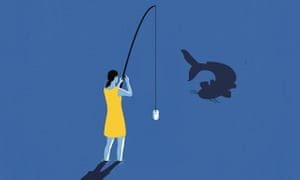
    We’ve made genuine friends through the online world and we know many of you have too. Unfortunately some people have been ‘catfished’, a term made popular by an American TV programme about fake identities online. A catfish is someone that fakes their online identify in an attempt to begin a deceptive relationship. If something doesn’t seem quite right, it’s always worth further investigation.  It’s also essential that if any communication received online makes you uncomfortable, it’s reported as soon as possible.

    Online isn’t always the whole story

    Perhaps a less obvious danger, but if we’re talking about staying safe online, it’s important to recognise the subtle dangers, as well as the more tangible issues. Lifestyles that are portrayed online aren’t always the full story, and although it may seem like someone you’re following has ‘the perfect life’, there may be many other issues that person ins’t sharing online. This is particularly prominent in social media, considering the popularity of platforms such as Instagram and YouTube. We have written about how you can mindfully use social media if you think this might be an issue affecting you.

    Be mindful about your own digital footprint

    Whereas the other dangers that we have identified are issues that you can come across by being online, this is a little different. It’s important to be aware of what you are posting online, as posting is permanent. Once a tweet, video or comment is posted, it’s likely to stay there forever. Deleting it may not really make it go away, so just remember to think twice before you post in the heat of a moment.  

    The internet is a brilliant thing, but like everything there are risks out there – some tangible, and some harder to recognise straight away. Ensuring you and the people close to you, are aware of these risks is the first step to ensure that few problems are encountered online. If you feel like you’re spending a little too much time online, and it’s having an effect on other parts of your life, then read more about internet addiction here, or get in touch to find our more about how we can help your digital detox.

    View the original article at itstimetologoff.com

  • A digital detox podcast to help tackle your phone addiction

    A digital detox podcast to help tackle your phone addiction

    A digital detox podcast to help tackle your phone addiction

    Our new podcast launched last week on Valentine’s Day. ‘It’s Complicated‘ has as it’s mission to help you untangle your relationship with your phone. Through conversations with leading lights in the worlds of culture, the arts, sport, media and business we’re aiming to get to the bottom of what a healthy relationship with our phones really looks like and to equip you with tips and tricks to save you hours of time every day – and leave you feeling healthier and happier.

    We’ve always been a big fan of the podcast, and for one very simple reason, it stops us staring at our screens and gives sore eyes a rest! But it’s taken us a while to figure out what the best format for our own podcast would be. In the end we realised that simply chatting to as a wide a range of people as possible about their tech habits, and how they get a healthy balance, was a really good place to start. Most of us can feel we’re the only ones failing at being able to put our phones away sometimes and it’s good to be reminded this phone addiction is something we’re all struggling with.

    digital detox podcast: tackling phone addictionTackling phone addiction one episode at a time

    Since launch we’ve introduced two episodes with very different guests. Nikita Gill is one of the new breed of Insta Poets with a following of over half  a million on Instagram for her poetry. But even though the social media world largely brought her her fame she still remains cautious about its dark side and practices switching off regularly to make sure she gets a good balance. We could have chatted to her all day. She’s been writing online for over a decade and her take on how the digital world and phone addiction has evolved since her days of posting on Tumblr (not always for the better) was utterly absorbing.

    Episode Two finds us talking to award-winning explorer and broadcaster (and UN Patron of the Wilderness) Ben Fogle and his wife, parenting guru and author Marina Fogle about how to get a better balance with screens in our roles as parents and partners. Ben confesses to some very mixed feelings about Twitter and they both chat about how they try and show each other respect around their phone habits – and how they talk to their kids about them too.

    This first series of It’s Complicated has eight episodes and we’ve got some great guests coming up so make sure you subscribe on Apple Podcasts (or wherever you get your podcasts from) and don’t forget to rate and review the podcast too to enable other people to find out about it.

    We hope you enjoy listening!

    Subscribe to ‘It’s Complicated’: Apple Podcasts | Stitcher | Soundcloud | Spotify 

    View the original article at itstimetologoff.com

  • Teens, are you addicted to or embracing technology?

    Teens, are you addicted to or embracing technology?

    Teens, are you addicted to or embracing technology?

    There’s a lot of hate on Millennials and Gen Z about our excessive use of screens. Parents, teachers, and the press all seem to be focusing on it. Everywhere commentators are constantly bringing up our enthusiastic use of Snapchat and Instagram DMs as evidence of our over-reliance on digital communication, and our inability to talk face-to-face. But as our use of tech comes more into the spotlight should we now be asking ourselves, is our tech use healthy and just our way of staying connected? Or are features like Snapchat ‘streaks’ actually harming our mental and physical health? Here are five things to think about when figuring out if you’re addicted to tech, or simply getting the most out of your phone.

    #1 Reconsider your streaks

    It’s a cliché but Snapchat streaks really are evidence of a toxic culture online. Think to yourself, do you frantically try to find a friend who can take over your Snapchat when you’re out of wifi so that you won’t lose your streaks? Have you ever filed a report on SnapChat’s website to have your streaks reinstated after you lost them (because you were on at least 400 and that effort shouldn’t be wasted)?  If either of the above rings true then you may want to consider your investment in Snapchat! It’s a wonderful platform for staying in touch with friends who live far and wide, but perhaps it’s not a matter of life or death if you lose a couple of streaks and have real-world conversations instead.

    #2 Think about your sleep

    You’ve heard this a thousand times but it has been proven that using screens too soon before bed is bad for your sleep. Teenagers need their sleep. We tell our parents that every morning of the holidays, and quite a few term-time mornings too. So why don’t we put in the effort on our side and try not to spend hours on YouTube before bed? Why can’t we strop DM’ing someone at 2 am and just get to sleep? If you just can’t imagine going to bed without half an hour of ASMR videos, then you might want to reconsider your night-time screen use.

    #3 Look at how you work

    As teenagers, we’re doing work for important life-changing exams all of the time. Technology has generated some amazing tools to help us revise, such as Quizlet and SparkNotes, but when it comes to revision technology can often be a hindrance as much as a help. Did you know that when your phone is switched off and face down on the desk your IQ drops by 10 points? (How often are you putting it face down anyway?) As useful as technology is, maybe it’s time to reevaluate it in relation to effective study. That doesn’t mean don’t use it, but if your focus and concentration is low, try thinking about whether it’s helpful if your phone is in your eyesight and how much study you could do from books instead of online for a break.

    Ten Tips to Tame Teen Tech Time

    #4 Think about friendships

    Although we have far more ‘friends’ than ever before online, these are not the deep connections that we form with our close friends in real life. It’s wonderful to be able to keep in contact with people across the world and meet new ones who share our interests, but that doesn’t mean we should sacrifice face-to-face interaction for screentime. If you struggle to talk to people in real life as opposed to online, you may be reaching a point at which your screentime is having an impact on your real world relationships.

    #5 Read our books

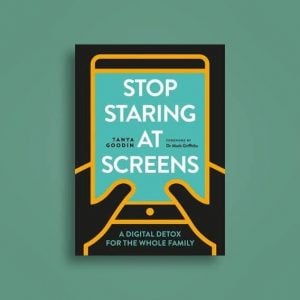
    If you’re still not sure whether you have a problem or not, our founder, Tanya Goodin has written two books OFF, and Stop Staring at Screens that might help you figure it out. Both are written from the angle of helping you to use screen time effectively. We don’t want to stop you using technology but rather to embrace it without experiencing some of the the negative side effects.

    digital detox book : OFFDigital Detox Book: Stop Staring at Screens

    Once you’ve checked yourself against these points you’ll hopefully be able to tell if you need to start limiting your screen time or if you are one of the lucky few who has no problems!

    Good luck!

    View the original article at itstimetologoff.com

  • 7 Ways to Boost Your Digital Wellbeing for a Healthier 2019

    7 Ways to Boost Your Digital Wellbeing for a Healthier 2019

    7 Ways to Boost Your Digital Wellbeing for a Healthier 2019

    It’s nearly 2019! Are you thinking about all the healthy habits you’d like to get a handle on over the next twelve months? Weight loss, fitness, eating more healthily, drinking a little less maybe? Where does digital wellbeing fit on your list? With all of us now spending more time on screens than we are asleep, 2019 has to be the year that we all start to figure out how to live healthily and happily with screens.

    Let’s make a resolution to make 2019 the year of digital wellbeing, and of building positive and mindful digital habits!

    7 Ways To Boost Your Digital Wellbeing for a Healthier 2019


    #1 Monitor your screen time (but don’t become obsessive)

    2018 saw a proliferation of apps to monitor our time on screens in response to growing concerns about how much time we’re spending on them. It would be easy to get a tiny bit obsessive about these new stats in our lives, so remember that constantly checking an app to see how much time you spend on apps will somewhat defeat the point. We suggest using something like Apple’s Screentime to give you an initial benchmark on your current screen consumption then checking in again at the end of, say, a month. Rather like weighing yourself every day, checking your screen time every day could become counterproductive, and even lure you back in to some of your more unhelpful screen use (see #7 below). The idea is to see a gradual downward trend, not beat yourself up about it daily.

    #2 Take lunch without a screen

    If we could give you just one really helpful digital wellbeing resolution for 2019 it would be to use your lunch hour to get a break from screens and (ideally) get outside. But if the weather really doesn’t lend itself to al fresco lunching, don’t give up completely on making your break screen-free. A brief hiatus from all types of screens (yes, even your phone) will clear your head for the second part of your day and provide the blank headspace that creativity and problem-solving flourish in. Who knows, with ideas flooding in when you give them space, you may find that your screen-free lunch hours actually end up being the most productive part of the day?

    #3 No screens when 1-2-1

    Has 2018 seen you reach boiling point with family, friends and partners always being on their phones and tablets? Have you tried and failed to start a family digital detox? Make a start in 2019 by reflecting on your own screen use before you turn your attention to those you live (and maybe work), with. Nagging doesn’t work. But you can prompt changes in those around you just by changing your own habits; it’s called the ripple effect. Put your phone away when you’re talking one-to-one with anyone and, without even mentioning what you’re doing, you’ll see others take notice and follow suit. Our relationships are one of the biggest casualties of our screen overuse and this one move will help redress the balance.

    #4 Spring clean your screen(s)

    This is a digital wellbeing resolution you can do right away! Take a critical look at your phone and all the apps screaming out for your attention. How many do you really, really, use? Go through every folder and screen and delete all those that you downloaded once and never looked at again. Then organise apps into neat folders by name and set-up a hierarchy of usefulness. We suggest keeping tools on the home screen and time-wasting apps on second, third or last screens. If there are some you can’t bear to delete but you know cause you to waste hours online, move them to the second page of any folder. That way you can’t see the little icons winking up at you when you check your phone – out of sight, out of mind!

    Do this screen tidying regularly. Think of it like cleaning your desk (because let’s face it, our phones are our desks now). A simple tidy once a week, a ruthless pruning once a month. We guarantee it’ll make your screen use more mindful – and more efficient.

    #5 Charge your device in another room

    We’ve told you before about not sleeping with your phone but this digital wellbeing resolution takes that one step further and into the daytime. You probably have your phone always charging right next to you, so even if you’re trying to work or relax at home it’s never more than a few centimetres away, are we right? Make a healthy habit in 2019 of always charging it in another room from you. Overnight this would mean it’s outside the bedroom door. During the day it could be in the kitchen while you’re in the sitting room, or vice versa. It’s all part of building in small boundaries between you and your device that give you valuable screen-free time to unwind.

    #6 Ditch the digital junk

    We love the digital world. We love all the tools that make us useful and productive. But if you’re honest you know that using online banking or checking your destination on Google Maps isn’t where you’re wasting hours of your day… In 2019 make a resolution to treat your digital diet like your food diet. The first step in consuming healthily is to make sure you know what your personal ‘digital junk food’ looks like. Is it social media? Is it email? Maybe dating apps? Identify your personal digital junk and make a resolution to cut down, saving your screentime for those apps and functions which genuinely add value.

    #7 Text less – talk more

    From baby births to exam results, from breakups to proposals, it seems no communication now is too important not to be reduced to a text. This final resolution is very simple; resolve to text less and talk more in 2019. Consciously pick up the phone for important conversations and do the same when text exchanges are taking the place of face-to-face conversations just a little too much. It’s easier of course, and quicker, to text. But the best things in life take time and effort – and rewarding relationships, on which our health and happiness depend, definitely fall into that camp.

    With these seven digital wellbeing resolutions you’ll soon be on your way to a more healthy balance with technology in 2019. And if you nDIGITAL DETOX BOOK: Stop Staring at Screenseed any further inspiration and ideas pick up either of our two books, Stop Staring at Screens and OFF. Both crammed full of ideas on how to live healthily with screens

    Good luck!

    View the original article at itstimetologoff.com

  • Our Top 10 digital detox posts of 2018

    Our Top 10 digital detox posts of 2018

    Our Top 10 digital detox posts of 2018

    2018 has certainly kept us busy with the scientific community across the world focusing more closely on digital addiction and worldwide media bringing it into the light as well. There has growing interest around the globe in internet addiction, and social media addiction and we have been dissecting each new study to help you understand how technology addiction might affect you and steps to take to counter it.

    This year we launched another digital detox book, this time focusing our advice on family relationships and how to help children in this technology-focused world! But which of our articles caught your attention this year? Here’s a roundup of our 10 most popular posts from 2018:

    10. 4 Things You Didn’t Know About Digital Wellness

    This article summarised some of the most important things you may not know about digital wellness. This included the work that scientists and tech companies are doing to investigate or help, how you can use digital itself to help you detox, and the importance digital wellness has for the balance of your mental health.

    9. 5 Simple Mindfulness Exercises To Try Instead of Scrolling on Your Smartphone

    In this post, we break down easy exercises for complete beginners to help combat our ‘always-on’ lifestyle and give yourself a momentary break from technology. Together these five exercises will help you refocus on the world around us instead of the one on our screens.

    mindfulness exercises for digital detox


    8. Why Digital Detox is More Than a Trend

    Recently a lot of the media have begun to cover digital detox and it can seem like the latest fad, so in this post, we explain why it is here for the long haul and why it works.

    7. Think Our Technology Addiction isn’t Bad for our Mental Health? The Evidence is Overwhelming

    There’s increasing evidence that too much time on screens (especially excessive time on social media) is affecting our mental health. In this blog, we explain why technology particularly impacts young people including links to depression and the science behind it.

    6. Some Surprising Dangers of Technology Addiction

    We’ve all heard of the common threats prompted by technology addiction such as poor mental health and a lack of sleep, but did you know that burglaries and traffic accidents are also caused by tech addiction? In this post, we explore the reasons behind these outcomes and give another reason to switch your phone off.

    5. How to Phone Detox in 5 Steps

    Our smartphones are now our ever-present companions and most of the time they are never more than an arm’s length away from us. We love them as tools and helpers in our busy lives but there is no questions that we are all getting overly dependent on them. In this blog post, we shared some easy steps to reclaim control.

    4. Digital Detox for Kids: How to Help Them Unplug

    Internet addiction is a recognised disorder in several countries of the world, and the effect that technology is having on our children can be shocking at times so here are some simple tricks to entice your kids away from the screen for some family bonding as well as reasons why you should!

    3. 8 Good Reasons to Give up your Smartphone

    We shared eight simple reasons to down your devices and pick up the parts of your life that have become neglected when you’ve been glued to your phone! These included not only benefits to your mental health, but also financial benefits too!

    reasons to give up your smartphone for a digital detox

    2. How To Stay Safe Online: 10 Tips for Teens

    The popularity of this blog reflected the fact that so many teenagers today are aware of the threats that will affect them online, from stranger danger to technology addiction. Number two in our top ten posts of 2018 is a simple list of things to be conscious of when online to help you protect the teen in your life, or yourself.

    1. How much time are you spending on your smartphone?

    Our TOP post in 2018  was no surprise. You wanted to know how much you personally were affected by technology addiction. This blog explored what ‘normal’ might look like for screen usage and how you can measure and monitor your own.

    We’ve loved posting on all things digital detox in 2018 and it looks like you’ve enjoyed reading our blogs too. Look out for all our new digital detox and digital wellness blogs coming in 2019!


    View the original article at itstimetologoff.com

  • In praise of Christmas before Instagram

    In praise of Christmas before Instagram

    In praise of Christmas before Instagram

    Recently, I was at a book launch in Marylebone. The great and good of British journalism had showed up. As I gawped at the impressive faces around me, I realised that not one of them had their phones out. The next day, the internet wasn’t cluttered with pictures taken by those at the event. There was no selfies or group shots. Those that attended, mostly, were of a generation for which pulling out a phone and taking a selfie just wasn’t part of their mindset. For them, it clearly hadn’t become a social reflex or ingrained instinct. And it was refreshing to see. Especially when you consider, that according to stats from InfoTrends, in 2017, we took a staggering 1.2 trillion photos world wide.

    Christmas selfie

    And, now, as we’re about to enter December, I hope that we can remember what Christmas was like before Instagram. Just like those baby-boomer journalists, I hope we remember that social outings aren’t just about social media. I hope that when I go to drinks parties and outdoor markets this Christmas, that Instagram is an afterthought, at most. And I hope that when people come together, as tired and clichéd as this might sound, it’s about being with one another, there, in that moment. I hope that we remember company is those we are with – not those we try to impress or convince online. I hope we remember that the joy is being there – not letting others know you were there.

    But what’s the harm, you might wonder? And don’t get me wrong – I love pictures. My mum’s got boxes of them which I fish through when I visit her like some kind of memory lane lucky dip. But the instantaneous nature of social media and the validation we crave from likes is a dangerous modern symptom of taking photographs. We’re forgetting to live in the moment, we’re forgetting to appreciate what is in front of us, and we’re increasingly dissatisfied IRL unless our experiences are somehow made official by the judgement of others. Today it can feel like something is only an experience if we can share it with people online. As a result, we’re dulling our experiences; we’re removing ourselves from the interactions that make us feel most alive. Because we’re never truly present if we’re thinking about what is happening on our phone, so how can we be truly experiencing anything?

    And so this year, let’s remember what Christmas was like before Instagram. When we see those we love, let’s just hug them and chat and natter and laugh, without having to share anything, other than a bottle of fizz and their magnificent company.

    View the original article at itstimetologoff.com

  • Discover Our Digital Detox and Wellness-Inspired Christmas Gift Guide

    Discover Our Digital Detox and Wellness-Inspired Christmas Gift Guide

    Discover Our Digital Detox and Wellness-Inspired Christmas Gift Guide

    At Time To Log Off, we believe that the best gift you can give this Christmas is the present of your presence. That means unplugging from social media and other digital distractions to really connect with your loved ones. That being said, we know that you generous folk like to spoil your family and friends come the festive season. So, we’ve put together a gift guide with a difference. It’s packed full of present ideas with meaning – from the mindful to the eco-friendly and the well-being focused. Rest assured, the lucky recipients of these great gifts will start 2019 with their best foot forward.

    For Better Sleep

    Offline is the New Luxury Phone Box by Kikki.K

    The blue light emitted from our digital devices can affect the release of the ‘sleepy’ hormone melatonin and disrupt our circadian rhythm (body clock). This means that scrolling on your smartphone in the hours leading up to bed can keep you feeling alert and make it more difficult to fall asleep.

    If you know someone in need of a screen-free night’s sleep, Swedish stationery brand kikki.K’s Offline is the New Luxury wooden phone box is the ideal solution. With an opening for chargers, this stylish Scandi-style box means your recipient can leave their phone out of reach and out of sight at bedtime.

    Deep Sleep Heavenly Candle by This Works

    As well as keeping your device out of reach at bedtime, creating an evening ritual is a great way to prepare for a good night’s sleep. Treat your giftee to This Work’s popular Deep Sleep Heavenly Candle which contains lavender and camomile essential oils known for their relaxing and calming properties.

    For Embracing Creativity

    Bullet Journal

    The bullet journal method, or short-form journal keeping, was created by Ryder Carroll. This mindfulness practice is a great way to reflect on the past, present and future. Yet, some bujo enthusiasts have taken their dotted journals to a new level with beautiful illustrations and doodles. The Leuchtturm 1917 dotted notebook is a popular choice for those getting started – just add pens!


    View this post on Instagram


    A post shared by The Danish Journal by Mary (@thedanishjournal) on Dec 2, 2018 at 7:37am PST

    Book For Paper Lovers by Flow Magazine

    Flow Magazine’s Book for Paper Lovers is another great gift that encourages mindfulness and creativity. It includes 300 paper items, such as stickers, gift tags, postcards and garlands in Flow’s signature whimsical style of illustration. Their 6th edition is out now and features everything from daschunds to Frida Kahlo.


    View this post on Instagram


    A post shared by Flow Magazine (@flow_magazine) on Nov 16, 2018 at 6:06am PST

    For Saving The Planet

    Stainless steel reusable bottle by onegreenbottle

    Did you know that around 79% of the plastic produced to date has ended up in landfill or elsewhere in the environment? There’s no doubt that we need to work harder to solve the plastic problem. In addition to plastic waste, there are also concerns around the chemicals found in plastic bottles that can leach into our drinks. To help tackle this issue, onegreenbottle has become one of the leading suppliers of stainless steel bottles in the UK.

    For that friend who is always on the go, treat them to a stylish and durable bottle from onegreenbottle and save them a few pennies in the process by encouraging them to refill, rather than rebuy.


    View this post on Instagram


    A post shared by one green bottle (@one.gb) on Nov 18, 2018 at 7:43am PST

    Beeswax Wraps

    With similar goals to onegreenbottle, The Beeswax Wrap Co. create a natural alternative to clingfilm and tin foil that ensures chemicals do not leach into foods. Made from cotton, pine resin, organic jojoba oil and UK beeswax, the colourful wraps are both reusable and biodegradable. Skip the plastic stocking fillers and opt for some of these instead.

    For Mindful Moments

    OFF. Your Digital Detox for a Better Life by Tanya Goodin

    Time To Log Off founder Tanya Goodin’s popular book, ‘OFF. Your Digital Detox for a Better Life’, is the perfect stocking filler for the screen obsessed. It’s packed with tips and tricks to help readers find a better balance with technology by reflecting on their own habits. If you know someone who needs a little nudge to put their phone down, this is it!

    digital detox book : OFF

    Tea and Vintage Book Club Subscription by Bookishly

    When settling down with a good book, there’s no better company than a good cup of tea. To encourage more mindful moments and chances for self-care in your giftee’s life, why not treat them to Bookishly’s Tea and Vintage Book Club Subscription? Every month the lucky recipient will enjoy a classic read, some lovely stationery and a good brew. Now that’s a screen antidote!

    Whoever you’re buying for, make this Christmas more meaningful with our list of gift ideas. From the eco-conscious to sleep-saviours, there’s sure to be something for everyone.

    View the original article at itstimetologoff.com

  • Don’t let your phone addiction make you a flaky friend this party season

    Don’t let your phone addiction make you a flaky friend this party season

    Don’t let your phone addiction make you a flaky friend this party season

    I love this time of year. November is all but done and Liberty’s windows are dressed for the season. The tingle of Christmas is just around the corner.

    And that means presents and food but mostly plans. So many plans. I’m now onto making plans for January. At Christmas, being out five nights a week is just part of the course.

    But when it’s a Tuesday night and it’s raining and you’ve had a long day, it becomes so very tempting to ping over a message, a little white lie as you flake out: “So sorry do this but going to have to take a rain check!”, knowing full well you won’t see them until February.

    phone addiction flaky friendAnd yet it’s so easy to send that message, thanks to our phone addiction. Cancelling on someone doesn’t involve advance warning or even a conversation. A few emojis will cover our temporary guilt before we exit the app we sent the message on and mindlessly open another. And as we’re bombarded with drinks parties and carol concerts and pub lunches, our phone addiction means flaking out has never been easier. Besides, if doesn’t really matter if you haven’t seen someone for a while, does it? You can catch up on their lives via Instagram and Facebook, right? Haven’t you basically seen their lives online anyway? Never has it been easier to be such a flake as during our most sociable season.

    And I get. We’re so busy, there’s so many drinks parties, too many hangovers. But if we take a moment, make the effort, I think we actually love it.

    We love the excuse to see friends and drink fizz and wear black velvet. We love the excuse to hang fairy lights round the banisters and a buy a Poinsettia. For all our complaining, the chaos of Christmas, the frenzy, the cold walks home after yet another night out, are all part of the joy. Seeing people we maybe only see once a year, making the effort to spend time with old friends, prioritising the company of others, leaves us feeling more whole, happier, alive. Tired, yes, but content and loved. Spending time with someone replenishes us and sustains us in a way that no amount of Instagram liking or What’sApping can ever match.

    So when your phone addiction is causing you to be about to flake this Christmas, think again. An hour or two with an old friend are opportunities our busy lives don’t often allow. Watching their Facebook status doesn’t compare to laughing over a glass of wine in the corner of a pub, switched off from the rest of the world, remembering why you are friends in the first place.

    View the original article at itstimetologoff.com