Author: It’s Time to Log Off

  • The best thing about dating apps is that you can delete them

    The best thing about dating apps is that you can delete them

    The best thing about dating apps is that you can delete them

    I always think that using dating apps is a bit like drinking alcohol. If you’re feeling good, in and of yourself, then scrolling through strangers and starting conversations can be fun and exciting, making you feel dizzy and giddy, like after that first glass of fizz on Friday night. If, however, you’re not feeling so good, your self-esteem has taken a bashing, you’ve had one too many dickpics come your way, then it’s best to avoid it. In the same way that an early night can be much better for you than half a bottle of red, if you’re not quite feeling yourself sometimes it is best to duck out.

    My experience of online dating (always Happn, occasionally Bumble, never Tinder or Guardian Soulmates) changed dramatically when I realised this, and namely, that I didn’t have to date all the time just because I was single. When I realised that I could easily delete the app for a few weeks, wipe away all the stress and strains of trying to find someone I fancied or fixing a date in a particularly soulless bar in Liverpool street, I began to feel more in control of the situation, as opposed to the other way round. Before I started taking regular breaks, I’d find myself opening dating apps and mindlessly scrolling though, like I do with Twitter or my Apple News feed – yet another reason to look at my phone. The thing is, these were humans, prospective dates, potential partners. But the addictive action of scrolling, and the thoughtlessness of opening and closing dating apps, meant I reduced those individuals to just images, as if scrolling through the ASOS sale while waiting for the bus.

    With the breaks came a renewed focus on just me and what makes me happy. Brunch with friends, walks on the coast with my mum, talks, lectures and exhibitions followed by a glass of wine someone on the river. I’d read and watch the things I really wanted to. I’d only spend time with people I really wanted to. And crucially, when I’d decided to download dating apps again, the Friday fizz feeling returned. I wasn’t scrolling like a zombie, I had fresh eyes and the experience was instantly more positive. This was an active choice that I felt good about, in the right place for – not a bad habit that left me feeling hollow and alone.

    I came off Happn (and drinking) for the whole of January a couple of years ago. When I logged back on, I felt calmer, happier, excited by the prospect of who I might meet, instead of bitter and exhausted as I had done by the end of the previous December. I opened the app to find a message from a handsome man called Ed. Reader, I moved in with him, and here we are two and half years later.

    It’s easy to think we need technology for our lives to work most efficiently. But actually, sometimes what we really need is a break.

    View the original article at itstimetologoff.com

  • How I Won My Own Battle With Tech Burnout

    How I Won My Own Battle With Tech Burnout

    How I Won My Own Battle With Tech Burnout

    Throughout my career, I’ve always worked with technology. Specifically, I’ve had a very close relationship with social media and publishing – essentially a career with a very high likelihood of experiencing information overload. I never used to think it was that bad – I used to read books very easily, be able to concentrate, and generally not get distracted. But advanced phone handsets, combined with a new form of mobile-only social media and always-on email changed all that.

    At the end of 2017, I left full time employment for freelancing and to see what that might hold. I’d done it before in 2013, but this time around with a much closer relationship with technology, and already being fairly shot from the last couple of months of work, I struggled to get the concentration necessary to give it a proper go. I procrastinated in the mornings, meaning working days would have to drag into the evening. In my working day, my attention flitted between serious work and social media. I couldn’t read a book, and even more bizarrely, I even began to struggle with listening to audiobooks. My sleeping was not in good shape either.

    It was difficult to get anything entrepreneurial off the ground, and after several somewhat circular conversations and incidents of me staring at a computer screen without action, I knew something was wrong. I was burnt out. I told various clients of the fact that I was experiencing tech burnout and decided it was time for action. I couldn’t pretend I could continue at a rate of 50% productivity or worse. So towards the end of March I decided to make a plan to deal with my tech burnout and get back on track.

    I took myself away

    I could have easily gone to a beach for a week. While that might have helped, I’m not sure holidaying solo would have made me beat my constant phone reaching so I did something out of my comfort zone – I volunteered for a charity in France. There were several benefits to this: I met some new people and there was a sense of camaraderie and togetherness that I’d been missing in my freelance life.

    I also had no reason to look at a screen for any real length of time, as I was cut off from any potential of actually meeting who I might have been talking to. I got to sit on the ferry for a few hours and didn’t think about work or technology for three or so days, so experienced something of a digital detox. Another aspect was the contrast between a physical job (I worked in a kitchen and woodyard) against staring at a computer screen all day. This meant I went to bed physically tired and slept well, without my mind whirring or other distractions.

    I deleted some apps

    Being in France for some reason gave me a ruthless streak when it came to technology. I was away, in a different place and mindset, and I thought to myself, why do I need to be in this Whatsapp group, where we always chat but never really meet? Did I really need an Instagram account? I thought I didn’t and eliminating these things would aid my attention span. So I just did it, didn’t regret it, and overall I think it did help. I got a few messages from friends in the group asking why I’d left. No big deal, I replied, just want a bit of a break from Whatsapp.

    I also installed the Facebook News Eradicator on all of my computers, and installed a plugin called Block Site. Top of my list to be banned? Without a doubt for freelancers it’s LinkedIn. In all my experience of social media, I don’t think there’s a bigger time waster than LinkedIn’s feed of meaningless work based fables, success parade of people getting new jobs and largely hot air points of view. It gives the illusion of being useful to freelancers for networking, but in fact is just largely a time sap. I suggest avoiding it in the working day.

    I stopped drinking for a bit

    I’ve always liked a drink, but if you hit it too hard at the weekends (or indeed in the week) your body and mind is going to be in a constant game of catch-up throughout the week and you’re only really going to sharpen up by Wednesday. Even having a couple of glasses a night will wear you down if you do it regularly enough. Completely dropping alcohol for two weeks was a very fruitful exercise.

    I started sleeping far better than previously, and I felt a lot sharper and productive. I couldn’t necessarily keep it up after this short window – and I did start getting a little bored sometimes – but it was worthwhile in getting me out of a rut. If you want to go a bit further than a couple of weeks, then I recommend taking a look at One Year, No Beer.

    I did something to overcome tech burnout that gave me a goal

    In 2016 I’d done a half marathon, and it was agony. With some trepidation I decided to sign up to another one and train properly this time. I started in early April and had about eight weeks to build up, and incrementally I ran a bit further each week.

    On the actual day, I beat my previous time by nearly twenty minutes and felt quite amazed at how far I’d come. I suppose the main thing was that I knew what being unprepared felt like, so I really went for it. Running in the Spring is really very pleasant. I looked forward to the longer runs on Tuesday evening and Saturday morning. A goal doesn’t have to be physical, of course, but it does need to be challenging. I enjoyed the challenge of running longer and longer distances and then beating my personal best.

    I pursued creative endeavour

    I hadn’t taken up art since school, and felt it was something of a lost talent, so I started doing drawing and painted a mural in my flat. I’d also taken a couple of digital art classes. There is no other activity I know of that stops time like painting. It makes me almost entirely forget about the outside world and feel entirely focused on what I’m doing. Granted, it didn’t help me recover from tech burnout on its own, because I didn’t do it for long enough, but I certainly thought it contributed.

    I’m not sure any one of these pursuits on its own would have been enough to give me a full recovery from tech burnout. While they all happened at similar times, they didn’t all overlap. But my own experiences say that making these changes, all added up over a couple of months, brought me my concentration back.

    View the original article at itstimetologoff.com

  • How Mindfulness Can Help Us Beat the Attention Economy

    How Mindfulness Can Help Us Beat the Attention Economy

    How Mindfulness Can Help Us Beat the Attention Economy

    In 2007, history was made. Steve Jobs unveiled the very first iPhone, complete with touchscreen and internet capabilities. And at the same time, a new commodity became more important than ever. And no, we’re not talking about cryptocurrency. The smartphone revolution accelerated a phenomenon that is known today as the attention economy.

    What is the attention economy?

    The attention economy is an approach to marketing and advertising that acknowledges how we must compete for a consumer’s attention to encourage them to buy or an engage with a product. It is not new, only accelerated as our technical prowess and the digital distractions around us have increased. In fact, in Designing Organisations for an Information Rich World in 1969, political scientist Herbert A. Simon summarised the link between an overload of information and our attention spans as:

    “…in an information-rich world, the wealth of information means a dearth of something else: a scarcity of whatever it is that information consumes. What information consumes is rather obvious: it consumes the attention of its recipients.”

    Smartphone or Slot Machine?

    As multiple digital distractions in the form of social notifications, emails, texts and app alerts chip away at our attention spans, the brains driving Silicon Valley must think of new ways to keep us hooked. This is because despite our belief that multitasking is both positive and possible, humans can only efficiently focus on one task at a time. This is also confirmed by Simon who states, “Human beings, like contemporary computers, are essentially serial devices. They can attend to only one thing at a time.”

    In the race to win our attention, tech companies design new tricks to encourage us to develop habits and crave ‘variable rewards’. One example is the act of swiping down to refresh social feeds to reveal new messages and posts – much like a slot machine. Another is the act of receiving likes and feeling positive about yourself or socially accepted. Or, not receiving them and constantly craving this ‘good’ feeling.

    Beating the Attention Economy with Mindfulness

    There has been recent talk of a smartphone dystopia forming among some previous employees of Silicon Valley. This includes those who helped engineer the very features that we find so addictive. For example, former Google employee Tristan Harris is famously quoted saying, “All of our minds can be hijacked. Our choices are not as free as we think they are”. He now advocates change in tech companies to protect minds from “nefarious manipulation”.


    Crucially, he highlights how we view technology from one-side: “When using technology, we often focus optimistically on all the things it does for us”. He reminds us that when we check our devices it is rarely an act of consciousness. So, what’s the answer as a consumer? We will ultimately continue buying smartphones, engage socially and professionally online and download as many apps as our storage allows for. Perhaps, the question then becomes how do we lessen the chances of our minds being hijacked? We can choose to use mindfulness to make more conscious decisions around tech time. We can actively try to understand when the addictive tendencies of our always-on culture are having a detrimental effect on our health and happiness. An engagement with mindfulness takes us from passive, ever-scrolling smartphone zombies to knowing when we need to switch off.

    Mindful.org summarises mindfulness as “the basic human ability to be fully present, aware of where we are and what we’re doing, and not overly reactive or overwhelmed by what’s going on around us.” So, the next time you reach for your phone, ask yourself if you are making a conscious decision or taking a turn on the slot machine. After spending time scrolling on your social feeds, reflect on how you feel – are you experiencing FOMO? Are you comparing yourself to others you see online? What does your breathing feel like? If the results are surprising, it might be time for a digital detox.

    View the original article at itstimetologoff.com
  • How much is too much social media?

    How much is too much social media?

    How much is too much social media?

    Out of all the types of digital addiction we try to raise awareness of at Time to Log Off, perhaps the most relatable for many young people, is social media addiction. We live in the age of scrolling after all; whether that’s through an idol’s Instagram, or through an argument on Twitter. In fact, you might argue that because social media use is so high in general across the UK, that many people might not even realise they have a problem. However, multiple studies have found a strong correlation between social media use and issues with self-confidence, anxiety and stress. We’re now asking ourselves the million-dollar question – how much social media is too much social media?

    The current concern over social media usage

    You only have to search for ‘social media’ in Google’s news section, to find how relevant an issue it is, and the concern that it is causing. Very recently, health officials in the UK have come out urging companies such as Facebook to do more to protect children from the risk of social media addiction. This is an interesting parallel to the fact that in a recent BBC Panorama programme, insiders revealed that some Facebook features were designed to keep users on the platform, despite knowing the risk to young people this would cause.

    As Instagram is owned by Facebook, it’s perhaps not a surprise that they are taking it into their own hands and trying to paint themselves in a favourable light. In a similar vein to Apple recently launching software to curb mobile phone addiction, Instagram have alerted users to the issues their own app might cause, by adding a feature that tells users when they are “all caught up”. The self-awareness of Instagram is supported by the fact the CEO announced the tool by saying; “understanding how time online impacts people is important, and it’s the responsibility of all companies to be honest about this”.

    So with health officials and tech companies alike becoming aware of the dangers of social media, is there a one-size-fits-all threshold? Can we put a number on the question of how much social media use is too much social media?

    Average social media use per day

    According to Statista, in 2017 the average daily usage of social media worldwide was 135 minutes. This number has only been rising annually since 2012, when it was 90 minutes. That’s a 50% increase in five years, which is significant. If you asked someone how long they think they spend on social media, they would probably say a whole lot less than 135 minutes a day. They wouldn’t be lying, they just wouldn’t be aware of just how long we all now spend scrolling in 2018.

    How much is too much social media?

    It’s a difficult question to answer, and it doesn’t appear that there’s one answer that would fit all. There are a number of apps that help you track usage, so one useful exercise may be to measure yourself against the average, as cited by Statista. However, this doesn’t account for the fact that one person may just spend an hour a day on social media, but that single hour might have far more of a impact on their self esteem and mental health, than someone who might be spending over the average.

    A more useful task might be identifying unhelpful behaviours. To be defined as an addiction, social media has to be something that an individual is psychologically reliant on, and this can be defined by behaviour. You can look at specific apps for example, and consider if behaviour using them might be potentially damaging. For example, on Instagram, do you remove a photo if it doesn’t have a certain amount of likes – and alongside this, is your self esteem is low? Or on Twitter, do you find yourself refreshing your feed every few minutes, and also becoming unhealthily involved in online arguments?

    At the end of the day, asking the question of yourself of whether social media usage is too much, is reliant on self-examination. Time alone doesn’t define what’s healthy, but what you’re doing online, and if you’re experiencing increasingly negative feelings when using social media, is. Being self-aware is crucial in understanding how much social media is too much for you.

    View the original article at itstimetologoff.com

  • The Power Of No

    The Power Of No

    The Power Of No

    Could one little word change your digital life? It’s highly likely, especially if you’re a yes person who finds it hard to create boundaries. At Time To Log Off, we encourage you to lead a life that’s not dominated by technology, so here are four simple ways to build your digital wellbeing and take back control of your screen time by just saying “no”.

    Say no to random friends

    Facebook can be a great tool for hooking up with friends from the past. But should you accept friend requests from people you don’t know? Unless you have a common interest, or you’re mildly famous, the simple answer is no.

    Why would you let a complete stranger into your life? Facebook reveals personal details like your age, where you live, and this ‘new friend’ will also be able to scroll through your photos and follow your movements – yes, a bit like a stalker. So, just press ‘delete request’.

    You don’t know this person and you don’t owe them an explanation. Saying no is lot less hassle than ‘unfriending’ them later on.

    Say no to a WhatsApp group

    They tyranny of What’s App groups can be exhausting. How can so few people send so many messages? Or is it that you have have been sucked into dozens of What’s App groups that are no use to you? Time to say no.

    It might be cyber space, but there are still social rules to follow. You could bow out with a polite message such as: “I’m sorry but X (work schedule/family issues/new puppy) means that I’ll have to sign off from the group for now” and leave it at that.

    The other option is to leave the group early in the morning – no one is likely to notice! If people keep adding you, just keep removing yourself. You’re saying a silent no, eventually they will get the message.

    Say no to competitive selfies

    Taking too many selfies is now classed as a genuine mental health disorder. Honestly. So, ask yourself – do I need to take this photo? How is it benefiting me and my digital wellbeing?

    For every posed selfie take two natural pictures. Look at these images and remind yourself that most (if not all) of the images posted on social media are staged, filtered – and fake. Are you a fake? Do you want a fake life?

    Try having one selfie-free day a week and build this up to two or three days if you can. No one is saying stop taking selfies forever, just don’t take them 10x a day, every day.

    Say no to banners and notifications

    If you find yourself being drawn to a particular website you want to avoid, the obvious thing is to block the banners using your notifications settings. You could also put your phone on silent and out of sight, for some downtime, so if alerts pop up once you’ve left a site you won’t know. The urge to re-log on will have passed by the time you reconnect with your phone.

    Any other ideas for how you can say no and take back your life from your phone? Let us know!

    View the original article at itstimetologoff.com

  • Twitter is the third person in my relationship

    Twitter is the third person in my relationship

    Twitter is the third person in my relationship

    “Twitter! Again!” My boyfriend looks at me from across our kitchen table as I have my phone in my hand, chin to my chest, thumb scrolling. “You’re always looking at bloody Twitter!”

    He says it with a playful exasperation but I think the frustration is starting to outweigh the friendly tone. He doesn’t use any social media platforms at all whereas I use Twitter so much I’m surprised I don’t see a small blue bird in my dreams. Day or night, without even thinking, I’m refreshing my feed, waiting for the dopamine to hit, trying to figure out what people are talking about. Sometimes I’ll be doing it before I’ve even noticed, maybe mid-film or mid-conversation as he cooks dinner. “Why are you on Twitter now”, he sighs. In bed, in the evenings, he catches me out again. As we go round Sainsbury’s on a Saturday morning he’s got me again. As we walk to the park together: “What on earth is on that thing?”

    Of course, his frustration isn’t really about what I’m doing. It’s about what I’m not doing. If I’m on Twitter, then my head is somewhere else. I’m reading someone else’s thoughts, I’m laughing at someone else’s joke, I’m getting irate at someone else’s opinion. So how can I be with him – really, fully, 100% with him – if I’m also with the 2,850 people I follow? And I get it. It’s rude and it’s disrespectful and it doesn’t make him feel great. Is he not interesting or funny or angry enough? Of course he is. He’s all those things and more. So why don’t I put down my phone and start listening, properly?

    This is the constant conversation I have with myself. I remind myself that we’re both so busy and I spend enough time without him, so during the time we do share, I really don’t need to invite in the internet along too. Eventually, I’ve started to realise I need to make considered changes. Now I endeavour to leave my phone in the spare room during the weekend. For 48 hours, it’s out the way, unable to grab my attention and leave him feeling rejected. We’ve also recently made a rule that we won’t look at our phones after 9.30pm. These self-imposed sanctions are really just marked relationship boundaries: this is what he’ll tolerate, this is what I’ll do to make him not feel rejected. Deal.

    The thing is though, however frustrated he gets with me, I’m pretty sure it’s not as frustrated as I get with myself. I’ve just got to remember not to tweet about it…

    View the original article at itstimetologoff.com

  • How to do a digital detox

    How to do a digital detox

    How to do a digital detox

    Do you know how to do a digital detox? With so many of us admitting that we have tried, or would like to try, to get a bit of respite from our 24:7 screen habits, what’s the best method?

    We’ve distilled our wisdom from the past four years into the top five tips we know will work for everyone. These are tried and tested strategies from our retreats and workshops, and the ones users consistently report make the most difference. But before you start there’s a bit of groundwork you need to lay:

    Tell everyone you’re experimenting with how to do a digital detox

    You can’t decide to disappear offscreen unilaterally without causing some consternation amongst friends and family – and possibly some annoyance from work colleagues too. Give everyone plenty of warning that you’ll be trying how to do a digital detox and set the ‘when’ way up front. It’s also a good idea to set up some auto-responders to texts and messages on your phone, if your OS allows that, as well as setting OOO messages on your email. Remind everyone that you’re experimenting with time off screen, the dates that you’ll be unavailable, and tell them what your emergency contact method is.

    Set your emergency instructions

    The chances are nothing will happen when you’re off screens that will need your immediate attention. But you will worry about what might be going on if you don’t spell out a clear way of getting in touch with you. Give out landline numbers and explain when you’re planning to be at each location. You might also consider getting a dumb phone that you can swap your smartphone SIM into. It’s a digital detox, not a communication detox, so if you have a very basic phone on you people can still call you – just not email or message.

    How to do a digital detox #1 Ban the banners

    In the war between self-control and notifications, notifications always win. If you’re trying to do a digital detox while still keeping your smartphone on you (the hardest digital detox of all),  then the first thing you need to do is switch off all of your app and phone banners and notifications. There are thousands of UX experts and behavioural scientists working in Silicon Valley whose job it is to make those banners, badges and buzzers hard to ignore. They do a very good job.

    Think of the analogy of trying to eat healthily but having to carry a round a bar of chocolate that periodically chirped from your pocket and reminded you it was still there. That’ll give you an idea of how hard ignoring your phone is going to be. Go to the ‘notifications’ menu in your phone settings and toggle ‘off’ all notifications for each app individually. It might be a long process to get through them all, but it’ll be well worth while.

    How to do a digital detox #2 Reclaim sleep

    Everyone uses their smartphone as their alarm clock. And we all know now how screens and sleep don’t mix. Even with the advent of tools like NightShift there’s no doubt that no screens at all at night help us get a more restful sleep. Eliminate your excuse for not banning phones from your bedroom overnight by investing in an analogue alarm clock (yes, you can get ones that don’t tick) and put your smartphone firmly outside your door when you turn in. If you can’t bring yourself to buy an alarm clock, then try put your smartphone outside your bedroom door with the volume turned up high – that way you’ll hear the alarm through the door. Just remember to set it to airplane mode first so you don’t get disturbed by calls.

    On the retreats we run, everyone says the incredible quality of their sleep without screens was the benefit they felt the most. We know this one works, so give it a go.

    How to do a digital detox #3 Untether yourself

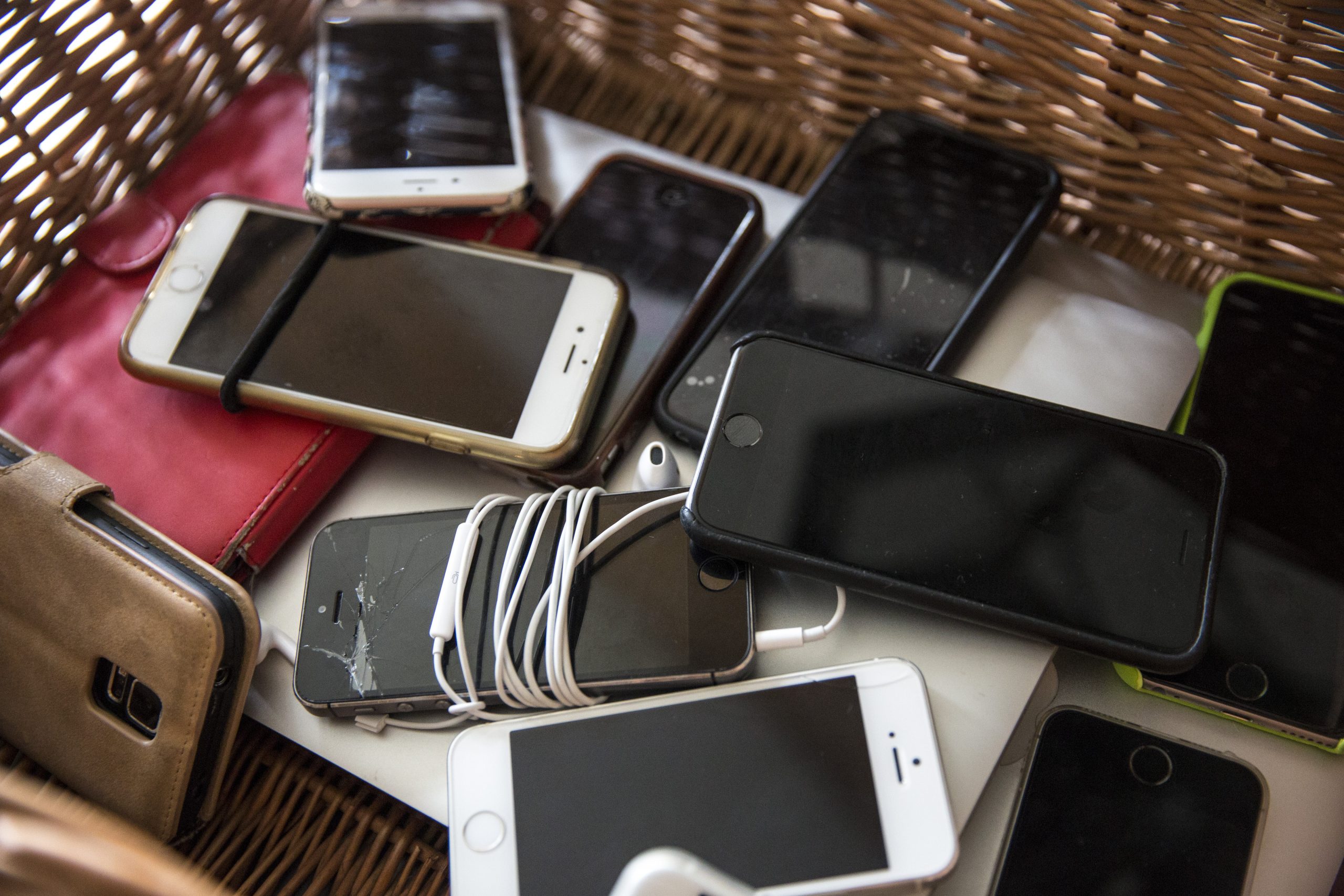
    When did we all start carrying our smartphones everywhere? And we mean everywhere…62% of us say we send and receive messages in the toilet! That’s surely a habit we can all get out of? To start building in small periods of digital detox in your day find a ‘phone home’  – a basket, box or drawer – both at work and at home where you can place your smartphone when you’re going to be staying at that place for a while. Make a point of going to your smartphone to check it rather than tethering yourself to it constantly. Carrying it around all the time is what encourages that nervous reflexive checking we all do when we pat our pockets to make sure it’s still there.

    Put your smartphone back in its place of being a tool that you use, rather than a master that dictates your day. Designating a place for it to belong that’s not on your body is a great way to start.

    How to do a digital detox #4 Declutter your screen

    The average smartphone user is using around nine apps a day, 30 per month. But with hundreds of apps installed on our smartphone that we mostly never use, it’s no wonder we find our smartphones difficult to ignore and hard put down. Get into the habit of decluttering your phone screen once a month and deinstall apps that you don’t use, file rarely-used apps into folders named by app type, and banish time-wasting apps to the furthest screen of your device. Consider completely deleting  from your phone apps  that are the biggest time wasters without offering much benefit – these might be social media for example – and only check these from a laptop or desktop computer.

    Decluttering works at home and in the office – and it can work on your smartphone too. Tidy smartphone screen, tidy mind.

    How to do a digital detox #5 Set no-phone zones

    Draw some boundaries for yourself and designate places where your phone really doesn’t belong. This will help to build in periodic screen-free spaces in your daily life. We’ve already suggested bathrooms, how about making meeting rooms at work screen free and maybe the bus or train on your daily commute? Draw mental lines in the sand so that when you step into these spaces you know that your phone shouldn’t be in your hand. Digital detox should be an ongoing, daily, process – just like healthy eating – so you don’t ever reach a crisis point and find yourself suffering from digital burnout. Your productivity and creativity will benefit too when you give yourself the headspace that comes from turning off that 24:7 noise from screens for a few minutes each day.

    That’s it, our top five tips on how to do a digital detox. There are loads more tips in the ‘Take Control‘ section in our magazine and also in our book ‘OFF’, so have a look at both of those too.

    View the original article at itstimetologoff.com
  • 3 Overlooked Ways to Achieve Flow and Reach Peak Productivity in the Office

    3 Overlooked Ways to Achieve Flow and Reach Peak Productivity in the Office

    3 Overlooked Ways to Achieve Flow and Reach Peak Productivity in the Office

    The modern workplace often feels like it feeds off ‘busy-ness’ rather than business. In any company if you ask a colleague how their work is going, they will usually say ‘busy’ at least once in their reply.

    But being ‘busy’ doesn’t always mean productive – it usually means switching from one to demand to the next, either through a torrent of email, meetings, or taps on the shoulder. It eliminates the ability to achieve ‘flow’ – a state of consciousness where you can reach peak productivity. But, even in an office, you can easily take steps to achieve flow – some might seem slightly counter-intuitive, but your productivity will almost certainly benefit.

    #1 Don’t read email when you first get in (or after hours)

    Email is a deadly productivity killer; but some people work almost entirely out of their inboxes. They’ll log in as soon as they arrive in the office, and then continuing to sift through them as they get home.

    There are several problems with this approach.

    The first is that responding to one email after the next is likely to make the respondent multitask, which is damaging to cognitive ability. The best way of getting a high level of productivity at work is to be able to focus on a task for 1-2.5 hours – which is a state often referred to as ‘flow’. The problem is it usually takes a little over 25 minutes to get into such a state. So if you’re flitting from one task to the next, through an email inbox, then you’re unlikely to get into the zone for this higher level of productivity.

    Second, taking your work home with you in and continuing to tend to email will not give you the regular cognitive breaks that you need. Your brain is going to get progressively more tired, and you’re more likely to get stressed. As much as any other physical part of your body, your brain sometimes just needs a rest. Give it one by switching off email after work.

    #2 Organise meetings for the afternoon if you can

    If you don’t check your emails in the morning, then you’re much more likely to get into work with a set objective for the day and crack through it in the morning. But there’s still another obstacle – the morning meeting.

    Morning meetings break up times when flow could possibly be achieved. They often require a high degree of focus to be productive, particularly if you’re the one presenting, and they place heavy priority on tasks being done soon after. If you had any ambitions to achieve anything else in the morning, which should be your most productive time, then it’s less likely that you’ll be able to achieve them.

    Of course, it may be possible to have a morning meeting and achieve peak productivity in the afternoon, but it’s easier in the morning when your mind is fresher. Added to this, being able to maintain a high state of productivity for the entire day becomes fairly limited. Many successful authors rise early in the morning, work 5-6 hours, and then finish for the day. Much more than that and they hit a wall. So really it’s better to try and plan your peak productive time in the morning, then use your afternoons for meetings.

    #3 Stop multitasking

    Unfortunately the modern workplace suggests multitasking is a necessity. How else are employees going to meet the demands of a hundred emails and multiple meetings in one morning? What this most often leads to is people checking email all the time, when they are in meetings.

    The biggest problem with multitasking is that it actually reduces our cognitive abilities. Author and psychologist Dr Travis Bradberry writes:

    A study at the University of London found that participants who multitasked during cognitive tasks experienced IQ score declines that were similar to what they’d expect if they had smoked marijuana or stayed up all night. IQ drops of 15 points for multitasking men lowered their scores to the average range of an 8-year-old child. So the next time you’re writing your boss an email during a meeting, remember that your cognitive capacity is being diminished to the point that you might as well let an 8-year-old write it for you.

    Something you may want to avoid…

    So, next time you head to the office, think about these steps. Stop responding and meeting the demands of every email – particularly first thing or late at night. Put the breaks on morning meetings, and avoid multitasking as much as possible. Give yourself the right headspace, and your productivity will soar.

    View the original article at itstimetologoff.com
  • How social media gets us hooked

    How social media gets us hooked

    How social media gets us hooked

    Why we post

    It’s not news that we love to talk about ourselves.

    Humans devote about 30–40% of all speech to talking about themselves. But online that number jumps to about 80% of social media posts. Our social media addiction mostly manifests itself in us talking about ourselves, rather than talking about other people.

    Why? Talking face-to-face is messy and emotionally involved–we don’t have time to think about what to say, we have to read facial cues and body language.

    Online, we have time to construct and refine. This is what psychologists call self-presentation: positioning yourself the way you want to be seen.

    The feeling we get from self-presentation is so strong that viewing your own Facebook profile has been shown to increase your self-esteem.

    What’s interesting is that the most prominent way we tend to work on self- presentation is through things—buying things and acquiring things that signify who we are.

    Think: Clothes, games, music, the logo on your laptop right now.

    The intensity of emotion people can feel for their favourite brands as a result of this is powerful. An experiment showed volunteers two types of photos: the logo for a brand they loved and pictures of their partners and closest friends.

    Their physiological arousal to the logo was as intense as the arousal of looking at a picture of their closest friend.

    Things—and by extension, brands—are a huge part of who we are.

    Why we share

    So, if we like talking about ourselves so much, what would make us share something of someone else’s?

    Passing information on is an impulse that we’re hard-wired with. Just the thought of sharing activates our brain’s reward centers, even before we’ve done a thing.

    Self-presentation, strengthening relationships

    It comes back to our own self image: 68% of people say they share to give others a better sense of who they are and what they care about.

    But the biggest reason we share is about other people: 78% of people say they share because it helps them to stay connected to people. Social media addiction can be partly be seen to be about our need for connection.

    Experiments have shown that the best predictors of contagious ideas in the brain are associated with the parts that focus on thoughts about other people.

    Social currency

    And when we share the right type of content, we gain social currency—our stock goes up. 62% of people say they feel better about themselves when people react positively to what they post on social media.

    Jeff Goins wrote on our blog about this little-known research paper from the 1970s that attempts to create a unified theory of what makes something interesting.

    The author, Murray Davis, says all interesting content is “an attack on the taken-for-granted world of their audience.”

    Like “the dress,” things that are interesting deny our assumptions in some way; they shake us up.

    Why we ‘like’

    44% of Facebook users ‘like’ content posted by their friends at least once a day, and 29% do so several times per day.

    We do this because we want to maintain relationships. When we favourite and like each other’s posts, we add value to the relationship, and reinforce that closeness.

    We also create a reciprocity effect. We feel obliged to give back to people who have given to us, even in a small way. We want to even up the scales.

    Social media addiction and the dopamine hit

    When the like button was first introduced it completely changed changed the psychology of Facebook use. What had started as a fairly passive way to keep in the loop with your friends’ and family’s lives became deeply interactive overnight.

    More than that, it became addictive. 1971, psychologist Michael Zeiler had shown with an experiment on pigeons that an unpredictable reward created twice as much dopamine (the ‘feel good’) chemical in the brain as a predictable one.

    We became social media gamblers, never knowing each time we shared a photo, link or status update whether we would get a response. Like Zeiler’s pigeons, we became more driven to seek feedback when it wasn’t guaranteed.

    Facebook was the first platform to introduce the like button, but we can now like and repost tweets on Twitter, like and comment on pictures on Instagram, Google+, LinkedIn, and on videos on YouTube. Social media addiction finds us playing one huge digital slot machine of unpredictable rewards.

    We’re all hooked.

    View the original article at itstimetologoff.com

  • What is Slow Tech and How Can it Help You Take Back Your Life?

    What is Slow Tech and How Can it Help You Take Back Your Life?

    What is Slow Tech and How Can it Help You Take Back Your Life?

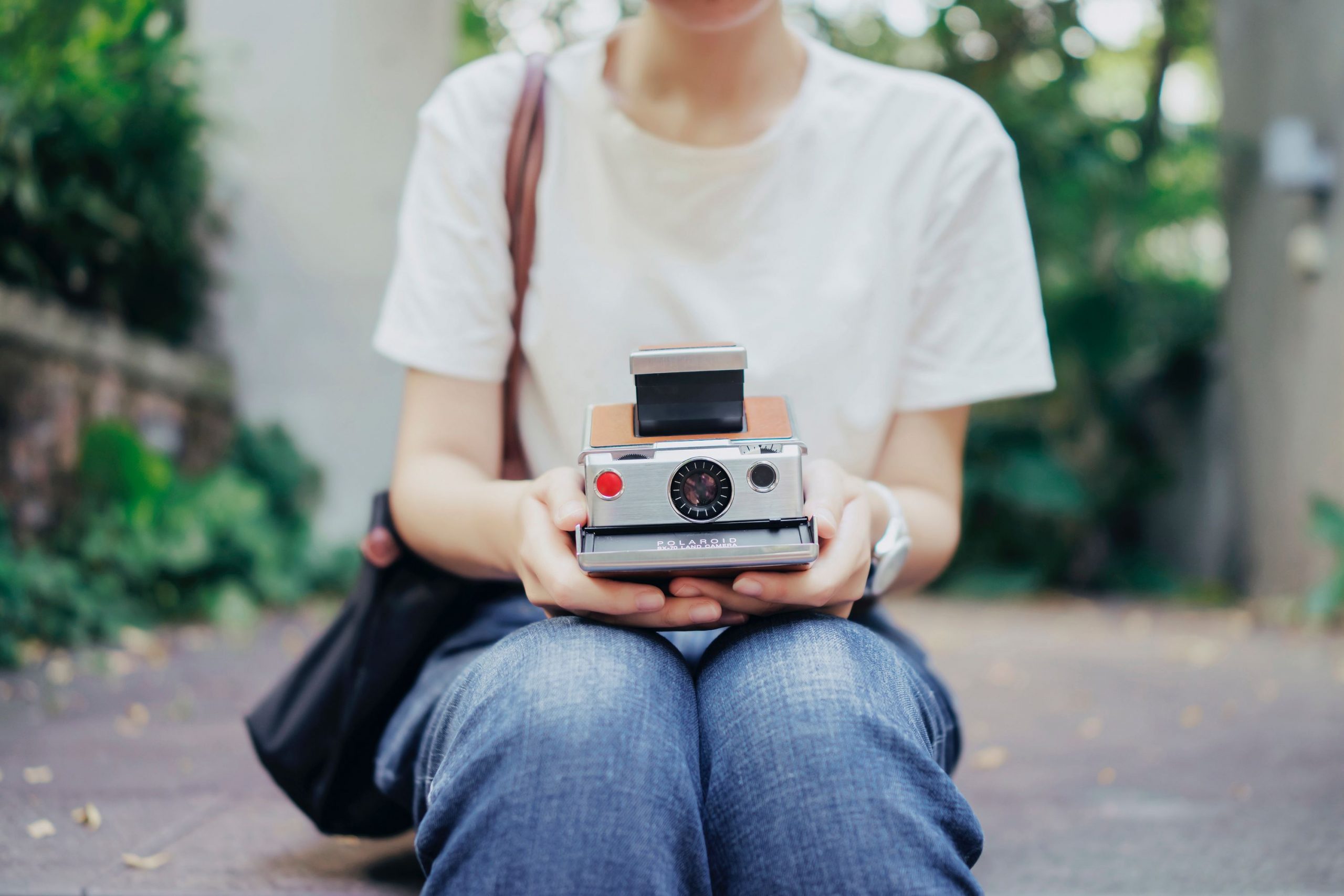
    Disruption. It’s a word often used by marketing teams to describe the next big thing in tech and the world of Silicon Valley startups. But, have we had enough disruption? Innovators are constantly working to streamline our lives into ever smaller devices, trying to convince us (and our wallets) that more tech means improved efficiency and productiveness. Yet, younger generations are reverting back to now ‘retro’ predecessors to today’s tech. There’s been a boom in Polaroid-style instant cameras, vinyls and even pen and paper stationery. So, what’s happening here? More and more people are noticing the need to move from an optimised use of technology to a more measured use. Meet the Slow Tech movement.

    Firstly, let’s explore the meaning of Slow Tech and how it differs from Digital Detox. Digital Detox is a temporary break from all your digital devices to recharge, reconnect and become fully present in those moments. Slow Tech focuses on consciously changing your interactions with technology to become more mindful and deliberate. You could say that your learnings during a period of disconnectedness, or Digital Detox, help outline how you personally could introduce Slow Tech to your lifestyle – it will be different for everyone.

    Slow Tech doesn’t mean no tech. It means moving away from a constant use of technology which we see is optimising our lives. Instead, Slow Tech means reflecting on how that technology is used and if a ‘slower’ alternative may actually bring us more benefit. Rather than achieving efficiency and constantly relying on our devices, Slow Tech encourages us to protect natural tendencies, such as creativity and the ability to reflect and contemplate freely. These natural tendencies can be damaged if our interaction with digital devices is not limited. Slow Tech adopters place particular emphasis on avoiding technology from dominating interactions and daily habits in parenting.


    1. Encourage Creativity

    Creativity is one of the biggest losers when it comes to technology. Sure, we have a wealth of knowledge and inspiration at our fingertips, but when was the last time you put pen to paper, rather than hastily typing a note into your phone? When was your last ‘big’ idea?

    Slow Tech Tip #1: For finding fresh ideas and inspiration, you need to remove all digital distractions that interrupt the process of your mind wandering – there’s a reason so many people have eureka moments in the shower! Sit somewhere quiet with a notepad and brainstorm.

    1. Build Stronger Relationships

    If you’re guilty of using your phone to do something else while talking to someone in person, you’re ‘phone snubbing’ them. So many of us have fallen into the habit of trying to multi-task and become as efficient as possible. But in this scenario, it just doesn’t work. The phone acts as a barrier to connect deeply with the person in front of you.

    Slow Tech Tip #2: Make a rule that when someone is speaking you, be it a colleague, friend or family member, you put your phone down. At home, designating phone-free spaces, such as the dinner table, can help preserve real conversation.

    1. Improve Your Productivity

    One of the areas where the invasion of technology has had most impact is the bedroom. Many of us use our phones as alarm clocks and reply to emails and messages in bed. We’re also guilty of wasting time scrolling through social feeds and watching videos that eat into our zzz time. Though it’s not just about time wasted, those moments before sleep are for unwinding and switching off. Using a digital device that emits blue light will keep you feeling alert and your brain focusing on whatever is on the screen. This means that as well as getting less sleep, your quality of sleep also reduces.

    As we’re continuously becoming more and more obsessed with being productive, it’s funny that getting a good night’s sleep always comes in last place. It’s no secret that poor sleep reduces productivity and our ability to concentrate and multi-task.

    Slow Tech Tip #3: Make your bedroom, or at very least, your bed, a phone-free space. Replying to that email at 11pm? It can wait.

    So, Slow Tech doesn’t mean no tech. It means mindfully recognising areas of your lifestyle that tech has invaded to a point where its use is detrimental, rather than beneficial. It means reducing these detrimental interactions and protecting our natural abilities and habits.

    Are you ready to join the Slow Tech movement?

    View the original article at itstimetologoff.com