Author: The Fix

  • What Are the Best Options for Dilaudid Rehab?

    What Are the Best Options for Dilaudid Rehab?

    Are you trying to find treatment for Dilaudid use? We can help you find the best luxury rehab.

    Table of Contents

    1. What is Dilaudid and How is it Used?
    2. Development of Dependence
    3. Development of Addiction
    4. Potential Abuse and Addiction Symptoms in Users of Dilaudid/Hydromorphone
    5. Detox Begins the Road to Recovery
    6. Follow-Up Care is Essential
    7. Types of Dilaudid Recovery Programs
    8. Appropriate Treatment Plans
    9. Choosing the Right Facility for You

    If you’re suffering from Dilaudid addiction, help from trained professionals is a must for recovery of your sobriety. The only reliable places to find these professionals are specialized, high-quality opioid rehab programs. Such programs exist across America, but you must know how to find them.

    To identify the best addiction programs, you must first understand how an addiction to Dilaudid alters your brain and body. You must also gather information about the treatments known to help you halt your substance abuse. In addition, you must learn a bit about what separates average programs from exceptional programs. With this knowledge at your fingertips, you can find the shortest possible path to a stable, substance-free lifestyle.

    What is Dilaudid and How is it Used?

    Dilaudid is the brand name for a prescription opioid medication that contains hydromorphone (hydromorphone hydrochloride) as its active ingredient. It comes in several forms, including tablets, an oral solution and an injection. Hydromorphone is also known as dihydromorphinone. The medication bears a close chemical resemblance to its parent drug, morphine.

    As an opioid, Dilaudid provides pain relief by changing the way in which your central nervous system (brain and spinal cord) interprets nerve signals from your body. At the same time, the medication slows down your central nervous system, sedates you and increases your perceptions of pleasure.

    Doctors should follow certain criteria when prescribing Dilaudid for their patients. Before receiving the medication in the form of a tablet, oral solution or standard-strength injection, most patients must have tried other, non-opioid pain relief options. In addition, these options must have failed to provide sufficient relief. Your doctor may also prescribe tablets, oral solution or standard injection if your system won’t tolerate non-opioid pain relievers.

    To qualify for a high-potency injection of the medication (Dilaudid-HP), you must already be tolerant to the effects of opioid substances. This tolerance may result from previous treatment with opioid medications. It may also be the product of previous consumption of an opioid street drug.

    These precautions are in place because hydromorphone is a Schedule II opioid prescription drug. This designation means that use of hydromorphone products carries a very high risk for abuse and addiction. It also means that products in this category have a high potential to depress (i.e., slow down) your normal lung function and trigger life-threatening health consequences. Risks for breathing problems are especially high in two situations: during the first one to three days of use and whenever your doctor increases your medication dosage.

    Besides Dilaudid, the only hydromorphone-based medication currently available in the U.S. is Exalgo, an extended-release tablet. When sold and/or used illegally, Dilaudid and hydromorphone may go by street names that include:

    • Juice
    • Dillies
    • Smack
    • Footballs
    • D

    Development of Dependence

    If you’re dealing with pain that doesn’t respond to non-opioid medication, Dilaudid may prove very useful. However, continued use of hydromorphone or any other opioid can lead to the onset of something called opioid dependence. Dependence occurs when certain areas of your brain come to rely on the effects of Dilaudid. If you stop taking the prescription drug at this point, or make a significant reduction in your intake, you may experience symptoms of withdrawal.

    Opioid withdrawal runs a characteristic course. It begins with the appearance of symptoms such as altered sleep, excessive yawning, abnormally high sweat production and abnormally high output of tears and mucus. As the absence of hydromorphone continues, further possible symptoms of withdrawal include gut/abdominal discomfort, altered bowel function, widened pupils, nausea, vomiting and persistent goosebumps.

    It’s important to note that opioid dependence is not the same as opioid addiction. Many legitimate prescription holders who take opioids for a long time become dependent. However, with help from their doctors, they maintain their ability to function and avoid any destabilizing changes in their daily lives. Current evidence also shows that opioid dependence affects different areas of your brain than opioid addiction.

    Development of Addiction

    While dependence on prescription opioids is a medically manageable state, addiction presents another picture altogether. One of the hallmarks of addiction is loss of control over your substance intake. In turn, this loss of control seriously damages your ability to lead a functional day-to-day life.

    Your chances of progressing from dependence to addiction rise steeply if you take part in any form of Dilaudid abuse. People who hold prescriptions for addictive medications can cross the threshold of abuse by taking amounts that are higher than their prescribed dosages. They can cross the same threshold by taking their medication too often. If you take Dilaudid/hydromorphone without a doctor’s approval, you automatically meet the definition of prescription drug abuse, no matter how much of the medication you consume.

    In addition to loss of control over your medication intake, you may have other symptoms of hydromorphone addiction (or damaging, non-addicted abuse.) The diagnosis given to people affected by at least two abuse/addiction symptoms in a year’s time is opioid use disorder, or OUD.

    Potential Abuse and Addiction Symptoms in Users of Dilaudid/Hydromorphone

    • Recurring use of the medication in situations where you can physically harm yourself or others
    • Recurring urges to consume the medication when engaged in other activities
    • Dedication of significant parts of your day to hydromorphone-related concerns (i.e., acquiring, using or recovering from the medication)
    • Tolerance to the drug effects of any given dose of the medication
    • Turning to medication abuse as a replacement for other hobbies or interests
    • Failure to alter your medication consumption when you know it hurts you mentally or physically
    • Failure to alter your medication consumption when you know it hurts your ability to maintain key relationships
    • The appearance of withdrawal if you stop taking the medication or take it in smaller amounts

    Depending on how many of these symptoms affect you, you may have mild, moderate or severe OUD. The seriousness of your symptoms also has an impact on your diagnosis and treatment.

    Detox Begins the Road to Recovery

    Before you enter Dilaudid rehab, detoxification (detox) is an essential first step. This medically supervised process gets its name because it gives you time to purge an addictive substance and cease its immediate, toxic effects. For any person addicted to an opioid medication or street drug, detox will trigger the onset of withdrawal symptoms. The length and severity of those symptoms depend on two main factors: the duration of your addiction and the amount of hydromorphone you habitually abuse.

    If you only abuse a single opioid, the withdrawal process will probably not have life-threatening consequences. However, certain complications may occur. For example, you can develop a serious lung infection if you vomit and inhale any particles into your lungs. If your withdrawal-related vomiting and diarrhea go untreated, you can also develop a dangerous, potentially lethal form of dehydration.

    However, the number one health concern for anyone going through opioid detox is a relapse back into active medication/drug abuse. Why? Because detoxification lowers your tolerance to the effects of opioids. If you relapse and take your previous regular dose of Dilaudid, you can overwhelm your system and experience an overdose. Opioid overdoses are now one of the most common causes of death throughout the U.S.

    During detox, your doctor should also check for any other health issues that can make relapses or other problems more likely to occur. One potential problem is alcoholism. The presence of alcoholism can make safe detox more difficult. And if you relapse simultaneously with opioids and alcohol, your risks for overdose and death can skyrocket.

    Detox programs should also check for the presence of mental health issues not related to substance use. That’s true because depression, anxiety and other serious illnesses add a further layer of complication to successful treatment. Veterans of Iraq and Afghanistan are among those groups with the highest risks for overlapping mental health and substance problems.

    Follow-Up Care is Essential

    Once you’ve completed your stay in a detox program, your ability to establish lasting sobriety rests upon enrollment in Dilaudid rehab. There are two main reasons why rehab participation is so critical. First, when you finish detox, your opioid tolerance will be low. If you relapse at this point in your recovery, you have a very strong chance of overdosing and possibly dying. By continuing on to rehab, you can safeguard your health and make the hard work of detox count for something.

    Just as importantly, rehabilitation programs are the only place you can really come to understand your motivations for getting involved in opioid abuse. They’re also the only place where you can learn how to change those motivations and develop new, sobriety-supporting thoughts and behaviors. Opioid rehab programs are designed for people addicted to Dilaudid and similar drugs and medications. This means they provide services that fulfill your specific needs for ongoing recovery.

    Types of Dilaudid Recovery Programs

    Rehab programs for people addicted to a prescription drug can be conducted in several treatment settings. The two most common options are inpatient treatment and outpatient treatment. Inpatient programs get their name because they require you to live onsite while you go through the rehabilitation process.

    There are several benefits to this approach, beginning with round-the-clock monitoring of your health, safety and well-being. This 24/7 attention also gives inpatient programs the ability to respond to any treatment emergencies immediately. In addition, residential care makes it easier for your doctor to make changes in your treatment and maximize the usefulness of rehab.

    Your doctor will probably recommend inpatient treatment if you have moderate or severe symptoms of Dilaudid-based opioid use disorder. (The worst cases may call for temporary hospitalization.) If you have milder OUD symptoms, help in an outpatient program may be a better fit. During outpatient treatment, you maintain your normal routine while making scheduled visits to your rehabilitation facility. This approach can make opioid treatment more convenient and easier to attend. Both college students and working adults can take advantage of the added flexibility.

    However, even if you qualify for outpatient care, you may still benefit from a stay in a residential facility. That’s because inpatient care provides you with an extended period of time in which rehab treatment is your only major concern. Throughout your stay, you can avoid the stresses of daily decision-making, as well as any negative influences that can make you more likely to abuse Dilaudid. It’s also important to note that the presence of a co-existing mental illness can make outpatient treatment an unsuitable option, even if you have only mild addiction symptoms.

    Appropriate Treatment Plans

    In the 21st century, the standard of care for all people with opioid use disorder is appropriate medication combined with some type of behavioral therapy. Medication can help your rehabilitation team achieve several important objectives. First, it can help decrease the strength of your cravings for hydromorphone. The right medication can also make withdrawal more tolerable by decreasing the impact of your symptoms. Once opioids are out of your system, medication can also block the effects those drugs normally have on your brain.

    The most common medical choices for hydromorphone addiction treatment, methadone and buprenorphine, are opioid medications, just like Dilaudid. This may seem like a bad idea at first. However, both of these medications are proven to work. They do so by doing two main things. First, they provide your brain with enough of an opioid boost to stop you from going through heavy withdrawal. At the same time, methadone and buprenorphine are given in doses too small to get you “high” and help you sustain addiction.

    As your condition stabilizes, your doctor may gradually reduce the amount of buprenorphine or methadone you receive. In this approach, you will reach a point where you take no opioids at all. In contrast, opioid medication is sometimes given in low doses on a longer-term or even permanent basis.

    If your rehab program’s goal is complete cessation of opioid use, you treatment plan may also include the anti-opioid medication naltrexone. Inside your body, naltrexone acts as a kind of kill switch and stops opioids from passing from your bloodstream into your brain. By stopping you from getting high, this blocking action decreases the appeal of returning to hydromorphone abuse.

    A few types of behavioral therapy have proven benefits for effective Dilaudid rehab. One therapy option, known as community reinforcement approach (CRA) plus vouchers, uses a reward-based system to encourage active program participation. A second option, contingency management, relies on similar methods in a different format.

    One of the most popular evidence-based opioid rehab therapies is called CBT or cognitive behavioral therapy. CBT helps you understand your substance abuse motivations, then helps you modify those motivations so you can avoid future problems. A fourth type of therapy, motivational interviewing, often takes place early in treatment. It aims to help you get you beyond any internal resistance to addiction rehabilitation.

    People from all walks of life can benefit from medication and behavioral health options for hydromorphone addiction. That includes teenagers, veterans and young people enrolled in college. In some cases, treatment may be adjusted to account for your age or other factors in your personal background. Teenagers, especially, may require different types of programs than younger or older adults.

    Choosing the Right Facility for You

    To take full advantage of your stay in addiction rehab, you must enroll in a program that meets all of your treatment needs. At a bare minimum, this means that you must find a facility that upholds current standards of opioid-related care. The doctors and support staff helping you during rehabilitation should have extensive experience in the recovery field. In addition, they should treat you in a well-maintained facility that guards your health and safety at all times.

    Before any active rehab begins, programs on your list of options should conduct comprehensive mental health and physical health assessments. Such assessments are the only way to identify all the factors that can affect the choice of effective treatments.

    When making inquiries over the phone or in person, make sure to ask all relevant questions that come to mind. Reputable programs won’t mind this level of scrutiny. In fact, they’ll welcome it. At this stage, veterans and the parents of teenagers should also make sure their preferred programs offer treatments designed to fit their particular circumstances.

    No matter your background, you should also look for programs with a holistic treatment philosophy. Such programs treat you as a whole person, not just someone suffering from Dilaudid addiction. By offering additional supportive care, they increase your odds of recovering and returning to a life built upon enduring sobriety. Popular, effective options for holistic addiction care include stress management, yoga and biofeedback.

    Top programs also typically offer options for after-care. These follow-up treatments give you the chance to check in periodically, get a picture of your current health and renew your resolve to stay sober.

    The bottom line in addiction treatment is taking action. Once you identify your preferred program options, you must continue your efforts by making contact and pursuing your goals for short- and long-term sobriety. Such an engaged approach will help you find the very best program for your needs. It will also help you weather the ups and downs of treatment, make progress and keep going strong once your enrollment comes to an end.

    View the original article at thefix.com

  • "Chrisley Knows Best" Star Todd Chrisley's Son Arrested on Drug Charges

    "Chrisley Knows Best" Star Todd Chrisley's Son Arrested on Drug Charges

    Kyle Chrisley was reportedly booked into Okmulgee County Jail for felony possession of methamphetamine.

    Kyle Chrisley, the eldest son of real estate businessman and reality television star Todd Chrisley, was arrested on drug possession charges in Oklahoma, where police also found that he had an open warrant for his arrest in Georgia for alleged death threats against his estranged wife, Alexus.

    Chrisley struggled with drug dependency during his appearances on the first season of his father’s series, the USA Network’s Chrisley Knows Best, in 2014, but TMZ noted that the death threat allegations stem from texts sent to Alexus in which he reportedly wrote that he would “end [her].” 

    Following the news of Kyle’s arrest, Todd Chrisley wrote on social media that he “had no room for regret.”

    According to TMZ, Kyle Chrisley was booked into Okmulgee County Jail for felony possession of methamphetamine, and was held on an open warrant for the alleged threats in Dekalb County, Georgia. TMZ was not able to confirm whether Chrisley was still in lockup in Oklahoma as of May 11, 2019.

    In regard to the threats, TMZ obtained documents that included allegations that Kyle had penned several threatening texts to Alexus. One reportedly read, “[N]ot before I end you…. I will get my s**t and take care if this problem with you because if I’m not with you nobody will be [sic].” According to a police affidavit, Alexus received texts that also showed Kyle with a weapon pointed at his head and using drugs.

    When told by Alexus via text that such statements constituted a “threat to my life,” Kyle reported responded by writing, “yes: it was. Goodbye.” A warrant issued by a judge in Georgia in January was still open as of the time of his arrest in May.

    Todd Chrisley, who required Kyle to undergo weekly drug testing during his appearance on Chrisley Knows Best, tweeted on May 11 – the same day that TMZ revealed that Kyle had been arrested – that he “had no room for regret, I won’t dim my light so someone else can shine brighter, I am a child of God and he did not build me to break, therefore I stand head held high to serve his purpose.” 

    Previous public exchanges between Chrisley and his father have been less carefully worded. When Kyle blasted Todd in a 2014 interview for the Daily Mail, in which he alleged that his father had “ruined [him] and he’s ruined the three other kids he’s had, who are spoiled,” Todd responded by tweeting that “my son Kyle is bipolar, he suffers from mental illness, he will struggle for life, Yes, the Daily mail prayed [sic] on this to sell a story…” 

    View the original article at thefix.com

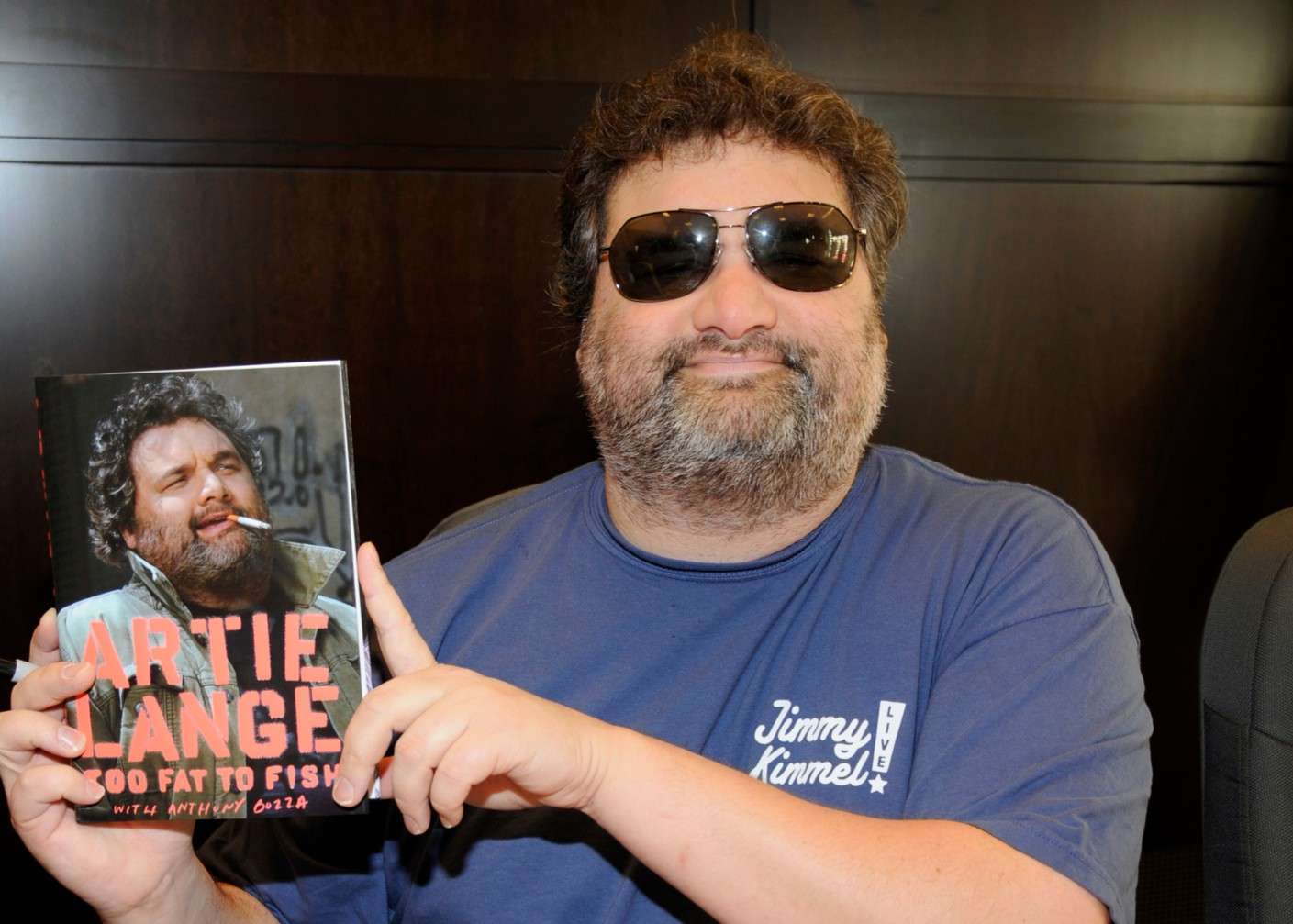
  • Howard Stern "Very Sad" About Former Sidekick Artie Lange

    Howard Stern "Very Sad" About Former Sidekick Artie Lange

    The shock jock wishes the best for Lange, who is doing community service following a 2018 drug conviction.

    Radio host Howard Stern is sad about what’s happening with Artie Lange, according to the New York Times Magazine. On what has been a rocky journey between drug abuse and recovery, Lange is doing community service for a 2018 heroin possession charge.

    “I choose my words about Artie carefully, because I love him,” said Stern. “What’s happening with Artie makes me very sad.”

    Lange has long struggled with substance abuse, evident in his deviated septum that was a result of years of cocaine and heroin abuse.

    In 2009, Lange was asked to leave The Howard Stern Show over his excessive drug use. The next year, Lange attempted to commit suicide by drinking bleach and repeatedly stabbing himself in the stomach.

    “We’ve lost touch, and that’s my doing. I got my fingers crossed for the guy. And it wasn’t a clean break. It was many years of wanting Artie to get help.”

    Eventually, the split between Lange and the show was made permanent.

    “I know that a lot of fans want me to talk about Artie and feel it’s a cop-out for me not to,” commented Stern. “I’ll take that. I don’t want to do anything that would rock his boat. I get sad talking about Artie. He was a tremendous contributor. But we had to move on.”

    Lange’s fellow comedians urged him to get help as he struggled.

    “Artie, this is my 1000th request over decades to beg you to surrender to your addictions,” tweeted Richard Lewis. “We had the most laughs sober. I love you. You’re beloved and a magnificent comedian cursed with self loathing and fear. Give it up and live.”

    Comedian Jackie Martling also said his piece.

    “coming up to 18 years [sober] in May. in early 2001 I’d have laughed at the idea of not drinking for 18 *days.* Art, I know you know the laughs are just as hearty on this side. I love you and am of course 100% in your very crowded corner,” he tweeted.

    As for Lange, he passed a message to his fans through his Twitter team.

    “It’s true i’m working to satisfy my drug court program. I work with great people. Nothing wrong with a little hard work. Love you all and can’t wait to be back on stage,” Lange said, according to the tweet.

    A representative for Lange confirmed that “this is work Artie is doing as part of his [New Jersey] drug court case. He is working with a refuse company daily as he continues treatment.”

    View the original article at thefix.com

  • Mother’s Day: Recovery, Love, and Light

    Mother’s Day: Recovery, Love, and Light

    At night, tucking my kids into bed, I would make a deal with myself: hold on just a little longer until they needed me a little less and then I could go through with my suicide plan.

    Mother’s Day is Mothering Day, isn’t it? A day that honors all of us who mother our children—loving, caretaking, nurturing, offering our time and energy, setting aside more selfish pursuits and pleasures to help support our children’s journeys. Of course, we love receiving the homemade, crayoned cards, the store-bought roses or dandelion bouquets, and the pancakes delivered in bed (even with kitchen disasters). These gifts remind us of our essential role in our children’s lives. But for me? Mother’s Day is my chance to offer my gratitude that I am now a sober and stable force of love, hope, and healing for my children.

    Almost 10 years ago, I started writing my blog, Momma May Be Mad, during a complete bipolar collapse: I was anorexic, alcoholic, in and out of psychiatric hospitals and rehabs, and determined to die. But what anchored me to this world were words; more specifically, my blog, a public journal that allowed me to wrestle openly with the lies and the truths of illness and wellness, of despair and hope, of isolation and community.

    At the time, recovery seemed an impossible and cruel promise: light and hope and love would always be just out of reach and I believed it would be better for my children if I died. In the morning, I woke up too early and at night went to bed too late because of a ruminative argument that forced this point: How could I ever be a safe and loving harbor for my children when I was the storm threatening to smash us all against the rocks? I did not believe that I could get sober and stable and well enough to mother my children into their own growing, complex, miraculous lives.Rather than feeling like a mother, a source of creative nurturing power, I felt like one of the furies, a toxic destructive cyclone.

    Do you know that “mother” also refers to the thick scummy substance in liquor, the filthy dregs? This truly was how I thought of myself. At night, tucking my kids into bed, I would make a deal with myself: hold on just a little longer until they needed me a little less and then I could go through with my suicide plan.

    My first post was a manifesto to truth. For years I’d been lying about how much I drank, how often I cut myself, how little I’d eaten, and how I was planning to die. It was a way to hold myself accountable to a deliberate, intentional, and public directive: to recover my health, my balance, and most importantly my integrity. My aim was nothing less than radical transparency:

    March 1, 2010: Truth: Here I am, Self and the Blank Page, fingers nervously typing. Time to write this down, to deal with the shame and the self-loathing, and turn it around. This is the story of IT: ‘IT’ is my abstract pronoun, the catch-all for my variety of afflictions. IT inhabits capital letters, an impassive, unfeeling monolith. In contrast, ‘I,’ (or for your sake, ‘me,’) who lives in love, in forgiveness, and in the shrieks of pleasure I hear coming from my kids right now in their playroom. I am thirty-seven years old, the Momma of two, the wife of one, and I have bipolar disorder, and eating disorder. Oh yes, and the nasty habit of cutting myself. And drinking, too much. I am in therapy, on mood stabilizers, anti-psychotics, and sleep meds. But what I must accept: Life on Life’s Terms. No mere 12 Step cliché, but practical truth. I’m ragged and frayed and scattered, fractured and splintered by shame. I want to be whole for my children.

    My essential sacred directive was to stay alive. Short-term goals at first. Stay alive for my son’s cookie crumb, sloppy kisses, his warm hand on my cheek, his tiny body finding mine at night, spooning up against me. He needed me in the primal way four-year-olds need their Mommas, close and tight. He is my son, and, at the time, I was his sun—the one he revolved around. When I picked him up from preschool, he would tackle me and say, “I love you Momma. Will you marry me?” A sincere proposal—live together forever.

    And to stay alive for my daughter who needed me more and differently as she navigated the intricacies of being a seven-year-old who preferred dragons, bugs, and furry creatures over Hannah Montana, the Jonas Brothers, and boyfriend-girlfriend role playing. And then there were the rapid-fire, shifting friendships that often relegated her to third-in-line best friend. My heart broke over and over as she tearfully told me that she had “a funny feeling in her belly all day long,” and wanted to move far away. “Vermont,” she said, “or Greece.”In her Mother’s Day Card from that year, she wrote that I made yummy muffins, was, contrary to fact, good at mathematics, loved when I tickled, hugged, and kissed her, and that she “relly relly relly relly relly relly relly relly relly relly relly relly” loved me.

    Twelve relly’s.

    Stay here and love us, forever: this was the sacred directive given to me by my children.

    In the years since that public declaration, I’ve done the hard work in therapy, I take my meds, respect my body (no cutting, no starving), got sober, and continue to write my way out of hell and into health. Sobriety and stability are clarifying and being a Mother in recovery means showing our children that they don’t have to stay stuck in a bad situation. By our own example one day at a time, we show them how to persevere, to stay hopeful, to recover and thrive after what seems insurmountable failure. 

    I am mostly happy these days and can hardly remember those years foundering at the bottom of the dark well, the years I believed I would never find joy again, never be the mother I wanted to be for my children again, never write another word that mattered again, never look forward to the next day and the day after that again. Now? I know that I am not (and never was) the scummy, filthy dreg at the bottom of a bottle of booze, and that while I might have been a mad Momma for a time, I have always been loved. Now? I am the safe harbor, my steady beacon blinking: Here-Here-Here-Always Here-Always Here-Always Here.

    Bipolar disorder is not curable, but it is manageable; sobriety is hard even on the easy days; and I fought to regain my life and my life with my children.

    Know this to be true: if you are where I was, please do not despair because you are worth fighting for, skinned knuckles and scraped knees, bruises and blood. Fight for your life, your joy, your own self-love. The world wants you back, the light is waiting, and your children are here.

    View the original article at thefix.com

  • Rob Lowe Reflects On 29 Years Of Sobriety

    Rob Lowe Reflects On 29 Years Of Sobriety

    The actor shared a message of positivity on Instagram as he celebrated the milestone.

    Actor Rob Lowe celebrated 29 years sober from drugs and alcohol in an Instagram post. In the caption of a photo of his younger self, he left some encouraging words to anyone who finds themselves on a similar path to his.

    “Today I celebrate 29 years of sobriety. Thank you to all those who have inspired me on this wonderful, challenging and life-changing journey,” he captioned the post. “If you, or someone you know, are struggling with alcohol or addiction, there CAN be a future of hope, health and happiness. And it comes one day at a time. #recovery #ItWorks.”

    His post was well-received by fans with over 82,000 likes, including support from big names like actress Demi Moore and supermodel Naomi Campbell. Lowe’s own brother, Chad, also pitched in: “Congratulations!!! Thanks for saving me a seat!!”

    Lowe’s son, Johnny, posted in support of his father. “So proud of you. Love you,” wrote Johnny.

    Lowe’s alcohol use led him to some dark places, including a 1988 sex tape of himself with a 16-year-old girl in Atlanta, where he was supposed to appear in support of Michael Dukakis at the 1988 Democratic National Convention. He says the incident helped him realize how far he had fallen.

    “It ends up being the greatest thing that ever happened to me,” he said in a 2011 interview with Oprah. “Because what it ends up doing is accelerating my alcohol [addiction] to where I finally get sober. I have been able to have the rest of my life that I’m so blessed with, which is now 20 years of sobriety.”

    The Parks and Recreation star has been open about his struggles, including how he problematically replaced his substance addictions with exercise.

    “It became an outlet for all of the tension, stresses, compulsivity,” said Lowe. “I funneled the addiction, frankly, into that.”

    Eventually Lowe was able to approach exercise with a healthier mentality, integrating it as a way to understand himself.

    “I don’t want to have the smoothie stand. I don’t want to look at beautiful women when I work out. I like the forced mental solitude of it,” said Lowe. “Inevitably, it will force you to start working through things you’re not going to if you’re listening to Jay-Z.”

    Most importantly, he was able to admit to himself that he exercised for the wrong reason—to look good.

    “Men deny having vanity—that’s the greatest vanity. Not me. I’m vain as fuck,” confessed Lowe.

    View the original article at thefix.com

  • Beacon Health Options Behavioral Health Coverage Guide

    Beacon Health Options Behavioral Health Coverage Guide

    If you’re looking into the Beacon Health Options network for alcohol treatment, our guide can help.

    Table of Contents

    1. Pros and Cons of Beacon Health Options Health Insurance
    2. Beacon Health Options Alcohol Abuse Care
    3. Beacon Health Options Substance Abuse Coverage
    4. Beacon Health Options Mental Health Providers
    5. Using Beacon Health Options in Network Mental Health Emergency Services
    6. Behavioral Health Inpatient and Outpatient Services
    7. Does Beacon Health Options Cover Substance Abuse Treatment Aftercare?
    8. Choosing Beacon Health Options in Network Providers
    9. Types of Behavioral Health Services Beacon May Not Cover
    10. How to Find Beacon Health Options Alcohol Rehab Centers and Mental Health Services

    Beacon Health Options, which used to be known as Value Options, is a company devoted to good mental and behavioral health. The Beacon network is made up of facilities, physicians, nurses, patient advocates, and other professionals who help meet the social, behavioral, and emotional needs of individuals and employees in large companies.

    The Beacon insurance plans for mental and behavioral health include coverage for alcohol use disorder, substance use disorder, rehab, and other behavioral health treatments. Because mental health issues are sometimes emergencies, the plans also cover these situations, when emergency room treatment or out-of-network providers are needed.

    Pros and Cons of Beacon Health Options Health Insurance

    One of the best things about Beacon Health is that it provides coverage for a variety of behavioral health needs. Many other insurance programs make mental illness, addiction, and behavioral conditions secondary to physical health. If you have struggled to get covered for behavioral health, this is a great company that will better meet your needs.

    Another pro of working with Beacon Health Options PPO and other coverage plans is that you get access to useful online tools and resources. These include things like educational materials about opioid addiction and overdose, depression treatment, ADHD, and suicide. You can also use Beacon’s guides for reducing alcohol consumption, identifying mental health warning signs, Beacon Health strategies for managing stress, and integrated care.

    Beacon also has a unique feature that is beneficial in a variety of situations. This is coverage for so-called surprise bills. If your Beacon Health Options substance abuse care was administered by an out-of-network provider, but you either had no choice or had not been fairly informed of the provider’s network status, you may get coverage for the surprise bill you get as a result.

    If there are any cons to using Beacon Health insurance, it is that this company focuses on behavioral, not physical, health. So you may need this plan as well as another health insurance plan to cover all your behavioral and physical health needs.

    Beacon Health Options Alcohol Abuse Care

    Beacon Health Options alcohol abuse coverage includes top-notch treatment with in-network providers. You should be able to find the right treatment plan for your needs within the network. Make sure you understand your plan’s coverage and options so that you don’t end up being responsible for more than you can afford.

    Treatment options for alcohol abuse include rehab, the traditional residential style of treatment, as well as outpatient services, intensive outpatient programs, and regular addiction counseling and therapy. Keep in mind that many of Beacon’s plans are offered to you in conjunction with other insurance companies. This can influence coverage.

    Beacon Health Options Substance Abuse Coverage

    Beacon health options drug addiction and substance abuse providers are among the best at what they do. The Beacon network includes addiction experts, rehab facilities, outpatient treatment plans and therapists, and inpatient services. Getting treatment for substance abuse and addiction is important, so don’t let questions about insurance and coverage hold you back. Contact Beacon to find out what exactly is covered with your plan and where you can go immediately for good in-network care.

    Beacon Health Options Mental Health Providers

    Behavioral health is the focus of Beacon Health insurance, and this includes the treatment of mental illnesses. For example, Beacon Health Options depression care may include prescription coverage for antidepressants, the costs of ongoing therapy, or possibly even a stay at a residential rehab facility or hospitalization in a mental health crisis. What coverage you can expect for mental and behavioral health depends on your plan.

    Using Beacon Health Options in Network Mental Health Emergency Services

    A mental illness, or a substance use disorder or behavioral condition, can cause emergency situations. You may have a mental health crisis or overdose on a drug and need emergency care to be stabilized. Beacon Health’s network providers offer 24-hour access to clinical staff that can help you right away. They can provide guidance, advice, mental health care, medical care, and can direct you to the nearest emergency room.

    Beacon defines an emergency as a situation in which you are in extreme danger, you could be severely impaired, you could have serious dysfunction of an organ, or you could be severely disfigured. Your plan should include emergency services as long as is administered by Beacon and has a provider network feature. Your cost for emergency services through an out-of-network provider should not be higher than they would be if you had been able to get to someone in the network for care.

    Behavioral Health Inpatient and Outpatient Services

    When you’re struggling with a behavioral health issue, such as addiction or a mental illness, you will need to choose between receiving inpatient and outpatient care. One important consideration should be the coverage in your Beacon Health Options plan. Read your plan carefully and call if you have questions regarding cost sharing and coverage before making this important choice.

    Generally, if you have a Beacon plan you can get coverage for inpatient rehab through an in-network facility. This kind of care may include drug detox treatment, medication or medical care if appropriate, and assessment and screening, therapy, and support services for alcohol or drug recovery.

    The same is true of outpatient services. If you choose providers from within the network, your treatment should be covered. Outpatient services allow you to stay at home while receiving treatment. Treatment may include medical care, medications, therapy, and counseling.

    Does Beacon Health Options Cover Substance Abuse Treatment Aftercare?

    If you choose an inpatient treatment facility for substance abuse, alcohol addiction, or even a severe mental illness, you should ask about aftercare. Aftercare services are any additional services that you may receive as you transition from rehab to your home. This can be a tough transition to make, and can lead to relapses if not handled well.

    Aftercare may include ongoing outpatient therapy, substance abuse counseling, group and family therapy, and other services. Check with Beacon Health to find out if your insurance plan will cover any of these important services that will help you get back on your feet.

    Choosing Beacon Health Options in Network Providers

    Beacon is comprised of more than one network of behavioral healthcare providers. Be sure that you understand your plan and know how to determine if a physician or other health professional is in your particular network. Beacon includes many great providers for treating alcohol addiction, substance abuse, and mental illnesses. You should be able to find an alcohol rehab or outpatient provider that can help you.

    If you choose a provider for care that is outside the Beacon network, you could be responsible for additional costs. This is known as cost-sharing. Your plan may cover some of the cost of that out-of-network treatment, but the rest will be up to you to pay. How much, if any, is covered depends on your particular plan and network.

    Types of Behavioral Health Services Beacon May Not Cover

    Even if you have the best level of Beacon behavioral health rehab coverage, you may find that there are some services that are not covered. Any of these services or types of treatments that you feel is important for your well-being will have to be paid for out-of-pocket. Your plan will outline what is covered and give you an idea of what is not, but the best way to know for sure before you book the treatment is to call and ask.

    Some examples of things that are not likely to be covered by Beacon Health Options are luxury rehabs. These are considered to be beyond what you truly need for good behavioral health. You may also expect to have to pay for your own private room or any luxury, or extra, services in rehab. These could be things like salon services, massage, or exercise classes. Just because they are not likely to be covered does not mean these services aren’t good for you. You can always call and find out if something you think would help falls within your plan’s coverage.

    How to Find Beacon Health Options Alcohol Rehab Centers and Mental Health Services

    To use your Beacon health insurance to your greatest advantage, know your plan. Read it thoroughly and call the company if you still have questions about what is covered and the services you can receive at no cost or with a co-pay. With that information you will be ready to make better choices about the treatment you receive for alcohol addiction, mental illness, and substance use disorders.

    Start by searching the in-network options. You should be able to access a Beacon Health Options mental health professionals list to help with your search. Decide if you want inpatient or outpatient care, and narrow down your options. Consider practical factors like any cost-sharing responsibilities you’ll have with a particular provider or service and the location. Then you can narrow your list down further by considering the exact kind of treatment you need and the providers you prefer.

    Beacon Health Options behavioral health coverage is an important tool for your overall wellness. The more you understand your plan, the better you will be able to make good choice for your mental health needs. Rely on in-network providers when possible and get the treatment you need without worrying about costs.

    View the original article at thefix.com

  • Luxury Rehab Guide for Xanax Addiction

    Luxury Rehab Guide for Xanax Addiction

    Use this guide to learn how to recognize a Xanax addiction and what to consider when looking for a rehab.

    Table of Contents

    1. What is Xanax and How is it Used?
    2. Possible Symptoms of Xanax/Alprazolam Use
    3. Xanax Dependence
    4. Xanax Addiction
    5. Potential Symptoms of Xanax Abuse/Addiction
    6. The First Phase of Addiction Recovery
    7. Continuation in an Addiction Treatment Program
    8. Inpatient Options Vs. Outpatient Options
    9. Evidence-Based Options for Treatment and Recovery
    10. Choosing Your Destination for Addiction Rehab

    If you’re addicted to the anti-anxiety medication Xanax, help from knowledgeable recovery specialists should be number one on your list of immediate goals. However, like many people, you may find it difficult to sort through all of your rehab options and make good decisions about where to seek addiction treatment. This is a critical stage, since appropriate care lays the foundation for your ultimate success in rehabilitation.

    Fortunately, there are widely accepted standards for the effective treatment of Xanax-related problems. Any program you choose should meet those rehab standards as a bare minimum for consideration. However, to make the most of your recovery efforts, it’s best to select a program that exceeds the norm and provides a higher level of care.

    To choose a superior Xanax rehabilitation option, you must know how your substance abuse affects your health. You must also gain an understanding of the most up-to-date forms of addiction treatment. In addition, you must know how to recognize programs that truly represent the cutting edge of what’s available for successful rehab.

    What is Xanax and How is it Used?

    Xanax is a well-known, brand-name prescription drug that contains the benzodiazepine

    alprazolam as its active ingredient. Like all benzodiazepines, it falls into a larger group of medications classified as tranquilizers, sedative-hypnotics or anxiolytics (anti-anxiety treatments). Tranquilizers, sedatives and anxiolytics produce their effects by slowing down the normal pace of communication inside your central nervous system (brain and spinal cord).

    This slowdown is triggered because Xanax and other benzodiazepines increase your brain’s supply of a chemical known as GABA, or gamma-aminobutyric acid. Inside your nervous system, this chemical serves as a kind of braking mechanism to prevent overactivity. When GABA levels rise, the rate of nerve signaling inside your brain and spinal cord drops off. The end result is an increased sense of relaxation, calm or sedation (a medical term for reduced agitation or irritability).

    From the standpoint of chemical structure, all benzodiazepines look fairly similar. However, even minor details in their structure can affect how they act inside your body. One of the big differences is the speed with which specific types of these medications reach your bloodstream after you take them. Various benzodiazepines also differ in the time it takes to produce a drug effect inside your brain. In addition, these medications differ in how long it takes your body to break them down and get rid of them.

    Finally, individual benzodiazepines are used for different medical purposes. Doctors use some of these medications to treat conditions known as anxiety disorders. Other benzodiazepines are used to treat the symptoms of seizure disorders. Patients may also receive a prescription drug of this type as a treatment for severe insomnia or alcohol withdrawal.

    Like all alprazolam-based products, Xanax is prescribed for the treatment of various kinds of anxiety disorders. It’s especially indicated for the treatment of panic disorder, an anxiety-based illness marked by recurring panic attacks. You may also receive the medication as a treatment for premenstrual syndrome or clinical depression.Doctors may prescribe Xanax in the form of a standard tablet or an extended-release tablet. Both the standard and extended-relief formulas come in a range of dosage strengths.

    Xanax/alprazolam is classified as a fast-to intermediate-acting benzodiazepine. This means that it has an effect on your system relatively soon once consumed. The medication is also eliminated from your system faster than longer-acting tranquilizers and sedatives.

    Besides Xanax, there is no other brand-name medication in the U.S. with alprazolam as an active ingredient. However, generic alprazolam products are available. When sold, obtained or used illegally, Xanax and alprazolam may go by street names that include:

    • Xannies (also Zannies)
    • Bars
    • Z-bars
    • Xanbars (or Zanbars)
    • Handlebars
    • Blue Footballs
    • Totem Poles

    Xanax is one of the world’s most widely prescribed medications. Annual prescriptions in the U.S. alone consistently surpass 20 million. No other benzodiazepine approaches this level of use.

    Possible Symptoms of Xanax/Alprazolam Use

    Use of Xanax or other alprazolam products can lead to the onset of a variety of side effects. The most common symptoms include:

    • Nausea
    • Dizziness or lightheadedness
    • Fatigue
    • Painful joints
    • Unexplained changes in your weight
    • Constipation
    • Altered sexual performance or sex drive
    • Concentration problems
    • An irritable mental state
    • Headaches
    • Unusual talkativeness
    • Urination problems
    • Increased or decreased saliva output
    • Unexplained alterations in your normal appetite

    These symptoms only warrant medical attention if they become intense or persist instead of fading away.

    Other possible symptoms of Xanax use are always viewed as medically serious. Potential problems here include:

    • Loss of your normal ability to balance or coordinate your movements
    • Convulsions or seizures
    • Jaundice
    • A confused mental state
    • Unexplained alterations of your normal mood or behavior
    • A depressed mental state
    • Disrupted memory
    • Severe rashes on your skin
    • Hallucinations
    • Shortness of breath
    • Thoughts of self-harm
    • Active suicidal behavior

    Immediate attention is needed to address these symptoms.

    Xanax/alprazolam does not carry the same elevated overdose risks as longer-acting benzodiazepines, which can accumulate in your system over time. However, overdoses are still possible. Symptoms you may experience during such an episode include a confused mental state, loss of normal body coordination, sleepiness and unconsciousness. A severe Xanax overdose can kill you.

    Your risks for overdosing on Xanax rise substantially if you combine alprazolam with alcohol or an opioid drug or medication. That’s true because these substances also slow down your central nervous system. If this activity decline passes a certain point, you can stop breathing or experience other life-threatening symptoms. Xanax and other benzodiazepines play a role in close to one out of every three opioid overdoses.

    Xanax Dependence

    Even when you take Xanax/alprazolam for a short-period of time at prescribed amounts, you can become dependent on the medication. From a medical perspective, dependence occurs when your brain has accepted a given street drug or prescription drug as a normal part of its chemical makeup. If you stop taking the medication at this point, you will likely experience symptoms of benzodiazepine withdrawal. Withdrawal can also be triggered if you make significant reductions in your established alprazolam intake. Your risks for dependence generally increase if you take more than 4 mg of this prescription drug for longer than three months.

    The most serious potential symptom of Xanax/alprazolam withdrawal is seizures. Chances of developing seizures are greatest in a two- to three-day period following complete stoppage of medication intake. Other symptoms you may experience include:

    • Increased sweating
    • Insomnia
    • Muscle tremors
    • Muscle cramps or twitches
    • Unusual light or sound sensitivity
    • Vomiting
    • Loose stools
    • An altered sense of smell
    • Concentration problems
    • Headaches
    • Blurry vision
    • A depressed mental state
    • Uncharacteristic acts of aggression
    • An irritable or nervous state of mind
    • Unexplained appetite loss and weight loss
    • Abnormal nerve sensations (e.g., burning, tingling, numbness or pain) in your feet or hands

    It’s important to know that you can develop Xanax or generic alprazolam dependence and experience withdrawal without being addicted. Dependence differs from addiction because it’s a medically manageable condition. If any problems arise, your doctor can make treatment adjustments that help keep you functional and stable. Proper care will also help you avoid developing any issues with Xanax withdrawal.

    Xanax Addiction

    Unlike dependence, Xanax addiction is marked by an uncontrolled and clearly damaging pattern of alprazolam use. Some people develop addictions to the drug even when taking it according to their doctor’s orders. However, many others abuse the medication in one way or another.

    If you don’t have a prescription for Xanax or its generic equivalent, any amount of intake qualifies as a form of medication abuse. If you have a current prescription, you can abuse alprazolam by taking it in excessive amounts at the same time and/or taking it too often.

    Xanax addiction is one of many possible forms of an illness known as sedative, hypnotic or anxiolytic use disorder. Terms for the disorder also cover cases of life-disrupting alprazolam abuse that don’t involve clinical addiction.

    Potential Symptoms of Xanax Abuse/Addiction

    There are 11 possible symptoms of this form of Xanax abuse/addiction. To meet the minimal terms for making a diagnosis, at least two of these symptoms must affect you within the space of 365 days. Things that doctors and addiction specialists look for include:

    • Recurring consumption of excessive doses of Xanax/alprazolam
    • Recurring incidents of overly frequent Xanax/alprazolam intake
    • Lack of change in a pattern of prescription drug use that you know to be the source of damaging mental and/or physical alterations
    • Lack of change in a pattern of prescription drug use that you know to be the source of damaged personal or social relationships
    • A switch to Xanax abuse as a preferred form of leisure or recreation
    • The appearance of Xanax cravings while you’re engaged in other activities
    • ·Spending large chunks of your day obtaining or taking the prescription drug, or recovering from its effects
    • A habit of taking alprazolam in circumstances that put your health or the health of others at physical risk
    • Diminishing drug effects (i.e., tolerance) from any habitual dose of the prescription drug
    • A level of medication intake that leaves you unable or unwilling to fulfill important responsibilities
    • Appearance of the symptoms of benzodiazepine withdrawal if you lower or halt your Xanax intake

    Your doctor may categorize your abuse/addiction symptoms as mild, moderate or severe. Mild cases involve no more than three of the diagnosable symptoms, while moderate cases involve four or five symptoms. The number of symptoms in severely affected people can range from six to 11.

    The First Phase of Addiction Recovery

    The first phase of successful Xanax rehab is detoxification (detox) in a medically supervised center or facility. No matter what kind of substance you abuse, detox is designed to allow you to decrease your intake in a safe manner. This gradual process has no set timeline. However, since alprazolam gets eliminated from your system at a fairly rapid pace, Xanax detox takes less time than it would with a longer-acting benzodiazepine.

    Prescription drugs are used to ease the detox-related effects of certain kinds of substance problems. However, this is not the case with alprazolam and other benzodiazepines. Instead, your addiction treatment and rehabilitation will center on the gradual reduction of your medication intake. This gradual approach to Xanax detox helps you steer clear of seizures and other possible withdrawal symptoms. While you go through detox, your doctor may also switch you from Xanax to Valium (diazepam), which is used because it has a relatively small drug effect inside your system.

    Complete drug abstinence is often the goal of treatment for problems related to addiction. This means that detox continues until the substance in question has completely left your body. However, doctors who treat alprazolam-related problems don’t always view abstinence as their goal. Instead, they may try to return their patients to a controlled, beneficial pattern of benzodiazepine use. This is true because Xanax or other benzodiazepines may still provide the best possible treatment for ongoing anxiety disorders or other health issues.

    Continuation in an Addiction Treatment Program

    The standard next step for all people who complete Xanax detox is treatment in a center for addiction rehabilitation. There are important reasons why follow-up rehab is the universal recommendation.

    First, when you enter a Xanax rehab program, you reduce the odds that you will relapse back into a pattern of excessive benzodiazepine consumption. That’s due, in part, to lack of availability of a substance quantity that supports abuse. The addiction treatment you receive in a Xanax rehabilitation center also plays a major role in reducing relapse risks. In addition, when you’re enrolled in an addiction program, you have a greater chance of staying away from situations and circumstances that make you more likely to abuse alprazolam.

    Inpatient Options Vs. Outpatient Options

    If you suffer from the worst possible effects of sedative, hypnotic or anxiolytic use disorder, treatment may begin in a hospital setting. However, most people start their active rehab in an outpatient center or an inpatient center. Outpatient treatment does not require you to live at a facility while receiving care. Instead, you can stay at home while making periodic visits to the site of your program. This option is usually reserved for people in recovery from mild Xanax addiction.

    Inpatient programs take place at a residential rehab center. Throughout the timeline of this type of active addiction treatment, you will live onsite and participate on a daily, structured basis. A residential approach to care gives doctors and support staff a round-the-clock ability to assess your condition. It also gives them the opportunity to identify any complications and provide immediate help for emergencies. In addition, participation in inpatient Xanax rehabilitation makes it easier for your doctor to fine-tune every aspect of your recovery efforts.

    Moderate and severe cases of Xanax addiction are usually best addressed through rehabilitation with the inpatient model of care. The same recommendation also applies to most people who have significant mental health issues in addition to alprazolam-related problems. Even if you only have mild abuse/addiction symptoms, you may do better in inpatient rehab treatment. Reasons for making this choice include inadequate recovery support in your home environment and a desire to avoid daily sources of stress during recovery.

    Evidence-Based Options for Treatment and Recovery

    As with benzodiazepine detox, prescription drugs do not play a prominent role in active rehabilitation and recovery from alprazolam abuse. Instead, inpatient and outpatient rehab centers rely on a mixture of basic medical support and behavioral therapy. Therapies in this category get their name because they aim to help you undo damaging behaviors and replace them with alternatives that support your health and well-being.

    Three therapy options for benzodiazepine addiction are supported by solid, research-based evidence: motivation-based treatments, psychoeducation and CBT (cognitive behavioral therapy). Motivation-based approaches like motivational enhancement therapy help you get clear about the reasons for participating in substance rehab. They can also help you maintain your drive for a successful recovery during the inevitable ups and downs of treatment.

    In psychoeducation, you and your family members increase your understanding of how addiction and addiction rehab treatment work. This approach also gives you encouragement to act as your own advocate and vent any frustrations about what’s happening to you. In addition, psychoeducation can provide important reinforcement for other forms of rehab and therapy you receive.

    CBT is one of the most widely used therapy options for people recovering from substance problems. In its beginning stages, this form of counseling focuses on improving your understanding of how Xanax abuse/addiction became part of your life. As the therapy continues, you will learn effective tools and coping mechanisms for recognizing and avoiding reactions that contribute to you addiction-focused behaviors.

    Choosing Your Destination for Addiction Rehab

    With all this information at your disposal, you can now begin to determine which rehab centers meet your needs for recovery from Xanax addiction. When compiling your list of options, include only those programs that follow the accepted standard of care for benzodiazepine-related problems. That includes medical support and the use of evidence-based behavioral therapy. In all cases, Xanax rehab treatment should be administered by doctors and staff members with provable expertise in addiction care.

    When you ask a recovery center how treatment begins, the answer should always be a thorough assessment of your addiction symptoms and your physical and mental health. The understanding gained from such an assessment is crucial to the creation of an appropriate Xanax rehabilitation plan. Without that understanding, treatment would be little more than a guessing game.

    In addition to grounding themselves in the accepted basics of effective care, rehab programs on your list may offer other, customized treatment options. Such offerings are most common in holistically oriented centers that see you as a complete person with unique needs. By avoiding cookie-cutter solutions, they can substantially enhance the usefulness of the time you spend in recovery. Stress management and relaxation techniques often form the core of a holistic rehab approach. However, the range of options may be far greater at any given high-quality facility.

    Ultimately, you are responsible for your journey to sustainable addiction rehabilitation and recovery. No one else can take that obligation from you. However, by making the best possible choice for Xanax rehab, you lighten your load as much as possible. With so much at stake, it helps to know that you have experts in your corner every step of the way.

    View the original article at thefix.com

  • Demi Moore To Address Addiction In New Memoir

    Demi Moore To Address Addiction In New Memoir

    Moore’s upcoming memoir will examine the “real crisis point” that led her to enter rehab.

    Actress Demi Moore will tackle a host of issues, from her career and famous husbands and offspring to her struggle with addiction and body image issues in a new memoir, Inside Out.

    The book, which will be released by HarperCollins on September 24, 2019, promises to detail what Moore described in a 2018 speech as a “real crisis point” that sent her to rehabilitation.

    As Harper executive editor Jennifer Barth noted in a press release for Inside Out, the book is “first and foremost a woman’s story; that the woman in question happens to be one of the most celebrated actresses of our time only makes her journey of vulnerability, strength and self-acceptance all that more resonant.”

    Though Moore has yet to speak publicly about the contents of her book, People quoted a speech she gave in 2018 at an annual awards luncheon given by Peggy Albrecht Friendly House, a sober living facility in Los Angeles.

    Moore, who had been named woman of year by Friendly House, spoke about her return to sanity and sobriety from what she described as a “path of real self-destruction.”

    “No matter what successes I had, I just never felt good enough,” she said at the event. “This self-destructive path, it very quickly brought me to a real crisis point. And it wasn’t clear at the time the reason—maybe it was divine intervention—but two people who I barely knew stepped up and took a stand for me, and they presented me with an opportunity.”

    As Moore described it, the opportunity was more like an ultimatum. “Unless I was dead, I better show up,” she explained. “They gave me a chance to redirect the course of my life before I destroyed everything. And I’m so grateful because without that opportunity, without their belief in me, I wouldn’t be standing here today.”

    In 2012, Moore was hospitalized after collapsing and experiencing a seizure-like reaction. Though the incident was initially written off as exhaustion, a recording of the 911 call from Moore’s home suggested that the actress had smoked something before going into convulsions. After her hospital stay, Moore entered rehabilitation at Cirque Lodge in Utah.

    Moore, who has resumed her acting career with appearances in Rough Night, Fox’s Empire series and the upcoming Corporate Animals, said that confronting her substance issues gave her the strength to address other, more deep-rooted problems.

    “In a moment of great struggle for me, I reached out to a wise teacher and expressed my fear that I wasn’t good enough,” she said at the 2018 event. “And she said, ‘You will never be good enough but you can know the value of your worth. Put down the measuring stick.’ So today, I put down the measuring stick.”

    View the original article at thefix.com

  • Louisiana Prisoners To Be Guinea Pigs For Unapproved Naltrexone Implant

    Louisiana Prisoners To Be Guinea Pigs For Unapproved Naltrexone Implant

    Participation in the program is strictly voluntary but advocates of prisoners’ rights say it sets a “dangerous precedent.”

    A pilot program is drawing controversy over the use of Louisiana prisoners to test a surgical implant for the treatment of alcohol or opioid use disorder.

    While some laud the idea of expanding access to medication-assisted treatment (MAT) for substance use disorder, others are critical of the pilot program since the device, which delivers naltrexone in the body, is not approved by the Food and Drug Administration (FDA).

    “There’s extra precaution to be taken when there’s a vulnerable population,” said Bruce Reilly, deputy director of the Voice of the Experienced, a New Orleans-based organization which advocates for prisoners’ rights. “It’s commendable that we’re pursuing treatments. We’re moving in a positive direction. [But] to sidestep or overstep the FDA approval process, that’s a little troublesome when it comes to an incarcerated environment.”

    Naltrexone, which blocks the effects and cravings of opioids and alcohol, is only approved in pill or injection form—the implant is not.

    Treating prisoners with the FDA-approved naltrexone has yielded success before in the Louisiana prison system. As The Advocate notes, of the 100 prisoners who were given naltrexone over a two-year period in conjunction with education and therapy prior to their release, only 4 have since landed back in prison.

    Encouraged by this success, corrections officials seem to want to take it a step further by approving the surgical implant pilot program.

    This time, the Louisiana Department of Public Safety and Corrections partnered up with BioCorRx, the maker of the implant. The California-based health care company has donated 10 of the devices to the state of Louisiana to implant in 10 inmates. Corrections officials stress that it is completely voluntary to participate in the pilot program.

    At $700 each, the naltrexone implant is cheaper than the monthly injection (about $1,000 each). The implant is said to metabolize in the body over 3-4 months, while the injection must be administered monthly and the pill is taken daily.

    It’s not hard to see why the implant may be more cost-effective than the pill or injection, but without FDA approval none of that matters, say advocates of prisoners’ rights.

    “If you’re really concerned about the population, why don’t you start with what’s approved? Consent is always problematic (in prison),” said Dr. Josiah “Jody” Rich, co-director of The Center for Prisoner Health and Human Rights.

    BioCorRx CEO Brady Granier said the implants have yielded positive results in more than 1,000 people. But Rich is not convinced.

    “We have a pretty bad history with experimentation in American prisons, I think the least we can do is use drugs that have been declared safe by our regulatory board,” said Rich.

    “Just because it’s free… I think it’s a really dangerous precedent,” he added. “We can’t afford to be stupid about this.”

    View the original article at thefix.com

  • Officer’s Fatal Overdose Prompts Question About Drug Screenings For Cops

    Officer’s Fatal Overdose Prompts Question About Drug Screenings For Cops

    The fatal overdose of an officer in Maine have many wondering how his drug use went undetected by the department.

    The fentanyl overdose death of a police officer in Maine has sparked inquiry into the drug testing policies of police departments across the state. How could Nicholas Meserve’s drug problem have gone undetected?

    The 34-year-old Lewiston police officer died of acute fentanyl intoxication on February 8, according to the state medical examiner.

    “I was kind of shocked,” said John Rogers, director of the Maine Criminal Justice Academy. “I’d never seen that in my time here as a director, where you have an officer who dies of an overdose because he has a drug problem.”

    A report by the Portland Press Herald revealed that universal drug-testing policies are not the standard, but an exception in Maine.

    Only one town, Baileyville, does pre-employment drug testing, testing with probable cause and random testing. Only two others, Houlton Police and the Penobscot County Sheriff’s Office also conduct pre-employment drug screenings.

    In Portland, prospective police officers must complete a questionnaire on past drug use as part of the department’s rigorous hiring process. They must also undergo psychological testing and a polygraph exam. Any red flags raised in the process are investigated further, said acting Portland Police Chief Vern Malloch.

    Malloch gives a detailed overview of the Portland Police Department’s policy regarding officers’ behavior. Once they are hired, they are subject to performance reviews. Their patterns of behavior are monitored with data to detect any irregularities.

    And if there is a problem, officers have the option to seek help with an employee assistance program or a peer support system. Malloch says the department has helped officers get help for their depression and alcoholism.

    “The last thing we want to do is discourage employees from coming forward because (they think) it will cost them their job,” said Malloch. “We want employees to come forward so we can address it adequately and get the person well so they can return to being a productive officer.”

    Typically, alcohol abuse is the “more common” issue among police, says John Rogers. Between 2008-2016, the Maine Criminal Justice Academy board saw 25 cases of drug-involved criminal conduct or past actions by police or corrections officers, the Press Herald reported. In that same period, the board saw 69 alcohol cases, many of them for operating under the influence.

    As a result of Meserve’s untimely death, Lewiston Police Chief Brian T. O’Malley said the city is working with the police unions to establish a drug-testing policy so that another officer with a drug problem may not go undetected.

    As the Press Herald reports, Lewiston does offer an employee assistance program and peer support team for officers in need. They also track each officer’s use of force, how much sick time is used, job performance evaluations and complaints from the public.

    Meserve’s record made no indication that he was struggling with drug use, O’Malley said.

    View the original article at thefix.com