Author: The Fix

  • How to Deal with Dental Anxiety in Recovery: An Interview with Dr. Tasha Bollermann

    How to Deal with Dental Anxiety in Recovery: An Interview with Dr. Tasha Bollermann

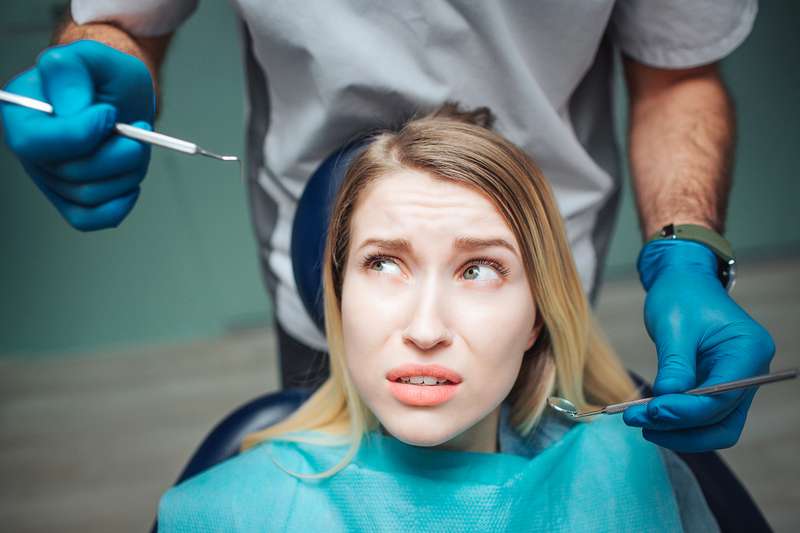
    Lying in a dental chair and having someone work on something so vital to survival is a very vulnerable position to be in, especially for those of us in recovery from addiction who have neglected our health and self-care.

    I suffer with near-debilitating dental anxiety. Every time I visit the dentist it affects my whole body: I struggle to articulate how I feel and the issues I’m experiencing, I become so tense that I have to be reminded to breathe, and I typically lose the whole next day due to exhaustion and an emotional hangover. And I’m not alone. Almost everyone I speak to in recovery has some kind of dental anxiety — so much so that many avoid the dentist altogether, neglecting care they desperately need. 

    Thankfully, I have a great therapist. She suggested that I mindfully explore the process of receiving dental care, advocating for my needs, and recovering my ability to self-regulate my fight or flight response. I have complex PTSD, which makes this whole process more challenging.

    Since moving to America I’ve spent thousands of dollars on dental care. I had no choice but to deal with months of dental pain by having a whole host of procedures, including root canals and crowns — all of which were unpleasant, to say the least. During one procedure I even had a panic attack, and I left many doctors’ offices feeling like I was too sensitive, an inconvenience.

    In my heart I knew that there had to be a dentist out there for me. I was so tired of feeling dismissed by doctors who roll patients in and out like they’re on a conveyor belt, only treating the symptom and never looking deeper.

    I had to find a doctor who understood the complexity of my situation and medical history and was thoughtful and patient enough to look at my experience holistically. After four dentists, I finally found one who demonstrated listening and compassion on a scale I’d never experienced. She had me when she told me that it was an honor to do her job.

    Curious to find out more about why people in recovery neglect their oral health, and the impact that drugs have on our teeth, I interviewed Dr. Tasha Bollermann for The Fix.

    The Fix: Thank you for taking the time to participate in this interview.

    Dr. Bollermann: I would like to thank you for giving me the opportunity to participate in this dialogue. The work you are doing to help people in recovery is important and powerful. My goal is to help people who are suffering live healthier and happier lives. I would also like to thank the reader for showing up and being ready to take the next step in their journey. Whether you know it or not, some part of you brought you to this article. Some part of you wants to break the cycle and pattern of where you have been and move into wholeness. You are ready for the next level of growth and healing. Otherwise you would not be reading this right now. Some of what I say might make you uncomfortable. This could be a signal that it is an area you are ready to begin to heal. So, congratulations on being here. I hope my words help you make progress in your journey.

    In your opinion, why do you think there is a tendency to neglect oral health even when the person is in recovery? What do you think are the main barriers preventing necessary treatment?

    Substance use may stem from a lack of self-love and self-respect. The basic needs for survival were not met, and therefore self-respect was not able to develop from a very early age. Often people show signs of self-loathing. This can lead to a desire to numb the shame with substances.

    I have witnessed the transformation from self-loathing to self-love. The habits of self-neglect need to be replaced with habits of self-care and nurturing. Teeth are vital for our survival. A person with a nice smile will get a job that a person with obvious dental diseases will not. Statistics show that the first thing we notice about a stranger is their eyes, and the second is their smile. So, breaking the habit of self-neglect and replacing it with a habit of self-care is essential to success. In my experience, the biggest barrier to oral health care in recovery is the lack of desire to care for yourself, and the lack of good habits. Neglect can lead to severe damage to the teeth and other organs. Often the damage to teeth is obvious without the expert opinion of a dentist. It is blatantly obvious to everyone you meet, as well as yourself when you look in a mirror. In comparison, the damage to the internal organs is less obvious. A return to overall health can be costly in time and money. There are financial obstacles in some cases and location obstacles in others, but a lot can be done with a toothbrush, some floss, a healthy diet, and a desire to get better.

    What are some of the effects that certain drugs have on the teeth, like meth for example? Are these effects from the drugs themselves, or rather from neglect?

    First of all, most drugs are harmful to teeth, so I don’t want you to think that this is a complete list of problems. However, some drugs deserve a mention here. Meth, for example, is one of the most destructive drugs I have encountered. It destroys the teeth rapidly. To my understanding, the drug itself is corrosive, which means it dissolves the teeth. Second, it creates extreme sugar cravings, which accelerates the process of tooth destruction. Ecstasy causes permanent neurologic changes in the brain. These changes create severe clenching and/or grinding of the teeth during sleep.

    Another substance use-related challenge is not being able to get adequately numb for comfortable dental treatment. This is most commonly seen with heroin and cocaine, but I also see it with alcohol consumption.

    Alcohol, marijuana, and tobacco are probably the most common drugs I encounter in my practice. The risk of losing the teeth to gum disease is significant, not to mention the risk of oral cancer. The more you drink and smoke, the higher your risk.

    Dental phobia is prevalent within the recovery community. How can people deal with that?

    Severe dental anxiety is best addressed before the dental appointment with a skilled practitioner of hypnosis, EMDR, neuro-linguistic programming, or other anxiety and recovery therapy. Once the patient can step into a dental office, it’s important for them to understand that they are not alone in their fear. The majority of people have fear around dental treatment. The stories my patients tell me are often heart-wrenching. Lying in a dental chair and having someone work on something so vital to your survival is a very vulnerable position to be in. Finding a dentist you can trust will help you build habits of success to manage your anxiety.

    Some patients are so terrified of communicating with their dentist that they often experience a frozen sensation, unable to articulate their fears or level of discomfort. What would you recommend to a patient that is even terrified to raise their hand to ask you to stop?

    This is tricky. As dentists, we rely on our patients to give us feedback on how they are doing. If the patient knows that this kind of freezing up has happened in the past and they share it with the dentist, then together they can work out a plan of action. A touch on the shoulder to reassure and check in can break the spell, so to speak. However, some patients don’t want to be touched. Again, I would say that needs to be discussed, and some kind of signal has to be arranged. Everyone has to be involved in the conversation. The dental assistant is, more often than not, the person who sees and acknowledges the signal, so the patient needs to include the assistant in the conversation as an important part of the team. If the patient is intimidated by the dentist, they should talk to the assistant about ways they can signal a concern that needs to be addressed.

    Many people in recovery will refuse pain medication stronger than Tylenol and local anesthetic. What do you recommend as a way to ease dental anxiety, and how would they compare to say traditional anxiety medications like benzodiazepines?

    The patients who refuse strong pain or anxiety medications are very wise. Benzodiazepines and opioids are highly addictive and can interfere with the recovery process. There are alternative ways to achieve relaxation and pain relief. Double-blind studies show time and again that ibuprofen and Tylenol are better pain control medications than prescription narcotics. Some of my patients visualize a safe and happy place that they escape to in their mind. Others take a combination of over-the-counter relaxation aids. Another approach is the use of acupuncture, aromatherapy, or naturopathic treatments before or after a dental appointment. Anyone in recovery should be careful about what they take for relaxation and pain control.

    L-theanine reduces anxiety. It promotes relaxation and stress reduction without sedating. L-theanine can help foster a state of calm, attentive wakefulness. It has positive effects on both the mental and physical symptoms of stress, including lowering heart rate and blood pressure. It is available in most health food stores.

    GABA (Gamma-Aminobutyric acid) is an amino acid produced naturally in the brain. It reduces the activity of neurons in the brain and central nervous system, which in turn has a broad range of effects on the body and mind, including increased relaxation, reduced stress, a more calm, balanced mood, alleviation of pain, and a boost to sleep. It’s available in most health food stores. It should not be used by patients already taking gabapentin.

    Brainwave entrainment works for almost everyone. It is a great way to lead your mind into states that you might usually have difficulty reaching, allowing you to experience a sense of calm relaxation without medication. Instructions are available on YouTube.

    If you plan on using any of these alternatives, I recommend you try them out in the comfort of your home first to see how it affects you. (Editor’s note: Consult your physician before taking any supplements. Even benign substances may interact with other medications or have unintended side effects.)

    What are some dental advancements that people may not be aware of since their last visit, but which would make the experience a whole lot less stressful?

    While most of the advances in dentistry are technical in nature, many shorten the time you have to spend in the chair. These include digital X-rays. You used to have to wait 15 or 20 minutes for the dentist, hygienist or assistant to process the films and bring them back, leaving you waiting and worrying. Now they are instantly available. The biggest advancement I would recommend is exercising your personal choice in dentists. Many dental offices today are very patient focused, virtually gone are the days of little to no concern for patient comfort. Choose your next dental office carefully, with the assumption that you will find a compassionate office.

    Tell me what similarities you see between dental disease and substance use disorders.

    Both dental disease and substance use disorder are lifestyle diseases. You can overcome both by creating small lifestyle changes that build on themselves. Achievement in oral health, or in substance use recovery, is a practice in the art of daily living. People who grow up in an environment of brushing and flossing daily are more likely to continue doing those things into adulthood. Those who grow up in an environment where the basic needs of survival are either not met or are minimally met are likely to continue those patterns into adulthood. Sponsors help keep the substance use at bay, and in a way the dental team is a sponsor for oral health. Regular checkups allow connection and repetition, which build habits of success. Habits of success build self-respect and self-love.

    Many of us neglect our teeth while in active addiction and sometimes this continues into recovery. How are you taking care of your teeth today? Let us know in the comments.

    View the original article at thefix.com

  • Democrats Embrace Legalization In 2020 Primaries

    Democrats Embrace Legalization In 2020 Primaries

    A number of presidential hopefuls have been vocal about their experiences with marijuana and their desire to end its federal prohibition.

    Just a few election cycles ago, presidential candidates had to carefully craft their answers when asked whether they had ever tried marijuana. Heading into the 2020 campaign, however, many prominent Democratic candidates are vocally supporting marijuana legalization at the federal level. 

    Last week, U.S. Senator and presidential hopeful Cory Booker introduced legislation in the Senate that would legalize cannabis and expunge the records of people who have been convicted of federal marijuana-related expenses. Four other presidential candidates—Kamala Harris, Kirsten Gillibrand, Bernie Sanders and Elizabeth Warren—co-sponsored the bill. 

    The movement also has momentum outside Congress. Former Texas congressman and likely candidate Beto O’Rourke sent an email to supporters this week announcing his support for changes to federal marijuana policy, according to Reuters

    “We should end the federal prohibition on marijuana and expunge the records of those who were locked away for possessing it, ensuring that they can get work, finish their education, contribute to the greatness of this country,” O’Rourke wrote. 

    Senator Kamala Harris opposed an effort to legalize cannabis in California in 2010. (A later measure legalized recreational cannabis in the state.) However, she recently joked about marijuana use, riffing on President Bill Clinton’s infamous remark during the 1992 election that he had smoked marijuana, but did not inhale. 

    “I inhaled,” Harris said. “Half of my family’s from Jamaica. Are you kidding me?”

    Bernie Sanders has said that he tried cannabis, but didn’t like it and “nearly coughed my brains out.” He added, “It didn’t do a whole lot for me.”  

    Still, Sanders has been outspoken about the need to legalize cannabis. His home state of Vermont was the first in the nation to legalize cannabis through legislative action rather than a vote. 

    Too many lives are being destroyed. Hundreds of thousands of people get criminal records. You know why? Because they have smoked marijuana,” Sanders said this week. 

    Another candidate, former Colorado Governor John Hickenlooper, has been more cautious in his attitude toward marijuana reform. Despite the fact that he led a state that legalized marijuana early on, Hickenlooper has not called for federal legalization. However, he said that states should have the choice and federal banking laws need to change if that happens. 

    Polls show that most Americans—of both parties—favor legalizing cannabis. Among Democrats, three-quarters of voters feel that federal prohibition has to end. This cultural shift likely explains the enthusiasm from candidates, said Erik Altieri, executive director of the National Organization for the Reform of Marijuana Laws (NORML). 

    “The Democratic candidates are just acknowledging the practical and political reality—this is not only good policy, it’s good politics,” he said. 

    View the original article at thefix.com

  • Could Microdosing Psychedelics Treat Mood Disorders?

    Could Microdosing Psychedelics Treat Mood Disorders?

    A new study investigated whether low doses of psychedelic drugs could have an antidepressant effect. 

    Individuals in and out of the medical community have long been fascinated with psychedelic drugs and their short- and long-term mind-altering effects.

    Some people with depression believe the drugs have the ability to treat mental health disorders, and new research indicates they may be right.

    A study published in the journal ACS Chemical Neuroscience found that rats who received tiny doses of the psychedelic N,N-dimethyltryptamine (DMT) experienced an antidepressant effect, but no negative effects on their memories. 

    “Taken together, the data presented here suggest that subhallucinogenic doses of psychedelic compounds might possess value for treating and/or preventing mood and anxiety disorders,” study authors wrote. However, they warned that more research is needed into the safety and effectiveness of microdosing in humans.  

    “Despite the therapeutic potential of psychedelic microdosing, this practice is not without risks, and future studies need to better define the potential for negative neurobiological or metabolic repercussions,” they wrote. 

    The data suggests that people who extol the virtues of using psychedelics to treat depression and trauma may be on to something. 

    “These antidepressant-like and anxiolytic-like effects are consistent with the anecdotal human reports regarding psychedelic microdosing providing strong supporting evidence that psychedelic microdosing might actually have therapeutic potential,” study authors wrote. “Compounds capable of enhancing fear extinction learning in rodents, such as 3,4-methylenedioxymethamphetamine (MDMA) are excellent candidates for treating PTSD symptoms in humans.”

    With microdosing, an individual would receive enough of a drug to stimulate brain changes, but not enough to induce hallucinations. Finding the most effective amount may be time consuming, but researchers expressed “cautious optimism” that it could be done effectively.

    “The overall psychedelic microdosing load, which includes the amount of drug in each dose, the frequency of administration, and the length of treatment, is likely to be critical for achieving the beneficial effects of psychedelic microdosing without negative repercussions,” they wrote. 

    Proponents of psychedelics say that the drugs—even taken at high doses—can help alleviate symptoms of depression, addiction and other mental health conditions. In fact, during the 1950s and ’60s, psychedelics were a mainstream treatment option in Canada. Today, many people with addiction turn to ibogaine treatment, which is illegal in the United States, to help them heal from addiction and trauma. 

    Kevin Franciotti wrote for The Fix about his experience using ibogaine to treat his addiction: 

    “Each month throughout the year following my single dose treatment, an investigator called me to administer an outcomes interview measuring my addiction severity, and mailed me additional scales to fill out myself. At the end of my participation in the trial, ratings for depression, anxiety, and addiction severity had plummeted, reflecting the new lease on life ibogaine had brought me.”

    View the original article at thefix.com

  • Purdue Pharma Considers Bankruptcy Over OxyContin Lawsuits

    Purdue Pharma Considers Bankruptcy Over OxyContin Lawsuits

    If Purdue were to file for bankruptcy, it could “halt” the lawsuits that have been brought against the company by plaintiffs across the country.  

    Purdue Pharma, maker of the prescription opioid OxyContin, is reportedly exploring the option of bankruptcy to deal with the nearly 2,000 lawsuits brought against the company in the wake of the opioid epidemic.

    Purdue has been accused of engaging in aggressive and misleading marketing tactics to pressure doctors to prescribe far more OxyContin than was necessary, leading to a massive spike in addiction and overdose cases. The drug company has denied the allegations, but the lawsuits keep coming.

    If Purdue were to file for bankruptcy, it would “halt the lawsuits and allow Purdue to negotiate legal claims with plaintiffs under the supervision of a U.S. bankruptcy judge,” according to sources who spoke with Reuters.

    In a statement from Purdue, the company declined to comment on the likelihood of turning to bankruptcy over fighting the many lawsuits at their doorstep.

    “As a privately-held company, it has been Purdue Pharma’s longstanding policy not to comment on our financial or legal strategy,” the statement reads. “We are, however, committed to ensuring that our business remains strong and sustainable. We have ample liquidity and remain committed to meeting our obligations to the patients who benefit from our medicines, our suppliers and other business partners.”

    In response to the news, Connecticut Attorney General William Tong has vowed to continue pursuing the state’s suit against Purdue Pharma and its owners.

    “We will oppose any attempt to avoid our claims, and will continue to vigorously and aggressively pursue our claims against Purdue and the Sackler family,” he said.

    Filing for bankruptcy to help handle their legal troubles does not necessarily mean that the drug company is in financial trouble. Many other companies have chosen the same route when faced with lawsuits in the past, according to Fast Company.

    This includes the asbestos manufacturer Johns Manville and Dalkon Shield, the company that created a faulty IUD birth control implant and faced 6,000 lawsuits after thousands of women suffered infertility, ectopic pregnancies, and/or death.

    These two companies created a precedent that is now regularly used by companies faced with high profile controversies, including USA Gymnastics, Pacific Gas and Electric Co., and even the Catholic church.

    Companies that use bankruptcy in this manner can continue on with their business once everything is settled. Unfortunately, victims often receive less compensation than they would if the lawsuits had been settled by a standard civil court with a jury.

    “Corporations don’t want to risk a jury giving, say, $700 million to a cancer victim who used talcum powder every day,” writes Melissa Locker. “Settlements like that could quickly drive them into Chapter 7 bankruptcy, which is the kind where they have to liquidate their assets and potentially cease to exist. That’s why corporations cut victims off at the pass, so to speak, and file for Chapter 11, where the court will take a stoic, logical approach to paying out claims based on dollars and cents, not emotional pleas for the damage done to them.”

    View the original article at thefix.com

  • Deaths From Alcohol, Suicide & Overdose Reach Record High

    Deaths From Alcohol, Suicide & Overdose Reach Record High

    Suicide, drug overdose and alcohol now kill more than 150,000 Americans annually. 

    Deaths from suicide, drug overdose and alcohol have reached an all-time high in the United States. 

    Data from the Centers for Disease Control and Prevention (CDC) analyzed by two non-profit organizations revealed that deaths attributed to those causes rose 6% in 2017, USA Today reported.

    Those factors are now responsible for 46.6 deaths per 100,000—killing more than 150,000 people each year, according to U.S. News and World Report.

    In 2017, deaths from suicide rose 4%, double the pace of increase over the past decade. Deaths caused by synthetic opioids also skyrocketed, up 45%. However, five states saw decreases in deaths from suicide, overdose and alcohol. Those were Massachusetts, Oklahoma, Rhode Island, Utah and Wyoming.

    Loribeth Bowman Stein, of Milford, Connecticut, believes that social isolation is contributing to these co-called diseases of despair.

    She said, “We don’t really see each other anymore. We don’t share our hopes and joys in the same way, and we aren’t as available to one another, physically and emotionally, as we need to be. The world got smaller, but lonelier.”

    Kimberly McDonald, a licensed clinical social worker in Wisconsin lost her father to suicide, and says that she sees patients struggling with suicidal ideation and addiction every day. Often, they don’t get the support that they need to heal. 

    “We are a society that criticizes and lacks compassion, integrity, and empathy. I work daily with individuals who each have their own demons,” she said. 

    However, Benjamin Miller, a psychologist and chief strategy officer at the Well Being Trust, said that people need to avoid the temptation to explain away these alarming statistics. 

    He said, “It’s almost a joke how simple we’re trying to make these issues. We’re not changing direction, and it’s getting worse.”

    The Well Being Trust calls for policy changes, such as restricting access to firearms and medications that can be deadly for someone looking to end their life. In addition, the trust calls for more funding for programs that support resiliency in kids, address childhood trauma, and provide treatment for addiction.

    All of these efforts, Miller said, can help save lives. Progress has been made in these areas, but there is need for more work, Miller said. 

    “It is important to see hope in the slowing of rates—but it’s not nearly enough. We should not be satisfied at all. Too many of us are dying from preventable causes.”

    Overall, the suicide rate has increased 33% since 1999. Rural states including West Virginia, New Mexico, Ohio, Alaska and New Hampshire have the highest suicide rates. 

    View the original article at thefix.com

  • FDA Approves Ketamine-Derived Spray for Depression

    FDA Approves Ketamine-Derived Spray for Depression

    The newly approved esketamine nasal spray will be administered under a doctor’s supervision at approved and certified treatment centers. 

    Clearing the way for the first major change to depression treatment in decades, the FDA approved a ketamine-derived nasal spray that can be used to rapidly treat depression on Tuesday (March 5). 

    “Thank goodness we now have something with a different mechanism of action than previous antidepressants,” Dr. Erik Turner, who teaches psychiatry at Oregon Health & Science University, told The New York Times

    In recent years ketamine has garnered a lot of attention from the medical community because it quickly and effectively relieves depression and suicidal ideation. Ketamine treatments have become popular, but until now the drug, which is approved as an anesthetic, has been used off label. This means treatments are unregulated and not covered by insurance. 

    The medication approved this week is esketamine, which contains a part of the ketamine molecule. It was developed by Janssen Pharmaceuticals and will be sold under the name Spravato.

    Since up to a quarter of depression patients don’t get relief from current antidepressants, people in the mental health community are happy to see a new option for treatment. However, Turner and others are cautious in their excitement. 

    “I’m skeptical of the hype, because in this world it’s like Lucy holding the football for Charlie Brown: Each time we get our hopes up, the football gets pulled away,” Turner said. 

    Under the FDA recommendations, esketamine will be used in conjunction with an established antidepressants. Patients will get treatment twice a week for four weeks, and then as needed.

    Although the nasal spray is non-invasive, it must be administered in a doctor’s office where patients can be observed for two hours. The use of esketamine could give patients fast relief from their symptoms, which is important since traditional antidepressants can take weeks to become effective. 

    Dr. Todd Gould, a psychiatrist at the University of Maryland School of Medicine who has done ketamine research, said that the potential for fast-acting relief is appealing, even if ketamine doesn’t completely revolutionize depression treatment. 

    “These are exciting times, for sure,” he said. “We have drugs that work rapidly to treat a very severe illness.”

    Vanderbilt University professor Steven Hollon agreed. 

    “We’ve had nothing new in 30 years, so if this drug is an effective way to get a more rapid response in people who are treatment resistant, and we can use it safely, then it could be a godsend.”

    The FDA fast-tracked esketamine’s approval process. Although the drug has been used safely as an anesthetic for decades, medical professionals will be carefully monitoring its use in the mental health space, researcher James Stone told Newsweek last year. 

    “Although ketamine is potentially a huge breakthrough in the treatment of depression, we still don’t know about the long-term safety, or about how to keep people well from depression without requiring regular ketamine dosing. Further studies are needed to address these questions.”

    View the original article at thefix.com

  • UFC Launches Opioid Awareness Campaign

    UFC Launches Opioid Awareness Campaign

    In the video, UFC president Dana White highlights statistics about the toll taken by the opioid crisis and offers resources for those in need of help. 

    The mixed martial arts organization Ultimate Fighting Championship (UFC) has joined in the fight against the national opioid crisis by launching its own public service campaign to heighten awareness about the impact of opioid dependency.

    The campaign, which kicked off in Las Vegas on March 2, 2019, featured UFC President Dana White, as well as the Substance Abuse and Mental Health Services’ (SAMHSA) National Helpline.

    The campaign fulfills the UFC’s 2018 commitment to create a public service campaign as part of its relationship with the Trump Administration’s Initiative to Stop Opioid Abuse.

    In a press release, UFC stated that future announcements will feature UFC athletes and take advantage of the company’s sizable social media audience of 75 million followers and widely viewed live events to “spread the message of prevention, treatment, and recovery related to opioid addiction.”

    The video featuring White premiered before the UFC 235: Jones vs. Smith event on March 2.

    In October 2018, the UFC was among a group of lawmakers and representatives from more than 20 major stateside companies, including Amazon, Facebook and Blue Cross Blue Shield, to appear at a White House ceremony where President Trump signed into law the SUPPORT for Patients and Communities Act, which was intended to provide help for opioid treatment and recovery initiatives.

    White, who spoke at the Republican National Convention in support of Trump’s bid for the White House, pledged his company’s assistance in helping to combat the epidemic. 

    “Opioid addiction does not discriminate,” said White at the 2018 ceremony. Millions of Americans are impacted by this tragic crisis. UFC is committed to helping President Trump in the fight to end opioid abuse.” At the time of the ceremony, UFC announced that it would roll out its public service campaign before the end of 2018.

    In the video, White highlights statistics about the toll taken by the opioid crisis – drug overdoses are currently the leading cause of death among Americans under the age of 50, and two-thirds of drug overdose deaths are caused by opioids – which is followed by the National Helpline number and SAMHSA’s web address.

    View the original article at thefix.com

  • Black Balloon Day Pays Tribute To Lives Lost To Addiction

    Black Balloon Day Pays Tribute To Lives Lost To Addiction

    Families and loved ones across the country are taking part in the growing Black Balloon movement which memorializes lives lost to addiction.

    Diane Hurley, a Peabody, Boston resident, lost both her son-in-law, Greg, and her son, Sean, to overdoses. Hurley wanted to find a way to both memorialize the two men and remind people that drug addiction is a crisis.

    Hurley, her son, and her two daughters hung black balloons outside of their homes on the first anniversary of Greg’s death. Greg was a father of four and 38 years old at the time of his passing. “I thought of death,” Diane Hurley told The Daily Item. “And then I thought of black.”

    The simple gesture turned into Black Balloon Day, a national movement every March 6th. Hurley and her children spread the word online about displaying black balloons in 2016, and over 42,000 people responded and joined the memorial.

    Every year on the 6th, families around the country send photos of the black balloons they have anchored to float outside, alongside the hashtag #BlackBalloonDay.

    “I had this vision that you wouldn’t be able to escape the balloons, just like you can’t escape this epidemic,” she told The Salem News, explaining how addiction doesn’t discriminate and touches everyone.

    “In one way or another, I feel like everyone I talk to has dealt with this pain,” Hurley said. “I work in a nursing home and, including myself, there are seven or eight women who have all lost a child or a sibling to addiction.”

    And this year, Hurley tragically lost her son Sean to addiction, after being sober for five years. The recent death of a friend had unmoored him and although he was doing well, according to Hurley, he overdosed and died at age 30. He’d had a second child on the way.

    Hurley wrote her son’s obituary transparently, hoping to spread awareness. “When he used to tell me he had a disease, I would tell him not to say that and not to compare himself to people who actually have diseases, like cancer. I never really understood it.” 

    “I learned that it wasn’t a choice, it’s a disease,” said Hurley. “When people say: ‘They made this choice, it’s their problem,’ most of them do not understand that many people who suffer with addiction have some sort of underlying health issues.”

    Hurley and the Black Balloon movement are now a nonprofit organization and will be raising money to put Narcan in public bathrooms, one of the most common places for overdoses to occur.

    “We can’t be ashamed about addiction,” said Hurley. “We need to talk about it. It’s killing a whole generation of people and we have to do something.”

    View the original article at thefix.com

  • Dentists Need To Make Sweeping Changes To Opioid Prescribing

    Dentists Need To Make Sweeping Changes To Opioid Prescribing

    Dentists have decreased the amount of opioid prescriptions they write by nearly 500,000—but some believe it’s not enough.

    Three years ago, P. Angela Rake decided to make a major change at her oral surgery practice.  

    “After the loss of Prince, I just drew a line in the sand that I’m going to change my prescribing practices,” Rake said, according to The Chicago Tribune. In just two years, she reduced the amount of opioids she was prescribing by 70%. 

    It wasn’t just the death of the superstar that moved her. Rake had also seen her own brother get hooked on opioids that he was given during cancer treatment. Having seen firsthand the dangers of opioid addiction, she knew that she couldn’t continue to prescribe opioids to her patients in the usual manner. 

    Today, she only prescribes opioids when absolutely necessary. The patients who do need opioids get few pills and lower doses. Rake now says she feels like the opioid industry deceived her. 

    “When these drugs came into being routinely prescribed, the industry-funded message we were being told was that the risk of addiction was less than 1 percent. We were misled.”

    The truth is that the risk of addiction for young people given opioids after oral surgery is closer to 6%. Now, more dentists are becoming aware of the danger of these pills for the youngest patients, said Andrew Kolodny, co-director of opioid treatment research at Brandeis University.

    “Dentists and oral surgeons are the No. 1 prescribers of opioids to teenagers. What’s so disturbing is that it’s so unnecessary. These are kids who could have gotten Advil and Tylenol,” he said. “It’s almost a rite of passage in the United States having your wisdom teeth out. The aggressive prescribing of opioids to adolescents may be why we’re in an epidemic.”

    Dentists have decreased the amount of opioid prescriptions they write by nearly half a million, from 18.5 million in 2012 to 18.1 million in 2017. However, that’s a far cry from the 70% reduction that Rake made, and some within the industry say it is not enough. 

    Romesh Nalliah, who teaches at the University of Michigan School of Dentistry and has studied opioid prescribing among dentists, said that dentists are concerned about customer satisfaction, and sometimes that relies on doling out opioids. 

    “Dentists are also business owners. They don’t want patients to say, ‘Dr. Nalliah did my extraction, and now I’m in agony,’” Nalliah said. Despite that, he has now changed the way that he prescribes opioids, and urges others in the field to do the same. 

    He said, ”I don’t want to be responsible for someone becoming addicted to opioids. I personally think we can cut opioid prescribing in dentistry to less than half of what we do now.”

    View the original article at thefix.com

  • Wearable Sensor Could Point To Anxiety, Depression In Kids

    Wearable Sensor Could Point To Anxiety, Depression In Kids

    New tech may help children better identify their own feelings.

    Whether or not a child suffers from an internalizing disorder like depression or anxiety may soon be identifiable through a wearable sensor, new research indicates.  

    According to PsyPost, a recent study put the sensors to the test. The study involved 63 children ages 3 to 8, both with and without internalizing disorders. The children wore a motion sensor which tracked their movement, and a machine learning algorithm then analyzed those movements. 

    Study author Ellen W. McGinnis, a postdoctoral fellow at the University of Vermont Medical Center, says children struggle to identify their own feelings, so the sensor may help do so. 

    “Young children who suffer from anxiety and depression often have a lot of difficulty understanding and communicating their suffering—and for parents, it’s really difficult to read inner emotions of someone who doesn’t even understand themselves,” she said.  

    “This is also a large problem, with up to 1 in 5 children experiencing an internalizing disorder during childhood, that can lead to increased risk for serious health problems like chronic anxiety and depression, substance abuse, and suicide, later in life if left untreated,” added study co-author Ryan S. McGinnis, an assistant professor at the University of Vermont. 

    During the study, children were taken into a “dimly lit” room. A research assistant then made statements meant to increase the children’s anticipation. The statements included things like, “I have something to show you,” and, “Let’s be quiet so it doesn’t wake up.”

    The back of the room housed a covered terrarium. With the children in the room, the research assistant then pulled out a fake snake, assuring the children the assistant was allowed to play with the reptile. 

    This exercise and the sensors led researchers to determine that the children in the study with disorders like anxiety and depression were more apt to turn away before the snake was taken out. The algorithm from the machine did pick up on some variations between children with internalizing disorders versus those without—in fact, it was 81% accurate. 

    “Feasible objective screening of child anxiety and depression in young children is possible using wearable technology and is proving to be very sensitive—meaning we can find those previously overlooked kids and connect them to the services they need,” Ellen McGinnis told PsyPost.

    “Hopefully people will start to see technologies like these being deployed during their children’s pediatric well visits in the coming years,” Ryan McGinnis added.

    Though the results are promising, as with most small studies, researchers say a larger sample is needed to prove their results further.

    “A big caveat is that, although our results are intriguing and promising, we need to replicate them in a much larger, more diverse sample,” Ellen McGinnis told PsyPost. “In so doing, we’d like to partner with pediatricians to ensure that the resulting technology can easily fit within the workflow of a standard pediatric well visit.”

    View the original article at thefix.com