Author: The Fix

  • Gaslighting and Mental Health: How the Medical System Failed Me

    Gaslighting and Mental Health: How the Medical System Failed Me

    Medical gaslighting — when a health care provider tells you that your symptoms are all in your head or it’s just stress — can take an enormous toll on your mental health.

    Trigger Warning: The following story mentions a suicide attempt. Proceed with caution. If you feel you are at risk and need help, skip the story and get help now. Options include: Calling the U.S. National Suicide Prevention Hotline at 800-273-TALK (8255), calling 911, and calling a friend or family member to stay with you until emergency medical personnel arrive to help you. 

    It’s the night before my first appointment with a new allergist. I don’t even bother trying to sleep. I’m too nervous. Instead of sleep, I refresh my twitter and Facebook feeds. I take care of the laundry, reveling in one of the few perks that comes with insomnia, like free rein of the apartment laundry room at 3:30 a.m. 

    My husband wakes up for work at 6 a.m. He doesn’t even bother asking if I got any sleep. He knows I’m already afraid, even before I set foot outside our apartment: am I going to come home crying and broken? I don’t expect to be believed anymore by the very doctors I seek out for medical treatment, and I’m never surprised when my complaints of chronic (and still undiagnosed) symptoms are reduced to nothing more than orders to “eat less” and “move more,” or worse yet: “it’s all in your head.”

    I used to blame myself. Maybe the doctors were right. Maybe I was crazy. They are the experts, after all. 

    Journalist and author Maya Dusenbery knows this struggle. The author of Doing Harm: The Truth About Bad Medicine and Lazy Science Leave Women Dismissed, Misdiagnosed, and SickDusenbery interviewed over 200 women with similar experiences to what she refers to as medical gaslighting.

    “I was diagnosed with rheumatoid arthritis several years ago. While I got a diagnosis fairly quickly and easily, it prompted me to learn more about autoimmune diseases in general. I quickly realized how many other autoimmune patients — the majority of whom are women — weren’t nearly so lucky as I was,” she said. “I started paying more attention to how many women I knew seemed to have a story of health care providers who didn’t take their symptoms seriously — who dismissed them as ‘normal’ or ‘just stress’ or even disbelieved them entirely.”

    The result of being dismissed by the medical community for legitimate complaints is that women are labeled “complainers” during their early searches for answers.

    This all sounds so familiar to me that it is both comforting to know I am not alone and utterly depressing that there are so many of us being ignored by the doctors we entrust with our care.

    My own experiences with gender-based medical gaslighting stretches back decades, starting with the pediatrician who dismissed my hesitant admission that I thought I might have an eating disorder. And just a few weeks ago, a dermatologist flat-out told me that the painful, chronic, and recurrent skin lesions I have been experiencing since my daughter was born almost 12 years ago — and that I am quite certain are the result of an undiagnosed autoimmune condition — are nothing more than a reflection of my dermatillomania (skin picking disorder). 

    When I tried to explain yet again that I only dig at the swollen spots to relive the buildup of pressure, he prescribed me Gabapentin, smiled, and told me to make an appointment for a follow-up in six months.

    This Girl Thinks She Has an Eating Disorder

    When I was 15, I sat in my pediatrician’s office in shock, listening to her tell the dietitian in the hallway that I just needed a talk-though on healthy eating and to send me home with some pamphlets on diet and exercise. The doctor had closed the door behind her, of course. But she hadn’t accounted for the paper-thin walls. 

    “This girl thinks she has an eating disorder because she can’t stick to a diet,” I heard my doctor say. I wanted the floor to open up beneath me. Instead, I nodded and smiled when the door opened, forcing my smile bigger as the dietitian gave me my pamphlets. When I got home, I promptly binged and purged, and continued to do so for six more years because I wasn’t taken seriously when I stammered my way through the phrase: “I think I have an eating disorder.”

    A Burden in the Emergency Room

    When I was 21, I attempted suicide before realizing that dead was permanent and scared myself into action. I called my boyfriend at the time for help, but soon I was feeling smaller and more of a burden in the emergency room than I had felt before the suicide attempt. 

    When the nurse asked if I felt like hurting myself again, I lied and said I was fine because I knew that if I said I still felt suicidal, they wouldn’t let me leave. I couldn’t figure out how to explain that “feeling suicidal” didn’t mean I wanted to attempt to harm myself again, but it didn’t matter. The nurse didn’t give a damn, anyway. When I said I was fine, she sighed in obvious relief, but it wasn’t relief that I was actually fine (I wasn’t), it was relief that she wouldn’t have to deal with me anymore. She didn’t say it, but I felt like I was just another messed up college kid to deal with. I was checked off her list of things that mattered, and went home to cry myself to sleep. 

    People Like You Can’t Be Helped

    When I was in my mid-30’s, I sat before a dermatologist who was examining me for that recurring rash and inflammation cycle that results in painful sores and welts coving my entire body. He asked me if I pick at my skin, looking at my arms and face. I nodded, honest, and told him I knew I needed to see a therapist or psychiatrist about anti-anxiety meds to control the compulsions to pick at myself, and asked him how he could help me with my skin.

    “People like you can’t be helped,” was the reply that his nurse later apologized for as I sat on the exam table weeping and broken, once again dismissed by the medical professional I had sought out. 

    Misdiagnosed

    I thought that maybe I’d have better luck with a nurse practitioner.

    My appointment coincided with a flare-up of my symptoms. Sitting before her with my daughter at my side, I watched her watch me, taking stock of the bright pink, weepy rash that went from chin to chest and the scabs and new lesions on my arms and legs. There was something very obviously wrong, and I remember thinking how lucky I was that my skin was on fire, my entire body inflamed inside and out for her to see. The fact that children on the street saw it and stopped, stared, and pointed at me before their mothers hurried them away actually had me looking forward to the appointment. I wasn’t crazy: there was (and still is) really something wrong with me. The proof was in the mirror. 

    Instead, she ignored my description of my symptoms, disregarded the pattern in which they appeared, and asked me how often I exercised and what my diet consisted of. She told me I was likely diabetic (I wasn’t), and that all of my health problems would resolve if I ate less and exercised more. 


    The author on the day of her appointment.

    It took two years before I was brave enough to see another doctor -any doctor – after that one. I’m still searching for answers and a doctor who will listen. All I have to show for it are severe anxiety and soaring blood pressure readings at the end of every appointment.

    Medical Gaslighting and Mental Health 

    To Dusenbery, my experience makes sense and fits with the research and stories she shares in her book.

    “I think medical gaslighting can take an enormous toll on your mental health. Even for very privileged women, it can be very difficult to trust yourself and what your body is telling you and push back when an expert with a white coat and an MD is insisting that ‘nothing is wrong,’” she said. “I have to believe that many health care providers simply don’t realize the harm they’re capable of causing by dismissing or disbelieving women’s reports of their symptoms.”

    There are the good ones, of course. The doctors who have believed something is wrong but couldn’t find the answer. These are the doctors who treat their patients with respect and dignity and listen. And then there are the ones like the dermatologist who told me people like me could not be fixed. 

    But I know better now. I am not the one who is broken.

    If you or someone you know may be at risk for suicide, immediately seek help. You are not alone.

    Options include:

    • Calling the U.S. National Suicide Prevention Hotline at 800-273-TALK (8255)
    • Calling 911
    • Calling a friend or family member to stay with you until emergency medical personnel arrive to help you.

    View the original article at thefix.com

  • The Recovery Ranch

    The Recovery Ranch

    This highly structured men’s program in California puts no deadline on recovery, allowing residents to stay for as long as they need. The focus is on building character, finding purpose, and taking responsibility.

    The Recovery Ranch bills itself as “much more than a sober living or addiction treatment center,” and its current and former residents agree. This men-only program puts no deadline on recovery, allowing people to stay for as long as they need. The Ranch uses a 12-step program and promotes the philosophy of John Wooden, the famous former University of California basketball coach who went on to write an autobiography that included his “principles for living.”

    These principles inform Recovery Ranch’s basic rules, which include never lying, cheating, stealing, complaining, or making excuses. The center also promotes the idea of “living as gentlemen,” which means that “we do not curse, use slang, or talk about things that could hurt our recovery.” They also require residents to “dress appropriately and use proper etiquette.”

    For men looking to focus solely on recovery from addiction, possibly for years at a time, this approach works well. Residents and alumni gave Recovery Ranch high praise for their highly structured, long-term, “tough love” approach to addiction recovery.

    The Ranch’s main property is in Santa Ynez, California, which is 45 miles northeast of Santa Barbara. There are four houses in total, plus a barn and a number of recreational options, including their very own movie theater. They also have three sober living locations, with two in Santa Ynez and one in Santa Barbara. Residents live together as roommates and while most alumni we surveyed were happy with their living situations, one felt there were “too many roommates” while another “only disliked them when they snored.”

    Other than being men only, alumni described the residents as being a diverse group, mainly from the ages of 18 to 40, with 55 being the highest age reported. Survey responses paint a picture of a place where differences don’t matter much. What’s important is what brought them together. “We have men of all ages and varying income and occupation,” wrote one former client. “What we have in common is that we’re all drug addicts who are setting a new standard for our lives.”

    Life at the Ranch is described as being very structured with daily chores and ample opportunities for more work. This appears to be a key aspect of the program’s focus on giving residents a sense of purpose and responsibility. “We are active and have constant purpose,” wrote a respondent. “This is our home and we take pride in caring for it. We value cleanliness and organization, something that most of us never cared about before getting sober.”

    Daily groups and 12-step meetings are also part of the schedule. In addition to chores, those who have been in the program long enough become eligible to get a paying job through one of the “ranch businesses.”

    When they’re not working, residents can look forward to a long list of recreation options: “Gym, fitness classes, beach days, fishing, camping trips, Lake Tahoe trips, backpacking trips, free days with movies and sauna, open gym, etc.”

    Alumni also reported that fitness is “a staple of the program,” with a personal trainer visiting the Ranch a few times each week to teach classes. Baseball, basketball, golf, surfing, and snowboarding were all listed as available sports to participate in. There is also a focus on outdoor activities, including fishing, hiking, camping, and summer and winter trips to the nearby Lake Tahoe with the goal of showing clients “how beautiful a life in recovery can be.”

    With all the work and active play, there is little room left for TV or internet use. A few alumni told us that TV, internet, and smartphones are not allowed during the first 30 days of the program, but movies were. “While in the program we don’t have access to phones or internet; they serve as huge distractions that are detrimental especially in early recovery,” wrote one individual. Also, access to these devices depended on “how the house was doing as a whole.” Other alums mentioned that phone use was allowed with permission, and that they would watch TV at night after all chores were completed.

    When it comes to food, meals are prepared in house by the guys themselves, providing the “opportunity for guys to learn how to cook and be responsible.” Food is served buffet style, with coffee available at every meal and a general store on the property where snacks can be purchased. Some described the food as being healthy while others complained that it was not healthy enough and contained “not really any vegetables or fruit.” There has been great variation in the menu over time, according to one resident: “Throughout the years we have transitioned rapidly between gourmet, basic, and experimental, depending on who is cooking and how grateful we are.”

    Treatment at The Recovery Ranch is described as being based on a 12-step program but not 100 percent loyal to the traditional format, and religion is not emphasized. Though there are regular group sessions, the program at the Ranch emphasizes applying the principles of the steps as opposed to “programs where you sit around and talk about your problems and struggles.”

    “[In] this program, you are asked to be proactive and live the things that you want to instill in your everyday life,” wrote one resident. Another lauded the “aftercare” program, calling it “bar none the biggest step into getting back into life and dealing with issues outside of the program but still getting help from the house.”

    Doctors are not available onsite and the Recovery Ranch is not a medical facility. Of course, those who need medical attention can request a trip to a nearby hospital, including detox if necessary.

    Treatment is definitely described as being “tough love,” but with compassion. Residents are expected to embrace “brutal honesty” and are always held accountable for their actions.

    “We’re not afraid to tell each other how it is and there were many times I was told things I definitely didn’t want to hear,” wrote an alumnus, “and by learning to stay open to hearing those things and working on changing them my life changed and I was able to become a man with integrity and character.”

    However, this does not mean that caretakers are cruel or harsh, even when mistakes are made. When there is a rule infraction, residents come together to talk about what happened and work things out, all while utilizing that brutal honesty. One alumnus reported that earlier wake-up and extra chores were punishments for rule breaking, with the idea that “we live by a standard. If someone is not living by the standard we talk to them and remind them that it is impossible to stay sober without holding a standard for yourself.” When it comes to broken rules, there are consequences but the atmosphere is described as “very forgiving.”

    “We don’t get in trouble or have infractions,” said one respondent. “We’re in recovery and learning to live a different way. We all make mistakes. It’s about owning your part and growing from the situations.”

    No one program can be right for everybody. However, it’s a good sign when every single survey respondent has remained sober since graduating. One alum states: “I have been sober for almost three years. Prior to coming to the ranch I wasn’t able to string together more than two days.”

    In addition to maintaining sobriety, many of the alumni we surveyed say that their lives and attitudes have changed in a positive manner from their time spent at the Recovery Ranch, something that they were unable to accomplish at other treatment centers:

    “I have learned how to hold myself accountable and surround myself with other people who are living the same standard as me,” one resident told us. Another reflects: “Learning to not cut and run when things get hard and form commitments that I follow through was something I was never capable of doing and today I can.”

    To learn more about how we create Rehab Reviews, click here

    Read more Rehab Reviews

  • FDA Admits Past Mistakes In Handling Opioid Crisis

    FDA Admits Past Mistakes In Handling Opioid Crisis

    The Food and Drug Administration addressed its missteps in handling the crisis and outlined its future plans in a new statement.

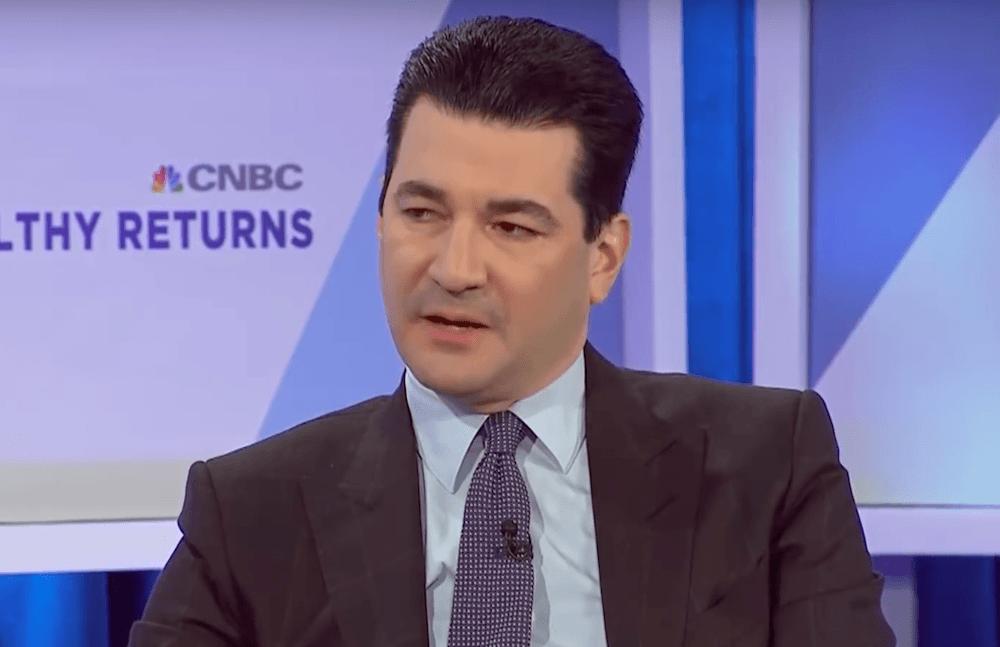
    FDA Commissioner Scott Gottlieb issued a far-ranging statement about his agency’s most recent and upcoming actions, while also addressing past missteps, in regard to the national opioid epidemic.

    Noting that the FDA’s previous wait-and-see policy in regard to evidence and intervention left it “a step behind a crisis that was evolving quickly,” Gottlieb said in the statement that his agency will implement more effective measures to reduce exposure to opioids, including prescription and labeling changes, promotion of treatment therapies, and approval of non-dependency-forming pain treatment.

    Calling the opioid crisis “a top priority” of both Secretary of Health and Human Services Alex Azar and the Trump Administration as a whole, Gottlieb wrote that faster and more decisive action will define the FDA’s policy in 2019.

    The rise in synthetic opioids like fentanyl and the “continued prevalence” of opioid prescriptions with overly long durations has prompted the agency to “step up its intervention,” according to Gottlieb.

    The commissioner also noted that the FDA’s previous approach—”waiting for the accumulation of definitive evidence of harm” put them in a position of catching up to the crisis as it ravaged “vulnerable communities.”

    “We don’t want to look back five years from now, at an even bigger crisis, with regret that there were more aggressive steps that we could have taken sooner,” wrote Gottlieb. “All options are on the table.”

    As Gottlieb outlined in his statement, these options have included expanded information on drug labeling. Passage of the Substance Use-Disorder Prevention that Promotes Opioid Recovery and Treatment (SUPPORT) for Patients and Communities Act in October 2018 has also given the agency new authority to assess and reduce dependency and misuse of opioids, including requirements for packaging on opioids and other drugs that carry a high risk of abuse or overdose.

    According to the statement, FDA will issue a report on their recommendations for prescription guidelines at the end of 2019.

    The FDA is also considering an option to require certain immediate-release formulations of opioids be made available in blister packages containing one- and two-day dosages, which would “comport with evidence demonstrating that a day or two of medication is sufficient” and could “reduce the overall amount of dispensed drugs available for misuse, abuse and diversion.”

    Gottlieb also wrote that the agency will consider a formal evaluation of prospective opioid drugs to determine its application for specific patients, and whether or not the newer application is safer or more effective for treatment than existing, non-addictive medication. The Risk Evaluation and Mitigation Strategies (REMS) program, which measures the benefits of a particular drug over its potential risks, will also be subject to review to determine if it is properly addressing such concerns.

    The FDA will also prioritize the development of new and effective forms of medication-assisted treatment (MAT) to treat opioid dependency and non-addictive pain medication, and expand access to the overdose reversal drug naloxone.

    The agency will also continue to partner with U.S. Customs and Border Protection to reduce the marketing and distribution of illegal opioids through national borders and through international shipping.

    View the original article at thefix.com

  • Do Studies Touting Benefits Of Alcohol Consumption Tell The Whole Story?

    Do Studies Touting Benefits Of Alcohol Consumption Tell The Whole Story?

    For young and middle-age adults, alcohol consumption may actually be more harmful than previously thought.  

    Studies that point to alcohol consumption as beneficial may only be telling part of the story, as they tend to focus on those aged 50 and older, and disregard alcohol-related deaths before that age, according to new research.

    For young and middle-age adults, alcohol consumption may actually be more harmful than previously thought.  

    Researchers in a recent study, according to Live Science, looked at information from a database which estimates the U.S.’s approximate number of deaths and years of life lost due to alcohol intake.

    Included in the database were 54 medical conditions related both directly and indirectly to alcohol use, like car crashes involving alcohol and liver-related diseases. Some of the conditions, such as cardiovascular disease, linked alcohol with a reduced risk of the condition. 

    In studying the data, researchers led by Timothy Naimi of Boston Medical Center’s Clinical Addiction Research and Education Unit determined that in the four years from 2006 to 2010, around 36% of alcohol-related deaths were in those ages 20 to 49, and 35% were in those older than 65.

    Additionally, Live Science reports, researchers noted that about 60% of the years of life lost were in those ages 20 to 49, and only 15% were in those ages 65 and older. 

    The authors note that “deceased persons cannot be enrolled in cohort studies,” and add that, “Those who are established drinkers at age 50 are ‘survivors’ of their alcohol consumption who [initially] might have been healthier or have had safer drinking patterns” when compared to others who drank. 

    In order to determine any benefits of alcohol consumption, researchers took note of fatalities “estimated to be ‘prevented’ by alcohol consumption, as well as years of life ‘saved by alcohol,” according to Live Science.

    They found that those ages 20 to 49 accounted for about 4.5% of deaths supposedly prevented by alcohol, in comparison to 80% in those ages 65 and above.

    In conclusion, the authors note that those in the younger age ranges “are more likely to die from alcohol consumption than they are to die from a lack of drinking.” They add that those in older age brackets are more likely to reap benefits from drinking, and are likely the ones highlighted in studies that point to benefits of alcohol consumption. 

    “This study adds to the literature questioning protective effects for alcohol on all-cause mortality,” the authors add. 

    View the original article at thefix.com

  • How A Family Member's Opioid Use Affects Teens

    How A Family Member's Opioid Use Affects Teens

    A new study examined why teens with family members who chronically use prescription opioids are at higher risk of long-term opioid use. 

    Having a family member who chronically uses opioids significantly increases the chance that a teen who is prescribed opioids will develop long-term use, according to a new study. 

    The study, published in JAMA Surgery, looked at insurance records of nearly 350,000 people aged 13 to 21 who had never been prescribed opioids before, but who were given the painkillers after surgery or dental procedures. By looking at other people on the family insurance plan, researchers were able to understand whether someone else in the family was using opioids chronically. 

    They found that 2.4% of young people prescribed opioids for the first time developed long-term use. However, if a family member was using opioids chronically, that percentage increased to 4.1%. 

    “The findings suggest that long-term opioid use among family members is associated with persistent opioid use among opioid-naive adolescents and young adults undergoing surgery and should be screened for in the preoperative period,” study authors wrote. 

    Lead study author Dr. Calista Harbaugh said that the results show that doctors need to be proactive about talking to patients about opioid use in their families. 

    “We are trying to better understand what impacts a young adult’s risk of chronic opioid use after the first time they are prescribed an opioid,” she told Science Daily. “Surgeons and providers should heighten efforts to prevent opioid dependence among patients with any potential risk factors.”

    The research found a connection—but researchers couldn’t explain why the risk was higher. They explained that it could be due to family culture, genetic factors, or possibly even other family members using the teen’s prescription. 

    Study author Jennifer Waljee said the findings highlight the need for even more caution around prescribing practices for young adults. 

    “We know from previous research that adolescents and young adults undergoing dental and other common surgical procedures are at risk of persistent opioid use after their first opioid prescription,” she said. “Our study suggests a potential relationship between this risk among youth and the presence of opioid use among family members and may be an important consideration when screening for individuals at risk for prolonged postoperative opioid use.”

    For teens who have someone in their family already using opioids chronically, doctors should be proactive about trying to prevent long-term use of opioids, study authors wrote. 

    “Physicians should screen young patients for long-term opioid use in their families and implement heightened efforts to prevent opioid dependence among patients with this important risk factor,” they said. 

    View the original article at thefix.com

  • Alaska Celebrates Sobriety Awareness Month

    Alaska Celebrates Sobriety Awareness Month

    The state will play host to a variety of sobriety-inspired events, wrapping up with a “nationally touring sober pop-up event” on March 30.

    This March, more Alaskans than ever will celebrate Sobriety Awareness Month. This tradition began with the Alaska Native Sobriety Movement, which was created in 1989 by the Alaska Federation of Natives.

    In 1995, the tradition of both the state legislature and governor officially dedicating March Sobriety Awareness Month began. Last year, Alaska made it official by signing the tradition into law.

    The sobriety movement has roots in fighting addiction, and the movement is expanding and attracting more people than ever. This includes people who don’t necessarily have addiction disorders but are concerned about the overall health issues associated with regular drug and alcohol consumption, and are tired of what people are calling a stigma against sobriety.

    “Alcohol is so present in our society, whether we’re listening to music or seeing ads in magazines, whether we’re celebrating or mourning, if we want to relax or get pumped up, alcohol is everywhere,” Recovery Alaska Executive Director Tiffany Hall told Anchorage Press. “Hopefully this month will encourage people to start thinking about the presence of alcohol in their lives and getting creative with other ways to celebrate or relax. There’s a misperception that sobriety is boring or anti-social, but it couldn’t be further from the truth.”

    The growing sobriety movement is evident in how many restaurants and bars are offering more alcohol-free mixed drinks. Sober or “sans bar” pop-up events are also becoming more common. The idea is to provide people with a night of food, socializing, music, dancing, and more—without the pressure to drink.

    The trend appears to be appealing quite a bit to millennials.

    “Sober dance parties like DayBreaker are becoming the new rage, inviting guests to ‘DOSE’ on all-natural chemicals like Dopamine, Oxytocin, Serotonin, and Endorphins before heading out for a work day,” wrote Jules Schroeder for Forbes. “For millennials today, it’s become somewhat of a faux pas to drink. While our parents’ generation considered booze cool, we think it the opposite. Instead, connection, authenticity, and mindfulness are what’s catching on, and as a result, producing many benefits.”

    Back in Alaska, there will be “Dry Weekend Challenges” and new featured alcohol-free drinks at bars and restaurants across the state, ending in a “nationally touring sober pop-up event” on March 30 with live music from Alaskan musician Emma Hill and Athabaskan and Inupiaq singer-songwriter Quinn C.

    View the original article at thefix.com

  • A Tearful John Stamos Thanks Jodie Sweetin For Helping Him Get Sober

    A Tearful John Stamos Thanks Jodie Sweetin For Helping Him Get Sober

    Stamos tearfully thanked his “Full House” co-star Jodie Sweetin for helping him when he hit rock bottom.

    Actor John Stamos publicly thanked his Full House co-star Jodie Sweetin for being there when he hit rock bottom and pushing him to get sober.

    Stamos was speaking for an audience at Los Angeles’ Skirball Cultural Center, where he presented her with the Experience, Strength and Hope Award.

    Sweetin was being honored for her advocacy for the recovery community and her memoir, UnSweetined.

    Stamos recounted how he got sober four years ago after hitting rock bottom and turned to Sweetin for guidance.

    “It took me a long time, a long time disappointing everyone who cared about me, culminating in a terrible DUI where I could have killed somebody,” Stamos told the audience. “I hit rock bottom. Jodie lovingly allowed me to walk my own path and when I finally humbled myself to ask for your help, I realized that the perky little blabbermouth had become the master of wisdom and was right by my side during some of the most difficult days of my life.”

    Sweetin, who herself is now eight years sober, helped by organizing 12-step meetings at Stamos’ house as well as on the set of Fuller House, Netflix’s sequel series to the original Full House.

    “Thank god, my wife and my new son will only know me as a sober husband and father,” said Stamos. “This is Jodie’s legacy in my life.”

    Stamos also shouted out Sweetin on Instagram, posting a photo from the Full House series and captioning it with his gratitude.

    “Proud moment last night honoring @jodiesweetin at the Experience, Hope & Strength Awards. Who knew this little blonde scene-stealer in a side pony-tale would grow up and change so many lives. (Mine included),” he wrote. “Her sobriety is inspirational to say the least. Congrats Jodie on this award recognizing your extraordinary journey. You give so many people HOPE. Love you! UJ”

    The signing of “UJ” likely means “Uncle Jessie,” referring to their characters’ relationship in Full House.

    On stage, Sweetin had kind words in response.

    “John, I’m so proud of you and it’s been the greatest thing to watch someone that you love have the light come back on again,” she spoke.

    Last week, Sweetin spoke to The Fix’s John Lavitt about acting, sobriety, and social media in an exclusive interview.

    View the original article at thefix.com

  • Amanda Bynes Back in Rehab Following Relapse

    Amanda Bynes Back in Rehab Following Relapse

    The former child actor had returned to the limelight in 2018 after a prolonged absence during which she became sober.

    Amanda Bynes is back in rehab after a relapse, according to sources close to the star. Bynes seemed to be getting her life back together after spending years in tabloid pages for her drug-fueled behavior, but a source revealed to PEOPLE that Bynes has been in rehab since January.

    The source said trouble started brewing for Bynes around the end of last year as geared up for a return to her acting career. Then sober and taking classes at the Fashion Institute of Design and Merchandising (FIDM) in Los Angeles, Bynes spoke openly about her struggles with mental health to Paper magazine.

    Bynes found fame as a teenage star on Nickelodeon before landing starring roles in several movies like Big Fat Liar, What a Girl Wants, and She’s the Man. However, seeing herself on screen took a toll on her self-image, especially in 2006’s She’s the Man in which she disguises herself as her brother to play soccer.

    “When the movie came out and I saw it, I went into a deep depression for 4-6 months because I didn’t like how I looked when I was a boy,” she confessed.

    Her feelings didn’t change in her 2010 appearance in Easy A.

    “I literally couldn’t stand my appearance in that movie and I didn’t like my performance. I was absolutely convinced I needed to stop acting after seeing it,” she said.

    To deal with these feelings, she turned to drugs. Not liking the taste of alcohol, she turned to marijuana when she was 16 years old.

    “Even though everyone thought I was the ‘good girl,’ I did smoke marijuana from that point on,” she recounted. “Later on it progressed to doing molly and ecstasy. [I tried] cocaine three times but I never got high from cocaine. I never liked it. It was never my drug of choice.”

    She also admitted to abusing Adderall, regularly waking and baking, and spiraling out of control. But she was able to get better, still optimistic and talking of living fearlessly as recently as last November.

    “I think that’s kind of how I go about [life] now—like, what’s there to lose? I have no fear of the future,” she said. “I’ve been through the worst and came out the other end and survived it so I just feel like it’s only up from here.”

    View the original article at thefix.com

  • How Does AA Work? A Review of the Evidence

    How Does AA Work? A Review of the Evidence

    AA is cloaked in misconceptions and mysticism: a society of “former drunks” who tout spirituality as a means to cure the chronic, genetic, and life-threatening disease of alcoholism.

    Alcoholics Anonymous (AA), as an organization, “neither endorses nor opposes any causes.” But AA, as a societal symbol, is very controversial. People have strong opinions about its benefits and its dangers. It’s an organization cloaked in misconceptions and mysticism: an anonymous society of “former drunks” who tout spirituality as a means to cure the chronic, genetic, and life-threatening disease of alcohol use disorder (AUD). There is no denying that many have found support and achieved recovery through involvement in 12-step programs. That has left researchers with the question: what mechanisms are at work behind the scenes?

    Peer Support Groups like AA Increase Oxytocin

    Participation in mutual help programs may increase levels of oxytocin, the feel-good hormone. Nicknamed the “love hormone,” it is released when people bond socially or physically. A neurobiological view of addiction recovery might look at how oxytocin plays on the brains of people in a treatment program. Oxytocin increases when bonding socially with others in AA and there are other neuroplasticity rewards that come from 12-step program participation. Interactions with other members improve the connectivity between the part of the brain that makes decisions and the “craving behavior” part of the brain.

    The oxytocin system is created before age four and its development can be affected by variables such as genetic differences within the receptor itself, or environmental causes like stress or trauma. An underdeveloped oxytocin system is a risk factor for drug addiction. Healthy levels of “oxytocin can reduce the pleasure of drugs and feeling of stress.” Creating opportunities for healthy oxytocin production could benefit people in recovery from addiction.

    Oxytocin also boosts feelings of spirituality, according to Duke University research. The study defined spirituality as “the belief in a meaningful life imbued with a sense of connection to a Higher Power, the world, or both.” Study participants who received a dose of oxytocin prior to meditation reported higher levels of positive emotions and feelings of spirituality. The effects lasted until at least one week after the initial experience.

    Do AA Prayers Reduce Cravings?

    Researchers at the NYU Langone Medical Center used brain imaging to see what, if any, effect praying has on the brains of AA members. They were able to see increased activity in the areas of the brain associated with attention and emotion during prayer which correlated with a reduced craving for alcohol. When exposed to triggers such as passing a bar or experiencing an emotional upset, people who were abstinent from alcohol but not members of AA were significantly less likely to experience the benefits of “abstinence-promoting prayers.” This brain activity seems to also be associated with a “spiritual awakening.”

    A spiritual awakening is not necessarily about the divine; rather, it’s an awareness of needing resources that are beyond the reach of a person’s individual ego. This awareness causes a shift that alters one’s perspective about drinking. There are also physiologic changes that seem to occur with increased spiritual awakening/awareness. In previous research, those who were directed to pray daily for four weeks drank half as much as the study participants who were directed to not pray.

    Research published in the last five years has tried to find ways to measure effectiveness in 12-step programs, in a way that is unbiased and scientific. One such study published in 2014 discovered that spiritual (rather than behavioral) 12-step work was important for later abstinence.

    Spirituality Is Not for Everyone

    Not everyone who enters AA experiences a spiritual awakening. According to a review of 25 years of research, it seems that only a minority of people with severe addiction experience this spiritual Aha! moment. While a sense of spirituality creates changes in the brain that can be measured on an MRI machine, there are other aspects of AA — social, mental, and emotional — that aid recovery for the majority of participants.

    Twelve-step programs can help addiction recovery because of their ability to propagate therapeutic mechanisms similar to the coping tools and behavioral strategies that are utilized in formal treatments. AA has a lot of parallels with cognitive behavioral therapy (CBT). CBT is an evidence-based form of psychotherapy that is effective over just a short period of time. In CBT, patients learn new habits through increasing self-awareness, overcoming fears, taking personal responsibility, and developing shifts in perspective. These are the same underpinnings as the 12 steps.

    Clinical interventions that encourage 12-step participation are more successful than clinical interventions that do not encourage attendance. Meeting attendance, sponsorship, and active involvement have come up in multiple studies as being positively correlated with continued abstinence, highlighting the critical nature of connection to others as part of an effective plan for managing addiction long term.

    12-Step Programs as a Useful Management Tool

    Addiction is a chronic illness with no cure, according to AA literature as well as the medical community, and chronic illnesses require lifelong management. AA can be a good ally in the quest to maintain a healthy lifestyle free of active addiction.

    The International Journal of Nursing Education published a study that sought to learn about the quality of life for those attending AA as opposed to those who are not attending AA. They found a significant difference, with those who attend AA reporting a better quality of life than non-attendees.

    When looking at meeting attendance over long periods of time, abstinence patterns can be predicted. For people who went through inpatient treatment, the pattern shows that meeting attendance is highest during treatment and reduces at a steady pace afterwards. With reduction in attendance there is also a reduction in abstinence from using drugs or alcohol. Findings from many long-term studies suggest that meeting attendance is important in early recovery and for successful long-term recovery. The reasons for this echo other research findings: community matters.

    Dangers Inherent to 12-Step Groups

    The nature of AA and other 12-step programs leaves them to be individually organized and without a central governance. There is no oversight and no quality controls. Abuse, inappropriate behavior, bad advice, and social ostracizing can happen.

    Perhaps most dangerous is when a single solution is pushed on someone for whom a different angle would work better. Individual satisfaction with treatment plays a major role in “subsequent psychiatric severity,” which means that recovery rates are lower for people who are unsatisfied with the addiction treatment they receive. The World Health Organization suggests that to improve treatment outcomes and engagement with treatment, patient satisfaction ought to be a focus when caring for people with substance use disorders.

    AA provides a range of pathways to recovery, but it is not the one-size-fits-all approach it claims to be. It’s particularly challenging for people who also have a diagnosis of (or just struggle with) social anxiety. It’s common for AUD to exist alongside social anxiety. The fear of being negatively appraised can impede progress in recovery. Long-term participation in mutual aid groups such as AA may reduce social anxiety but overcoming that hump in early recovery may require clinical interventions or alternative treatments.

    Did you find recovery in 12-step programs or did you have a negative experience? Let us know in the comments.

    View the original article at thefix.com

  • DMX Reflects On Sobriety

    DMX Reflects On Sobriety

    In an interview from 2017, DMX got candid about addiction and rap’s relationship with drug use.

    Rapper DMX was just released after serving a year in prison, prompting the re-release of a 2017 interview from the radio show Big Boy’s Neighborhood, in which DMX reflects on his sobriety from cocaine addiction and how rap glorifies drug abuse. 

    In the interview, DMX discusses how rap glorifies drug abuse. 

    “They’re all promoting drug use,” he said, according to HotNewHipHop. “If that’s what you wanna do, that’s your business, but you ain’t gotta promote it like it’s cool and make it cool. Kids walk around like, I’m popping molly, I’m popping percs!” 

    Rather than pills, DMX said that his main drug of choice was cocaine. “Cocaine. Crack. I think we kind of knew that was the problem. I would get in trouble. It wasn’t worth it.” 

    Although the interview is from 2017, DMX said that at the time he was staying away from drugs. “I don’t do anything. I have a drink now and then, but that was never the problem,” he said. 

    On January 25, DMX was released from Gilmer Federal Correctional Institution in West Virginia, where he had spent a year in prison after being convicted of tax evasion.

    At first, he was released on bail conditions that required him to stay clean and sober. He had told the judge that he needed to be able to keep touring in order to support his 15 kids. The judge, Jed Rakoff, said that DMX had promised to remain sober and travel with a sobriety coach, but that ultimately he wasn’t able or willing to do those things. The promise “was a great big lie, a repeated lie as it turned out,” Rakoff said.

    After failing drug tests, DMX was put on house arrest in August 2017. 

    Later that month he was spotted in New Hampshire, where he was apparently seeking treatment. However, he appears to have left that treatment facility in order to visit his daughter in New York, where he also visited bars, according to prosecutors in the tax evasion case. 

    In January 2018, DMX again failed a drug test and was held in jail until his March sentencing. At the time, he tested positive for cocaine, opiates and oxycodone

    Despite his claims of sobriety in the radio interview from around the same time, DMX’s lawyer said that his client wasn’t sober. 

    “He deals with problems by drugging himself,” the lawyer said at the time. 

    View the original article at thefix.com