Category: En

  • When we put down our phones and connect with nature, it’s not just good for the planet #COP26

    When we put down our phones and connect with nature, it’s not just good for the planet #COP26

    When we put down our phones and connect with nature, it’s not just good for the planet #COP26

    This is post 2 of 2 in the series “COP26”

    1. How your Digital Detox Could Save the Planet #COP26
    2. When we put down our phones and connect with nature, it’s not just good for the planet #COP26

    There are many good reasons why you might want to look up from your phone from time to time but, with the 26th annual UN Climate Change Conference (COP26) taking place right now, one of the things you might want to consider is how your phone habits are disconnecting you from nature and the natural world around you.

    Why should we connect with nature?

    There are a few reasons why we should be worried that we connect with nature less than we used to, and they aren’t all about the planet:

    • Studies show people with a greater connection to nature are more likely to behave positively towards the environment, wildlife and habitat
    • Developing an enduring relationship between people and nature is critical for future nature conservation and the health of our planet.
    • And, there’s lots of evidence of a positive relationship between a person’s connection to nature and their physical and mental health and wellbeing.

    How long are we spending with our heads in our phones?

    The amount of time we’re absorbed in a screen has risen dramatically in the last five years alone.

    The average person checks their phone 262 times a day, a major increase from the 80 times a day average in 2016

    The Guardian, November 2021

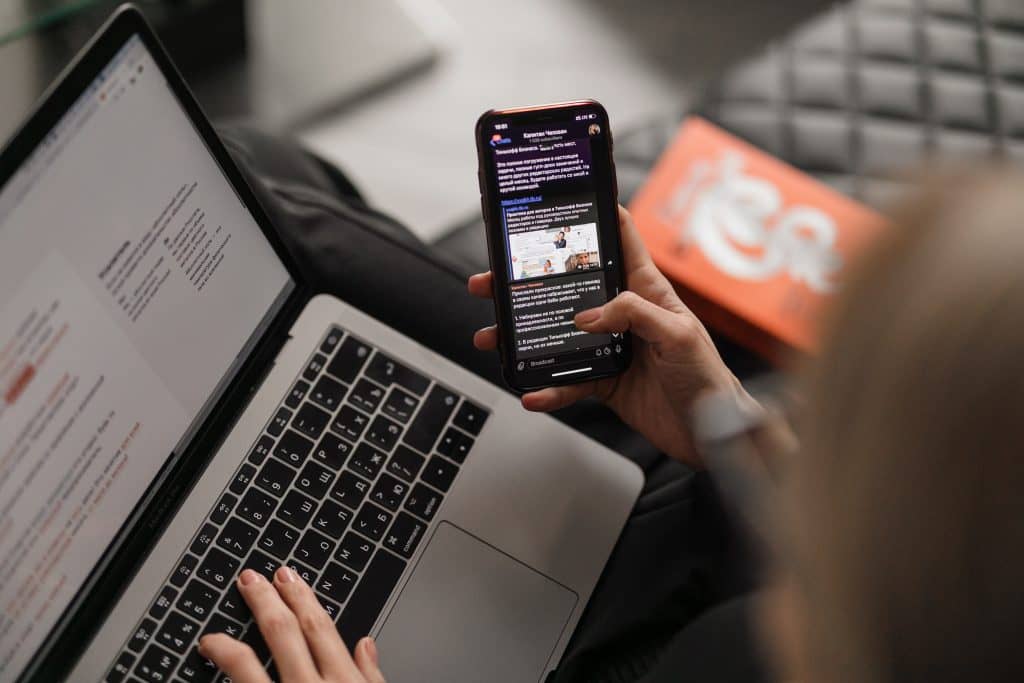
    At its most basic, we’re simply not noticing what’s going on around us in the natural world, or experiencing its benefits for our health, when we spend so much time with our heads in our phones immersing ourselves in the digital, rather than the physical, world.

    What benefits do we experience when we connect with nature?

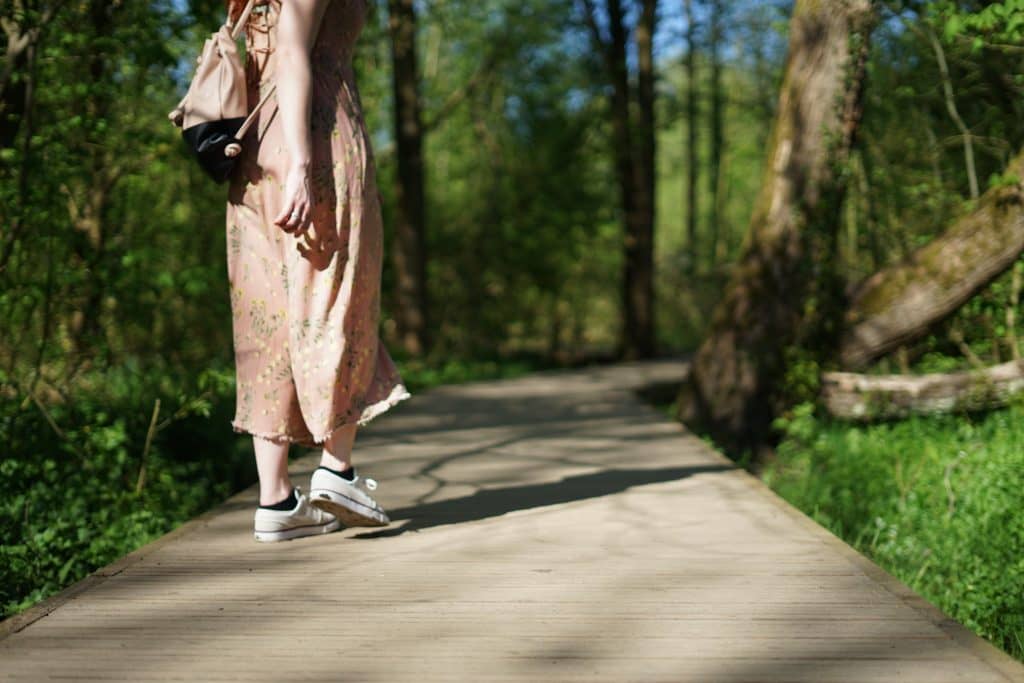
    A growing body of research from all across the globe has found that contact with nature in environments such as parks, woodlands and beaches is associated with better health and well-being. This doesn’t mean you need to live in the countryside, living in ‘greener’ urban areas (where you have access to a park or grassy space, or even trees in your street), is also associated with lower cardiovascular disease, obesity, diabetes, mental health, and ultimately mortality.

    connect with nature

    One famous study even looked at the impact of just being able to see a green space, rather than walk in it. People recovering from operations in a hospital with a view of green space recovered sooner and required fewer painkillers than those who didn’t have a ‘green’ view.

    In Japan, ‘shinrin yoku’ the habit of forest bathing (spending time among trees, observing the sights and sounds of nature), is particularly popular. Researchers have found that doing it can lower stress hormone production and blood pressure while boosting the body’s immune system.

    What about the benefits to the natural world when we connect with it?

    Studies have shown that engaging in simple nature activities is the largest significant contributor to ‘pro-nature’ conservation behaviour. In other words, when we spend more time outside in the natural world we are more likely to want to protect and preserve it because we notice and appreciate its benefits.

    An understanding of the natural world is a source of not only great curiosity, but great fulfilment.”

    Sir David Attenborough

    Put your phone down to connect with nature more

    Ultimately it’s a win:win when you put down your phone and notice and experience the natural world around you. It benefits your physical and mental health, and it benefits the natural word because, as you experience and enjoy it more, you’re more motivated to want to protect it. It’s been a part of our manifesto ever since we launched Time To Log Off, that spending time in nature is the best antidote to mindless screen scrolling. With the UN Climate Change Conference happening right now, there’s no better time to gently remind you to get off your screen and connect with nature today.
    When we put down our phones and connect with nature, it’s not just good for the planet #COP26

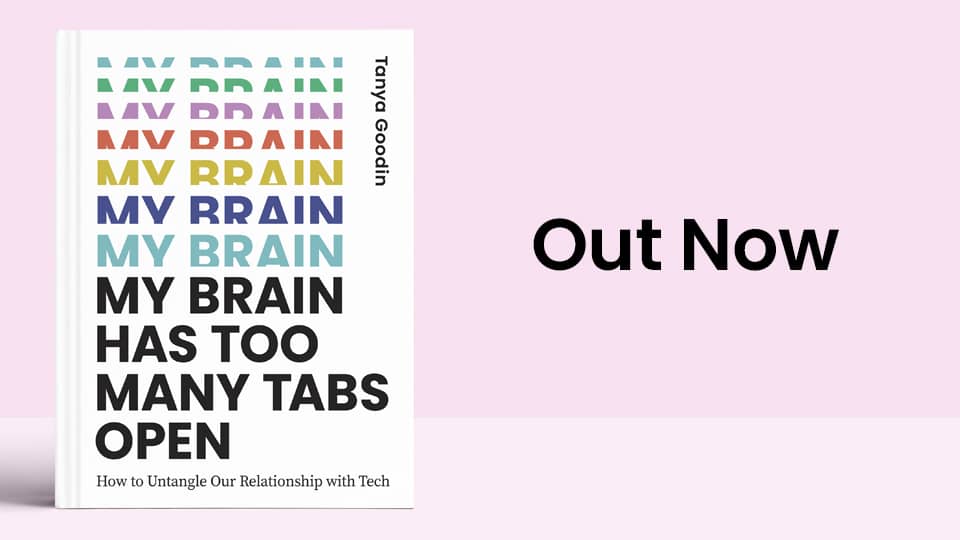
    For more ideas on how to fix your digital habits to improve your health and wellbeing, pick up a copy of my new book: ‘My Brain Has Too Many Tabs Open’.
    View the original article at itstimetologoff.com

  • The Problem with Group Chats

    The Problem with Group Chats

    The Problem with Group Chats

    Group Chats. Whether for family, sport, work or pleasure, most of us belong to one or another. With the advent of the pandemic in 2020, these chats became an emotional and practical way to keep in touch with the outside world. However, this period also exposed the problem with group chats, which for many has overshadowed the usefulness that they once provided.

    The Work Chat

    With the advent of Whatsapp in the early 2010s, many workplaces started using group chats as a method of communication. Why send a lengthy internal email when you can just post to the chat?

    In a world where working from home has become the norm, chats acted as a “virtual water cooler” chat for the 21st century. The contents of these chats are felt to be private, with no real world consequences for what was said. But, of course, there are. Not only have there been cases of firings for group chat comments, they also have unforeseen consequences. Bullying and employee burnout are chief among them. The “right to disconnect” movement was partly inspired by the 24/7 modern work week. Work chats also have a negative effect on employee performance, with one study estimating an average of eight minutes from replying to chat to returning to the task at hand.

    And the problems with chats has now permeated our homes, in the form of the family group chat.

    The Family Chat

    The Problem with Group Chats

    When the pandemic hit, the family and friends group chat became more important than ever. With real life communication gone and some families separated by thousands of miles, it seemed the only option. However, the sheer number of members in single groups created the first of many problems: switching off. Constant notifications, and a fear of missing out or FOMO resulted in many users feeling annoyed or even isolated. We have three top tips on how to successfully detox from the family group chat.

    1. Mute Notifications

    Instead of being constantly annoyed by sounds and banner flashes, simply mute notifications. This will not only enable greater relaxation but also allow you to choose when you go back. This makes it more likely that you’ll be able to use it effectively.

    2. Cut Back Daily

    A useful analogy for activity on group chats is to think of it like a sauna: stay for a while, then leave. Whilst it might not be in your best interest to stop checking the chat right away, it definitely is in your interests to cut back your daily chat time. Choose specific times in the day to leave the chat alone and engage in activities off screen.

    3. Leave the Chat

    This is the most drastic but also the most simple of the tips. Taking a break from the constant chatter of family and friends online can be a better way to interact with them off it.

    If you are still looking for tips or tricks, our new book, “My Brain Has too Many Tabs Open” written by our founder Tanya Goodin, is available to order from Amazon now.

    View the original article at itstimetologoff.com

  • How your Digital Detox Could Save the Planet

    How your Digital Detox Could Save the Planet

    This is post 1 of 1 in the series “COP26”

    With 26th annual UN Climate Change Conference (COP26) on the horizon, being held in our back garden here in the UK, in Glasgow, many of us are reinvigorated in our desire to cut our carbon emissions. Perhaps you are researching electric cars, bikes, insulation, or a vegan diet? Well we have one more way to help you save the planet, at no cost, whilst maintaining your digital wellbeing at the same time- win win. You just need to turn off your devices once in a while.

    There’s a carbon impact from digital activity

    If you didn’t realise it already, using your devices has an impact on your carbon footprint. We have to charge them, run WiFi systems, hard drives and more, and all has an impact on the electricity bill and the power each of us uses daily. To put it into perceptive: each email you send costs around 4g of carbon, if it has a photo attached that could go up to 50g. Now think about how many emails, texts, WhatsApps, DMs, and memes you send a day: over the course of a year that adds up.

    Sending 65 emails is roughly equivalent to driving 1km in a car

    The world’s email usage generates as much CO2 as having an extra seven million cars on the roads.

    BBC Science focus

    eWaste is a growing problem

    But it isn’t just our digital activity which has an environmental impact, there’s an impact from the devices themselves. In Britain alone we buy 1.65 million tonnes of electrical devices each year with 500,000 tonnes of waste electricals thrown away, stolen or illegally exported annually. Each of us has a tech-drawer at home, full of old phones, tablets, laptops etc that we don’t know what to do with. That collection of devices is costing the planet dearly as we constantly update to the latest models of smartphones, tablets and laptops and fail to fix our old ones.

    How your Digital Detox Could Save the Planet

    How can we reduce our carbon impact?

    The first and most obvious solution is to cut down on screen time. Our founder, Tanya Goodin, recently spoke about the workplace app Slack, describing its negative effects on our mental health and the impact it has on our ability to work effectively. Instead she recommended phone calls, limiting information to infrequent emails and even going to speak to a colleague in real life. As we return to the office this is becoming more and more feasible and face to face chats will stop you sending emails and cut down Slack (or similar) spam, give you a change to stretch your legs, and give both parties some time off screen. At home, instead of spending your time on your device why not pick up a new hobby? You could get back into reading or crafting or just get outside again after a long day at work. There are so many options, and each one of them will help save the planet if you cut down on time on your devices doing it.

    How your Digital Detox Could Save the Planet

    Learn how to fix it

    Unfortunately there is no world where we can just switch off our devices and eliminate our digital environmental impact completely to help save the planet. So we have two other tips to help mitigate the impact when you are online: the first is to use the iFixit community and all their tools. In our podcast It’s Complicated, we talked to iFixit about how hard it is to fix our devices and the need for constant upgrades and they provided solutions: from ways to dispose of your goods more safely to kits to fix your phone yourself and tips and tricks to keep it running longer, they will all help you stop adding to your tech junk drawer.

    Carbon offset your digital activity to save the planet

    Finally, look into carbon offsetting: you can find out how much your use of your device costs the planet and then pay offset the costs by planting trees or similar carbon reducing practices. Alternatively you could use a carbon-negative phone plan such as the one offered by Honest Mobile so that your phone use at least is not hurting the planet.

    How your Digital Detox Could Save the Planet

    If you want to learn more about how to switch off, and the many other ways in which our bad digital habits are impacting our lives – and how to fix them – you can read more in Tanya Goodin’s new book: ‘My Brain Has Too Many Tabs Open’.
    View the original article at itstimetologoff.com

  • Digital Detox Tips That Actually Work

    Digital Detox Tips That Actually Work

    Digital detoxing is difficult, and it can be hard to know where to start. Here’s some tried and tested low-effort but-high impact digital detox tips that actually work.

    Allow only essential notifications

    Let’s make things easier for ourselves.

    We probably all know the feeling of being super concentrated on a task, or engaged in a conversation with a friend, when our phone buzzes. The second we check the notification, we interrupt our train of thought. The longer we loiter on our phone, the less likely we are be able to pick up where we left off and resume our stream of productivity.

    Digital Detox Tips That Actually Work

    To lower chances of this interruption in the first place, the first of our digital detox tips is about limiting the number of notifications you receive. Turn anything that you do not need to receive in real time, such as social media and news notifications. This means you have control over when you check your phone: not the other way round.

    Leave your phone behind

    Next time you go out and you deem it safe and sensible to, leave your phone behind. Whether going for a walk, to someone’s house, or even just running errands, use the outing as an opportunity to put some distance between you and your tech. If you can’t access it, you cannot succumb to the temptation to check your notifications or go on it.

    If you don’t have a reason to leave your home, make one! Go for a walk over lunchtime or after work – your mind and body will thank you for it.

    Digital Detox Tips That Actually Work

    If the thought of leaving your phone at home makes you feel anxious: digitally detoxing is definitely the right move for you. Feeling nervous when separated from your phone is a sign of digital addiction, and could be having negative impacts on your productivity, relationships and sleep quality. Therefore, as difficult as it can be, breaking the habit of being accompanied by your phone everywhere you go is a really important step towards developing a healthier tech-life balance.

    Make time for the activities you love

    Find something to fill up the otherwise dead time you spend on your phone. If you have something you love and look forward to doing – for example baking, running, arts and crafts – you will not feel the need, or even want, to go on your phone. Investing time into doing the things you love will leave you feeling happy and fulfilled. Scrolling mindlessly on your phone will only delay (and possibly even exacerbate) your boredom and leave you feeling lethargic and dissatisfied.

    Extend this to your morning and evening routine. Starting and ending the day on your phone is terrible for your self-esteem, productivity and sleep cycle. Find an activity that makes you feel good in the morning and sets you up for a productive day ahead – such as yoga or journaling – and one that relaxes you and helps you to wind down before bed, like reading, jigsaw puzzles or colouring.

    Use your tech only when you need to

    Often technology does enrich our lives, for example by allowing us to stay in contact with friends and family. Mobile phones in themselves are not harmful, but if we do not use them responsibly we can end up in a detrimental cycle of unhealthy technology use.

    To make sure that you are using your phone mindfully, every time you pick it up, ask yourself why exactly you are using your phone. Your friend whom you are meeting for dinner is asking you what time you’d like to meet? Let them know! Agree on a plan, tell them you’re looking forward to catching up in person, and put your phone down. Instagram account @user49235 has liked your photo? You probably don’t need to go on your phone (and if you are receiving notifications like these, please refer to number 1 in our digital detox tips!)

    Hold yourself accountable

    The constant theme tying all these tips together is accountability. Question your actions: do I need to go on my phone right now? Do I even need my phone with me? Will going on my phone right now make me happy?

    Asking yourself these questions will help you to align your digital habits with want you want from your daily life. A digital detox is a kindness to oneself: it separates your work life from your home life, gives you back time to do the activities you love, and promotes more activity and better quality sleep, leading to a healthier, happier day-to-day.

    View the original article at itstimetologoff.com

  • Should We Have A Right to Disconnect from Work?

    Should We Have A Right to Disconnect from Work?

    For many people, especially in the world of finance and consultancy, there is no such thing as a nine to five. However, with the advent of worldwide lockdowns, employees have begun to challenge the old status quo. They ask a simple question: should we have a right to disconnect from work?.

    Should We Have A Right to Disconnect from Work?

    ‘Disconnecting’ right now

    A common refrain around digital detox is that the twenty-four working day makes it impossible. Especially in the financial services industry, if someone else is awake or a market is opening, the argument is that employees should be too. We’ve written about the problems with tech-work-life balance before, but for many years a legal “Right to Disconnect” has been a pipe dream. But the movement has spread. An EU resolution for disconnection after work hours has passed and there are murmurs that the UK should follow its lead. The French have led in this. In 2017, the French government passed a law requiring a company of more than fifty employees to draw up a charter that must clearly set out how employers could communicate with staff after designated working hours. Ireland has also recently implemented a series of codes and best practices for employers on the subject to “navigate an increasingly digital landscape”.

    What are the barriers to disconnection?

    Aside from legislation, the biggest barrier to disconnection from work is that companies are more dependent on tech than ever before. Taking email as just one example, the average office worker receives one hundred and twenty-one emails in a day. That’s an average of five every hour of the day and night. Most workers in Britain haven’t worked a traditional ‘9-5’ since well before Covid, making it difficult to formulate any set regular hours into law. That is all before the most obvious question of all: will restricting out-of-hours communication make companies more productive.

    Is disconnection productive?

    Should We Have A Right to Disconnect from Work?

    The short answer is yes. Whilst we can’t truly know the implementation effects until laws have been passed, early results are encouraging. In a study done into the effects of disconnection on home and office workers, 80% of Swedish employers reported higher rates of productivity amongst workers, with similar results in France and Brazil. It also found that even amongst neutral organisations, rather than ones who openly support changes, the results were similar. Longer hours, it seems does not equal greater productivity.

    The Future of Disconnection

    Whilst several countries have passed measures to help employees disconnect, it will surprise few to know that it is far from becoming a reality across the board. The best you can do at the moment is to tailor disconnection to your own individual hours. If you are unsure as to where to start with disconnecting from work, or you want to explore digital detox further, here are some more articles from us on the subject”

    1. Three Overlooked Ways to Achieve Flow and Reach Peak Productivity in the Office
    2. How to Switch Off After Work
    3. Your Work Life Balance Needs Digital Detox
    Should We Have A Right to Disconnect from Work?

    For further inspiration on work-life balance our latest book, ‘My Brain Has Too Many Tabs Open’ is available on Amazon now.

    View the original article at itstimetologoff.com

  • Make your own Social Media Outage

    Make your own Social Media Outage

    The recent outage of Facebook, Whatsapp and Instagram showed just how reliant we all are on social media. What should have been an opportunity to read a book, do some exercise or do any number of beneficial non-tech related activities instead caused global panic and hysteria. However, many people unexpectedly found they enjoyed it, and even called on Facebook to arrange another outage again soon. But, instead of waiting for someone to kick the plug out again in Silicon Valley, how about going about creating your own social media outage? Here are some tips on how to establish your own, and keep it going.

    Make your own Social Media Outage

    Turn off Push Notifications

    One way to alleviate the inevitable stress that you might feel initially when being off social media, is to turn off push notifications as an initial step. This will not only partially or wholly eliminate any fear of missing out, but also allow you to interact with the people around you in ways you could never do on a screen.

    Logout of Social Media Apps

    If you have your social accounts logged in on multiple devices, chances are you will be tempted at some point to break your outage. To counter this, log out on every device. If you’re not ready to do that at once, you can ease gradually into it. Try a week off on your smartphone, maybe two. You have a much better chance of keeping your outage going if you are able to remove immediate temptation

    Make your own Social Media Outage

    Delete Apps

    The beauty of apps is that you are able to install and delete them at will. So why not do just that? On a more practical level, deleting apps removes the immediacy of social media (you can’t post from a browser). This step can also form a useful halfway house between logging out and wanting to stay connected. Plus, it allows you to remove “non-essential” apps and de-clutter the feed on your existing apps. Reduce the number of platforms you’re juggling and you may well reduce your anxiety levels.

    Focus on Self Care

    Whilst it may seem a cliché, it’s important to re-focus on the most important aspect of your health: your emotional wellbeing. Go for a bike ride. Meet up with a friend. Or just focus on good old fashioned relaxation. Either way, caring for yourself rather than obsessing over ‘like’ counts means that when you eventually return to social media, you may have learned how to use it in a healthier way. Plus, it’s well documented that quitting social media, even in the short term, can result in benefits to both health and mood.

    Make it A Team Effort

    It can be daunting when trying to give up a part of your life that has likely become intrinsic on your own. Sharing the effort with someone else who also rather enjoyed the six hours when Facebook, Instagram and WhatsApp were done will provide a useful network of moral support and accountability. It also makes it more likely that you will stick at it for longer. And, sooner rather than later, you may both have created more responsible and better versions of yourselves.

    Make your own Social Media Outage

    For more tips on managing your social media outage or your relationship with tech in general, take a look at our new book My Brain Has Too Many Tabs Open, available to order from Amazon now.

    View the original article at itstimetologoff.com

  • Chapter 6: The Thrush’s Song

    Shauna Shepard, who works as a receptionist in the local health clinic, visited with me on my back porch. She shared why she drifted into substance abuse, and how she struggled to get — and remain — sober.

    After a man in my small Vermont town who had a heroin addiction committed suicide, I began asking questions about addiction. Numerous people shared their experiences with me — from medical workers to the local police to people in recovery. Shauna Shepard, who works as a receptionist in the local health clinic, visited with me on my back porch. She shared why she drifted into substance abuse, and how she struggled to get — and remain — sober.

    “Drugs,” Shauna finally said after a long silence, tapping her cigarette on the ashtray. “Drugs are really good. That’s the problem. When you’re using, it’s hard to imagine a life without them. For a long time, I didn’t know how to deal with my feelings any other way. It’s still hard for me to understand that getting high isn’t an option anymore.”

    I nodded; I knew all too well how using could be a carapace, a place to tuck in and hide, where you could pretend your life wasn’t unraveling.

    “You can go weeks, months, even years without using, and then you smell something or hear a certain song on the radio, or you see somebody, and — bam! — the cravings come right back. If you don’t keep your eye on that shit, it’ll get you.”

    “It? You mean cravings for drugs? Or your past?”

    “Both,” she said emphatically. “I mean, fuck. Emotions don’t go away. If you bury them, everything comes crashing out when someone asks you for a fucking pen, and they get the last six months of shit because they walked in at the wrong time.”

    I laughed. “So much shit can happen in six months.”

    She nodded, but she wasn’t smiling.

    I rubbed a fingertip around the edge of the saucer, staring at the ashes sprinkled over its center. “What’s it like for you to be sober?”

    “It’s harder. But it’s better. My job is good, and I want to keep it. I have money the day after I get paid. I’ve got my therapist and my doctor on speed dial. I have Vivitrol. But I still crave drugs. I don’t talk to anyone who uses. It’s easy for that shit to happen. You gotta be on your game.”

    “At least to me, you seem impressively aware of your game.”

    With one hand, she waved away my words. “I have terrible days, too. Just awful days. But if my mom can bury two kids and not have a drug issue, I should be able to do it. When my brother shot himself, his girlfriend was right there. She’s now married and has two kids. That’s just freaking amazing. If she can stay clean, then I should be able to stay sober, too.”

    “Can I reiterate my admiration again? So many people are just talk.”

    Shauna laughed. “Sometimes I downplay my trauma, but it made me who I am. I change my own oil, take out the garbage. I run the Weedwacker and stack firewood. I’ve repaired both mufflers on my car, just because I could.” Her jaw tightened. “But I don’t want to be taken advantage of.” She told me how one night, she left her house key in the outside lock. “When I woke up next morning and realized what I had done, I was so relieved to have survived. I told myself, See, you’re not going to fucking die.”

    “You’re afraid here? In small town Vermont?”

    “I always lock up at night. Always have, always will.” Cupping her hands around the lighter to shield the flame from the wind, she bent her head sideways and lit another cigarette.

    “I lock up, too. I have a restraining order against my ex.”

    She tapped her lighter on the table. “So you know.”

    “I do. I get it.”

    *

    As the dusk drifted in and the warm afternoon gave way to a crisp fall evening, our conversation wound down.

    Shauna continued, “I still feel like I have a long way to go. But I feel lucky. I mean, in my addiction I never had sex for money or drugs. I never had to pick out of the dumpster. My rock bottom wasn’t as low as others. I’m thankful for that.”

    I thought of my own gratitude for how well things had worked out for me, despite my drinking problem; I had my daughters and house, my work and my health.

    Our tabby cat Acer pushed his small pink nose against the window screen and meowed for his dinner. My daughter Gabriela usually fed him and his brother around this time.

    “It’s getting cold,” Shauna said, zipping up her jacket.

    “Just one more question. What advice would you give someone struggling with addiction?”

    Shauna stared up at the porch ceiling painted the pale blue of forget-me-not blossoms, a New England tradition. She paused for so long that I was about to thank her and cut off our talk when she looked back at me.

    “Recovery,” she offered, “is possible. That’s all.”

    “Oh . . .” I shivered. “It’s warm in the house. Come in, please. I’ll make tea.”

    She shook her head. “Thanks, but I should go. I’ve got to feed the dogs.” She glanced at Acer sitting on the windowsill. “Looks like your cat is hungry, too.”

    “Thank you again.”

    We walked to the edge of the driveway. Then, after an awkward pause, we stepped forward and embraced. She was so much taller than me that I barely reached her shoulders.

    When Shauna left, I gathered my two balls of yarn and my half-knit sweater and went inside the kitchen. I fed the cats who rubbed against my ankles, mewling with hunger. From the refrigerator, I pulled out the red enamel pan of leftover lentil and carrot soup I’d made earlier that week and set it on the stove to warm.

    Then I stepped out on the front steps to watch for my daughters to return home. Last summer, I had painted these steps dandelion yellow, a hardware store deal for a can of paint mistakenly mixed. Standing there, my bare feet pressed together, I wrapped my cardigan around my torso. Shauna and I had much more in common than locking doors at night. Why had I revealed nothing about my own struggle with addiction?

    *

    I wandered into the garden and snapped a few cucumbers from the prickly vines. Finally, I saw my daughters running on the other side of the cemetery, racing each other home, ponytails bobbing. As they rushed up the path, I unlatched the garden gate and held up the cucumbers.

    “Cukes. Yum. Did you put the soup on?” Molly asked, panting.

    “Ten minutes ago.” Together we walked up the steps. The girls untied their shoes on the back porch.

    “We saw the bald eagles by the reservoir again,” Gabriela said.

    “What luck. I wonder if they’re nesting there.”

    Molly opened the kitchen door, and the girls walked into our house. Before I headed in, too, I lined up my family’s shoes beneath the overhang. Through the glass door, I saw Molly cradling Acer against her chest, his hind paws in Gabriela’s hands as the two of them cooed over their beloved cat.

    Hidden in the thicket behind our house, the hermit thrush — a plain brown bird, small enough to fit in the palm of my hand — trilled its rippling melody, those unseen pearls of sound.

    In the center of the table where Shauna and I had sat that afternoon, the saucer was empty, save for crumbles of common garden dirt and a scattering of ashes. When I wasn’t looking, Shauna must have gathered her crushed cigarette butts. I grasped the saucer to dump the ashes and dirt over the railing then abruptly paused, wondering: If I had lived Shauna’s life, would I have had the strength to get sober? And if I had, would I have risked that sobriety for a stranger?

    In the kitchen, my daughters joked with each other, setting the table, the bowls and spoons clattering. The refrigerator opened and closed; the faucet ran. I stood in the dusk, my breath stirring that dusty ash.

    Excerpted from Unstitched: My Journey to Understand Opioid Addiction and How People and Communities Can Heal, available at Amazon and elsewhere.

    View the original article at thefix.com

  • Have you been ‘phubbing’ your loved ones? We can help.

    Have you been ‘phubbing’ your loved ones? We can help.

    We’ve all been there – you’re sitting at the kitchen table for family dinner and everyone around you is on their phone. Or, perhaps you are finally out for dinner with a friend and they are distractedly talking to you whilst answering work emails. This bad habit is called ‘phubbing’ and we are all recipients of it – which means we are probably all guilty of it too. More than 17% of people in a recent study admitted to phubbing those around them over 4 times a day– and 71% of millennials admit to doing it deliberately to get out of awkward situations.

    What is ‘phubbing’

    Have you been ‘phubbing’ your loved ones? We can help.

    Phubbing – a direct contraction of the words ‘phone’ and ‘snubbing’, can take many forms. It could be when you are having a hard conversation with someone and they get an email that they NEED to respond to right there and then, or perhaps when you are with family and your friends send you a hilarious message so you oh-so-subtly respond under the table, it could even be checking the weather, or checking a news story referenced in the conversation. If you are not sharing your screen with the other person in the conversation you are phubbing them, and we all know how annoying that can be when people aren’t truly listening.

    Why is it a problem?

    We all know how it feels to be phubbed – you can start to feel that you are not important enough, that you are boring and that the person you are speaking to doesn’t value your input into the conversation, all of which perpetuates the breakdown of human connection that we have experienced over the course of this pandemic. It has been 18 months of not being able to speak to each other freely except through technology and we all said throughout that as soon as it ended we would put down our devices, valuing in person interaction all the more. Yet this has somehow not been the result, we’re still phubbing our loved ones just as much. Phubbing has been linked to a decease in marriage satisfaction, as well as a decrease in the perception of one’s quality of life and general mental health- it does have real-world consequences. We need to stop.

    Have you been ‘phubbing’ your loved ones? We can help.

    How to stop

    Phubbing is a reciprocal activity – if you take out your phone in a conversation *even if it is just to answer an essential work query* those you are talking with are more likely to do so too. Therefore, the first step we suggest to improve your experience of phubbing with others is to cut it out yourself. When you start a conversation with someone make an active effort to consciously put your phone away. Don’t leave it face up on the table ready to distract you, put it in your bag out of sight. Studies have shown that a phone on the desk reduces your IQ even when you are not using it, so put it away. If you have important aspects of your life to keep connected with (such as children), you can make periodic trips to the ‘bathroom’ to use your phone. Or ask your companion if it’s OK if you quickly check your phone in a break in the conversation. Once you make that first step, you’ll be pleasantly surprised at the difference it inspires in others, even if you don’t tell them anything about your new strategy. Give it a go and watch the difference it makes to all your interactions.

    Have you been ‘phubbing’ your loved ones? We can help.

    If you want to learn more about ‘phubbing’ and the many other ways in which our digital habits are changing our lives – and how to fix that – you can read more in Tanya Goodin’s new book: ‘My Brain Has Too Many Tabs Open’.

    View the original article at itstimetologoff.com

  • Havana syndrome fits the pattern of psychosomatic illness – but that doesn’t mean the symptoms aren’t real

    Mass psychogenic illness is a condition whereby people in a group feel sick because they think they have been exposed to something dangerous – even though there has been no actual exposure.

    In early September 2021, a CIA agent was evacuated from Serbia in the latest case of what the world now knows as “Havana syndrome.”

    Like most people, I first heard about Havana syndrome in the summer of 2017. Cuba was allegedly attacking employees of the U.S. Embassy in Havana in their homes and hotel rooms using a mysterious weapon. The victims reported a variety of symptoms, including headaches, dizziness, hearing loss, fatigue, mental fog and difficulty concentrating after hearing an eerie sound.

    Over the next year and a half, many theories were put forward regarding the symptoms and how a weapon may have caused them. Despite the lack of hard evidence, many experts suggested that a weapon of some sort was causing the symptoms.

    I am an emeritus professor of neurology who studies the inner ear, and my clinical focus is on dizziness and hearing loss. When news of these events broke, I was baffled. But after reading descriptions of the patients’ symptoms and test results, I began to doubt that some mysterious weapon was the cause.

    I have seen patients with the same symptoms as the embassy employees on a regular basis in my Dizziness Clinic at the University of California, Los Angeles. Most have psychosomatic symptoms – meaning the symptoms are real but arise from stress or emotional causes, not external ones. With a little reassurance and some treatments to lessen their symptoms, they get better.

    The available data on Havana syndrome matches closely with mass psychogenic illness – more commonly known as mass hysteria. So what is really happening with so–called Havana syndrome?

    A mysterious illness

    In late December 2016, an otherwise healthy undercover agent in his 30s arrived at the clinic of the U.S. Embassy in Cuba complaining of headaches, difficulty hearing and acute pain in his ear. The symptoms themselves were not alarming, but the agent reported that they developed after he heard “a beam of sound” that “seemed to have been directed at his home”.

    As word of the presumed attack spread, other people in the embassy community reported similar experiences. A former CIA officer who was in Cuba at the time later noted that the first patient “was lobbying, if not coercing, people to report symptoms and to connect the dots.”

    Patients from the U.S. Embassy were first sent to ear, nose and throat doctors at the University of Miami and then to brain specialists in Philadelphia. Physicians examined the embassy patients using a range of tests to measure hearing, balance and cognition. They also took MRIs of the patients’ brains. In the 21 patients examined, 15 to 18 experienced sleep disturbances and headaches as well as cognitive, auditory, balance and visual dysfunction. Despite these symptoms, brain MRIs and hearing tests were normal.

    A flurry of articles appeared in the media, many accepting the notion of an attack.

    From Cuba, Havana syndrome began to spread around the globe to embassies in China, Russia, Germany and Austria, and even to the streets of Washington.

    The Associated Press released a recording of the sound in Cuba, and biologists identified it as the call of a species of Cuban cricket.

    A sonic or microwave weapon?

    Initially, many experts and some of the physicians suggested that some sort of sonic weapon was to blame. The Miami team’s study in 2018 reported that 19 patients had dizziness caused by damage to the inner ear from some type of sonic weapon.

    This hypothesis has for the most part been discredited due to flaws in the studies, the fact there is no evidence that any sonic weapon could selectively damage the brain and nothing else, and because biologists identified the sounds in recordings of the supposed weapon to be a Cuban species of cricket.

    Some people have also proposed an alternative idea: a microwave radiation weapon.

    This hypothesis gained credibility when in December 2020, the National Academy of Science released a report concluding that “pulsed radiofrequency energy” was a likely cause for symptoms in at least some of the patients.

    If someone is exposed to high energy microwaves, they may sometimes briefly hear sounds. There is no actual sound, but in what is called the Frey effect, neurons in a person’s ear or brain are directly stimulated by microwaves and the person may “hear” a noise. These effects, though, are nothing like the sounds the victims described, and the simple fact that the sounds were recorded by several victims eliminates microwaves as the source. While directed energy weapons do exist, none that I know of could explain the symptoms or sounds reported by the embassy patients.

    Despite all these stories and theories, there is a problem: No physician has found a medical cause for the symptoms. And after five years of extensive searching, no evidence of a weapon has been found.

    Havana syndrome fits the pattern of psychosomatic illness – but that doesn’t mean the symptoms aren’t real
    Mass psychogenic illness – more commonly known as mass hysteria – is a well-documented phenomenon throughout history, as seen in this painting of an outbreak of dancing mania in the Middle Ages. Pieter Brueghel the Younger/WikimediaCommons

    Mass psychogenic illness

    Mass psychogenic illness is a condition whereby people in a group feel sick because they think they have been exposed to something dangerous – even though there has been no actual exposure. For example, as telephones became widely available at the turn of the 20th century, numerous telephone operators became sick with concussion-like symptoms attributed to “acoustic shock.” But despite decades of reports, no research has ever confirmed the existence of acoustic shock.

    I believe it is much more likely that mass psychogenic illness – not an energy weapon – is behind Havana syndrome.

    Mass psychogenic illness typically begins in a stressful environment. Sometimes it starts when an individual with an unrelated illness believes something mysterious caused their symptoms. This person then spreads the idea to the people around them and even to other groups, and it is often amplified by overzealous health workers and the mass media. Well-documented cases of mass psychogenic illness – like the dancing plagues of the Middle Ages – have occurred for centuries and continue to occur on a regular basis around the world. The symptoms are real, the result of changes in brain connections and chemistry. They can also last for years.

    The story of Havana syndrome looks to me like a textbook case of mass psychogenic illness. It started from a single undercover agent in Cuba – a person in what I imagine is a very stressful situation. This person had real symptoms, but blamed them on something mysterious – the strange sound he heard. He then told his colleagues at the embassy, and the idea spread. With the help of the media and medical community, the idea solidified and spread around the world. It checks all the boxes.

    Interestingly, the December 2020 National Academy of Science report concluded that mass psychogenic illness was a reasonable explanation for the patients’ symptoms, particularly the chronic symptoms, but that it lacked “patient-level data” to make such a diagnosis.

    The Cuban government itself has been investigating the supposed attacks over the years as well. The most detailed report, released on Sept. 13, 2021, concludes that there is no evidence of directed energy weapons and says that psychological causes are the only ones that cannot be dismissed.

    While not as sensational as the idea of a new secret weapon, mass psychogenic illness has historical precedents and can explain the wide variety of symptoms, lack of brain or ear damage and the subsequent spread around the world.

    [Understand new developments in science, health and technology, each week.Subscribe to The Conversation’s science newsletter.]The Conversation

    Robert Baloh, Professor of Neurology, University of California, Los Angeles

    This article is republished from The Conversation under a Creative Commons license. Read the original article.

  • World Mental Health Day 2021: Mental Health and Tech

    World Mental Health Day 2021: Mental Health and Tech

    World Mental Health Day 2021: Mental Health and Tech

    World Mental Health Day is back again for 2021 and it’s time again to review the relationship between tech and our mental health.

    It is well documented that, whether anecdotally or from research, that using social media or any kind of tech excessively can lead to bad mental health. During the dark days of lockdown, many of us turned to the one thing that could not be cancelled: social media. Social media allows us to gain an insight into the lives of whoever we want, whenever we want. However, as was shown earlier this week, social media has allowed tech companies such as Facebook and Instagram to exploit their user’s mental health, with little to no consequences.

    Facebook and Instagram: Impact on Mental Health

    Though they have always denied it, this week Facebook and Instagram were hit with a leak of documents. The headlines showed that tech companies were less than benevolent in protecting the mental health of their users. These leaked documents show that 32% of teenage girls reported increased worries about their body image when viewing Instagram. As if this was not bad enough, these girls are part of the core Facebook demographic of users aged 22 or under, who make up 40% of Instagrams users. It’s clear that Facebook and Instagram knew the potential of their product to cause a decline in mental health. What’s also clear is that we the consumer, need to find ways to regulate these potential effects.

    Digital Detox Tips for World Mental Health Day

    1. Free Up Space

    One of the effective ways of detoxing is good old deletion. Try going a day without social media, without the stress of constant notifications and see how good you feel afterwards.

    2. Get Back to Nature

    There is so much in the world around us that we just don’t see. Get out to your local park. Take a stroll down the river. Or just read a book in the garden. There are numerous health benefits, plus that feeling of contentedness.

    3. Internet Free Time at Home

    Let’s face it: no one wants everyone to be on their phone during family time. Set times in the day where you put down all tech and communicate with another person face to face. You will find you get more out of this type of communication than a DM on Instagram.

    World Mental Health Day 2021: Mental Health and Tech

    For more tips and tricks about how to improve your mental health this World Mental Health Day, our new book ‘My Brain Has Too Many Tabs Open’ is available to order now.

    View the original article at itstimetologoff.com