Social Distancing = Podcast Listening, It’s Complicated with Yes Theory
In the third episode of our podcast, It’s Complicated, Series Three, our founder Tanya Goodin chats to Thomas Brag about his role in the creation of Yes Theory, a Youtube channel which has gone on to create physical communities across the globe.
Yes Theory is a YouTube channel devoted to the idea that life’s most important and fulfilling moments happen beyond our comfort zone. Brag is one of three main founders who still work with the group to ‘seek discomfort’ by putting themselves out there. Yes Theory’s model places a premium on human connection, calling strangers ‘friends they have yet to get to know’ and forging true relationships through their work online.
In the podcast Brag talks with Tanya about his personal relationship with digital addiction specifically relating to social media. As a content creator, his work is largely online and its promotion takes place on social media, blurring the line between his work and social life in a way which has highlighted his dependence. As we wrote about before, Brag felt that this dependence was so greatly impacting his life that he took a 30-day sabbatical from social media influenced by Cal Newport who spoke to Tanya in Series One of the podcast. He says that he cannot recommend a digital detox highly enough, saying he found a ‘stillness and peace’ beyond that ‘initial discomfort’. He also describes the steps he, and another co-founder Matt, have put in place in order to find a balance between having to work in social media and using it for real connections.
The community which has been created by the group Yes Theory goes far beyond those who have been involved with their videos. They have a Facebook group and encourage everyone who watches their videos to connect with the people around them as well as online. This has sprouted groups around the world in many major cities who are able to take their connection offline and make meaningful statements, such as Indian and Pakistani groups who joined together in solidarity when their countries were experiencing tension. In the podcast, Brag talks about Yes Theory’s hopes for the future of their community, how he hopes to increase their offline presence and build relationships stronger than those of passive subscribers.
In this series of Its Complicated, we wanted to talk not just about the pitfalls, but also about the positives of the internet and social media. Despite their personal struggles, Yes Theory could not be a better example of this. In a recent video, they documented the last few months of the life of a stranger. The founders asked on the Facebook page if their subscribers knew anyone who needed help and, in response, Matt started visiting terminally ill Xavier Romero. Through their documentation of this relationship, the importance of human connection could not be made more clear; and yet this bond was forged intially through social media.
In this unprecedented time, as many of us we live unable to be with family and friends, it’s inspiring to see how online connection can be made into a real physical bonds that go beyond merely the online world.
“We consider addiction a disease of isolation…Now we’re isolating all these people and expecting them to pick up the phone, get online, that sort of thing — and it may not work out as well.”
Before the coronavirus became a pandemic, Emma went to an Alcoholics Anonymous meeting every week in the Boston area and to another support group at her methadone clinic. She said she felt safe, secure and never judged.
“No one is thinking, ‘Oh, my God. She did that?’” said Emma, “’cause they’ve been there.”
Now, with AA and other 12-step groups moving online, and the methadone clinic shifting to phone meetings and appointments, Emma said she is feeling more isolated. (KHN is not using her last name because she still uses illegal drugs sometimes.) Emma said the coronavirus may make it harder to stay in recovery.
“Maybe I’m old fashioned,” said Emma, “but the whole point of going to a meeting is to be around people and be social and feel connected, and I’d be totally missing that if I did it online.”
While it’s safer to stay home to avoid getting and spreading COVID-19, addiction specialists acknowledge Emma’s concern: Doing so may increase feelings of depression and anxiety among people in recovery — and those are underlying causes of drug and alcohol use and addiction.
“We consider addiction a disease of isolation,” said Dr. Marvin Seppala, chief medical officer at the Hazelden Betty Ford Foundation. “Now we’re isolating all these people and expecting them to pick up the phone, get online, that sort of thing — and it may not work out as well.”
Emma has another frustration: If the methadone clinic isn’t allowing gatherings, why is she still required to show up daily and wait in line for her dose of the pink liquid medication?
The answer is in tangled rules for methadone dispensing. The federal government has loosened them during the pandemic — so that patients don’t all have to make a daily trip to the methadone clinic, even if they are sick. But patients say clinics have been slow to adopt the new rules.
Mark Parrino, president of the American Association for the Treatment of Opioid Dependence, said he issued guidelines to members late last week about how to operate during pandemics. He recommended that clinics stop collecting urine samples to test for drug use. Many patients can now get a 14- to 28-day supply of their addiction treatment medication so they can make fewer trips to methadone or buprenorphine clinics.
“But there has to be caution about giving significant take-home medication to patients who are clinically unstable or actively still using other drugs,” Parrino said, “because that could lead to more problems.”
The new rules have a downside for clinics: Programs will lose money during the pandemic as fewer patients make daily visits, although Medicare and some other providers are adjusting reimbursements based on the new stay-at-home guidelines.
And for active drug users, being alone when taking high levels of opioids increases the risk of a fatal overdose.
These are just some of the challenges that emerge as the public health crisis of addiction collides with the global pandemic of COVID-19. Doctors worry deaths will escalate unless people struggling with excessive drug and alcohol use and those in recovery — as well as addiction treatment programs — quickly change the way they do business.
But treatment options are becoming even scarcer during the pandemic.
“It’s shutting down everything,” said John, a homeless man who’s wandering the streets of Boston while he waits for a detox bed. (KHN is not including his last name because he still buys illegal drugs.) “Detoxes are closing their doors and halfway houses,” he said. “It’s really affecting people getting help.”
Adding to the scarcity of treatment options: Some inpatient and outpatient programs are not accepting new patients because they aren’t yet prepared to operate under the physical distancing rules. In many residential treatment facilities, bedrooms and bathrooms for patients are shared, and most daily activities happen in groups — those are all settings that would increase the risk of transmitting the novel coronavirus.
“If somebody were to become symptomatic or were to spread within a unit, it would have a significant impact,” said Lisa Blanchard, vice president of clinical services at Spectrum Health Systems. Spectrum runs two detox and residential treatment programs in Massachusetts. Its facilities and programs are all still accepting patients.
Seppala said inpatient programs at Hazelden Betty Ford are open, but with new precautions. All patients, staff and visitors have their temperature checked daily and are monitored for other COVID-19 symptoms. Intensive outpatient programs will run on virtual platforms online for the immediate future. Some insurers cover online and telehealth addiction treatment, but not all do.
Seppala worried that all the disruptions — canceled meetings, the search for new support networks and fear of the coronavirus — will be dangerous for people in recovery.
“That can really drive people to an elevated level of anxiety,” he said, “and anxiety certainly can result in relapse.”
Doctors say some people with a history of drug and alcohol use may be more susceptible to COVID-19 because they are more likely to have weak immune systems and have existing infections such as hepatitis C or HIV.
“They also have very high rates of nicotine addiction and smoking, and high rates of chronic lung disease,” said Dr. Peter Friedmann, president of the Massachusetts Society of Addiction Medicine. “Those [are] things we’ve seen in the outbreak in China [that] put folks at higher risk for more severe respiratory complications of this virus.”
Counselors and street outreach workers are redoubling their efforts to explain the pandemic and all the related dangers to people living on the streets. Kristin Doneski, who runs One Stop, a needle exchange and outreach program in Gloucester, Massachusetts, worried it won’t be clear when some drug users have COVID-19.
“When folks are in withdrawal, a lot of those symptoms can kind of mask some of the COVID-19 stuff,” said Doneski. “So people might not be taking some of their [symptoms seriously], because they think it’s just withdrawal and they’ve experienced it before.”
Doneski is concerned that doctors and nurses evaluating drug users will also mistake a case of COVID-19 for withdrawal.
During the coronavirus pandemic, needle exchange programs are changing their procedures; some have stopped allowing people to gather inside for services, safety supplies, food and support.
There’s also a lot of fear about how quickly the coronavirus could spread through communities of drug users who’ve lost their homes.
“It’s scary to see how this will pan out,” said Meredith Cunniff, a nurse from Quincy, Massachusetts, who is in recovery for an opioid use disorder. “How do you wash your hands and practice social distancing if you’re living in a tent?”
This story is part of a partnership that includes WBUR, NPR and Kaiser Health News.
We’re here for you during the pandemic and putting together resources on activities you can do that involve more than just staring at a screen (because there’s a lot of that right now). We’re making an effort to find groups that might be connecting online, but are then using that connection to engage in a real-world activity – together. For the first round-up in the series here’s some suggestions on how you can make music:
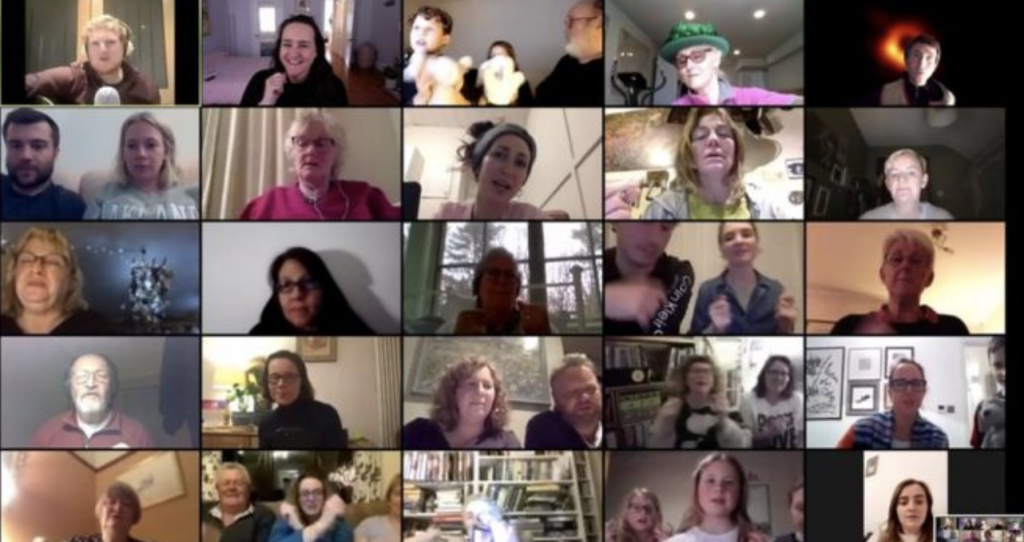
The Sofa Singers is a free, weekly, online singing event from James Sills. His weekly online event sees 500 people come together for a 45-minute rehearsal where they learn a classic song and sing it together, apart. Their next event is 7th April at 7.30pm BST. Registration opens 6th April at 7.30pm BST.
Gareth Malone’s new initiative, ‘The Great British Home Chorus’, brings together both amateur and professional performers around the UK to sing with others online. Register here.
The Stay at Home Choir offers another opportunity to join a virtual choir. Vote for the next project and get involved here.
Operatic tenor Jeff Stewart is offering online singing lessons. Stewart teaches as the Royal College of Music and the Royal Welsh College of Music and Drama, also running amateur choirs. He has experience in giving lessons over the internet and is offering to work on repertoire and sing songs in a session with students.
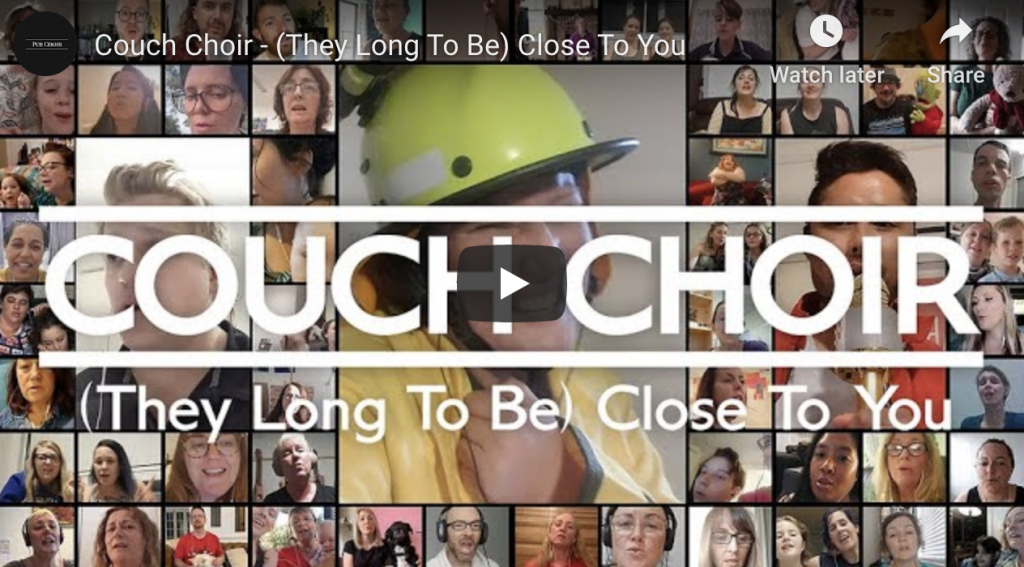
Couch Choir asked the internet to ‘stop misery scrolling’ for a minute and over 1,000 people from 18 countries submitted a video of their performance of “Close To You” (Burt Bacharach) in just TWO DAYS. Keep an eye out for future requests for submissions and songs.
Keep checking back as we’ll update this post with new singing opportunities – and other options to make music together – as we find them.
Our lives are getting ever smaller as social distancing and lockdowns spread throughout the world, making it harder than ever to separate our working and home lives. In a stressful time, the need to maintain structure is even more important for both our physical and mental wellbeing. Here are some tips to help, #wfh we have you sorted.
#1 Negotiate with housemates
If like most of us, you don’t usually work from home, you’re probably used to your workspace being designed so that you can get work done quickly and easily. As you get used to working from home it may become more annoying that your home is never quiet when you need to talk to a client or that someone is always sitting in that specific spot in the kitchen that has the best wifi signal. We’re are not suggesting you start ordering around your housemates, family or friends – especially while self-isolating. But, why not bring it up over breakfast and ask them if they could be especially quiet at 3pm because of your call; or request to bag the best WiFi spot for an hour before lunch for your critical project? And, be prepared to do the same for them, of course. Little negotiated adjustments like these mean you can all work smoothly from the same space.
#2 Set a routine
It could be all too easy, especially if you are a night owl, to use this time to have long lie-ins and work into the early hours, But living like this won’t benefit your mental health. Your sleep will be confused and you’ll end up spending far more time on your screens than is healthy. Though it may be frustrating at first, getting up on time and giving yourself time to get ready to ‘work’ as well as designating hours in which you ‘play’, will make your time at home a lot easier. As so many people are all working from home during the coronavirus pandemic there might also be an increase in employers expecting their employees to be available at all times, which could lead to an unhealthy working relationship. Nip that in the bud and set a routine!
#3 Create a physical workspace
Not everyone has the luxury of a home office or desk, especially if they are living with other working adults, or even children. So, in conjunction with setting a routine, we suggest you mark out a physical space which is only for work. This could be as simple as sitting at the other end of your bed facing the headboard if you have no other room. And as you will now be possibly working more on ‘home’ devices like your phone, separate your work apps from your home ones, Zoom from Skype etc, and put them all in different folders on your desktop and phone. Create little visual boundaries on your devices, to remind you what’s work and what’s play.
#4 Log off for leisure
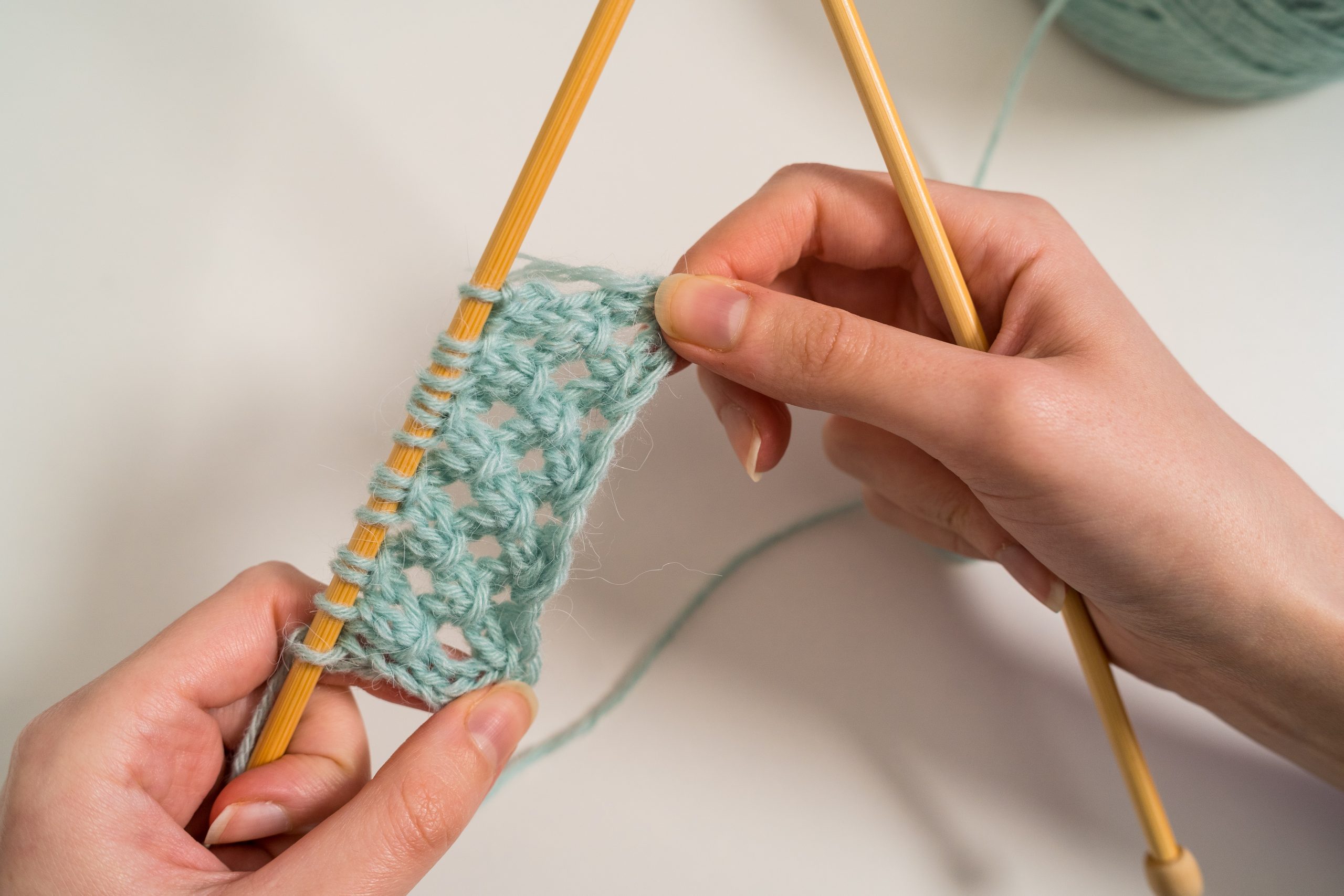
Even before Coronavirus many of us used our screens too much, both at work and at home. We’ve been trying to draw attention to that since the beginning of the Time to Log Off movement. Now, that these parts of our lives are getting even more intertwined, we’re going to be spending more and more time online – at home. So, find ways to relax which don’t involve staring at a screen. It could be cooking a proper meal, with all the hours saved from your daily commute, more reading, or getting back into knitting, drawing or crafts. Whatever it is, find something to occupy you and get you into a mindful state of flow after a day on screens for work – it will help you to maintain your sanity and balance during this time of chaos.
Cindy’s start-up resulted from her conviction that online porn has become sex education by default because of our inability to talk openly and honestly about sex.
In 2009 Cindy founded MakeLoveNotPorn, a crowd-sourced social media website where people can upload videos of themselves, and watch videos of others, having real-world sex. Gallop explicitly stresses that it’s not a porn site – any videos featuring porn clichés are rejected. Thus, it’s about educating on the difference between ‘real-world sex’ and sex depicted by pornography.
MakeLoveNot Porn’s mission is to remind us of the value of healthy real world sex, and perhaps the education the platform gives viewers will invite them to be more critical when they view pornography online.
The site is entirely shaped by human curation. Every single video uploaded is watched first by Cindy’s team, who then contact all adults in it and build up a personal relationship over the telephone or email. The site operates on a rental model, meaning that if at any point any of subjects of the video change their mind, the video can be removed immediately and permanently. So, Cindy argues one of the overarching goals of MakeLoveNotPorn is actually to educate on the issue of consent.
Cindy Gallop: It’s Complicated Season Three, Episode Two
As she discusses in the 4 minute TED talk released in conjunction with the site (and which has since amassed over 1.5 million views), and in greater detail with Tanya, the idea for the platform organically grew from Cindy’s own sexual experiences. She noticed that younger men’s concept and expectation of sexual experience was wildly unrealistic and echoed largely what they had seen in porn.
Cindy isn’t dismissive of the existence of porn, and MakeLoveNotPorn is far from a protest against the viewing of that content. Instead, it’s a means of understanding that porn is not representative of real world sex, hence her mantra: ‘Pro-sex. Pro-porn. Pro-knowing the difference’.
In a society that refuses to talk openly about sex, and yet where online pornography is so instantly, easily and often accidentally accessible, it is inevitable that the two will converge so that sex education is mostly provided by pornography. And our reluctance to discuss watching porn itself only exacerbates the issue. In this podcast episode, Cindy argues that the fact so many people watch and yet refuse to discuss porn places it in a parallel, separate universe. How can we dismantle our unreal view of sex if we don’t discuss it?
But this isn’t something that can just be solved by incorporating more sex education into school syllabuses. Sex is a taboo subject even privately. Discussing it makes us feel insecure; we don’t want to make our partner feel uncomfortable or derail the relationship. But no one can deny that, for a healthily functioning relationship, it’s a necessary thing to do, and to do it without fear or dread.
This is where MakeLoveNotPorn comes in. Watching the videos hosted by the platform encourages and normalises talking about sex, and, as Cindy tells Tanya, the company even hosts communal screenings. With her inspiration for using her knowledge and success to create better sex education for children – ‘The Khan Academy of sex education’ she declares – Cindy is assured that she has created something ‘the world has been crying out for’.
Handwashing and sanitizers may make people on the outside safer. But in prison it can be impossible to follow public health advice.
This article was originally published on March 6th by The Marshall Project, a nonprofit news organization covering the U.S. criminal justice system. Sign up for their newsletter, or follow The Marshall Project on Facebook or Twitter.
When Lauren Johnson reached for a squirt of hand sanitizer on her way out of the doctor’s office, she regretted it immediately.
In the Central Texas prison where she was housed, alcohol-based hand sanitizer was against the rules—and the on-duty officer was quick to let her know it.
“He screamed at me,” she said.
Then, she said, he wrote her up and she lost her recreation and phone privileges for 10 days.
The incident was a minor blip in Johnson’s last prison stay a decade ago, but the rules hold true today and underscore a potential problem for combating coronavirus: Behind bars, some of the most basic disease prevention measures are against the rules or simply impossible.
“Jails and prisons are often dirty and have really very little in the way of infection control,” said Homer Venters, former chief medical officer at New York City’s notorious Rikers Island jail complex. “There are lots of people using a small number of bathrooms. Many of the sinks are broken or not in use. You may have access to water, but nothing to wipe your hands off with, or no access to soap.”
So far, the respiratory virus has sickened more than 97,000 people worldwide and at least 200 in the U.S. More than 3,300 people have died. As of late Thursday there were no reported cases in American prisons, though experts say it’s just a matter of time. (Ed Note: These were the numbers as of March 6th, 2020. At time of this publication, they have increased. See current stats here.)
To minimize further spread, the Centers for Disease Control and Prevention suggests things like avoiding close contact with people who are sick, covering your mouth with a tissue when you cough or sneeze, disinfecting frequently-used surfaces and washing your hands or using alcohol-based hand sanitizer.
But these recommendations run up against the reality of life in jails and prisons. Behind bars, access to toilet paper or tissues is often limited and covering your mouth can be impossible if you’re handcuffed, either because of security status or during transport to another facility.
Typically, facilities provide some access to cleaning products for common areas and individual cells, but sometimes those products aren’t effective, and Johnson recalled women stealing bleach and supplies so they could clean adequately.
Hand sanitizer is often contraband because of the high alcohol content and the possibility for abuse (the alcohol can be separated out from the gel). A spokesman clarified Thursday that the Texas prison system now sells sanitizer on commissary, though it is a non-alcohol-based alternative, which is not what the CDC recommends.
Even something as basic as hand-washing can be difficult in facilities with spotty water access or ongoing concerns about contamination, such as in the recent Legionnaires’ outbreak at one federal prison complex in Florida. (Legionnaires is caused by contaminated water, though the source of that water is not clear in Florida).
Aside from all that, prisons and jails are large communities where a sicker-than-average population is crammed into close quarters where healthcare is oftenshoddy, and medical providers are oftenunderstaffed. In an infectious disease outbreak, health experts recommend separating sick people from well people to prevent the disease from spreading, but in prison that can be nearly impossible, since prisoners are already grouped according to security and other logistical considerations.
Given all that, correctional facilities often respond to outbreaks with the same set of tools: lockdowns, solitary confinement and visitation restrictions. That’s what some prisons and jails did during the 2009 swine flu pandemic, and it’s what happened more recently in the Florida federal prison complex struck by Legionnaires’. In Texas and other states, prison officials regularly shut down visitation or institute partial lockdowns during mumps and flu outbreaks.
“That’s a gauntlet for the U.S.,” said Jody Rich, a professor of Medicine and Epidemiology at Brown University. “ Really? Iran’s going to do it better than we are?”
Some in law enforcement immediately criticized the proposal.
“I don’t think a viable solution for the safety of our community is to have mass releases from jails,” said Joe Gamaldi, president of the Houston police union. “As much as we have to balance the dangers that coronavirus poses to the community, we also have to balance that against the danger of letting violent criminals back out on the streets.”
It’s not yet clear whether any prisons or jails are seriously considering widespread releases. A spokeswoman for the federal prison system did not respond to questions about the idea, instead saying that the isolating nature of prisons could be an asset in handling any potential outbreak.
“The controlled environment of a prison allows the Bureau of Prisons to isolate, contain and address any potential medical concern quickly and appropriately,” said Nancy Ayers, the spokeswoman. “Every facility has contingency plans in place to address a large range of concerns.”
More than at any time in the recent past, now is the time to think about ensuring a healthy balance with technology. Fear is continuing to grow during the spread with the infectiousness of Covid-19 and we’re all facing a long period of social distancing. The two constants facing us are more screen time and Covid-19, we’re going to be spending a lot more time on them. Here are some Do’s and Don’ts for how to survive the next few months.
Do get together, apart
As we become separated from our friends and family it can be easy to feel isolated. Many of us won’t be able to visit our older relatives and friends for quite a while. But social distancing and self-isolation don’t have to be the end of social contact! Teach your older relatives how to use video chatting on their devices and set up joint meal times so that you can eat together, apart. You can even watch TV together on Netflix Party.
Do use WhatsApp for group communication
Across the country, community groups are using WhatsApp as a way to mobilise neighbourhood groups and identify those who need help, and those can provide it. Not everyone has a friend or relative nearby who can walk the dog or pick up the shopping, but many of us are healthy and infection-free and at home with nothing to do – so we can fill the gaps. Perhaps we can use this time to build stronger communities? Wouldn’t that be a positive outcome from this crisis?
Do share accurate information (and support)
WHO, your government and country-specific local health bodies, are sharing information daily about the spread of the virus, how to spot symptoms and how each country is slowing it. These is information it would be useful to share, as well as posts and actions which lift morale (such as the national applause for UK NHS workers planned for the 26th of March).
Do be productive
Whether through continuing to work or by picking up an interest – such as learning a new language on Duolingo – we can all get something positive out of this time. It can seem like we are living in a dystopian world, and if we’re not essential workers we might feel we can’t do anything positive. But by keeping the economy moving and ourselves busy at home we’re helping in the best way we can.
Don’t spread #FakeNews
There are unfortunately plenty of people exploiting fear at the moment by touting fake ideas and products. This is even more dangerous because we’re dealing with a pandemic, not a regional flu outbreak. Don’t follow advice that doesn’t come from reputable sources, and don’t spread it any further.
Don’t spend hours on screens
It would be easy just to watch all the TV on Netflix or spend hours on Insta’s ‘Explore’ page. But by the end of any dive down the Internet rabbit-hole you won’t be feeling better, just worn out with sore eyes. Limit mindless passive screen use so that you can pace yourself. You have enough time to re-watch all of Game of Thrones, twice, don’t worry.
Don’t increase your anxiety
If all of your social media and screen time is geared towards news updates on Covid-19 you’ll never have any respite. Try to follow some uplifting, positive accounts, like ours, and mute or unfollow endless bad news if it’s stressing you out. Keep an eye on your mood and keep yourself calm.
Don’t give in to the tiny tyrant in your pocket
The most important message is that you are in control. You decide when to rest, play and work now all the usual boundaries are removed. Think carefully about how to use and plan your time and don’t let your smartphone control how you spend time social distancing.
Stay safe, we’re all in this together and we’re going to be posting more positive and practical content to help over the next few weeks.
Digital technology has brought huge change to our lifestyle and habits, but what are the impacts on our increasingly reliance on just one aspect of this – GPS?
I use the Maps icon on my phone almost every day. It can tell me the fastest route somewhere and how long it will take, or which bus or tube to get on. It’s very rare that I have to read a public transport timetable or map myself. Whilst this is incredibly convenient (especially after late nights’ out), it’s removed almost any need for me to work things out for myself. To be able to orientate and navigate oneself is a key component of our ability to problem solve, and GPS may be causing us to lose practice.
In Michael Bond’s Wayfinding, which analyses the impact of GPS on ourselves, he argues that humans are ‘spatial beings’: we rely on the cognitive skill of navigation. It is humanity’s ability to roam and yet still maintain a long distance network of established settlements that has allowed us to thrive. We cannot let this decline.
Navigation is a cognitive skill crucial for a healthy brain.
Navigation and the brain
The hippocampus is a part of the brain specialising in memory, including spatial memory. In 2017 scientists illustrated that this area of the brain, which should spike in activity during navigation, is simply not put into use when GPS is used. This drew them to conclude that, when using GPS, our brain is not actively engaging with our surroundings. Thus navigating using GPS is ultimately a passive experience.
The most obvious consequence of this is that, if we are not engaging our hippocampus during our journey, we cannot form the topological memory of our surroundings that will enable us to retrace it ourselves. An even more dispiriting consequence is that, with a brain no longer stimulated by our environment, there is nowhere in which to root and categorise memories of our experiences in such area. Thus we will struggle to form and retain emotional connections to our environment.
The hippocampus also plays a significant role in preventing mental health conditions such as depression and anxiety. A stronger hippocampus will reduce the chance of being affected by these, as well as suffering from dementia. So, it’s crucial that we evaluate and monitor our use of GPS.
Whether we are in a rush and want to know the fastest way to somewhere, or perhaps just feeling uncertain about our surroundings, it’s an enormous temptation to just pull out our smartphone and find instantly where we are. But we need to learn to avoid this temptation every now and then. If we don’t frequently engage our navigational skills, we could lose them altogether.
So how can we combat this?
The answer is simple: get lost! To keep our brain active, and to continue learning, we need to be challenged often. Relying on our phones anytime we feel mildly uncertain, means we are losing confidence in our ability to get by without them. The only way to regain this is by demonstrating to ourselves we can navigate independently. It’s actually a hugely beneficial mental exercise to force ourselves to remain calm and rationalise our way back to familiarity. This, rather than immediately relying on technology, will help build up our confidence, mental strength and our ability to cope in uncomfortable or daunting situations.
A less intimidating way of doing this is to still use our phones to search for a route before heading off to somewhere, but to remove the map from our sight during the journey itself, relying on memory and spatial understanding to navigate ourselves.
Go for a walk without your phone: not only will you improve your navigation skills, but it will give you the chance to get away from your tech.
However, ultimately the best way to develop our navigational skills is by getting lost and relying on our sense of space and direction to return to familiar ground. Not only will this engage and expand the hippocampus, it will create a healthier relationship between ourselves and our smartphones as we take back control: learning to rely on them less and resisting the instinct to let tech do the problem solving for us. Give it a go!
As the world struggles to control Coronavirus (COVID-19,) U.S. health officials are refighting battles they thought they had won, such as halting measles outbreaks, reducing deaths from heart disease and protecting young people from tobacco.
For much of the 20th century, medical progress seemed limitless.
Antibiotics revolutionized the care of infections. Vaccines turned deadly childhood diseases into distant memories. Americans lived longer, healthier lives than their parents.
Even as the world struggles to control a mysterious new viral illness known as COVID-19, U.S. health officials are refighting battles they thought they had won, such as halting measles outbreaks, reducing deaths from heart disease and protecting young people from tobacco. These hard-fought victories are at risk as parents avoid vaccinating children, obesity rates climb, and vaping spreads like wildfire among teens.
Things looked promising for American health in 2014, when life expectancy hit 78.9 years. Then, life expectancy declined for three straight years — the longest sustained drop since the Spanish flu of 1918, which killed about 675,000 Americans and 50 million people worldwide, said Dr. Steven Woolf, a professor of family medicine and population health at Virginia Commonwealth University.
Although life expectancy inched up slightly in 2018, it hasn’t yet regained the lost ground, according to the Centers for Disease Control and Prevention.
“These trends show we’re going backwards,” said Dr. Sadiya Khan, an assistant professor of cardiology and epidemiology at Northwestern University Feinberg School of Medicine.
While the reasons for the backsliding are complex, many public health problems could have been avoided, experts say, through stronger action by federal regulators and more attention to prevention.
“We’ve had an overwhelming investment in doctors and medicine,” said Dr. Sandro Galea, dean of the Boston University School of Public Health. “We need to invest in prevention — safe housing,good schools, living wages, clean air and water.”
Superbugs — resistant to even the strongest antibiotics — threaten to turn back the clock on the treatment of infectious diseases. Resistance occurs when bacteria and fungi evolve in ways that let them survive and flourish, in spite of treatment with the best available drugs. Each year, resistant organisms cause more than 2.8 million infections and kill more than 35,000 people in the U.S.
With deadly new types of bacteria and fungi ever emerging, Dr. Robert Redfield, the CDC director, said the world has entered a “post-antibiotic era.” Half of all new gonorrhea infections, for example, are resistant to at least one type of antibiotic, and the CDC warns that “little now stands between us and untreatable gonorrhea.”
That news comes as the CDC also reports a record number of combined cases of gonorrhea, syphilis and chlamydia, which were once so easily treated that they seemed like minor threats compared with HIV.
The United States has seen a resurgence of congenital syphilis, a scourge of the 19th century, which increases the risk of miscarriage, permanent disabilities and infant death. Although women and babies can be protected with early prenatal care, 1,306 newborns were born with congenital syphilis in 2018 and 94 of them died, according to the CDC.
Those numbers illustrate the “failure of American public health,” said Dr. Cornelius “Neil” Clancy, a spokesperson for the Infectious Diseases Society of America. “It should be a global embarrassment.”
The proliferation of resistant microbes has been fueled by overuse, by doctors who write unnecessary prescriptions as well as farmers who give the drugs to livestock, said Dr. William Schaffner, a professor of preventive medicine at Vanderbilt University Medical Center in Nashville, Tennessee.
Although new medications are urgently needed, drug companies are reluctant to develop antibiotics because of the financial risk, said Clancy, noting that two developers of antibiotics recently went out of business. The federal government needs to do more to make sure patients have access to effective treatments, he said. “The antibiotic market is on life support,” Clancy said. “That shows the real perversion in how the health care system is set up.”
A Slow Decline
A closer look at the data shows that American health was beginning to suffer 30 years ago. Increases in life expectancy slowed as manufacturing jobs moved overseas and factory towns deteriorated, Woolf said.
By the 1990s, life expectancy in the United States was falling behind that of other developed countries.
The obesity epidemic, which began in the 1980s, is taking a toll on Americans in midlife, leading to diabetes and other chronic illnesses that deprive them of decades of life. Although novel drugs for cancer and other serious diseases give some patients additional months or even years, Khan said, “the gains we’re making at the tail end of life cannot make up for what’s happening in midlife.”
Progress against overall heart disease has stalled since 2010. Deaths from heart failure — which can be caused by high blood pressure and blocked arteries around the heart — are rising among middle-aged people. Deaths from high blood pressure, which can lead to kidney failure, also have increased since 1999.
“It’s not that we don’t have good blood pressure drugs,” Khan said. “But those drugs don’t do any good if people don’t have access to them.”
Addicting A New Generation
While the United States never declared victory over alcohol or drug addiction, the country has made enormous progress against tobacco. Just a few years ago, anti-smoking activists were optimistic enough to talk about the “tobacco endgame.”
Today, vaping has largely replaced smoking among teens, said Matthew Myers, president of the Campaign for Tobacco-Free Kids. Although cigarette use among high school students fell from 36% in 1997 to 5.8% today, studies show 31% of seniors used electronic cigarettes in the previous month.
FDA officials say they’ve taken “vigorous enforcement actions aimed at ensuring e-cigarettes and other tobacco products aren’t being marketed or sold to kids.” But Myers said FDA officials were slow to recognize the threat to children.
With more than 5 million teens using e-cigarettes, Myers said, “more kids are addicted to nicotine today than at any time in the past 20 years. If that trend isn’t reversed rapidly and dynamically, it threatens to undermine 40 years of progress.”
Ignoring Science
Where children live has long determined their risk of infectious disease. Around the world, children in the poorest countries often lack access to lifesaving vaccines.
Yet in the United States — where a federal program provides free vaccines — some of the lowest vaccination rates are in affluent communities, where some parents disregard the medical evidence that vaccinating kids is safe.
Studies show that vaccination rates are drastically lower in some private schools and “holistic kindergartens” than in public schools.
It could be argued that vaccines have been a victim of their own success.
Before the development of a vaccine in the 1960s, measles infected an estimated 4 million Americans a year, hospitalizing 48,000, causing brain inflammation in about 1,000 and killing 500, according to the CDC.
“Now, mothers say, ‘I don’t see any measles. Why do we have to keep vaccinating?’” Schaffner said. “When you don’t fear the disease, it becomes very hard to value the vaccine.”
Last year, a measles outbreak in New York communities with low vaccination rates spread to almost 1,300 people — the most in 25 years — and nearly cost the country its measles elimination status. “Measles is still out there,” Schaffner said. “It is our obligation to understand how fragile our victory is.”
Health-Wealth Disparities
To be sure, some aspects of American health are getting better.
Cancer death rates have fallen 27% in the past 25 years, according to the American Cancer Society. The teen birth rate is at an all-time low; teen pregnancy rates have dropped by half since 1991, according to the Department of Health and Human Services. And HIV, which was once a death sentence, can now be controlled with a single daily pill. With treatment, people with HIV can live into old age.
Yet the health gap has grown wider in recent years. Life expectancy in some regions of the country grew by four years from 2001 to 2014, while it shrank by two years in others, according to a 2016 study in JAMA.
The gap in life expectancy is strongly linked to income: The richest 1% of American men live 15 years longer than the poorest 1%; the richest women live 10 years longer than the poorest, according to the JAMA study.
“We’re not going to erase that difference by telling people to eat right and exercise,” said Dr. Richard Besser, CEO of the Robert Wood Johnson Foundation and former acting director of the CDC. “Personal choices are part of it. But the choices people make depend on the choices they’re given. For far too many people, their choices are extremely limited.”
The infant mortality rate of black babies is twice as high as that of white newborns, according to the Department of Health and Human Services. Babies born to well-educated, middle-class black mothers are more likely to die before their 1st birthday than babies born to poor white mothers with less than a high school education, according to a report from the Brookings Institution.
In trying to improve American health, policymakers in recent years have focused largely on expanding access to medical care and encouraging healthy lifestyles. Today, many advocate taking a broader approach, calling for systemic change to lift families out of the poverty that erodes mental and physical health.
Several policies have been shown to improve health.
Children who receive early childhood education, for example, have lower rates of obesity, child abuse and neglect, youth violence and emergency department visits, according to the CDC.
And earned income tax credits — which provide refunds to lower-income people — have been credited with keeping more families and children above the poverty line than any other federal, state or local program, according to the CDC. Among families who receive these tax credits, mothers have better mental health and babies have lower rates of infant mortality and weigh more at birth, a sign of health.
Improving a person’s environment has the potential to help them far more than writing a prescription, said John Auerbach, president and CEO of the nonprofit Trust for America’s Health.
“If we think we can treat our way out of this, we will never solve the problem,” Auerbach said. “We need to look upstream at the underlying causes of poor health.”
Beeler worried that a failed drug test — even if it was for a medication to treat his addiction (like buprenorphine) — would land him in prison.
She was in medical school. He was just out of prison.
Sarah Ziegenhorn and Andy Beeler’s romance grew out of a shared passion to do more about the country’s drug overdose crisis.
Ziegenhorn moved back to her home state of Iowa when she was 26. She had been working in Washington, D.C., where she also volunteered at a needle exchange — where drug users can get clean needles. She was ambitious and driven to help those in her community who were overdosing and dying, including people she had grown up with.
“Many people were just missing because they were dead,” said Ziegenhorn, now 31. “I couldn’t believe more wasn’t being done.”
She started doing addiction advocacy in Iowa City while in medical school — lobbying local officials and others to support drug users with social services.
Beeler had the same conviction, born from his personal experience.
“He had been a drug user for about half of his life — primarily a longtime opiate user,” Ziegenhorn said.
Beeler spent years in and out of the criminal justice system for a variety of drug-related crimes, such as burglary and possession. In early 2018, he was released from prison. He was on parole and looking for ways to help drug users in his hometown.
He found his way to advocacy work and, through that work, found Ziegenhorn. Soon they were dating.
“He was just this really sweet, no-nonsense person who was committed to justice and equity,” she said. “Even though he was suffering in many ways, he had a very calming presence.”
People close to Beeler describe him as a “blue-collar guy” who liked motorcycles and home carpentry, someone who was gentle and endlessly curious. Those qualities could sometimes hide his struggle with anxiety and depression. Over the next year, Beeler’s other struggle, with opioid addiction, would flicker around the edges of their life together.
Eventually, it killed him.
People on parole and under supervision of the corrections system can face barriers to receiving appropriate treatment for opioid addiction. Ziegenhorn said she believes Beeler’s death is linked to the many obstacles to medical care he experienced while on parole.
About 4.5 million people are on parole or probation in the U.S., and research shows that those under community supervision are much more likely to have a history of substance use disorder than the general population. Yet rules and practices guiding these agencies can preclude parolees and people on probation from getting evidence-based treatment for their addiction.
A Shared Passion For Reducing Harm
From their first meeting, Ziegenhorn said, she and Beeler were in sync, partners and passionate about their work in harm reduction — public health strategies designed to reduce risky behaviors that can hurt health.
After she moved to Iowa, Ziegenhorn founded a small nonprofit called the Iowa Harm Reduction Coalition. The group distributes the opioid-overdose reversal drug naloxone and other free supplies to drug users, with the goal of keeping them safe from illness and overdose. The group also works to reduce the stigma that can dehumanize and isolate drug users. Beeler served as the group’s coordinator of harm reduction services.
“In Iowa, there was a feeling that this kind of work was really radical,” Ziegenhorn said. “Andy was just so excited to find out someone was doing it.”
Meanwhile, Ziegenhorn was busy with medical school. Beeler helped her study. She recalled how they used to take her practice tests together.
“Andy had a really sophisticated knowledge of science and medicine,” she said. “Most of the time he’d been in prison and jails, he’d spent his time reading and learning.”
Beeler was trying to stay away from opioids, but Ziegenhorn said he still used heroin sometimes. Twice she was there to save his life when he overdosed. During one episode, a bystander called the police, which led to his parole officer finding out.
“That was really a period of a lot of terror for him,” Ziegenhorn said.
Beeler was constantly afraid the next slip — another overdose or a failed drug test — would send him back to prison.
An Injury, A Search For Relief
A year into their relationship, a series of events suddenly brought Beeler’s history of opioid use into painful focus.
It began with a fall on the winter ice. Beeler dislocated his shoulder — the same one he’d had surgery on as a teenager.
“At the emergency room, they put his shoulder back into place for him,” Ziegenhorn said. “The next day it came out again.”
She said doctors wouldn’t prescribe him prescription opioids for the pain because Beeler had a history of illegal drug use. His shoulder would dislocate often, sometimes more than once a day.
“He was living with this daily, really severe constant pain — he started using heroin very regularly,” Ziegenhorn said.
Beeler knew what precautions to take when using opioids: Keep naloxone on hand, test the drugs first and never use alone. Still, his use was escalating quickly.
A Painful Dilemma
The couple discussed the future and their hope of having a baby together, and eventually Ziegenhorn and Beeler agreed: He had to stop using heroin.
They thought his best chance was to start on a Food and Drug Administration-approved medication for opioid addiction, such as methadone or buprenorphine. Methadone is an opioid, and buprenorphine engages many of the same opioid receptors in the brain; both drugs can curb opioid cravings and stabilize patients. Studies show daily maintenance therapy with such treatment reduces the risks of overdose and improves health outcomes.
But Beeler was on parole, and his parole officer drug-tested him for opioids and buprenorphine specifically. Beeler worried that if a test came back positive, the officer might see that as a signal that Beeler had been using drugs illegally.
Ziegenhorn said Beeler felt trapped: “He could go back to prison or continue trying to obtain opioids off the street and slowly detox himself.”
He worried that a failed drug test — even if it was for a medication to treat his addiction — would land him in prison. Beeler decided against the medication.
A few days later, Ziegenhorn woke up early for school. Beeler had worked late and fallen asleep in the living room. Ziegenhorn gave him a kiss and headed out the door. Later that day, she texted him. No reply.
She started to worry and asked a friend to check on him. Not long afterward, Beeler was found dead, slumped in his chair at his desk. He’d overdosed.
“He was my partner in thought, and in life and in love,” Ziegenhorn said.
It’s hard for her not to rewind what happened that day and wonder how it could have been different. But mostly she’s angry that he didn’t have better choices.
“Andy died because he was too afraid to get treatment,” she said.
Beeler was services coordinator for the Iowa Harm Reduction Coalition, a group that works to help keep drug users safe. A tribute in Iowa City after his death began, “He died of an overdose, but he’ll be remembered for helping others avoid a similar fate.” (COURTESY OF SARAH ZIEGENHORN)
How Does Parole Handle Relapse? It Depends
It’s not clear that Beeler would have gone back to prison for admitting he’d relapsed and was taking treatment. His parole officer did not agree to an interview.
But Ken Kolthoff, who oversees the parole program that supervised Beeler in Iowa’s First Judicial District Department of Correctional Services, said generally he and his colleagues would not punish someone who sought out treatment because of a relapse.
“We would see that that would be an example of somebody actually taking an active role in their treatment and getting the help they needed,” said Kolthoff.
The department doesn’t have rules prohibiting any form of medication for opioid addiction, he said, as long as it’s prescribed by a doctor.
“We have people relapse every single day under our supervision. And are they being sent to prison? No. Are they being sent to jail? No,” Kolthoff said.
But Dr. Andrea Weber, an addiction psychiatrist with the University of Iowa, said Beeler’s reluctance to start treatment is not unusual.
“I think a majority of my patients would tell me they wouldn’t necessarily trust going to their [parole officer],” said Weber, assistant director of addiction medicine at the University of Iowa’s Carver College of Medicine. “The punishment is so high. The consequences can be so great.”
Weber finds probation and parole officers have “inconsistent” attitudes toward her patients who are on medication-assisted treatment.
“Treatment providers, especially in our area, are still very much ingrained in an abstinence-only, 12-step mentality, which traditionally has meant no medications,” Weber said. “That perception then invades the entire system.”
Attitudes And Policies Vary Widely
Experts say it’s difficult to draw any comprehensive picture about the availability of medication for opioid addiction in the parole and probation system. The limited amount of research suggests that medication-assisted treatment is significantly underused.
“It’s hard to quantify because there are such a large number of individuals under community supervision in different jurisdictions,” said Michael Gordon, a senior research scientist at the Friends Research Institute, based in Baltimore.
A national survey published in 2013 found that about half of drug courts did not allow methadone or other evidence-based medications used to treat opioid use disorder.
A more recent study of probation and parole agencies in Illinois reported that about a third had regulations preventing the use of medications for opioid use disorder. Researchers found the most common barrier for those on probation or parole “was lack of experience by medical personnel.”
Faye Taxman, a criminology professor at George Mason University, said decisions about how to handle a client’s treatment often boil down to the individual officer’s judgment.
“We have a long way to go,” she said. “Given that these agencies don’t typically have access to medical care for clients, they are often fumbling in terms of trying to think of the best policies and practices.”
Increasingly, there is a push to make opioid addiction treatment available within prisons and jails. In 2016, the Rhode Island Department of Corrections started allowing all three FDA-approved medications for opioid addiction. That led to a dramatic decrease in fatal opioid overdoses among those who had been recently incarcerated.
Massachusetts has taken similar steps. Such efforts have only indirectly affected parole and probation.
“When you are incarcerated in prison or jail, the institution has a constitutional responsibility to provide medical services,” Taxman said. “In community corrections, that same standard does not exist.”
Taxman said agencies may be reluctant to offer these medications because it’s one more thing to monitor. Those under supervision are often left to figure out on their own what’s allowed.
“They don’t want to raise too many issues because their freedom and liberties are attached to the response,” she said.
Richard Hahn, a researcher at New York University’s Marron Institute of Urban Managementwho consults on crime and drug policy, said some agencies are shifting their approach.
“There is a lot of pressure on probation and parole agencies not to violate people just on a dirty urine or for an overdose” said Hahn, who is executive director of the institute’s Crime & Justice Program.
Addiction is considered a disability under the Americans with Disabilities Act, said Sally Friedman, vice president of legal advocacy for the Legal Action Center, a nonprofit law firm based in New York City.
She said disability protections extend to the millions of people on parole or probation. But people under community supervision, Friedman said, often don’t have an attorney who can use this legal argument to advocate for them when they need treatment.
“Prohibiting people with that disability from taking medication that can keep them alive and well violates the ADA,” she said.
This story is part of a partnership between NPR and Kaiser Health News.