Category: Addiction News

  • Ellie Goulding Describes Using Alcohol To Cope With Early Fame

    Ellie Goulding Describes Using Alcohol To Cope With Early Fame

    “I assumed I couldn’t be good enough, smart, funny, or crazy enough to be with certain people without it.”

    Ellie Goulding opened up about the way she used alcohol to cope during the start of her career on a recent episode of Fearne Cotton’s Happy Place podcast.

    “I would say, ‘Right, I’ve got to drink this morning because I’ve got this interview and I don’t really know how to answer the questions, because I don’t really know who I am any more,’” the 32-year-old explained.

    Dealing With Fame

    Goulding rose to fame in 2010 with the release of her debut album, Lights. The album debuted at number one on the UK charts and the “Under the Sheets” singer went from a relative unknown to one of the biggest pop stars across the pond.

    The mounting pressure took its toll on the singer who began to use alcohol to bolster her famous persona.

    “I thought drinking would at least make me a bit more funny, or interesting,” Goulding said. “I had to be a fake person to deal with the surreal situation I was in. I assumed I couldn’t be good enough, smart, funny, or crazy enough to be with certain people without it.”

    While Goulding acknowledges the role that alcohol played in her life at the time, she maintains that she was not addicted to it.

    “I wasn’t an alcoholic,” she said. “I could go months without a drink, too.”

    Panic Attacks & Anxiety

    Goulding has been about the pressures of fame before. In 2017, she penned an essay for Well + Good chronicling the mental health struggles she faced as her fame began to rise.

    “I was thrilled, of course—sharing my music with the world was a dream I’d been working toward for years—but it was a lot all at once,” Goulding writes. “Suddenly I was living alone in London, and everything was happening so fast.”

    The life-altering experience brought on panic attacks for the singer. “The scariest part was it could be triggered by anything,” Goulding writes. “My new life as a pop star certainly wasn’t as glamorous as all my friends from home thought. Secretly I was really struggling physically and emotionally.”

    Goulding shares that the combination of a lack of self-confidence and the intense pressures of her career led to her mental health battles. “I think part of what sparked my panic attacks was not feeling confident enough to believe in myself—I was scared I wasn’t as good of a singer as everyone thought I was,” she writes. “And as the stakes grew, I was afraid of letting everyone, including myself, down.”

    Even performing was a struggle, she revealed, citing her performance at the 2016 Grammy Awards. Eventually, though, Goulding realized that she had to find confidence within herself in order to move forward. “I was annoyed for being paralyzed with nerves every time I was about to perform on television. I told myself that this was exactly where I was supposed to be and if other people believed in me, I had to start believing in myself,” she writes.


    View the original article at thefix.com

  • Happy Destiny or a Life Sentence: Thoughts on Leaving AA

    Happy Destiny or a Life Sentence: Thoughts on Leaving AA

    If you do decide to leave, there are many alternatives to AA, places where you can meet likeminded people, share your experience, and make social connections just as in 12-step meetings.

    I don’t know if I’ve left Alcoholics Anonymous for good, but it’s been a while since I’ve been to a meeting. In the past, I’ve left for long periods of time and then come back. I’d come back because I missed the people; yet the “simple” program confused me more and more. Still, I loved making connections. Even though I’m not a group-type of person, it was obvious to me that the “magic” of the whole thing was being able to relate to people with a similar problem and helping one another. 

    I’ve had slips while very much in as well as while out of the program. I’ve slipped after months of not going to meetings, but I’ve also taken a drink right after an AA retreat. There were years where I did the steps and stayed sober and years when I didn’t do the steps and stayed sober. For those reasons, I might not be the best judge of the effectiveness or the harm of AA. I know of many people who stayed in and flourished, many who stayed and relapsed and came back, and many who have left and are still sober despite keeping their distance. 

    AA has always been controversial. It keeps even the most hopeless drunks abstinent, but it’s known for its dogma and ritualistic—some say cult-like—practices. It has saved many people (although there are no reliable statistics) from death from substance use disorder, and it’s helped to mend many families and relationships. Attending AA is also frequently court-mandated for those charged with Driving Under the Influence and other alcohol-related convictions, including domestic violence. For many years AA seemed to be the only effective solution for those who wanted to keep abstinent from alcohol or other drugs. 

    But I’ve noticed a shift, and it’s been happening for a while. As new programs and methods of getting clean and sober pop up on the horizon, some AA members choose to leave despite the ominous farewells of members who believe that leaving AA always equals a relapse. It’s no accident that one of AA’s most popular slogans is “Keep Coming Back!” The way I used to interpret it was that the AA’s door was always open but later, as I became a little disillusioned, it read as if I was doomed to rely solely on AA as a place to recover. I was terrified to leave. Often it felt as if I was nailed to those plastic chairs by fear. 

    So I stayed. It started to feel like a life sentence. 

    Ego Deflation

    David D. Bohl, addictions specialist and author of the acclaimed memoir Parallel Universes, left AA recently. He says, “I went to a hospital to check in because they told me I was going to have seizures if I didn’t. I had medically monitored and supervised detox. That was the beginning of my stabilization. And then they sent me to an inpatient or a residential treatment facility that included 12-step facilitation. So I stabilized in treatment and through the 12 steps.” Bohl got sober in AA but it took a long time before he was able to address other issues, such as his trauma due to adoption. 

    Today, Bohl believes he would have healed faster if he’d had more access to other resources—such as ongoing therapy—on top of having to go to meetings. For him, the side effect of being in AA was “ego deflation.” 

    “No one gave me informed consent that if you don’t have ego strength, this could destroy you. You come to AA and don’t know where to go from there. No one explained that to me. So, had I known that there were (other resources) out there and offer other forms of support, knowing that I had no ego strength, I would’ve gone another route. I would have opted for something else, no doubt about it. The message that I was hearing–whether it’s an AA message or not–is that because of my lack of ego strength, AA was the only safe place for me. And my experience was: ‘if you fail at this, David, you failed at everything. Even not just sobriety. You failed at connecting with people. You failed at life.’”

    But he hasn’t failed and today, 14-plus years sober and calling himself “recovered,” Bohl is embarking on a journey to create individual recovery services, hoping to help people with substance use disorder and their families. He says he will, of course, connect people to AA—if it’s something that would suit them—but he will also offer all kinds of other recovery options. 

    Alternatives to AA

    If you do decide to leave, there are many alternatives to AA, places where you can meet likeminded people, share your experience, and make social connections just as in 12-step meetings. Currently, I’m attending a group that applies Dialectic Behavioral Therapy (DBT) and offers trauma therapy among its methods. The members are free to respectfully comment on each other’s shares (this is discouraged in AA). In SMART Recovery, which is commonly suggested as an alternative to AA, there is sharing and a sense of community, but there is an official facilitator and you graduate when you’ve completed the program. There is also Refuge Recovery, which uses some Buddhist teachings and meditation, as well as sharing. Secular Organizations for Sobriety (SOS) is a network of groups devoted to sobriety and abstinence. And there are brand-new programs like She Recovers (founded in 2017) that just deal with recovery in general, be it from trauma, an eating disorder, or addiction. Google “leaving AA” and you’ll get hundreds of happily-ever-after accounts, as well as resources devoted to helping you find an alternative method of obtaining and sustaining recovery and making connections with other sober people. 

    I haven’t closed the door on the 12-step program yet. I will still go to meetings and I will keep the friendships I’ve made. But I’m also surrounding myself with other programs, groups, and methods because I need some extra mental-health padding to feel fully realized and like I can rejoin the world, sober. 

    I’ve realized that Alcoholics Anonymous is not the only road to recovery.

    View the original article at thefix.com

  • A Breathalyzer For Opioids Is In The Works

    A Breathalyzer For Opioids Is In The Works

    It’s being described as a “less invasive way to monitor a patient’s drug use by collecting their breath in a small specialized machine. “

    Researchers at UC Davis are working on a device that can detect the presence of opioids similar to the popular devices that detect alcohol on people’s breath. 

    “When we started this nobody knew you could measure drugs in breath,” Professor Cristina Davis, the chair of the Mechanical & Aerospace Engineering Department at UC Davis, told CBS Sacramento.

    She along with her team of researchers helped develop the device, which they believe has the potential to save lives.

    How It Works

    The device in question is described as a “less invasive way to monitor a patient’s drug use by collecting their breath in a small specialized machine. “

    Dr. Nicholas Kenyon, a member of the research team described the way the device works to CBS Sacramento. “We collect breath in a liquid format in this device and we chill it and then we collect it as a liquid and run it through a mass spectrometer to measure what’s in there.”

    The team believes that their device can help a multitude of professionals including doctors, firefighters, law enforcement and probation officers identify drug use. 

    For doctors, the device could help them ensure patients aren’t misusing their prescriptions. 

    “A device like this could help tell if they’re taking the drugs like they’re supposed to,” Davis said.

    For police officers, the device can help identify drivers under the influence, while for probation officers could use the device to make sure that parolees remain sober.

    Davis has high hopes for the future of breath testing. 

    “I would love to say in one to three years that we actually have people using this for one of the application areas and I think from there it will grow. I think over a five-to-10-year time frame, that breath testing won’t just be a story, it’ll actually be at your doctor’s office,” Davis said.

    Marijuana Breathalyzer

    Another type of breathalyzer is being rolled out to combat driving under the influence of cannabis. Star Labs have created a device that uses nanotechnology to detect THC levels in breath. While breathalzyers for alcohol use have been in use for decades, similar tests for marijuana have been slow to develop due to the way THC works in the body.

    Determining the ratio of THC in someone’s breath versus the amount of THC in their blood has left scientists scratching their heads. And federal prohibition makes researching the drug to come up with a proper way to measure it in the blood and breath particularly difficult. 

    According to NPR, Star Lab’s marijuana breathalyzer is “nearly ready for mass production” and could potentially be on the market soon. 

    View the original article at thefix.com

  • Son Of Late NFL Star Terry Glenn Dies Of Apparent Overdose

    Son Of Late NFL Star Terry Glenn Dies Of Apparent Overdose

    Terry Glenn Jr tweeted about grieving his late father shortly before his death.

    Terry Glenn Jr, son of the late NFL wide receiver Terry Glenn, recently died from an apparent accidental overdose on Thanksgiving. He was 22.

    Grieving His Father

    Shortly before his death, Glenn Jr tweeted about grieving his late father who suffered an untimely death three days before Thanksgiving a couple years ago.

    “Thanksgiving was my dads favorite game to play in as a cowboy. And you best believe your boy was right there in the stands,” Glenn Jr. tweeted on the day of his death.

    “I miss him so much,” he revealed in a follow-up tweet. “This time of year is the hardest by far man…this was his holiday and the last one got cut short right before we were allll gonna be together….really just wonder why.”

    On November 20, 2017, the elder Glenn passed away at the age of 43. He was involved in a fatal car accident where he was ejected from the car.  

    Prior to his death, Glenn Jr. worked as a sales associate at a Champs Sports store in Ohio. Justin Hoosier, the store’s assistant manager, said this about Glenn Jr. 

    “He definitely was hardworking and passionate,” said Hoosier. “He was always talking about the influence of his dad. He wanted to keep that legacy but also make a name for himself.”

    The Family Speaks Out

    A statement from the family was published on 10TV:

    Kimberly Combs-Matthew’s son – Terry Glenn, Jr. – died tragically on Thanksgiving Day in Columbus, Ohio of an apparent accidental overdose.Terry Jr. was a burgeoning entrepreneur, aspiring vlogger, and avid sports enthusiast following in his famous father’s footsteps. Those that knew him, commented on his infectious personality- “he never met a stranger.”

    Still grieving from the untimely death of his record-setting father – just two years ago in a November 2017 car accident – Terry Jr. reminisced on Thanksgiving Day in a Twitter post saying “I miss him so much. This time of the year is the hardest by far man… this was his holiday…really just wonder why.”

    Typically sharing the day with football and family, Terry Jr. stated “Thanksgiving was my Dad’s favorite game to play in as a Cowboy and you best believe ya boy was always right there in the stands.” Terry Jr. spent many of his formative years watching his father play America’s pastime as a star wide receiver.

    Terry Glenn, Sr. was as a key contributor to winning seasons and championships contests for National Football League teams including the New England Patriots, Green Bay Packers, and the Dallas Cowboys.

    Prior to joining the NFL, Glenn Sr. played as an Ohio State University Buckeye, shattering school records along the way. Coping during the holidays can be difficult – especially when wrestling with depression and drug or alcohol addiction.

    Many people try to overlook their feelings and participate in holiday festivities alongside their friends and relatives, yet studies show that nearly 1 in 5 Americans will feel down during the holidays. If you, or a family member needs help with a mental or substance use disorder at any time, there are resources that can offer support.

    Call the Substance Abuse and Mental Health Administration National (SAMHSA) Helpline at 1-800-662-HELP (4357) or the National Suicide Prevention Lifeline at 1-800-273-8255.

    Both services are confidential, free, and provide 24-hour-a-day, 365-day-a-year information help, in English and Spanish, for individuals and family members facing mental health and/or substance use conditions. They provide referrals to local treatment facilities, support groups, and community-based organizations.

    Arrangements for Terry Glenn, Jr. are pending and his family requests to allow them to mourn during this profoundly difficult time.

    We make this appeal for privacy on behalf of those close to us, who wish to remember Terry Jr. and celebrate his life quietly and in peace. We thank you for your love, understanding, and prayers of support. Terry Jr. lived a wonderful life, and he will be fondly remembered and terribly missed by his family and friends.

    View the original article at thefix.com

  • Brad Pitt Talks Sobriety With Anthony Hopkins

    Brad Pitt Talks Sobriety With Anthony Hopkins

    “I just saw it as a disservice to myself, as an escape,” Pitt said about his addiction.

    Ad Astra star Brad Pitt discussed sobriety with the legendary actor Anthony Hopkins for Interview magazine.

    Lessons Learned

    “I’m realizing, as a real act of forgiveness for myself for all the choices that I’ve made that I’m not proud of, that I value those missteps, because they led to some wisdom, which led to something else,” Pitt explained. “You can’t have one without the other. I see it as something I’m just now getting my arms around at this time in my life. But I certainly don’t feel like I can take credit for any of it.”

    Hopkins, who has been sober for decades, asked Pitt about his reported struggle with alcohol. 

    “Well, I just saw it as a disservice to myself, as an escape,” Pitt said.

    “It was necessary,” Hopkins added. “It’s a gift. I myself needed to hide it, years ago.”

    Hopkins and Pitt have worked together on 1994’s Legend of the Fall and 1998’s Meet Joe Black. Duing their time working on Black, Hopkins talked about leaving alcohol behind in favor of sobriety.

    44 Years Sober

    Hopkins is nearly 45 years sober nowadays, something he keeps in mind but tries not to get “evangelical” about it. He explained his outlook on living with addiction to Pitt.

    “I look at it, and I think, ‘What a great blessing that was, because it was painful.’ I did some bad things. But it was all for a reason, in a way. And it’s strange to look back and think, ‘God, I did all those things?’ But it’s like there’s an inner voice that says, ‘It’s over. Done. Move on,’” Hopkin said.

    “So you’re embracing all your mistakes. You’re saying, “Let’s be our foibles, our embarrassment. There’s beauty in that,” Pitt noted. ” I’m seeing that these days. I think we’re living in a time where we’re extremely judgmental and quick to treat people as disposable. We’ve always placed great importance on the mistake. But the next move, what you do after the mistake, is what really defines a person. We’re all going to make mistakes. But what is that next step? We don’t, as a culture, seem to stick around to see what that person’s next step is. And that’s the part I find so much more invigorating and interesting.”

    Pitt spoke about his sobriety in an interview with GQ Style in 2017. The Fight Club actor said that at the peak of his heavy drinking, he could “drink a Russian under the table with his own vodka. I was a professional. I was good.” 

    View the original article at thefix.com

  • Doctors Use "TikTok" To Teach Teens About Vaping Dangers

    Doctors Use "TikTok" To Teach Teens About Vaping Dangers

    Medical officials are harnessing the power of social media to talk to teens about important health issues and to dispel medical myths.

    Figuring out a way to reach teens has been an ongoing issue for medical professionals, teachers and parents for decades. But now, a handful of doctors have found a very modern solution to raising awareness and educating teens and it’s a popular app called TikTok.

    What Is TikTok?

    The app, which Slate describes as a “social network for amateur music videos,” allows users to express themselves in 15-second clips that they can then upload for their followers to see.

    Dr. Rose Marie Leslie uses the app to inform teens about the health impact of e-cigarettes and other medical misinformation. For Dr. Leslie, it’s important to dispel harmful health myths which are becoming more widespread thanks to the Internet. 

    “I may not be the perfect health guru on social media,” Dr. Leslie told CNBC. “I don’t meditate or do yoga, I rarely get enough sleep, I’m not vegan and I don’t post inspirational quotes. But let me tell you, I have never and will never try to convince you that drinking celery juice cures cancer.”

    Dr. Leslie, who can be found on the app under @DrLeslie, practices family medicine at the University of Minnesota. Her TikTok videos have put a spotlight on vaping illnesses, birth control and she even busts medical myths for her 300,000 TikTok followers.

    Dr. Leslie is happy that her videos are making a positive impacts on teens’ lives. She regularly receives letters, emails and comments from teens thanking her for helping them understand the issues. She also receives a number of medical questions that some teens are afraid to ask the adults in their lives. 

    The Power Of Social Media

    Dr. Austin Chiang is also a big believer in the power of social media. He uses Twitter, Instagram and TikTok to help young doctors and to educate the public on how vaccines work. 

    Public health experts see the use of social media in medicine as an overall positive thing. 

    “I’ve heard the criticism that doctors and other medical professionals on social media are somehow less credible, or won’t be taken as seriously by their peers,” said Sherry Pagoto, a behavioral scientist and professor at the Department of Allied Health Sciences at the University of Connecticut. “But I think that school of thought is going to be a thing of the past.”

    Pagoto added that “it would be great for public health organizations to follow the lead of these medical professionals on TikTok.”

    View the original article at thefix.com

  • Singer Chico DeBarge Arrested For Meth Possession

    Singer Chico DeBarge Arrested For Meth Possession

    The 53-year-old singer has a history of addiction.

    R&B singer Chico DeBarge was taken into custody for meth possession last month, according to TMZ.

    DeBarge, who had apparently locked his keys in his car, was spotted trying to use a wire to get into his SUV in a Walmart parking lot in Burbank in early November when police were called. Upon arrival, the police searched DeBarge under the assumption that he was trying to break into the vehicle.

    Authorities reportedly found methamphetamine in his pockets which led to a search of his vehicle where drug paraphernalia was discovered.

    The 53-year-old was taken to Burbank City Jail and is awaiting formal charges, TMZ reports.

    Family History Of Addiction

    DeBarge and his famous family members reached the height of fame in the ’80s where they dominated the R&B charts until addiction dismantled their reign. Bobby DeBarge Jr., the second-oldest sibling, enjoyed success with Switch, an 80s R&B/funk band, but his battle with addiction eventually led to his arrest for particpating in a drug-trafficking ring with his brother Chico in 1988.

    In 1995, at the age of 39, Bobby Jr. died in prison from AIDS-related complications.

    Chico received a six-year sentence and went on to record a comeback album which debuted in 1998.

    El DeBarge

    El DeBarge, arguably the most popular member of the famous singing family, publicly battled addiction throughout his successful career. He has been arrested three times for drug posession, spent time in prison for drugs, and struggled with cocaine addiction for decades.

    “I wasted more than 16 years that I was on drugs,” El told Mlive in 2010. “The drug thing was more like 22 years. I was out on tour with Chaka Khan. My 22 years of drugs, all that time was wasted. That was me not being dedicated to reality. That was me not being responsible to my children. That was me not being responsible to God, who gave me this gift of music. That was me not being responsible to my fans. That’s why it is such a gift that I have this time now to do it again. I didn’t have to be given this second chance because by the grace of God it was given to me. I think what happened is that I got my will power back.”

    El’s comeback tour was halted in 2011 when he entered rehab for addiction treatment, Grio reports. He was arrested for drug possession the following year.

    Other Siblings 

    In a 2011 interview with Dr. Drew, eldest sister Bunny DeBarge revealed that they believe the family is cursed with addiction. Bunny and her brothers Randy and James spoke candidly about using to stop withdrawals and how addiction has hurt their family for generations.

    View the original article at thefix.com

  • Willie Nelson Has Quit Smoking Marijuana

    Willie Nelson Has Quit Smoking Marijuana

    The 86-year-old country legend has a history of emphysema. 

    Country legend Willie Nelson, who smoked his first joint in 1954, revealed in a recent interview that breathing problems have forced him to stop smoking marijuana, his notable drug of choice.

    “I have abused my lungs quite a bit in the past, so breathing is a little more difficult these days and I have to be careful,” Nelson told KSAT TV.“I started smoking cedar bark, went from that to cigarettes to whatever. And that almost killed me.”

    Why He Quit

    Nelson, who has a history of emphysema, made the difficult decision to give up smoking marijuana.

    “I don’t smoke anymore – take better care of myself,” Nelson said.

    The 86-year-old singer told Rolling Stone back in April, “I’m kind of the canary in the mine, if people are wondering what happens if you smoke that shit a long time,” he said. “You know, if I start jerking or shaking or something, don’t give me no more weed. But as long as I’m all right…”

    While the country legend first tried marijuana in 1954, it wouldn’t be until over two decades later before he opted to make it his number one vice – a decision that the singer stands behind. 

    “I wouldn’t be alive. It saved my life, really. I wouldn’t have lived 85 years if I’d have kept drinking and smoking like I was when I was 30, 40 years old. I think that weed kept me from wanting to kill people,” he told Rolling Stone, “And probably kept a lot of people from wanting to kill me, too — out there drunk, running around.”

    Willie’s Reserve

    Though he may not smoke it anymore, he is still in the marijuana business. His medicinal marijuana brand Willie’s Reserve launched back in 2016 and is still going strong. 

    “This is a culmination of Willie’s vision, and his whole life,” said Michael Bowman, Nelson’s spokesman said in a statement about the launch. “Really, he wants it, at the end of the day, to envelop what his personal morals and convictions are.”

    Bowman continued, “Willie has spent a lifetime in support of cannabis, both the industrial hemp side and the marijuana side. He wants to be something that’s reflective of his passion. Ultimately, it’s his, but it was developed by his family, and their focus on environmental and social issues, and in particular this crazy War on Drugs, and trying to be a bright light amongst this trail as we’re trying to extract ourselves from the goo of prohibition.” 

    View the original article at thefix.com

  • Dr. Karen Stewart

    Dr. Karen Stewart

    Dr. Karen Stewart is a clinical psychologist who provides comprehensive treatment for clients with sexual dysfunctions, disorders, sex and porn addictions, relationship problems and mental health conditions.

    Introduction and Basic Services

    Dr. Karen Stewart is a renowned clinical psychologist who specializes in the care of adults with sexual dysfunction and disorders. Stewart also provides customized care for individuals struggling with mental health conditions such as depression and anxiety as well as sex and pornography addictions. She has extensive expertise working with both individuals and couples, and provides care at two locations in Santa Monica and Beverly Hills. Stewart does not offer medication management. 

    Education and Background

    Dr. Stewart earned her bachelor’s degree at Michigan State University and both her masters and PsyD at the California School Of Professional Psychology, specializing in family and couples therapy. She has provided expertise on a number of television shows. Her appearances include Good Morning America, CNN, Bravo, The Discovery Channel and FOX Business. Stewart has also been published in Good Housekeeping and Women’s Health. Stewart is also active in the professional therapeutic community, where she frequently speaks at workshops for sexual therapists and continually educates herself on new methods and practices.

    Treatment Protocol

    Dr. Stewart creates a safe space where clients enjoy the freedom to be completely open and honest. Through her genuine kindness and expertise, true healing and empowerment are possible. While Stewart specializes in the treatment of sexual dysfunction and disorders such as a lack of desire, impotence, orgasm disorder, erectile dysfunction, fetishism and paraphilia, she also provides comprehensive care for clients with a range of personal and relationship problems like trauma, infidelity and divorce. Before beginning therapy with Stewart, clients go through an extensive evaluation that helps determine the best possible treatment plan. From there, Stewart designs an individualized strategy tailored to address the person or couple’s specific needs, goals and circumstances.

    Dr. Stewart employs a client-centered, multi-faceted approach rooted in humanistic and psychodynamic methods that explore underlying feelings and their connections to earlier experiences. Depending on the client’s needs, Stewart offers solution-focused therapy that focuses on problem-solving and goal-setting. In addition, she also utilizes holistic practices like meditation, exercise and better breathing. Her versatility benefits clients through an emphasis on empathy, understanding and practical solutions. Clients learn behavioral techniques that make a sustainable recovery possible. As a trusted therapist, Stewart succeeds in breaking down taboo subjects, strengthening relationship bonds and improving intimacy. 

    The Extra Mile 

    Stewart places a premium on accessibility and discretion. With two practice locations, flexible late hours and options for online therapy sessions, clients are given a safe space to work through sensitive issues. Clients will soon be able to connect with Stewart through an upcoming podcast. 

    Summary

    Dr. Karen Stewart is a clinical psychologist that provides comprehensive treatment for clients with sexual dysfunctions, disorders, sex and porn addictions, relationship problems and mental health conditions. A credit to the therapeutic community in Los Angeles Stewart not only treats symptoms but heals the underlying root causes, leaving individuals and couples rejuvenated and empowered. For anyone looking for a sex therapist, Dr. Karen Stewart is one of a kind.

    Dr. Karen Stewart

    Location:

    Santa Monica Office

    3201 Wilshire Blvd Suite 320

    Santa Monica, CA 90403

    424) 272-8659
     

    Beverly Hills Office

    864 S Robertson Blvd Suite 210

    Los Angeles, CA 90035

    (424) 272-8659

    Call for pricing and details
     

    To learn more about how we create Rehab Reviews, click here

    Read more Rehab Reviews

    Read more Rehab Reviews

  • Your digital detox could help save the planet

    Your digital detox could help save the planet

    Your digital detox could help save the planet

    We’re all aware of how many of our existing habits are bad for the planet; however, one aspect of our lives whose environmental consequences we frequently fail to acknowledge is our use of technology. A digital detox could be a more effective way to save our environment than you realise.

    What is e-waste?

    ‘E-waste’ describes all electrical and electronic devices or parts which have been discarded without the intention of reuse. It is inevitable that as technology becomes more integrated into the our lives, we consume devices faster and we’re also discarding and destroying faster. Consequently, in 2017 the UN published a report labelling e-waste as the fastest growing part of the waste stream.

    digital detox: e-wasteHow can we cut down on our e-waste output?
    In our podcast episode, ‘Our Phone Habits and the Environment’, Kelsea Weber from iFixit discussed the impact e-waste is having on the environment and how the consumer can help decrease the detrimental effects of our technology use by preventing the needless throwing away of our devices. ‘iFixit’ is a community which empowers consumers to fix their own electronic devices by providing the teaching and resources required by people to keep their devices working for longer.

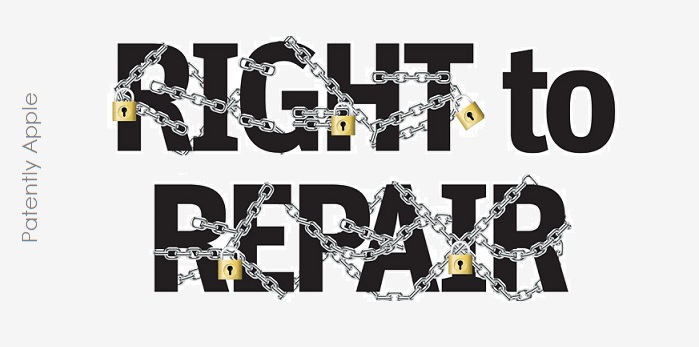
    Devices are often disposed prematurely due to only minor faults, and often a quick and even simple fix would be enough to get the device in usable condition again. In 2011, 151 million phones were discarded in the US alone, and many unnecessarily. This is not sustainable. Therefore, the ‘Right to Repair’ movement has been launched in the US to allow consumers to take back control over their devices, spreading information and resources enabling the population to fix their devices, from tractors to smart phones. The movement encourages consumers to:

    1. Try to fix things yourself.
    2. Support community level repair initiatives.

    (This includes both online platforms and the increasingly popular ‘repair cafes’, groups that meet to help the consumer repair their device).

    1. Share and show the world it is possible to fix these things.

    digital detox: right to repairSo how can a digital detox help?

    Ultimately, the easiest way to help reduce the accelerating increase in e-waste is by using our phones less. With use, the capacity of our batteries declines. Batteries are manufactured to perform at 80% of their original capacity only for up to 500 charges – less than two years of use for those who charge their phone every night, as most of us do! If we didn’t need to recharge our phones as often, the battery would last longer and thus we would have to rely less on regular upgrades. Therefore, a digital detox – cutting down the hours we spend on our devices – is both financially and environmentally beneficial.

    Recently, the UN published a report stating that, globally, 50 million tonnes of e-waste is produced each year – the equivalent to 125 thousand jumbo jets. This is estimated to increase to 120 million tonnes by 2050. How can we be so attached to our devices yet be so quick to throw them away as soon as we have an excuse to upgrade?

    We need to slow down and assess our relationship with technology. Our devices already have so much influence over our daily lives and our inability to fix them heightens this by giving the manufacturers control over the user. And in fact, having the knowledge and confidence to be able to fix our devices ourselves would actually start to promote a healthier relationship with them by demystifying tech. Our easy access to our devices is a wonderful thing but let’s start considering the impact it has on ourselves, our wider community and the environment – and let’s undertake to do our bit to cut down on the e-Waste mountain.

    Summary
    How your digital detox will help save the environment
    Article Name
    How your digital detox will help save the environment
    Description
    Our throwaway culture has infiltrated our relationship with technology and our e-waste output has rocketed. How can your digital detox help?
    Author
    Tanya Goodin
    Publisher Name
    Time To Log Off
    Publisher Logo

    View the original article at itstimetologoff.com