Category: Addiction News

  • How do I Stay Drug-Free After Rehab?

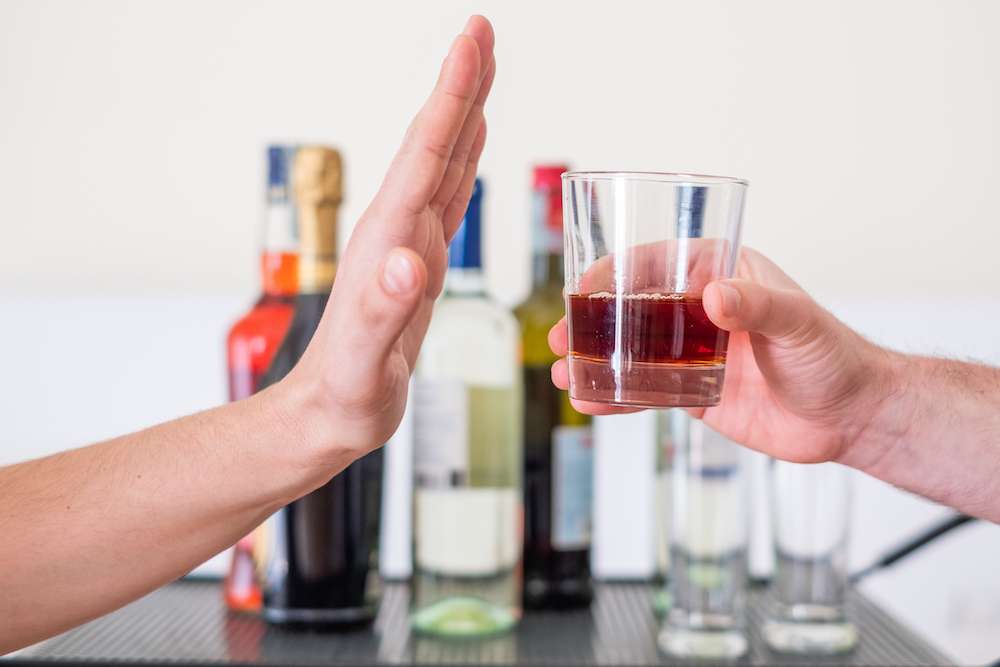
    How do I Stay Drug-Free After Rehab?

    Completing an addiction treatment program is a great achievement. You know that you are on a path of sobriety and recovery. Not only do you feel very proud of yourself, as you should, you also feel a bit anxious and nervous about your new life now that you are leaving inpatient treatment. You wonder if you truly can stay drug-free after rehab.

    Life After Rehab

    While in rehab, your life is very orderly and disciplined. Now, you will have to rely on what you have learned to help you stay drug-free after rehab. You have the tools to help you in times of cravings and when triggers come along that may make you want to use again.

    A life of addiction is full of chaos and confusion. Comparatively, life in a rehab is full of structure and balance. Now, you are embarking on a life which is that of sobriety, new friends, and a new lifestyle. You know it won’t always be easy to stay drug-free after rehab, but you can do this!

    Decisions You Must Make after Completing Rehab

    Finishing your addiction treatment program is not the end of treatment for recovering addicts. An aftercare program is essential for staying drug-free after rehab. You learn the skills that are necessary for long-term recovery from addiction in rehab. However, you must continue your counseling and meetings after leaving your program.

    You learn in rehab about the triggers that may cause you to want to use drugs or alcohol after leaving. You have to decide if you can go back to the same environment in which you were living while struggling with your addiction. If others are using drugs or alcohol in the home in which you live, you may need to relocate as you transition to your sober lifestyle.

    You may live in the same neighborhood where your previous drug dealer lives, or the neighborhood may have triggers in places where you used your drugs or hung out while drinking alcohol. All of these are factors that you must decide if you can deal with when returning home.

    Ways to Stay Drug-Free After Rehab

    There are many resources to help you stay drug-free after rehab. Above all, continue with support group meetings. Attending meetings is a MUST for sobriety after rehab.

    Below is a list of other ways to maintain your sobriety and recovery:

    • Make new sober friends to share activities with
    • Rely on family members for support and encouragement
    • Keep busy with volunteer work or new hobbies
    • Exercise and eat a nutritional diet to stay in good health
    • Have someone you can call when cravings become strong

    These are only a few tips to help you stay drug-free after rehab. Yes, it is a constant issue for you daily, but you can learn to get through every day sober. It won’t be as hard after your initial transition period which will certainly entail some bumps in the road. However, with the helping hand from others, (and don’t be afraid to ask) you can overcome these bumps and go on with your life in recovery.

    What if I Relapse after Rehab?

    According to the National Institute on Drug Abuse,

    It’s common for a person to relapse, but relapse doesn’t mean that treatment doesn’t work.”

    If you relapse after rehab, it does not mean that you are chained to addiction for the rest of your life. Many people do not come out of rehab for the first time and never look back. Things happen in people’s lives that sometimes lead to relapse. If this happens to you, contact us at Best Drug Rehabilitation and we can help you find a treatment program that will get you back on your path of sobriety.

    Remember, falling down is part of life. It happens! However, a determined person with a strong will to succeed will do just that. You, too, can go on to live a life of sobriety in recovery from addiction. Get the help you deserve and return to a healthy and happy life with loved ones.


    Resource:

    drugabuse.gov  – Understanding Drug Use and Addiction


    View the original article at bestdrugrehabilitation.com

  • Ohio Officials Issue Warning After Spike In Drug Overdose Deaths

    Ohio Officials Issue Warning After Spike In Drug Overdose Deaths

    Fentanyl is widely believed to be the major cause of a recent overdose wave that hit multiple Ohio counties.

    Ohio law enforcement and health officials are warning residents to be extra cautious around illicit drugs, following a spike in overdoses this week that officials believe was caused by fentanyl found in cocaine and methamphetamine. 

    On Sunday (May 19), officials in Hamilton County, which includes the city of Cincinnati, warned about a spike in overdoses. The county saw at least 15 emergency room visits caused by overdoses in the 24 hours leading up to 6 a.m. on May 19.

    “Fentanyl continues to be a major cause of overdose and is being mixed with cocaine and meth,” Tom Synan, a local police chief, said in a Facebook post sharing the press release. “Stopping fentanyl coming into the country should be the national priority. This will continue until it is. More needs to be done.”

    In the release, officials warned law enforcement to not field test drugs, and to use safety equipment like gloves. The warning encouraged people to carry extra doses of the overdose drug Narcan, and to administer it any time someone was overdosing, even if they didn’t think they had ingested opioids. It also encouraged active drug users to take precautions like never using alone.

    In addition, it warned people not to leave the hospital against medical advice after receiving Narcan, the opioid overdose-reversing drug, since certain opioids can last longer than the drug and people can possibly overdose again hours after receiving it. 

    On May 23, officials in Cuyahoga County, which includes Cleveland, issued a similar warning. There, seven people died from overdoses over two days, according to Fox 8 Cleveland

    “The recent spike in overdose deaths, which has also been noted across Ohio, is concerning and still likely a result of fentanyl. Fentanyl is continuing to impact our communities, both in the City of Cleveland and suburbs,” said Dr. Thomas Gilson, Cuyahoga County medical examiner, in a statement on Thursday (May 23). 

    In a post sharing that statement, Synan wrote, “Fentanyl is still cause of immediate OD/deaths on its own in cocaine & meth. Those using any street drugs should carry Narcan. If you use drugs no matter where you live, your race or religion—fentanyl could be in your drugs. Almost half of OD deaths across the country involving cocaine and meth have had fentanyl in it or used with it. You don’t know what’s in your drugs. Even if you do—you are not being ‘safe’ with illicit fentanyl. No illicit drug is ‘safe.’”

    View the original article at thefix.com

  • Can Psychedelics Help You Kick Alcohol?

    Can Psychedelics Help You Kick Alcohol?

    Results of a new survey have convinced some researchers that psychedelics had “the potential for dramatic change.”

    Using psychedelics can help some people kick their problematic drinking habits, according to new research. 

    “Although results cannot demonstrate causality, they suggest that naturalistic psychedelic use may lead to cessation or reduction in problematic alcohol use, supporting further investigation of psychedelic-assisted treatment for [Alcohol Use Disorder],” wrote the authors of the study, published in the May issue of the Journal of Psychopharmacology

    The study relied on an online survey of people who had a history of problematic drinking that met the criteria for alcohol use disorder, according to Psychology Today. The participants had to have “used psychedelics outside of a university or medical setting, followed by reduction or cessation of subsequent alcohol use.”

    Overall, 343 people met the criteria and participated in the study. Only 10% had used psychedelics—most commonly LSD or mushrooms—to try to reduce their drinking. Yet more than 25% agreed that using the drugs let to a “change in values or life priorities, which… helped change their alcohol use.” On average, participants reported that they went from consuming 26 drinks per week to just 4, and 83% no longer met the diagnostic criteria for alcohol use disorder. 

    “Findings indicate that, in some cases, naturalistic psychedelic use outside of treatment settings is followed by pronounced and enduring reductions in alcohol misuse,” the study authors wrote.

    They noted that the survey indicated that psychedelics had “the potential for dramatic change.”

    One participant explained that using psychedelics “allowed me to feel whole again and forced me to reconnect with emotional trauma. It gave me insight into the nature of addiction and how it enslaves us—physically, mentally, and spiritually. Addiction numbs us to any kind of growth as a human being.”

    Others said that after using the drugs they were able to see that the long-term benefits of sobriety were more important than the short-term desire to drink.

    Study authors speculated that using psychedelics could help people connect with their spirituality, which in turn helped them stay sober. 

    “Spirituality has long been thought to play an important role in recovery from alcohol dependence, and has been posited as a protective factor against alcohol misuse,” they wrote. “Spirituality and spiritual practice have also been found to correlate with abstinence in alcohol dependence recovery. Though a major focus of research on spirituality and alcohol misuse has been on Alcoholics Anonymous (AA) and 12-step programs, psychedelics may represent an alternative path to spiritual or otherwise highly meaningful experiences that can help reframe life priorities and values, enhance self-efficacy, and increase motivation to change.”

    View the original article at thefix.com

  • CBD May Help Curb Heroin Cravings

    CBD May Help Curb Heroin Cravings

    A new study examined whether CBD oil could curb heroin cravings for long-term users.  

    Cannabidiol, a compound of marijuana commonly known as CBD, is effective at reducing anxiety and cravings in people who are dependent on heroin, according to a new study that could potentially open up new means of treating opioid use disorder. 

    As part of the study, researchers gave heroin users doses of CBD in the form of Epidiolex, an FDA-approved cannabis-based medication. They received doses for three days, with follow-up doses over a two-week period.

    The study participants were long-time heroin users with an average history of 13 years of heroin use, who had not successfully stayed clean for more than a month, according to CNN

    Researchers found that people who received CBD had 2 to 3 times fewer cravings for heroin than people on a placebo, and also had less stress hormones. 

    Lead researcher Yasmin Hurd, director of the Addiction Institute of Mount Sinai in New York, said that reducing cravings can help people stay sober. 

    “The intense craving is what drives the drug use,” she said. “If we can have the medications that can dampen that [craving], that can greatly reduce the chance of relapse and overdose risk.”

    Hurd was careful to point out that the study participants were using a regulated medication, not traditional marijuana. “We are developing a medicine,” she said. “We are not developing… recreational cannabis.”

    Psychiatrist Julie Holland, former assistant professor of psychiatry at the New York University School of Medicine, said that the study—though small—is very important. 

    “This is an extremely significant paper. We need to utilize every possible treatment in helping people with chronic pain to find other ways to manage their symptoms and in people with opiate addiction to find relief,” she said. “CBD not only manages the anxiety and cue/craving cycle, it also diminishes the original pain and inflammation that leads to opiate use in the first place.”

    Hurd said that the study indicated that CBD could be a better alternative to current medication-assisted treatment options like methadone or buprenorphine. Those medications are opioids that can be abused, so their use is tightly regulated. CBD could offer a less restrictive form of medication-assisted treatment. 

    “It’s not addictive. No one is diverting it. It doesn’t get you high, but it can reduce craving and anxiety,” Hurd said. “This can really help save lives.”

    Although some states allow medical marijuana as a treatment for opioid use disorder, there has been controversy over whether cannabis is helpful for people with opioid addiction.

    In March, National Institute on Drug Abuse (NIDA) Director Nora Volkow said that there is no evidence that cannabis can help treat opioid addiction. 

    View the original article at thefix.com

  • I Overdosed On Cocaine Laced With Fentanyl

    I Overdosed On Cocaine Laced With Fentanyl

    “I think the scariest part was realizing that…I don’t know what I’m putting in my body.”

    View the original article at YouTube.com

  • Michael Phelps Receives Award For Mental Health Advocacy

    Michael Phelps Receives Award For Mental Health Advocacy

    Phelps has been working to end the stigma associated with mental illness through his nonprofit foundation.

    With 23 Olympic gold medals, Michael Phelps is the most successful Olympian in history—but that didn’t stop him from experiencing mental illness. 

    “Probably my first real depression spell was after 2004, then the next big one was after 2008,” Phelps told the Associated Press in a recent interview, ESPN reported. “When you set out to be an Olympian, your whole life is put on hold. All the eggs are in one basket. I would say 2004, 2008, 2012, partly after ’16 (all Olympic years) I’ve dealt with pretty severe depression spells. I was kind of lost at that point.”

    After two DUIs, by 2014 Phelps checked himself into treatment, and since then he has been a vocal proponent for reducing stigma around depression and other mental illnesses. On Tuesday (May 21) Phelps received the Morton E. Ruderman Award in Inclusion for the work he has done to reduce stigma through the Michael Phelps Foundation.

    “Michael Phelps is a unique leader who has used his fame and status as the greatest swimmer of all time to challenge our society to remove stigma surrounding mental health,” said Jay Ruderman, president of the Ruderman Family Foundation. 

    Phelps never planned to become a mental health advocate. 

    “When I first really opened up about the struggles that I had in ’15, obviously I dreamed of being able to get more publicity to this and to really share my journey and have other people share their journeys with me as well,” he said. “Honestly, I never thought it would be as big as this, but it’s been a true dream to be able to watch the growth that mental health has taken, almost being at center stage.”

    Being able to help other people struggling with depression has meant more to him than his athletic success, he said. “Through this, if I can save one life, two lives, five lives, a thousand, a million, to me that’s so much more important than winning a gold medal.” 

    Phelps said that he has seen firsthand the difference that quality mental health treatment can make. Today, he is married with two children and a third on the way, and he has embraced his new role as a mental health advocate. 

    “When I was in my room and not wanting to talk to anybody for a number of days and not wanting to be alive, I wanted to see what other roads I could take to see if there was help,” he said. “I know it’s something that changed my life and saved my life and allowed me to be able to be where I am today, enjoying the platform of talking about something that’s so important.”

    View the original article at thefix.com

  • Beauty Queen Tackles Mental Health Stigma In The Asian Community

    Beauty Queen Tackles Mental Health Stigma In The Asian Community

    Sophia Ng is using her platform as Miss Global to “remove the stigma that exists around mental health.”

    A counselor-turned-beauty queen is on a mission to de-stigmatize mental health in the Asian community, which has long considered it a taboo subject.

    Last August, Sophia Ng, 27, won her first pageant and was crowned Miss Asian America. The Vancouver-born, Hong Kong-raised therapist who had zero experience in pageantry was encouraged to enter the competition to further her mission.

    Ng is using her platform to break the taboo of speaking about mental health.

    “I was once in a suicide depression, and in my hour of darkness, I believed I was worthless and that life was not worth living,” she said during the Miss Asian America competition.

    In February, Ng was crowned Miss Global in her second-ever pageant, and stepped down as Miss Asian America.

    The beauty queen is drawing from her own experience with depression to spread her message that it’s “okay not to be okay.”

    “My passion is removing the stigma that exists around mental health,” she said at a recent banquet sponsored by the Chinese Association of Herculese, speaking in both Cantonese and English. “And I’m currently doing that by doing a lot of speaking engagements, especially with college students, educating them about this.”

    Growing up, Ng played dreamed of playing volleyball professionally, according to her profile provided by Miss Global. But at 16, she tore her ACL and MCL during a basketball tournament and had to have left-knee reconstructive surgery. The psychological toll of the long recovery time and feeling incapacitated, Ng said she became depressed. She isolated herself.

    “While I was still… recovering physically, my mind definitely began to sort of spiral downwards,” she told KQED.

    After a suicide attempt with sleeping pills, Ng saw a therapist who was able to give her a positive outlet to examine her issues. This experience inspired her to pursue a career in psychology.

    As a Chinese woman, Ng is able to understand the Asian community’s general apprehension to  discussing mental health.

    Until recently, she counseled students in San Francisco schools, but left her job to move back to Hong Kong to be closer to family.

    Eventually, Ng would like to open her own therapy practice and help schools and companies support mental health.

    View the original article at thefix.com

  • Sex Work Made Recovery Possible for Me

    Sex Work Made Recovery Possible for Me

    The idea that someone would pay to be around me when I had spent my life feeling worthless changed my self-perception forever.

    When I entered the world of sex work almost three years ago, I had been fired from yet another waitressing job for reasons related to my drinking. A friend invited me to do a play that was for and by sex workers to benefit the Sex Workers Project, which “provides client-centered legal and social services to individuals who engage in sex work.” It paid, so I said yes.

    I loved the fast pace, changing clientele, and quick money of waiting tables. Booze and drugs were always present. Most of my jobs allowed us to drink on the job; just not the way I drank on the job. The last job I waitressed I would be sober for a few weeks or months, then a particularly difficult customer would lead me to drinking half-empty wine glasses as I carried them to the dish pit. I was fired because, as the nursery rhyme goes: When she was good, she was very, very good. But when she was bad, she was horrid.

    I went to rehearsals for the play and met the other women. Mostly they were artists with the time to pursue it, in grad school with the money to pay for it, and one had just purchased a home in Detroit. They were free to sit in a park and discuss Mae West at 2 p.m. on a Tuesday. Society had led me to believe that sex work of any kind would steal my soul in some way, would take something from me I could never get back, and would only hurt my struggle for sobriety. That is a lie.

    I always thought I would be an excellent sex worker — it’s a job women are trained for from adolescence: sexy emotional laborer. These skills may be especially honed in women who struggle with addiction and alcoholism. As a tech in my first rehab reflected, “Women stay out longer. They have the golden box.”

    The women I met doing the play encouraged me and taught me everything they knew as I worked towards my goal of gathering the courage to try it out. Then later, they allowed me to text them every time I went to meet a client with his name and my location as I developed my sense for red flags. It’s a mentorship program, there is no other way.

    I learned quickly that if I did coke with a client I was screwed. It was impossible to maintain boundaries, or my mind. Each time I did this, not only was there a scarily unlimited amount of drugs, but at some point the client would stop paying me for my time. Those were the only sessions I ever had that made me feel what society says sex work should make you feel: incomprehensible demoralization.

    And there were many times in those early days when a client offered me a drink and I took it, hoping to seem normal. And then I went home and drank. Within a few months I realized I couldn’t drink or use around these men. When I was using, I didn’t require verification, I couldn’t maintain boundaries, and I couldn’t retain control of the situation. One of my mentors told me if I went on like this I would die or get arrested. I stopped everything but weed, and then I stopped everything.

    Life got better. And then I experienced all the benefits to recovery sex work can offer.

    I had more money, and a lot of that panic was gone. I could clothe myself properly, I knew my rent would be paid, I was able to travel. Drugs and drink are a poor man’s vacation. I had the time to meditate, to go to lots of meetings, to join a yoga studio, to read and study anything I wanted that I thought could help.

    And it was empowering — the idea that someone would pay to be around me when I had spent my life feeling worthless changed my self-perception forever.

    Eventually I saw how even weed had clouded my judgement in sex work and thus in life. I went to see a client I had previously seen several times stoned. He was a huge pain in the ass — always sending the Uber to the wrong location, ordering “food” that was just a pile of sodas when I was starving, never having the money right, forgetting his ATM password. It took me to show up completely clear-minded to realize that he was provoking me so that I would yell at him. On yet another walk to the ATM, he asked, “Why do you still have to go to so many AA classes?” I didn’t even remember telling him that, but people babble when they’re high. I asked him not to mention it again, and that they weren’t classes.

    “I knew it! You hate me!” He shouted into the Brooklyn night. He pulled all the same stunts he always did that night, but this time, I didn’t want to deal with it. The beauty of escorting is that it isn’t prostitution. I am paid for my time only, and legally, I never have to sleep with anyone unless I want to. And that night I did not want to. I grabbed my things and made for the door after he said something gross about having the funds to keep me there for several days. “Your AA classes aren’t going to make you a better person!” He shouted at my retreating form.

    Wrong again, Jack.

    I began charging more and more for my time, and began advertising on the most high-end site. You may think that’s an oxymoron, but I don’t care.

    The longer I was in the industry, the more time and space I had to work on myself, and the better I was able to treat myself. I watched how my self-care transformed the clients I attracted, how the way I conducted my business radiated into the rest of my life. I got a therapist. I spent an entire month in Bali. 

    Rehab couldn’t get me sober. Sex work did. Perhaps it had to be that life and death, that cut and dry, for me to see it all. I’ve never been happier or more free. And I’ve never put together this many days of continuous sobriety. 

    There were a few times in sobriety I showed up to work and the client was on cocaine. When I didn’t partake, I saw how sad it was. One night, when Phish was in town (my phone BLOWS up when Phish is in town), I went to a hotel where an adorable middle-aged man had laid out my old favorite things — pink champagne and cocaine. Because I didn’t partake I maintained the upper hand, stayed several hours without ever taking my clothes off, and the night ended with him crying on my shoulder and confiding in me about his drug problem. I hope I helped. 

    That wasn’t the only time I inadvertently 12-stepped a client or potential one. Recently, someone reached out to ask about the Hebrew lettering tattoo that is featured in one of my photos. I find Hebrew tattoos hilarious. I explained that it meant “the strength to stand after we fall.” 

    “Are you a former junkie?” he asked.

    “Something like that.”

    We went on to have the kind of gut-wrenchingly honest conversation that only two addicts can, and by the end of the conversation, we were working to find him a bed in a detox. I hope he went.

    Sex work isn’t for everyone, and I can’t do it forever. I haven’t been able to date normally, which is fine because I haven’t finished the steps or gotten a year yet. So that seeming downside has also benefited my recovery. My goal is to make my living from writing in the next five years. Sex work, a career with no long-term future, is another way to burn the ships. There is no plan B, no safe career that could deter me from my true goals. I like that, too.

    It’s also helped me weed out people in the program who aren’t good for me, not that I speak about it much — I’ve never spoken about it as much as I have in this article. When I needed a new sponsor after a move, I found one who had her own experience with sex work so I felt like it was a good match. But I quickly realized that she couldn’t see past her own history of street prostitution to understand how different my work was. When she pushed me to get a “sober job,” I fired her. I need to live alone and make my car payment, and that isn’t happening on $15 an hour. These things are important to my serenity, and I’m willing to do what it takes to maintain them. The next woman who almost took me through the steps sucked in her breath and said, “It must be hard to stay sober in that job.” 

    Actually, it was much harder to stay sober waitressing, where I couldn’t choose whom I served, and where I couldn’t walk away from a situation with alcohol. And it was much harder to stay sober as a housewife. I never got to leave. 

    My current sponsor thinks it should be completely legal, like it is in New Zealand, and without stigma. We just finished Step Five. I haven’t gotten that far with anyone in 11 years. I was a 1-2-3-step-and-hate-my-sponsor kind of gal.

    Becoming a sex worker has helped me to get and stay sober, and to have a better quality of life than I ever thought possible. 

    Sex work is real work. And it really set me free.

    View the original article at thefix.com

  • Heroin Is Being Replaced With Fentanyl Across East Coast, Midwest

    Heroin Is Being Replaced With Fentanyl Across East Coast, Midwest

    The surge of fentanyl availability in these parts of the country is putting long-time heroin users at risk for overdose. 

    In some places in the United States, heroin is becoming scarce or has even disappeared entirely.

    Throughout the East Coast and in parts of the Midwest—where heroin fueled addiction, overdose, medical injury and death—availability of the drug is receding. Instead, the New York Times reports, it is the deadly drug fentanyl that is within reach.

    Fentanyl is a powerful synthetic opioid, said to be able to cause overdose and death with just a small amount. In medical settings, fentanyl is used only for the most intractable and unbearable pain, such as late stage cancer. Fentanyl is cheaper to produce than heroin, while giving more bang for the buck.

    For those who use it, knowingly or unknowingly, fentanyl is “more addictive than heroin,” reports the Philadelphia Inquirer. Many who use fentanyl find that afterward, heroin alone is not strong enough to stop all their withdrawal symptoms and cravings. 

    Looking at a concentrated area, the U.S. Drug Enforcement Administration (DEA) released a 2017 report on Pennsylvania. The report stated that in Philadelphia, fentanyl was found in 84% of 1,217 fatal overdoses in 2018, and in 67% of the state’s 5,456 overdose deaths in 2017.

    The surge of fentanyl availability has affected long-time heroin users who have been able to manage their drug use so that it does not kill them, the Times reports.

    Along the East Coast and in the Midwest, people with long-term heroin addiction who have turned to fentanyl are dying of overdoses, unable to manage the potency and unpredictability of fentanyl exposure.

    Narcan (naloxone), the opioid overdose-reversing drug, works by blocking opioid receptors in the brain. Narcan can last for 30 to 90 minutes in the body.

    Fentanyl lasts for hours in the body. For some people overdosing on fentanyl, multiple doses of Narcan are required over a period of time, and it still may not be enough to save the person’s life.

    Researchers are working on a naloxone-based antidote that might be able to sustain prolonged results in the body, even blocking the effects of a fentanyl overdose for hours.

    A study presented at a meeting of The American Chemical Society by the Allegheny Health Network Research Institute and the Edgewood Chemical Biological Center showed promising results in lab animals. 

    View the original article at thefix.com

  • Teen Suicide Rates Are Increasing As Mental Health Resources Stagnate

    Teen Suicide Rates Are Increasing As Mental Health Resources Stagnate

    Nearly 80% of the country is experiencing a “severe shortage” of child and adolescent psychiatrists.

    Suicide rates for people aged 10-19 increased by 56% from 2007 to 2016, according to a recent report by the U.S. Department of Health and Human Services (HHS) and the Centers for Disease Control and Prevention (CDC). While unintentional injuries have fallen since 2007, suicide rates have steadily increased for this age group.

    This has occurred as mental health resources have remained insufficient to meet the need in the mast majority of the U.S.

    According to the American Academy of Child and Adolescent Psychiatry, 39 U.S. states fall into the range of either having an insufficient supply or a “severe shortage” of child and adolescent psychiatrists. The remaining states are classified as having a “more sufficient supply,” with Washington, D.C. having the most of any municipality at 60 psychiatrists for every 100,000 kids.

    This lack of mental health professionals has a direct impact on young people with psychiatric disorders and particularly those who attempt suicide.

    Rick Leichtweis, senior director of Inova Health System’s Kellar Center, told USA Today that Fairfax County, Virginia parents “often have to travel three to four hours south when inpatient beds open late at night” after their children attempt suicide. Others “regularly wait days in emergency rooms before a bed opens up in hospital psychiatric units.”

    Child psychiatrist Dr. Wun Jung Kim called the system of care for mentally ill teens “lousy.”

    “The lack of access to psychiatric care has been a problem for a long time, and it’s not improving because of the increasing demand for care of our nation’s youth,” said Kim.

    At the same time, despite the fact that many serious mental illnesses begin developing during childhood years, kids often remain untreated for up to 10 years. This may help explain why suicide is the second leading cause of death for individuals aged 10 to 24.

    Another recent study on suicide in young people found that the rate of suicide for young girls is rising faster than that of boys. Analysis by researchers at the Nationwide Children’s Hospital in Columbus, Ohio revealed that the previous gender gap in suicide among children aged 10 to 14 is closing at a rapid pace.

    The rate for girls climbed by an average of 12.7% each year from 2007 to 2016, compared to 7.1% for boys. The researchers stressed the importance of considering gender-specific issues in mental health care in light of these results.

    “This narrowing gap underscores the urgency to identify suicide prevention strategies that address the unique developmental needs of female youth,” they wrote. “Future research is warranted to examine sex-specific risk and protective factors associated with youth suicide and how these determinants can inform interventions.”

    View the original article at thefix.com