Category: Addiction News

  • Surfer Sunny Garcia Hospitalized Amid Depression Battle

    Surfer Sunny Garcia Hospitalized Amid Depression Battle

    Garcia has been very open about living with depression on social media.

    If you or someone you know is in crisis, call the National Suicide Prevention Lifeline at 1-800-273-8255 (TALK).

    Professional surfer Sunny Garcia, who has been open about his battle with depression, has been hospitalized following a suicide attempt. 

    “With heavy hearts we confirm that Sunny Garcia is in the ICU in the hospital,” the World Surf League confirmed on Twitter on Monday. “Sunny has always been a great champion of surfing, both in and out of the water. Our prayers are with him and his loved ones at this deeply challenging time.”

    Garcia—whose real name is Vincent Sennen Garcia—posted a picture of himself as a teenager on Sunday, prior to his hospitalization. 

    “If I told this kid the things he would go through and things he would achieve he would tell me I’m crazy,” Garcia, 49, wrote. “Wow it’s been a crazy ride since this photo was taken.”

    On March 20, Garcia opened up about his depression on Instagram, something he had done in the past as well. 

    “Doesn’t matter what kind of mental illness you suffer from, we all suffer in silence and deal with it best we can and most people that don’t suffer can’t understand the pain and frustration that we go through,” he wrote. 

    “I have a incredible life surrounded by people that love and care for me, and I get to travel to beautiful places to surf and meet different people from all over the world but I can tell you when I get down that none of that matters,” he said. 

    Garcia wrote that he “spent the morning curled in my dark closet feeling like I just didn’t want to be here anymore”—but said that he knew that ultimately things would get better and he was determined to speak out.  

    “I just feel like nothing or anyone can help me at the particular time so I just keep sharing my feelings hoping that it helps any of you out there that suffers from anything and encourage you to reach out and talk to others like yourself because this life can really be beautiful. If we all just talk and let it out so others see that it’s ok to share and we are not alone in this suffering.”

    Garcia first posted about his depression in December 2014, when he asked his followers for advice. 

    “Depression is no joke waking up feeling like you’re ready to take on the world then a couple hours later feeling down on life and wondering what’s wrong with you,” he wrote at the time. “Well I know I’m not alone and I’m not sure what’s wrong with me because I have no reason to feel the way I do. It’s been happening for about two years and would love to hear from any of you who suffer these feelings so I can figure out what I should do.”

    View the original article at thefix.com

  • NYC Bans Alcohol Ads on City Properties to Reduce Problem Drinking

    NYC Bans Alcohol Ads on City Properties to Reduce Problem Drinking

    NYC joins LA, Philadelphia and San Francisco in restricting alcohol advertising on city-owned spaces.

    Alcohol advertising will no longer be displayed on New York City-owned property such as bus shelters, newsstands, phone booths and wifi kiosks.

    Mayor Bill de Blasio issued the alcohol advertising ban via Executive Order, effective immediately. The ban will affect most city-owned properties except for venues that serve alcohol like Citi Field.

    Despite a foreseeable loss of advertising revenue of around $3 million each year, city officials say it’s worth it to try and reduce the effects of problem drinking. In the 2018 fiscal year, alcohol advertising generated $2.7 million for the city. These advertisements occupy about 3% of city-owned advertising space.

    “There’s no doubt that far too many New Yorkers struggle with serious substance misuse issues, among them excessive drinking,” said de Blasio in a statement Tuesday.

    In 2016, NYC counted 110,000 alcohol-related ER visits, and 2,000 alcohol-related fatalities from car accidents, liver disease, etc.

    “In New York City, we see far too many deaths related to alcohol,” said city health commissioner Dr. Oxiris Barbot. “We know exposure to alcohol advertising can lead to drinking more alcohol, more often behavior that can be harmful and even fatal.”

    City officials cite research that have linked exposure to alcohol advertisements with drinking behavior. By minimizing New Yorkers’ exposure to alcohol advertising, they are hoping to reduce problem drinking in the city.

    There is plenty of research on the subject.

    “Parents and peers have a large impact on youth decisions to drink. However, research clearly indicates that alcohol advertising and marketing also have a significant effect by influencing youth and adult expectations and attitudes, and helping to create an environment that promotes underage drinking,” according to the Center on Alcohol Marketing and Youth at Johns Hopkins University.

    Eighteen months ago, the city’s Metropolitan Transportation Authority (MTA) banned alcohol advertisements on NYC buses, subway cars and stations.

    Los Angeles, Philadelphia and San Francisco have also banned alcohol ads on city property.

    “Too many people in our city struggle with excessive drinking, and irresponsible advertisements for alcohol make the problem worse―especially when they target communities of color,” said NYC First Lady Chirlane McCray. “Today, New York City is taking a stand to protect the health and well-being of all of our communities.”

    View the original article at thefix.com

  • Lower Prices Contributed to Opioid Crisis, According to White House Report

    Lower Prices Contributed to Opioid Crisis, According to White House Report

    A new report by the President’s Council of Economic Advisers examined the driving forces of the national opioid epidemic.

    A drop in out-of-pocket expenses for prescription opioids helped drive the first wave of the opioid epidemic, according to a new report released by the White House.

    The report, written by the President’s Council of Economic Advisers, found that increased insurance coverage for opioids resulted in lower costs on the legal market and the black market.

    “Out-of-pocket prices for prescription opioids declined by an estimated 81 percent between 2001 and 2010,” report authors wrote. “The falling prices were a consequence of the expansion of government health care coverage, which increased access to all prescription drugs—including opioids. We argue that these falling out-of-pocket prices effectively reduced the price of opioid use not only in the primary market but also in the secondary (black) market for diverted opioids, from which most people who misuse prescription opioids obtain their drugs.”

    During this time, more people had their prescription drugs covered by government insurance programs through Medicare and Medicaid. In 2001, 17 percent of prescription opioids were covered using government insurance. That rose to 63 percent by 2015.

    This increased access made opioid use more affordable.

    “A person on Medicare would only pay $9.78 per gram, or between $1,785 and $3,570 per year (in 2007 dollars), to fund an opioid addiction,” the report authors note.

    The authors estimate that lower prices can account for between 31 and 83 percent of the rise in opioid deaths between 2001 and 2010, but other factors were also at play during this first wave of the opioid epidemic.

    “Falling out-of-pocket prices could not have led to a major rise in opioid misuse and overdose deaths without the increased availability of prescription opioids resulting from changes in pain-management practice guidelines that encouraged liberalized dispensing practices by doctors, illicit ‘pill mills,’ increased marketing and promotion efforts from industry, and inadequate monitoring or control against drug diversion,” they wrote.

    Cost also played a part in the second wave of the epidemic, when people who had become hooked on pills turned to even less expensive street drugs, including heroin and fentanyl, to get their fix.

    “The reduction in prescription opioid misuse had the unintended consequence of raising demand for cheaper, more readily available substitutes in the illicit market and thus opened a market opportunity for illicit drug suppliers to fill,” report authors wrote.

    Today, access to opioids is tightly controlled for people on Medicare, following legislation passed in 2018. 

    View the original article at thefix.com

  • How long does cocaine withdrawal last?

    How long does cocaine withdrawal last?

    Are you addicted to cocaine or know someone who is? Here we explore how long cocaine withdrawal lasts and what you can do to help ease the effects. Then, we invite your questions about cocaine withdrawal or signs of cocaine addiction at the end. We try to answer all legitimate questions about cocaine personally and promptly.

    How long until cocaine withdrawal starts?

    Cocaine is an incredibly effective stimulant and withdrawal symptoms usually start just hours after stopping cocaine. What are symptoms of cocaine withdrawal? Symptoms of cocaine withdrawal can include agitation, increased appetite, and fatigue, vivid and unpleasant dreams. While these acute symptoms usually resolve within a week or two of last dose, other symptoms linger. For example, cocaine cravings can persist for the rest of your life. And other psychological withdrawal symptoms of cocaine can last years.

    Cocaine withdrawal timeline

    How long to withdraw from cocaine? Cocaine withdrawal timelines can last from days to weeks to months after last use. Here’s a general cocaine withdrawal timeline to help guide you during this period.

    24 – 72 hours: Within twenty four to seventy two hours you can expect to start to crash and feel remorse and depression. The brain will be severely sleep deprived and while you may be extremely fatigued, it may be difficult to get rest. Some people sleep heavily during this period but wake feeling awful.

    Week 1: During week one of cocaine withdrawal, you will probably start feeling a lot better and the cravings will seem easy to manage. The effects of cocaine will seem to be wearing off and you may start to regain confidence in your ability to handle cocaine addiction. Symptoms present during this time generally include agitation, unpleasant dreams, and increased appetite.

    Week 2: After about two weeks into cocaine withdrawal, the cravings for the drug can start to return and you will experience hunger, anger and depression. During week two you may experience vivid dreams and think about using again.

    Week 3-4: After three to four weeks you may start to experience mood swings. Sleep may still be a problem, as can depression. Exercise and a healthy diet will help to address these issues. Many drug abusers cannot handle stress without abusing a substance, so a lot of drug addicts relapse during this time. If needed, you can seek help from a medical doctor or psychiatrist to address underlying mental health issues.

    How long do cocaine withdrawal symptoms last?

    Protracted cocaine withdrawal symptoms can last six months to two years. The amount of time that the symptoms last depends on the amount of time that cocaine was used, which will determine the severity and length of the withdrawal period. Typically, you can seek mental health treatment for persistent symptoms which can help to greatly reduce the effects of protracted withdrawal.

    Cocaine withdrawal: how long?

    How long cocaine withdrawal lasts fluctuates depending on how frequently you used the drug and how large the doses were. If you were a heavy user, then you could experience cocaine withdrawal for years.

    People who have used cocaine for extended period of times may experience PAWS, which stands for post acute withdrawal syndrome. Symptoms of PAWS will appear usually three to six months after cessation of cocaine. PAWS occurs when the brain needs additional time to restore normal functions after long periods of drug dependence.

    Duration of cocaine withdrawal questions

    If you have further questions about how long cocaine withdrawal lasts, please ask them in the comments section below. We will try our best to respond promptly.

    Reference Sources: PubMed: Cocaine withdrawal
    NCBI: Cocaine withdrawal
    VA: Treatment of Acute Intoxication and Withdrawal from Drugs of Abuse
    NHTSA: Cocaine

    View the original article at addictionblog.org

  • Is buprenorphine an antidepressant?

    Is buprenorphine an antidepressant?

    Can Suboxone treat both opiate addiction and depression at the same time?  Dr. Burson says, “No. Buprenorphine is not an antidepressant”.  But should your Suboxone doctor consider using this opioid to treat the disease of depression? Maybe.  Read more about the potential of buprenoprhine as an antidepressant during opiate withdrawal here.

    What is the disease of depression?

    When doctors talk about the disease of depression, we aren’t speaking of a bad feeling that we all get when having a terrible day. Doctors consult a set of diagnostic criteria that describe a situation of chronically low mood, significant enough to cause considerable suffering. In patients with major depression, we see feelings of low self-worth, hopelessness, and even suicidal thoughts. People with the disease of depression don’t feel pleasure from previously pleasurable activities. We believe this kind of depression is caused by an imbalance of brain chemicals. In the past, scientists thought that the main chemicals affecting mood are serotonin and norepinephrine, and our presently available antidepressants work by adjusting these brain chemicals.

    But over the years, it’s gotten more complicated. As science evolves, we’ve begun to see that other brain chemicals affect mood. For example, estrogen and testosterone, the sex hormones, affect mood.  Also, the stress hormones like cortisol play a role in the control of mood, and also may be a factor in the development of addiction.

    Can opioids affect mood?

    The research on mood and addiction overlap.  Addiction and the brain are interrelated, as are mood disorders and the brain…suggesting future discoveries about how mood disorders and addictions are related. Researchers know that we make our own opioids, called endorphins, which affect mood. At present, we don’t have a way to measure these endorphins, but some scientists believe it’s possible that some people are born with low levels of endorphins. When they use opioids, perhaps they feel “normal.” Without opioids, they may feel chronically low in mood. Perhaps opioids help these unfortunate people to feel like people born with adequate endorphins. This is an exciting area of research, which may help us understand why some people are much more susceptible to addiction than others.

    People who have become addicted to opioids experience withdrawal when they don’t have access to their drug of choice. Besides the physical symptoms, which can be quite severe, many addicts also feel depressed and anxious. When they use an opioid, those bad feelings go away, along with the physical symptoms. So opioids elevate a depressed mood, but the depressed mood was caused by addiction to opioids in the first place. This is the official answer to the question of why some people feel less depressed when taking Suboxone. But it’s probably not so simple.  And to find Suboxone doctors taking patients, you’ll need to look at the SAMHSA listing for buprenorphine physicians or check out the Suboxone manufacturer’s website for more information.

    Is buprenorphine / Suboxone an antidepressant?

    No. Strictly speaking, Suboxone, which is the brand name of the generic drug buprenorphine, is not an antidepressant.

    However, Suboxone is an opioid. All opioids, by stimulating opioid receptors, create feelings of expansive well-being, and even euphoria. This is the “high” that some people become addicted to. If someone is in a foul mood, using an opioid usually produces a much better mood. Suboxone, since it’s only a partial opioid, causes less euphoria, but still can cause this good feeling.  Doctors further prescribe buprenorphine sublingual tablets during opiate withdrawal or for opiate addiction maintenance programs, as its effects are relatively mild and supportive of a better lifestyle.

    Discussion

    Should we consider treating depression with opioids?

    View the original article at addictionblog.org

  • What is Spice withdrawal?

    What is Spice withdrawal?

    Spice is a designer drug that is a synthetic form of cannabis, or marijuana. Although it was once believed to be a legal and “safe” alternative to marijuana, studies have recently shown that this may not be the case. Synthetic cannabis dangers include heart problems, vivid hallucinations, and even death.  In fact, physical Spice dependence can be dangerous and cause withdrawal syndrome in some users. Plus, Spice can be addictive.

    So what happens during withdrawal from Spice? We review here. And invite your questions about getting Spice addiction help at the end.

    What is Spice Withdrawal Syndrome?

    Spice withdrawal syndrome refers to a set of physical symptoms that a person experiences after they quit using Spice, a synthetic cannabis. When a person becomes physically dependent on Spice, their brain alters some of its functions to adjust for the effects of the drug and maintain homeostasis. Once the drug is no longer available, the brain still functions at this adjusted level, which can cause the physical and psychological symptoms that some experience.

    What is withdrawal From Spice like?

    Because it is a synthetic cannabis, withdrawal from Spice is very stronger than withdrawal from cannabis, or marijuana. Individuals experiencing Spice withdrawal may feel very anxious and suffer from gastrointestinal problems. However, the manifestation of Spice withdrawal symptoms typically depends on the frequency of use. Some users may not experience withdrawal symptoms from Spice at all.

    What does Spice withdrawal feel like?

    Withdrawal from Spice feels like intense anxiety. The first symptoms will usually include an intense craving for the drug and irritability. Other symptoms include anxiety, elevated blood pressure, insomnia, nightmares, headaches, trembling, sweating, and nausea. Depending on the severity of the physical addiction, these symptoms can last anywhere from a few days to a few weeks, although they are usually the worst a few days after last use and begin to subside after this peak.

    What helps Spice withdrawal?

    One of the best ways to minimize Spice withdrawal symptoms is by tapering usage, or gradually reducing the amount taken each day. This allows a person’s body to get used to functioning without the drug slowly, and does not cause a shock to the system.

    Individuals that are trying to quit using Spice on their own can minimize withdrawal symptoms and reduce the chances of a relapse. For instance, staying occupied with activities that don’t involve using the drug can help keep your mind off of it. It may also help to talk to a trusted friend or family member about what you’re going through, so they can be there to help you through strong cravings. Over-the-counter medications can also be used to help relieve some Spice withdrawal symptoms.

    Although it’s usually not necessary, individuals withdrawing from Spice may also want to consider doing so under medical supervision. Drug detox centers allow allow individuals to withdraw and detox from drugs like Spice. The qualified professionals in detox facilities are able to help individuals deal with their physical withdrawal symptoms and work through craving. Doctors can also prescribe short acting benzodiazepines in cases of extreme anxiety, or antidepressants for those with underlying mood disorder issues. Seek professional help anytime you have a history of mental health disorders and want to get off Spice.

    Questions About Spice withdrawal

    It can be frustrating and scary to go through Spice withdrawal. We’re here to help answer any questions you may have and try to help you through this ordeal. If you’re looking for a little advice or just want to share your own experience, don’t hesitate to leave a comment below. We’ll get back to you as soon as we can.

    Reference Sources: FBI – Synthetic Marijuana
    Spice (Synthetic Marijuana) | National Institute on Drug Abuse
    NCBI: Withdrawal Phenomena and Dependence Syndrome After the Consumption of “Spice Gold”

    View the original article at addictionblog.org

  • Lead Found in Michigan Vape Cartridges

    Lead Found in Michigan Vape Cartridges

    State officials noted that manufacturers outside of the U.S. may still use lead to create their e-cigarette and vape cartridge products.

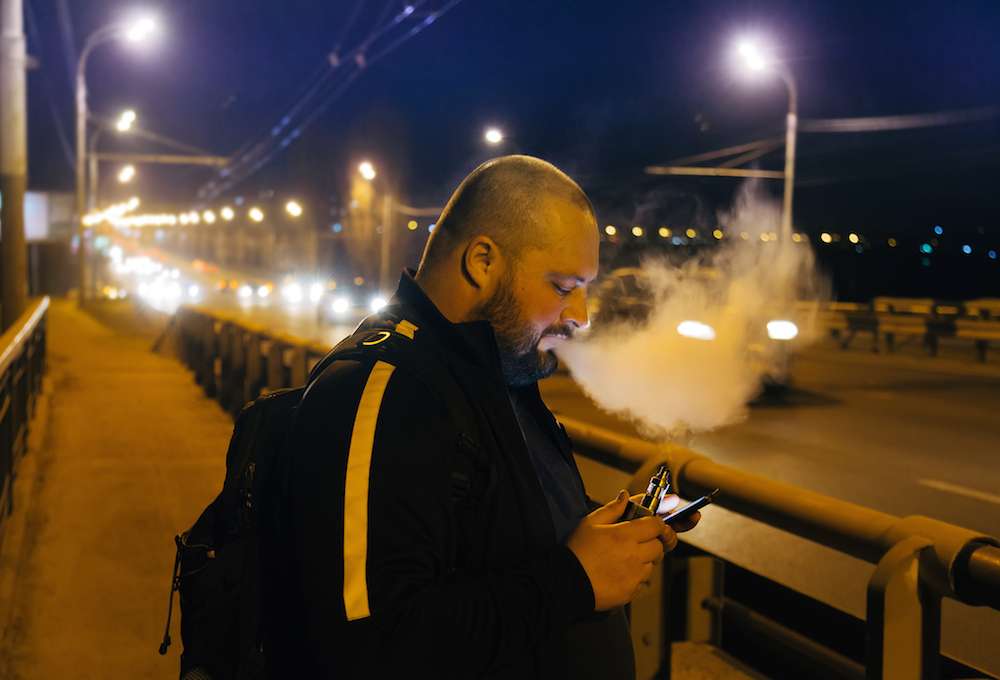
    Officials in Michigan are urging the state’s medicinal cannabis retailers to test their vape cartridges for heavy metals after several brands were found to have been contaminated with lead.

    A safety bulletin issued by the Michigan Department of Licensing and Regulatory Affairs (LARA) revealed that the Bureau of Marijuana Regulation (BMR) had identified and destroyed the contaminated cartridges, and encouraged retailers, as well as patients and caregivers, to have their products tested.

    Studies have shown that lead and other heavy metals, which have been detected in vapors from e-cigarette products, pose significant health risks to users.

    According to the LARA press release, the contaminated cartridges were discovered when the BMR entered the test results in the statewide monitoring system, per Michigan regulations that, as High Times noted, require samples from vape cartridges to be submitted for testing at state labs. The bulletin also noted that lead was not discovered in any ceramic vape products.

    As a result of the test findings, the BMR requested that licensed provisioning centers have their cartridges tested. Medical marijuana patients and caregivers that dispense medical marijuana could also have their cartridges tested for a fee at a licensed safety compliance facility.

    The bulletin also noted that while federal regulations have eliminated the need to add lead to brass or copper products as was done in the past, manufacturers outside of the United States may still use lead to create their e-cigarette and vape cartridge products. Lead and other metal contaminates can leak into the products’ e-liquids when they are exposed to the heating coils. The metals are present in the aerosols produced by heating the liquids, which are then inhaled by the user.

    Researchers at Johns Hopkins University found lead and other metals, including chromium, manganese and nickel, in vapors produced by some e-cigarette products. High Times quoted an interview in Forbes with medical device marketing consultant Rich Able, who said that chronic exposure to these chemicals could have a serious and detrimental effect on users’ health.

    “Neurotoxins such as lead are linked to increased risk of cardiovascular and kidney disease,” said Able. “The other metals listed are even more nefarious to human organs.”

    Able also noted that federal regulation of such products is key to preventing similar incidents of exposure. “To continue manufacturing these devices to the smoking population without further diligence and clinical review is unethical and unconscionable,” he said.

    View the original article at thefix.com

  • PSAs Feature Kids With Fetal Alcohol Spectrum Disorder

    PSAs Feature Kids With Fetal Alcohol Spectrum Disorder

    A new public health campaign is challenging the idea that light drinking — like having a glass of wine or a beer — is safe during pregnancy.

    A new public service announcement campaign features children and young adults with fetal alcohol spectrum disorder, questioning the assumption that light or moderate drinking during pregnancy is safe.

    The campaign was put together by the Proof Alliance, an organization that aims to educate people about the risks of consuming alcohol during pregnancy, which can lead to fetal alcohol spectrum disorder. The disorder causes a host of cognitive delays and other health issues.

    While the health effects of heavy drinking while pregnant are widely acknowledged, the Proof Alliance wants to challenge the idea that light drinking — like having a glass of wine or a beer — is safe. The campaign highlights articles and social media posts that argue that drinking small amounts during pregnancy is safe, and then shows actors with fetal alcohol spectrum disorder pushing back on the idea.

    “Alcohol is alcohol,” a boy says in one of the campaign’s videos.

    “Drinking any amount during pregnancy is dangerous,” another boys says. “We have fetal alcohol spectrum disorder, and we are proof.”

    The campaign points to research that indicates 1 in 20 American children may have fetal alcohol spectrum disorder.

    In addition to the public service announcement videos, the Proof Alliance is also running billboard ads with blunt messages like “Placentas aren’t magical booze blockers,” “Drinking during pregnancy is the leading cause of preventable brain injury in the U.S.” and “Even a little red wine can give baby brain damage.”

    The Proof Alliance also launched a website — DrinkingWhilePregnant.org — with strong images and messages designed to make a lasting impression.

    “All major medical organizations advise abstaining completely from alcohol during pregnancy — from conception through birth,” the site reads.

    “The problem with drinking alcohol during your pregnancy is that there is no amount that has been proven to be safe,” said Dr. Jacques Moritz, according to the website.

    Although experts believe that the rate of fetal alcohol spectrum disorder might be underestimated, it is very difficult to accurately measure the condition.

    “It’s impossible to know what proportion of these deficits were caused by fetal alcohol exposure,” authors of a study published last year in the Journal of the American Medical Association (JAMA) found.

    “We have long thought and believed that estimates that we had previously in the U.S. were pretty gross underestimates,” Christina Chambers, a study author and a professor of pediatrics at the University of California, San Diego School of Medicine, told CNN at the time. “It’s not an easy disorder to recognize.”

    View the original article at thefix.com

  • Hydrocodone overdose: How much amount of hydrocodone to OD?

    Hydrocodone overdose: How much amount of hydrocodone to OD?

    What exactly is a drug overdose and can you overdose on hydrocodone?

    Essentially, overdose happens when you’ve taken too much hydrocodone.  But the vast majority of drug poisoning deaths are unintentional. So can you prevent an unintentional hydrocodone overdose?  In this article, we’ll explore overdose prevention and review risk factors for hydrocodone overdose. At the end, we invite your questions about hydrocodone and overdose.

    How does unintentional hydrocodone overdose happen?

    There’s a few different reasons why you might accidentally take too much hydrocodone. First, because hydrocodone can cause you to develop opiate/opioid tolerance, you may not be getting adequate pain relief from your prescribed dose. Increasing the amount of hydrocodone taken or the frequency at which you take hydrocodone is an easy way to unintentionally overdose on hydrocodone. Taking hydrocodone to “get high” can also result in an overdose, particularly since users consume larger amounts of the drug than are normally prescribed.  Shooting or snorting hydrocodone apap can also trigger you to OD. Finally, some people intentionally attempt to overdose on hydrocodone as a form of self-harm or a suicide attempt.

    Hydrocodone overdose – How much is too much?

    The amount of hydrocodone that is too much for your body and can cause overdose depends on whether you’ve been exposed to opioids or opiates in the past. In other words, the amount of hydrocodone that is too much for you will be higher if your body is already tolerant to hydrocodone, opiates, or opioids. As doctors increase doses to accommodate patient tolerance, they consider a number of different variables, including your age, weight, general health, and any other medications you might be taking. So, how much hydrocodone is too much really depends on your body, health, etc.

    Safe dosing levels of hydrocodone also depend on the particular formula you’re taking. Hydrocodone is available in different strengths, and typically has some other kind of drug mixed in which can be easier to OD on than hydrocodone alone (ex. acetaminophen, ibuprofen, etc.).

    However, there are some basic guidelines you can follow. 90 mg of hydrocodone at one time is reported as the known lethal dose in medical literature. This is 9 times the maximum amount you might normally be prescribed. But don’t think that just because you’re only taking two or three hydrocodone pills that you’ll be fine – many formulas contain acetaminophen, which can cause severe liver damage at relatively low doses.

    Hydrocodone overdose complications

    The most dangerous complication of hydrocodone overdose is slow or shallow breathing. Hydrocodone overdose can cause breathing to slow down, become more shallow, and even stop. Other medications combined with the hydrocodone may also cause overdose, or make these effects more pronounced.

    Hydrocodone overdose prognosis

    Hydrocodone overdose can be deadly. If you find yourself in an emergency hydrocodone overdose situation, prognosis and recovery without long term damage is possible if breathing has not been compromised. Sometimes doctors will even give you medicine to help reverse the effects of hydrocodone toxicity. In a more serious case of hydrocodone overdose, your doctor may administer oxygen to help you breath better. Even if you survive, the lack of oxygen reaching your brain can cause permanent brain damage, particularly if you don’t receive immediate help.

    Hydrocodone overdose death rate

    Can you die from hydrocodone?  Yes. Unintentional hydrocodone deaths by overdose are unfortunately on the rise.  Part of this is simply because there’s been a nationwide increase in the use of narcotic painkillers.  Overdose and death are more likely in men than women, and both genders are more likely to experience overdose in the working years of their lives. Prescriptions for higher doses of hydrocodone increase the risk of overdose dramatically. And the misuse and abuse of hydrocodone by recreational drug users accounts for a larger portion of the increase in drug poisoning deaths. You can find more up-to-date information about the mortality rate from hydrocodone toxic poisoning, or overdose, by searching the National Vital Statistics System for mortality due to hydrocodone drug overdose.

    Hydrocodone overdose amount questions

    Any kind of hydrocodone abuse will pose the risk of death and overdose. Note that hydrocodone should only be taken swallowed as a whole pill, and only in the doses recommended by your doctor. You’re increasing your risk of overdose when you chew, crush, snort or inject hydrocodone.

    If you have any questions about safe amounts of hydrocodone in your system, please leave them here. We are happy to try to help answer your questions about hydrocodone, and will try to respond with a personal and prompt reply for all legitimate queries.

    Reference sources: DEA: Hydrocodone
    Medline Plus: Hydrocodone
    Toxnet: Hydrocodone

    FDA Safety Communication: Prescription Acetaminophen Products to be Limited to 325 mg Per Dosage Unit; Boxed Warning Will Highlight Potential for Severe Liver Failure

    View the original article at addictionblog.org

  • Drug addiction: teens, parents, and taking responsibility

    Drug addiction: teens, parents, and taking responsibility

    Teen drug use – are parents prepared?

    I am the mother of 2 adult children. One is an addict who is currently incarcerated due to his addictions, whereas my other adult child rarely has a drink and doesn’t touch drugs.

    A parent’s role in their child’s addiction is a very uncomfortable place to be. As parents, we all think we will protect our children as they grow and steer them towards appropriate choices. We have all read the news accounts of a parent providing alcohol to a group of underage drinkers or a parent using drugs right in front of their children, and collectively shook our heads at their poor parenting. We all think we will notice the signs of abuse, have a plan in place in case of problems, and that a frank talk or some strict rules will keep things on course. We all have read the warning signs of a troubled teen and feel we will recognize that our child is in crisis.

    Young people, alcohol and drugs

    When my children were entering their teen years, I expected that many teens experiment with alcohol, marijuana, and even other drugs as part of their maturing into adulthood. I didn’t plan on condoning this behavior in my children, but neither did I think it was going to be a big deal, as long as we had open lines of communication and had rules and expectations that were in place.

    As my children entered their teen years, we talked about how it was very likely that at some point they would encounter and be offered alcohol or drugs at a party or social situation. We talked about ways to say “no” and how to deal with those situations when they arose.

    My daughter never once exhibited any indication that she had been drinking or using drugs. I would guess that at some point during high school she probably tried alcohol or pot, but I feel to this day that her experimentation was minimal. Overall, I got off terribly easy in her case.

    Adolescent drug addiction – when does it become a problem?

    My son was not such an easy case. I caught him and 2 friends with some alcohol once when he was 14. They felt sick the next morning and I thought it was going to be an isolated incident. I caught him with marijuana about a year later but I took it as fairly normal experimentation.

    As it turns out, he was using MUCH more alcohol and drugs during these years than I ever suspected. Sometimes I did suspect he had been drinking or catch him with a beer cap in his pocket or red eyes or rolling papers. I would confront him and he would minimize and even deny. I thought when he looked me in the eye he was being honest. There is no excuse for me thinking any of this was “OK” except that for awhile I still felt that it was falling under normal teen behavior. His grades were average, he wasn’t getting in trouble, and he seemed to be happy and well adjusted. He didn’t seem secretive or moody and he didn’t have a new group of friends or new pastimes. He liked video games, playing his guitar and swimming – He seemed normal.

    As he became 17 and then 18, it became much more obvious to me that my son was drinking and smoking. Yes, as time went on I became concerned that he wasn’t just using, he was abusing. Yes, I felt that he was developing bad habits and that someday he might find himself with a drinking problem to be addressed. And yes, I felt that there was a huge potential for him to get in trouble legally.

    Adolescent chemical dependency

    I would confront him, argue about it, threaten him, and then things would settle down and days marched on in this manner. But – the question remains – how could I not notice that my child was turning into an alcoholic and addict right under my nose? What could I have done differently to prevent it from happening? I don’t know. I wish I did, I would share the answer to this question with the whole world if it was possible.

    Having no real answers, I can only suggest. Based on my experience, my advice to parents suspecting a problem would be if you suspect a problem it’s probably bigger than you think. Act on it and don’t allow any wiggle room. I wish I hadn’t allowed for “normal” teen experimentation as part of the equation. I wish I had demanded my son conform to my rules and that I had been tougher on him when he didn’t. I wish that I could have foreseen then what I see now.

    Parents, teens and drugs … responsibility matters

    Have you caught your teen drinking or using drugs? How did you handle it? Have there been any further incidents?

    View the original article at addictionblog.org