Category: Addiction News

  • Wendy Williams Reveals She's Been Living In a Sober Home

    Wendy Williams Reveals She's Been Living In a Sober Home

    Williams detailed her sober living situation during a recent episode of her talk show.

    Wendy Williams took two months off from her show before returning to reveal that she has been living in a sober home.

    “For some time now, and even today and beyond, I have been living in a sober house,” Williams said on Tuesday’s episode of The Wendy Williams Show. “And you know, I’ve had a struggle with cocaine in my past and I never went to a place to get the treatment. I don’t know how, except God was sitting on my shoulder and I just stopped.”

    Williams’ revelation came after a two-month hiatus from taping her show. She explained she had been dealing with Graves’ disease during her time off.

    In 2017, Williams fainted during a taping of her show. She later explained that she had a heat stroke—and was going through “what middle-aged women go through.”

    The TV personality wanted to be transparent with her fans, who know her to be a “very truthful and open person.” She stated that the only other person who knew what was happening was her husband, Kevin Hunter, according to BuzzFeed News.

    “There are people in your family, it might be you, who have been struggling, and I want you to know more of the story,” she said. “So, this is my autobiographical story, and I’m living it. I’m telling you this.”

    Williams shared her routine with viewers: daily pilates and sober “meetings around town in the tristate area,” then her 24-hour sober coach brings her home, “with a bunch of smelly boys who have become my family.”

    “They hog the TV and watch soccer, we talk and read and talk and read, and then I get bored with them. Doors locked by 10 p.m. Lights out by 10 p.m.,” Williams said.

    “So I go to my room, and I stare at the ceiling and I fall asleep to wake up and come back here to see you. So that is my truth. I know, either you are calling me crazy or the bravest woman you know,” she said. “I don’t care.”

    Williams also promoted her family’s foundation, the Hunter Foundation, which offers a 24-hour hotline service that Williams said, “already successfully placed 56 people in recovery centers around the world.”

    CNN anchor Don Lemon tweeted his support of Williams, writing, “I say bravest woman I know. @WendyWilliams finally speaks her truth about recovery.”

    View the original article at thefix.com

  • Is Neurotechnology The Future Of Mental Health Treatment?

    Is Neurotechnology The Future Of Mental Health Treatment?

    Scientists believe that one day neurotechnology may be able to erase mental illness from the brain.

    Imagine being able to completely erase any unpleasant thought from your brain.  

    For some future-oriented people, this idea may not be too far-fetched. According to OZY, some believe that one day, humans may be able to erase depression and other mental health issues from our brains via neurotechnology. 

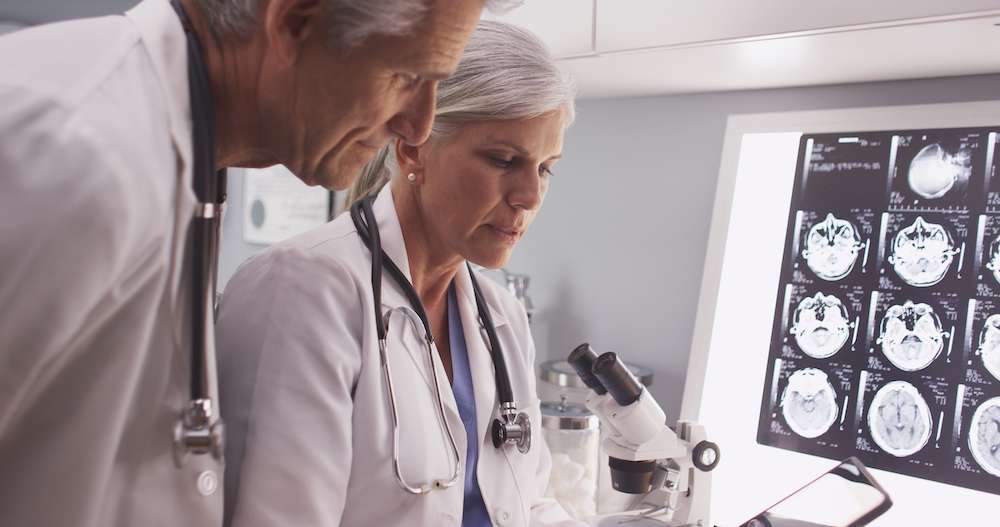
    In simple terms, neurotechnology has to do with mapping activity in the brain and stimulating the brain via magnetic pulses. Neurotechnology could allow a medical professional to examine the brain and determine which parts link to depression, then deactivate that area. 

    Although the idea exists, the implementation is a ways off. 

    “First, we need to better understand the neural circuits that are responsible for those kinds of mental states,” E.J. Chichilnisky, lead researcher in the Stanford NeuroTechnology Initiative, tells OZY. “In the future, the hope is that, rather than just hit a reset button, we can dialectically manipulate the system in order to put things in a better state.”

    But if it comes to the point where this type of neurotechnology is possible, it begs the question: just because we can, does that mean we should? 

    In his book The Hypomanic Edge, psychiatrist John D. Gartner points out that in some cases, those with diagnoses such as bipolar disorder actually experience benefits, too, and disabling that portion of the brain would rid them of those. 

    “Hypomania is a kind of sub-manic state where people with bipolar have an enormous amount of energy, confidence, drive and creativity,” Gartner writes. 

    While this type of neurotechnology does not yet exist, other helpful technologies could be closer to reality. According to OZY, a neural implant could one day help predict depression symptoms before they take hold. 

    Then there’s the technology that already exists, OZY points out, such as the mobile app 7 Cups which allows users to anonymously reach out for help via their phones.

    “People have 2,600–2,700 touches on their cell phones per day,” Arpan Waghray, psychiatrist and chief medical officer for Well Being Trust, tells OZY. “We now have a way in which we can continuously monitor for certain symptoms.”

    Despite the forward steps in technology, the future of mental health isn’t all focused there. In fact, going back to the basics continues to be vital for maintaining one’s mental health. 

    According to OZY, one example is getting good quality sleep. In 2007, founder of the Huffington Post Arianna Huffington fell and broke her cheekbone due to exhaustion. After the experience, she started Thrive Global, an organization that promotes a healthy lifestyle.

    “Chronic sleep problems are found in 50 to 80 percent of those seeking help for mental health issues,” Huffington said. “Sleep deprivation always predisposes us to rumination, to negative bias, to those things that, if they’re not arrested, become depression and anxiety.”

    For more information on these topics, check out OZY’s new podcast, The Future of X

    View the original article at thefix.com

  • Obama Administration Failed To Act On Fentanyl Crisis

    Obama Administration Failed To Act On Fentanyl Crisis

    Health experts reportedly urged the administration to declare a public health emergency during the drug’s rise in 2016.

    The Obama administration was warned about the spiking rates of fentanyl overdoses in 2016 but took no action, according to a report in The Washington Post.

    A group of 11 national health experts pleaded with high-level officials in the administration in an urgent letter to declare a public health emergency in response to the influx of new, extremely potent opioids on the illicit drug market. The letter addressed then-President Obama’s appointed drug czar and the chief of the Centers for Disease Control and Prevention (CDC).

    “The fentanyl crisis represents an extraordinary public health challenge—and requires an extraordinary public health response,” it read.

    The opioid epidemic had been ramping up for years, but new policies cracking down on the over-prescription of drugs like OxyContin and Vicodin could not properly combat the scourge of illegal fentanyl that was being shipped into the country from Mexico and China.

    Cities were now contending with mass overdose cases as street heroin became contaminated with fentanyl, making it many times more potent.

    The administration declined to act, according to the Post.

    Fentanyl is a synthetic opioid that is 50 times more powerful than heroin and is largely responsible for the spikes in overdose deaths from 2015 to 2017 that shocked the nation. In 2017, fentanyl was involved in nearly as many overdose deaths as heroin and prescription opioids combined.

    While the Obama administration did take some steps to address the increasing threat of opioids in 2016 and early 2017, any news over the dire warnings about the drugs was overshadowed by the unexpected results of the 2016 presidential election.

    By this time, fentanyl overdose rates had risen by 800% in the state of Maryland over the space of four years.

    In 2017, President Donald Trump declared the long-overdue national health emergency over the still-raging opioid epidemic. However, other than making the declaration, the Trump administration has taken little action on the problem, according to a 2018 report by the Government Accountability Office.

    While the CDC has issued new guidelines for prescribing opioid painkillers like OxyContin and increased funding for addiction treatment is beginning to see positive results, local police and hospitals are still struggling to cope with overdose cases caused by fentanyl.

    Unfortunately, those hit hardest by fentanyl are those with addiction disorders and chronic pain patients—many of whom turned to heroin as prescription opioids became harder to access as the government cracked down on opioids. The stigma of addiction has stood in the way of many individuals who need treatment. 

    Luke J. Nasta, executive director of the largest drug treatment facility on Staten Island, compared it to the AIDS epidemic of the ’80s.

    “There was a stigma about being gay,” he said. “There is also a stigma about being addicted to drugs. The entire society is suffering and the government can’t seem to get their arms around this epidemic.”

    View the original article at thefix.com

  • How Alcohol Can Harm People Who Don't Drink

    How Alcohol Can Harm People Who Don't Drink

    A new study examined the ways that alcohol can cause third-party harm.

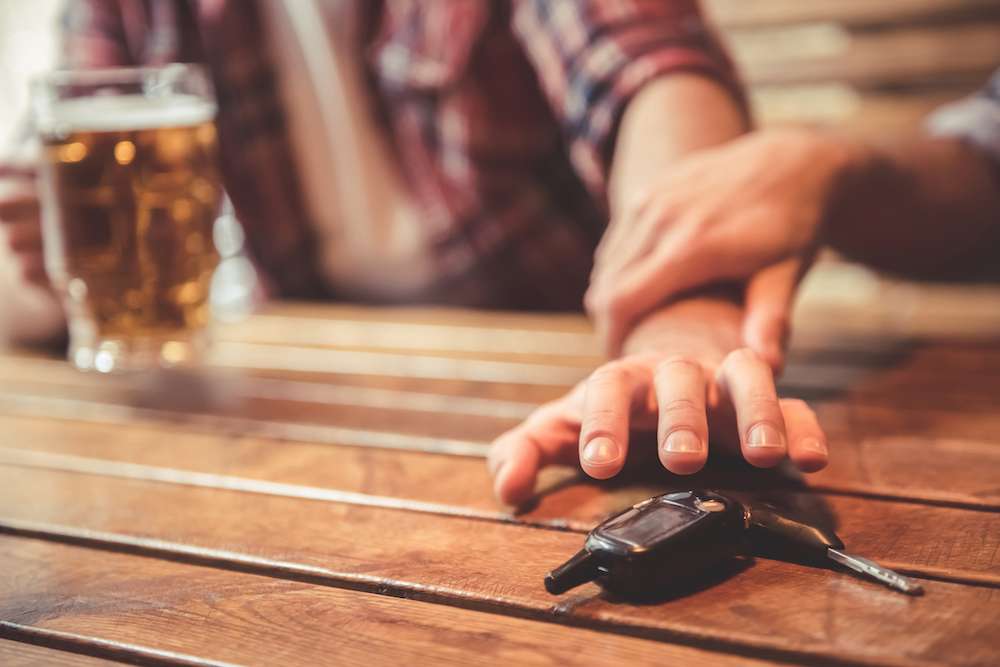
    People who don’t drink a drop can still be harmed by alcohol, according to a new study. 

    The study, published in BMC Medicine, looked at the health consequences of alcohol, even for people who don’t drink. The researchers found that through car accidents, physical assaults, and the effects of alcohol on pregnancy, thousands of people who do not drink are hurt or killed by alcohol each year in Germany.

    Although researchers looked at only one country, they say the study proves that alcohol can cause third-party harm or loss of life. 

    “These study’s estimates indicate there is a substantial degree of health harm to third parties caused by alcohol in Germany. While more research on harms to others caused by alcohol is needed to provide comprehensive estimates, the results indicate a need for effective prevention,” the study authors wrote.

    The authors took a fairly conservative approach to estimating the number of car accidents, violence and birth defects where alcohol was a contributing factor. They found that alcohol was involved in 45.1% of third-party traffic fatalities (this did not include drunk drivers who killed themselves).

    In addition, alcohol was estimated to be a factor in 14.9% of deaths caused by interpersonal violence. It also contributed to birth defects in nearly 3,000 babies born in 2014 alone. 

    “The harmful effects of alcohol on others need to be recognized as a public health problem in the same way as are the harmful effects on the drinker or the costs to society,” the study authors wrote. “The present findings of harms to others related to alcohol use during pregnancy, drunk driving, and interpersonal violence using the best available data reveal that alcohol may not only cause harm to the drinker but may also harm a substantial number of third parties.”

    The study authors pointed out that most research has focused on alcohol’s harms to drinkers, while other studies have focused on the financial cost to society. However, interpersonal harm from alcohol hasn’t been studied in depth because it can be hard to measure. 

    Although the authors focused on harms from three conditions that are relatively easy to measure, they pointed out that alcohol can also cause social harms that are more difficult to study. 

    “Sober people walking home at night may be harassed and injured by drunken pedestrians or may be attacked while attempting to separate intoxicated young people who are fighting,” they write. “Children may suffer problems caused by a drinking father or mother, and continued heavy drinking during pregnancy may severely harm the health of the newborn.” 

    View the original article at thefix.com

  • Does Gender-Based Violence Affect Opioid Misuse?

    Does Gender-Based Violence Affect Opioid Misuse?

    Many women who experience violence and other traumatizing situations use opioids to self-medicate, an expert suggests.

    Gender-based domestic violence plays a role in the opioid epidemic—as it relates to why women use opioids, when they access treatment, and how they are treated during overdose emergencies. 

    Writing for The Conversation, Nabila El-Bassel, professor of social work at Columbia University, said that just like women were at increased risk during the HIV epidemic because of domestic partner violence, they are at increased risk for opioid misuse today. 

    El-Bassel shared the story of Tonya, who used heroin when she anticipated being abused by her boyfriend. 

    “Tonya is only one of the hundreds of women I’ve interviewed for my research with similar stories in the span of my nearly 30-year career studying the links between intimate partner violence, sexual coercion, substance use disorders and HIV,” El-Bassel writes. 

    Many women who experience violence and other traumatizing situations use opioids as a way to self-medicate, just as Tonya did. Women who deal regularly with domestic violence often use opioids as a way to help control their emotional pain. 

    “Treatment must address the need for escape that these women seek,” El-Bassel writes.

    Yet, many women in abusive relationships have trouble accessing treatment. Partners—especially those contending with substance abuse themselves—will often undermine a woman’s attempt to get sober. This becomes yet another way that abusive partners exert dominance over the women in their lives. 

    “They can control their ability to engage in treatment, deny them potential sources of protection, and jeopardize the custody of their children to maintain control over them and, for some men, have women take care of them,” El-Bassel writes. 

    Women who are in abusive relationships often don’t feel that they can protect themselves by demanding safe sex or clean needles. Oftentimes, their partners don’t give them a choice in the matter. Because of this, harm-reduction strategies like needle exchange fail to help the most vulnerable, El-Bassel writes. 

    “Studies have shown that women are often physically or sexually abused when negotiating safe sex or refusing to engage in drug risk,” she said. 

    Alarmingly, it’s not just intimate partners who put women at higher risk for opioid abuse. Systematic gender biases also affect access to treatment, El-Bassel writes. She points to a recent study that found that women are three times less likely than men to be treated with naloxone during an overdose. 

    This “is likely due to their being devalued,” El-Bassel writes. “Emergency responders and police officers as well as family members and peers must be trained to overcome this gendered barrier and recognize signs and symptoms of overdose.”

    Overall, the treatment community needs to do a better job of understanding risk factors unique to women and providing interventions that work for this population, El-Bassel says. 

    “These issues must be changed if we are serious on addressing the opioid epidemic among women,” she writes. 

    View the original article at thefix.com

  • Alone in Sobriety: How I Deal with Dark Thoughts, Cravings, and the Urge to Isolate

    Alone in Sobriety: How I Deal with Dark Thoughts, Cravings, and the Urge to Isolate

    In the beginning of my sobriety, I went to meetings as simply a way of getting out of the house and not being alone. However, a cherished bonus—and one I was not expecting—was the feeling of being loved.

    I’m supine on my couch, peering through my bay windows. The eucalyptus tree gently waves, the sun bouncing off the greyish green foliage. Oh my, never really noticed that before, the way the sun hits the trees… almost looks like diamonds are attached to the leaves. I sigh at the beauty of the agate blue lake against the backdrop of pink hills. In my celestial reverie, I think: Ah, this is the life. I need nothing but my view, my books, and of course my oxys and chardonnay. Life is, um, well, perfecto! I don’t need anybody! Life is dope! Ha, ha, pun intended! 

    But as we all know, the nefarious love affair with our substances has to end—unless we’re recreational users. You know, the type that can indulge, but ends up moving on to smarter and better things—like careers, marriage, and kids.

    But the addicted end up with no such future; and our fate comes at a staggering cost: numerous rehabs, jails, hospitals, and sometimes the ultimate price, death. So, if we want any chance at a decent life, we end up doing a program like AA or NA, or we join secular self-help groups such as SMART, or depend on MAT (medication-assisted treatment such as a methadone or Suboxone program). Others get well through individual therapy or exercise or church. And of course (not to leave anyone out), there is that rarefied set that quit on their own—no help needed.

    Sobriety or Self-Destruction

    But the point is: we get better or we blow up our lives.

    I chose rehab, a Suboxone program (six-month duration, thankfully done), and AA meetings to get well. And now, things . . .are better. 

    In the beginning my sobriety was no fun at all: when I looked through those same bay windows at the same beautiful view, a huge dose of anhedonia would hit me. Who cares if it’s beautiful? I’d think, seamlessly segueing into darker thoughts like: What a loser you are, or aren’t you a little old to still be blowing up your life?

    But gradually (I can’t stress this enough), I recovered and those ugly thoughts subsided. I still have them, but nowhere near as bad. 

    They told me in early sobriety to “stop isolating” and be around people. I found this exceedingly hard because while using, I’d convinced myself that I was an unrepentant misanthrope. Well, when I got sober I realized I didn’t really dislike anyone, I was more afraid of folks. So, again gradually (they call it “slobriety”), I’ve lost my fear of people and have learned to socialize more. Even though I’m a loner by nature, I know that humans are social animals. At the very least, I am going against biology when I’m alone all the time. 

    Learning to Love 12-Step Meetings

    Meetings can be one way to escape isolation without having to be super cheerful or interesting. In the beginning of my precarious sobriety, I went to meetings as simply a way of getting out of the house. However, a cherished bonus—and one I was not expecting—was the feeling of being loved. During my many failed sobriety attempts years ago I scoffed at the “let us love you until you can love yourself” platitude—only because where I came from, love was almost always conditional. Image was everything and being a woman of propriety was paramount (never mind what happens behind closed doors!). 

    But finally I was so desperate to get well that I took love wherever it was freely given. And I was pleased to discover there is nothing wrong with getting unconditional love from random people—because eventually those random people became my friends.

    There are times when being alone is inescapable, and this is when my thoughts can get downright dark. But at least now I have tools to deal with them. I can do some cognitive therapy and challenge my thoughts: “Oh, come on! You are getting better!” Or: “Oh come on! You’re trying, give yourself a break.” If that doesn’t work, I get on my knees and pray.

    “God, please direct my thinking! Give me the strength to manage my life!” Even though I’m not sure I believe in God, I do it as a gesture of humility. And sometimes a calmness, a sense of focus, a clarification of the next “indicated step” presents itself, and I say a prayer of gratitude to the Universe for getting me out of my head and into action. 

    If the silence gets too deafening, I’ll call someone. To “get out of self,” I generally reach out to someone who may be having a harder go at it than me. Or sometimes I just do something goofy like turn on some old school rap like Too Short’s Shake that Monkey and just jam out like an oblivious white girl. My twerking leaves a lot to be desired, my butt is just too flat. But it’s remarkably good exercise.

    Fear, Rumination, and Acceptance

    Sometimes, I’ll force myself to sit with these dark thoughts: acknowledge my insecurities, my chaotic and destructive past, my fear of never measuring up. This last trajectory can be dangerous because it can immediately put me in an even darker mood that lasts for days where I end up ruminating in obsessive, sad, or angry loops that keep playing like a film projector that won’t shut off. 

    But I do believe that recognizing these dark corners of my psyche and accepting them, then coming up with a plan to negate any further damage by changing my actions to more positive and kinder ones is probably the best way to go. Because sometimes keeping busy in order to avoid thinking is like the old expression: brushing it under the rug. The dirt piles up in my mind, making me toxic.

    When I’m alone and the cravings for drink and pills get fucking intense, I’ll walk around the block like a demented person, or even worse: I’ll go to the smoke shop and buy one cigarette at a time. 

    When I have no social engagements and there are no meetings, self-pity can overwhelm me, my thoughts of loneliness so deep I’ll find myself obsessively checking my phone to see if anyone has texted. This is probably the hardest “alone” time there is, when you realize you’re alone because you have no one to be with. And I want to scream: “I know I fucked up! I know I acted the fool high! But I’m sober now and a totally different person!” Usually there is no answer from the heavens and I have to sigh myself into a grudging acceptance. 

    Remembering “This Too Shall Pass”

    Sometimes the only consolation for being sober is my stubborn refusal to get high no matter how lonely and sad I feel, and the knowledge that this too shall pass. And it always does. That day will surely come again where I’ll be outside, gazing at a gorgeous old Victorian home in the historic part of San Diego, or walking in the woods, or snuggled up with my hubby watching some improbably good show on Netflix, and I’ll say to myself: “I am, right now, presently, 100% good with the Universe.” A warm contentment will engulf me—much subtler than the synthetic euphoria of oxy. But it doesn’t matter because here’s the thing: I earned it, and that alone makes it a far more powerful and beautiful experience than drugs ever gave me.


    How do you handle the dark times in sobriety? Let us know in the comments.

    View the original article at thefix.com

  • Woman Sues To Continue Methadone Treatment In Prison

    Woman Sues To Continue Methadone Treatment In Prison

    “I am afraid for my life and my safety if the Bureau of Prisons withholds medicine that I know I need,” the woman said in court filings. 

    For Stephanie DiPierro, methadone has been a lifesaving treatment. It helped her get sober from an opioid addiction in 2005, and since then has helped her stay away from illegal opioids.

    Now, DiPierro is suing the federal prison system for her right to use methadone while she serves her sentence. 

    “Methadone gave me my life back,” DiPierro wrote in court filings, according to The New York Times. She said that without methadone, her life is at risk. “I will lose control of my addiction and I will relapse, overdose and die.”

    Next month, DiPierro, who has bipolar disorder and anxiety, is set to start serving a year-long prison sentence. However, she argues that the Federal Bureau of Prisons’ ban on inmates (other than pregnant women) using methadone amounts to cruel and unusual punishment. 

    In court filings she wrote, “I am afraid of what it will mean to lose my methadone treatment at the exact moment when I am put in the most anxiety-producing situation of my life. I am afraid for my life and my safety if the Bureau of Prisons withholds medicine that I know I need.”

    DiPierro is being represented by the American Civil Liberties Union of Massachusetts. ACLU staff lawyer Jessie Rossman says that in addition to being cruel and unusual punishment, denying DiPierro methadone treatment is discrimination. 

    “The Bureau of Prisons is denying her a reasonable accommodation for her disability, and also discriminating between different disabilities. Inmates with chronic conditions like diabetes are allowed to continue to take their medically necessary treatment,” Rossman said. “What’s now coming across loud and clear is that the standard of care to treat opioid use disorder is medication-assisted treatment, and it’s ineffective and unlawful to prevent individuals from accessing their treatment and medication for that disease.”

    Jails and prisons generally do not allow methadone. Some argue that this is because methadone is an opioid that can be diverted and abused, while others argue that it’s an arbitrary rule based on discrimination against people with substance use disorder. 

    Last year, Rossman represented a Massachusetts inmate who was looking to continue methadone treatment in county jail. A district court judge in Massachusetts issued a ruling that denying inmates methadone treatment is in violation of the Americans With Disabilities Act and the constitutional ban on cruel and unusual punishment.

    Former head of the Office of National Drug Control Policy (ONDCP) Michael Botticelli, executive director of the Grayken Center for Addiction at Boston Medical Center, told The New York Times that the ruling would likely set the stage for far-reaching change. 

    “One thing this ruling says is that, one way or another, either by legislation or by legal mandate, jails and prisons are going to have to do this,” he said. 

    View the original article at thefix.com

  • Demi Lovato Reflects On Recovery, "Mistakes" On Would-Be 7th Sober Anniversary

    Demi Lovato Reflects On Recovery, "Mistakes" On Would-Be 7th Sober Anniversary

    “I don’t regret going out because I needed to make those mistakes, but I must never forget that’s exactly what they were—mistakes,” Lovato said.

    Demi Lovato is making the most of her journey in recovery, and chose to celebrate rather than mourn what would have been her seven-year sober anniversary. 

    Us Weekly reports that Friday (March 15) marked what would have been that milestone for the singer and actress, if not for her frightening overdose last July that landed her in the hospital. 

    “Today I would’ve had 7 years sober,” Lovato shared on her Instagram story. “I don’t regret going out because I needed to make those mistakes but I must never forget that’s exactly what they were: mistakes.”

    “Grateful that AA/NA never shuts the door on you no matter how many times you have to start over,” she added. “I didn’t lose 6 years, I’ll always have that experience but now I just get to add to that time with a new journey and time count.”

    “If you’re alive today, you can make it back,” Lovato concluded. “You’re worth it.”

    Fans of Lovato appreciated the message and took the time to let Lovato know.

    “I‘m so proud of you,” one Twitter user wrote. “You have all my respect and I look up to you in every way possible.Thank you for giving us strength and showing us that it‘s ok to ask for help. You are the living proof that recovery is possible and that you can come back stronger than ever.”

    On January 25, Lovato shared that she was celebrating six months of sobriety after her hospitalization and treatment since the summer. 

    “Demi is doing great and is in a much healthier place,” someone close to Lovato told Us Weekly at the time of the celebration. “She is learning how to take care of herself better and put her needs first.”

    Since treatment, Us Weekly reports, Lovato has been putting effort into self-care. On March 7, after a breakup, she sent herself flowers and shared what the card read on her Instagram story.  

    “You’re beautiful, you’re loved, and you’re worthy of a happy and healthy life,” she wrote. 

    Lovato has been vocal about her recovery journey from substance use disorder and an eating disorder. Two years ago, on her five-year sober anniversary, Lovato shared another message on Instagram. 

    “So grateful. It’s been quite the journey. So many ups and downs,” she wrote at the time.

    “So many times I wanted to relapse but sat on my hands and begged God to relieve the obsession. I’m so proud of myself but I couldn’t have done it without my higher power (God), my family, friends, and everyone else who supported me. Feeling humbled and joyful today. Thank you guys for sticking by my side and believing in me.”

    View the original article at thefix.com

  • It's Never Too Late to Change: New Books by Writers in Recovery

    It's Never Too Late to Change: New Books by Writers in Recovery

    If stress has been dogging you and your bandwidth is low, it’s okay to turn off your gadgets so you can refuel. Pick up a book instead and indulge in some battery-free entertainment. Here are 4 faves, all by sober writers.

    Your nerves shot? Mine, too. Winter is a slog and I can’t wait for spring. When I can’t stand one more minute of worrying about the planet, polar bears, politics and hate, I still choose escape. But… instead of rum and cocaine, my go-to is a good book. So, if stress has been dogging you and your bandwidth is low, it’s okay to turn off your gadgets so you can refuel. Breaks from YouTube and the 24/7 news cycle can do wondrous things for the mind. I went radical this week and even turned off my cell. Twitter can consume me if I let it.

    This month I made time to curl up on the couch with my dog and disappeared into these gems:

    Never Enough: The Neuroscience and Experience of Addiction
    by Judith Grisel (Doubleday, Feb. 19, 2019)

    “My response to being overwhelmed by the deep void was to leap into it.” — Judith Grisel

    Judith Grisel writes about the grizzly years of self-destruction. Stories show the author at her messiest. In a decade, she’d consumed a cornucopia of substances; by age 23, she was a self-loathing mess.

    The strength of Grisel’s bestseller is her intimate knowledge about the nervous system and addiction. Grisel peppers the pages with unsettling anecdotes, but she does it sans self-pity. Like a journalist, she reports embarrassing and creepy things.

    “I ripped off stores and stole credit cards when the opportunity presented itself, I was still able to maintain, at least to myself, that I was basically a good person. To an extent, for instance, I could count on my companions, and they could count on me. I say to an extent, because we also knew and expected that we would lie, cheat, or steal from each other if something really important were at stake (that is, drugs).”

    I never tire of drunken-drugalogues, and Grisel doesn’t disappoint on that front. But telling these stories is not to shock or manipulate readers, nor is Grisel trying to prove she was “a bona fide addict.” Her purpose is to illustrate the bleak existence of those who cannot stop drinking and drugging.

    When Grisel “finally reached the dead end” where she felt she was “incapable of living either with or without mind-altering substances,” she sought help. After a 28-day rehab and months in a halfway house, she managed to pull her life together. After seven years of study, she earned a PhD in behavioral neuroscience and became an expert in neurobiology, chemistry, and the genetics of addictive behavior.

    This book doesn’t brag about having the answers, but shows what a sober neuroscientist has learned after 20 years of studying how an addicted brain works. She makes it easy to understand why it’s so difficult to get sober and maybe even harder to stay that way. It irks me when people say they never think about drugs or alcohol anymore. My first feeling is rage—probably because I’ve never experienced anything like that, despite working hard on myself during 30 years in recovery. Grisel refreshingly writes about the temptation that’s always there.

    Grisel’s writing communicates succinctly: “A plaque I later saw posted behind a bar described my first experience [with alcohol] precisely: Alcohol makes you feel like you’re supposed to feel when you’re not drinking alcohol.” In another passage, she quotes George Koob, chief of the National Institute on Alcohol Abuse and Alcoholism: “There are two ways of becoming an alcoholic: either being born one or drinking a lot.” Grisel is careful to explain so you don’t get the wrong idea. “Dr. Koob is not trying to be flip, and the high likelihood that one or the other of these applies to each of us helps explain why the disease is so prevalent.”

    When she writes about her experiences, it’s candid and clear, and it feels like she’s a friend and we’re chatting in a café. I found myself frequently nodding with identification—like a bobblehead on a car dashboard. It’s a fascinating, absorbing, satisfying book about addiction.

    Widows-in-Law
    by Michele W. Miller (Blackstone Publishing, Feb. 26, 2019)

    There was a huge turnout at The Mysterious Bookshop in downtown Manhattan on February 26. The event was the book launch of Michele W. Miller’s second novel, Widows-in-Law. Lawrence Block, the wildly successful, sober crime novelist, sat beside Miller in the role of interviewer, and he was as entertaining as ever.

    See Also: Lawrence Block: One Case at a Time

    Miller, a high-level attorney for New York City, said, “Widows-in-Law is about an attorney who dies suddenly in a fire, leaving behind a first wife who’s a streetwise child abuse prosecutor.” She then jokingly added, “who might resemble me a little bit.” That got a big laugh because many attendees knew that Miller had previously worked as a child abuse prosecutor.

    In a thick and endearing Brooklyn-Queens accent, Miller described the deceased’s second bride. “You know, legs up to the eyeballs…[a] gawgeous trophy wife.” Block jumped in with praise: “That’s the one that resembles you.” Miller blushed and said, “See? That’s why we keep him around for a hundred books. Another big laugh, another inside joke: throughout Block’s astounding career, the well-loved crime writer has churned out 100 books.

    Miller quickly regained her composure and got back to the novel’s setup: Emily is a 16-year-old from Brian’s first marriage, to Lauren. Shortly before Brian died in the fire, Emily moved in with Brian (and his new wife). Lauren hoped they could reel in the out-of-control teen.

    The Miller thriller works well. It’s a fast read with dramatic and believable scenes and dialogue. I wanted to dig deeper and find out how much of the novel was fictional. Many novelists write about the worlds they know. Miller agreed to one-on-one time to discuss the three badass women at the center of the story.

    “Emily’s mom Lauren is my main character. Her backstory includes being a homeless teenager during the 1980s and ‘90s,” Miller said. “Her parents were whacked on drugs so Lauren left. She stayed at a shelter on St. Marks. It’s an iconic recovery building in the East Village.”

    When I asked which parts of the novel are autobiographical, Miller paused, sucked in a deep breath, then let it out slowly.

    “Okay,” she said. “Here goes. I’m in my 30th year clean. I was a low-bottom heroin addict.” Miller’s past included a felony arrest for cocaine possession. She was facing 15 to life. To avoid spoilers, suffice it to say that explained why some of the scenes seemed so thoroughly researched.

    “The book touches on my experiences with jail, illegal after-hours spots, and the complete chaos of addiction,” said Miller, who is now the director of enforcement for the New York City Conflicts of Interest Board. “Basically, that means I’m the chief ethics prosecutor for the city.” She’s aware of the irony. Before getting clean, Miller ran in the same circles as hitmen, such as the infamous Tommy Pitera.

    “Yeah, we got high together,” said Miller. “People knew him as Tommy Karate because he was into martial arts. But it wasn’t until a book that I found out he was a brutal killer who cut people into little pieces. I was traumatized. We hung out, getting high. I don’t know why he didn’t kill me. I guess he liked me. Maybe because I was an accomplished martial artist?”

    Miller is proof of how much your life can change when you get sober. She’s lucky to have survived her druggy past that included hanging out with murderers. Lawrence Block said, “Michele Miller has had more lives than a cat, and they’ve made her a writer of passion and substance.”

    After you read Widows-in-Law, check out Miller’s first novel, The Thirteenth Step: Zombie Recovery (HOW Club Press, November 4, 2013). It’s another fast-paced doozy and a finalist in the Amazon Breakthrough Novel Awards. Kirkus Reviews wrote, “A humorous and surprising satire of both the zombie apocalypse and the culture of addiction… wholly original… satisfying…. The care taken in both characterization and prose earns the reader’s time. A well-written, thoughtful treatment not just of a popular literary trope but of a nagging social issue.”

    The Addiction Spectrum: A Compassionate Approach to Recovery 
    by Paul Thomas, MD, and Jennifer Margulis, PhD. (HarperOne, Sept. 4. 2018)

    Paul Thomas, MD, is board certified in integrative and holistic medicine and addiction medicine—he’s also in recovery.

    “Addiction isn’t about willpower or blame,” he said. “It’s a disease that, like many other conditions, exists on a spectrum.” The spectrum is about how severely you crave your substance of choice when you don’t have it. It’s about how serious your health consequences are. Death, of course, is the worst end of the spectrum.

    The Addiction Spectrum offers a system that bases the individual’s needs on where they are on the spectrum. Thomas offers seven key methods for healing, whether you’re active in addiction or already in recovery. “Doctors need a new approach to treating pain,” said Thomas. He mentioned the hazards of painkillers within the medical community, “My wife is a nurse and recovering opiate addict,” he said. 

    The book is about any addiction—alcohol, marijuana, opioids, meth, technology. Co-author Jennifer Margulis, PhD, is an award-winning science journalist who’s been writing books about children’s health for over 10 years.

    “Making love, eating delicious food,” said Margulis, “these activities release dopamine and make you feel good. There’s nothing wrong with wanting to feel good. But using heroin or abusing prescription opioids or even excessive computer gaming or binge eating will harm your brain. Too many young people think, ‘Hey, I’m just having fun.’ But there is nothing fun about dying from an overdose.”

    But what is it about right now that can explain the drug epidemic?

    “We’re animals, wired to avoid danger and seek pleasure,” Thomas said. “We scan for threats and have an immediate fight, flight or freeze reaction. We’re talking about dopamine and epinephrine (adrenaline) responses.”

    Margulis agreed: “with cell phone alerts, video games, 24/7 news and high stress from work or school, we are overloaded. We can become addicted to food, social media, cigarettes, and a bunch of other substances and behaviors.”

    Both Thomas and Margulis agree it is time to start looking at the root causes. Why is there an increase in mood disorders, fatigue, and addiction? The book answers so many questions and I learned a lot about how to treat my body and mind better. The writing style makes it easy reading—nothing too tough to get through and very practical.

    The most anticipated book on my list isn’t out yet, but I’ve been lucky enough to read a sample chapter.

    Strung Out
    by Erin Khar (HarperCollins|Park Row Books, Feb. 2020)

    Erin Khar’s much-anticipated memoir will hit the shelves in early 2020. It’s the story of Khar’s decade-long battle with opioids, but it goes even further by searching for answers. Why is it that some people can do drugs and stop, while others become addicted? She explores possible reasons for America’s current drug crisis and its soaring death toll. The CDC statistics are staggering. From 1999 to 2017, more than 700,000 people died from drug overdoses, and 400,000 of those died from an opioid overdose. This epidemic is devouring our nation.

    Khar’s writing beat includes addiction, recovery, mental health, relationships, and self-care. She also writes the “Ask Erin” column for Ravishly.

    For a decade, beginning at age 13, she kept her heroin use a secret from friends and family. When she was caught by her then-fiancé, she went to rehab and her book describes her harrowing withdrawal. Three years later, at age 26, she relapsed. Four months later, her using had dragged her to the bottom.

    Khar, who has written for The Fix, told me, “I’ve been clean from opiates for 15 years!” That’s an enormous achievement for any addict, and in that decade and a half, she’s completely changed her life.

    From Khar’s essay in Self magazine:

    “If you had told me 15 years ago that I would be a happily married mother, living in New York City, doing what she loves for a living… I would have laughed.”

    She hopes that her book will help shatter the stigma; stop the shaming. She describes its genesis: “I wrote the short story ‘David‘ for Cosmonauts Avenue. Agents contacted me about writing a memoir.” After reading her essays, and following her writing career, I’m eager to read a book by this heroine about heroin.

    Every one of these books is written by a sober writer. They are living proof that people’s lives can change at any time.

    Mine sure did.

    Do you have favorite sober authors? Please share them with us in the comments!

    View the original article at thefix.com

  • Johnson & Johnson Called Opioid "Kingpin" In Oklahoma Lawsuit

    Johnson & Johnson Called Opioid "Kingpin" In Oklahoma Lawsuit

    The lawsuit names the multinational company as a “top supplier, seller and lobbyist” for prescription opioids.

    Johnson & Johnson is being named as a “kingpin” of the opioid epidemic in the first big trial targeting opioid manufacturers, which is set to take place in May 2019.

    The lawsuit, brought by the state of Oklahoma, is naming the multinational company as a “top supplier, seller and lobbyist” for prescription opioids, according to a report by Axios.

    Although Purdue Pharma is the most commonly cited company associated with the opioid crisis, there are several other pharmaceutical companies being targeted by the many hundreds of lawsuits being brought to court by local governments as well as individuals.

    Johnson & Johnson, most often associated with baby powder and lotion products, is classified as a pharmaceutical company. 

    Prior to the Axios report, Johnson & Johnson came under fire when it was discovered that the brand’s baby powder contained asbestos. The company was ordered by a California judge on Wednesday to pay $29 million to a woman who sued based on the claim that the powder was a “substantial contributing factor” in the development of her terminal cancer.

    In addition to everyday home products, Johnson & Johnson “produced raw narcotics in Tasmanian poppy fields, created other active opioid ingredients, and then supplied the products to other opioid makers—including Purdue Pharma,” according to the report.

    The company also allegedly boasted about the high morphine content of its poppies, targeted children and the elderly in its marketing, and funded multiple “pro-opioid groups.” A brochure made by one of the company’s subsidiaries even claimed that “opioids are rarely addictive.”

    The lawyers representing Oklahoma in the upcoming case have asked a court to release millions of pages of Johnson & Johnson’s confidential documents to the public, based on the fact that the company has divested from the opioid business and therefore shouldn’t have to worry about losing trade secrets.

    “The public interest in this information is urgent, enduring and overwhelming,” wrote Oklahoma Attorney General Mike Hunter.

    Johnson & Johnson provided Axios with a statement in the company’s defense, claiming that it “appropriately and responsibly met all laws and regulations on the manufacturing, sale and distribution of APIs (active pharmaceutical ingredients) and the raw materials that go into them” and that its “actions in the marketing and promotion of these important prescription pain medications were appropriate and responsible.”

    The company claims that it accounted for “less than one percent” of the total market share for opioid medications.

    However, the Axios report points out that Johnson & Johnson made $1 billion in 2015 by selling the opioid Nucynta and $2 billion from the fentanyl patch Duragesic, which it still sells to this day.

    View the original article at thefix.com