Category: Addiction News

  • Opioid Prescriptions Drop Drastically In Ohio

    Opioid Prescriptions Drop Drastically In Ohio

    Ohio’s prescription drug monitoring program played a major role in the state’s success. 

    In Ohio, a state that has been ravaged by opioid addiction, the number of opioid prescriptions has decreased by 41% since 2012, according to new data. 

    “We all have a role to play in battling this public health crisis, and this continued downward trend in opioid prescriptions demonstrates that Ohio’s prescribers are making significant progress in their efforts to prevent addiction,” Governor Mike DeWine said in a statement reported by 13 ABC News.

    “When this crisis first emerged, prescribers were led to believe that opioids were not addictive, but we know today that is not the case. It is encouraging to see such substantial progress to limit opioid prescriptions to stop painkiller abuse and diversion.”

    The data was drawn from the State of Ohio Board of Pharmacy’s Ohio Automated Rx Reporting System, which monitors prescriptions being written and filled. The reporting system also showed that “doctor shopping” had decreased dramatically in the state—down 89% last year alone. 

    Steven Schierholt, executive director of the Ohio Board of Pharmacy, told the Sandusky Register last year that the prescription reporting system is an important part of monitoring the drug crisis. 

    “In order to fight our way out of this issue, we have to do so with the help of the prescribers,” he said. “There’s too much of a correlation between prescription drugs and illegal drug use to be ignored. Our goal is to provide physicians with the tools to be a part of the solution.”

    The monitoring system was established in 2006, but in 2015 it became mandatory for prescribers to use it. 

    “If you’re a prescriber you can check this system and see what controlled substance prescriptions a patient has been prescribed. That information makes for a better interact[ion] between pharmacy, doctor and patients,” Schierholt said. 

    He added that part of the reason the Ohio prescription drug monitoring program has been so successful is because it is easy to use. 

    “Now if you’re sitting with your physician she [can] see your [prescription] history with a click of button,” he said. “We know a doctor’s time is valuable and want to make it easy to check.”

    However, some data suggests that prescription drug monitoring is no longer an effective way to reduce overdose deaths, since many people have turned to illicit opioids as prescription pills become harder to access. 

    One study found that the opioid epidemic will continue to get worse if policy continues to focus only on prescription drug abuse. 

    “This study demonstrates that initiatives focused on the prescription opioid supply are insufficient to bend the curve of opioid overdose deaths in the short and medium term,” said Dr. Marc Larochelle of the Grayken Center for Addiction at Boston Medical Center in a press release. “We need policy, public health and health care delivery efforts to amplify harm reduction efforts and access to evidence-based treatment.”

    View the original article at thefix.com

  • Did #FacebookDown prove we’re all addicted to social media?

    Did #FacebookDown prove we’re all addicted to social media?

    Did #FacebookDown prove we’re all addicted to social media?

    Last week, Facebook and all of its associated products suffered an outage of up to fourteen hours. The largest global outage in the company’s history, it was blamed on a “server configuration change”. But more interesting than the fact a tiny server change could take out all of Facebook’s products was the global reaction that the outage caused. Fourteen hours is a relatively small time period, but users swarmed to Twitter for hours – outraged about downtime on Facebook, Instagram and WhatsApp.

    Global dominance

    If nothing else, the downtime of three of the world’s most popular internet services emphasised the fact that they’re all owned by one giant cooperation. Reactions to the downtime illustrated the reach of power that one single company has on billions across the globe.

    Facebook’s growing global dominance of the last 15 years is sometimes easy to forget, shadowed maybe by press stories which focus on issues like data protection and governance. However, episodes such as this outage bring it back into perspective with stark clarity; Facebook is an enormous and far-reaching organisation with an enormous global influence.

    One of the greatest ironies of the entire episode was that these companies owned by Facebook were all forced to go over to ‘other’ social media networks (aka Twitter) in order to communicate with their users. Facebook and Twitter have both contributed to an obsessive ‘need for knowledge’ and 24:7 news updates, so Facebook understood that if its many services were down, users would want to know why. And there was only one place to go – Twitter (oh how they must have laughed at Twitter HQ).

    An issue for the police?

    If there was one news story that really showed the impact the outage had, it was Australian news programme Sunrise reporting that Queensland Police were requesting people ‘stop calling in’ about the outage, explaining that there was really nothing they could do.

    As ludicrous as it seemed, this was at exactly the time that #FacebookDown, #InstagramDown and #WhatsAppDown were all trending on Twitter with social media users seemingly unable to talk about literally anything else.

    Over-reliance

    Of course, there was more than a little humour in all of this, but it does highlight one telling issue. It seems that for many people it feels their wellbeing is almost entirely dependent on the services that Facebook offer. Whether that be a small business owner who is reliant on Facebook marketplace, a social media influencer who relies on brand collaborations via Instagram for income; or someone who uses Facebook Workplace to communicate with their clients and team. Perhaps lessons could be learnt about being purely reliant on social media for your business, or indeed, life needs? After all, if one server blip can cause a fourteen hour outage then social media platforms are clearly quite fragile – especially when so many are owned by just the one organisation.

    Where do we go from here?

    Across a wide swathe of the press coverage, and on Twitter, there was plenty of tongue-in-cheek in the reaction to the outage and the issues it caused. But it definitely exposed an under-the-surface gnawing anxiety; a dawning realisation that we have all become very, very, dependent on social media, and that this dependency has come about in a worryingly short space of time.

    But there’s a bit of a step between being concerned about use of social media, and knowing how to go about fixing it. Maybe many of us are just in too deep to know where to start? At Time To Log Off, we have written extensively about the potential pitfalls of social media, and the addiction it can cause. We’re here to help.

    So, get in contact if you feel you could benefit from a digital detox, or check out our podcast or our books. With a bit of help to work on social media reliance maybe next time Facebook’s down (because there’s bound to be a next time), relief might be your overwhelming reaction; rather than panic?

    View the original article at itstimetologoff.com

  • Mama June Arrested On Drug Possession Charges

    Mama June Arrested On Drug Possession Charges

    The “Here Comes Honey Boo Boo” star is accused of being in possession of a controlled substance and drug paraphernalia.

    Reality television star June Shannon was arrested and charged with felony drug possession charges after an altercation with her boyfriend.

    TMZ reported that Shannon—also known as “Mama June” from the TLC series Here Comes Honey Boo Boo—was arrested last Wednesday (March 13) at a gas station in Alabama after an alleged confrontation with her boyfriend, Geno Doak.

    Shannon was arrested for felony possession of a controlled substance and drug paraphernalia, while Doak—who reportedly has a history of previous criminal charges—was arrested on charges of domestic violence/harassment, felony possession of a controlled substance and drug paraphernalia. According to TMZ, the drug in question was reportedly crack cocaine.

    According to the police report obtained by TMZ, police arrived at the gas station after receiving a call about a domestic incident involving Shannon and Doak. Upon arrival, law enforcement detained the couple, who were parked at the gas station, and while attempting to search Doak’s person, was warned to be careful. “I don’t want you to get sticked or nothing,” he reportedly told police, who reportedly found a hypodermic needle in his pocket.

    Shannon told police that she was the owner of the vehicle and, as TMZ noted, “claimed ownership of everything inside.” A search of the vehicle yielded another needle and a green pill bottle containing a white controlled substance. Shannon was found to have a glass pipe containing white residue on her person, and reportedly told police that the substance was crack cocaine.

    At some point after the arrest, Shannon reportedly called a towing company to retrieve her vehicle from police impound. TMZ posted an audio recording of the conversation, in which Shannon told the driver that she and Doak had been arrested for driving under the influence, and that police had found “nothing” in the car. The driver can be heard telling Shannon that the vehicle was “trashed.”

    According to the Daily Mail, Doak, 42, whose legal name is Edward Eugene Doak, has several criminal charges on his record. Court documents note a charge for felony burglary in 1996, for which Doak was sentenced to three years in prison, but only served three months.

    He was arrested again on felony theft charges in 2009, and was sentenced to 10 years of probation. While out on bail for the latter charge, Doak was involuntarily admitted to a behavioral health facility for “distress” and attempted suicide.

    In 2013, his probation was revoked after he pled guilty to felony criminal damage to property, and Doak received a four-year prison sentence.

    View the original article at thefix.com

  • Sega Pulls "Judgment" Video Game After Voice Actor's Cocaine Arrest

    Sega Pulls "Judgment" Video Game After Voice Actor's Cocaine Arrest

    Sega deleted tweets promoting the game, possibly preparing to remove the voice actor from the game entirely.

    Japanese actor Pierre Taki could be erased from his role in the video game Judgment after he tested positive for cocaine use. Somewhat ironically, his voice and likeness were used for the role of a yakuza crime boss.

    Sega is taking steps to distance itself from Taki, deleting all tweets promoting Judgment (titled Judge Eyes in Japan) and indefinitely halting further sales of the game, released in Japan in December 2018.

    The hold will continue until they decide what they should ultimately do about the big budget game that is already slated for international release later this year.

    “We believe that the arrest of Mr. Pierre, who is a performer of our product JUDGE EYES: The Testament of the Grim Reaper, is highly regrettable,” read a statement from Sega. “We have received arrest reports and are currently confirming the facts, but for the time being we have decided to refrain from shipping and DL sales of the product and posting of product HP etc. We apologize for any inconvenience caused to our customers and related parties.”

    Taki admitted to using a small amount of cocaine, which carries a penalty of seven years in prison in Japan. It is also likely to be a death sentence for his career.

    Disney Japan is replacing the actor as the voice of the snowman Olaf in the Japanese release of both the upcoming movie Frozen 2 and the already-released game Kingdom Hearts 3. His voice will be replaced in the latter with a pending software update.

    Seeing an actor or performer’s career come to an end from a single allegation of drug use is unheard of in the West, but it’s commonplace in Japanese media.

    In 2014, Aska, a member of the pop duo Chage & Aska, was arrested for possession of MDMA. Universal Japan stopped all sales of his (and his bandmate’s) music, and Disney Japan removed the group’s song and animated music video from all subsequent releases of a Studio Ghibli animated collection.

    All this has some speculating that Sega is gearing up to recast and replace Taki in Judgment as well. If so, it wouldn’t be the first time Sega replaced an actor in its games, having previously swapped out the voice and likeness of another actor in the re-release of the game Yakuza 4 following his own cocaine allegations.

    As of yet, there has been no official announcement of what they plan to do with Taki and Judgment.

    Fans of the game outside of Japan, who have anticipated Judgment’s international release later this year, await news of a probable delay.

    View the original article at thefix.com

  • Bam Margera's Family Reportedly Admits Star Into Treatment Facility

    Bam Margera's Family Reportedly Admits Star Into Treatment Facility

    After a series of irate videos hit the internet, family members are reportedly helping the Jackass star receive mental health treatment. 

    After a 10-day stint in treatment earlier this year, family and friends have now reportedly committed former Jackass star Bam Margera into a behavioral health facility. 

    Concerns about Margera stemmed from recent Instagram videos in which he ranted about his wife, Nicole Boyd, Philly Voice reports. The videos have now been removed from his account.

    Then, according to the Philly Voice, another video came to light of Margera threatening his manager and refusing to attend his appearance at a comedy club in New York.  

    TMZ reports that while entering treatment has to do with alcohol use, family and friends also believe Margera may have a personality disorder as well. 

    Earlier this week, Margera’s sister-in-law Kelly Margera posted on Instagram asking for prayers and support during this time. Margera’s wife also shared the post. 

    “Addiction is a scary and complicated disease. A family disease,” Kelly’s post reads. “Giving and receiving help is a process that is not always easy to navigate. What our family needs right now are not your words, opinions, IG comments and Facebook shares. We need your prayers, prayer is a powerful thing, and until you’ve walked in our shoes on this journey with us, you have no idea.”

    Margera has been to treatment three times previously, according to Pop Culture. In the past, he has talked about the death of his co-star Ryan Dunn and how that has played a role in his drinking.

    “I have spent enough time grieving over Ryan Dunn through alcohol,” Margera previously stated. “I’m 39 years old, the party is over. I don’t plan on drinking anymore. I have wasted too much time at the bad and all my friends who needed decades of help are now all sober. I would like to join the sober parade.”

    Margera has reportedly been sober on and off, and even shared a video of himself ending seven months of sobriety at one point, Pop Culture reports.  

    As Margera enters treatment, two of his previous co-stars on Jackass, Brandon Novak and Steve-O, are celebrating milestones in their own recovery. Both have struggled with substance use disorder. 

    Novak took part in in-patient treatment 13 times before getting sober, Philly Voice reports, and he spoke at a drug court graduation recently. 

    Steve-O celebrated 11 years of sobriety on Monday, March 11 and commemorated the occasion on Instagram.

    “Eleven years clean and sober today, and I couldn’t be more grateful… Thanks to everyone who wished me a “happy birthday”!” his post read. 

    View the original article at thefix.com

  • Today I Celebrate My Brother's Suicide

    Today I Celebrate My Brother's Suicide

    My brother passed away from suicide seven years ago today. Without realizing it, he taught me that you never know what someone else may be going through, so I try to be kind.

    My brother passed away from suicide seven years ago today. It was a day I will never forget. I miss him very much and at times I am still overwhelmed with grief and sadness. When I think about him, warm tears instantly well up in my eyes and roll down my cheeks.

    But not today.

    Typically, those feelings catch me off guard: a song, a memory, a family event where for me his absence is always felt. Or a wedding or the birth of a baby, events that bring so much joy, yet I always remember that he will never experience two of life’s greatest moments.

    But I am prepared for today and what it means to me.

    The American Foundation of Suicide Prevention states that suicide is the tenth leading cause of death in the USA. The World Health Organization estimates that each year approximately 800,000 people die from suicide, which accounts for one death every 40 seconds. Some sources predict that by 2020 that will increase to one death every 20 seconds.

    These deaths are our sons, daughters, moms, dads, brothers, sisters, aunts, uncles, friends, neighbors, and co-workers. And in the approximately six minutes it takes you to read this article, nine people will have taken their life. Nine families will very shortly feel a pain like no other, their lives changed forever.

    The last time I saw my brother is etched forever in my mind.

    On December 3, 2011, I was driving to my mother’s house after work to pick up my family. Everyone was taking me out for dinner for my 43rd birthday, which was the next day. Our brutal winters typically start early in Alberta, slowing everything down; the roads weren’t the best. I was running a little late and was doing my best to hurry since we had a reservation at a nearby Italian restaurant at 6:30.

    I pulled up to a big snowbank in front of Mom’s house and honked the horn, once, twice and no one came. I jumped out and hurried through the front door, calling “Guys, c’mon, we’re going to be late.”

    “Surprise!!” they all yelled, my brother’s dog Yuma barking his welcome and running over to the door. And from behind the couch popped my brother Brett, holding a cup of coffee. “Surprise,” he said.

    We were not going out for dinner at all. I took in the beautifully decorated room and a couple of bags of gifts and smelled the sweet aroma of dinner filling the air. My sons Rick and Ryan looked so proud, beaming as they had managed to keep the party a complete secret. My mom had very obviously taken a great deal of effort to plan this evening, serving up salad and homemade lasagna.

    I was overwhelmed and grateful. I hadn’t seen my younger brother more than a handful of times over the previous five years and my sons had seen him even less. Since childhood, my brother had been my greatest friend, my confidant, the one who was there; the one I could always count on. Always. And vice versa.

    But sadly, things changed during our adulthood as he struggled with alcoholism and more severe mental health issues. I understand his illness so much better now. But back then, I had to set a healthy boundary between us, not because I gave up on him or didn’t love him, and not because I didn’t believe he could get well. My heart just couldn’t take the pain anymore of watching him self-destruct. He wasn’t sober much during those last years, so my love and support was from a safe distance.

    Once the meal was over at my mom’s, I sat on the floor and put on my party hat. Brett snapped a picture, then handed me a blue gift bag. Inside was a little rock.

    “It’s for peace and luck,” he said. “The other thing is kind of a joke.”

    As I pushed back the tissue paper, I found a black coffee mug with the familiar logo of a topless mermaid. I didn’t know what exactly he meant by “joke.” A reminder of our beautiful walk a couple of years earlier when he had been sober for a few months and we met at Starbucks? Or a nod to all those daily coffees we used to share on my front porch when we would just sit and talk and talk? Or was it just his funny way of letting me know that he knew I hated his habit of drinking coffee all day and late into the night, keeping him from sleeping. That is just a small example of me trying to give him advice that he never took.

    Maybe the mermaid mug was all those things—I didn’t care. My brother knew me and I knew him. How much joy you can get from such a simple gift; I love and cherish that mug and drink my morning coffee out of it even today.

    “Thanks,” I said with a warm smile.

    I reveled in seeing my sons, almost 19 and 21, interacting with their uncle, talking, laughing, and sharing what was going on in their lives. Watching Ryan and Brett side by side warmed my heart. Memories of our once-happy family filled my mind. How close Brett used to be with his nephews.

    As I sat and watched them, I felt a complete sense of pride and love. Ryan was taking Power Engineering at college, following in the career path of his uncle. Brett was showing Ry different websites and telling him all about the different engineering plants, which ones are better, what each has to offer. My heart melted for so many reasons. My brother’s addiction and struggles had caused him to miss years of my sons’ lives, but when I sorted through the pain, the destruction, and everything that we had all been through, I realized it had not changed how much they loved him. I hope he knew that. And he loved them, too.

    That cold, snowy evening ended as usual—a hug, a kiss on the cheek.

    “I love you,” I whispered in my brother’s ear.

    “I love you, too,” Brett replied to me, like a thousand times before.

    I never saw my brother again.

    Just after 3 a.m., on March 19, 2012, I was awoken by my husbands’ words, “Jodee, I think someone is here.” I still remember seeing the four black pant legs with yellow stripes on the doorstep as my husband opened the front door.

    My brother had taken his own life.

    My brother died 2,555 days ago today. But whereas others have moved on with their lives, I am one of the few left counting. Please don’t get me wrong, I am glad others have moved on. He would be glad too. But my life and how I see it has changed forever.

    My brother’s death taught me so much: I try to remember to cherish life every day, to be open-minded, empathetic, and understanding, and to tell the ones I care about that I love them. I strive to not be bitter and angry as those emotions serve no purpose other than to break my spirit. I work hard to remember that not everyone has the same opinion, that we all experience life and the circumstances surrounding it differently. So, I never get argumentative when others do not agree with my perspective. They have not lived my life, nor I theirs. Without realizing it, my brother taught me that you never know what someone else may be going through, so I try to be kind.

    Because of my brother and his absence, today, more than any other day of the year, the beauty of life is fresh in my mind.

    I will not spend today crying. It doesn’t mean that I don’t wish he was here, or that I don’t love him. It doesn’t mean I’m not feeling an underlying sense of sadness.

    But I have chosen today to be on a cruise with my husband of 28 years and two of our greatest friends, all of whom I love very much. Today, I will breathe the fresh Caribbean air; I will swim in the ocean and feel the warmth of sunshine on my face. Because of my brother, I remember how precious life is and you can’t take any day for granted. You never know what tomorrow may bring.

    Today, I celebrate life.

    Today, I celebrate everyone who has lost their lives to suicide and the families who loved them.

    Today, my sweet brother, I celebrate you.


    In loving memory of Brett John Tisdale, September 15, 1972 – March 18, 2012

    If you or someone you know needs help, call the National Suicide Prevention Lifeline at 1-800-273-TALK (8255) or Text HOME to 741741. If you think someone is in immediate danger, do not leave them alone, stay with them and call 911. Read about warning signs for suicide and more at mentalhealth.gov.

    View the original article at thefix.com

  • Staying in Rehab:  How to Encourage Someone to Remain in Treatment

    Staying in Rehab:  How to Encourage Someone to Remain in Treatment

    One thing is certain.  We’ve never heard an addiction treatment professional claim that overcoming addiction is easy.  They admit that recovery from addiction takes a strong determination to succeed combined with a large measure of patience and hard work.  In fact, staying in rehab for the full duration of the program is the only way to achieve lasting recovery.  So, why do so many people leave rehab before the program ends? And, what can be done to convince them to stay?

    Why Does Someone Leave Rehab Early?

    What does it mean when we hear that someone has left rehab early?  Usually, it means they have abandoned treatment within 30 days or less.  Although some treatment programs are limited to 30, 60, or 90 days, studies show that the longer a person remains in rehab, the stronger they become in their ability to stay sober.

    When a person enters treatment for addiction, it’s essential that they understand that it is not okay to leave whenever they want.  This doesn’t mean rehab is like jail. Patients can leave when they want, but they are at risk of relapse. The purpose of rehab is to teach a person coping skills and effective methods for avoiding relapse.  It is a process of specific evidence-based classes, activities, and training, all of which take time. Leaving the program too soon prevents a person from finding out that they actually could have succeeded in recovery.

    Some of the reasons people give for leaving rehab early include the following:

    • “I can’t stand being away from my family and friends.”
    • “I went through detox, so I’m cured.”
    • “The people don’t understand me.”
    • “They make me work too hard all day.”

    Unfortunately, many addicts leave rehab within the first two or three days. They make promises, beg, plead, and threaten or anything else they can think of to convince family members to come to rescue them from this bad place.  If they leave and suffer a relapse, they claim rehab doesn’t work. It’s a cycle that is repeated far too often today.

    Staying in Rehab Can be a Lifesaving Endeavor

    Many addicts leave rehab and wind up in the morgue.  It’s a harsh fact to face, but far too often, these individuals left treatment and overdosed within a few weeks. This is especially true for opiate or heroin addicts. In fact, more than 70,237 drug overdoses were reported last year. Staying in rehab could have prevented these needless deaths.  

    So, what could have convinced those individuals to remain in treatment for the duration?  Here are a few things that would have helped:

    • Personal EngagementFamily and friends should encourage their loved one and help them take personal responsibility for their success.  The addict must be convinced that leaving rehab is a self-defeating decision that could put them at risk for severe consequences.
    • Facility Engagement – It may be that the program is not meeting your loved one’s needs. Talk to the counselors about making some changes, or you may need to find another facility if necessary.
    • Family Involvement – Many facilities allow family members to spend time with their loved while in treatment.  They also offer family counseling which can have a significant impact on how the recovering person stays on track after leaving rehab.
    • Individualized Programs – If the patient is allowed to take part in planning his or her treatment plan, they feel more motivated and involved.  Helping choose their own path to recovery inspires a person to succeed.

    If a loved one calls and begs you to get them out of that place, it will be hard to say no.  But, remember, all addicts are skilled liars and manipulators. They are only thinking about how they feel at that moment.  What they need to focus on is their future. And, learning to focus on the future is something they would learn in rehab if they stay.

    Finding the Right Rehab is Part of the Solution

    Not all rehabs are created equal, some are great, some are terrible.  When a person finds the right rehab, one they can trust, they are more likely to remain in treatment.  It’s difficult for some addicts to realize that recovery is not a destination; it is a journey they will remain on for the rest of their lives.  That’s why it’s important to gain the skills that will prove valuable in the process.

    If your loved one is having trouble staying in rehab, give us a call.  We can recommend a program that works and that your loved one will feel comfortable attending.

    Resources:

    drugabuse.gov – Treatment Approaches for Drug Addiction

    drugabuse.gov – Drugs, Brains, and Behaviors:  The Science of Addiction

    cdc.gov – Drug Overdose Deaths

    View the original article at bestdrugrehabilitation.com

  • How to Find Adolescent and Teen Rehabs Near Me

    How to Find Adolescent and Teen Rehabs Near Me

    Though signs and consequences of substance abuse are similar between teens and adults, there are adolescent rehabs that specialize in the specific emotional and intellectual needs of teenagers.

    Undergoing a search for the right treatment center for a teenage child is a more common journey for parents than previously thought. In 2016, four percent of adolescents between 12 and 17 years old had a substance use disorder and approximately 180,000 adolescents between 12 and 17 years old were treated at a treatment center for substance abuse. The growing epidemic of opioid misuse is exponentially impacting teens with every passing year.

    Though signs and consequences of substance abuse are similar between teens and adults, there are programs that specialize in the specific emotional and intellectual needs of teenagers.

    Receiving treatment with peers of the same age can foster a safe and supportive environment for adolescents that can nurture long-lasting friendships and a support system after treatment. Searching for the right treatment for your teen can be overwhelming and terrifying. There are so many options that can be tailored to meet your child’s treatment needs.

    Experimentation or Addiction?

    Before beginning a search for a adolescent rehab or treatment center for your teen, it is recommended to first learn what substances your teen is using, the degree of the use and if there are signs of addiction or chemical dependency. There is a difference between experimenting with substances and being addicted to them.

    Addiction is when your teen is no longer using and abusing a substance occasionally but now physically needs to use it and depends on its use. Like adults, healthy, smart and high functioning adolescents are susceptible to drug addictions. By knowing the signs and symptoms, parents can look out for red flags in their teens’ behavior before misuse evolves into addiction.

    In addition to a drug test that will give you clear evidence of substance use, observing sudden changes in your teen’s behavior as described in the following list will give you an idea if your child is abusing drugs or alcohol and has become addicted. It is normal for teens to experience fluctuations in mood and disposition. A consistent pattern of unpredictable behavior may indicate that your teenager has a substance use disorder.

    Different substances can produce different changes in behavior. Behavioral changes that indicate ongoing misuse or addiction include:

    • Changes in sleeping and eating: A change in appetite is often one of the first signs of substance abuse. Depending on the type of substance being used, your teen’s appetite may either increase or decrease. If your teen frequently smokes marijuana, she may want to eat more frequently or increase her portion. If your teen is abusing stimulants, there might be a sharp decrease in appetite. Extreme changes in sleep patterns like staying up all night or sleeping for long periods during the day may also be an early sign of substance misuse or addiction.
    • New friends and neglecting long-lasting friendships and social circles: Teenagers struggling with addiction may change friends and no longer socialize with friends they have known for a long time. They may stop spending time with old friends in order to hide their substance use and create new relationships with those who also use drugs or alcohol. Other changes in behavior include breaking curfew and lying about their location.
    • Neglecting personal grooming and hygiene: Teenagers are known for being overly conscious about their appearance, wardrobe choices, and overall look and hygiene. Teens who are using or addicted to drugs and/or alcohol often neglect personal hygiene, may shower less, and lose interest in style and clothing.
    • Frequently asking for money: Teens with a substance use disorder tend to ask for money without communicating a reason. They may also be secretive about spending habits. A common behavior for both teen and adult addicts is to ask regularly for small amounts of money or lie about how much they need for a necessity so they can keep the extra money.

    Other signs of substance abuse and addiction include:

    • Increased anger and aggression and getting into conflicts.
    • Receiving disciplinary action at school.
    • Signs of antisocial behavior and withdrawing from family and friends.
    • Skipping classes and neglecting school work which result in a drop in grades.
    • Losing interest in hobbies and after school activities and sports.
    • Finding drug and alcohol paraphernalia like pill bottles, pipes, needles, liquor bottles.

    Specific Signs of Substance Abuse in Teens

    Though signs of abuse and addiction are similar regardless of the substance, there are some drugs that offer specific warning signs:

    Marijuana: Symptoms of ongoing marijuana use include excessive sleep, overeating, weight gain, loss of motivation, decreased interest in hobbies and activities, red and glassy eyes.

    Depressants (Examples include Xanax, GHB, and Valium): Symptoms of the abuse of depressants include blurry vision, drunk-like behavior, clumsiness, difficulty concentrating, slurred speech, sleepiness and poor judgment.

    Stimulants (Examples include cocaine, amphetamines, crystal meth): Symptoms of the abuse of stimulants includes hyperactivity, dilated pupils, irritability, euphoria, excessive talking, anxiety, going long periods of time without eating or sleeping, dry mouth and nose.

    Opioids (Examples include heroin, morphine, codeine, fentanyl, oxycodone also known as OxyContin, Roxicodone, or Percocet, hydrocodone also known as Vicodin, Lortab, or Norco): Symptoms of opioid abuse include contracted pupils, wearing long sleeves and long pants even during warm weather to hide marks from injecting, excessive sweating, coughing and sniffling, sleeping at unusual times and nodding off, twitching, loss of appetite, noticeable elation or euphoria, slowed breathing, constipation.

    Hallucinogens (Examples include PCP and LSD): Symptoms of the abuse of hallucinogens include dilated pupils, aggression, frequent mood swings, bizarre and irrational behavior, paranoia, hallucinations, slurred speech, confusion, absorption with objects or self, detachment from others.

    Inhalants (Examples include aerosols, glues, and vapors): Symptoms of the abuse of inhalants include loss of memory, interrupted thought, watery eyes, frequent headaches, nausea, secretions from the nose, rashes around the mouth and nose, poor muscle control, anxiety, drowsiness, drunk-like appearance, drastic change in appetite.

    How to find a residential adolescent treatment program

    Once parents have identified that their teens have a substance use disorder, it can be daunting to know where to begin to find treatment. Your child’s pediatrician and school counselor may help navigate available options. A drug treatment professional can help diagnose your teen’s drug use or addiction and suggest the most effective treatment approach. Every adolescent is different and so is their treatment plan. What may work well for one teen might not be the most effective journey for another teen.

    Though outpatient rehab has benefits, some experts recommend that inpatient treatment is the best, most effective course of treatment for teens.

    Residential treatment usually entails staying in a facility that offers both treatment and accommodations onsite, for 28 to 90 days or longer. During that time, the teens take part in group and individual therapy to identify the underlying causes of addiction, discover negative beliefs and issues that led them to drug use, and build tools and skills that will help them remain drug-free after treatment.

    The idea of residential treatment for adolescents can be scary for parents. Most inpatient facilities have family days where family members are encouraged to participate in therapy sessions. Residential programs that cater to teens are designed to stabilize them so they can be reunited with families as soon as possible. The most effective programs collaborate with families and ensure families feel like they are an active part in their child’s treatment.

    While in treatment, teens will live in an environment that supports sobriety and offers them structure and protection from the temptations of the outside world. Adolescent residential treatment programs are located throughout the country. There are also residential treatment programs that accept both adults and teens. Your family may prefer to find a program close to home while others may opt for a program further away from their teen’s daily life and routines.

    Aside from insurance coverage, deciding on where to admit your teen and how far to travel depends on many considerations. Does the treatment center allow visitations after a certain time? Will you be able to travel to that facility easily? Research has shown that out of state facilities can benefit patients because it decreases the chance of a patient leaving early.

    What happens in residential treatment?

    Before a teenager enters a residential rehabilitation program, they are evaluated by staff during detoxification to determine the best course of treatment. An individualized course of treatment depends on what substances the patient is addicted to. Often teen clients are addicted to more than one drug or they use drugs and alcohol. In these instances, treatment professionals craft a poly-substance dependence treatment plan.

    All clients in an adolescent treatment program should be treated as individuals with their own specific circumstances and have a written treatment plan that includes specialized care for dual diagnosis and co-occurring disorders to meet their needs.

    Since teens are especially vulnerable to the lasting dangers of substance abuse because their bodies and brains are still growing and developing, adolescent clients in treatment go through a particular order of steps to overcome their addiction which includes:

    • Detoxification with assistance from medications if necessary
    • Commitment to cooperate with counselors during treatment
    • Have co-occurring conditions assessed and diagnosed
    • Monitoring and re-adjusting treatment plans
    • Making sure a teenager does not have a relapse during treatment
    • Attending one-on-one and group counseling sessions
    • Attending daily mutual aid meetings such as Alcoholics Anonymous
    • Counseling sessions with relatives and friends
    • Making aftercare plans for after residential treatment
    • Having follow-up treatment plans after leaving a facility

    Types of Counseling Offered

    Counseling sessions for teenagers are held in both group and one-on-one settings. Eventually, parents, siblings, and friends also attend counseling sessions to help a teenager adjust to returning home or to school. Teens undergo several types of therapies in order to change their mental attitude when it comes to drug and alcohol use.

    Some of the therapies include Motivational Interviewing (MI), multidimensional family counseling, Cognitive Behavioral Therapy (CBT) and motivational incentives.

    Teenagers seeking detox and rehabilitation may also have co-occurring conditions that make treatment more complex. Some of these conditions include panic, social, and generalized anxiety disorders, bipolar disorder, dysthymia and depression, attention deficit and hyperactivity attention disorders and more serious mental illnesses like schizophrenia.

    While in treatment, a teenager may need medications, treatment, and counseling for both their substance use disorder and co-occurring mental health conditions. When a teenager has a co-occurring disorder, a rehabilitation program will probably need to last longer. Clinicians will monitor and adjust a teenager’s medications carefully in order to help them overcome their addiction while also treating a mental illness or mood disorder.

    What to look for in an inpatient treatment facility

    The most important factor when choosing a rehab center for your teen is knowing that the center chosen will effectively provide the services necessary for a successful rehabilitation. It is important to attend any scheduled visitations, and while in the facility, take note of how your child appears. For example, does your teen seem comfortable and do they appear to feel safe. Not all treatment centers may value making a profit over the best interest of your teen. To ensure the safety and well-being of your teen, here are certain characteristics in residential treatment programs you should look for before admitting your child:

    • How long is the residential treatment program?
    • Is the facility fully licensed? The federal law requires facilities that provide any type of treatment, including detox, therapy, treatment planning and rehabilitation, to be licensed.
    • Is the facility accredited by CARF? CARF, the Commission on Accreditation of Rehabilitation Facilities, assesses treatment centers to determine the level of care they can administer. When a program has CARF accreditation, it means the rehab center has been assessed and meets the high standards of care requirements.
    • Is the staff professional and well trained? When visiting potential rehab centers for your teen, it is important to pay careful attention to the treatment provided by the staff and how they interact with clients. Are clients comfortable with the staff? Does the staff exhibit genuine concern for the well being of their clients? Do clients appear to be comfortable and safe around the staff? Does the facility conduct background checks on all staff members including support staff? What credentials do the therapists and treatment professionals have?
    • What is the facility’s success rate? When interviewing potential rehab centers, make sure to ask about their success rate. Generally, the higher the success rate is, the better the outcome may be for your teen.
    • What condition is the facility? The facility should be clean, well-organized and have appropriate living quarters. What are the living and sleeping arrangements?
    • What are the amenities? Amenities can include gym and exercise, recreational activities, off-site trips and events. Is there a gym and exercise program? A media center and access to the Internet?
    • When in the day do clients receive schooling? Are computer and access to the Internet available for educational purposes only?
    • What is the facility’s rules for personal cell phone and device use?
    • What are meals like? Are high sugar snacks restricted?
    • What is a typical schedule for clients? What time is lights out?
    • How often can families visit and speak with a client? What are visitation hours?
    • How do you include families in a child’s treatment?
    • How will the facility communicate with parents and how often?
    • Will you be kept up to date regularly about your teen’s recovery?
    • Is the program teens only or are adults clients also admitted? It’s important that an inpatient treatment facility is able to cater to teens’ evolving emotional and intellectual needs and the professional staff understand how to care for an adolescent who in undergoing rapid hormonal changes.
    • How will this program support my teen’s schooling? Parents are concerned if a long term residential treatment program can cause a teen to fall behind in school. Usually residential treatment programs for teens will offer tutoring and assign curriculum based classes and assignments.
    • What aftercare is provided? Many inpatient treatment programs will have aftercare which means they offer groups and resources for patients who have been released from inpatient care so they can continue to receive treatment and therapy while returning to their lives.

    Covering The Cost Of Your Teen’s Rehab

    In 2014, the Affordable Care Act impacted the way in which most insurance companies approach mental health and substance use treatment. They are now legally required to offer coverage for these issues. However, it’s important to note not all policies are the same, especially when it comes to mental health care.

    Before moving forward with deciding on a residential adolescent rehab, first speak with your insurance provider to determine if your child’s treatment will be covered. Many residential treatment centers accept insurance, but some insurance policies do not cover the cost of addiction treatment or may not cover out-of-state treatment. When you have determined that your teen will qualify for insurance coverage, you can then identify a rehab center that accepts your insurance. If a residential program doesn’t accept insurance or your insurance doesn’t cover addiction treatment, ask if the program offers a sliding scale fee that’s contingent on your income.

    View the original article at thefix.com

  • How Do I Find a Mental Health Rehab Near Me?

    How Do I Find a Mental Health Rehab Near Me?

    The coexistence of mental illness alongside an addiction or chemical dependency is known as a co-occurring disorder or a dual diagnosis. Co-occurring disorders may require specialized treatment in a mental health rehab.

    Are There Rehabs for Mental Health?

    Many who struggle with substance use disorders also meet the diagnostic criteria for one or more psychiatric disorders. Those struggling with drug or alcohol addiction, or an eating disorder are also commonly found to face an anxiety disorder, bipolar disorder, depression, personality disorder or schizophrenia.

    The Correlation Between Mental Illness and Substance Misuse

    The coexistence of mental illness alongside an addiction or chemical dependency is known as a co-occurring disorder or a dual diagnosis. Co-occurring disorders require a specialized approach to therapy and a highly individualized plan that can evaluate and treat both problems. Unless clients receive treatment that target both their mental illness and addiction, they will more than likely leave treatment prematurely or relapse quickly.

    Co-occurring disorders are more common than you might think. The Substance Abuse and Mental Health Services Administration (SAMSHA) recently found that just under eight million adults in the United States had co-occurring disorders.

    According to the National Alliance on Mental Illness, the problem is extremely common. About 33 percent of individuals with a mental health illness also struggle with substance abuse. Nearly half of those with a severe psychiatric disorder like bipolar disorder or schizophrenia also struggle with addiction. Over 33 percent of alcoholics also exhibit signs of a mental illness.

    Depending on the degree and severity of multiple symptoms, clients with co-occurring disorders often suffer for a long period time without an accurate diagnosis. It’s very common for only one disorder to be treated, which decreases the changes of long term, lasting recovery.

    Someone suffering from dual diagnosis has two separate co-occurring disorders but they can be related and intertwined. No one person suffers from co-occurring disorders in the same way. A mental or mood disorder can precede an addiction and vice versa.

    The most important thing to keep in mind is that for an accurate dual diagnosis, both conditions have to be present at the same time and a plan is formulated to treat both simultaneously.

    Dual Diagnosis Treatment

    Up until the 1980s, addictions to drugs and alcohol were considered separate problems from mental health disorders. Clients who exhibited both had to first detox at a rehab facility before being treated for their mental health illnesses. For the last 30 years, substance abuse treatment counselors and psychiatric professionals have worked together to better understand and treat co-occurring disorders and integrate treatment plans.

    Dual Diagnosis Symptoms

    Different combinations of substances and mental health conditions impact the presence of symptoms that can lead to an accurate dual diagnosis. Symptoms of a mental illness are often very similar to the symptoms of addiction and drug withdrawal. Drug or alcohol use can temporarily hide the effects of certain mental health disorders. Substance abuse can trigger a psychiatric relapse in patients with severe conditions like schizophrenia or schizoaffective disorder. An undiagnosed mental health disorder can precipitate an episode of heavy drug abuse.

    Most co-occurring disorders emerge when a client self medicates with a substance to escape from the symptoms of a mood disorder. Common symptoms and behaviors of a co-occurring disorder can include:

    • Using drugs, alcohol or compulsive behaviors to relieve intense anxiety, depression or mood swings
    • Psychiatric symptoms like depressive episodes, flashbacks or panic attacks after drinking heavily or using drugs
    • Withdrawing from friends, family and social activities
    • Experiencing problems with employment, housing or relationships
    • Using emergency services for acute intoxication, self-injury or suicide attempts
    • Legal difficulties, homelessness or incarceration as a result of behavioral problems and substance abuse
    • Drug or alcohol withdrawal symptoms
    • Extreme changes in behavior
    • High tolerance to substances being abused
    • Perceived inability to function without alcohol or drugs

    Self-medicating is the use of a substance, drugs, alcohol or food, for the purpose of cessation or escape from a mood disorder. An example of self-medication who drinks to excess or abuses drugs to escape the pains of anxiety or depression. A dual diagnosis plan treats the underlying cause of the mood disorder while also treating the addiction or dependence that has developed with ongoing substance abuse. As a substance is abused over a long period of time, a resistance to it is built up which requires an increase in frequency of use which leads to addiction. Self medicating can mask root symptoms of a mood disorder which leads to misdiagnosis .

    Dual Diagnosis Programs

    Dual diagnosis recovery programs integrate mental health treatment with addiction therapy to promote equal healing on both levels. These program can include:

    • Medically supervised detox
    • Psychological testing
    • Individually tailored recovery program
    • One-on-one psychotherapy
    • Peer support groups
    • Behavioral modification courses
    • Life skills
    • Holistic therapies like acupuncture, yoga, meditation
    • Aftercare services

    Dual diagnosis treatment should be customized to meet the needs of the individual, giving you the very best chance at success. If you or someone you love is struggling with both mental illness and addiction, you can find the help you need from a rehab facility that specializes in co-occurring disorders.

    Residential Rehab

    Treating patients with a Dual Diagnosis, a mental health condition combined with an addictive disorder requires a highly individualized, integrated approach to therapy. Residential rehab facilities provide a structured environment for clients who face special challenges in their journey to recovery. At a residential treatment center, where the stressors and distractions are removed, clients can devote all their time and attention to learning new coping skills and building a stronger sense of self-worth.

    When a dual diagnosis is involved, it can be hard to distinguish between the symptoms of a psychiatric illness and the signs of drug or alcohol addiction. Recognizing the need for treatment is the first step in getting the help you need to restore balance and health to your life. If you see signs that indicate that it’s time for you or a loved one to reach out for help, it’s always best to be on the safe side. If you have any reason to believe that someone you care about needs treatment, contact a mental health specialist near you for an evaluation. Your decision to help someone in your life get into residential rehab may help prevent the serious consequences of substance abuse, such as incarceration, loss of key relationships or incarceration.

    Entering a residential rehab facility can be a scary prospect, especially for those with a co-occurring disorder. Depression, anxiety and emotional instability can create an intense fear of the unknown. Patients with social phobias may be terrified of group meetings, while those with obsessive-compulsive disorder may have difficulty living in an unfamiliar environment. At a residential facility that specializes in dual diagnosis treatment, they train staff members to expect these responses and to provide the most comfortable atmosphere possible.

    What to Expect at Mental Health Rehab

    Assessment and evaluation are the first stages of the rehab process. When you enter a facility, you’ll be evaluated by an addiction specialist (a psychiatrist, psychologist, counselor or social worker) who will gather information about your recent substance use, your current and past medical history, and your psychiatric symptoms. The assessment phase is crucial for developing an individualized treatment plan that addresses both your mental health condition and your substance use disorder

    Residential vs. Outpatient

    What makes residential treatment so effective for patients with a dual diagnosis? At a residential facility, fully integrated care may be easier to provide. Integrated care refers to combined treatment for an addiction and a psychiatric disorder. When both conditions are treated at the same time, the patient has a greater chance of making a full recovery, according to the National Alliance on Mental Illness (NAMI).

    Here are a few ways that integrated care lends itself to a residential environment:

    • Patients who need intensive monitoring for heavy substance abuse or acute psychiatric symptoms can receive clinical care 24 hours a day.
    • Clinical professionals and recovery resources are gathered in a single setting, where patients can focus exclusively on their rehabilitation.
    • In a residential setting, there’s more time to foster trust between caregivers and dual diagnosis patients.
    • Patients who have trouble with denial or low motivation can receive specialized attention and encouragement without the distractions of daily life.
    • Patients can go through rehabilitation at their own pace in a secure, supportive environment.
    • Peer group support is stronger in residential facilities, where dual diagnosis patients can share advice and hope with other clients who have similar concerns.

    Outpatient treatment programs are useful and effective for patients who require a lower level of supervision. Outpatient counseling and group meetings take place at rehab facilities, mental health centers and clinics in many communities. Services are generally provided during daytime or evening hours, and patients go home at night.

    While the cost of outpatient care is usually lower than the cost of residential services, the lack of structure and supervision places patients at a greater risk of relapse.

    In a study published in Drug and Alcohol Review, researchers at Dartmouth Psychiatric Research Center compared the effectiveness of residential treatment programs with outpatient programs for dual diagnosis patients. Their study showed that outpatient care was less effective than residential treatment in up to 50 percent of cases. Participating in outpatient rehab requires a higher level of motivation and compliance, which may not be present in a patient who has a severe mental illness. The structured setting of a residential community provides a sense of security and safety that isn’t available in an outpatient clinic or treatment center.

    Medication Management

    Pharmacological therapy is a vital component of residential dual diagnosis treatment. In a residential treatment program, patients undergo thorough evaluation to assess their recent history of substance abuse (if any), their psychiatric history and their current symptoms. Medications may be prescribed to relieve the symptoms of anxiety or depression, to control flashbacks, or to reduce cravings for drugs or alcohol. Prescription drugs used to support recovery from a dual diagnosis include:

    • SSRIs: Selective serotonin reuptake inhibitors, or SSRIs, are a class of antidepressants that help to restore healthy levels of serotonin, a neurotransmitter that influences mood, appetite and energy levels. SSRIs like fluoxetine (Prozac), citalopram (Celexa) and sertraline (Zoloft) are prescribed for the treatment of depression, obsessive-compulsive disorders, eating disorders and many other psychiatric conditions.
    • Anti-anxiety medications: Medications used to treat anxiety disorders include beta-blockers, which help to manage the physical symptoms of panic attacks, and buspirone, a medication used to treat generalized anxiety disorder. Benzodiazepines like lorazepam (Ativan) and alprazolam (Xanax) are sometimes prescribed for the short-term control of severe anxiety, but because these drugs can be addictive, they must be used with care in Dual Diagnosis individuals.
    • Antipsychotic medications: Antipsychotic medications like aripiprazole (Abilify), clozapine (Clozaril) and risperidone (Risperdal) are used to treat severe, persistent mental health disorders like bipolar disorder and schizophrenia.
    • Anti-addiction medications: For dual diagnosis patients who are addicted to alcohol or opiates, drugs like naltrexone (ReVia, Vivitrol) and buprenorphine (Suboxone) are prescribed to help reduce cravings and maintain long-term abstinence. Methadone may be prescribed to minimize withdrawal symptoms in patients who are addicted to heroin or other opiates.

    Therapy

    At a residential mental health rehab, individual therapy may be modeled on one or more of these therapeutic schools:

    • Cognitive Behavioral Therapy (CBT): The goal of CBT is to change destructive thought patterns and behaviors that interfere with the patient’s desire to lead a more productive, fulfilling life. CBT can be used in the treatment of mental disorders like depression or anxiety, as well as in the treatment of addictive behavior. The coping skills that patients learn in CBT can empower them to manage their moods, fears or flashbacks without the help of drugs or alcohol.
    • Motivational Interviewing (MI): Motivational interviewing arose from the need to provide a more supportive, compassionate form of therapy to dual diagnosis patients. According to Professional Counselor, MI is designed to help patients with low levels of motivation and compliance find a reason to recover. MI is a nonjudgmental school of therapy that accepts the client’s level of readiness to change instead of attempting to force recovery.
    • Dialectical behavior therapy (DBT): Originally developed for the treatment of chronically suicidal patients, the principles of DBT have been applied successfully to addiction treatment and rehabilitation. Dual Diagnosis patients can benefit from this innovative approach to therapy, which focuses on mindfulness, self-acceptance and the regulation of emotional responses.

    What to Bring to a Rehab Facility

    When you’re admitted to a rehabilitation facility, you’ll need to bring certain personal items and you may also be presented with a list of prohibited items.

    Below are some of the basics you’ll need:

    • Personal identification, such as a driver’s license or passport
    • A contact list of family members, friends and physicians
    • Comfortable clothing, footwear and workout gear
    • Personal toiletries, such as soap, shampoo. Products containing alcohol are prohibited.
    • Electronic devices, such as clocks, hair dryers and CD players
    • Reading material (pornography may be prohibited)

    Cameras, clothing that advertises drugs or alcohol, incense, candles and cigarette lighters are not allowed at some facilities. The use of cell phones and laptop computers may be limited, but most facilities will allow you to bring these items with you. Your admissions team will advise you on what to bring to the facility before you enroll.

    Mental Health Aftercare

    According to the U.S. Department of Health and Human Services, peer support is crucial to long-term recovery. Aftercare services can fulfill a number of functions: offering emotional strength, providing education or information about addiction, helping you connect with community resources (transportation, healthcare, affordable housing, etc.), or introducing you to social groups that can give you a sense of belonging.

    Aftercare services help you maintain the coping skills you learned in rehab, so you can continue to build the healthy, fulfilling life you want after you graduate from a recovery program. Even as you go through detox and rehab, your treatment team will work on identifying the tools and skills that you’ll need to be successful after you finish the program.

    Aftercare can continue for as long as you’re committed to a healthy, meaningful life. People who stay stable despite a mental illness diagnosis often attribute their success to participation in aftercare services like self-help groups, 12-step meetings, alumni organizations, or volunteer activities that support recovery. These activities can help you stay connected to other people who share your goals and values — people who can motivate and inspire you as you create the future you really want.

    The following services fulfill one or more of these functions:

    • Counseling and therapy
    • Family education and counseling
    • Case management
    • Relapse prevention therapy
    • Outpatient recovery services
    • Sober living homes

    Covering the Cost of Mental Health Rehab

    In 2014 the passage of the Affordable Care Act required both individual and group insurance policies to cover care for mental health issues or substance use disorders. However, the extent of what’s covered varies significantly depending on what type of plan you have. Some luxury-level rehab facilities don’t accept insurance but most psychiatric hospitals do since they obviously have a heavy medical component. In general, facilities that advertise as addiction rehabs that offer dual diagnosis support or detox also accept insurance since prescription medication, whether for drug withdrawal or treating mental illness, necessitates physicians on staff. Again though, this isn’t always the case to be sure to call each facility to confirm what their policy is.

    The good news is, there are so many different ways to get help now. If treatment isn’t available near you, changes are help isn’t very far. Sometimes it’s best to completely remove yourself from the environment you associate with active addiction or untreated mental health issues in order to begin the healing process.

    View the original article at thefix.com

  • How To Find the Best Eating Disorder Rehab

    How To Find the Best Eating Disorder Rehab

    Binge Eating Disorder is the most common eating disorder in the United States, and is more common than breast cancer, HIV, and schizophrenia. If you need help, you’re not alone. Read our guide about how to find the right eating disorder rehab.

    Changing your relationship with food can be extremely difficult to do on your own. Food is a necessity and, unlike drugs and alcohol, it cannot be abstained from as a means to recover. Due to this difficulty, people decide to search for help online—commonly, for “eating disorder rehabs near me.” While this can be a good choice for some, there are many benefits to getting away for eating disorder treatment rather than staying at an eating disorder rehab near home.

    Are you searching for eating disorder rehabs near you?

    There may be benefits to going to an eating disorder rehab that is not near you. Some of these can include:

      • Getting away from your triggers. If you are surrounded with triggers before you have the therapy to learn how to deal with them, it can prove to be very difficult. This can include stressful situations with friends and family, or restaurants that you tend to binge at.

      • Confidentiality. If you decide to choose a treatment center from the “eating disorder rehab near me” search results, you could run the risk of running into people that you may know. Being in a new place with no familiar faces might allow you to open up more and be more serious about your treatment.
      • Better treatment. Some major cities attract the best of the best, while some do not. You may be missing out on some of the best treatment available by sticking with an eating disorder rehab near you. Branching out and getting the best that treatment has to offer can make all the difference in your recovery.

    Eating Disorders

    While there are many eating disorders, there are four that present themselves most commonly. They are binge eating disorder, anorexia nervosa, bulimia nervosa, and orthorexia.

    Binge Eating Disorder

    If you are in a cycle of binge eating followed by strict dieting, you are not alone. According to Healthine, 2.8 million people suffer from Binge Eating Disorder. It often begins in the late teens or early twenties, and for women it is most common in early adulthood. However, for men, it is most common in midlife. It is the most common eating disorder in the United States, and is more common than breast cancer, HIV, and schizophrenia.

    While you do not have to be medically overweight to become diagnosed with Binge Eating Disorder, 2 out of 3 people who suffer from Binge Eating Disorder are also medically obese. Many of these people feel as if weight loss surgery is the thing they need in order to fix their binge eating issues, but this is not the case.

    To become diagnosed with Binge Eating Disorder, you would be exhibiting 3 out of the following 4 symptoms:

    1. Eating really fast or past the point of feeling full
    2. Experiencing negative feelings of shame, guilt, or remorse about binge eating
    3. Eating a lot even when you’re not hungry
    4. Eating alone, particularly because you’re embarrassed about how much you’re eating are the major symptoms of binge eating disorder

    Anorexia Nervosa

    If you are suffering from anorexia, it is extremely important you receive treatment at an eating disorder rehab as soon as possible. This is because anorexia has the highest death rate of all mental health conditions, and 1 in 5 deaths from anorexia are from suicide. Anorexia is characterized by a preoccupation with body weight or shape and limiting food intake, resulting in unhealthy weight loss. Typically, Anorexia is a co-occuring disorder alongside anxiety, depression or post-traumatic stress.

    According to the National Eating Disorders of America, the symptoms of Anorexia include:

    • Dramatic weight loss
    • Hidrd weight loss
    • Is preoccupied with weight, food, calories, fat grams, and dieting
    • Refuses to eat certain foods, progressing to restrictions against whole categories of food
    • Makes frequent comments about feeling “fat” or overweight despite weight loss
    • Complains of constipation, abdominal pain, cold intolerance, lethargy, and/or excess energy
    • Denies feeling hungry
    • Develops food rituals (e.g., eating foods in certain orders, excessive chewing, rearranging food on a plate)
    • Cooks meals for others without eating
    • Consistently makes excuses to avoid mealtimes or situations involving food
    • Expresses a need to “burn off” calories taken in
    • Maintains an excessive, rigid exercise regimen
    • Withdraws from usual friends and activities and becomes more isolated, withdrawn, and secretive
    • Seems concerned about eating in public
    • Has intense fear of weight gain or being “fat,” even though underweight
    • Post Puberty female loses menstrual period

    Bulimia Nervosa

    According to MedlinePlus, bulimia is an eating disorder in which a person has regular episodes of eating a very large amount of food (bingeing), and during which the person feels a loss of control over eating. The person then uses different ways, such as vomiting or laxatives (purging), to prevent weight gain. Many people who suffer from bulimia also suffer from anorexia, and vice versa.

    Bulimia affects 4.7 million females and 1.5 million males, and while bulimia occurs most commonly in the adolescent and young adult years, it has been diagnosed in patients as young as six years old as well as among older adults. Bulimia can be fatal, not only because of the damage done from constant bingeing and purging but also through increased suicide rates. Sadly, only 1 in 10 people suffering from bulimia actually receive treatment.

    Some behavioral symptoms include:

    • Binge eating
    • Compulsive behavior
    • Impulsivity
    • Self-harm
    • Vomiting after overeating
    • Lack of restraint around food

    Orthorexia Disorder

    According to the National Eating Disorder Association, the term ‘orthorexia’ was coined in 1998 and means an obsession with proper or ‘healthful’ eating. Society today has an obsession with healthy eating, including many different types of healthy diets, fads, smoothies and more. This disorder has come on the rise, starting with simple calorie counting to growing into a larger disorder.

    This can be a confusing disorder, since the goal is to be as healthy as possible. However, orthorexia is a symptom of a larger issue with things such as anxiety and control. This means it should be taken extremely seriously, and eating disorder rehab should be considered. Since orthorexia involves a large amount of restriction, much like anorexia, malnutrition can be present and rapid weight loss can occur. In addition, a large percentage of people suffering from orthorexia also suffer from obsessive compulsive disorder.

    Some key symptoms of Orthorexia include:

    • Compulsive checking of ingredient lists and nutritional labels
    • An increase in concern about the health of ingredients
    • Cutting out an increasing number of food groups
    • An inability to eat anything but a narrow group of foods that are deemed ‘healthy’
    • Unusual interest in the health of what others are eating
    • Spending hours per day thinking about what food might be served at upcoming events
    • Showing high levels of distress when ‘safe’ or ‘healthy’ foods aren’t available
    • Obsessive following of food and ‘healthy lifestyle’ blogs on Twitter and Instagram
    • Body image concerns may or may not be present

    Change your relationship with food.

    We understand that having a healthy relationship with food may seem impossible. Food is a necessity in life, something that humans require in order to survive. Alcohol or drug abuse are behaviors that can be changed by abstaining and continued therapy, but food cannot be abstained from. However, help is available and a healthy relationship with food is on the horizon if you complete treatment at an eating disorder rehab.

    When someone is suffering from an eating disorder, they tend to have foods, or categories of foods, that they can “never” eat. This can be such as things as carbohydrates or dessert. If someone is in a diet cycle, they completely abstain from those foods and it gives them a certain allure. When a binge cycle sets in, those are the first foods to reach for and they tend go overboard. In addition, if you are counting points or macros and restrict yourself from eating certain foods, the same cycle can repeat again. Does this sound familiar?

    Recovery isn’t measured by a number.

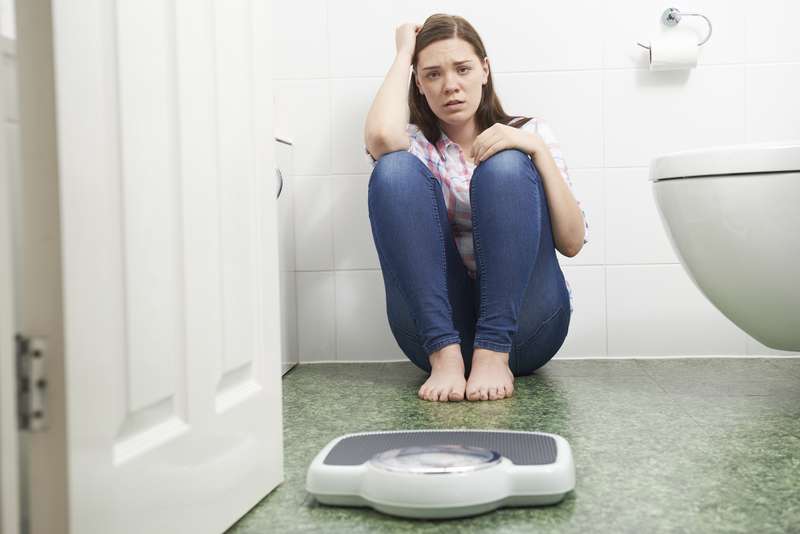
    Many people suffering from an eating disorder believe that if they reach their target goal weight, or achieve their perfect ideal body type, then all their problems will go away. When someone enters an eating disorder rehab, recovery is not measured by the number on the scale or measuring tape. You do not need to be a size 0 in order to be beautiful. Health and beauty comes in many different shapes and sizes. Attending an eating disorder rehab will help you be more comfortable with this concept, and help you live a life free from the prison of your eating disorder.

    Love what you see in the mirror.

    Chances are it has been a long time since you have truly been happy with yourself and the way you look. One of the hallmark symptoms of having an eating disorder is having extremely low self confidence or self esteem. This can go for any and all eating disorders. You are likely at an all-time low, and cannot manage the constant damaging cycle of your eating disorder anymore. Imagine receiving treatment from an eating disorder rehab, either near you or out of town, and being able to love yourself for exactly who you are.

    Dieting culture and today’s society have ingrained in our brain that we have to be skinny in order to be beautiful. However, this is not the case. Beauty comes in all forms, and all beauty is to be celebrated. We invite you to ditch dieting, throw away the scale and toss the measuring tape. You can break free from your eating disorder and live a happy life with a healthy relationship with food. Help is available, and you don’t have to look much further.

    Eating Disorder Rehabs

    There are many different types of eating disorder rehab options available for people who are seeking it. There are specialized treatments available, as well as dual-diagnostic treatment to treat any co-occurring mental health disorders that are typical to eating disorders.

    If you are able to treat both your co-occuring disorder (such as anxiety, depression or post-traumatic stress), then you will find a more successful recovery. Treating one without the other can exacerbate the other, so make sure you are honest with your admissions specialist in what exactly is going on. That way, you will be able to receive the proper help customized to your needs.

    No two eating disorders are the same, since they are rooted in many different causes and are symptoms of various larger issues that someone can be dealing with. With so many varying factors, there is no clear-cut direction every person with an eating disorder should travel. You will need to find what is right for you.

    Inpatient eating disorder rehab

    Choosing to enroll in an inpatient eating disorder rehab can be beneficial for many reasons. Some of these benefits can include:

    • Immersive treatment. At an inpatient eating disorder rehab, you will live in the treatment facility and receive round-the-clock care. Meals and lodging are provided, and you will be assigned a therapist to work with you throughout your stay. This close-knit experience helps to make a complete lifestyle change and allow the client to completely focus on their care.
    • No distractions. Day-to-day life offers plenty of distractions, especially if someone has children, a spouse, a job or school to tend to. Any of these things can be potential stressors that trigger an eating disorder, so being able to separate from these things will allow you to learn healthy coping skills. You can then take these healthy coping skills home and better handle situations than you could if you stayed home.
    • Greater chances of recovery. Making recovery a 24 hour a day commitment to your recovery will force you take it more seriously. Studies have shown that from different forms of treatment programs, residential treatment programs most likely result in the higher rates of continued recovery.

    Outpatient eating disorder rehab

    Someone might choose to enter an outpatient eating disorder rehab near home, and depending on the severity of the eating disorder, this can be an acceptable choice as well. If you want to choose an outpatient treatment center on the “eating disorder rehab near me” page, Some benefits can include:

    • Convenience. If you chose to go to an outpatient eating disorder rehab, you won’t have to change much going on in your life. You won’t have to disrupt any logistical day-to-day routines in your life, such as work or family.
    • Cost of care. Outpatient eating disorder rehab can cost much less than inpatient eating disorder rehab. Some inpatient eating disorder rehabs might not be covered by all insurance companies, and costs can go beyond a typical family’s means.

    Nearby support. Having a support system around you can make all the difference in eating disorder recovery. Being able to interact with supportive family and friends can be very comforting. In addition, you’ll also be able to build meaningful relationships with people like you in your community, and lean on like-minded people through hard times. Being able to learn from others who have walked in your shoes and receive advice can make all the difference in your ongoing recovery.

    View the original article at thefix.com