Author: It’s Time to Log Off

  • How to Ensure Digital Wellbeing When Learning From Home

    How to Ensure Digital Wellbeing When Learning From Home

    This week is #childrensmentalhealthweek in the UK. In the pandemic, this will resonate with more people than ever before. The move to online schooling has been reported by many to have had a negative impact on children’s mental health. Long hours spent on Zoom or Microsoft Teams has left many experiencing ‘Zoom burnout’, left unmotivated, stressed, and isolated.

    In addition to this, not knowing when this period of online learning and homeschooling will end is also putting a strain on children’s mental health. Initially, in the UK, it was supposed that they would be able to return to school after February half-term. Unfortunately, with lockdown extended until 8th March, this will not be the case. Not only this, but they have no clear answer as to when they will be able to go to school again and see their friends.

    No wonder that this can be an anxious and isolating time for them.

    Therefore, it is important that their digital-life balance is not unhealthy and that their digital wellbeing is protected. In a time where so much of our lives have been moved to online spaces, maintaining a healthy relationship with tech is vital. A year ago, if you had been told that your child would spend six hours staring at a screen each day, you would most likely have protested in disbelief. Of course, these are strange and worrying times, but we cannot let this compromise our children’s mental health.

    How can we protect children’s digital wellbeing?

    The greatest concern is the sheer quantity of time children are now spending online. From a physical health perspective, one area that is a concern is their eyesight. Prolonged hours staring at screens can lead to permanent eyesight issues, as well as headaches and eyestrain in the moment.

    Protect their eyes

    To protect their eyesight, encourage them to look away from the screen every 20 minutes and focus on something else across the room or out the window. They don’t need to stop listening or focussing on what’s going on in their online lesson; they just need to give their eyes a 20 second rest.

    How to Ensure Digital Wellbeing When Learning From Home
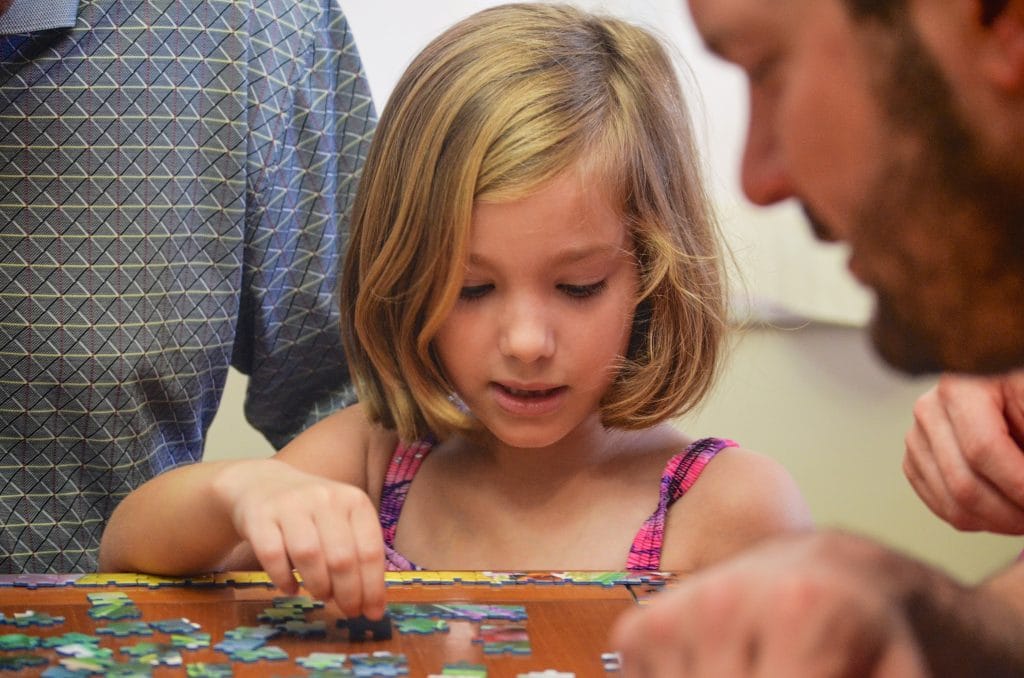
    It is important for both the education and welfare of a child that they maintain a good digital-life balance

    To add to worries about the physical impacts of online learning, the educational value of remote online lessons delivered to children may be declining as time has dragged on. Whilst teachers are doing their utmost to ensure the quality of education children, it is very difficult for them to monitor behaviour, engagement and attainment from the other side of a screen. This is exacerbated by the fact that due to feelings of anxiety and isolation, combined with the monotony of learning from home, children may be losing motivation for their learning.

    Design digital wellbeing breaks

    To keep them interested, and for the sake of their attention span, it is important that they take frequent screen breaks and manage their time well. Try to carve out periods of time to be spent entirely screen-free, and spend it doing other enjoyable activities, such as going for a walk or doing something creative. This will give their brain a well-earned break from their lessons, as well as hopefully easing any feelings of stress or boredom that may have developed during the long day of online lessons. Don’t frame these as ‘screen time breaks’, try to emphasise the activity they are engaging in, instead of highlighting what they are leaving behind.

    Remind them they’re not alone

    Most importantly of all for their mental health and digital wellbeing, try not to let them be upset if they feel they have fallen behind, or are struggling with their work. Remind them that many children are in the same boat with them. It is simply that, because they are not all doing their work in the same classroom as in pre-pandemic times, they cannot see how others are faring, and perhaps struggling the same way.

    It’s a tough time for children but we can ensure that they get the maximum benefit out of screens for learning, without letting excess time impact their mental health. You can find more tips for maximised productivity for digital learning here.

    View the original article at itstimetologoff.com

  • 3 Techniques for Changing Tech Habits for Good

    3 Techniques for Changing Tech Habits for Good

    We know how hard it can be change your tech habits permanently; we have been writing about the addictive nature of tech and the digital sphere for years! 66% of UK smartphone users even admit to suffering from nomophobia, the fear of being away from your phone, which we discussed in a recent blog. If the very act of taking some time away from our screens is causing us stress it is no wonder those well-intentioned new years resolutions to change our tech habits are not working!

    So, we have put together 3 short and easy tips that should help you to finally make those resolutions real, taking them from the aspiration to action in each of our lives.

    #1 Copy someone who is doing it better

    This is the best cheat code out there! It can often be hard to take the nebulous idea of “changing your tech habits” and turn it into concrete actions in our lives, copying other people is one way to skip the complicated steps of deciding where to institute boundaries and what you want your relationship with tech to look like and jump right to the end. First, look around your friends and family and try and think of someone who has a better relationship with their tech habits than you. Perhaps it is someone who also works from home but seems to have a good balance or leisure vs. work, or it is someone who brags about their amazing sleep and concentration?

    3 Techniques for Changing Tech Habits for Good
    Copy someone who can put their phone down

    Next, talk to them about their boundaries with tech. Do they have it at meal times, in the bedroom, or on the loo? Do they have a routine for when they don’t go on their phone? How do they handle the issues you are struggling with (such as being unable to ignore notifications?). All you have to do then is copy their habits. If you live with them, this will be even easier, if not you could get them to write you a daily schedule showing how and when they use screens for you to live by (and adapt if absolutely necessary) until you find your groove with logging off.

    #2 Be playful

    All of this talk of boundaries, health benefits and statistical analysis of your screen use can seem a bit intense. If a methodological or scientific approach is not working for you that’s fine! Instead you could try treating changing your tech habits as a game and being a little more playful. You could set up a competition between your household/ bubble to see who can use social media the least in the next week (you can monitor this through screen-time). You could pick up a hobby from your childhood to take the place of the time you would normally spend doom-scrolling, or you could make a game out of living as much as possible without your phone. For example: 10 points for navigating without a phone, 5 points for completing your morning routine without touching your phone and give yourself a reward once you reach 100 or similar.

    3 Techniques for Changing Tech Habits for Good
    #3 Let your daily routine replace resolutions

    Resolutions are notoriously difficult to keep. Over 80% of New Year Resolutions fail and they are supposed to be 10x more likely to succeed than those made during the year! So, our big secret to help you change your tech habits is to tie your new resolutions to routine. For example, if you make coffee every morning after getting up, tie picking your phone up for the first time to after you have washed up the cup. If you are used to locking up at 10 each night, why not lock and turn off your phone at the same time? Tying your new habits to old routines will make them much easier to remember and follow, and you will finally be able to change your tech habits for good!

    View the original article at itstimetologoff.com

  • 5 Ways To Fit Mini Digital Detoxes Into Your Day

    5 Ways To Fit Mini Digital Detoxes Into Your Day

    It’s a challenge during a pandemic fitting in long periods of time away from screens, but there are very many good reasons why we should still be taking some breaks. Here’s why, and some ideas on how to spread mini digital detoxes throughout your day.

    For some time, we have been aware that screens and blue light can cause what’s been dubbed ‘digital eyestrain‘. As screen time has soared over lockdown, so have concerns for the long-term impacts of this on our eyesight. Now, there are heightening fears that eyesight may be deteriorating due to excessive time spent looking at screens.

    Eyesight deterioration is something that can be prevented if the source is spotted early and protective measures are implemented. If too much screen time is hurting it, we need to ensure we are only looking at screens when absolutely necessary. By incorporating some mini digital detoxes into our day, we can give our tired eyes the break they need.

    1. Don’t go on your phone immediately after you wake up

    This is the easiest way to prolong the time spent away from tech. Give yourself the chance to wake up, and your eyes the opportunity to adjust, properly, before looking at a screen.

    You likely know for yourself that going on your phone immediately after you wake up is not healthy; it often causes eyestrain and headaches as our eyes try to adjust rapidly. For tired eyes, the sudden blue light and tirade of information is an assault on the senses.

    2. Block off breaks, to be spent away from tech

    This is especially important if your work involves you staring at a screen. Set yourself breaks and spend these doing something that allows your eyes to relax. For example, move about or go for a walk. Do not spend your breaks away from your work screen browsing social media on your phone!

    Eyesight charity Fight For Sight recommend the 20-20-20 technique: for ever 20 minutes you spend staring at a screen, look away for 20 seconds, focussing your eyes on something 20 ft away. This technique is also mentioned in our founder Tanya Goodin‘s book ‘Stop Staring at Screens‘.

    5 Ways To Fit Mini Digital Detoxes Into Your Day
    There are plenty of ideas for mini digital detox in Tanya’s book

    3. Use a screen time blocker

    You may struggle to stay off your tech in your designated times. That’s ok – it can be difficult.

    Luckily, many phones now have a built in screen time tracker which allows you to set yourself limits. These can be useful if you easily get engrossed by your phone. Use this in combination with any one of a myriad of other apps which can block specific websites and apps and help you stick to your digital detox breaks off screen.

    4. Keep food and tech apart

    Meal times are a perfect way to seamlessly incorporate digital detoxes into your day. Use them as an opportunity to put away your screens and let your eyes relax. This is especially important for dinner time, as your eyes will be most weary by then and you should be starting to wind down for the evening.

    5 Ways To Fit Mini Digital Detoxes Into Your Day

    5. Schedule an analogue hour

    Think of some hobbies and activities you enjoy doing that do not involve screens. Then schedule an hour each day for them. Not only will this help you achieve a healthy work-life balance, it will also make you spend time away from your tech on a mini digital detox without you even thinking about it.

    View the original article at itstimetologoff.com

  • 3 Ways to Take Smarter Screen Breaks This Year

    3 Ways to Take Smarter Screen Breaks This Year

    Thanks to Covid, despite all our best intentions we’re all spending hours every day online, which means we can’t do a digital detox in the same way we could have before: we need to take smarter screen breaks.

    Around the time of the first UK lockdown, 2000 Brits were surveyed and over 55% of them reported they were concerned about their rise in tech use. However, it’s now been nearly a year since the pandemic struck and little has changed. We can no longer wait until restrictions are lifted before we make meaningful changes in our relationship with technology. We know that every 30 mins of screen time for toddlers is linked to a nearly 50% increase in expressive speech delay, and even in adults, excessive screen use can damage the brain! We’re now nearly all working from home, or being educated from home, so we need to learn how to take smarter screen breaks in order to balance the necessity of screens in the pandemic with our mental and physical wellbeing.

    #1 Protect your sleep
    3 Ways to Take Smarter Screen Breaks This Year

    One of the most damaging impacts that excessive screen use has is on sleep with a definitive link having been found between increased time spent on tech during the day and decreased quality and quantity of sleep at night. So, one of the ways that you can take smarter screen breaks this year is by limiting your phone use around bed times and in the bedroom. We have written a lot about this in the past because we feel so passionately about protecting that time. There are many ways to go about this, you could leave your phone outside of the bedroom, institute a ‘bed time’ for your phone, or commit to not going on your phone until you have had breakfast. Whatever strategy you choose, will enable you to be spend significantly shorter periods of time online, and, crucially, protect your sleep.

    #2 Relax offline

    Another area of your life primed for smarter screen breaks is that of relaxation and entertainment. During lockdown 50% of people admitted that they were watching significantly more TV, combined with working remotely and attending online school, this adds up to a large increase in screen time: we are spending all of our working days online and then relaxing in our breaks by watching TV, or even just videos on social media. So, in order to cut down on the amount of time we spend online we recommend you try to limit entertainment and relaxation to offline activities as much as possible. You could try puzzling, board games, charades, reading or even just listening to the radio or a podcast. All of these will enable you to unwind away from screens.

    #3 Tie screen breaks to your schedule

    If you’re still struggling to take smarter screen breaks then we would recommend a good habit hack of tying those breaks to pre-existing parts of your routine. For example, you could decide that when you have your lunch break you leave your phone where you work and instead be mindful of what you eat, or you could leave your phone behind for your daily exercise. You could even ban it from certain rooms of the house (such as the kitchen and bedroom) so that there are physical boundaries to help you enforce your routine-based boundaries.

    3 Ways to Take Smarter Screen Breaks This Year

    Bonus: You can even use the settings in your phone to help you- in most smartphones there is now the option to set time-limits for certain apps or for times of day, meaning that the phone will prompt you to turn it off.

    COVID-19 has wreaked havoc in all areas of our lives, not least our relationships with technology, but we hope that these tips will enable you to take smarter screen breaks in 2021 and rebalance your relationship with the digital world.

    View the original article at itstimetologoff.com

  • Here’s How Social Media Is Making You Anxious

    Here’s How Social Media Is Making You Anxious

    For many of us last year, social media was our comfort blanket. Isolated from friends and family, we resorted to spending time together virtually instead. Social media was an – albeit cheap and incomplete – replacement for the physical contact we were unable to have at that moment.

    However, people’s usage of social media is also causing them stress and anxiety. Constantly comparing ourselves and our own lives to what we see online causes us to feel inadequate and anxious as a result. FOMO contributes to this, and too-heavy weighting of the importance of interactions on social media, such as ‘likes’, also causes anxiety.

    In particular, seeing something alarming online can heighten stress. When we see distressing content on the news, our fight-or-flight response is activated. Similarly, our emotional states may shut down to give way to our senses as we struggle to process the overwhelming information or images in front of us.

    Yet despite our heightened alertness and the adrenaline pumping around our body, we cannot react. How could we? Usually we are miles away from the events taking place.

    Nevertheless, we are stuck in this state of anxiety and fearfulness. Our heart beat may have risen, or our chest may feel tighter all of a sudden. This exemplifies a 2013 American study into the health effects of exposure to harrowing media, which showed that even just viewing images of traumatic events can evoke anxiety and PTSD-like symptoms. As the University of Pennsylvania’s Center for the Treatment and Study of Anxiety’s Thea Gallagher explains, to be traumatised by an event, you don’t necessarily “have to be there”.

    And what respite do we get from this? Very little. Doomscrolling made a name for itself in 2020 as the habit of continually scrolling through negative news online. The onslaught of bad news – topped with the knowledge that there is very little we can do about it – makes us both miserable and anxious.

    Here’s How Social Media Is Making You Anxious
    Too much exposure to the news can cause us to feel anxious.

    Sleep quality, mental health and social media usage are a triad which depend heavily on one another, bidirectionally. It is well known that sleep deprivation and other unhealthy sleep patterns can worsen a person’s mental health. Many people suffering from poor mental health turn to social media, usually as a distraction. However, their social media usage could in turn exacerbate their mental health issues, or result in even unhealthier sleep patterns. Hence if boundaries are not set and we do not listen to our health needs, this triad could end up as a vicious, almost inescapable circle.

    Here’s How Social Media Is Making You Anxious

    If you feel yourself slipping into this cycle, a digital detox may be necessary. This is where you take a step back from tech, especially social media, and give yourself time away from it. This enables us to reevaluate our relationship with our tech, and realise the effects it has had on us.

    Social media is not intrinsically harmful. But, like most things, when not consumed in moderation it can be. If the idea of being away from social media makes you anxious, you may be addicted. Follow these tips here to learn how to curb your social media addiction, do a digital detox and let yourself relax.

    View the original article at itstimetologoff.com

  • Fighting FOMO in 2021

    Fighting FOMO in 2021

    Our last year has been a tough one for FOMO (Fear of Missing Out). Whether locked down or muddling through loosened restrictions, we haven’t been living our lives in any way like we were pre-pandemic. Even pre-pandemic, in 2017, we were struggling with the idea of FOMO, so it’s no wonder that around the world people are finding the current situation even more challenging.

    Many of us have now spent months without seeing friends or family, with only the increasingly cancelled Zoom to sustain us. We’re having to live our entire lives within a bubble, whether that’s parents, children, strangers (not so strange after nine months together), friends, or even just a house plant. Yet through social media, we can watch as those around the world, and those in less restricted regions than ours, can meet up and spend quality time with each other. It’s no wonder many of us are suffering with FOMO and reaching breaking point.

    Embrace your bubble

    Our first piece of advice is to embrace JOMO (Joy of Missing Out) instead of being stuck in a FOMO-only state of mind. We’ve written about it many times before- even once during the US presidential election when the news was getting a bit much for all of us. JOMO is vital to a healthy life in lockdown. If you have a good relationship with the people you live with, cultivate it. Try to enjoy home life so much that you no longer feel isolated by the restrictions. One tip for this is to get involved with analogue activities such as puzzling, board games or cards which you can get everyone involved with. Once you are fighting it out to the death in the final round of ‘go fish’ you won’t be worried about everyone else having a better lockdown- we promise!

    Fighting FOMO in 2021
    Comparison culture

    One of the many causes of FOMO is social media. Comparison culture, no matter who the comparison is with, makes COVID-19 and staying home even harder. Just the use of social media makes you more likely to break restrictions, and we’re pretty sure that’s because of comparison culture and the feeling that everyone else is having a ‘better’ pandemic than you.

    How do you fight that?

    Well, our advice is, as usual, log off! A social media detox will do wonders for your mental health, and if it helps you to stop breaking restrictions it could also do wonders for your physical health! We don’t mean don’t stay in contact with your friends and family, but why not stick to private messaging services such as iMessage and WhatsApp? If you’re talking to people you know, directly, you’ll be less likely to struggle, and the connection you make will nourish you far longer than an hour scrolling.

    Remember we are all struggling
    Fighting FOMO in 2021

    Despite what you see on social media, we know that COVID-19 is hitting everyone hard. Try to remember that for everyone you see having a great night in with their friends, those same friends have been in a fair few fights no doubt, about dish washing or whose turn it is to hoover. Even when restrictions are lifted, social media will remain unrepresentative of the truth of all of our lives. Take a deep breath, and ask questions of every post you see, message the poster to see how they are doing, or stick to our advice above and log off!

    We’re looking forward to a time in 2021 when we’re nostalgic for all the time spent at home, so appreciate every moment you have with your loved ones, each day is precious.

    View the original article at itstimetologoff.com

  • How to beat Nomophobia

    How to beat Nomophobia

    Nomophobia is the fear of being without technology, beyond the reach of the online world or mobile contact. Apparently, Generation Z increasingly even shower with their smartphone, so it’s on the rise. We have written about nomophobia before, how to identify it if you are struggling and what it even is, but we’re here to tell you now how to beat it.

    In 2020 we spent more time than ever online. With a new lockdown announced in the UK, it looks like we are set to spend even more time online, staring down at our phones. In a world where our only connection is through screens, it’s no wonder that we are so terrified sometimes to be without them. However, nomophobia is not a healthy reaction to being away from our devices. If you want to beat your nomophobia for good, here are some strategies to get you on the right track.

    Become less reliant

    We feel anxious when we don’t have our phones because we have become so reliant on them. We’re anxious because we no longer have access to maps, digital banking, contacts, shopping lists, search engines and more. So, the first step in being able to cope without your smartphone is to make yourself more self-sufficient. A mere ten years ago the vast majority of us were happy to go out to the shops without a portable encyclopaedia, digital map and tick box shopping list – we had a relaxed approach, rolling with what came up rather than freezing and turning to our phones for guidance. If we could do it then, we can do it now. Why not:

    • Write the shopping list down on a piece of paper and go on your weekly shop without a phone or
    • Try a different walk in your neighbourhood without a phone to see what you discover, you could even
    • Take some cash out and go out for the evening without your phone (when you’re allowed to do that of course in your part of the world!).
    How to beat Nomophobia
    Try shopping without your phone

    Very few activities really require a phone. Once you experience life occasionally without yours, we think you’ll be unlikely to turn back.

    Practice, practice, practice

    Another important step on the journey to overcoming nomophobia is to practice longer and longer periods of time of being without your phone. It would be easy to go to the shops without it once, experience the high of independence from technology and then revert to your old ways immediately. If you don’t want to be overcome by crippling dread each time your battery dies, you need to practice regularly. You could pick one of the suggestions previously mentioned and do it once a week or once a month as a way to keep your nomophobia at bay.

    It will also undoubtedly prove to you that another aspect of nomophobia: the fear of being unreachable in a crisis, is incredibly unlikely to occur. The world can manage without you if you log off for an hour, especially if you tell them in advance.

    How to beat Nomophobia
    Try exploring your neighbourhood, you will be amazed what you had never noticed before!
    Go cold turkey

    If all else fails you and nomophobia is taking over your life we suggest going completely cold turkey. This could take many different forms depending on your lifestyle. You will know best what works. You could take a week off to reset. You could buy a ‘dumb’ phone to use on weekends, or when you are not working, as we have suggested in the past. If navigation is what causes you anxiety, you could buy a pocket sized map to carry with you. If it’s fear of being unreachable, you could rediscover your landline.

    There are many ways to tackle nomophobia, different things will work for different people, but we hope you now have a few ideas you can get to work on. Take this year to tackle your fear and hopefully reduce one aspect of anxiety in 2021.

    View the original article at itstimetologoff.com

  • Como vencer a Nomofobia

    Como vencer a Nomofobia

    Como vencer a Nomofobia

    Nomofobia é o medo de ficar sem tecnologia, além do alcance do mundo online ou contato móvel. Aparentemente, a Geração Z está cada vez mais tomando banho com seu smartphone,por isso está em ascensão. Já escrevemos sobre nomofobia antes, como identificá-la se você está lutando e o que ela é mesmo,mas estamos aqui para dizer agora como vencê-la.

    Em 2020 passamos mais tempo do que nunca online. Com um novo bloqueio anunciado no Reino Unido, parece que vamos passar ainda mais tempo online, olhando para nossos telefones. Em um mundo onde nossa única conexão é através das telas, não é de admirar que estejamos tão aterrorizados às vezes por estarmos sem eles. No entanto, a nomofobia não é uma reação saudável ao estar longe de nossos dispositivos. Se você quer vencer sua nomofobia para sempre, aqui estão algumas estratégias para colocá-lo no caminho certo.

    Torne-se menos dependente

    Nos sentimos ansiosos quando não temos nossos telefones porque nos tornamos tão dependentes deles. Estamos ansiosos porque não temos mais acesso a mapas, bancos digitais, contatos, listas de compras, mecanismos de busca e muito mais. Então, o primeiro passo para ser capaz de lidar sem o seu smartphone é tornar-se mais autossuficiente. Há apenas dez anos, a grande maioria de nós estava feliz em ir às lojas sem uma enciclopédia portátil, mapa digital e lista de compras de caixas de carrapatos – tivemos uma abordagem descontraída, rolando com o que surgiu em vez de congelar e recorrer aos nossos telefones para orientação. Se pudéssemos fazer isso, então, podemos fazê-lo agora. Por que não:

    • Escreva a lista de compras em um pedaço de papel e vá em sua loja semanal sem um telefone ou
    • Tente uma caminhada diferente em seu bairro sem um telefone para ver o que você descobrir, você poderia até mesmo
    • Pegue algum dinheiro e saia para a noite sem o seu telefone (quando você está autorizado a fazer isso, é claro, em sua parte do mundo!).
    Como vencer a Nomofobia
    Tente fazer compras sem o seu telefone

    Poucas atividades realmente requerem um telefone. Uma vez que você experimenta a vida ocasionalmente sem a sua, achamos que será improvável que você volte atrás.

    Prática, prática, prática

    Outro passo importante na jornada para superar a nomofobia é praticar períodos mais longos e longos de tempo sem o telefone. Seria fácil ir às lojas sem ela uma vez, experimentar a alta independência da tecnologia e depois reverter para seus velhos costumes imediatamente. Se você não quer ser superado por medo incapacitante cada vez que sua bateria morre, você precisa praticar regularmente. Você pode escolher uma das sugestões mencionadas anteriormente e fazê-lo uma vez por semana ou uma vez por mês como uma maneira de manter sua nomofobia à distância.

    Também provará, sem dúvida, a você que outro aspecto da nomofobia: o medo de ser inalcançável em uma crise, é incrivelmente improvável de ocorrer. O mundo pode se virar sem você se você sair por uma hora, especialmente se você disser a eles com antecedência.

    Como vencer a Nomofobia
    Tente explorar seu bairro, você vai se surpreender com o que você nunca tinha notado antes!
    Abandonar um vício abruptamente

    Se tudo mais falhar com você e a nomofobia está tomando conta da sua vida, sugerimos ir completamente frio. Isso pode tomar muitas formas diferentes dependendo do seu estilo de vida. Você saberá melhor o que funciona. Você pode tirar uma semana de folga para reiniciar. Você pode comprar um telefone 'burro' para usar nos fins de semana, ou quando você não está trabalhando, como sugerimos no passado. Se a navegação é o que te causa ansiedade, você pode comprar um mapa do tamanho do bolso para levar com você. Se é medo de ser inalcançável, você pode redescobrir seu telefone fixo.

    Existem muitas maneiras de combater a nomofobia, coisas diferentes funcionarão para pessoas diferentes, mas esperamos que agora você tenha algumas ideias em que você possa trabalhar. Aproveite este ano para enfrentar seu medo e espero reduzir um aspecto da ansiedade em 2021.

    Veja o artigo original em itstimetologoff.com

  • Hur man slår Nomophobia

    Hur man slår Nomophobia

    Hur man slår Nomophobia

    Nomophobia är rädslan för att vara utan teknik, utom räckhåll för onlinevärlden eller mobilkontakt. Tydligen duscharGeneration Z alltmer till och med med sin smartphone , så det är på uppgång. Vi har skrivit om nomophobia tidigare, hur man identifierar det om du kämpar och vad det ens är, men vi är här för att berätta nu hur du slår det.

    Under 2020 tillbringade vi mer tid än någonsin online. Med en ny nedstängning som tillkännages i Storbritannien ser det ut som om vi kommer att spendera ännu mer tid online och stirra ner på våra telefoner. I en värld där vår enda koppling är genom skärmar är det inte konstigt att vi är så rädda ibland för att vara utan dem. Men nomophobia är inte en hälsosam reaktion på att vara borta från våra enheter. Om du vill slå din nomophobia för gott, här är några strategier för att få dig på rätt spår.

    Bli mindre beroende

    Vi känner oss oroliga när vi inte har våra telefoner eftersom vi har blivit så beroende av dem. Vi är oroliga eftersom vi inte längre har tillgång till kartor, digital bank, kontakter, inköpslistor, sökmotorer och mer. Så det första steget i att kunna klara sig utan din smartphone är att göra dig mer självförsörjande. För bara tio år sedan var de allra flesta av oss glada över att gå ut till butikerna utan ett bärbart uppslagsverk, digital karta och inköpslista för kryssruta – vi hade ett avslappnat tillvägagångssätt, rullade med det som kom upp snarare än att frysa och vända oss till våra telefoner för vägledning. Om vi kunde göra det då, kan vi göra det nu. Varför inte:

    • Skriv ner inköpslistan på ett papper och gå på din veckobutik utan telefon eller
    • Prova en annan promenad i ditt grannskap utan telefon för att se vad du upptäcker, du kan till och med
    • Ta ut lite pengar och gå ut för kvällen utan din telefon (när du får göra det naturligtvis i din del av världen!).
    Hur man slår Nomophobia
    Prova att handla utan din telefon

    Mycket få aktiviteter kräver verkligen en telefon. När du upplever livet ibland utan ditt, tror vi att du sannolikt inte kommer att vända tillbaka.

    Öva, öva, öva

    Ett annat viktigt steg på resan mot att övervinna nomophobia är att öva längre och längre tidsperioder av att vara utan din telefon. Det skulle vara lätt att gå till butikerna utan det en gång, uppleva det höga oberoendet från tekniken och sedan återgå till dina gamla sätt omedelbart. Om du inte vill bli överväldigad av förlamande rädsla varje gång batteriet dör, måste du öva regelbundet. Du kan välja ett av de förslag som tidigare nämnts och göra det en gång i veckan eller en gång i månaden som ett sätt att hålla din nomophobia i schack.

    Det kommer också utan tvekan att bevisa för er att en annan aspekt av nomophobia: rädslan för att vara oåtkomlig i en kris är oerhört osannolikt att inträffa. Världen klarar sig utan dig om du loggar ut i en timme, särskilt om du berättar för dem i förväg.

    Hur man slår Nomophobia
    Försök utforska ditt grannskap, du kommer att bli förvånad över vad du aldrig hade märkt tidigare!
    Avsluta plötsligt

    Om allt annat sviker dig och nomophobia tar över ditt liv föreslår vi att du går helt kall kalkon. Detta kan ta många olika former beroende på din livsstil. Du vet bäst vad som fungerar. Du kan ta ledigt en vecka för att återställa. Du kan köpa en "dum" telefon att använda på helgerna, eller när du inte arbetar, som vi har föreslagit tidigare. Om navigering är det som orsakar dig ångest, kan du köpa en fickstorlekskarta att bära med dig. Om det är rädsla för att vara oåtkomlig, kan du återupptäcka din fasta telefon.

    Det finns många sätt att ta itu med nomophobia, olika saker kommer att fungera för olika människor, men vi hoppas att du nu har några idéer du kan få arbeta med. Ta detta år för att ta itu med din rädsla och förhoppningsvis minska en aspekt av ångest 2021.

    Visa den ursprungliga artikeln på itstimetologoff.com

  • Are you addicted to social media? 5 tell-tale signs

    Are you addicted to social media? 5 tell-tale signs

    Social media can be addictive, we know that.One study found that 34% of adults have checked Facebook in the last ten minutes, whilst another discovered that just seeing the Facebook logo triggered cravings that were often too powerful to ignore. Even while knowing that social media can be somewhat ‘sticky’, sometimes it can be hard to draw the line between what’s mere enjoyment and true addiction. So, here are 5 tell-tale signs that you could be addicted to social media.

    #1 You think you might be

    If you think you might be addicted to social media – you probably are. Addiction is a psychological and physical inability to stop consuming a substance or doing an activity, even though it is causing psychological and physical harm. It’s the point at which the process of checking social media and being on it is harmful to you – and yet you still continue to use it. If you are aware of negative consequences of excess social media in your life, and yet you still can’t drag yourself away, you could be addicted.

    #2 You check it first thing in the morning

    If this is you, you are not alone, 40% of adults check there phone within 5 minutes of waking up, and 80% list it as their first activity of the day. However, if you are checking it first thing in the morning, and last thing at night, your entire life is bookended by social media, an unhealthy pattern. We have written many times about the detrimental impacts of social media and more general phone addiction to both your mental health and sleep quality – so try to stave off Insta for a couple more minutes first thing, and see how you feel.

    Are you addicted to social media? 5 tell-tale signs
    #3 Unconscious engagement

    Another obvious symptom of being addicted to social media is that your finger automatically clicks on an app. Have you ever been standing at a bus stop or in a waiting room, with your phone open and clicked on a social media app out of habit? Only once you’ve already clicked do you realise that you did it at all.

    Top tip: Regularly re-shuffle your home screen so that you have to actively look for your social media apps and consciously choose to click on them.
    #4 Doomscrolling

    Here is a topic we have written about before- the phenomenon of doomscrolling. This is when you spend hours mindlessly scrolling on social media, going from one bad news story to the next, drawn in by negativity. It is one of the more damaging aspects of social media as it can put you in a very negative headspace. If you find yourself in this position regularly we recommend taking a sabbatical, or at least putting a time limit on your social media.

    Are you addicted to social media? 5 tell-tale signs
    #5 Deleting is scary

    Lastly, the most obvious sign of addiction perhaps, the idea of deleting your social media accounts, or even switching them off for one day, is scary. If you feel a palpable sense of fear at the idea of not being on Facebook, Instagram, Snapchat or TikTok, then you probably need to do just that. Take a couple of days away, see how you feel, and readjust your interaction with social media accordingly.

    View the original article at itstimetologoff.com