Author: The Fix

  • Find the Best Rehabs for Dolophine Addiction

    Find the Best Rehabs for Dolophine Addiction

    Our guide can help you pick the best luxury Dolophine rehab.

    Table of Contents

    1. What is Dolophine and What is It Used For?
    2. Street Names for Dolophine
    3. How Long Does Dolophine Stay in the System
    4. What Effects Does Dolophine Cause?
    5. Adverse Side Effects
    6. Signs of a Dolophine Overdose
    6.Signs and Symptoms of Dolophine Addiction
    6.Treatment and Rehabilitation for Dolophine Addiction
    6.Choosing the Best Dolophine Rehab Center

    What is Sublimaze and What is It Used For?

    Dependence on Dolophine is dangerous and it is essential that treatment is sought as soon as possible. The drug is addictive, and abusing it has the potential to cause a host of problems in your life, up to and including death.

    If you feel that you, or someone you love, have developed an addiction to Dolophine, it can be a frightening time. Recovery is possible, but the first step that needs to be taken is for the addict to admit that there is a problem. By accepting that a problem with the drug is present, and by finding a Dolophine rehab facility that offers a range of treatments, the chance of recovery is improved. Top rehab facilities for Dolophine work t to help people deal with their addiction and get their life back to normal.

    What is Dolophine and What is It Used For?

    Dolophine is the brand name for methadone, an opioid that is used to provide help for patients who are undergoing opioid maintenance therapy and who are dealing with an addiction to another opioid, such as heroin. Dolophine can also be used to help patients better manage their chronic pain. However, because it is an opioid, there is also the potential for abuse.

    The drug changes the way that the brain and the nervous system respond to pain. It works on the pain center of the brain as a means to provide pain suppression, and it will generally be used for moderate to severe pain. Patients who are prescribed the drug will be those who would require long-term opioid treatment around the clock. It is used only when other treatment options are not effective for the patient.

    Doctors know there is a risk of addiction, abuse, and misuse with the drug, even when the patients are only using the recommended dosage. Therefore, the use of Dolophine is relegated to those patients that would not be able to use alternative treatments because they are either ineffective or not tolerated.

    The Schedule II drug can be taken via several different methods.

    • Injectable solution
    • Tablet
    • Dispersible tablet
    • Oral solution
    • Oral concentrate solution

    Street Names for Dolophine

    Dolophine has a range of street names whenever it is sold or obtained illegally. Because it is simply a brand name for morphine, you will find that the following street names refer to morphine regardless of the brand. When it is in the liquid form, some of the street names include the following.

    • Tango and Cash
    • TNT
    • Dance fever
    • Murder 8
    • Goodfella

    It also has other names that it is typically referred to when it is in tablet form. The most popular include the following.

    • M
    • Duramorph
    • Aunti Em
    • Aunti
    • White stuff
    • Morph
    • Drone
    • Monkey

    These are some of the known street names for the drug. However, the names can and do change over time.

    How Long Does Dolophine Stay in the System

    Knowing how long the drug can stay in the system will help to prevent overdose. Once a person takes a dose of the morphine, it will begin to take effect within 15 minutes to an hour, and the effects themselves will last for about four to six hours. There are also extended release options that will allow for longer lasting effects. In those cases, the effects might be present for 12 to 24 hours. The drug has a short half-life, and half of it will be metabolized in between 1.5 and seven hours. It will typically take only 72 hours for a single dose of Dolophine to be eliminated through the urine.

    The body will become tolerant to the use of Dolophine over time, which means doctors will typically have to adjust the dosages. The same is true for those who begin to take the drug illicitly. They become used to it and need to increase the amount they are taking to get the same feeling as before.

    What Effects Does Dolophine Cause?

    In addition to helping suppress pain and help with the withdrawal from other opiates, there are a number of other effects that are often felt by the users of the drug. There are feelings of euphoria, for example, which is one of the reasons that people start to abuse the drug. They continue to chase those feelings of euphoria. Some of the other common effects that can be found when taking the medication include:

    • Dilating pupils
    • Drowsiness
    • Dysphoria
    • Hallucinations
    • Delusions

    Adverse Side Effects

    In addition, there are a number of adverse side effects that could occur when taking Dolophine. Some of the most common include:

    • Agitation
    • Dizziness
    • Constipation
    • Faintness
    • Depression
    • Nausea
    • Weakness
    • Vomiting
    • Seizures

    Signs of a Dolophine Overdose

    Because people will often take more and more of the drug to get the same feeling, there is a chance of an overdose. Some of the most common symptoms of an overdose from the drug include:

    • Constricted pupils
    • Bluish color to the lips and fingertips
    • Cold and clammy skin
    • Slow heartbeat
    • Limp muscles
    • Loss of consciousness
    • Respiratory arrest
    • Myocardial infarction
    • Coma

    Abuse of the drug can lead to death, as well. Addiction and abuse is a very serious matter. Even though this drug might be utilized as a means to help people who are addicted to heroin and other opioids, it is still extremely dangerous and addictive on its own.

    Those who believe they have overdosed or who have a loved one who has overdosed need to get into contact with emergency services right away to get help.

    Signs and Symptoms of Dolophine Addiction

    How do you know if yourself or a loved one might be suffering from a morphine addiction? Those who are addicted will find that they no longer have the same interest in their old hobbies and the things that they used to enjoy. Their minds are preoccupied with Dolophine, and they are often looking for ways that they can find more of the drug so they do not run out. Some will also have problems at work or at school, and financial problems might manifest, as well. This is especially true if the individual no longer has a prescription and is resorting to buying drugs on the street.

    The sooner someone gets help with their morphine addiction the better. Finding a quality Dolophine rehab center that offers a range of treatment options can make a world of difference.

    Dolophine Detox


    The drug itself is used to help patients to stop taking other opioids, but those who become dependent will also need to detox from Dolophine. This will help to suppress the symptoms of withdrawal. Patients are gradually weaned off the drug. This should only be done with the help and guidance of a professional at a Dolophine rehab that can ensure safety for yourself or your loved one.

    The withdrawal symptoms from Dolophine and other opioids can be severe. The symptoms will often mimic those of a bad flu. Some of the common symptoms include:

    • Runny nose
    • Chills
    • Body ache
    • Nausea
    • Loss of appetite
    • Twitching muscles
    • Panic attacks

    Rather than trying to quit “cold turkey,” which can be dangerous and painful from a physical and mental standpoint, it is important to find a quality rehabilitation center for treatment and recovery. Typically, the facility will medically detox a person, which means the dosage will be reduced gradually over a period of time, which will let the body adjust to having less and less of the drug in the system. After the patient has tapered off the drug, they can then become a part of a Dolophine rehabilitation program.

    Treatment and Rehabilitation for Dolophine Addiction

    Typically a rehabilitation center will provide a range of different types of treatment options. There are inpatient options, which have patients living at the rehabilitation center and going through a range of therapies each day. One of the major benefits of inpatient rehab is that it will eliminate the potential for relapse since there will not be any drugs at the facility.

    In some cases, a patient might be better suited for outpatient treatment. They might have already completed an inpatient stay, and they want to continue with their treatment and support from home. Other times, a patient might have family obligations or work obligations, and outpatient treatment is the best solution for them.

    Those who are going through the rehab will find that there are many different types of treatment that are available. This includes individualized counseling, group treatment, and cognitive behavioral therapy, for example. When you enter a quality Dolophine rehab center, you can work with addiction counselors and mental health professionals that can provide a treatment plan that will help with all of the issues you are facing.

    Choosing the Best Dolophine Rehab Center

    Finding the right Dolophine rehab center is essential to your recovery, and it is one of the most important decisions you can make. The best treatment centers available today make use of evidence-based treatment methods, and they are able to provide customized treatment that can help meet the needs of each patient who needs help. Those who started out taking Dolophine as a means to control chronic pain can work with the facility to find other ways to treat that pain.

    Your situation is unique, and your recovery and treatment services should be unique, as well. Quality clinics know how to provide motivation for clients, and they know how to explain things simply to those who may be nervous or confused about what they are going through. Find a Dolophine addiction treatment center that provides you with hope and quality treatments.

    Resources: https://reference.medscape.com/drug/methadose-dolophine-methadone-343317

    https://www.pdr.net/drug-summary/Dolophine-methadone-hydrochloride-727

    https://www.drugs.com/pro/dolophine.html

    View the original article at thefix.com

  • How to Attend Music Festivals, Sober

    How to Attend Music Festivals, Sober

    You’ll be surprised at how much fun you will have.

    When people think of large music festivals like Coachella, Stagecoach and even Burning Man, they almost instantly think of drugs and alcohol.

    Despite the fact that substance use and abuse is prevalent at these events, it’s entirely possible to attend sober and have a fantastic time. Just because you’re in recovery doesn’t mean that you need to give up your love of festival life and stay home this summer.

    Logan Rossman is a clinical support specialist at Asana Recovery, which offers detox, residential treatment and an outpatient program in Costa Mesa, California. He regularly attends festivals sober, and has found that he has more fun now in recovery than he did when he was using drugs and alcohol.

    “I have been able to enjoy everything more sober without any doubt,” Rossman said.

    They key to having fun sober is planning, preparation and communication,

    View the original article at thefix.com

  • Study: Psychedelics Change The Way People With Depression Read Faces

    Study: Psychedelics Change The Way People With Depression Read Faces

    Researchers believe that even one dose of a psychedelic could change the way that people read facial expressions.

    Psychedelics may help alleviate the symptoms of depression and anxiety by making sufferers more adept at reading other people’s facial expressions, according to a recent review of scientific studies.

    The review, published in the journal Therapeutic Advances in Psychopharmacology, looked at eight previous studies that examined the effects of psychedelics. The authors of the review found that psychedelics changed how people read facial expressions, and that change had an effect on their symptoms of mental illness.

    “Our most consistent finding was that these drugs reduced the recognition of negative emotions and modulated amygdala activity to these stimuli. This effect was correlated with antidepressive effects in depressed patients,” study authors wrote.

    They noted that the pool they reviewed was small, so there is a need for further review. Still, they said the results were promising.

    “Despite the small sample sizes, results suggest that serotonergic hallucinogens show promising beneficial effects on deficits in recognition of emotions in facial expressions,” they wrote.

    People with depression and anxiety often have unusual patterns of social cognition, in particular when it comes to interpreting other people’s facial expressions.

    “Some studies show that people with anxiety and mood disorders have deficits in the recognition of facial expressions,” study authors wrote. “For example, in social anxiety disorder, which is characterized by fear of undergoing criticism or negative judgment in social situations, there is hypervigilance to facial expressions of fear, sadness, and joy, and these expressions act as indicators of threat or social reinforcement according to the phenotype of the disorder.”

    Researchers found that even one dose of a psychedelic could change the way that people read facial expressions, and help alleviate depression symptoms.

    “Indeed, the studies reviewed showed that a single dose or a few doses of LSD or psilocybin was associated with a modified pattern of recognition of negative emotions that could be interpreted as beneficial, since several of these studies showed that these modifications were correlated with increases in positive mood and/or anxiolytic and antidepressant effects,” the study authors wrote.

    Psychedelics weren’t the only drugs that changed emotional facial perceptions. The study authors also found that MDMA (ecstasy) has similar effects.

    “There is also evidence that the serotonergic drug MDMA consistently reduces identification of negative emotions in tasks of face recognition and decreases the activity of the amygdala,” they wrote, adding that this could be similar to the way pharmaceutical antidepressants work.

    ”These mechanisms, associated with the capacity of MDMA to enhance serotonergic tone in the prefrontal cortex, could be shared mechanisms with traditional antidepressants and classic hallucinogens for emotional regulation in subjects with mood and anxiety disorders.”

    View the original article at thefix.com

  • Does Binge Drinking Increase Chances Of Opioid Misuse?

    Does Binge Drinking Increase Chances Of Opioid Misuse?

    A new study examined the possible connection between binge drinking and opioid misuse.

    Binge drinking and opioid misuse are closely related, according to a new study examining drinking patterns and prescription pill misuse.

    The study, published in the American Journal of Preventive Medicine, aimed to examine the connection between drinking and using opioids. It drew on information from more than 160,000 people who provided information on their substance use as part of the National Survey on Drug Use and Health (NSDUH) from 2012-2014 as well as socioeconomic information. Researchers found that binge drinking increased the chances that people misused opioids.

    “More than half of the 4.2 million people who misused prescription opioids during 2012–2014 were binge drinkers, and binge drinkers had nearly twice the odds of misusing prescription opioids, compared with nondrinkers,” study authors wrote.

    This is especially alarming since opioids and alcohol are a dangerous combination physically.

    “Binge drinkers who misuse prescription opioids are likely to be at substantially increased risk of overdose because of the combined effect of high blood alcohol levels and prescription opioids on the central nervous system,” they wrote. “The high prevalence, frequency, and intensity of binge drinking among adults and adolescents in the U.S., along with the heightened prevalence of prescription opioid misuse among binge drinkers, emphasizes the importance of adopting a comprehensive and coordinated approach to addressing both binge drinking and prescription opioid misuse to reduce the risk of opioid overdoses.”

    The study found that opioid misuse was most common among men, people with an annual family income of $20,000 or less, and people ages 18-34. Binge drinking was also most common among men in that age bracket, although it was also associated with people with some college education, according to The American Academy of Family Physicians.

    About two-thirds of people who misused opioids and binge drank were older than 26. However, among younger adults the connection between binge drinking and opioid misuse was especially strong: 8.1% of teenage binge drinkers misused opioids, compared with just 1% of nondrinkers and 3.6% of people who used alcohol but did not binge drink.

    Since family medical providers are often on the front lines of dealing with patients with problematic drinking, they could also help interrupt this pattern of opioid misuse, said Dr. Roger Zoorob.

    “Family physicians are well-positioned to identify and address binge drinking and opioid misuse,” he said.

    Sometimes that can be as easy as pointing out that a patient’s drinking habits are veering toward unhealthy.

    “Many times, patients are unaware that their drinking patterns are harmful, and a simple, brief intervention by the family physician has been shown to reduce unhealthy alcohol use in the primary care population,” Zoorob said.

    View the original article at thefix.com

  • High School Valedictorian Calls Out Teacher Who Was Regularly Intoxicated In Class

    High School Valedictorian Calls Out Teacher Who Was Regularly Intoxicated In Class

    “I didn’t expect for change to come from my speech, but I was hoping it would encourage more students to speak up.”

    A high school senior at the top of her class gave an epic send-off to faculty and staff who apparently needed checking—including one teacher who she said was “regularly intoxicated during class.”

    Faculty and staff who give their all to be a positive force in their students’ lives deserve all the recognition for their hard work. But for every stellar educator there is another that gives only 50%. Which is why this story is satisfying for any student who’s felt unsupported in their education.

    On June 6th, San Ysidro High School valedictorian Nataly Buhr began her graduation speech by thanking the faculty members who went above and beyond by name. “Thank you for being so invested in your students’ education and well-being,” Buhr said. “You are the most intelligent, inspiring and supportive individuals I’ve had the pleasure of learning from while at SYHS.”

    After thanking her parents and friends, the speech took a turn nobody expected.

    “To my counselor, thanks for teaching me to fend for myself—you were always unavailable to my parents and I despite appointments… You expressed to me your joy in knowing that one of your students was valedictorian when you had absolutely no role in my achievements,” said Buhr, continuing her speech in the same candid tone.

    And to the staff in the main office, Buhr said, “Thank you for teaching me how to be resourceful”—sharing how their “negligence” potentially caused her to miss out on scholarships, and how they denied her application for a work permit “despite confirming with my employer and parents that all of my paperwork was filled correctly.”

    And finally, to close out her address, Buhr called out a faculty member who everyone knew for their drinking problem. “To the teacher who was regularly intoxicated during class this year, thank you for using yourself as an example to teach these students about the dangers of alcoholism,” said Buhr. “Being escorted by police out of school left a lasting impression.”

    It was at this point that her peers in the audience erupted in cheers and applause.

    Buhr maintained that it was the responsibility of the faculty and staff she called out to fulfill their duties to the students, despite their own problems. “I understand that those I criticized may be facing personal issues, but I don’t think that should affect their commitments or the school’s responsibility to fulfill those commitments,” she said in a statement to News 8. “I didn’t expect for change to come from my speech, but I was hoping it would encourage more students to speak up.”

    While a spokesman for the Sweetwater Union High School District said that it was “unfortunate that she decided to air grievances,” the valedictorian’s mother Monica Buhr supported her decision to speak up.

    “I was proud that she spoke up and got it out,” she told KFMB. “It is something that takes a lot of courage to do.”

    View the original article at thefix.com

  • Nurse Accused Of Stealing Hydromorphone, Possibly Infecting Patients With HIV

    Nurse Accused Of Stealing Hydromorphone, Possibly Infecting Patients With HIV

    Investigators say they found video footage of the HIV-positive nurse stealing the drugs.

    A nurse may have infected patients with the HIV virus by injecting himself with hydromorphone intended for patients, say authorities in the San Antonio area.

    Kyle Evans, 29, was arrested last Thursday (June 13) for stealing vials of hydromorphone, an opioid painkiller, while he was on the job. He allegedly injected himself with the drug, then would place the vials back where he found them after refilling them with saline solution. He is now facing multiple felony charges—tampering with a consumer product and drug diversion.

    Evans was working as a registered nurse at Northeast Methodist Hospital outside of San Antonio when he stole the drugs, My San Antonio reported.

    His activity first came to light in February after he was “caught stealing five vials of hydromorphone” from the hospital. According to My San Antonio, he later admitted to stealing the drugs, triggering a DEA investigation. Investigators say they found video footage of Evans in the act.

    In May, during questioning by Live Oak Police Department investigators, Evans allegedly confessed to stealing the drugs, injecting himself with them, and returning the vials after he’d filled them with saline solution and glued the lids shut to hide the fact that they were tampered with. (Instead of saline solution, authorities found that in one vial Evans had replaced the hydromorphone with lidocaine, a local anesthetic. The test results of two other vials are pending.)

    Authorities voiced concern over the fact that Evans is HIV positive, and may have exposed patients to the virus if he used the same syringes to refill the vials before putting them back.

    Hospital officials addressed the concern in a statement: “Upon learning the former employee was diagnosed with HIV, we took several precautions including consulting with third-party infectious disease experts who concluded that there was virtually no risk of exposure to others, most notably due to the virus being below detectable levels in the employee’s blood,” said Paul Hancock, MD, Chief Medical Officer of Methodist Healthcare System.

    Though so far authorities were “not able to determine” if Evans did share the contaminated needles, it would not be the first time patients have been infected by hospital workers doing the same thing.

    In 2013, a former hospital worker was sentenced to 39 years in prison for possibly infecting hundreds of patients with hepatitis C. David Kwiatkowski was working as an itinerant (traveling) cardiac technologist while he injected himself with drugs—primarily fentanyl—stolen from hospitals across the U.S.

    Another nurse, Cora Weberg, contributed to a hepatitis C “outbreak” at Good Samaritan Hospital in Puyallup, Washington in recent years, according to the CDC.

    View the original article at thefix.com

  • "Chrisley Knows Best" Star Avoids Meth Possession Charges

    "Chrisley Knows Best" Star Avoids Meth Possession Charges

    Kyle Chrisley was arrested last month after police found meth in a cup inside of his car.

    Felony drug possession charges have been dropped for Kyle Chrisley, though he still faces a second and more serious charge of making terroristic threats against his ex-wife.

    TMZ reported that Chrisley—the eldest son of real estate businessman and reality television star Todd Chrisley—will no longer face charges for possession of methamphetamine, for which he was arrested in Oklahoma in May 2019.

    According to TMZ, the drugs in question were found in a cup in his car after police pulled him over for a broken taillight. The drugs were not on his person, which presented a greater challenge to prosecutors. However, the charges of threats against his wife remain on the books in Georgia, though Chrisley was released on his own recognizance.

    Chrisley, whose struggle with drug dependency was showcased during his single-season run on Chrisley Knows Best, was booked into Okmulgee County Jail for felony possession of methamphetamine.

    TMZ provided body camera footage of police officers discovering a bag containing what was described as methamphetamine in a cup holder located in the center console of Chrisley’s car.

    Because the drugs were found in the car and not on Chrisley’s person, TMZ stated that law enforcement officials with the Okmulgee County District Court had declined to prosecute him for the possession charge. Prosecutors apparently faced a greater challenge in gaining a conviction under such circumstances.

    TMZ also reported that given more serious charges Chrisley faced in Georgia, Okmulgee County decided to drop the drug charges. When Chrisley was arrested for the drug charges, the county also held him for an open warrant issued January 2019 in Dekalb County, Georgia. According to documents obtained by TMZ, Chrisley had allegedly sent several texts that threaten his estranged wife, Alexus.

    In one text, Chrisley reportedly told Alexus that he would “take care of this problem with you because if I’m not with you nobody will be [sic].” When asked if he was issuing a threat, Chrisley allegedly responded by writing, “yes: it was. Goodbye,” and also reportedly sent images to his ex-wife that showed him using drugs and holding a gun to his head.

    TMZ posted a mugshot of Chrisley and reported that he had been “booked” for issuing the alleged threats before being released.

    Chrisley has had several run-ins with the law in the past half-decade.

    Custody of Chloe was eventually granted to his father Todd Chrisley. In an interview with the British press, Kyle Chrisley accused his father of using his daughter to attract viewers to his reality show.

    View the original article at thefix.com

  • Does Cold Weather Increase Opioid Overdose Rates?

    Does Cold Weather Increase Opioid Overdose Rates?

    Researchers investigated whether cold snaps were responsible for increases of overdose deaths.

    Periods of cold weather with temperatures at or below freezing can increase opioid overdose death rates by as much as 25%, according to a recently-published study.

    The study, published in the journal Epidemiology, looked at information on more than 3,000 overdose deaths in New Jersey and Connecticut between 2014 and 2017. The researchers found that “low average temperature over the 3 to 7 days prior to death were associated with higher odds of fatal opioid overdose.”

    Researchers believe there could be a few different explanations for why a cold snap increases the likelihood of overdose.

    There may be a biological explanation: opioids can affect breathing, and it is harder to breath in cold air, so this might be compounded. In addition, people who have taken opioids find it harder to regulate their body temperature because opioids reduce the point at which people start shivering, a biological mechanism that helps increase temperature when a person is getting too cold.

    In addition, cold temperatures could affect the drug supply chain, making it more likely that people get drugs contaminated with synthetic opioids, researchers speculated. Or, people might be more likely to use drugs alone when it is cold out.

    “It is well known that opioids induce respiratory depression, and that’s what causes a fatal overdose,” lead study author Brandon Marshall told Science Daily. “However, there may be a host of other risk factors that contribute to opioid overdose deaths, which could be avenues for effective interventions.”

    Marshall emphasized that the reasons don’t matter as much as the fact that lifesaving interventions could be emphasized during cold snaps.

    “Regardless of what is causing the correlation between cold weather and fatal overdoses, our findings suggest that agencies and organizations should consider scaling up harm-reduction efforts after a period of cold weather,” he said.

    The research showed that the temperature on the day of death wasn’t indicative of increased risk, but that a stretch of cold days was much more likely to affect overdose rates.

    “Thirty-two degrees on just one day is cold, but to maintain an average of 32 degrees for three or four days means there was a long time where it was quite cold,” said William Goedel, who helped analyze the data.

    However, he noted that is it possible that people are more likely to fatally overdose on cold days, but that is harder to prove with the available data.

    “One possibility is that the same-day temperature is based around the recorded day of death, which in some cases is an estimate, especially when a body isn’t found for a couple of days,” Goedel said. “The lack of a strong correlation with temperature on the day of death could be due to the uncertainty of when people actually died.”

    View the original article at thefix.com

  • Michigan Offering Free Nicotine Patches And Gum Through September

    Michigan Offering Free Nicotine Patches And Gum Through September

    Michigan residents can receive eight weeks’ worth of free nicotine gum, patches or lozenges by making a call to a tobacco quitline.

    Michigan’s Department of Health and Human Services (MDHHS) is handing out free quitting aids to individuals who are looking to quit smoking tobacco products through September 30 of this year.

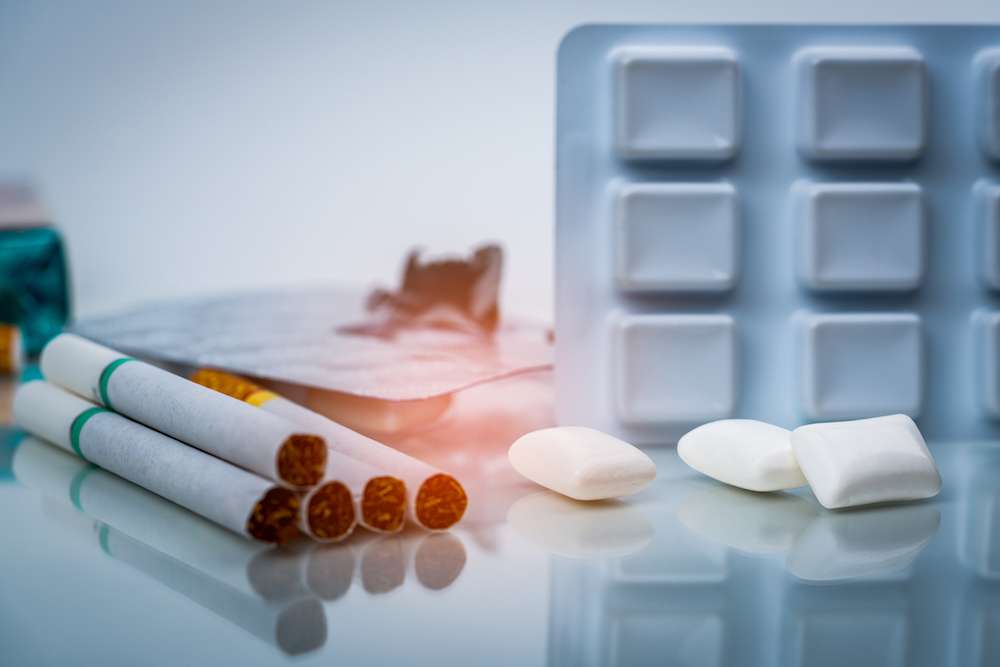
    Any Michigan resident can get eight weeks’ worth of free nicotine gum, patches or lozenges simply by calling the Michigan Tobacco Quitline at 800-QUIT-NOW, reports MLive.

    The offer is part of an effort to reduce smoking-related illness throughout the state alongside the Tips From Former Smokers campaign by the Centers for Disease Control and Prevention (CDC). The Tips campaign shares stories from those living with illnesses caused by cigarette smoke—either primary or second-hand—to help inspire current smokers to quit.

    “CDC’s Tips campaign reminds people of the harmful effects of smoking and connects them with important resources like the Michigan Tobacco Quitline,” said MDHHS chief medical executive and chief deputy director for health Dr. Joneigh Khaldun. “MDHHS is committed to helping Michiganders quit tobacco products and reduce their risk of tobacco-related illnesses like cancer and heart disease.”

    The Tobacco Quitline, meanwhile, is open 24/7 and is available in English, Arabic and Spanish. In addition to free quitting aids, callers can get online coaching or advice via text messages.

    According to the MDHHS website, tobacco “kills more people in our state than AIDS, alcohol, auto accidents, drug overdoses, murders, and suicides combined.” The CDC estimates that, although the number of people who smoke tobacco has decreased in recent years, it’s still responsible for one in five deaths in the entire United States. This makes it “the leading cause of preventable disease and death” in the country.

    Currently, 34.3 million U.S. adults smoke tobacco cigarettes, and over 16 million live with smoking-related illnesses. The number of smokers has declined from nearly 21% of the adult population in 2005 to 14% in 2017. Much of this decline can likely be attributed to aggressive anti-smoking and tobacco education campaigns across the U.S. as the federal and state governments fight to reduce this stubborn health crisis.

    The U.S. Department of Health and Human Services has a list of major national campaigns, including Tips from Former Smokers by the CDC as well as FDA campaigns such as Every Try Counts for those who have attempted to quit multiple times and This Free Life, which is geared toward LGBTQ+ smokers.

    “Think about all the progress we’ve made. We’ve simply come too far to set ourselves back by using tobacco,” reads the This Free Life website. “This Free Life helps LGBT young adults achieve their best by encouraging them to live tobacco-free.”

    View the original article at thefix.com

  • Common Nerve Pain Drugs Linked To Suicide, Other Serious Risks

    Common Nerve Pain Drugs Linked To Suicide, Other Serious Risks

    A new study found that Lyrica and similar nerve pain meds were associated with increased suicide risk as well as unintentional overdose and traffic accidents.

    The popular prescription drug Lyrica and similar drugs that are used to treat muscle and nerve pain have been linked with suicidality, accidental overdose and increased risk of serious accidents, according to a new study.

    The study, published in the British Medical Journal, found that the class of drugs called gabapentinoids were associated with these risks. This class of drugs includes gabapentin, an older drug, and pregabalin, a newer drug that is marketed under the brand name Lyrica.

    The study examined records for 191,973 people in Sweden who were taking gabapentinoids between 2006 and 2013. Researchers found alarming trends among the group: 5.2% died by suicide or were treated for suicidal behavior, 8.9% had an accidental overdose, 6.3% had a traffic accident or offense, 4.1% were arrested for a violent crime, and 36.7% presented with head or body injuries.

    These events were much more common for people taking these drugs compared with the general population.

    “Compared to when the same people weren’t taking a gabapentinoid drug, their risk while taking pregabalin or gabapentin was 26% higher for suicidal behavior or suicide, 24% higher for accidental overdose, 22% higher for head or body injuries, and 13% higher for car crashes and traffic offenses,” Reuters reported.

    Dr. Derek K. Tracy, who wrote an editorial accompanying the study, told the news agency that the study results were significant, since many doctors believe that this class of drugs did not have many side effects.

    “As we accumulated more information over time, it has become clear that this is not the case, and most recently there has been a countering drive to try reduce their usage as their harm profile came more to the fore,” he said.

    Although researchers found that overall, gabapentinoids were associated with increased risk, they noted that pregabalin increased risk greatly, while gabapentin did not affect risk.

    Tracy went on, “This very large trial provides important information that pregabalin—but not gabapentin—increased the risk of a range of adverse outcomes, including suicide thinking and completed suicide, head injuries, and road traffic accidents. The risk was ‘dose-related’ which is to say the more one takes, the more likely such outcomes were, and young people aged 15 to 24 seem particularly susceptible.”

    Tracy added that it is “becoming clearer with time” that people are becoming dependent on gabapentinoids, although he said more research is needed to understand the risk of addiction and dependency.

    Pfizer, which manufactures Lyrica, said in a statement that the drug “is an important and effective treatment option for many people.”

    Study author Dr. Seena Fazel agreed, but said that the study indicates the medical community needs to be aware of the risks of gabapentinoids.

    “We need to be more careful about how these medications are prescribed and I think at the very least we should review guidelines about their use just to make sure these guidelines are up to date with the latest evidence,” he said.

    View the original article at thefix.com