Category: En

  • How to Handle Screen Time in a Pandemic

    How to Handle Screen Time in a Pandemic

    This #ChildrensMentalHealth week in the UK, we are focusing on how to handle screen time with children in the pandemic. One study comparing screen time in January 2020 with January 2021, has discovered that there has been a 100% increase in website and app visits, by four to fifteen year olds in the UK, with the average daily time spent on them increasing by 15%.

    Of course, as children are stuck at home and learning online, it is totally understandable that their screen time will have increased, as it has for everyone. But for children in particular, this can be damaging. One area of concern is eyesight, with data published recently uncovering a 300% increase in shortsightedness amongst six to eight year olds, potentially caused by online learning. In another study, overuse of social media, screen time and mental health issues were all raised as the primary worries of parents during the pandemic. These studies suggest that there are plenty of concerns felt both in both academic and parenting circles about how to handle screen time in the pandemic.

    We’ve put together some basic questions that you can ask of yourself, to help you gauge how much screen time your children should be exposed to.

    Is this helping or harming?

    How to Handle Screen Time in a Pandemic

    The first and most important question to ask is what is the purpose of the screen time your child is engaged with? Much of the cause for increased screen time during the pandemic has been that schools have been closed for months, forcing children to be educated online instead of in a physical classroom. These hours on Zoom with classmates and teachers offer a very different purpose and result than the hours watching YouTube videos for example.

    Therefore, when deciding which types of screen time to reduce and manage you must gauge the effect. One might even decide that online gaming with friends from school for a limited time could be considered a positive as it offers the social interaction children are losing in this time. How you evaluate your child’s use of their screens is up to you, but make sure that any blanket statements such as “you’re not using screens after school” are nuanced by an understanding of the positives and negatives of various forms of screen use.

    Which screens are most detrimental?

    As well as evaluating what uses of screens are helpful vs. harmful it is also useful to evaluate which devices themselves are the most detrimental. For example, we often forget that the TV counts as a screen and so discount it from our rules on screen time. However, 22% of 12-15 year olds have stated that TV watching led them to neglect their school work. So, consider all devices, no matter how big or small, in negotiating screen time with your children.

    What does harm look like?

    How to Handle Screen Time in a Pandemic

    In order to create a system for evaluating screen usage across time, devices, and generations we must first define what ‘harmful’ screen time would look like. This can be a personal consideration as only you will know what it looks like if your child’s behaviour seems to be impacted by screen time. However, there are some common themes, which we have written about before, that you can rely on to help you pick up on when a change may need to be introduced.

    Sleep is a good indicator of screen time intruding on the rest of our lives as sleep can be very badly impacted by excess screen time. Concentration and general mental health are also markers to watch. So, if you notice that your children are more tired, less focused and generally in a worse mood- it is time to evaluate their time spent on screens.

    Understanding that screen time has inevitably rocketed, and that there’s a limited amount you can do about it, will help you see that you shouldn’t be overly anxious about any too-strict count of hours on a device. Focus on the basics; whether your child is healthy, happy, sleeping and eating well and enjoying life, and if their time on screens is enhancing, or detracting from any of that, and you can’t go wrong.

    View the original article at itstimetologoff.com

  • How to Ensure Digital Wellbeing When Learning From Home

    How to Ensure Digital Wellbeing When Learning From Home

    This week is #childrensmentalhealthweek in the UK. In the pandemic, this will resonate with more people than ever before. The move to online schooling has been reported by many to have had a negative impact on children’s mental health. Long hours spent on Zoom or Microsoft Teams has left many experiencing ‘Zoom burnout’, left unmotivated, stressed, and isolated.

    In addition to this, not knowing when this period of online learning and homeschooling will end is also putting a strain on children’s mental health. Initially, in the UK, it was supposed that they would be able to return to school after February half-term. Unfortunately, with lockdown extended until 8th March, this will not be the case. Not only this, but they have no clear answer as to when they will be able to go to school again and see their friends.

    No wonder that this can be an anxious and isolating time for them.

    Therefore, it is important that their digital-life balance is not unhealthy and that their digital wellbeing is protected. In a time where so much of our lives have been moved to online spaces, maintaining a healthy relationship with tech is vital. A year ago, if you had been told that your child would spend six hours staring at a screen each day, you would most likely have protested in disbelief. Of course, these are strange and worrying times, but we cannot let this compromise our children’s mental health.

    How can we protect children’s digital wellbeing?

    The greatest concern is the sheer quantity of time children are now spending online. From a physical health perspective, one area that is a concern is their eyesight. Prolonged hours staring at screens can lead to permanent eyesight issues, as well as headaches and eyestrain in the moment.

    Protect their eyes

    To protect their eyesight, encourage them to look away from the screen every 20 minutes and focus on something else across the room or out the window. They don’t need to stop listening or focussing on what’s going on in their online lesson; they just need to give their eyes a 20 second rest.

    How to Ensure Digital Wellbeing When Learning From Home
    It is important for both the education and welfare of a child that they maintain a good digital-life balance

    To add to worries about the physical impacts of online learning, the educational value of remote online lessons delivered to children may be declining as time has dragged on. Whilst teachers are doing their utmost to ensure the quality of education children, it is very difficult for them to monitor behaviour, engagement and attainment from the other side of a screen. This is exacerbated by the fact that due to feelings of anxiety and isolation, combined with the monotony of learning from home, children may be losing motivation for their learning.

    Design digital wellbeing breaks

    To keep them interested, and for the sake of their attention span, it is important that they take frequent screen breaks and manage their time well. Try to carve out periods of time to be spent entirely screen-free, and spend it doing other enjoyable activities, such as going for a walk or doing something creative. This will give their brain a well-earned break from their lessons, as well as hopefully easing any feelings of stress or boredom that may have developed during the long day of online lessons. Don’t frame these as ‘screen time breaks’, try to emphasise the activity they are engaging in, instead of highlighting what they are leaving behind.

    Remind them they’re not alone

    Most importantly of all for their mental health and digital wellbeing, try not to let them be upset if they feel they have fallen behind, or are struggling with their work. Remind them that many children are in the same boat with them. It is simply that, because they are not all doing their work in the same classroom as in pre-pandemic times, they cannot see how others are faring, and perhaps struggling the same way.

    It’s a tough time for children but we can ensure that they get the maximum benefit out of screens for learning, without letting excess time impact their mental health. You can find more tips for maximised productivity for digital learning here.

    View the original article at itstimetologoff.com

  • 3 Techniques for Changing Tech Habits for Good

    3 Techniques for Changing Tech Habits for Good

    We know how hard it can be change your tech habits permanently; we have been writing about the addictive nature of tech and the digital sphere for years! 66% of UK smartphone users even admit to suffering from nomophobia, the fear of being away from your phone, which we discussed in a recent blog. If the very act of taking some time away from our screens is causing us stress it is no wonder those well-intentioned new years resolutions to change our tech habits are not working!

    So, we have put together 3 short and easy tips that should help you to finally make those resolutions real, taking them from the aspiration to action in each of our lives.

    #1 Copy someone who is doing it better

    This is the best cheat code out there! It can often be hard to take the nebulous idea of “changing your tech habits” and turn it into concrete actions in our lives, copying other people is one way to skip the complicated steps of deciding where to institute boundaries and what you want your relationship with tech to look like and jump right to the end. First, look around your friends and family and try and think of someone who has a better relationship with their tech habits than you. Perhaps it is someone who also works from home but seems to have a good balance or leisure vs. work, or it is someone who brags about their amazing sleep and concentration?

    3 Techniques for Changing Tech Habits for Good
    Copy someone who can put their phone down

    Next, talk to them about their boundaries with tech. Do they have it at meal times, in the bedroom, or on the loo? Do they have a routine for when they don’t go on their phone? How do they handle the issues you are struggling with (such as being unable to ignore notifications?). All you have to do then is copy their habits. If you live with them, this will be even easier, if not you could get them to write you a daily schedule showing how and when they use screens for you to live by (and adapt if absolutely necessary) until you find your groove with logging off.

    #2 Be playful

    All of this talk of boundaries, health benefits and statistical analysis of your screen use can seem a bit intense. If a methodological or scientific approach is not working for you that’s fine! Instead you could try treating changing your tech habits as a game and being a little more playful. You could set up a competition between your household/ bubble to see who can use social media the least in the next week (you can monitor this through screen-time). You could pick up a hobby from your childhood to take the place of the time you would normally spend doom-scrolling, or you could make a game out of living as much as possible without your phone. For example: 10 points for navigating without a phone, 5 points for completing your morning routine without touching your phone and give yourself a reward once you reach 100 or similar.

    3 Techniques for Changing Tech Habits for Good
    #3 Let your daily routine replace resolutions

    Resolutions are notoriously difficult to keep. Over 80% of New Year Resolutions fail and they are supposed to be 10x more likely to succeed than those made during the year! So, our big secret to help you change your tech habits is to tie your new resolutions to routine. For example, if you make coffee every morning after getting up, tie picking your phone up for the first time to after you have washed up the cup. If you are used to locking up at 10 each night, why not lock and turn off your phone at the same time? Tying your new habits to old routines will make them much easier to remember and follow, and you will finally be able to change your tech habits for good!

    View the original article at itstimetologoff.com

  • 5 Ways To Fit Mini Digital Detoxes Into Your Day

    5 Ways To Fit Mini Digital Detoxes Into Your Day

    It’s a challenge during a pandemic fitting in long periods of time away from screens, but there are very many good reasons why we should still be taking some breaks. Here’s why, and some ideas on how to spread mini digital detoxes throughout your day.

    For some time, we have been aware that screens and blue light can cause what’s been dubbed ‘digital eyestrain‘. As screen time has soared over lockdown, so have concerns for the long-term impacts of this on our eyesight. Now, there are heightening fears that eyesight may be deteriorating due to excessive time spent looking at screens.

    Eyesight deterioration is something that can be prevented if the source is spotted early and protective measures are implemented. If too much screen time is hurting it, we need to ensure we are only looking at screens when absolutely necessary. By incorporating some mini digital detoxes into our day, we can give our tired eyes the break they need.

    1. Don’t go on your phone immediately after you wake up

    This is the easiest way to prolong the time spent away from tech. Give yourself the chance to wake up, and your eyes the opportunity to adjust, properly, before looking at a screen.

    You likely know for yourself that going on your phone immediately after you wake up is not healthy; it often causes eyestrain and headaches as our eyes try to adjust rapidly. For tired eyes, the sudden blue light and tirade of information is an assault on the senses.

    2. Block off breaks, to be spent away from tech

    This is especially important if your work involves you staring at a screen. Set yourself breaks and spend these doing something that allows your eyes to relax. For example, move about or go for a walk. Do not spend your breaks away from your work screen browsing social media on your phone!

    Eyesight charity Fight For Sight recommend the 20-20-20 technique: for ever 20 minutes you spend staring at a screen, look away for 20 seconds, focussing your eyes on something 20 ft away. This technique is also mentioned in our founder Tanya Goodin‘s book ‘Stop Staring at Screens‘.

    5 Ways To Fit Mini Digital Detoxes Into Your Day
    There are plenty of ideas for mini digital detox in Tanya’s book

    3. Use a screen time blocker

    You may struggle to stay off your tech in your designated times. That’s ok – it can be difficult.

    Luckily, many phones now have a built in screen time tracker which allows you to set yourself limits. These can be useful if you easily get engrossed by your phone. Use this in combination with any one of a myriad of other apps which can block specific websites and apps and help you stick to your digital detox breaks off screen.

    4. Keep food and tech apart

    Meal times are a perfect way to seamlessly incorporate digital detoxes into your day. Use them as an opportunity to put away your screens and let your eyes relax. This is especially important for dinner time, as your eyes will be most weary by then and you should be starting to wind down for the evening.

    5 Ways To Fit Mini Digital Detoxes Into Your Day

    5. Schedule an analogue hour

    Think of some hobbies and activities you enjoy doing that do not involve screens. Then schedule an hour each day for them. Not only will this help you achieve a healthy work-life balance, it will also make you spend time away from your tech on a mini digital detox without you even thinking about it.

    View the original article at itstimetologoff.com

  • 3 Ways to Take Smarter Screen Breaks This Year

    3 Ways to Take Smarter Screen Breaks This Year

    Thanks to Covid, despite all our best intentions we’re all spending hours every day online, which means we can’t do a digital detox in the same way we could have before: we need to take smarter screen breaks.

    Around the time of the first UK lockdown, 2000 Brits were surveyed and over 55% of them reported they were concerned about their rise in tech use. However, it’s now been nearly a year since the pandemic struck and little has changed. We can no longer wait until restrictions are lifted before we make meaningful changes in our relationship with technology. We know that every 30 mins of screen time for toddlers is linked to a nearly 50% increase in expressive speech delay, and even in adults, excessive screen use can damage the brain! We’re now nearly all working from home, or being educated from home, so we need to learn how to take smarter screen breaks in order to balance the necessity of screens in the pandemic with our mental and physical wellbeing.

    #1 Protect your sleep
    3 Ways to Take Smarter Screen Breaks This Year

    One of the most damaging impacts that excessive screen use has is on sleep with a definitive link having been found between increased time spent on tech during the day and decreased quality and quantity of sleep at night. So, one of the ways that you can take smarter screen breaks this year is by limiting your phone use around bed times and in the bedroom. We have written a lot about this in the past because we feel so passionately about protecting that time. There are many ways to go about this, you could leave your phone outside of the bedroom, institute a ‘bed time’ for your phone, or commit to not going on your phone until you have had breakfast. Whatever strategy you choose, will enable you to be spend significantly shorter periods of time online, and, crucially, protect your sleep.

    #2 Relax offline

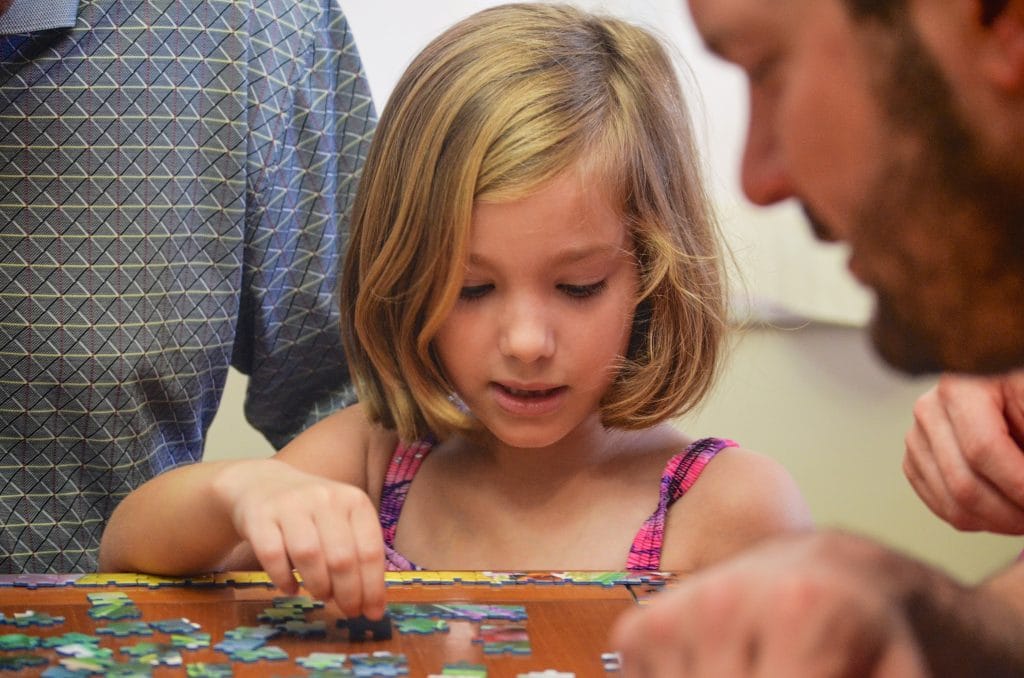
    Another area of your life primed for smarter screen breaks is that of relaxation and entertainment. During lockdown 50% of people admitted that they were watching significantly more TV, combined with working remotely and attending online school, this adds up to a large increase in screen time: we are spending all of our working days online and then relaxing in our breaks by watching TV, or even just videos on social media. So, in order to cut down on the amount of time we spend online we recommend you try to limit entertainment and relaxation to offline activities as much as possible. You could try puzzling, board games, charades, reading or even just listening to the radio or a podcast. All of these will enable you to unwind away from screens.

    #3 Tie screen breaks to your schedule

    If you’re still struggling to take smarter screen breaks then we would recommend a good habit hack of tying those breaks to pre-existing parts of your routine. For example, you could decide that when you have your lunch break you leave your phone where you work and instead be mindful of what you eat, or you could leave your phone behind for your daily exercise. You could even ban it from certain rooms of the house (such as the kitchen and bedroom) so that there are physical boundaries to help you enforce your routine-based boundaries.

    3 Ways to Take Smarter Screen Breaks This Year

    Bonus: You can even use the settings in your phone to help you- in most smartphones there is now the option to set time-limits for certain apps or for times of day, meaning that the phone will prompt you to turn it off.

    COVID-19 has wreaked havoc in all areas of our lives, not least our relationships with technology, but we hope that these tips will enable you to take smarter screen breaks in 2021 and rebalance your relationship with the digital world.

    View the original article at itstimetologoff.com

  • Here’s How Social Media Is Making You Anxious

    Here’s How Social Media Is Making You Anxious

    For many of us last year, social media was our comfort blanket. Isolated from friends and family, we resorted to spending time together virtually instead. Social media was an – albeit cheap and incomplete – replacement for the physical contact we were unable to have at that moment.

    However, people’s usage of social media is also causing them stress and anxiety. Constantly comparing ourselves and our own lives to what we see online causes us to feel inadequate and anxious as a result. FOMO contributes to this, and too-heavy weighting of the importance of interactions on social media, such as ‘likes’, also causes anxiety.

    In particular, seeing something alarming online can heighten stress. When we see distressing content on the news, our fight-or-flight response is activated. Similarly, our emotional states may shut down to give way to our senses as we struggle to process the overwhelming information or images in front of us.

    Yet despite our heightened alertness and the adrenaline pumping around our body, we cannot react. How could we? Usually we are miles away from the events taking place.

    Nevertheless, we are stuck in this state of anxiety and fearfulness. Our heart beat may have risen, or our chest may feel tighter all of a sudden. This exemplifies a 2013 American study into the health effects of exposure to harrowing media, which showed that even just viewing images of traumatic events can evoke anxiety and PTSD-like symptoms. As the University of Pennsylvania’s Center for the Treatment and Study of Anxiety’s Thea Gallagher explains, to be traumatised by an event, you don’t necessarily “have to be there”.

    And what respite do we get from this? Very little. Doomscrolling made a name for itself in 2020 as the habit of continually scrolling through negative news online. The onslaught of bad news – topped with the knowledge that there is very little we can do about it – makes us both miserable and anxious.

    Here’s How Social Media Is Making You Anxious
    Too much exposure to the news can cause us to feel anxious.

    Sleep quality, mental health and social media usage are a triad which depend heavily on one another, bidirectionally. It is well known that sleep deprivation and other unhealthy sleep patterns can worsen a person’s mental health. Many people suffering from poor mental health turn to social media, usually as a distraction. However, their social media usage could in turn exacerbate their mental health issues, or result in even unhealthier sleep patterns. Hence if boundaries are not set and we do not listen to our health needs, this triad could end up as a vicious, almost inescapable circle.

    Here’s How Social Media Is Making You Anxious

    If you feel yourself slipping into this cycle, a digital detox may be necessary. This is where you take a step back from tech, especially social media, and give yourself time away from it. This enables us to reevaluate our relationship with our tech, and realise the effects it has had on us.

    Social media is not intrinsically harmful. But, like most things, when not consumed in moderation it can be. If the idea of being away from social media makes you anxious, you may be addicted. Follow these tips here to learn how to curb your social media addiction, do a digital detox and let yourself relax.

    View the original article at itstimetologoff.com

  • Fighting FOMO in 2021

    Fighting FOMO in 2021

    Our last year has been a tough one for FOMO (Fear of Missing Out). Whether locked down or muddling through loosened restrictions, we haven’t been living our lives in any way like we were pre-pandemic. Even pre-pandemic, in 2017, we were struggling with the idea of FOMO, so it’s no wonder that around the world people are finding the current situation even more challenging.

    Many of us have now spent months without seeing friends or family, with only the increasingly cancelled Zoom to sustain us. We’re having to live our entire lives within a bubble, whether that’s parents, children, strangers (not so strange after nine months together), friends, or even just a house plant. Yet through social media, we can watch as those around the world, and those in less restricted regions than ours, can meet up and spend quality time with each other. It’s no wonder many of us are suffering with FOMO and reaching breaking point.

    Embrace your bubble

    Our first piece of advice is to embrace JOMO (Joy of Missing Out) instead of being stuck in a FOMO-only state of mind. We’ve written about it many times before- even once during the US presidential election when the news was getting a bit much for all of us. JOMO is vital to a healthy life in lockdown. If you have a good relationship with the people you live with, cultivate it. Try to enjoy home life so much that you no longer feel isolated by the restrictions. One tip for this is to get involved with analogue activities such as puzzling, board games or cards which you can get everyone involved with. Once you are fighting it out to the death in the final round of ‘go fish’ you won’t be worried about everyone else having a better lockdown- we promise!

    Fighting FOMO in 2021
    Comparison culture

    One of the many causes of FOMO is social media. Comparison culture, no matter who the comparison is with, makes COVID-19 and staying home even harder. Just the use of social media makes you more likely to break restrictions, and we’re pretty sure that’s because of comparison culture and the feeling that everyone else is having a ‘better’ pandemic than you.

    How do you fight that?

    Well, our advice is, as usual, log off! A social media detox will do wonders for your mental health, and if it helps you to stop breaking restrictions it could also do wonders for your physical health! We don’t mean don’t stay in contact with your friends and family, but why not stick to private messaging services such as iMessage and WhatsApp? If you’re talking to people you know, directly, you’ll be less likely to struggle, and the connection you make will nourish you far longer than an hour scrolling.

    Remember we are all struggling
    Fighting FOMO in 2021

    Despite what you see on social media, we know that COVID-19 is hitting everyone hard. Try to remember that for everyone you see having a great night in with their friends, those same friends have been in a fair few fights no doubt, about dish washing or whose turn it is to hoover. Even when restrictions are lifted, social media will remain unrepresentative of the truth of all of our lives. Take a deep breath, and ask questions of every post you see, message the poster to see how they are doing, or stick to our advice above and log off!

    We’re looking forward to a time in 2021 when we’re nostalgic for all the time spent at home, so appreciate every moment you have with your loved ones, each day is precious.

    View the original article at itstimetologoff.com

  • How to beat Nomophobia

    How to beat Nomophobia

    Nomophobia is the fear of being without technology, beyond the reach of the online world or mobile contact. Apparently, Generation Z increasingly even shower with their smartphone, so it’s on the rise. We have written about nomophobia before, how to identify it if you are struggling and what it even is, but we’re here to tell you now how to beat it.

    In 2020 we spent more time than ever online. With a new lockdown announced in the UK, it looks like we are set to spend even more time online, staring down at our phones. In a world where our only connection is through screens, it’s no wonder that we are so terrified sometimes to be without them. However, nomophobia is not a healthy reaction to being away from our devices. If you want to beat your nomophobia for good, here are some strategies to get you on the right track.

    Become less reliant

    We feel anxious when we don’t have our phones because we have become so reliant on them. We’re anxious because we no longer have access to maps, digital banking, contacts, shopping lists, search engines and more. So, the first step in being able to cope without your smartphone is to make yourself more self-sufficient. A mere ten years ago the vast majority of us were happy to go out to the shops without a portable encyclopaedia, digital map and tick box shopping list – we had a relaxed approach, rolling with what came up rather than freezing and turning to our phones for guidance. If we could do it then, we can do it now. Why not:

    • Write the shopping list down on a piece of paper and go on your weekly shop without a phone or
    • Try a different walk in your neighbourhood without a phone to see what you discover, you could even
    • Take some cash out and go out for the evening without your phone (when you’re allowed to do that of course in your part of the world!).
    How to beat Nomophobia
    Try shopping without your phone

    Very few activities really require a phone. Once you experience life occasionally without yours, we think you’ll be unlikely to turn back.

    Practice, practice, practice

    Another important step on the journey to overcoming nomophobia is to practice longer and longer periods of time of being without your phone. It would be easy to go to the shops without it once, experience the high of independence from technology and then revert to your old ways immediately. If you don’t want to be overcome by crippling dread each time your battery dies, you need to practice regularly. You could pick one of the suggestions previously mentioned and do it once a week or once a month as a way to keep your nomophobia at bay.

    It will also undoubtedly prove to you that another aspect of nomophobia: the fear of being unreachable in a crisis, is incredibly unlikely to occur. The world can manage without you if you log off for an hour, especially if you tell them in advance.

    How to beat Nomophobia
    Try exploring your neighbourhood, you will be amazed what you had never noticed before!
    Go cold turkey

    If all else fails you and nomophobia is taking over your life we suggest going completely cold turkey. This could take many different forms depending on your lifestyle. You will know best what works. You could take a week off to reset. You could buy a ‘dumb’ phone to use on weekends, or when you are not working, as we have suggested in the past. If navigation is what causes you anxiety, you could buy a pocket sized map to carry with you. If it’s fear of being unreachable, you could rediscover your landline.

    There are many ways to tackle nomophobia, different things will work for different people, but we hope you now have a few ideas you can get to work on. Take this year to tackle your fear and hopefully reduce one aspect of anxiety in 2021.

    View the original article at itstimetologoff.com

  • Are you addicted to social media? 5 tell-tale signs

    Are you addicted to social media? 5 tell-tale signs

    Social media can be addictive, we know that.One study found that 34% of adults have checked Facebook in the last ten minutes, whilst another discovered that just seeing the Facebook logo triggered cravings that were often too powerful to ignore. Even while knowing that social media can be somewhat ‘sticky’, sometimes it can be hard to draw the line between what’s mere enjoyment and true addiction. So, here are 5 tell-tale signs that you could be addicted to social media.

    #1 You think you might be

    If you think you might be addicted to social media – you probably are. Addiction is a psychological and physical inability to stop consuming a substance or doing an activity, even though it is causing psychological and physical harm. It’s the point at which the process of checking social media and being on it is harmful to you – and yet you still continue to use it. If you are aware of negative consequences of excess social media in your life, and yet you still can’t drag yourself away, you could be addicted.

    #2 You check it first thing in the morning

    If this is you, you are not alone, 40% of adults check there phone within 5 minutes of waking up, and 80% list it as their first activity of the day. However, if you are checking it first thing in the morning, and last thing at night, your entire life is bookended by social media, an unhealthy pattern. We have written many times about the detrimental impacts of social media and more general phone addiction to both your mental health and sleep quality – so try to stave off Insta for a couple more minutes first thing, and see how you feel.

    Are you addicted to social media? 5 tell-tale signs
    #3 Unconscious engagement

    Another obvious symptom of being addicted to social media is that your finger automatically clicks on an app. Have you ever been standing at a bus stop or in a waiting room, with your phone open and clicked on a social media app out of habit? Only once you’ve already clicked do you realise that you did it at all.

    Top tip: Regularly re-shuffle your home screen so that you have to actively look for your social media apps and consciously choose to click on them.
    #4 Doomscrolling

    Here is a topic we have written about before- the phenomenon of doomscrolling. This is when you spend hours mindlessly scrolling on social media, going from one bad news story to the next, drawn in by negativity. It is one of the more damaging aspects of social media as it can put you in a very negative headspace. If you find yourself in this position regularly we recommend taking a sabbatical, or at least putting a time limit on your social media.

    Are you addicted to social media? 5 tell-tale signs
    #5 Deleting is scary

    Lastly, the most obvious sign of addiction perhaps, the idea of deleting your social media accounts, or even switching them off for one day, is scary. If you feel a palpable sense of fear at the idea of not being on Facebook, Instagram, Snapchat or TikTok, then you probably need to do just that. Take a couple of days away, see how you feel, and readjust your interaction with social media accordingly.

    View the original article at itstimetologoff.com

  • In Memoriam: Bob Kaplan

    Bob taught me that when someone reaches out for help, it doesn’t matter what you’re doing or how you’re feeling… You just go!

    I’m going to miss you.

    My sponsor Bob Kaplan passed away last week, on January 1st. He was my sponsor of 22 years, and I loved him terribly.

    Today would have been Bob’s 37th sober birthday. He lived 77 years, the same as my father. Bob was like a father to me, I was certainly closer to him than to my old man.

    ***

    It took me three years of daily 12-step meetings to get 30 sober days in a row. I got 29 days three different times, but I just couldn’t get over the hump, and my eskimo Steve D. had all but had it with me. He and my sponsor at the time literally kicked me out of their 12-step group… And this was no ordinary group, there were legends there like Jack F. and Bob H., true old-time heroes to many in the 12-step community.

    I know what you’re thinking, how can you be kicked out of a 12-step group?

    But it was the most loving thing they could’ve done. They told me I needed to go to the Pacific Group because that’s where the sickest go to get help, but first I should go to AA Central Office and speak to the manager, a man named Harvey P. Harvey reminded me of an army general with a deep raspy voice. He was going to be my new sponsor.

    God bless Harvey’s soul, he took one look at me and marched me into a back office.

    “You’re not for me,” he said. “You’re for Bob.”

    A man who looked old enough to be my father was sitting behind a desk, leaning back in his chair with his feet up and talking on the phone. He held up his finger as if to say, I’ll just be another moment, take a seat.

    Then, out of nowhere, he started screaming at the person on the phone, and then hung up on him.

    Now you have to understand what the last three years had been like for me. I had a sponsor who told me I had to change everything about myself if I wanted to stay sober. And now here was this guy sitting across from me undressing someone the exact same way I would have if I was angry. I was in shock.

    After he hung up the phone, his face all red and a garden hose pumping generously through his forehead, he looked up at me. I spoke quickly before he could say anything.

    “Will you be my sponsor?”

    As excited as I’ve ever seen anyone, he stood up and screamed at the top of his lungs, “Oh yeah!”

    I don’t remember anything else from that day, but I left there with a sense of hope. I could still be me and be sober. I didn’t have to be some goody-good.

    A week later I got really sick and I called Bob in the morning to tell him I was going to the doctor.

    He was afraid I was going to “med seek,” so he told me to skip the doctor and go to the pet store instead and to call him when I got there.

    This is like 22 years ago so I hope I’m remembering this right, but when I called him, he told me to get something called amoxicillin. I grabbed a salesperson to help me and called Bob back when I had the medication.

    He told me to take two pills every four hours until they were gone.

    “You know, Bob, this is fish penicillin. For fish?” I said.

    “Yeah, I know what it is,” he said.

    “Bob, it’s got a skull and crossbones on the packaging and says ‘not for human consumption.’ I’m no genius, but doesn’t skull and crossbones mean poison?”

    “Son, I’ve got 12 and a half years sober,” Bob said. “Take it, don’t take it, I don’t give a shit. But if you want to stay sober, do what I told you to do.”

    Truth be told, I don’t know if I wanted to be sober for good back then, but I loved this guy already. He was nuts, but in the best possible way. I took the fish penicillin, and I got better right away, just like he said I would.

    One day shortly after that, I was so newly sober and so crazy, I drove around and around in a parking garage for 15 minutes, looking for the exit. I was lost and I just started crying. So I called Bob. He got me out of that garage in 60 seconds.

    We would speak every morning and meet up at meetings and then grab something to eat. Sometimes it was just the two of us, but most of the time my 12-step brothers and sisters joined us. Bob sponsored a ton of people, and his sponsees, old friends, and his magnificent wife Signe became our extended family.

    He taught me everything, everything that’s important.

    He taught me that when someone reaches out for help, it doesn’t matter what you’re doing or how you’re feeling… You just go!

    I got that from him!

    He would say, “there’s nothing to get, only to give.”

    I got that from him!

    One day I called Bob while he was at work and asked him to come see a house I wanted to buy. He left work to meet me and check out the house.

    Walking through the house, he says: “You got a lotta fireplaces in this place, kid, how many you got?”

    “Seven.”

    “This house is huge, how many square feet you got here?”

    I answered all his questions, giving him the details of this great house I’d found, speaking with pride and joy, the pride and joy you feel when somebody really gets you. Then he dropped the hammer.

    “Single guy, nine months sober. Do I have this right?” He asked. I nodded.

    “Get in the car, asshole, I’ll show you where you’re living. I can see you can’t be left unattended.”

    I got in his car and left my car behind. I did what I was told, his will was stronger than mine. It always was.

    We drove back to his condo in West Hollywood and he got on the phone with his real estate agent. I can still hear him saying, “Vita, come to my house and show my kid everything in the building… He needs a new place to live and can’t be left unattended.”

    I picked a unit on the same floor as his.

    Every night before bed, he came over in his pajamas, slippers, and bathrobe and hung out for an hour or so screaming at the game on television if we had sports on, and eating those super spicy vegetables in a jar that he loved.

    The four years I lived in Bob’s building I don’t think a day went by where we didn’t see each other. I loved him, and I miss him very much.

    In 2003 I had this crazy idea that I wanted to move to Malibu. The traffic and noise from the city were just too much for me.

    When I told Bob I was going to buy a house in Malibu, he told me to rent for three months before I bought anything to see if I liked it.

    “Bob, how is anybody going to not like living on the beach?” I remember saying to him.

    “You’re an animal, rent for three months and if you like it you can get it.”

    Again, he was right! I hated living on the beach. The wind and the noise, and whether your windows are open or closed, you always wake up in the morning with sand in your bed. (I still can’t figure out how that happens?)

    Instead, I bought a house about a half mile from the ocean with the most gorgeous white-water views. It was everything I loved about Malibu without the hassle of being on the beach.

    Bob was also right about being in a big house as a single guy. I was used to being in a small space and this new place was giant in comparison. I wasn’t comfortable there. It was too much for me, so I turned it into what would become a world-renowned treatment center and bought a two-bedroom cottage down the street that felt much better to me.

    I was not a clinician, I didn’t have any healthcare experience, and I didn’t have an MBA. I had never even been to rehab.

    But what I did have was very good training. Bob lived a life of service and he taught me how to do that — in a joyful way!

    There are very few people who have actually been on a true 12-step call with their sponsor, where they visit someone they’ve never met before in hopes of helping them get sober. I was so lucky to have gotten to do this with Bob.

    Bob and I were sitting at Central Office together when a call came in. He picked up the phone.

    Now, the people who answer the phone at Central Office are supposed to find out where the caller is, then look in the directory and give them directions to the closest meeting.

    That’s not what Bob did.

    He looked at me and said, “Let’s go, Rich!” We got in his car and drove to the caller’s house.

    After we parked, Bob turned off the car and grabbed my arm.

    “I want you to find a chair and go to the corner of the room,” he said, serious as he’s ever been. “You’re not to draw any attention to yourself and you’re not to say a word. Do you understand?”

    “Yes,” I said.

    “I need him focusing on me and what I’m telling him. Not a word, okay?”

    “Okay.”

    I don’t remember exactly what he said but I was 110% present at the time and I hung on every word.

    What I noticed was his command over the room.

    I noticed the empathy.

    I noticed the honesty.

    I learned these things from Bob. Everything that truly matters, I learned from Bob.

    ***

    Today, Bob’s doing just fine. Right now he’s eating breakfast with his wife Signe in heaven. She’s been gone 11 months and he hadn’t been the same since.

    And like any good father, he made certain that we would all be okay too. Mark, William, Big Rich, Fat Rich, and all my other 12-step brothers and sisters will be fine because our sponsor showed us how to live the right way.

    This man taught me everything, and although we’re all going to be okay, the world lost a genuine hero, a great man.

    Thank you, Bob. Make certain you come get me to take me to the other side when it’s time.

    I love you!
     

    In lieu of flowers, please make donations in Bob’s memory to Three Square. Read Bob’s obituary here.

    View the original article at thefix.com