Tag: News

  • Michael Phelps Receives Award For Mental Health Advocacy

    Michael Phelps Receives Award For Mental Health Advocacy

    Phelps has been working to end the stigma associated with mental illness through his nonprofit foundation.

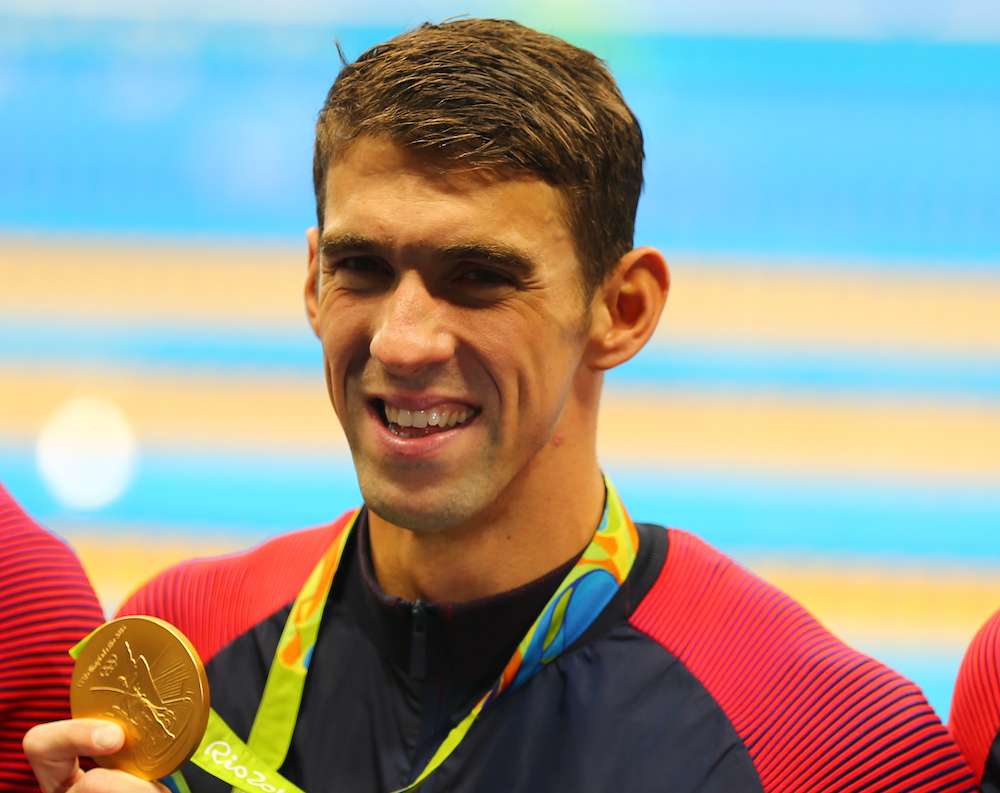
    With 23 Olympic gold medals, Michael Phelps is the most successful Olympian in history—but that didn’t stop him from experiencing mental illness. 

    “Probably my first real depression spell was after 2004, then the next big one was after 2008,” Phelps told the Associated Press in a recent interview, ESPN reported. “When you set out to be an Olympian, your whole life is put on hold. All the eggs are in one basket. I would say 2004, 2008, 2012, partly after ’16 (all Olympic years) I’ve dealt with pretty severe depression spells. I was kind of lost at that point.”

    After two DUIs, by 2014 Phelps checked himself into treatment, and since then he has been a vocal proponent for reducing stigma around depression and other mental illnesses. On Tuesday (May 21) Phelps received the Morton E. Ruderman Award in Inclusion for the work he has done to reduce stigma through the Michael Phelps Foundation.

    “Michael Phelps is a unique leader who has used his fame and status as the greatest swimmer of all time to challenge our society to remove stigma surrounding mental health,” said Jay Ruderman, president of the Ruderman Family Foundation. 

    Phelps never planned to become a mental health advocate. 

    “When I first really opened up about the struggles that I had in ’15, obviously I dreamed of being able to get more publicity to this and to really share my journey and have other people share their journeys with me as well,” he said. “Honestly, I never thought it would be as big as this, but it’s been a true dream to be able to watch the growth that mental health has taken, almost being at center stage.”

    Being able to help other people struggling with depression has meant more to him than his athletic success, he said. “Through this, if I can save one life, two lives, five lives, a thousand, a million, to me that’s so much more important than winning a gold medal.” 

    Phelps said that he has seen firsthand the difference that quality mental health treatment can make. Today, he is married with two children and a third on the way, and he has embraced his new role as a mental health advocate. 

    “When I was in my room and not wanting to talk to anybody for a number of days and not wanting to be alive, I wanted to see what other roads I could take to see if there was help,” he said. “I know it’s something that changed my life and saved my life and allowed me to be able to be where I am today, enjoying the platform of talking about something that’s so important.”
    View the original article at thefix.com

  • Beauty Queen Tackles Mental Health Stigma In The Asian Community

    Beauty Queen Tackles Mental Health Stigma In The Asian Community

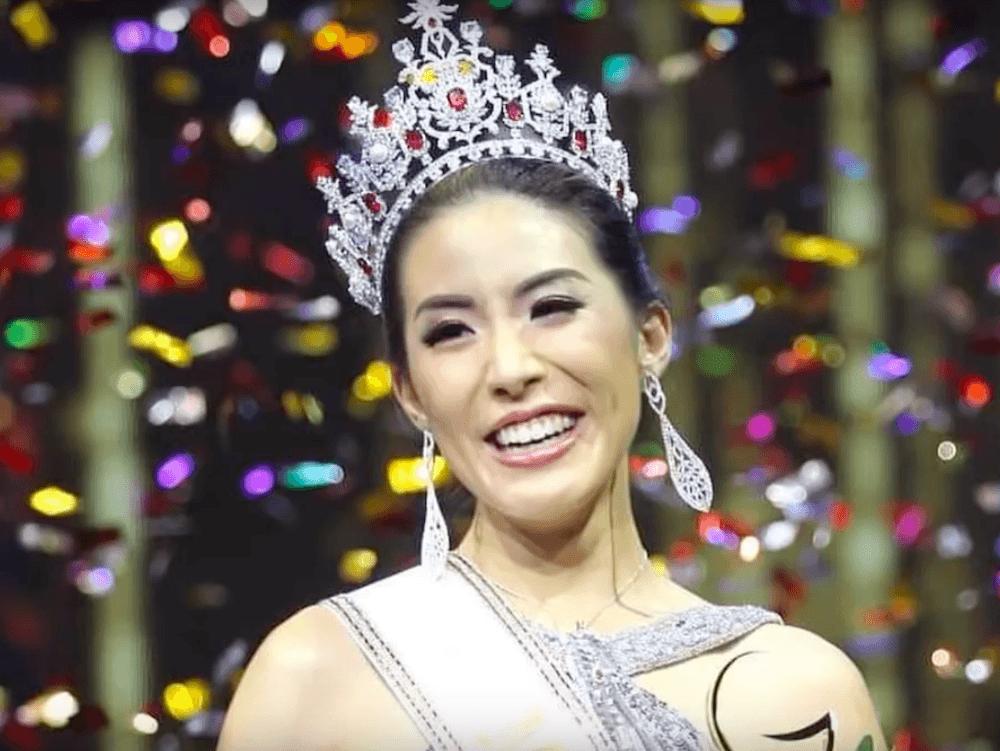
    Sophia Ng is using her platform as Miss Global to “remove the stigma that exists around mental health.”

    A counselor-turned-beauty queen is on a mission to de-stigmatize mental health in the Asian community, which has long considered it a taboo subject.

    Last August, Sophia Ng, 27, won her first pageant and was crowned Miss Asian America. The Vancouver-born, Hong Kong-raised therapist who had zero experience in pageantry was encouraged to enter the competition to further her mission.

    Ng is using her platform to break the taboo of speaking about mental health.

    “I was once in a suicide depression, and in my hour of darkness, I believed I was worthless and that life was not worth living,” she said during the Miss Asian America competition.

    In February, Ng was crowned Miss Global in her second-ever pageant, and stepped down as Miss Asian America.

    The beauty queen is drawing from her own experience with depression to spread her message that it’s “okay not to be okay.”

    “My passion is removing the stigma that exists around mental health,” she said at a recent banquet sponsored by the Chinese Association of Herculese, speaking in both Cantonese and English. “And I’m currently doing that by doing a lot of speaking engagements, especially with college students, educating them about this.”

    Growing up, Ng played dreamed of playing volleyball professionally, according to her profile provided by Miss Global. But at 16, she tore her ACL and MCL during a basketball tournament and had to have left-knee reconstructive surgery. The psychological toll of the long recovery time and feeling incapacitated, Ng said she became depressed. She isolated herself.

    “While I was still… recovering physically, my mind definitely began to sort of spiral downwards,” she told KQED.

    After a suicide attempt with sleeping pills, Ng saw a therapist who was able to give her a positive outlet to examine her issues. This experience inspired her to pursue a career in psychology.

    As a Chinese woman, Ng is able to understand the Asian community’s general apprehension to  discussing mental health.

    Until recently, she counseled students in San Francisco schools, but left her job to move back to Hong Kong to be closer to family.

    Eventually, Ng would like to open her own therapy practice and help schools and companies support mental health.

    View the original article at thefix.com

  • Heroin Is Being Replaced With Fentanyl Across East Coast, Midwest

    Heroin Is Being Replaced With Fentanyl Across East Coast, Midwest

    The surge of fentanyl availability in these parts of the country is putting long-time heroin users at risk for overdose. 

    In some places in the United States, heroin is becoming scarce or has even disappeared entirely.

    Throughout the East Coast and in parts of the Midwest—where heroin fueled addiction, overdose, medical injury and death—availability of the drug is receding. Instead, the New York Times reports, it is the deadly drug fentanyl that is within reach.

    Fentanyl is a powerful synthetic opioid, said to be able to cause overdose and death with just a small amount. In medical settings, fentanyl is used only for the most intractable and unbearable pain, such as late stage cancer. Fentanyl is cheaper to produce than heroin, while giving more bang for the buck.

    For those who use it, knowingly or unknowingly, fentanyl is “more addictive than heroin,” reports the Philadelphia Inquirer. Many who use fentanyl find that afterward, heroin alone is not strong enough to stop all their withdrawal symptoms and cravings. 

    Looking at a concentrated area, the U.S. Drug Enforcement Administration (DEA) released a 2017 report on Pennsylvania. The report stated that in Philadelphia, fentanyl was found in 84% of 1,217 fatal overdoses in 2018, and in 67% of the state’s 5,456 overdose deaths in 2017.

    The surge of fentanyl availability has affected long-time heroin users who have been able to manage their drug use so that it does not kill them, the Times reports.

    Along the East Coast and in the Midwest, people with long-term heroin addiction who have turned to fentanyl are dying of overdoses, unable to manage the potency and unpredictability of fentanyl exposure.

    Narcan (naloxone), the opioid overdose-reversing drug, works by blocking opioid receptors in the brain. Narcan can last for 30 to 90 minutes in the body.

    Fentanyl lasts for hours in the body. For some people overdosing on fentanyl, multiple doses of Narcan are required over a period of time, and it still may not be enough to save the person’s life.

    Researchers are working on a naloxone-based antidote that might be able to sustain prolonged results in the body, even blocking the effects of a fentanyl overdose for hours.

    A study presented at a meeting of The American Chemical Society by the Allegheny Health Network Research Institute and the Edgewood Chemical Biological Center showed promising results in lab animals. 

    View the original article at thefix.com

  • Teen Suicide Rates Are Increasing As Mental Health Resources Stagnate

    Teen Suicide Rates Are Increasing As Mental Health Resources Stagnate

    Nearly 80% of the country is experiencing a “severe shortage” of child and adolescent psychiatrists.

    Suicide rates for people aged 10-19 increased by 56% from 2007 to 2016, according to a recent report by the U.S. Department of Health and Human Services (HHS) and the Centers for Disease Control and Prevention (CDC). While unintentional injuries have fallen since 2007, suicide rates have steadily increased for this age group.

    This has occurred as mental health resources have remained insufficient to meet the need in the mast majority of the U.S.

    According to the American Academy of Child and Adolescent Psychiatry, 39 U.S. states fall into the range of either having an insufficient supply or a “severe shortage” of child and adolescent psychiatrists. The remaining states are classified as having a “more sufficient supply,” with Washington, D.C. having the most of any municipality at 60 psychiatrists for every 100,000 kids.

    This lack of mental health professionals has a direct impact on young people with psychiatric disorders and particularly those who attempt suicide.

    Rick Leichtweis, senior director of Inova Health System’s Kellar Center, told USA Today that Fairfax County, Virginia parents “often have to travel three to four hours south when inpatient beds open late at night” after their children attempt suicide. Others “regularly wait days in emergency rooms before a bed opens up in hospital psychiatric units.”

    Child psychiatrist Dr. Wun Jung Kim called the system of care for mentally ill teens “lousy.”

    “The lack of access to psychiatric care has been a problem for a long time, and it’s not improving because of the increasing demand for care of our nation’s youth,” said Kim.

    At the same time, despite the fact that many serious mental illnesses begin developing during childhood years, kids often remain untreated for up to 10 years. This may help explain why suicide is the second leading cause of death for individuals aged 10 to 24.

    Another recent study on suicide in young people found that the rate of suicide for young girls is rising faster than that of boys. Analysis by researchers at the Nationwide Children’s Hospital in Columbus, Ohio revealed that the previous gender gap in suicide among children aged 10 to 14 is closing at a rapid pace.

    The rate for girls climbed by an average of 12.7% each year from 2007 to 2016, compared to 7.1% for boys. The researchers stressed the importance of considering gender-specific issues in mental health care in light of these results.

    “This narrowing gap underscores the urgency to identify suicide prevention strategies that address the unique developmental needs of female youth,” they wrote. “Future research is warranted to examine sex-specific risk and protective factors associated with youth suicide and how these determinants can inform interventions.”

    View the original article at thefix.com

  • Pain Patients Push Back On Unfair Opioid Restrictions

    Pain Patients Push Back On Unfair Opioid Restrictions

    Pain patients hope to bring attention to the issue during Don’t Punish Pain rallies held around the nation this week. 

    April Grove Doyle just wanted to fill her prescriptions when she walked into a Rite Aid pharmacy. What she encountered, instead, was a hostile pharmacy worker who shamed her about using pain pills. 

    Doyle, who has Stage IV cancer, left in tears. 

    “I’ve got fucking cancer. I have terminal fucking cancer,” she said in a video that she posted about the experience. “They make me feel like I’m a felon or something. It’s not right.”

    Doyle is one of many pain patients around the United States who feel that opioid restrictions have gone too far. The pharmacist she interacted with that day told her he couldn’t fill her prescription because he was afraid of being fined.

    Pain patients say that these overly strict regulations on the distribution of pain pills erodes their quality of life and can ultimately drive them toward suicide. 

    “Pain patients have been abused,” Michael Schatman, editor-in-chief of the Journal of Pain Research told Wired. “I believe that it’s genocide of people with chronic pain.”

    Pain patients hope to bring attention to the issue during Don’t Punish Pain rallies held around the nation this week. 

    Doyle pointed out that she uses pain pills less frequently than her doctor recommends, making a one-month prescription last for 2-3 months. However, sometimes the pain from her terminal illness is too much to handle without opioids, she said. 

    “I don’t really take it unless I absolutely need it,” she said. “When you have metastatic cancer in your bones you need it, because sometimes the pain is so much you can’t even function. I just want to function. I want to be able to work. I want to be able to sleep. I want to be able to do things with my child. I don’t want to hurt all the time.”

    This isn’t the first time that Doyle has had trouble filling her pain prescriptions, even when she’s submitting them alongside other medications like chemotherapy pills and anti-nausea pills. 

    “Every time I take my pain prescription there they give me the run around. There’s always some stupid excuse,” she said. “I’m not a criminal. I’m not a drug addict. I don’t even take them as much as my doctor tells me to take them. It’s not fair.”

    Suicides among people with chronic pain have been rising, and many people blame the tightened regulations around opioids that have made it difficult for people to manage their pain effectively. 

    “You are allowing them to go home and essentially suffer until they kill themselves,” Lauren DeLuca, founder of the Chronic Illness Advocacy & Awareness Group, told The Fix last year. 

    View the original article at thefix.com

  • Recovery, Food Security & Jobs Are The Focus Of A Unique Initiative

    Recovery, Food Security & Jobs Are The Focus Of A Unique Initiative

    A look at the growing number of grassroots organizations focused on serving nutritious food and creating jobs for people in recovery.

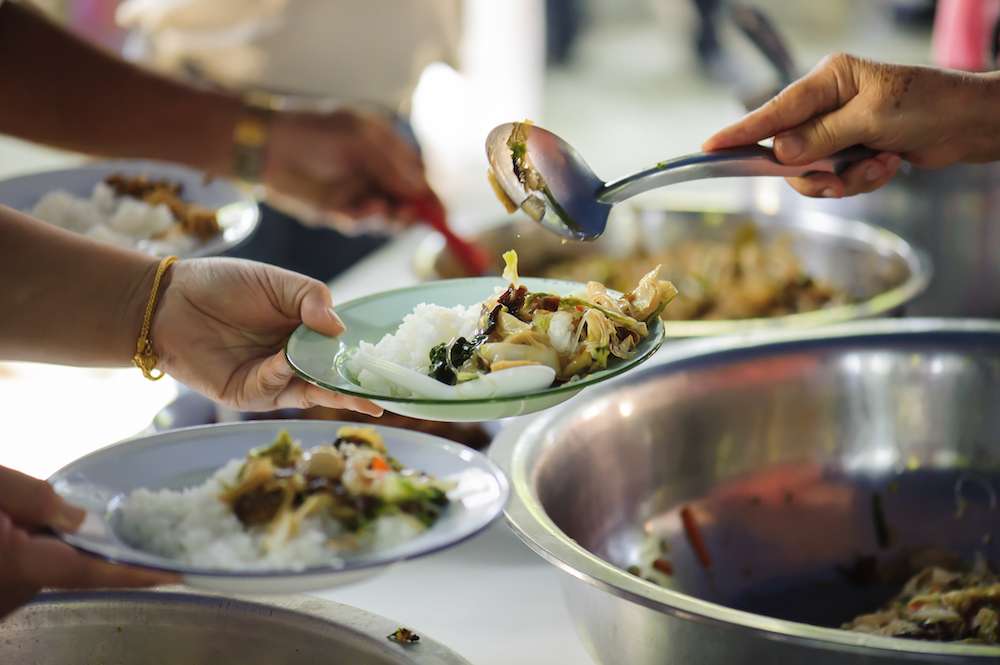
    A unique initiative growing in the Ohio Valley is hitting at more than one issue plaguing the region with one all-encompassing goal: to hire people in recovery to grow and serve nutritious food to the community.

    “[In West Virginia] we have the highest rate for obesity, and we have the highest rate for overdoses,” said Cheryl Laws, CEO and founder of Pollen8, one organization participating in the regional agriculture and food service project known as the Appalachian Food Enterprise (AFE). “But what we’re trying to do with the Appalachian Food Enterprise is take that negativity and show how to fix it.”

    Last October, the AFE received a $760,000 federal grant from the Department of Health and Human Services, WFPL reported. The goal of the program is to create 46 jobs over the next 3 years for people in recovery from substance use disorder or coming out of prison, according to the Charleston Gazette-Mail.

    These “re-entry populations” often have a hard time finding a job. By training and employing them in farming and food service, they are being empowered with marketable skills and are provided a community as well.

    “So not only are we really working to increase healthy food access, we’re also working to address the issue of finding jobs for individuals who are coming out of recovery, and who are coming out of prison,” said Reginald E. Jones, CEO of the Kanawha Institute for Social Research & Action. “If we do not hire them, they’re still a marketable person because of the skills that they developed along that continuum.”

    One example is Gro Huntington, an urban farm based in Huntington, West Virginia. The non-profit operation, which provides fresh food to farmers markets and restaurants, is managed by people in recovery from local treatment facilities.

    DV8 Kitchen is a restaurant in Frankfort, Kentucky whose recovery-driven mission has been covered by NBC News, The New York Times and more. Nearly every staff member at DV8 is in recovery, down to owner Rob Perez (28 years in recovery). The restaurant’s dedication to their staff’s recovery is clear—they close the kitchen early so staff can make therapy appointments, and they require staff to live in sober housing while they are working there.

    Cafe Appalachia is another example of a grassroots enterprise promoting nutritious food, recovery and job opportunities. It is comprised of a restaurant cafe located in South Charleston, West Virginia, an urban farm in nearby Dunbar, and soon a food truck and catering business. Staff begin their training at Paradise Farms, where they learn about farming, and then learn how to work in food service at the cafe. 

    “The idea of the enterprise as a whole is that we want to be able to take a seed, put it in the ground, grow it, harvest it, process it, and get it out to the social enterprises, like the cafe, like the catering business, like the food truck, and create training opportunities and jobs along that entire continuum,” said Jones.

    View the original article at thefix.com

  • Jonathan Rhys Meyers, Coca Cola Bottling Heir's Pot Business Trip Ends in Arrests

    Jonathan Rhys Meyers, Coca Cola Bottling Heir's Pot Business Trip Ends in Arrests

    The actor’s exact role in the chain of events remains largely unexplained.

    Stop us if you’ve heard this one: the Irish actor Jonathan Rhys Meyers, Coca-Cola bottling company heir Alki David, and Dish Network co-founder Chase Ergen land in the Caribbean—on a plane carrying more than $1.3 million in cannabis and CBD products.

    But their alleged mission—to “develop legal cannabis businesses” on the island nation of St. Kitts and Nevis, which recently legalized marijuana for private use—did not go as planned. Talks with the prime minister broke down, and Ergen and David were arrested at the airport, Vanity Fair reported.

    Meyers’ role in the trip remains unclear. According to Alki David, the actor’s wife and mother-in-law, who were also reportedly aboard the plane, were cavity searched during the party’s detainment.

    David, whose family business, Leventis-David Group, owns the Coca-Cola Hellenic Bottling Company, which is the third-largest international bottler in the world.

    He also owns Swissx, which manufactures a wide array of CBD products ranging from vape pens to sleep and beauty products and sexual enhancement supplements. With Ergen—the co-founder of Dish Network and EchoStar, among other companies—David formed a consortium that sought to develop a cannabis industry in eastern Caribbean nations, including St. Kitts-Nevis, Dominica and Antigua.

    On May 7, a private jet carrying David, Ergen, Meyers and members of his family, along with a reported 5,000 cannabis plants, seeds and CBD oil products flew to St. Kitts-Nevis.

    According to a press release by David, the trip was intended to “work with the government, the courts, the banks, the business sector and the farmers to develop a fair system that creates thousands of jobs on the island and uses Swissx’s international distribution network to make St. Kitts-Nevis cannabis products among the most sought after in the world.”

    A post on Facebook by the St. Kitts-Nevis police—which has been taken down—noted that when the group attempted to leave after the alleged failure of the talks with Prime Minister Timothy Harris, David and Ergen were arrested.

    David had been charged with “possession with intent to supply, possession of controlled drugs and importation of a controlled drug into the federation.”

    As The Cut noted, marijuana is decriminalized for adult use on the island, but bringing it into the country requires special permission. Ergen was also reportedly arrested for drug possession—specifically, ketamine—which he claimed was used to treat bipolar disorder. 

    David was eventually freed after posting $300,000 after a court appearance and left the country soon after. In Swissx’s press release—marked by the hashtag #FreeAlkiDavid—David said that he and Ergen plan to file lawsuits against Prime Minister Harris and the St. Kitts-Nevis government. 

    View the original article at thefix.com

  • Wendy Williams Dissolves Recovery Foundation

    Wendy Williams Dissolves Recovery Foundation

    Despite shuttering her foundation, Williams says she “remains committed” to helping others.

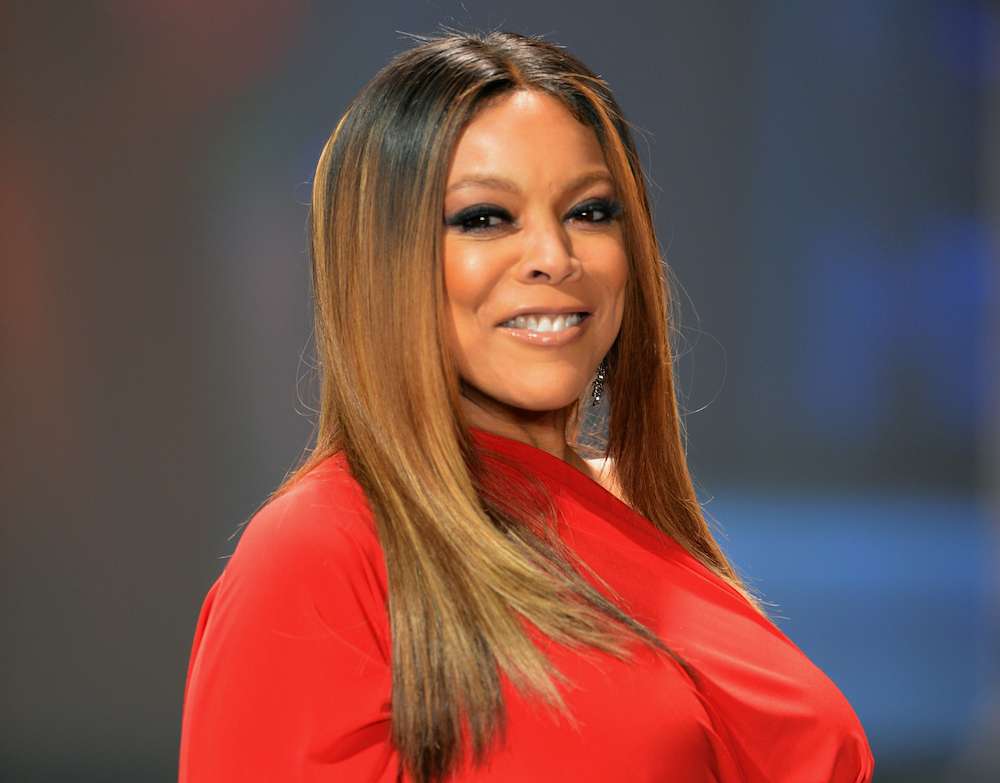
    Wendy Williams has dissolved the foundation she founded to support young people struggling to overcome substance use disorder, she said on her talk show.

    She had founded The Hunter Foundation—to support education, prevention and rehabilitation programs for substance use disorder—in 2014 with her now-estranged husband Kevin Hunter. But amid a dramatic split from Hunter, Williams says she will instead work with “other foundations” and “remains committed to helping others in the struggles of life.”

    Wendy filed for divorce in April and removed Hunter—who was not only her long-time husband but her business partner—as executive producer of her popular talk show, The Wendy Williams Show.

    Wendy had just revealed in March that she had been residing in a sober living home.

    “For some time now, and even today and beyond, I have been living in a sober house,” she said on her talk show. “And you know, I’ve had a struggle with cocaine in my past and I never went to a place to get treatment. I don’t know how, except God was sitting on my shoulder and I just stopped.” 

    She shared with her audience her day-to-day routine living at the sober house. “Doors locked by 10pm. Lights out by 10pm. So I go to my room and I stare at the ceiling and I fall asleep to wake up and come back here to see you,” she said. “So that is my truth. I know, either you are calling me crazy or the bravest woman you know. I don’t care.”

    Soon after filing for divorce, however, Williams made another big move. “I’m moving out of the sober house in just a few days,” she said on April 15. “It’ll be Wendy on her own.”

    She added, “Addressing my sobriety, my addiction, head-on has really helped me sort out every single compartment of my life. I have a commitment to me and my son to come out of here better, stronger and faster than ever.”

    Despite her messy and public divorce, and transitioning out of sober living, Wendy seems to be taking it all in stride. She recently said that she is “working on my divorce pleasantly” and is apparently enjoying the single life.

    “I don’t have a boyfriend, but I must admit I am rediscovering my love of men,” she said. “I do date and I date pretty often.”

    View the original article at thefix.com

  • Study: Bullied Kids Are Twice As Likely To Use Painkillers

    Study: Bullied Kids Are Twice As Likely To Use Painkillers

    Girls who had been bullied were also more likely than boys to have recently taken painkillers.

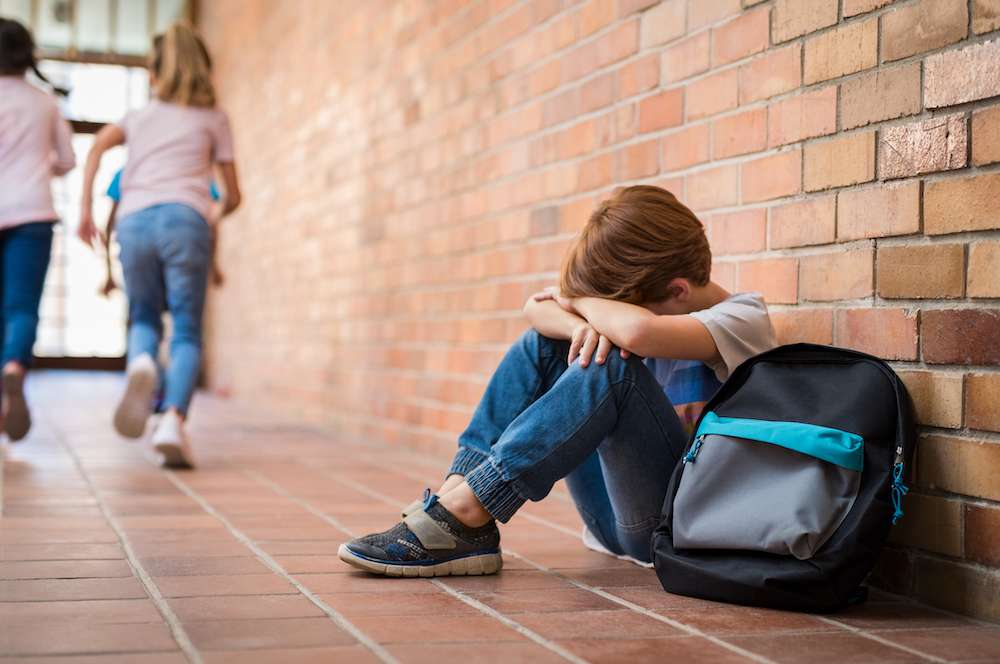
    A recent study of Icelandic school children found that those who reported being bullied were twice as likely to use pain medication as non-bullied children.

    The study, conducted in 2018 and published in Acta Paediatrica, surveyed over 10,000 kids aged 11 to 15. Close to 600 reported being victims of peer bullying two times per month or more, and it was found that these kids reported significantly higher rates of pain and use of medication for pain.

    The medications involved in the study were common over-the-counter painkillers such as ibuprofen, aspirin and acetaminophen.

    The children surveyed reported experiencing headaches, stomach pain, back pain, and neck/shoulder pain, and one in four of all surveyed kids who had some kind of pain at least once per week had taken an analgesic in the past week.

    Over twice as many bullied kids had taken a painkiller in the past week as non-bullied kids, at 33.5% and 15.2%, respectively. Girls were also more likely than boys to have recently taken painkillers, but controlling for all factors, bullied kids were more likely to turn to pills.

    “The use of analgesics was significantly higher among bullied students even when controlling for pain, age, gender and socioeconomic status,” lead study author Pernilla Garmy told Reuters. “Bullied students tended to experience more pain than the non-bullied students, and bullied students were twice as likely to use pain medication even when controlling for experienced pain.”

    Studies have already found a link between bullying and chronic pain. One 2015 study found that psychosocial stress, such as that arising from bullying, abuse, and family conflict, was a risk factor for this kind of pain in adolescents, and similar results have been found in studies about workplace bullying and harassment.

    This latest study adds to this evidence while also suggesting that using painkillers is more likely with those experiencing psychosocial stress, and not necessarily just because the pain exists.

    “My hypothesis of the link between bullying and painkiller use could be that if you are feeling satisfied and safe, and then get a headache, you might cope with the pain without medication,” said Garmy. “But if you are feeling sad and unsecure—a common experience by bullied children and adolescents—the pain might be overwhelming and there is a need for use of analgesics.”

    The study concludes by recommending greater recognition of the “high prevalence of pain and the use of pain medication in children” among health professionals as well as coordinated efforts for intervention and prevention.

    Although most over-the-counter analgesics are safe for adolescent children in small doses, there are concerns about overuse and “negative side effects that can worsen when combined with other coping behaviors such as alcohol.

    View the original article at thefix.com

  • Where Joe Biden Stands On Marijuana

    Where Joe Biden Stands On Marijuana

    Biden is one of the few Democratic presidential candidates that opposes legalization. 

    High Times detailed 2020 presidential candidate and former Vice President Joe Biden’s position on marijuana policy, which embraces decriminalization and federally supporting cannabis research—but stops short at legalization.

    Biden, who as a U.S. senator helped to pass punitive drug crime bills that he has since described as “a big mistake,” supports rescheduling marijuana as a Schedule II drug, allowing states to determine their own laws regarding legalization, and expunging prior marijuana possession convictions. 

    But Biden has opposed legalization in the past and continues to do so as a presidential candidate, which places him opposite fellow Democratic contenders like Bernie Sanders, Elizabeth Warren and Kamala Harris on that issue.

    A campaign spokesman for Biden, who told supporters in New Hampshire on March 16 that “no one should be in jail for smoking marijuana,” clarified the candidate’s position in a statement to CNN. “Vice President Biden… supports decriminalizing marijuana and automatically expunging prior records for marijuana possession, so those affected don’t have to figure out how to petition for it or pay for a lawyer,” said Andrew Bates.

    Bates also noted that Biden “would allow states to continue to make their own choices regarding legalization and would seek to make it easier to conduct research on marijuana’s positive and negative health impacts by rescheduling it as a schedule 2 drug.”

    As CNN noted, Biden supported decriminalization efforts as vice president under the Obama administration. In a 2014 interview with Time, Biden said, “I think the idea of focusing significant resources on interdicting or convicting people for smoking marijuana is a waste of our resources.” But he added that legalization was outside of the administration’s policy stance. 

    At the time of that interview, Biden had earned a reputation as a hardliner on the War on Drugs, supporting tougher penalties and prison sentences for drug offenses, including the Anti-Drug Abuse Act of 1988, which imposed more severe sentencing for possession of crack cocaine than its powder form.

    The bill, which led to disproportionate rates of incarceration in African-American and Latino communities, was later described by Biden as a “big mistake” which “should have been eliminated.”

    Biden’s support for decriminalization and other measures is shared by two other presidential hopefuls: former Colorado governor John Hickenlooper and Senator Sherrod Brown.

    The majority of the other 2020 Democratic candidates, including Senators Cory Booker, Kirsten Gillibrand, Amy Klobuchar, Mayor Pete Buttigieg and former Housing and Urban Development Secretary Julián Castro, all support marijuana legalization.

    View the original article at thefix.com