Category: Addiction News

  • New York Invests In 14 New Addiction Treatment Centers

    New York Invests In 14 New Addiction Treatment Centers

    Recovery Community Centers will focus on long-term recovery and offer ongoing support to combat relapse.

    New York State is investing more than $5 million to support the opening of 14 new drug addiction treatment and recovery centers, bringing the total number of new centers opened since 2016 to 25. At the same time, two of the state’s existing addiction treatment facilities will be expanded.

    The funds were awarded by the New York State Office of Alcoholism and Substance Abuse Services (OASAS) as part of a statewide effort to combat the current opioid epidemic.

    The new treatment centers, called Recovery Community Centers, will focus on long-term recovery, offering ongoing support to combat relapse, which is a common part of addiction recovery.

    “Treatment alone is not enough for people dealing with addiction, and we need to make sure that the proper recovery supports are available,” said OASAS Commissioner Arlene González-Sánchez. “These new centers will offer people in recovery a chance to meet their peers going through the same challenges, receive help to reclaim their lives from addiction, and build a new life in recovery.”

    According to Niagara Frontier Publications, these centers will offer peer support, skill building, recreation, wellness education, employment readiness, and social activities with the help of professional staff, peers in recovery, and volunteers. This is just one part of a “multi-pronged approach” put into action by Governor Andrew Cuomo.

    “We are committed to investing in recovery centers across the state to help individuals and families struggling with addiction,” said Lt. Gov. Kathy Hochul during her announcement of the funding plan.

    “This funding will establish 14 new recovery community centers and expand services at two existing centers across the state. We want to ensure people have access to the resources and services they need to lead healthy and safe lives and continue our efforts to combat the opioid epidemic.”

    This new grant comes on the heels of funding secured by Cuomo in December of 2018, when over $9 million was directed toward opioid addiction treatment services, including $2.1 million for new treatment facilities in high-risk areas. Prior to that, over $25 million was allocated to address the opioid epidemic in 19 counties in the state of New York in September.

    All of this funding is part of a national effort to halt the rising rates of opioid-related overdose deaths, which have increased six-fold from 1999 to 2017.

    Thankfully, preliminary data from the Centers for Disease Control and Prevention (CDC) appear to show that these deaths are beginning to level off, likely due to comprehensive efforts by states across the country to expand addiction treatment and distribute the opioid overdose reversal drug, naloxone.

    View the original article at thefix.com

  • Incarcerated Drug Offenders Freed By First Step Act

    Incarcerated Drug Offenders Freed By First Step Act

    The 14 Rhode Island inmates are among an estimated 2,600 federal prisoners who may be eligible for early release under the First Step Act.

    Fourteen inmates in the Rhode Island prison system have gained early release under the First Step Act, The Providence Journal reports.

    The federal law, passed in December 2018, provides sentencing relief to individuals convicted of crack cocaine-related charges before 2010 as a means of addressing what the Journal called “widespread acknowledgment of unfair lengthy mandatory crack-cocaine sentencing polices,” which sent numerous individuals—mainly people of color—to prison, many of which under life sentences.

    The 14 Rhode Island inmates are among an estimated 2,600 federal prisoners who may be eligible for early release under the First Step Act.

    As Vox noted, the First Step Act makes retroactive the reforms set in place by the Fair Sentencing Act of 2010, which reduced a disparity between sentencing for crack and powder cocaine sentencing handed down after the law’s passage.

    The law also expands the margins by which judges can avoid imposing mandatory minimum sentences and revises the “three strikes” rule so that individuals with three or more convictions, including those for drug offenses, automatically receive a 25-year sentence instead of life.

    And it increases both the number of “good time credits”—which grants prisoners the opportunity to gain early release for good behavior—from 47 days to 54 days, while also allowing them to get “earned time credits” for participating in job and rehabilitation programs.

    The Journal cited the case of one of the inmates, Joel Francisco, a former gang member who was sentenced to life in prison for crack cocaine trafficking in 2005. Having been twice convicted for felony drug crimes prior to his sentencing, Francisco was handed down a mandatory life sentence under then-current drug laws.

    “The judge at his original sentencing was forced to impose a life sentence, despite finding that a 15-year sentence was appropriate,” said public defender Olin Thompson. 

    Ten days after President Trump signed the First Step Act into law on December 21, 2018, Francisco wrote to the court to request an early release under the law’s guidelines.

    In his request, he cited having accepted responsibility for his actions, and noted the measures he’s taken to establish a life outside of his criminal past, including the 20-plus programs he’s completed during his 14 years in prison, including personal growth and conflict management.

    On February 5th, Judge John J. McConnell approved an agreement between Thompson and federal prosecutors, which allowed Francisco to leave prison on time served that same day.

    News of his release received a wary response from police. The Journal quoted Commander Thomas Verdi, who had worked Francisco’s case for years before his incarceration. “He had a propensity for violence. His nickname is Joe Crack, and [his gang] ran their operation through the use of violence.”

    But Thompson was quick to point out that Francisco’s track record behind bars, as well his time already served, qualified him for the early release. “Even after this reduction, he still ended up serving nearly 15 years for his non-violent drug offenses. The First Step Act merely extended to him and many others the benefit of reforms to our drug laws to make them fairer, more sensible and less racially disparate.”

    Chief U.S. Probation Officer John G. Marshall voiced optimism for the future of individuals like Francisco.

    “You’re looking at life in prison and you get your life back,” he said. “That’s a pretty big swing. Hopefully, everybody is going to be successful.”

    View the original article at thefix.com

  • Border Patrol Seize Nearly $1 Million In Cocaine Hidden In Tomatoes

    Border Patrol Seize Nearly $1 Million In Cocaine Hidden In Tomatoes

    The cocaine seizure was one of two major drug busts that happened at a Laredo port of entry last week. 

    Border patrol agents in Laredo, Texas had a productive weekend—seizing $3 million in drugs including more than $850,000 in cocaine that was being smuggled in a shipment of tomatoes. 

    “Securing the cargo environment is a critical mission for [Customs and Border Protection] and this weekend’s significant cocaine seizure underscores the need for our officers to stay ever-vigilant and aware of the narcotics threat while facilitating lawful commerce,” Albert Flores, the port director at Laredo Port of Entry told KTXS12 News.

    The Dallas Morning News reported that on Friday (March 1) an officer with CBP stopped a tractor trailer. When officials searched the truck, they found 111 packages of cocaine hidden in 44 packages. If they had been sold on the street, the drug could have raked in $857,500.

    On Saturday (March 2), officials at another bridge border crossing in Laredo stopped a man with an American passport who was driving through the crossing. In his vehicle they found 4 pounds of heroin and 120 pounds of methamphetamine, which were detected using drug-sniffing dogs. Those drugs had a street value of more than $2 million, officials said. 

    “I congratulate our frontline officers for their firm commitment to carry out the CBP mission and protect the public from illegal narcotics,” Flores said.

    President Trump has talked about how a border wall will stop the flow of narcotics into the United States. “Our southern border is a pipeline for vast quantities of illegal drugs, including meth, heroin, cocaine, and fentanyl.”

    However, experts point out that most drugs are smuggled into the country via legal entry points, like the Port in Laredo. Because of this, experts have argued that increasing resources for Customs and Border Protection would do more to stop illegal drugs than a wall would. 

    “A wall alone cannot stop the flow of drugs into the United States,” Christopher Wilson, deputy director of the Mexico Institute at the Woodrow Wilson International Center for Scholars told Vox in 2017

    “If we’re talking about a broader increase in border security, there could be some—probably minor—implications for the overall numbers of drugs being trafficked. But history shows us that border enforcement has been much more effective at changing the when and where of drugs being brought into the United States rather than the overall amount of drugs being brought into the United States.”

    In addition, demand for the drugs mean that smugglers will always look for new and innovative ways to get them into the country, experts say. 

    View the original article at thefix.com

  • Melania Trump: Media Should Focus On Opioid Crisis, Not "Gossip"

    Melania Trump: Media Should Focus On Opioid Crisis, Not "Gossip"

    The First Lady addressed the opioid epidemic at a recent town hall meeting in Las Vegas. 

    First Lady Melania Trump called on the media this week to spend more time focusing on the opioid epidemic and less time on frivolous reporting. 

    “I challenge the press to devote as much time to the lives lost and the potential lives that could be saved by dedicating the same amount of coverage that you do to idle gossip or trivial stories,” she said during a town-hall meeting in Las Vegas on Tuesday (March 5).

    The meeting was part of a three-stop tour highlighting her “Be Best” campaign, which focuses on well-being for young people by touching on topics including the dangers of opioids, according to NBC News.

    The first lady continued, “I wish the media would talk about more and educate more children, also adults, parents, about the opioid crisis that we have in the United States. They do it already, but I think not enough.”

    Trump said that coverage of the opioid epidemic should focus on the human toll of drug addiction

    “When we see breaking news on TV, or the front pages of newspaper — it is my hope that it can be about how many lives we were able to save through education and honest dialogue,” she said. 

    In her own home, she warns her son Barron, 12, that “drugs are dangerous. It will mess up your head. It will mess up your body and nothing comes positive out of it,” according to Time.

    Mrs. Trump is focusing on the opioid epidemic as part of overall wellness for young people, and feels that education is a key component of that. 

    “As a mother and as first lady, it concerns me that in today’s fast-paced and ever-connected world, children can be less prepared to express or manage their emotions and oftentimes turn to forms of destructive or addictive behavior such as bullying, drug addiction or even suicide,” she said last year. “I feel strongly that as adults we can and should be best at educating our children about the importance of a healthy and balanced life.”

    At the Las Vegas event Trump spoke with Eric Bolling, a former anchor for Fox News. Bolling’s son Eric died at 19 from a drug overdose, and Bolling has spoken publicly about the loss, including in a White House video

    “We never saw it coming,” Bolling said. “We never thought we would get that call.”

    In the video Bolling emotionally warns parents that they need to be aware that anyone’s child can fall victim to opioids. 

    “Not-my-kid syndrome is a killer. Because you just don’t know. It could very well be your kid,” he said. “So do us all a favor. Do yourself a favor. Do your family a favor. Do your children a favor. Have the discussion with them and do it again. And again. Get involved in your kids lives. …You could save a life. “

    View the original article at thefix.com

  • Gwyneth Paltrow Thinks Psychedelic Drugs May Be Next Wellness Trend

    Gwyneth Paltrow Thinks Psychedelic Drugs May Be Next Wellness Trend

    Paltrow believes that ibogaine—a psychoactive substance made from a West African plant—has the potential to help the culture “evolve,”

    No one really knows what’s next in the wellness world — but according to Gwyneth Paltrow, it may be psychedelic drugs.

    In a recent interview with the New York Times, the actress and founder of the wellness brand goop was asked about what may be the next big thing. 

    “I think how psychedelics affect health and mental health and addiction will come more into the mainstream,” she told the Times. “I mean there’s undeniably some link between being in that state and being connected to some other universal cosmic something.”

    Paltrow tells the Times that she has never tried any type of psychoactive drug herself, though she said she believes that ibogaine — a psychoactive substance made from a West African plant —  has the potential to help the culture “evolve,” according to Page Six

    Paltrow told the Times that she and goop have been ahead of the curve with other trends. 

    “When we talk about something that is incendiary, I always see in six months other people starting to write about it, and 18 months later, businesses popping up around it,” she said. “It’s always confirmation to me that we’re on the right track. I mean, when I did my gluten-free cookbook in 2015, the press was super negative and there were personal attacks about what I was feeding my children and what kind of mother I am. Now the gluten-free market is huge.”

    Paltrow began goop about 10 years ago as a newsletter of sorts, and in the time since it has grown into a “modern lifestyle brand,” according to the website. 

    “We believe that the little things count, that good food is the foundation of love and wellness, that the mind/body/spirit is inextricably linked, and we have more control over how we express our health than we currently understand,” goop’s website reads.  

    In the past, according to Page Six, goop has faced some backlash for its “misleading” claims and it even paid $145,000 in civil penalties in September of last year in a case involving a vaginal egg. 

    Paltrow acknowledges the company’s mistakes, but says it never has claimed to be “prescriptive” with its recommendations. 

    “When we were young and not even monetizing the business and just sort of creating content, we didn’t necessarily understand anything about claims. We just thought, ‘Oh, this is a cool alternative modality, let’s write about it,’” she told the Times. “Of course we’ve made some mistakes along the way, but we’ve never been prescriptive. We’ve never said, ‘You should try this,’ or ‘This works.’ We’re just saying, ‘Wow, this is interesting, let’s have a Q and A with this person who practices this.’ And then that somehow gets translated into, ‘Gwyneth says you should do this.’”

    View the original article at thefix.com

  • How to Deal with Dental Anxiety in Recovery: An Interview with Dr. Tasha Bollermann

    How to Deal with Dental Anxiety in Recovery: An Interview with Dr. Tasha Bollermann

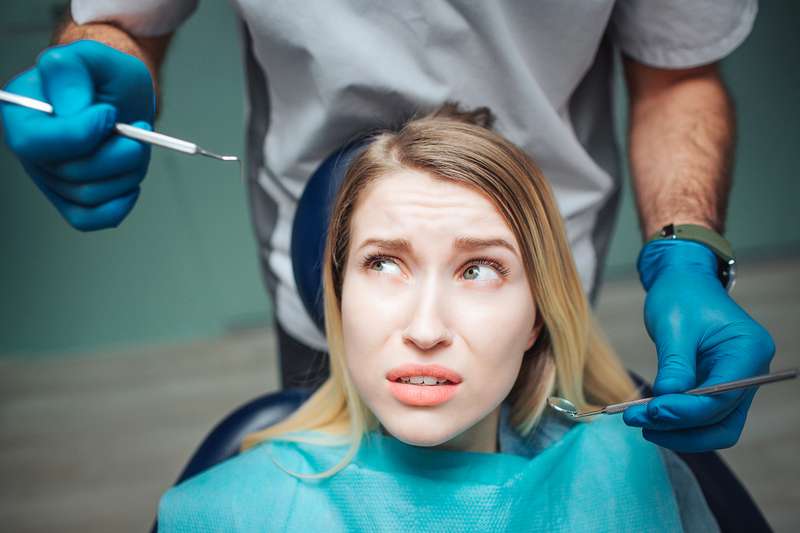
    Lying in a dental chair and having someone work on something so vital to survival is a very vulnerable position to be in, especially for those of us in recovery from addiction who have neglected our health and self-care.

    I suffer with near-debilitating dental anxiety. Every time I visit the dentist it affects my whole body: I struggle to articulate how I feel and the issues I’m experiencing, I become so tense that I have to be reminded to breathe, and I typically lose the whole next day due to exhaustion and an emotional hangover. And I’m not alone. Almost everyone I speak to in recovery has some kind of dental anxiety — so much so that many avoid the dentist altogether, neglecting care they desperately need. 

    Thankfully, I have a great therapist. She suggested that I mindfully explore the process of receiving dental care, advocating for my needs, and recovering my ability to self-regulate my fight or flight response. I have complex PTSD, which makes this whole process more challenging.

    Since moving to America I’ve spent thousands of dollars on dental care. I had no choice but to deal with months of dental pain by having a whole host of procedures, including root canals and crowns — all of which were unpleasant, to say the least. During one procedure I even had a panic attack, and I left many doctors’ offices feeling like I was too sensitive, an inconvenience.

    In my heart I knew that there had to be a dentist out there for me. I was so tired of feeling dismissed by doctors who roll patients in and out like they’re on a conveyor belt, only treating the symptom and never looking deeper.

    I had to find a doctor who understood the complexity of my situation and medical history and was thoughtful and patient enough to look at my experience holistically. After four dentists, I finally found one who demonstrated listening and compassion on a scale I’d never experienced. She had me when she told me that it was an honor to do her job.

    Curious to find out more about why people in recovery neglect their oral health, and the impact that drugs have on our teeth, I interviewed Dr. Tasha Bollermann for The Fix.

    The Fix: Thank you for taking the time to participate in this interview.

    Dr. Bollermann: I would like to thank you for giving me the opportunity to participate in this dialogue. The work you are doing to help people in recovery is important and powerful. My goal is to help people who are suffering live healthier and happier lives. I would also like to thank the reader for showing up and being ready to take the next step in their journey. Whether you know it or not, some part of you brought you to this article. Some part of you wants to break the cycle and pattern of where you have been and move into wholeness. You are ready for the next level of growth and healing. Otherwise you would not be reading this right now. Some of what I say might make you uncomfortable. This could be a signal that it is an area you are ready to begin to heal. So, congratulations on being here. I hope my words help you make progress in your journey.

    In your opinion, why do you think there is a tendency to neglect oral health even when the person is in recovery? What do you think are the main barriers preventing necessary treatment?

    Substance use may stem from a lack of self-love and self-respect. The basic needs for survival were not met, and therefore self-respect was not able to develop from a very early age. Often people show signs of self-loathing. This can lead to a desire to numb the shame with substances.

    I have witnessed the transformation from self-loathing to self-love. The habits of self-neglect need to be replaced with habits of self-care and nurturing. Teeth are vital for our survival. A person with a nice smile will get a job that a person with obvious dental diseases will not. Statistics show that the first thing we notice about a stranger is their eyes, and the second is their smile. So, breaking the habit of self-neglect and replacing it with a habit of self-care is essential to success. In my experience, the biggest barrier to oral health care in recovery is the lack of desire to care for yourself, and the lack of good habits. Neglect can lead to severe damage to the teeth and other organs. Often the damage to teeth is obvious without the expert opinion of a dentist. It is blatantly obvious to everyone you meet, as well as yourself when you look in a mirror. In comparison, the damage to the internal organs is less obvious. A return to overall health can be costly in time and money. There are financial obstacles in some cases and location obstacles in others, but a lot can be done with a toothbrush, some floss, a healthy diet, and a desire to get better.

    What are some of the effects that certain drugs have on the teeth, like meth for example? Are these effects from the drugs themselves, or rather from neglect?

    First of all, most drugs are harmful to teeth, so I don’t want you to think that this is a complete list of problems. However, some drugs deserve a mention here. Meth, for example, is one of the most destructive drugs I have encountered. It destroys the teeth rapidly. To my understanding, the drug itself is corrosive, which means it dissolves the teeth. Second, it creates extreme sugar cravings, which accelerates the process of tooth destruction. Ecstasy causes permanent neurologic changes in the brain. These changes create severe clenching and/or grinding of the teeth during sleep.

    Another substance use-related challenge is not being able to get adequately numb for comfortable dental treatment. This is most commonly seen with heroin and cocaine, but I also see it with alcohol consumption.

    Alcohol, marijuana, and tobacco are probably the most common drugs I encounter in my practice. The risk of losing the teeth to gum disease is significant, not to mention the risk of oral cancer. The more you drink and smoke, the higher your risk.

    Dental phobia is prevalent within the recovery community. How can people deal with that?

    Severe dental anxiety is best addressed before the dental appointment with a skilled practitioner of hypnosis, EMDR, neuro-linguistic programming, or other anxiety and recovery therapy. Once the patient can step into a dental office, it’s important for them to understand that they are not alone in their fear. The majority of people have fear around dental treatment. The stories my patients tell me are often heart-wrenching. Lying in a dental chair and having someone work on something so vital to your survival is a very vulnerable position to be in. Finding a dentist you can trust will help you build habits of success to manage your anxiety.

    Some patients are so terrified of communicating with their dentist that they often experience a frozen sensation, unable to articulate their fears or level of discomfort. What would you recommend to a patient that is even terrified to raise their hand to ask you to stop?

    This is tricky. As dentists, we rely on our patients to give us feedback on how they are doing. If the patient knows that this kind of freezing up has happened in the past and they share it with the dentist, then together they can work out a plan of action. A touch on the shoulder to reassure and check in can break the spell, so to speak. However, some patients don’t want to be touched. Again, I would say that needs to be discussed, and some kind of signal has to be arranged. Everyone has to be involved in the conversation. The dental assistant is, more often than not, the person who sees and acknowledges the signal, so the patient needs to include the assistant in the conversation as an important part of the team. If the patient is intimidated by the dentist, they should talk to the assistant about ways they can signal a concern that needs to be addressed.

    Many people in recovery will refuse pain medication stronger than Tylenol and local anesthetic. What do you recommend as a way to ease dental anxiety, and how would they compare to say traditional anxiety medications like benzodiazepines?

    The patients who refuse strong pain or anxiety medications are very wise. Benzodiazepines and opioids are highly addictive and can interfere with the recovery process. There are alternative ways to achieve relaxation and pain relief. Double-blind studies show time and again that ibuprofen and Tylenol are better pain control medications than prescription narcotics. Some of my patients visualize a safe and happy place that they escape to in their mind. Others take a combination of over-the-counter relaxation aids. Another approach is the use of acupuncture, aromatherapy, or naturopathic treatments before or after a dental appointment. Anyone in recovery should be careful about what they take for relaxation and pain control.

    L-theanine reduces anxiety. It promotes relaxation and stress reduction without sedating. L-theanine can help foster a state of calm, attentive wakefulness. It has positive effects on both the mental and physical symptoms of stress, including lowering heart rate and blood pressure. It is available in most health food stores.

    GABA (Gamma-Aminobutyric acid) is an amino acid produced naturally in the brain. It reduces the activity of neurons in the brain and central nervous system, which in turn has a broad range of effects on the body and mind, including increased relaxation, reduced stress, a more calm, balanced mood, alleviation of pain, and a boost to sleep. It’s available in most health food stores. It should not be used by patients already taking gabapentin.

    Brainwave entrainment works for almost everyone. It is a great way to lead your mind into states that you might usually have difficulty reaching, allowing you to experience a sense of calm relaxation without medication. Instructions are available on YouTube.

    If you plan on using any of these alternatives, I recommend you try them out in the comfort of your home first to see how it affects you. (Editor’s note: Consult your physician before taking any supplements. Even benign substances may interact with other medications or have unintended side effects.)

    What are some dental advancements that people may not be aware of since their last visit, but which would make the experience a whole lot less stressful?

    While most of the advances in dentistry are technical in nature, many shorten the time you have to spend in the chair. These include digital X-rays. You used to have to wait 15 or 20 minutes for the dentist, hygienist or assistant to process the films and bring them back, leaving you waiting and worrying. Now they are instantly available. The biggest advancement I would recommend is exercising your personal choice in dentists. Many dental offices today are very patient focused, virtually gone are the days of little to no concern for patient comfort. Choose your next dental office carefully, with the assumption that you will find a compassionate office.

    Tell me what similarities you see between dental disease and substance use disorders.

    Both dental disease and substance use disorder are lifestyle diseases. You can overcome both by creating small lifestyle changes that build on themselves. Achievement in oral health, or in substance use recovery, is a practice in the art of daily living. People who grow up in an environment of brushing and flossing daily are more likely to continue doing those things into adulthood. Those who grow up in an environment where the basic needs of survival are either not met or are minimally met are likely to continue those patterns into adulthood. Sponsors help keep the substance use at bay, and in a way the dental team is a sponsor for oral health. Regular checkups allow connection and repetition, which build habits of success. Habits of success build self-respect and self-love.

    Many of us neglect our teeth while in active addiction and sometimes this continues into recovery. How are you taking care of your teeth today? Let us know in the comments.

    View the original article at thefix.com

  • Democrats Embrace Legalization In 2020 Primaries

    Democrats Embrace Legalization In 2020 Primaries

    A number of presidential hopefuls have been vocal about their experiences with marijuana and their desire to end its federal prohibition.

    Just a few election cycles ago, presidential candidates had to carefully craft their answers when asked whether they had ever tried marijuana. Heading into the 2020 campaign, however, many prominent Democratic candidates are vocally supporting marijuana legalization at the federal level. 

    Last week, U.S. Senator and presidential hopeful Cory Booker introduced legislation in the Senate that would legalize cannabis and expunge the records of people who have been convicted of federal marijuana-related expenses. Four other presidential candidates—Kamala Harris, Kirsten Gillibrand, Bernie Sanders and Elizabeth Warren—co-sponsored the bill. 

    The movement also has momentum outside Congress. Former Texas congressman and likely candidate Beto O’Rourke sent an email to supporters this week announcing his support for changes to federal marijuana policy, according to Reuters

    “We should end the federal prohibition on marijuana and expunge the records of those who were locked away for possessing it, ensuring that they can get work, finish their education, contribute to the greatness of this country,” O’Rourke wrote. 

    Senator Kamala Harris opposed an effort to legalize cannabis in California in 2010. (A later measure legalized recreational cannabis in the state.) However, she recently joked about marijuana use, riffing on President Bill Clinton’s infamous remark during the 1992 election that he had smoked marijuana, but did not inhale. 

    “I inhaled,” Harris said. “Half of my family’s from Jamaica. Are you kidding me?”

    Bernie Sanders has said that he tried cannabis, but didn’t like it and “nearly coughed my brains out.” He added, “It didn’t do a whole lot for me.”  

    Still, Sanders has been outspoken about the need to legalize cannabis. His home state of Vermont was the first in the nation to legalize cannabis through legislative action rather than a vote. 

    Too many lives are being destroyed. Hundreds of thousands of people get criminal records. You know why? Because they have smoked marijuana,” Sanders said this week. 

    Another candidate, former Colorado Governor John Hickenlooper, has been more cautious in his attitude toward marijuana reform. Despite the fact that he led a state that legalized marijuana early on, Hickenlooper has not called for federal legalization. However, he said that states should have the choice and federal banking laws need to change if that happens. 

    Polls show that most Americans—of both parties—favor legalizing cannabis. Among Democrats, three-quarters of voters feel that federal prohibition has to end. This cultural shift likely explains the enthusiasm from candidates, said Erik Altieri, executive director of the National Organization for the Reform of Marijuana Laws (NORML). 

    “The Democratic candidates are just acknowledging the practical and political reality—this is not only good policy, it’s good politics,” he said. 

    View the original article at thefix.com

  • Could Microdosing Psychedelics Treat Mood Disorders?

    Could Microdosing Psychedelics Treat Mood Disorders?

    A new study investigated whether low doses of psychedelic drugs could have an antidepressant effect. 

    Individuals in and out of the medical community have long been fascinated with psychedelic drugs and their short- and long-term mind-altering effects.

    Some people with depression believe the drugs have the ability to treat mental health disorders, and new research indicates they may be right.

    A study published in the journal ACS Chemical Neuroscience found that rats who received tiny doses of the psychedelic N,N-dimethyltryptamine (DMT) experienced an antidepressant effect, but no negative effects on their memories. 

    “Taken together, the data presented here suggest that subhallucinogenic doses of psychedelic compounds might possess value for treating and/or preventing mood and anxiety disorders,” study authors wrote. However, they warned that more research is needed into the safety and effectiveness of microdosing in humans.  

    “Despite the therapeutic potential of psychedelic microdosing, this practice is not without risks, and future studies need to better define the potential for negative neurobiological or metabolic repercussions,” they wrote. 

    The data suggests that people who extol the virtues of using psychedelics to treat depression and trauma may be on to something. 

    “These antidepressant-like and anxiolytic-like effects are consistent with the anecdotal human reports regarding psychedelic microdosing providing strong supporting evidence that psychedelic microdosing might actually have therapeutic potential,” study authors wrote. “Compounds capable of enhancing fear extinction learning in rodents, such as 3,4-methylenedioxymethamphetamine (MDMA) are excellent candidates for treating PTSD symptoms in humans.”

    With microdosing, an individual would receive enough of a drug to stimulate brain changes, but not enough to induce hallucinations. Finding the most effective amount may be time consuming, but researchers expressed “cautious optimism” that it could be done effectively.

    “The overall psychedelic microdosing load, which includes the amount of drug in each dose, the frequency of administration, and the length of treatment, is likely to be critical for achieving the beneficial effects of psychedelic microdosing without negative repercussions,” they wrote. 

    Proponents of psychedelics say that the drugs—even taken at high doses—can help alleviate symptoms of depression, addiction and other mental health conditions. In fact, during the 1950s and ’60s, psychedelics were a mainstream treatment option in Canada. Today, many people with addiction turn to ibogaine treatment, which is illegal in the United States, to help them heal from addiction and trauma. 

    Kevin Franciotti wrote for The Fix about his experience using ibogaine to treat his addiction: 

    “Each month throughout the year following my single dose treatment, an investigator called me to administer an outcomes interview measuring my addiction severity, and mailed me additional scales to fill out myself. At the end of my participation in the trial, ratings for depression, anxiety, and addiction severity had plummeted, reflecting the new lease on life ibogaine had brought me.”

    View the original article at thefix.com

  • Purdue Pharma Considers Bankruptcy Over OxyContin Lawsuits

    Purdue Pharma Considers Bankruptcy Over OxyContin Lawsuits

    If Purdue were to file for bankruptcy, it could “halt” the lawsuits that have been brought against the company by plaintiffs across the country.  

    Purdue Pharma, maker of the prescription opioid OxyContin, is reportedly exploring the option of bankruptcy to deal with the nearly 2,000 lawsuits brought against the company in the wake of the opioid epidemic.

    Purdue has been accused of engaging in aggressive and misleading marketing tactics to pressure doctors to prescribe far more OxyContin than was necessary, leading to a massive spike in addiction and overdose cases. The drug company has denied the allegations, but the lawsuits keep coming.

    If Purdue were to file for bankruptcy, it would “halt the lawsuits and allow Purdue to negotiate legal claims with plaintiffs under the supervision of a U.S. bankruptcy judge,” according to sources who spoke with Reuters.

    In a statement from Purdue, the company declined to comment on the likelihood of turning to bankruptcy over fighting the many lawsuits at their doorstep.

    “As a privately-held company, it has been Purdue Pharma’s longstanding policy not to comment on our financial or legal strategy,” the statement reads. “We are, however, committed to ensuring that our business remains strong and sustainable. We have ample liquidity and remain committed to meeting our obligations to the patients who benefit from our medicines, our suppliers and other business partners.”

    In response to the news, Connecticut Attorney General William Tong has vowed to continue pursuing the state’s suit against Purdue Pharma and its owners.

    “We will oppose any attempt to avoid our claims, and will continue to vigorously and aggressively pursue our claims against Purdue and the Sackler family,” he said.

    Filing for bankruptcy to help handle their legal troubles does not necessarily mean that the drug company is in financial trouble. Many other companies have chosen the same route when faced with lawsuits in the past, according to Fast Company.

    This includes the asbestos manufacturer Johns Manville and Dalkon Shield, the company that created a faulty IUD birth control implant and faced 6,000 lawsuits after thousands of women suffered infertility, ectopic pregnancies, and/or death.

    These two companies created a precedent that is now regularly used by companies faced with high profile controversies, including USA Gymnastics, Pacific Gas and Electric Co., and even the Catholic church.

    Companies that use bankruptcy in this manner can continue on with their business once everything is settled. Unfortunately, victims often receive less compensation than they would if the lawsuits had been settled by a standard civil court with a jury.

    “Corporations don’t want to risk a jury giving, say, $700 million to a cancer victim who used talcum powder every day,” writes Melissa Locker. “Settlements like that could quickly drive them into Chapter 7 bankruptcy, which is the kind where they have to liquidate their assets and potentially cease to exist. That’s why corporations cut victims off at the pass, so to speak, and file for Chapter 11, where the court will take a stoic, logical approach to paying out claims based on dollars and cents, not emotional pleas for the damage done to them.”

    View the original article at thefix.com

  • Deaths From Alcohol, Suicide & Overdose Reach Record High

    Deaths From Alcohol, Suicide & Overdose Reach Record High

    Suicide, drug overdose and alcohol now kill more than 150,000 Americans annually. 

    Deaths from suicide, drug overdose and alcohol have reached an all-time high in the United States. 

    Data from the Centers for Disease Control and Prevention (CDC) analyzed by two non-profit organizations revealed that deaths attributed to those causes rose 6% in 2017, USA Today reported.

    Those factors are now responsible for 46.6 deaths per 100,000—killing more than 150,000 people each year, according to U.S. News and World Report.

    In 2017, deaths from suicide rose 4%, double the pace of increase over the past decade. Deaths caused by synthetic opioids also skyrocketed, up 45%. However, five states saw decreases in deaths from suicide, overdose and alcohol. Those were Massachusetts, Oklahoma, Rhode Island, Utah and Wyoming.

    Loribeth Bowman Stein, of Milford, Connecticut, believes that social isolation is contributing to these co-called diseases of despair.

    She said, “We don’t really see each other anymore. We don’t share our hopes and joys in the same way, and we aren’t as available to one another, physically and emotionally, as we need to be. The world got smaller, but lonelier.”

    Kimberly McDonald, a licensed clinical social worker in Wisconsin lost her father to suicide, and says that she sees patients struggling with suicidal ideation and addiction every day. Often, they don’t get the support that they need to heal. 

    “We are a society that criticizes and lacks compassion, integrity, and empathy. I work daily with individuals who each have their own demons,” she said. 

    However, Benjamin Miller, a psychologist and chief strategy officer at the Well Being Trust, said that people need to avoid the temptation to explain away these alarming statistics. 

    He said, “It’s almost a joke how simple we’re trying to make these issues. We’re not changing direction, and it’s getting worse.”

    The Well Being Trust calls for policy changes, such as restricting access to firearms and medications that can be deadly for someone looking to end their life. In addition, the trust calls for more funding for programs that support resiliency in kids, address childhood trauma, and provide treatment for addiction.

    All of these efforts, Miller said, can help save lives. Progress has been made in these areas, but there is need for more work, Miller said. 

    “It is important to see hope in the slowing of rates—but it’s not nearly enough. We should not be satisfied at all. Too many of us are dying from preventable causes.”

    Overall, the suicide rate has increased 33% since 1999. Rural states including West Virginia, New Mexico, Ohio, Alaska and New Hampshire have the highest suicide rates. 

    View the original article at thefix.com